Household Prep
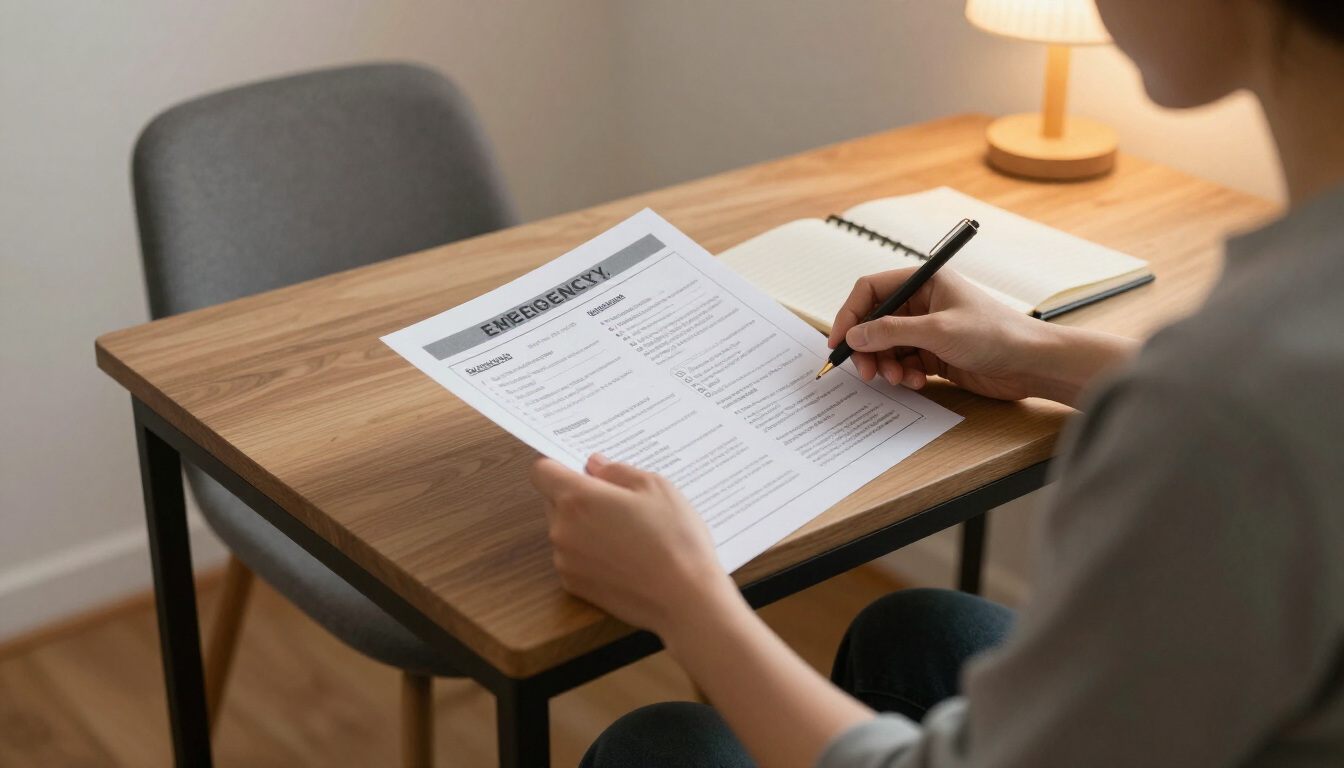
Emergency Preparedness for a College Apartment
A practical emergency preparedness guide for college apartments: a small kit, a shared plan with roommates, campus resources, and what to keep in a dorm-style room.
8 min readRead guide
Plans shaped for your actual household: couples, singles, babies, pets, night shifts, and roommates.
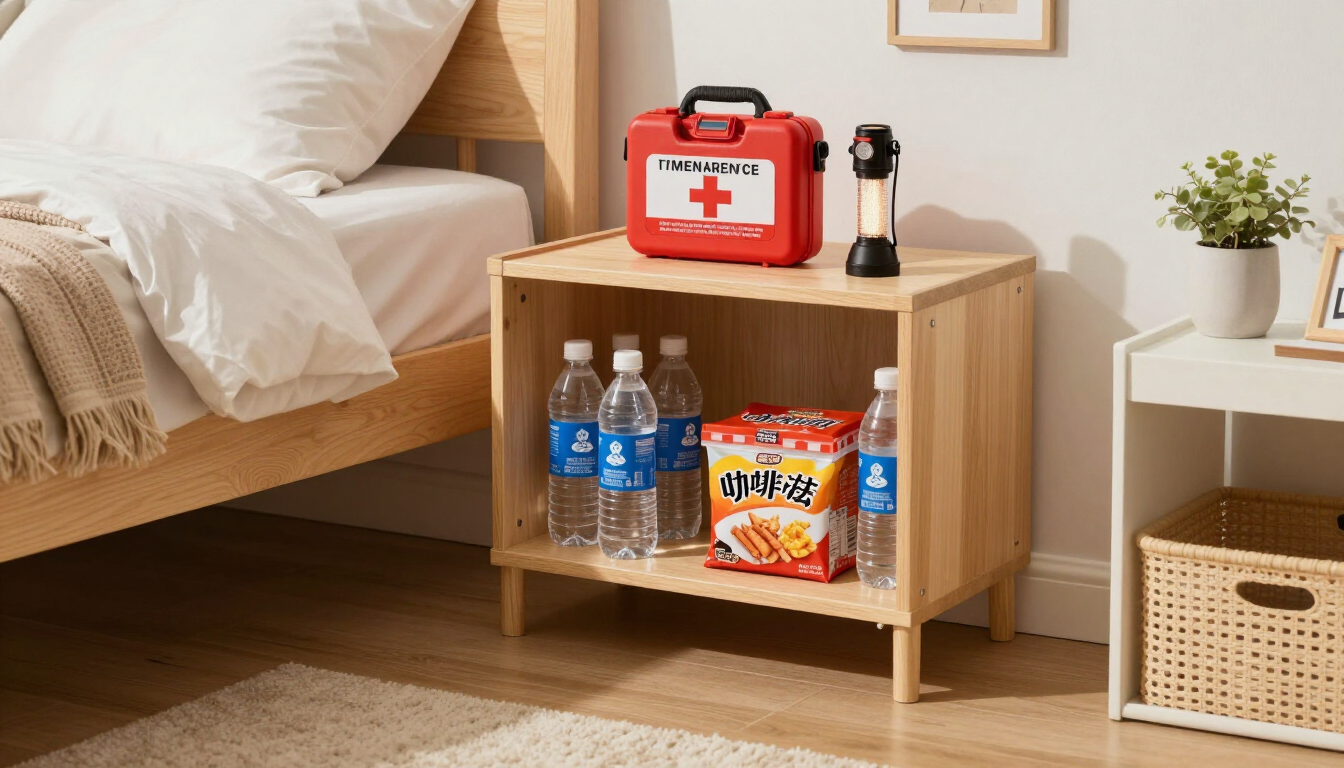
A kit that works for a single night-shift worker will not work the same way for a couple with a baby and a cat. Preparedness only fits when it matches the people who live with it.
These guides adjust the standard checklist for real households: solo renters, roommates with different schedules, families with small children, pet owners, and renters managing medications or disabilities.
A practical emergency preparedness guide for college apartments: a small kit, a shared plan with roommates, campus resources, and what to keep in a dorm-style room.
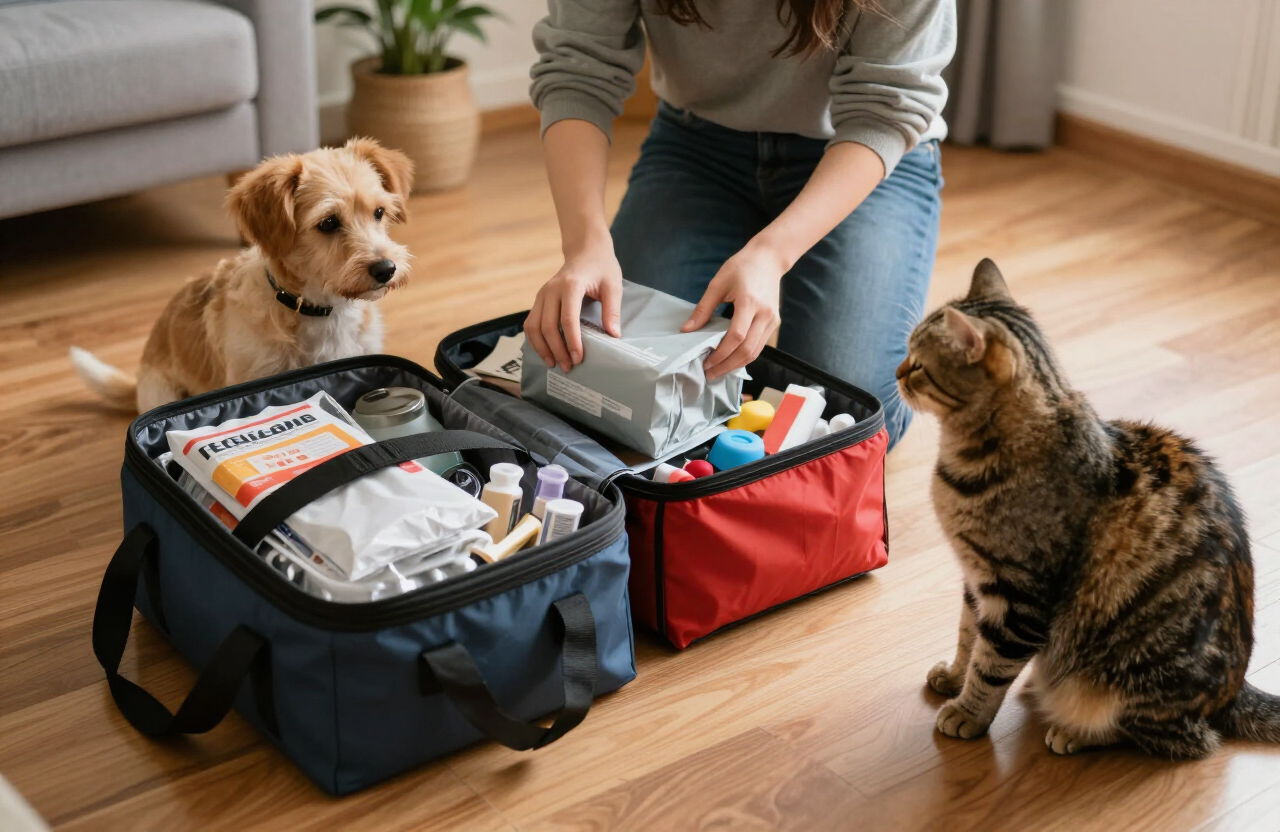
Emergency preparedness for renters with pets: a pet go bag, food and water, carriers and leashes, vaccination records, and a pet friendly evacuation plan for apartments.
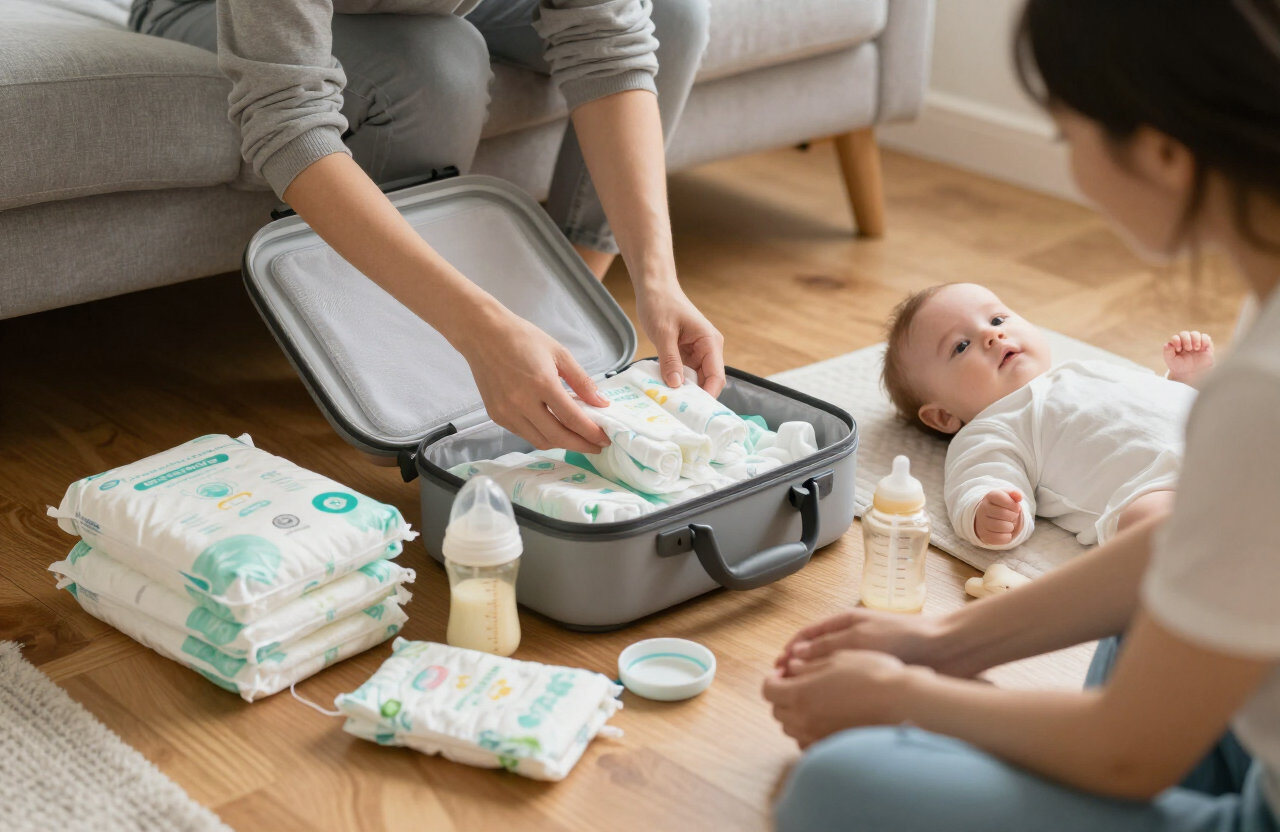
Emergency preparedness for renters with a baby or toddler: formula and food, diapers and wipes, medications, a carrier and go bag, and a calm plan for outages and evacuations.
Emergency preparedness for renters with disabilities: an accessible kit, medication management, alerting tools, a support network, and a personalized evacuation plan for apartments.
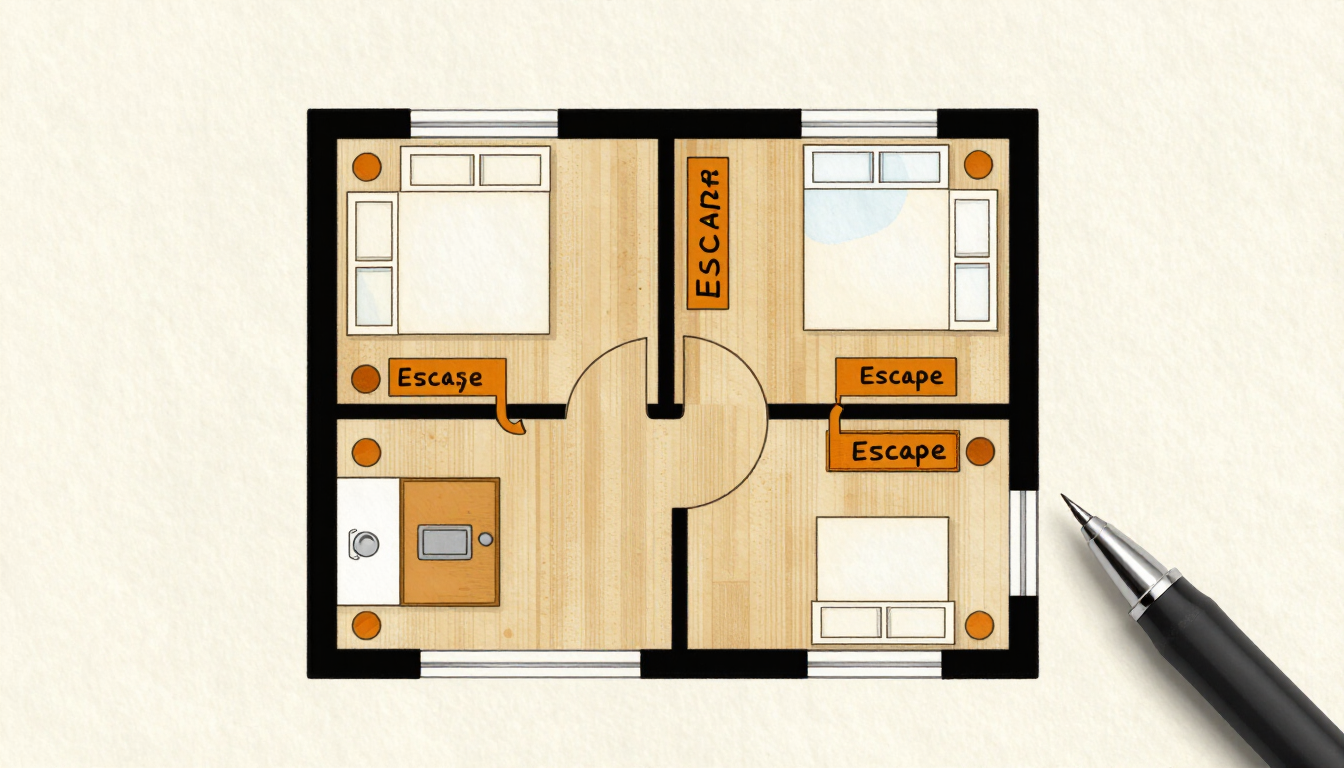
A step by step apartment fire escape plan for renters: two ways out, a meeting spot, smoke detector checks, and what to keep by the bed in a small space.
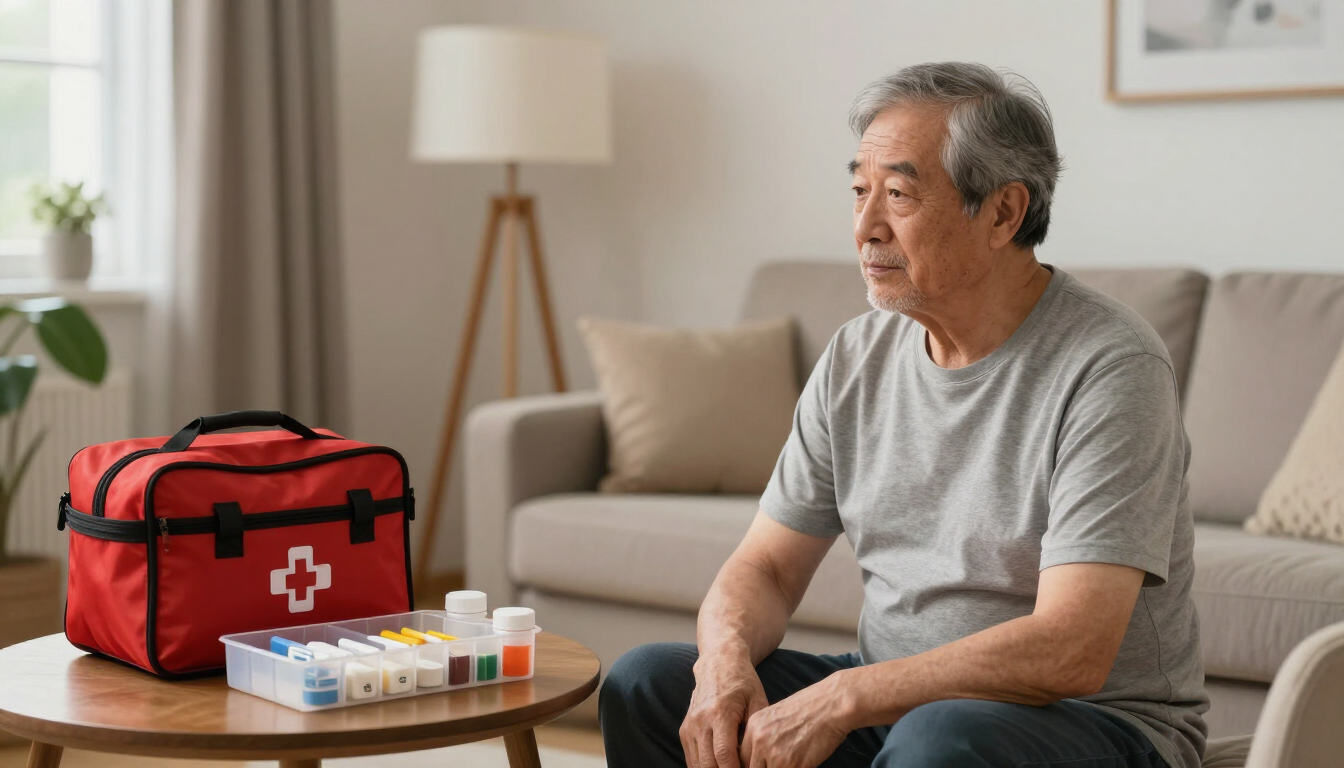
Emergency preparedness for seniors in apartments: medication backups, a go bag sized for limited mobility, large print contact cards, and a neighbor check in plan.
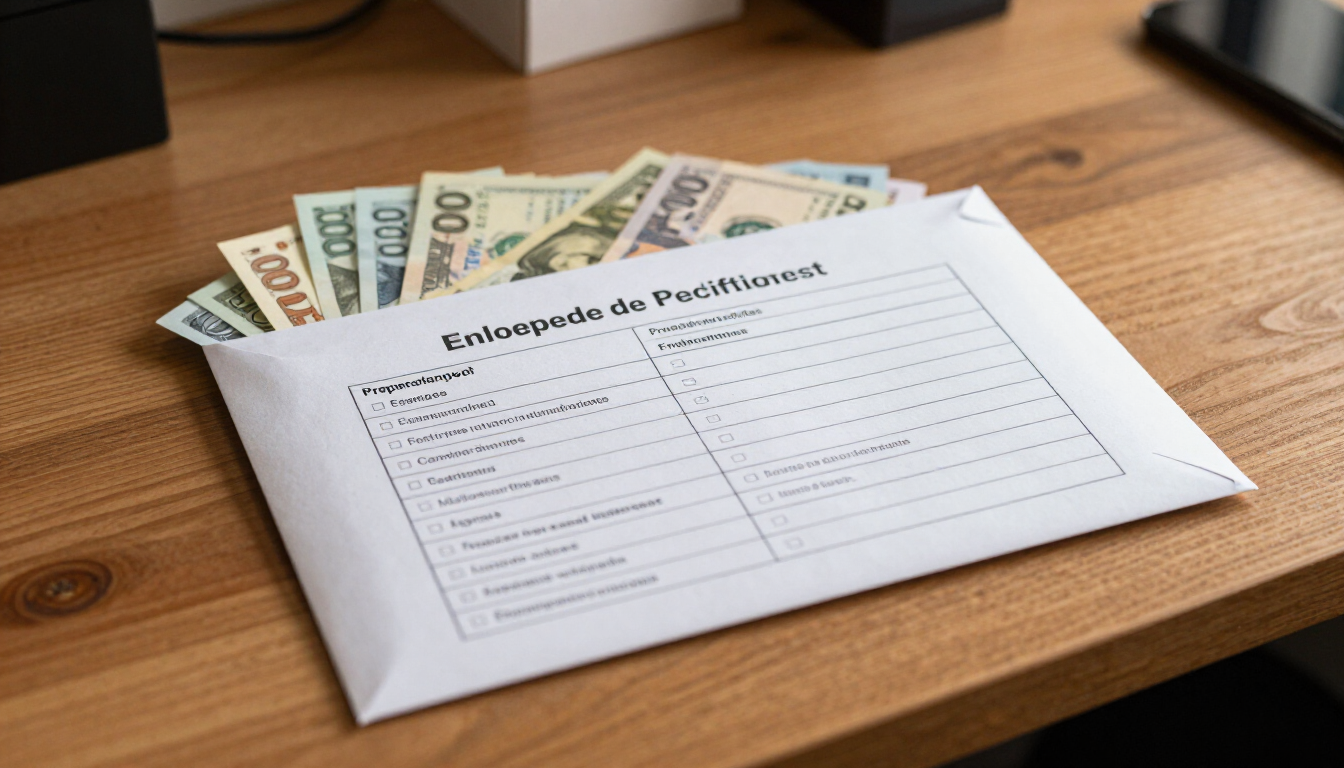
Emergency cash and financial preparedness for renters: how much cash to keep, small bills, a document grab list, automatic bills, and a small emergency savings goal.
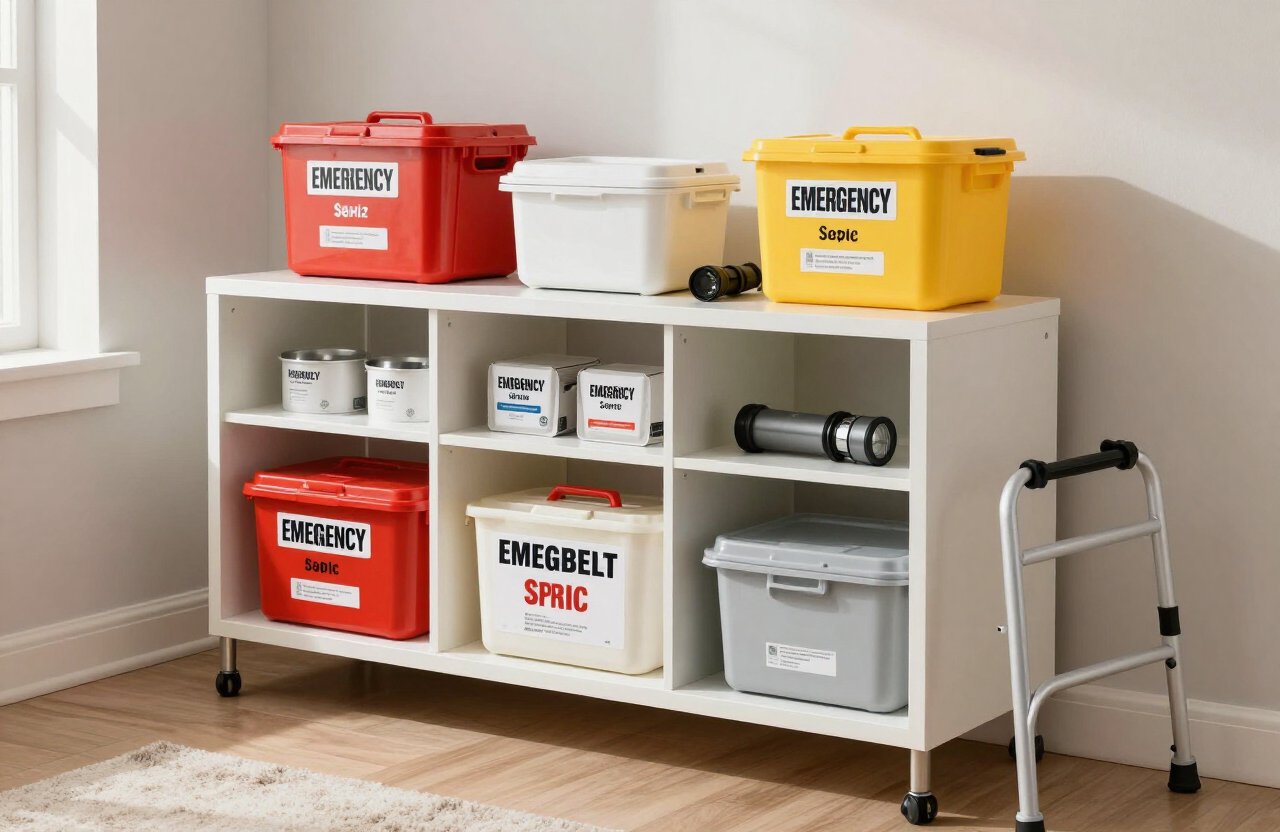
Apartment emergency preparedness for roommates: a shared supplies bin, divided responsibilities, a shared contact card, and a fire escape route you practice together.
Emergency preparedness for renters with medical conditions: medication backups, power dependent devices, a medical info card, and a go bag with extra supplies.
Emergency preparedness for renters in older apartment buildings: drafty windows, old wiring, radiators, fuse boxes, and how to plan around the quirks of an aging building.
Emergency preparedness for renters who work from home: keeping devices charged, backup internet, offline work files, and a plan to relocate when the power or internet goes out.
Apartment emergency preparedness for multi unit buildings: meeting your neighbors, a building contact tree, coordinating with building management, and checking on vulnerable residents.
Emergency preparedness and mental health for renters: coping during an emergency, recovering after, a calm corner in a small apartment, and where to find support.
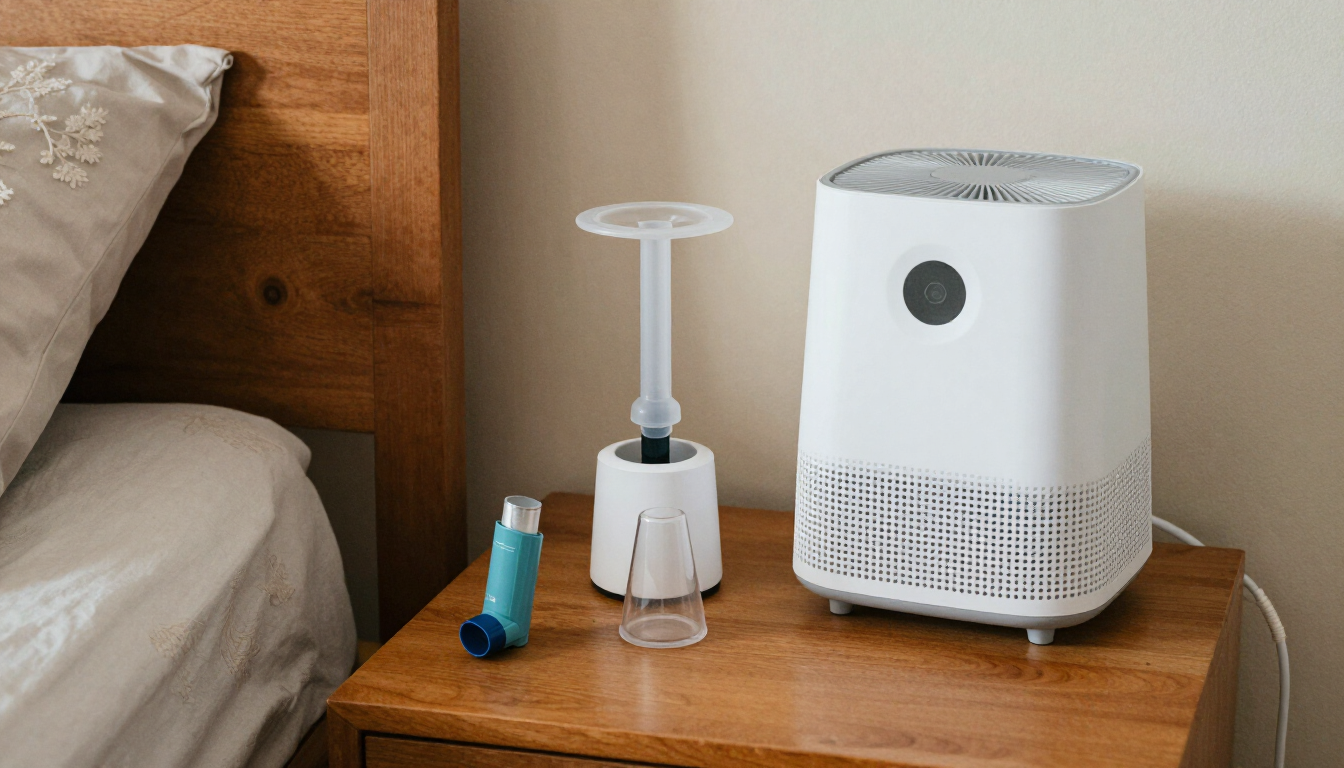
Emergency preparedness for renters with asthma and allergies: clean air at home, backup inhalers, an asthma action plan, and handling smoke, dust, and poor air quality in a small apartment.
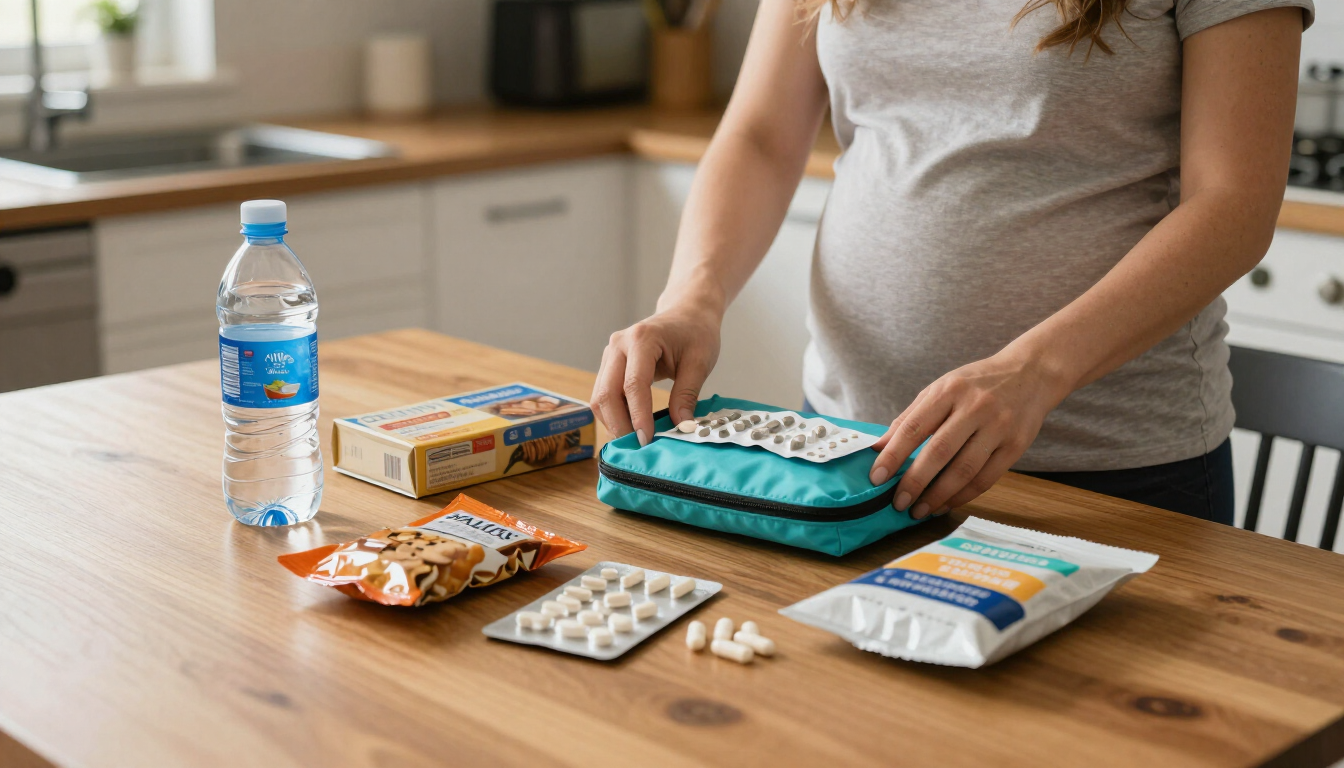
Emergency preparedness for renters who are pregnant: prenatal medication backups, a hospital go bag, hydration, nearby birthing locations, and a plan for heat and stress.
A practical emergency preparedness plan for a single renter living alone: a right-sized kit for one, a phone-based contact plan, a grab-and-go bag, a support network, solo safety checks, and a monthly routine.
An apartment emergency plan for a renter who works nights: alerts that reach you while you sleep, a plan for when you are at work and when you are asleep, roommate coordination, a tuned go-bag, and a flipped-schedule routine.
Occasional, practical emails for apartment dwellers. No alarm, no spam.
Occasional practical preparedness emails. Unsubscribe anytime. See our privacy policy.