Apartment Blackout Meal Plan: Three Days of No-Cook Food
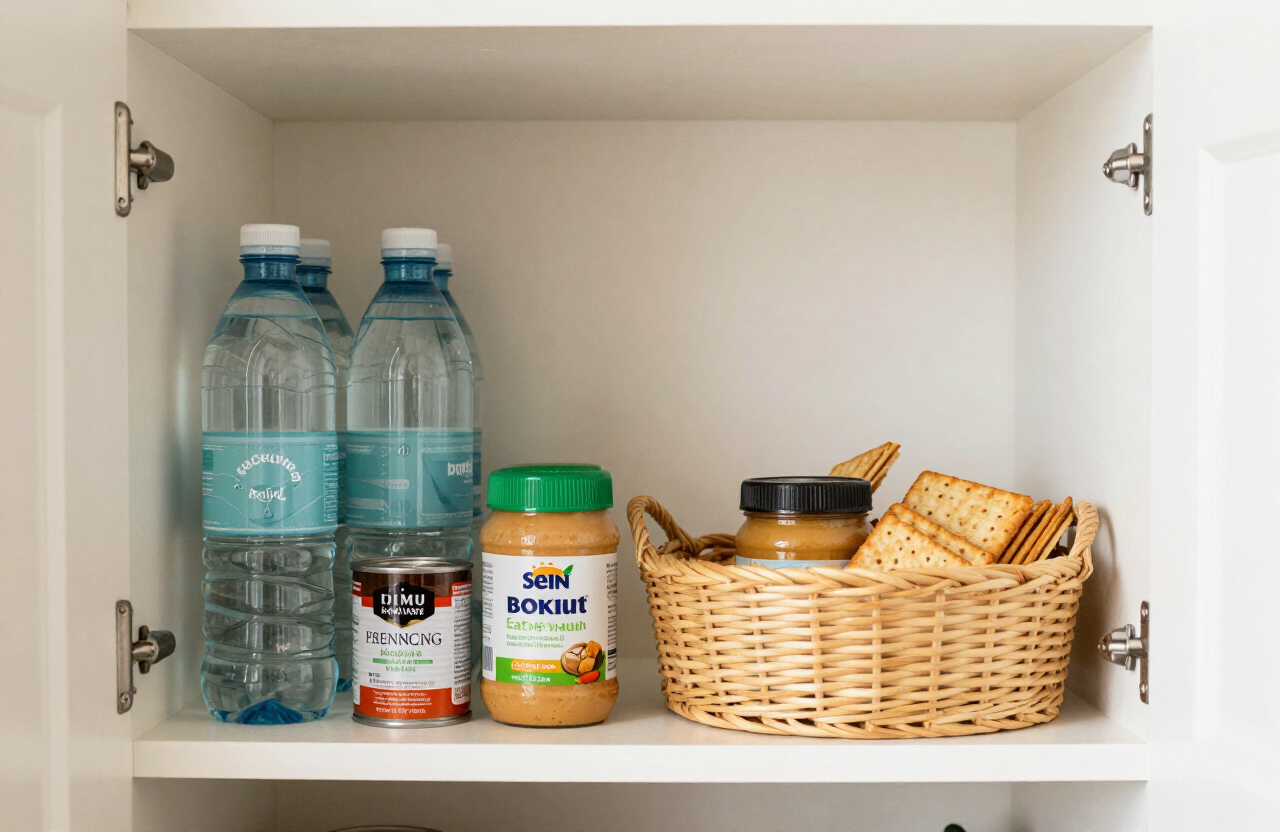
A complete 3-day no-cook meal plan for power outages, built from supermarket staples — with a shopping list, per-person quantities, and fridge-first ordering.
Realistic water storage math and no-cook food plans for small kitchens.

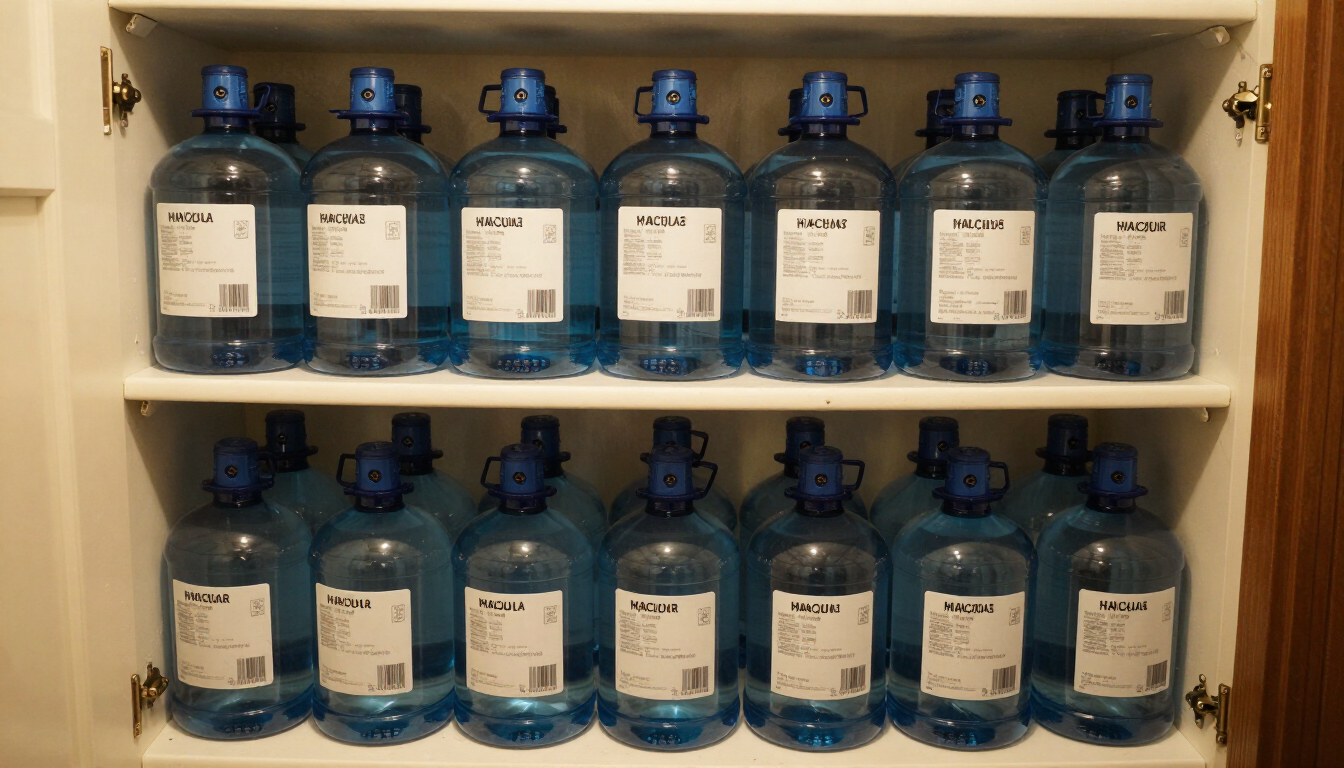
The standard advice — a gallon per person per day for two weeks — means 42 gallons for a couple. Almost no apartment can hold that. This section is about the honest math: what you can store, where it fits, and how to close the gap with purification and rotation.
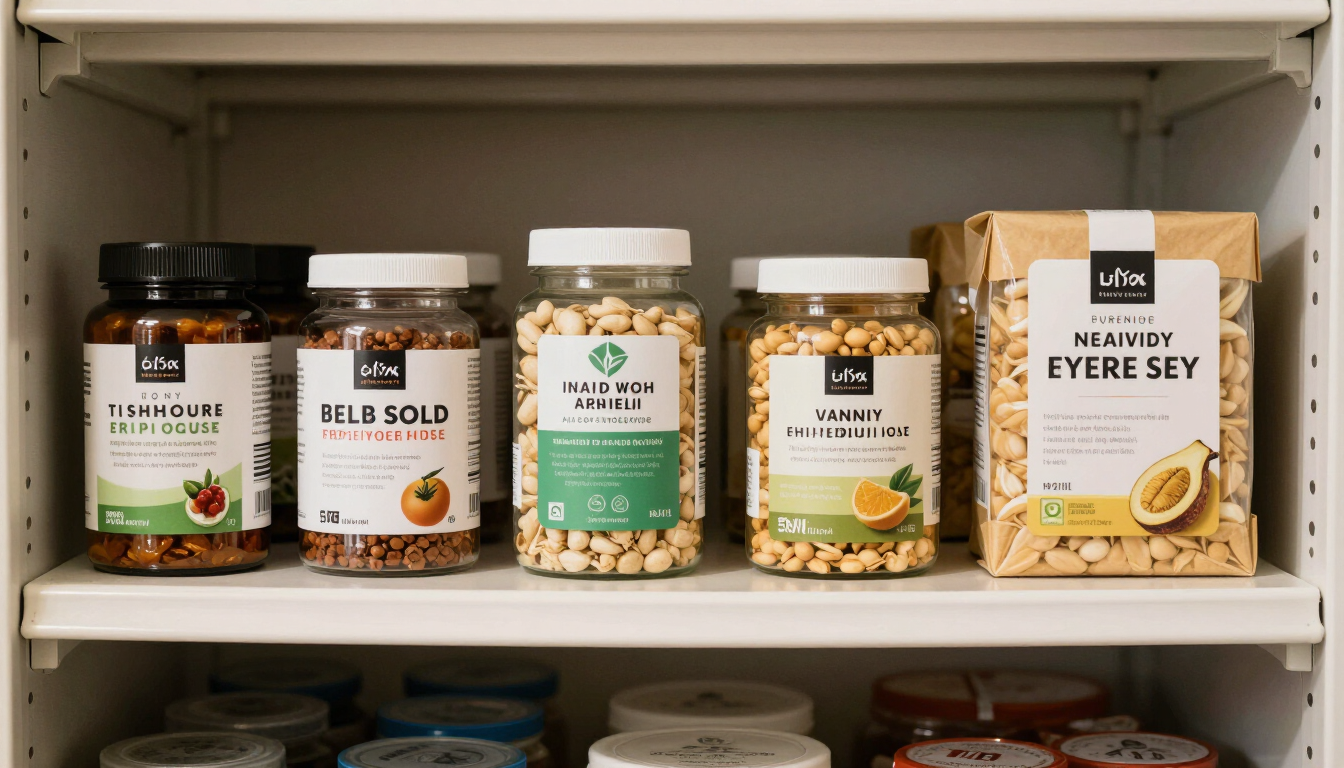
On the food side, the goal is a pantry that works on normal Tuesdays too, so nothing expires forgotten at the back of a closet.
A complete 3-day no-cook meal plan for power outages, built from supermarket staples — with a shopping list, per-person quantities, and fridge-first ordering.
The honest water math for small homes: how many gallons fit in an apartment, where to store them, and how purification backup closes the gap.
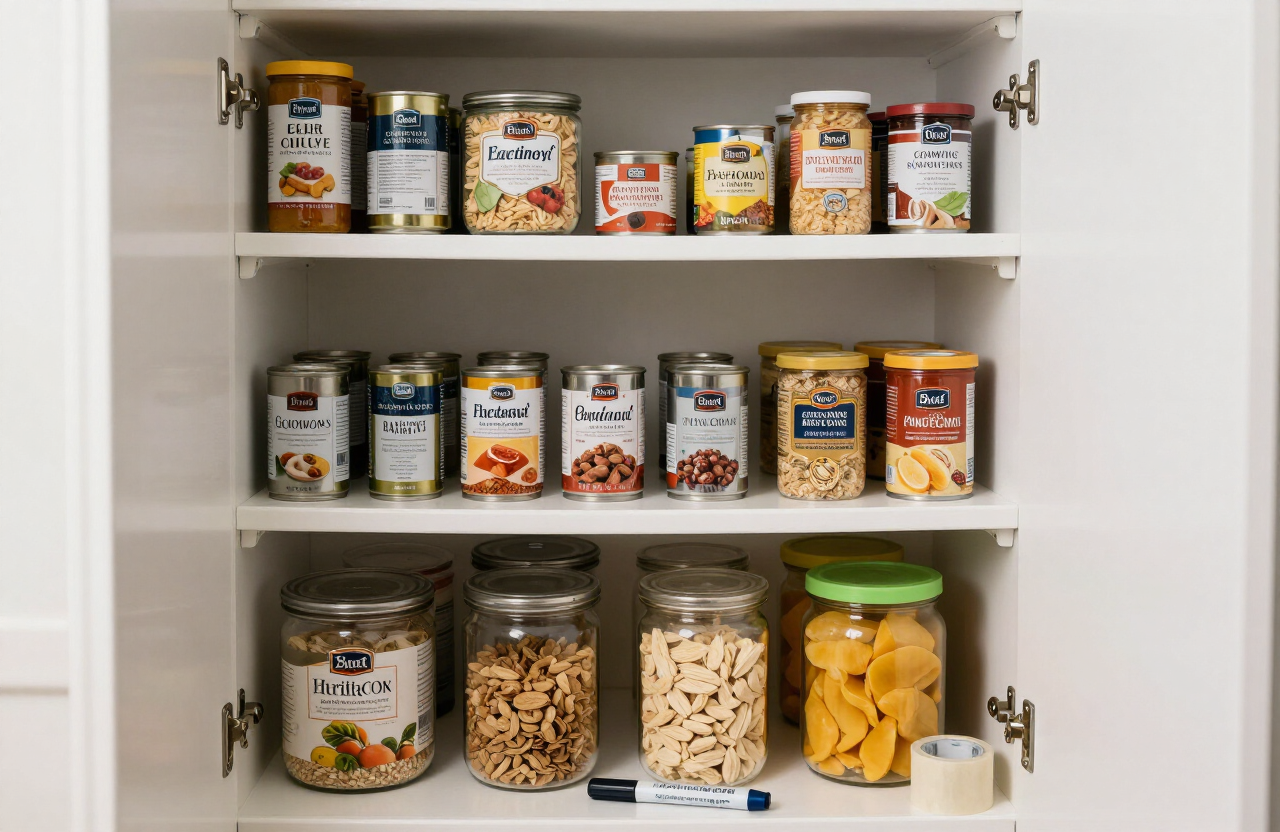
Build an emergency pantry inside a normal small kitchen: the best shelf-stable foods by category, cabinet mapping, and a rotation system that wastes nothing.
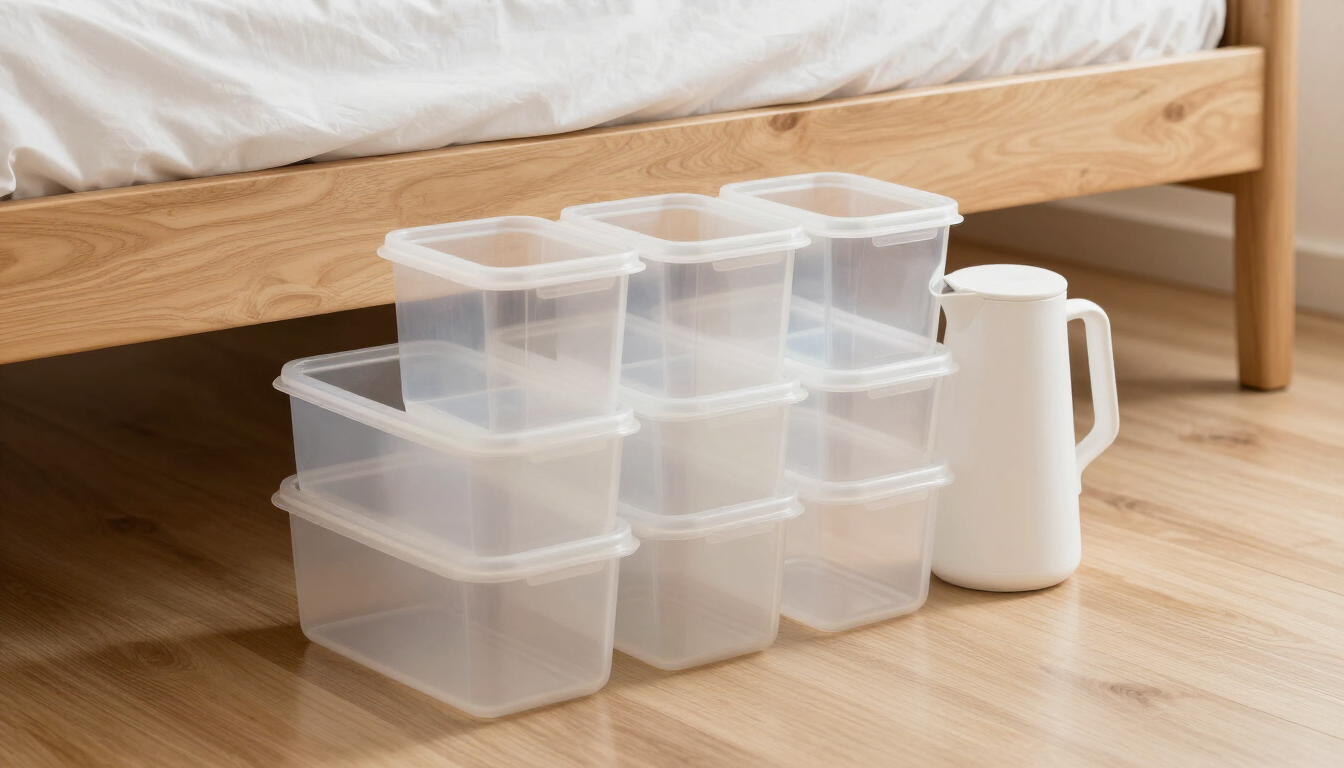
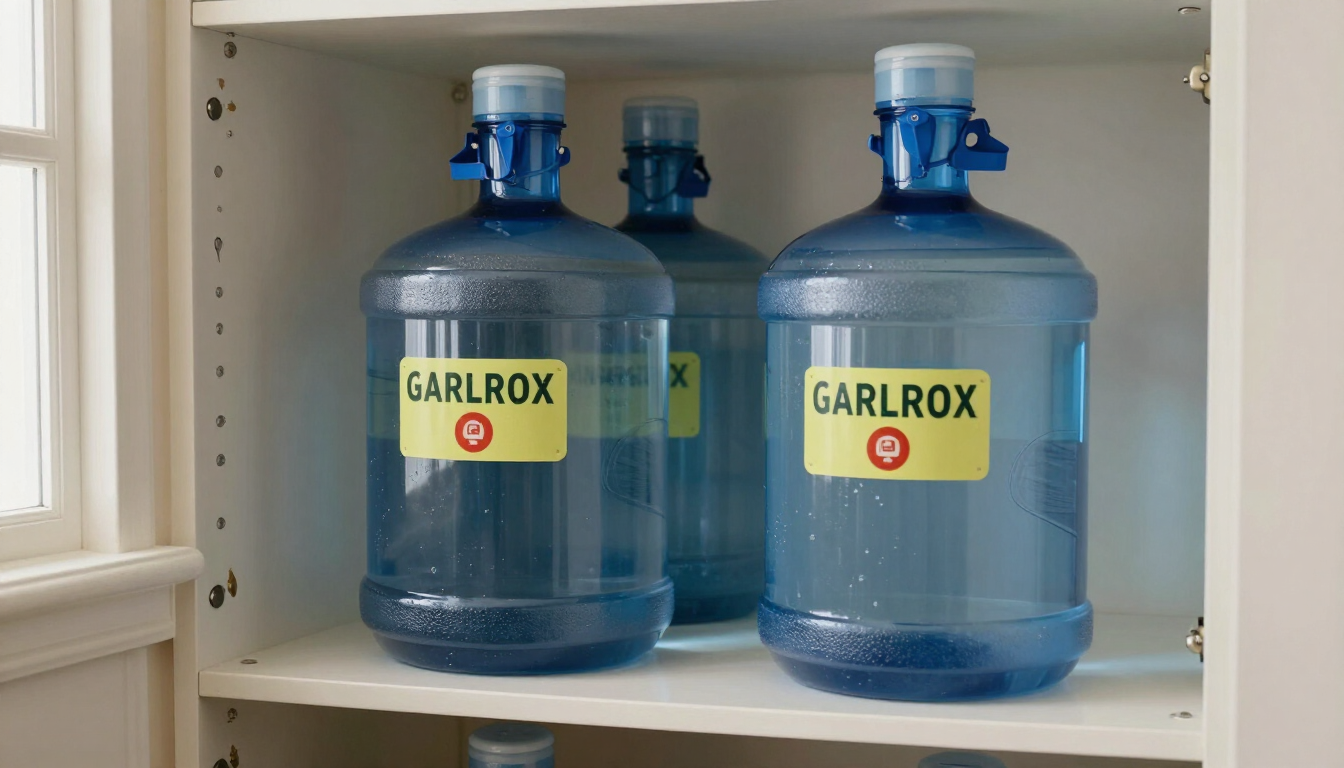
How to store emergency water in a studio apartment: how many gallons fit, where they go, compact containers, rotation, and purification backup for renters.
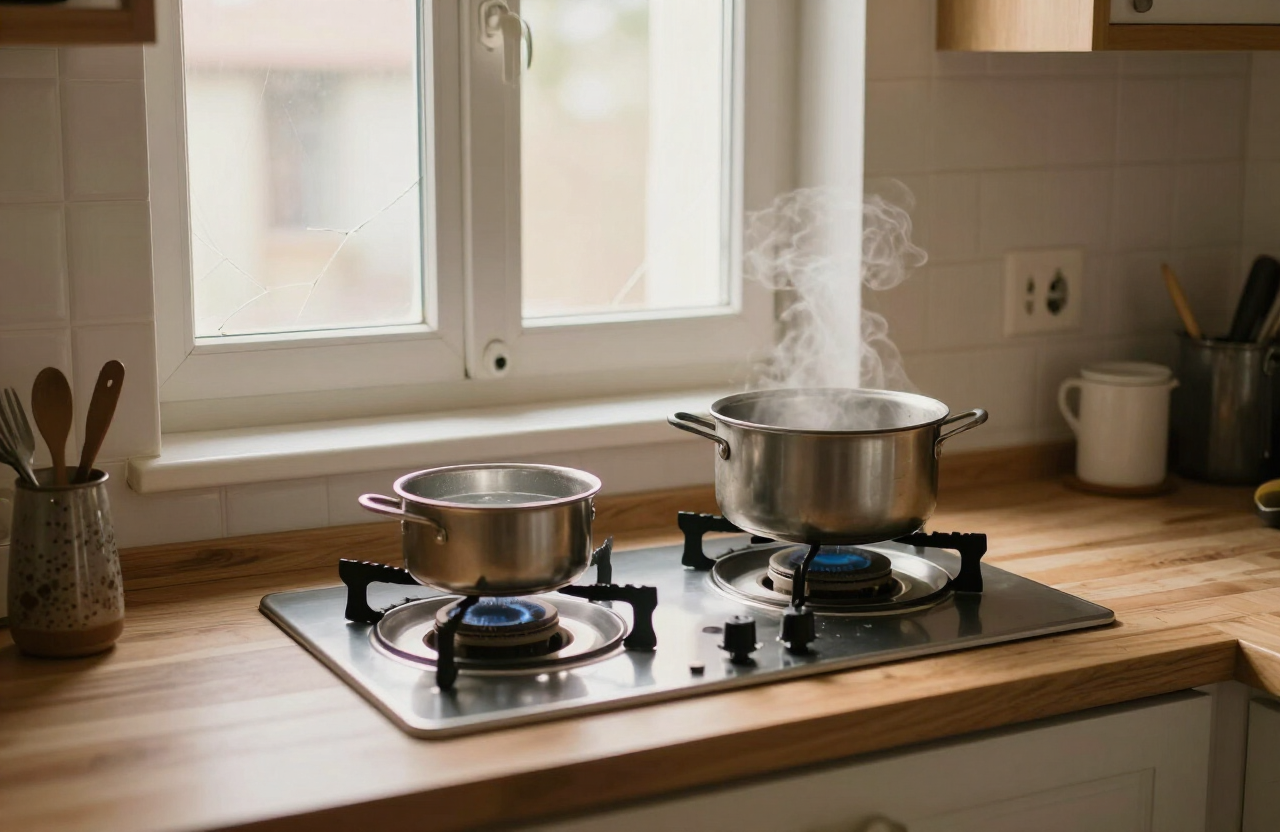
How to cook safely in an apartment during a power outage: approved indoor stoves, no cook meals, ventilation, carbon monoxide safety, and what never to use indoors.
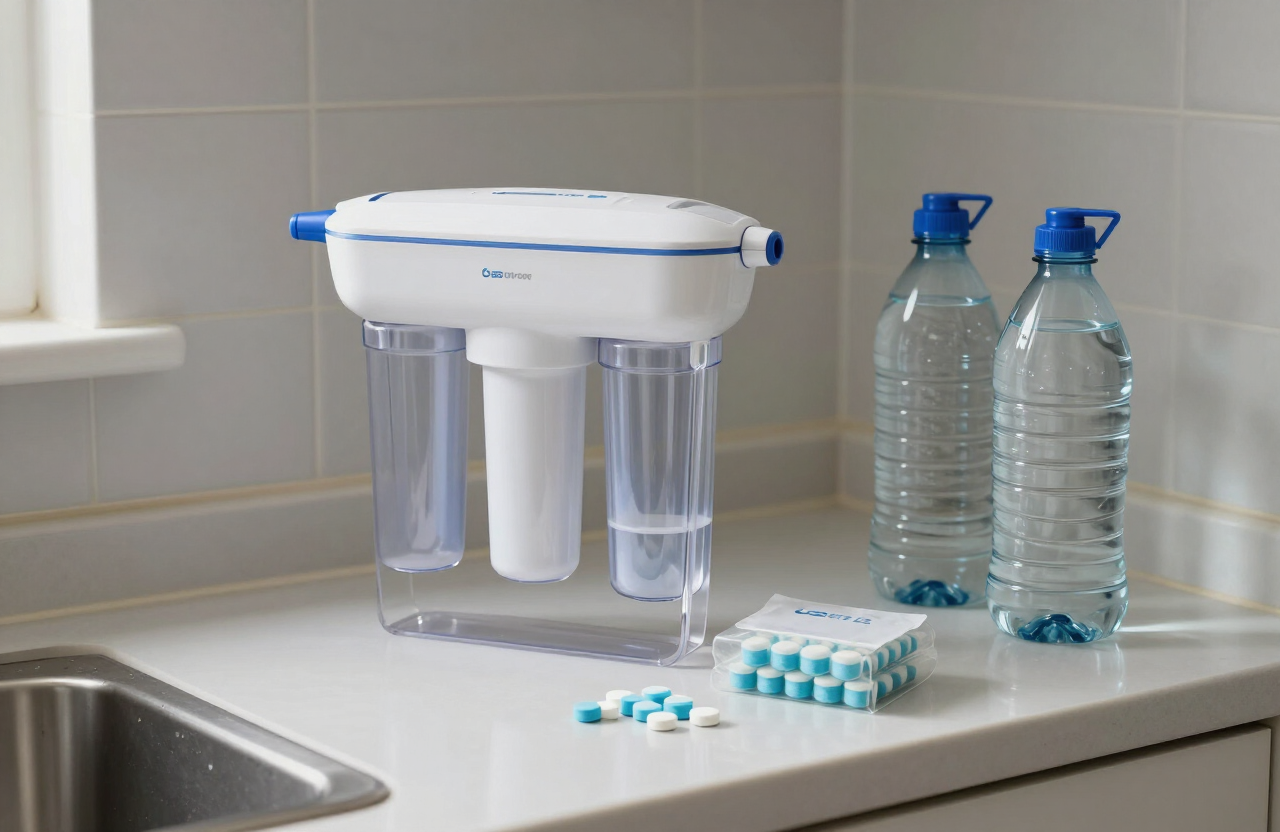
Emergency water purification for apartment renters: boiling, filtration, purification tablets, and bleach dosing, plus how to close the gap when stored water runs out.
How to rotate an emergency food supply in a small apartment: first-in-first-out shelving, date labeling, eating what you store, and a twice-yearly pantry check.
Emergency food for renters with dietary restrictions: allergy friendly and gluten free shelf stable options, label reading, a safe food list, and packing restricted meals for a go bag.
A simple system to rotate stored emergency water in an apartment: label containers, drink the oldest first, clean before refilling, and run a 6-month rotation drill that fits a small space.
How to store emergency water safely in a hot apartment: pick the coolest spot, keep water out of sun, choose heat-tolerant containers, insulate warm rooms, and rotate faster in heat.
Occasional, practical emails for apartment dwellers. No alarm, no spam.
Occasional practical preparedness emails. Unsubscribe anytime. See our privacy policy.