Emergency Preparedness and Mental Health for Renters
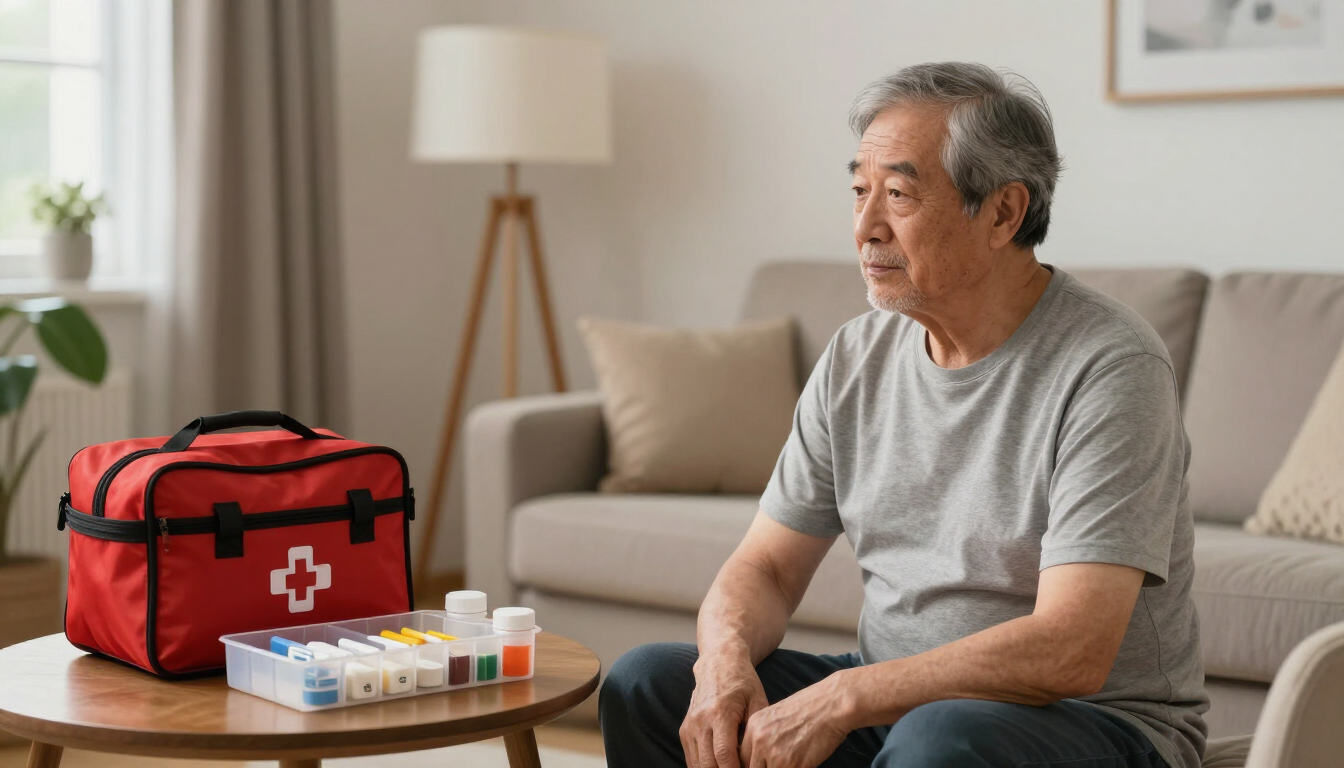
Emergency preparedness and mental health for renters is the part of planning that gets left out of most checklists. Emergencies are stressful, and the stress does not end when the power comes back. A little preparation for how you will cope during and recover after an event is just as real as storing water, and it fits in a small apartment just as well.

Why mental health belongs in preparedness
Emergencies trigger fear, uncertainty, and exhaustion, and the aftermath can linger for weeks. Renters in small spaces may also feel more trapped during an outage or evacuation order. Planning for how you will cope is not extra, it is part of being ready.
Create a calm corner
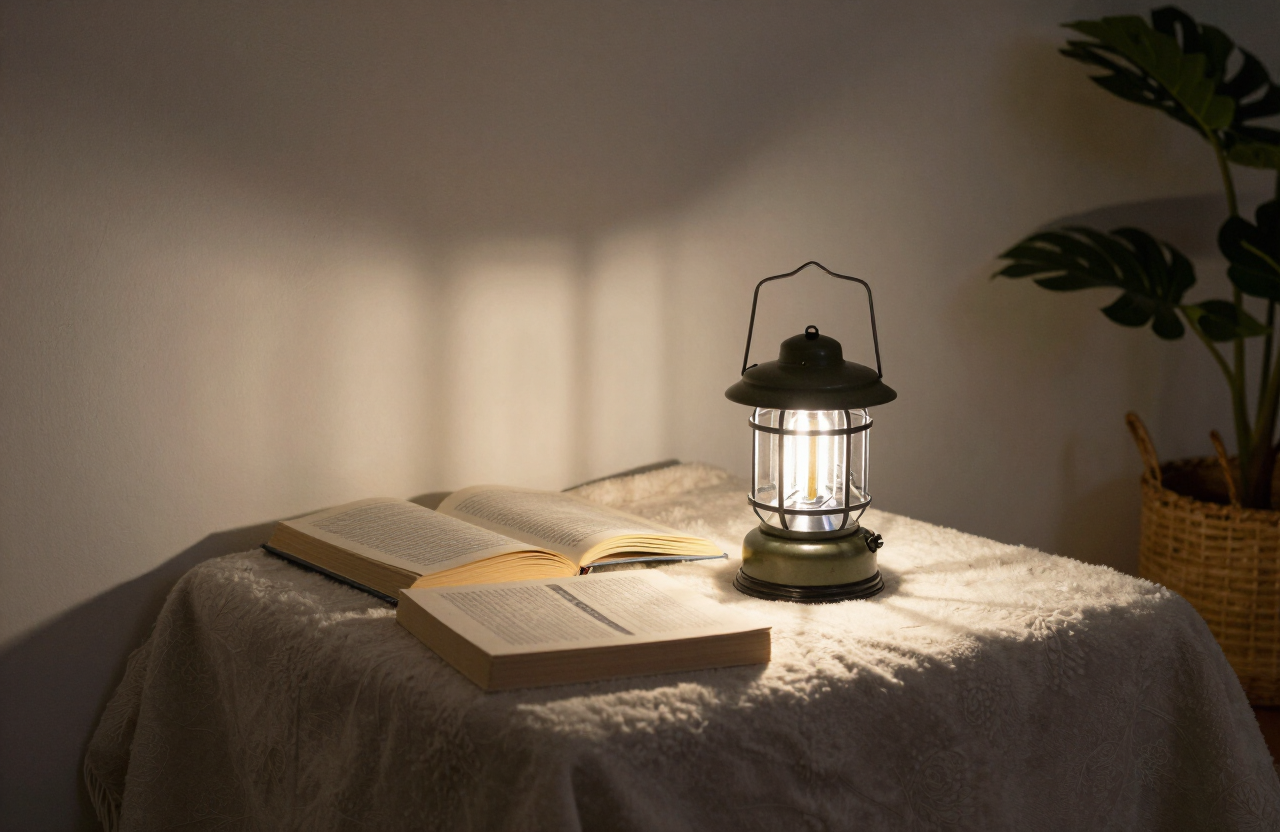
In a small apartment you may not have a whole room, but you can claim a corner. A single spot that signals rest helps your nervous system settle during and after a stressful event.
- Pick one corner with a comfortable seat and soft light
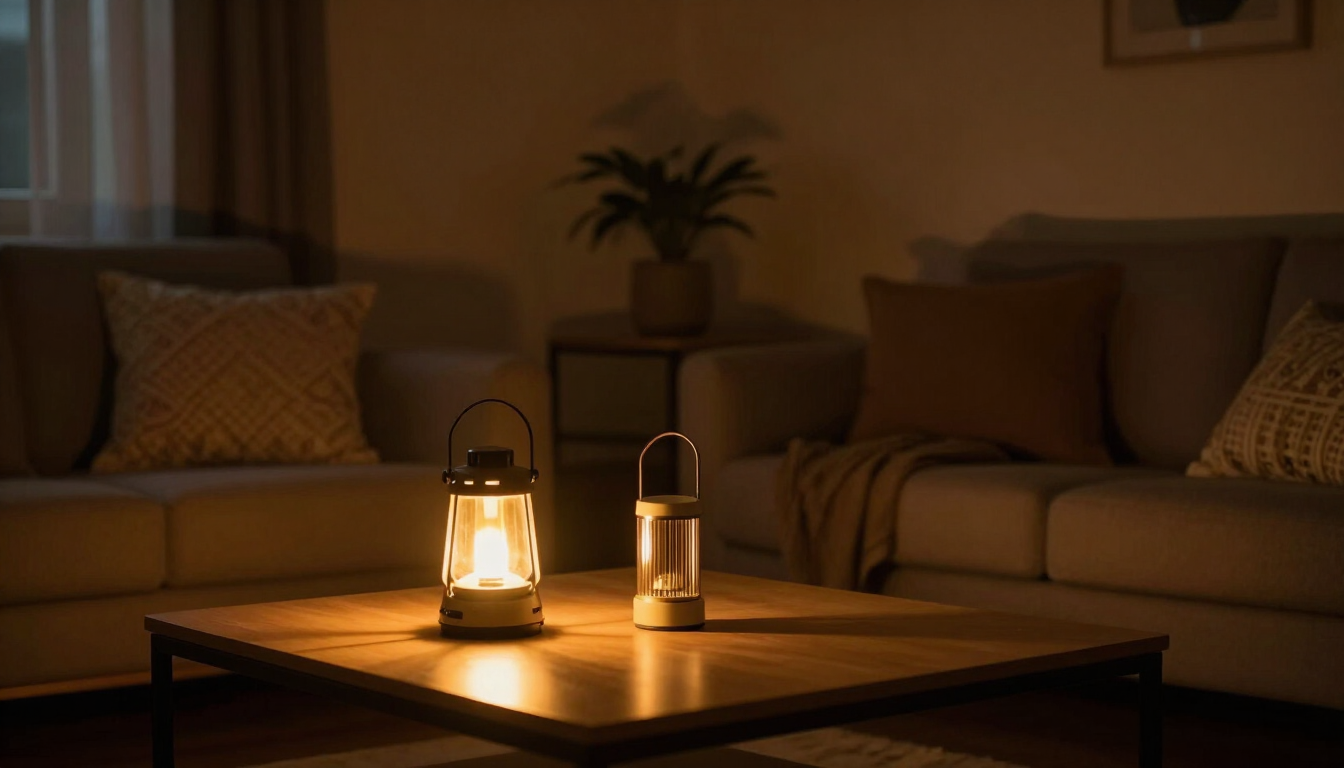
- Keep a blanket, a book, and a battery lantern there
- Add one calming item, a photo, a plant, or a warm drink kit
- Use it for a few minutes of quiet before and during stress
Coping tools for during an emergency
During an emergency, your job is to stay safe and as calm as possible. A few simple tools help you think clearly when stress is high and your space is small.
- Slow breathing, in for four counts, out for six
- Break the event into small, doable steps
- Limit doomscrolling, check alerts once, then rest
- Talk to one trusted person, even by text

Recovery after the event
The danger ending does not mean the stress ends. Recovery takes rest, connection, and permission to feel whatever you feel. Plan for it the way you plan for the event itself.
- Prioritize sleep and regular meals in the days after
- Talk through what happened with someone you trust
- Give yourself permission to feel shaken, that is normal
- Ease back into routine rather than pushing through

Keep trusted contacts close
Connection is one of the strongest protective factors for mental health. Keep a short list of people you can reach during and after an emergency, and let them know they are on it.
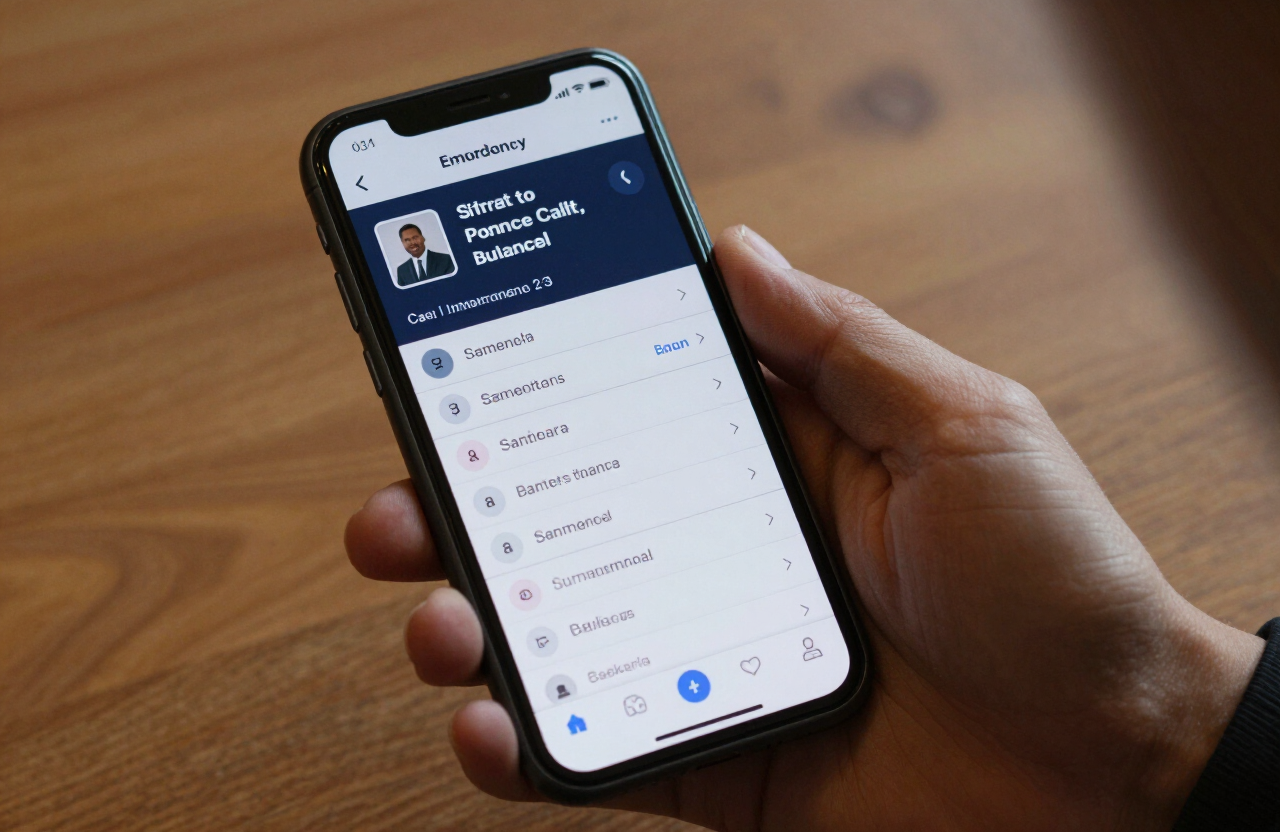
- Save three to five trusted contacts in your phone and on paper
- Include at least one person outside your area
- Tell them you may call during a stressful event
- Check in with them regularly, not only in crises
Know where to find support
Sometimes coping tools and friends are not enough, and that is okay. Knowing where to turn for professional support before you need it makes it easier to reach out when the time comes.
- Save the 988 Suicide and Crisis Lifeline, call or text 988 in the United States
- Keep a list of local mental health resources and hotlines
- Note your insurance mental health benefits and how to use them
- Look for community or faith based support near you
Frequently asked questions
Editorial note: this guide provides general preparedness information, not emergency, medical, legal, or engineering advice. Recommendations are cross-checked against public emergency-management guidance and adapted for small-space living. During an active emergency, follow your local authorities and emergency services. See our editorial standards and affiliate disclosure.