Emergency Preparedness for Renters with Pets
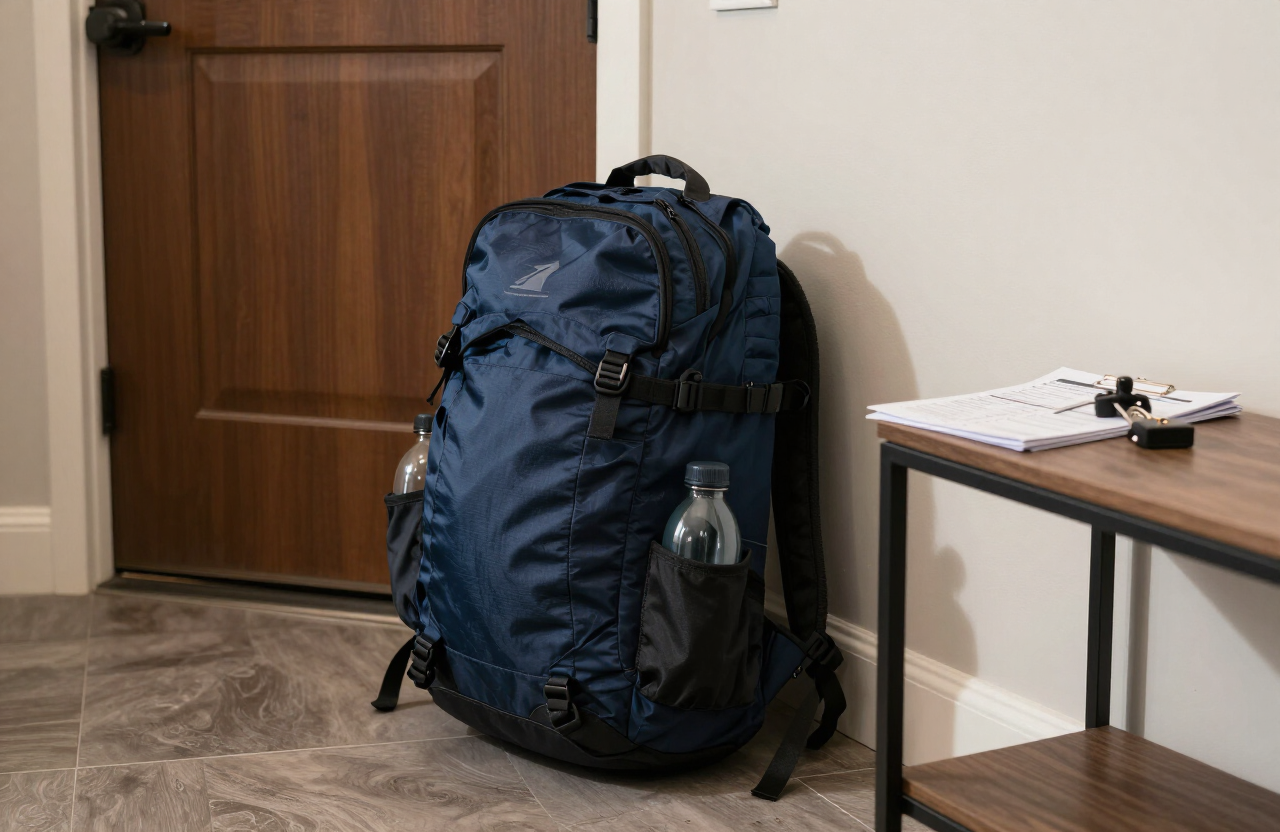
Emergency preparedness for renters with pets adds one more family member who cannot pack their own bag. Pets need food, water, medications, records, and a safe way to travel, and many emergency shelters do not accept animals without advance planning. A small pet kit and a clear plan keep both of you safe and together.
The pet go bag: what belongs in it
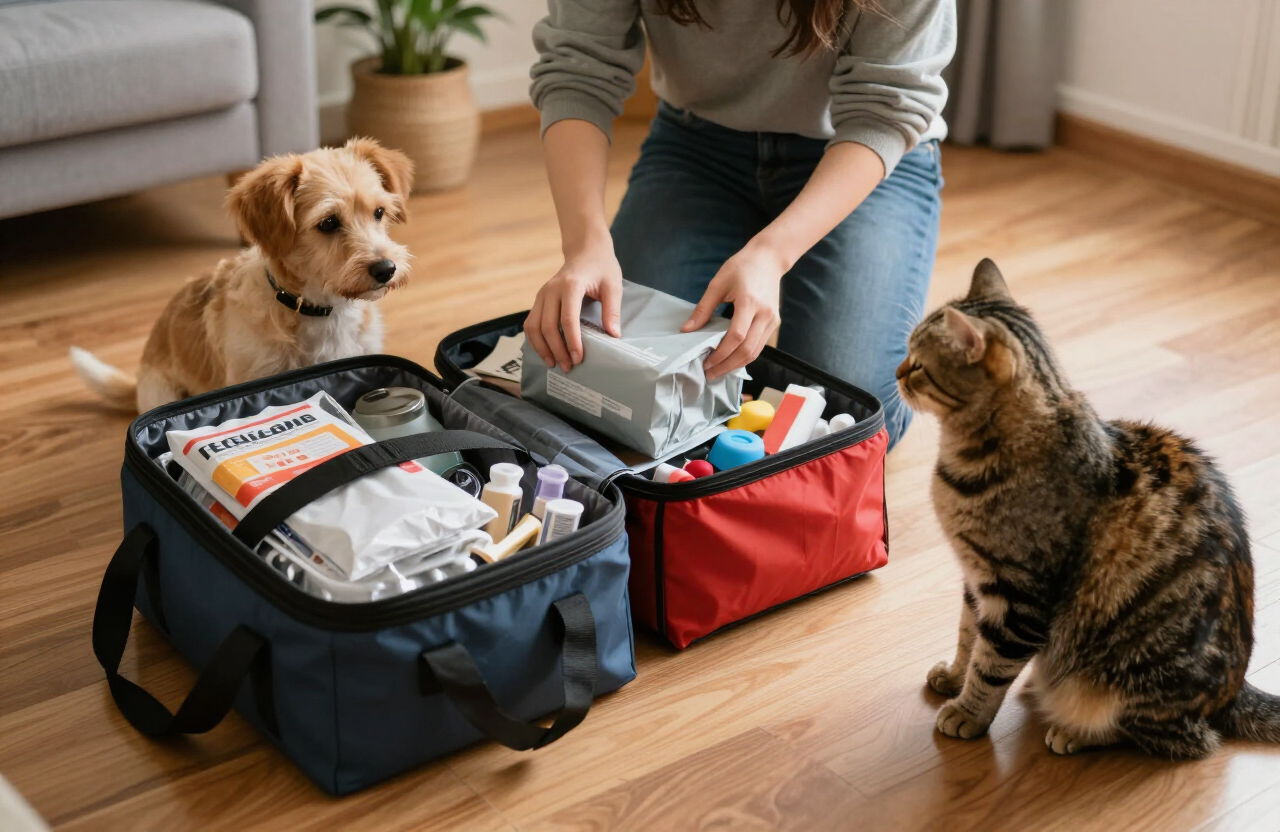
A pet go bag sits next to your own go bag by the door. It holds three to seven days of what your pet needs to leave with you on short notice.
- Three to seven days of pet food in a sealed container
- A collapsible travel bowl and bottled water
- A leash, harness, and a secure carrier or crate
- A pet first aid kit and any medications with instructions
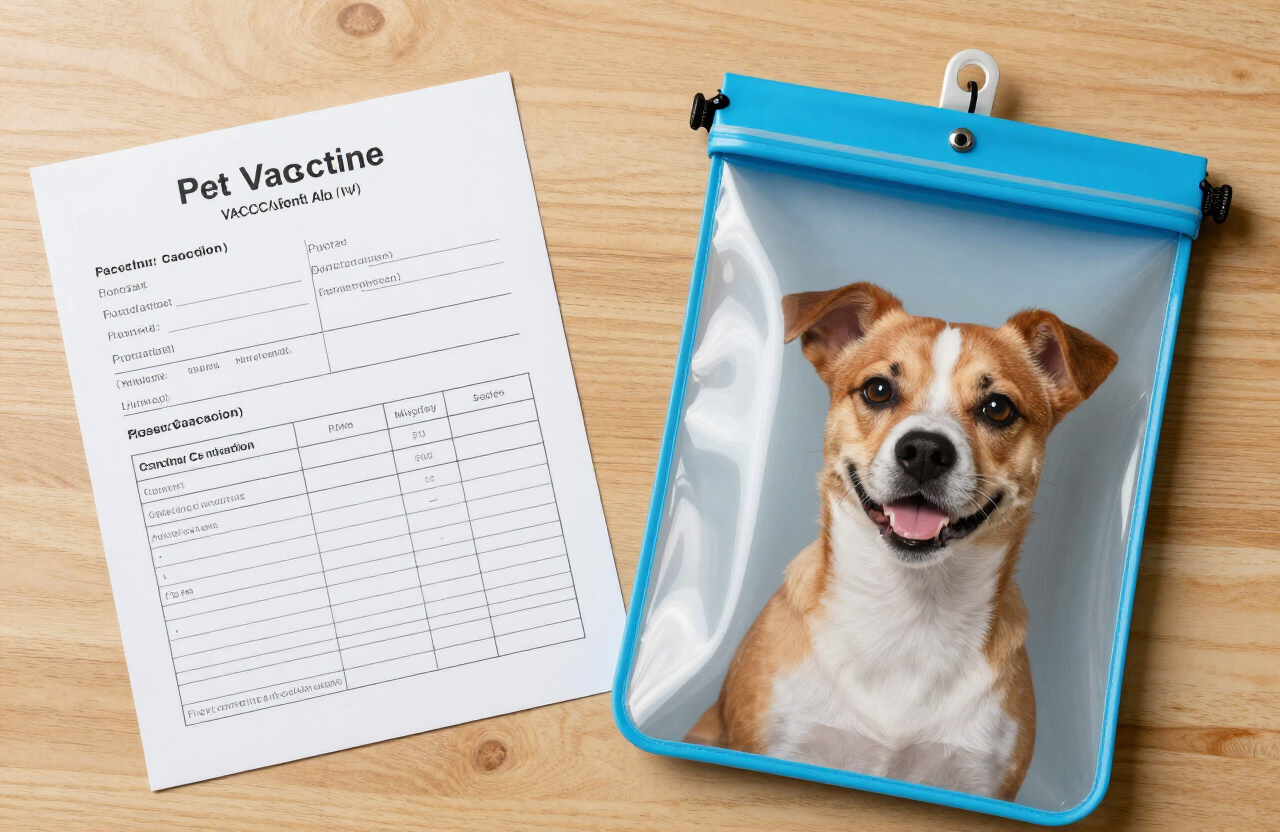
- Vaccination records and a recent photo in a waterproof pouch
- Waste bags, a small litter setup, and cleaning supplies
- A comfort item: a favorite toy, blanket, or treat

Carriers, leashes, and safe travel
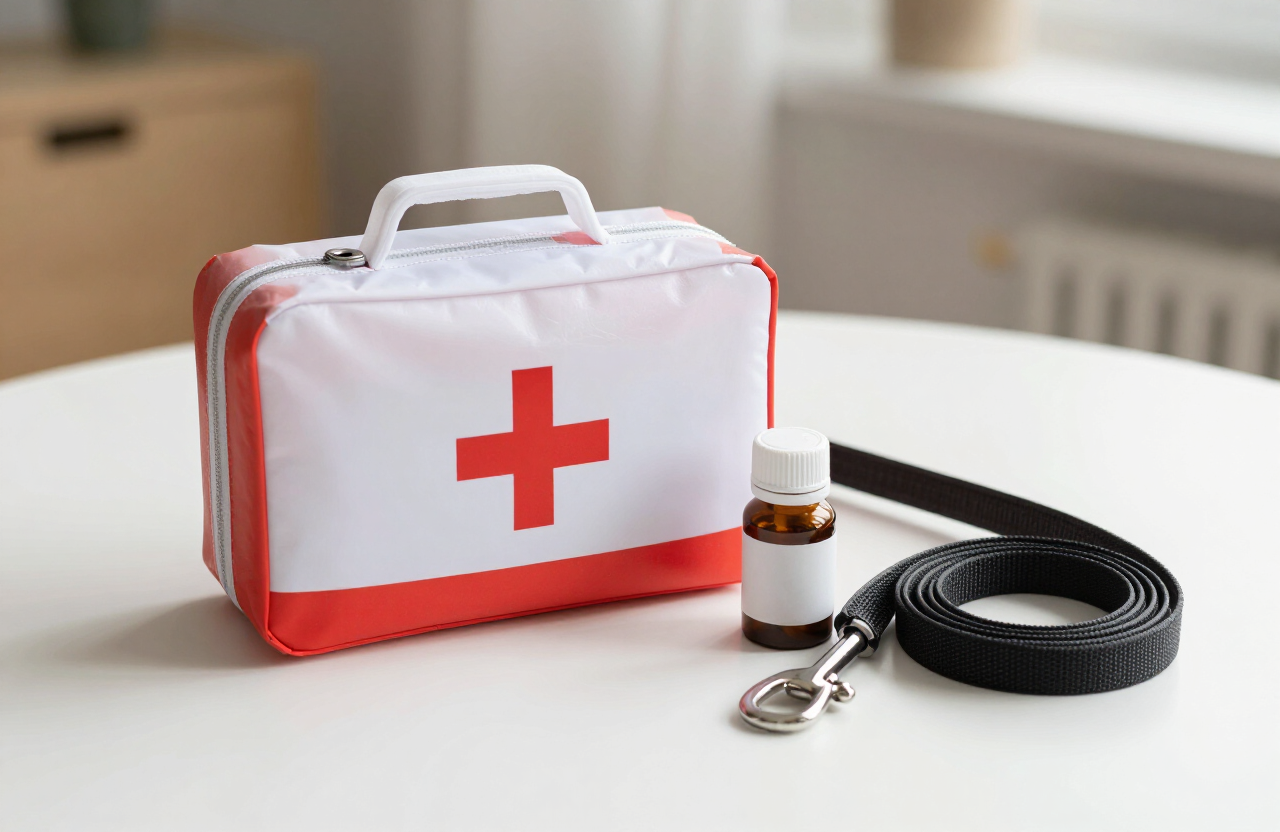
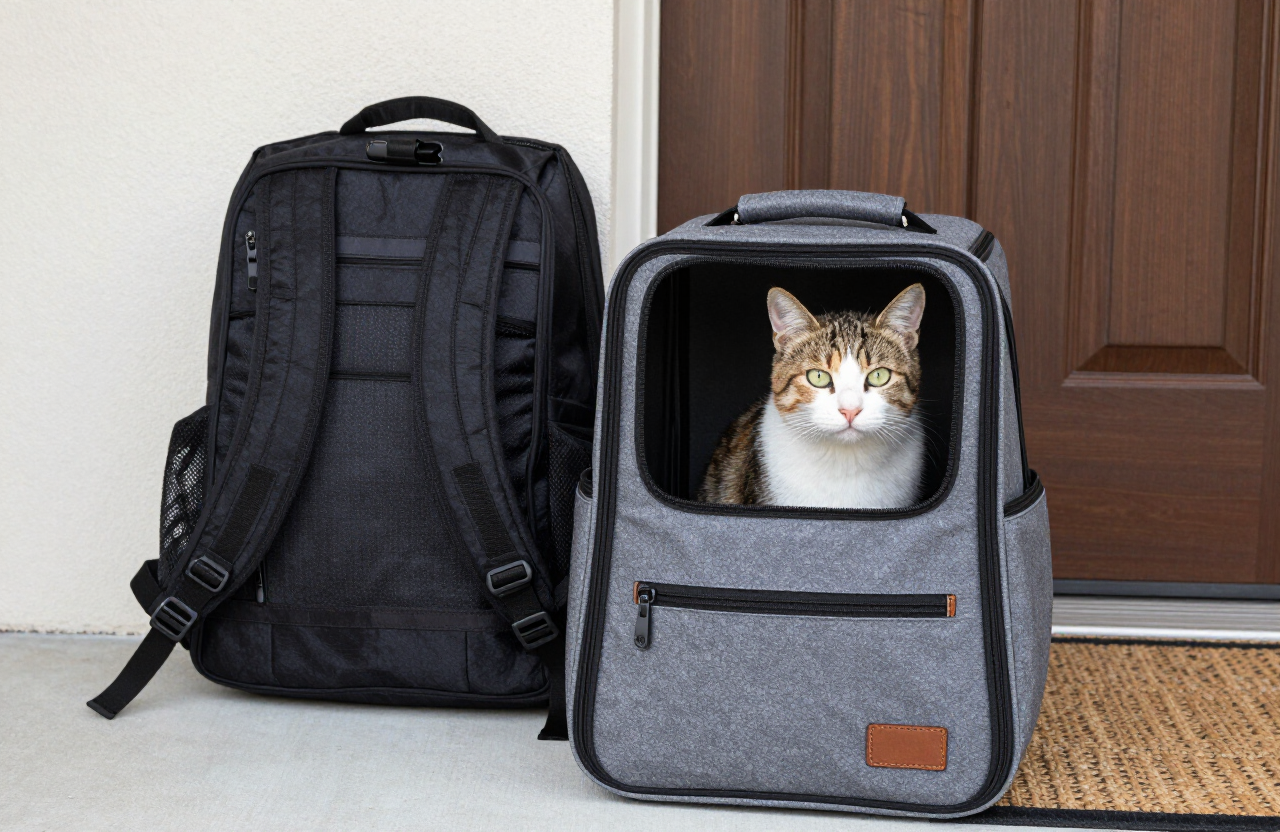
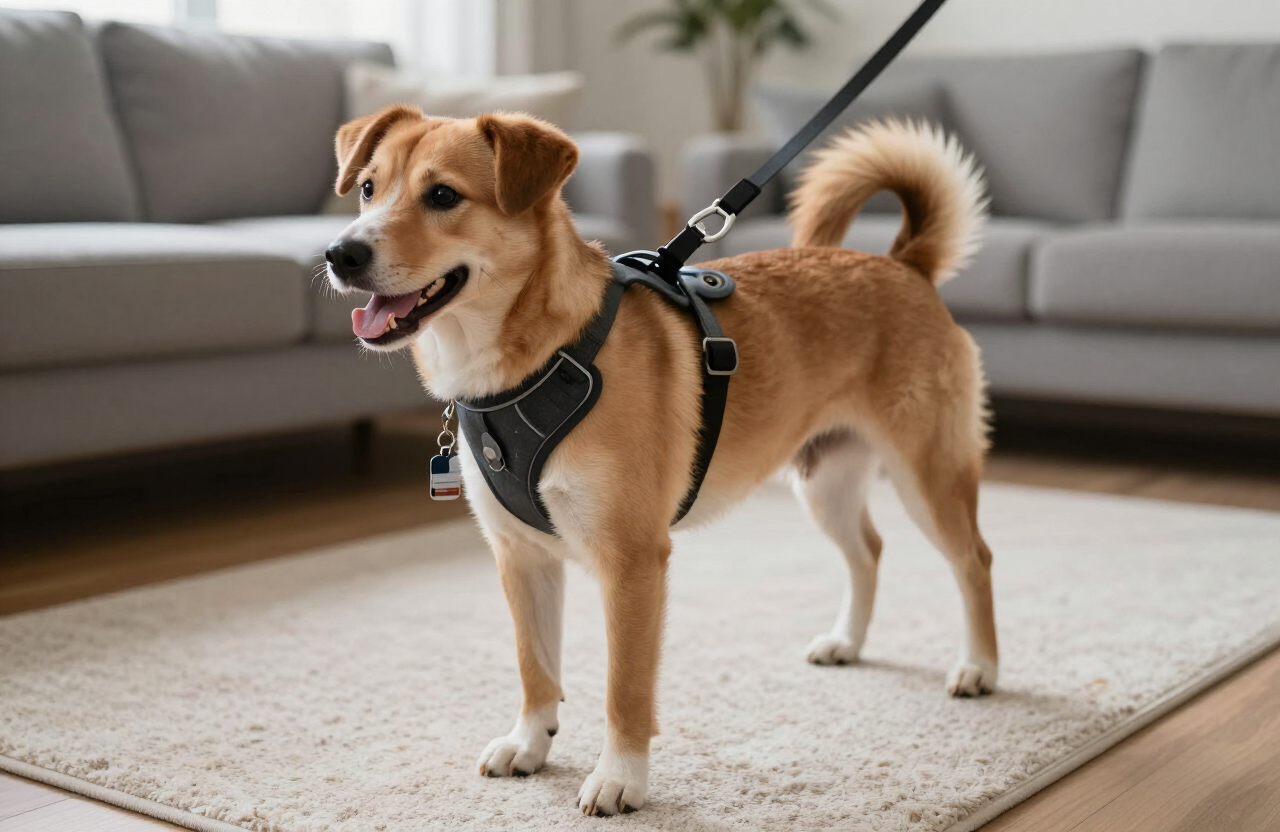
In an emergency, scared pets bolt. A secure carrier and a fitted harness are the difference between a calm exit and a lost animal.
- For cats and small pets: a sturdy carrier with a secure latch and a towel inside
- For dogs: a fitted harness, not just a collar, plus a spare leash
- Practice loading your pet into the carrier before you need to in a hurry
- Keep carriers accessible, not buried in a storage closet
Records, ID, and a current photo
If you and your pet get separated, records and a photo are how you get them back. Keep copies ready to grab.
- Vaccination records, required by many shelters and hotels
- A clear, recent photo of you with your pet as proof of ownership
- Microchip information and the contact number for the registry
- A list of veterinary contacts and medication details
Plan where you will go with your pet
Many emergency shelters do not accept pets, or only accept them with advance registration. Knowing your options before a disaster is the whole plan.
- Ask your local emergency management office about pet friendly shelters
- Keep a list of pet friendly hotels within driving or transit distance
- Identify a friend or relative who would take you and your pet
- Check whether your boarding vet or animal hospital offers emergency boarding
Sheltering in place with a pet
If you stay home, your pet needs the same supplies you do, plus a few extras for stress and waste.
- Extra food and water for at least three days
- A quiet, enclosed space where your pet can retreat from noise
- Puppy pads or a litter box setup if going outside is not safe
- Comfort items to reduce anxiety during a storm or outage

Build the human kit alongside it with our small apartment emergency kit guide.
A quick pet preparedness checklist
| Item | Why it matters |
|---|---|
| Three to seven days of food | Shelters and stores may be closed |
| Carrier or crate | Safe, contained travel and a calm retreat |
| Vaccination records | Required by many shelters and hotels |
| Current photo | Proof of ownership if you are separated |
| Medications and first aid | Health needs continue during a disaster |
| Pet friendly destination list | You know where to go before you must leave |
For the full evacuation plan, see our apartment go bag guide.
Frequently asked questions
Editorial note: this guide provides general preparedness information, not emergency, medical, legal, or engineering advice. Recommendations are cross-checked against public emergency-management guidance and adapted for small-space living. During an active emergency, follow your local authorities and emergency services. See our editorial standards and affiliate disclosure.