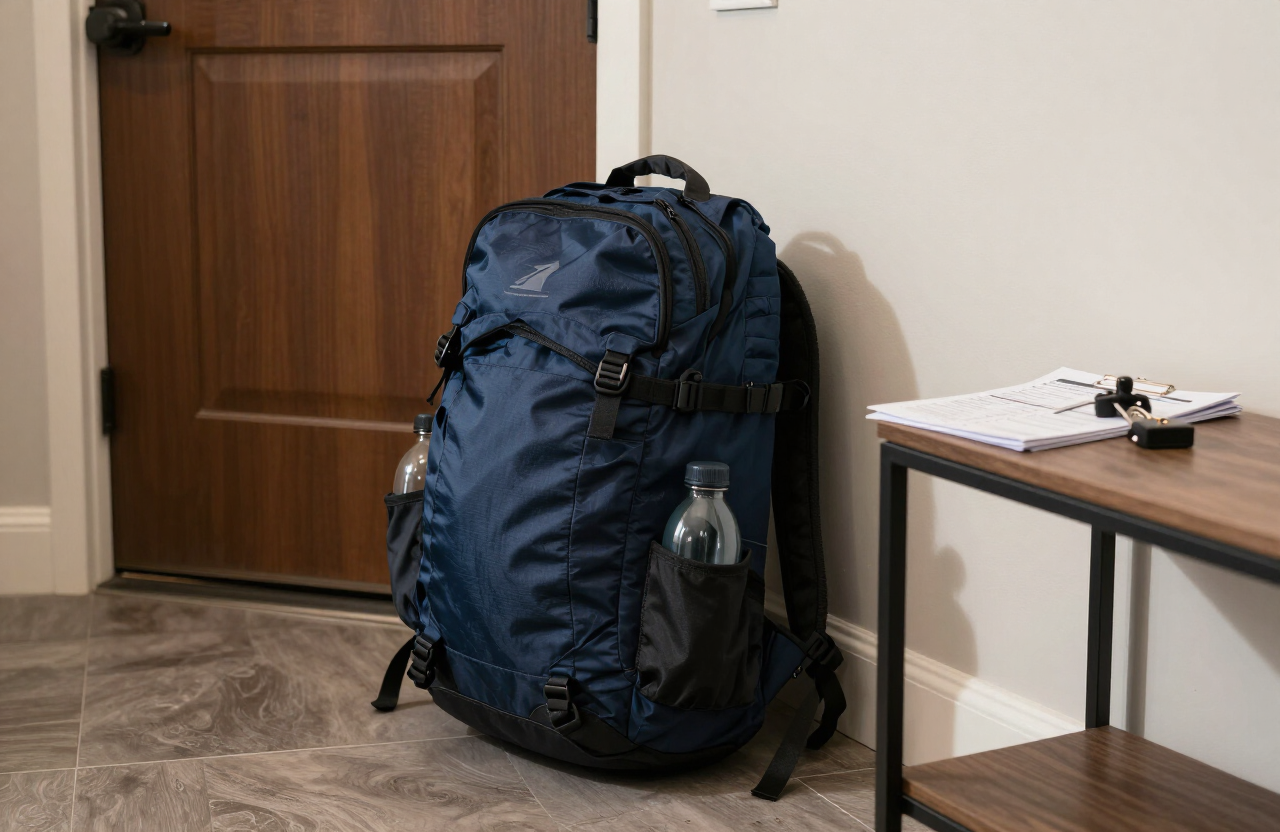
Apartment Fire Escape Plan for Renters
An apartment fire escape plan is the one piece of preparedness you cannot skip as a renter. You share walls, hallways, and stairwells with neighbors you do not control, and you may live several floors above the ground with only one or two ways out. A simple plan made before anything goes wrong is what turns a panicked minute into a calm one.
Know two ways out of every room
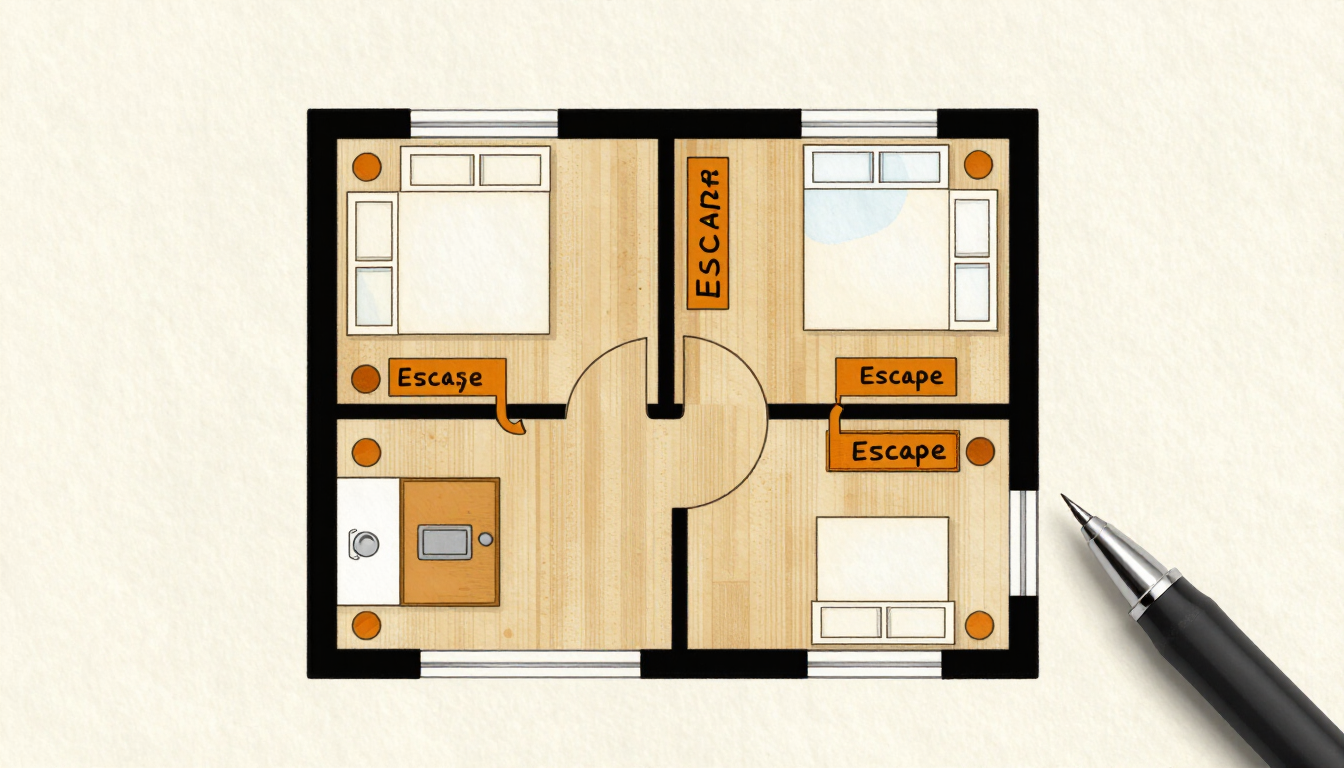
Fire crews and safety agencies teach the same rule everywhere: every room should have two ways out. In a small apartment that usually means the front door and a window, and on an upper floor the window route may need a fire escape ladder.
- 1Open your front door and walk the path to the building exit, counting the doors you pass so you can find it in the dark
- 2Check every window you would use as a second way out and confirm it opens fully and is not painted shut
- 3For a second or higher floor, keep an escape ladder in the room with the easiest window access
- 4Note any furniture or storage that could block either path and move it now
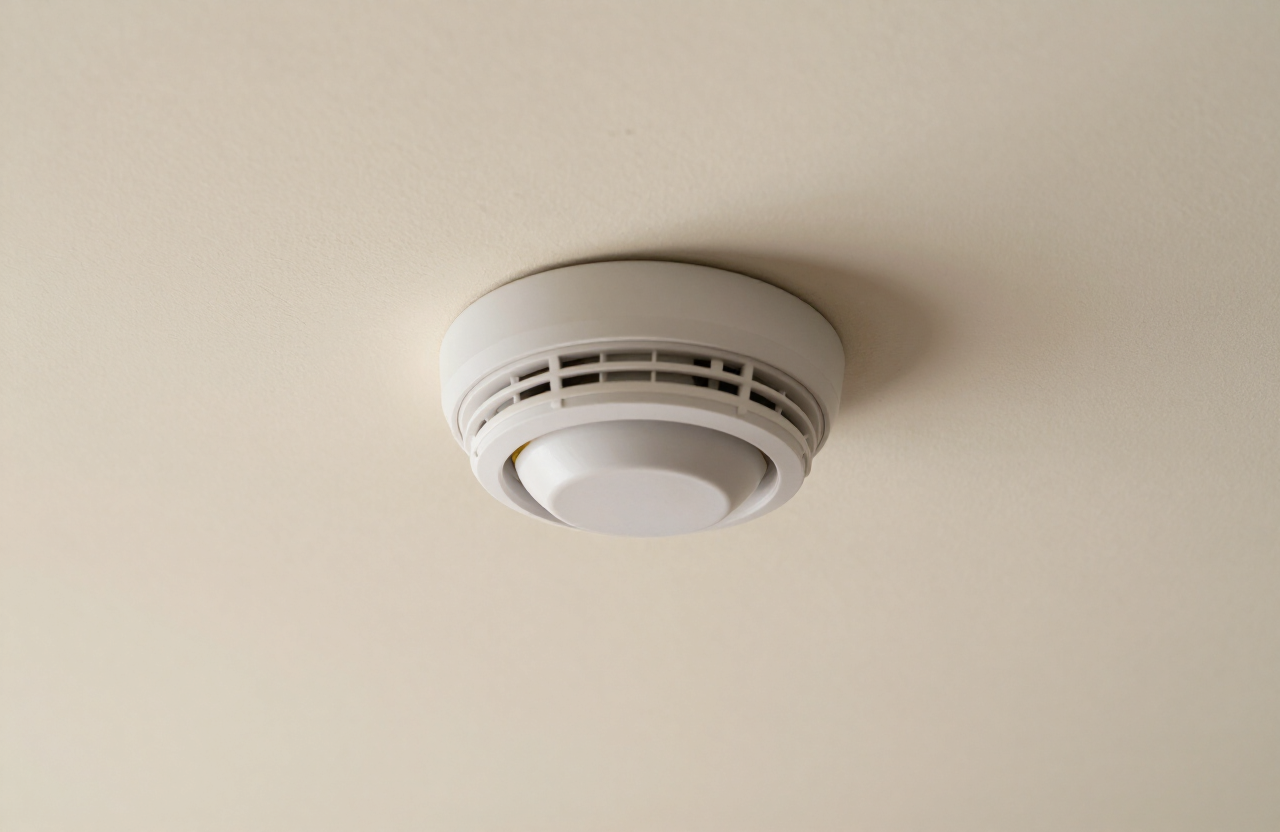
Test and maintain your smoke detectors
Smoke detectors are the cheapest, most effective part of any fire plan. In a rental, your landlord is usually responsible for installing them, but you are responsible for testing them and reporting dead ones right away.
- Press the test button on every detector once a month
- Replace batteries twice a year, or whenever you hear a chirp
- Never disconnect a detector because of cooking smoke, move it or ventilate instead
- Report a missing or broken detector to your landlord in writing the same day
Prepare your second way out
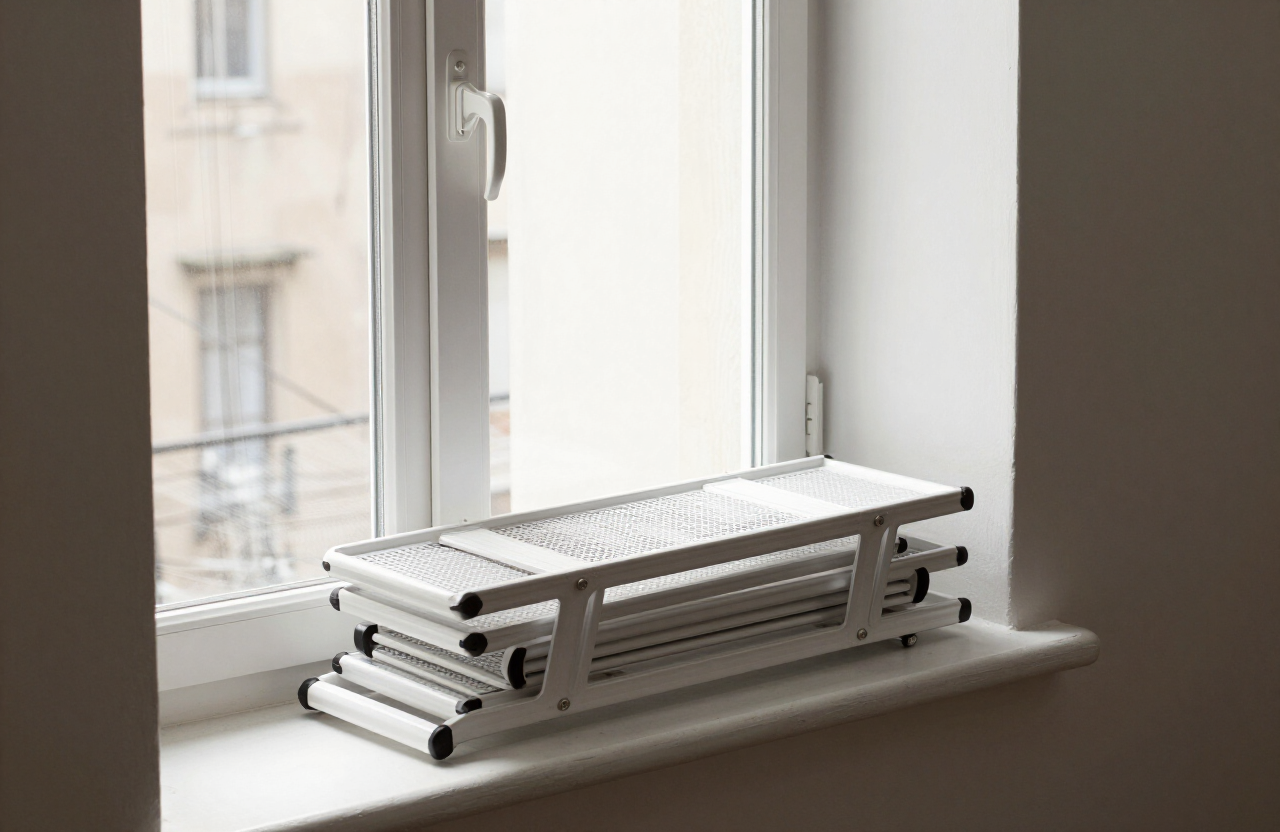
If you live above the ground floor, a window is only a real exit if you can get down from it safely. A store bought fire escape ladder is the answer for most apartments, and it takes almost no storage space.
- Buy a ladder rated for your floor height, usually two to three stories for most apartments
- Keep it near the window you would use, not buried in a closet
- Read the instructions before you need it, and practice the setup with everyone old enough
- Check that the window you chose clears the ground below with no awnings or spikes
Pick a meeting spot and share the plan
Once everyone is out, you need one place to gather so you can confirm nobody is missing. Pick a fixed spot in front of the building, far enough from the entrance to stay clear of fire trucks.
- Choose a permanent landmark, a tree, a bench, or a corner you can reach in under a minute
- Make sure every person in the home, including kids and guests, knows the spot
- Walk to it together once so it is real and not just a word
- Agree that once you are out, nobody goes back in for any reason

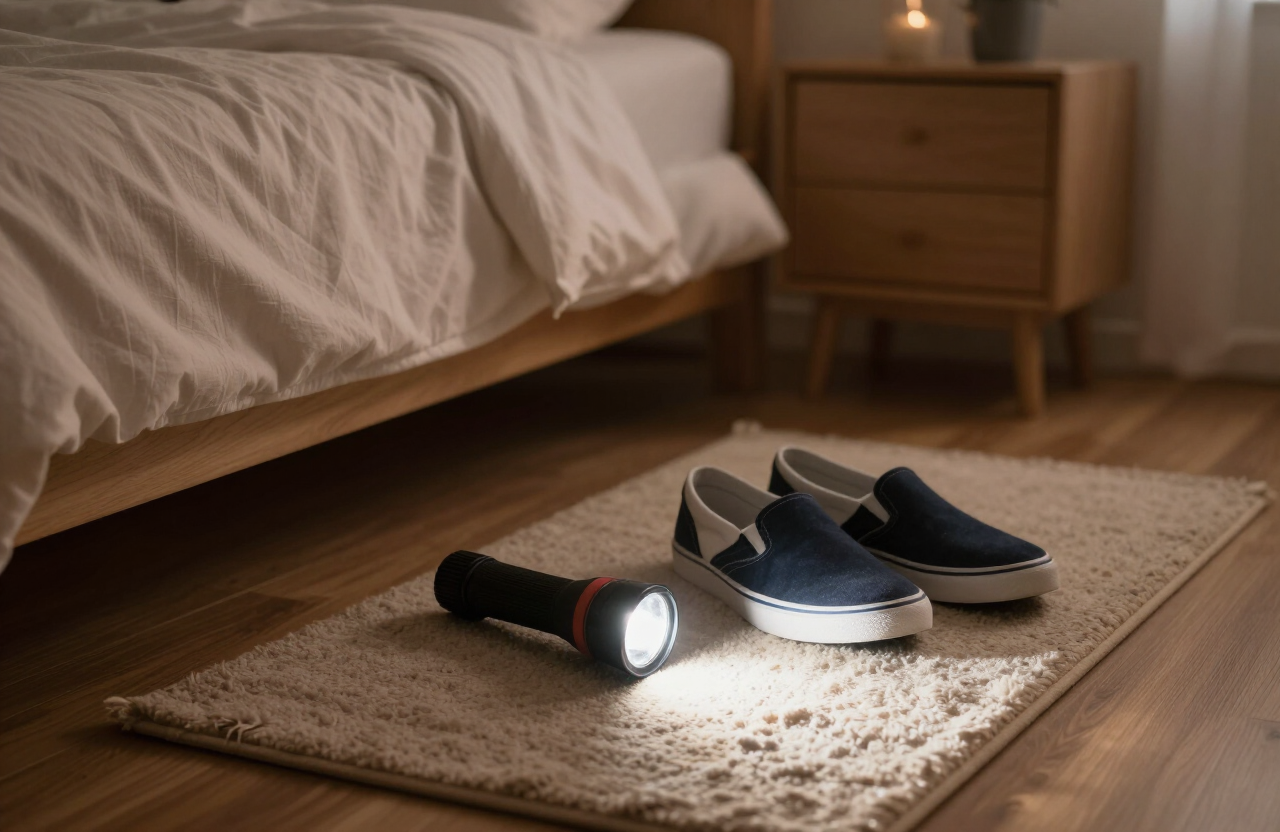
What to keep by the bed
Most apartment fires happen at night. The few seconds you save by keeping two simple items within reach can be the difference between a calm exit and a dangerous one.
- A small flashlight or headlamp, tested monthly
- A pair of slip on shoes, because broken glass and hot debris are common on the floor
- Your phone and keys on the same nightstand if possible
- A whistle to signal for help if smoke blocks your exit
If a fire starts: get out, stay out, call
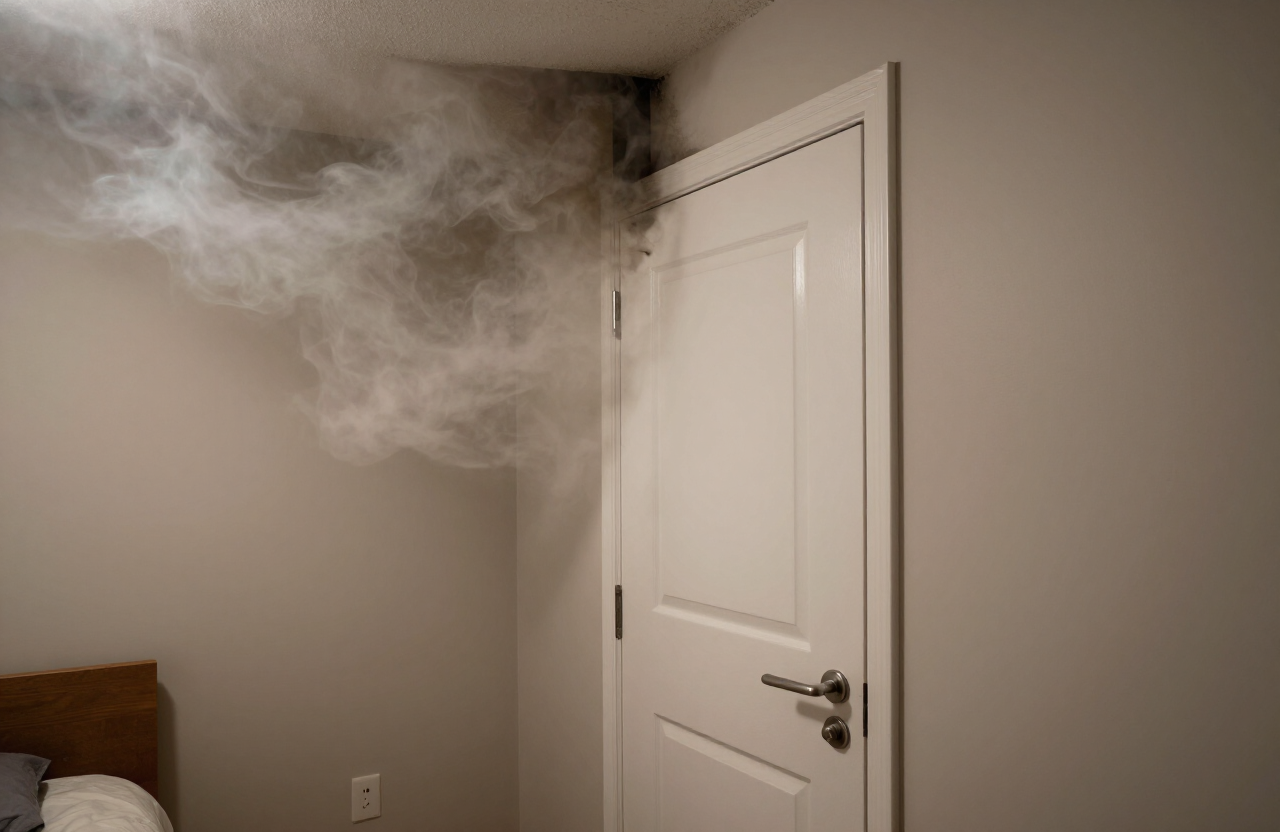
When the alarm sounds, leave immediately. Do not stop for valuables, documents, or pets you cannot quickly reach. Your life is worth more than anything in the apartment.
- 1Feel any closed door with the back of your hand before opening it, and use another route if it is hot
- 2Stay low under smoke, where the air is cleaner and cooler
- 3Close doors behind you as you leave to slow the fire
- 4Once out, call 911 from a safe distance and meet at your spot
Prevent the most common apartment fire causes
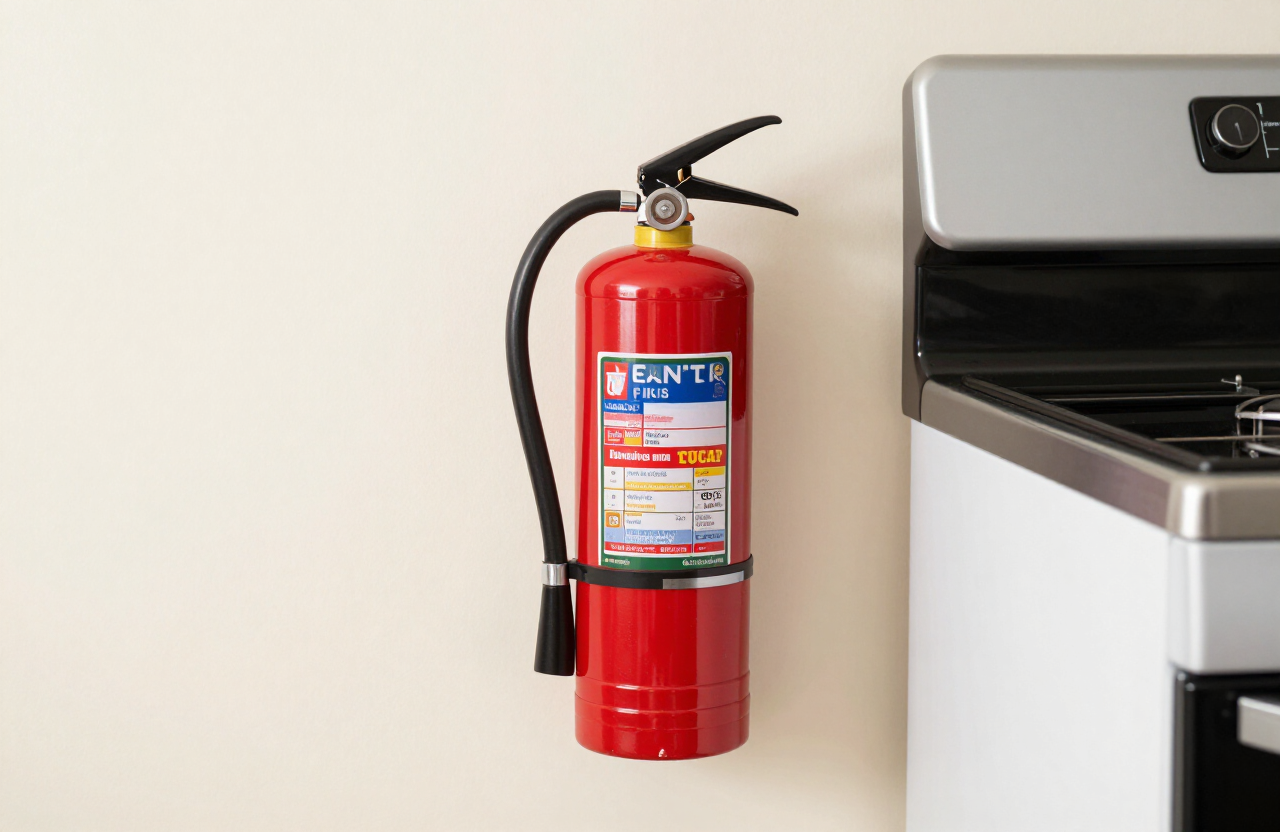
A plan matters, but prevention matters more. Most apartment fires start in the kitchen, from candles, or from overloaded outlets. A few habits remove most of the risk.
- Never leave cooking food unattended, and keep a lid nearby to smother grease fires
- Keep a small fire extinguisher in the kitchen and learn how to use it with the PASS method
- Replace candles with battery operated ones
- Avoid daisy chaining power strips, and unplug high wattage devices when not in use
Once your fire plan is set, pair it with our guide to the documents to grab in an evacuation.
Frequently asked questions
Editorial note: this guide provides general preparedness information, not emergency, medical, legal, or engineering advice. Recommendations are cross-checked against public emergency-management guidance and adapted for small-space living. During an active emergency, follow your local authorities and emergency services. See our editorial standards and affiliate disclosure.