Emergency Cash and Financial Preparedness for Renters
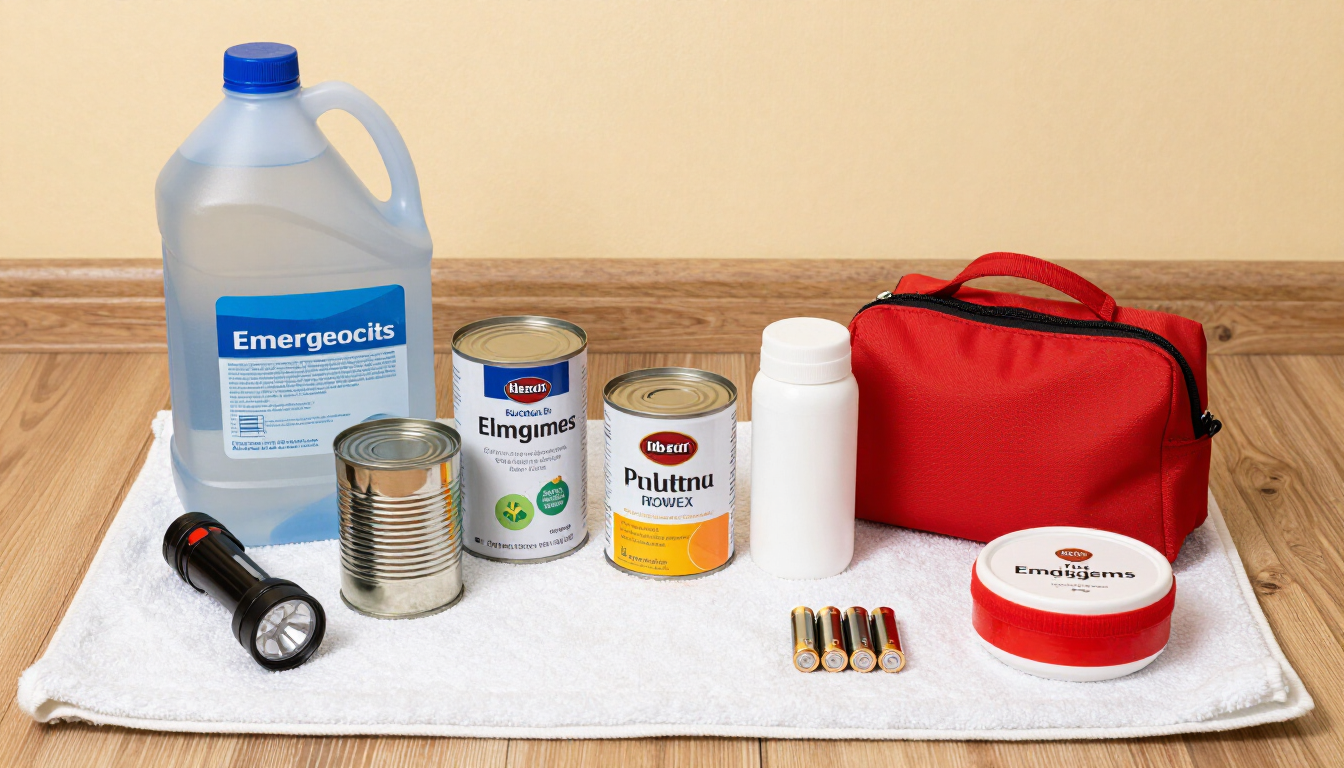
Emergency cash and financial preparedness for renters is the part of planning people skip because it feels abstract. Then the power goes out, the card readers go dark, and cash becomes the only way to buy water or a ride. A little cash, a short document list, and a small savings goal cover most of the financial side of an emergency.
Why cash matters in an emergency
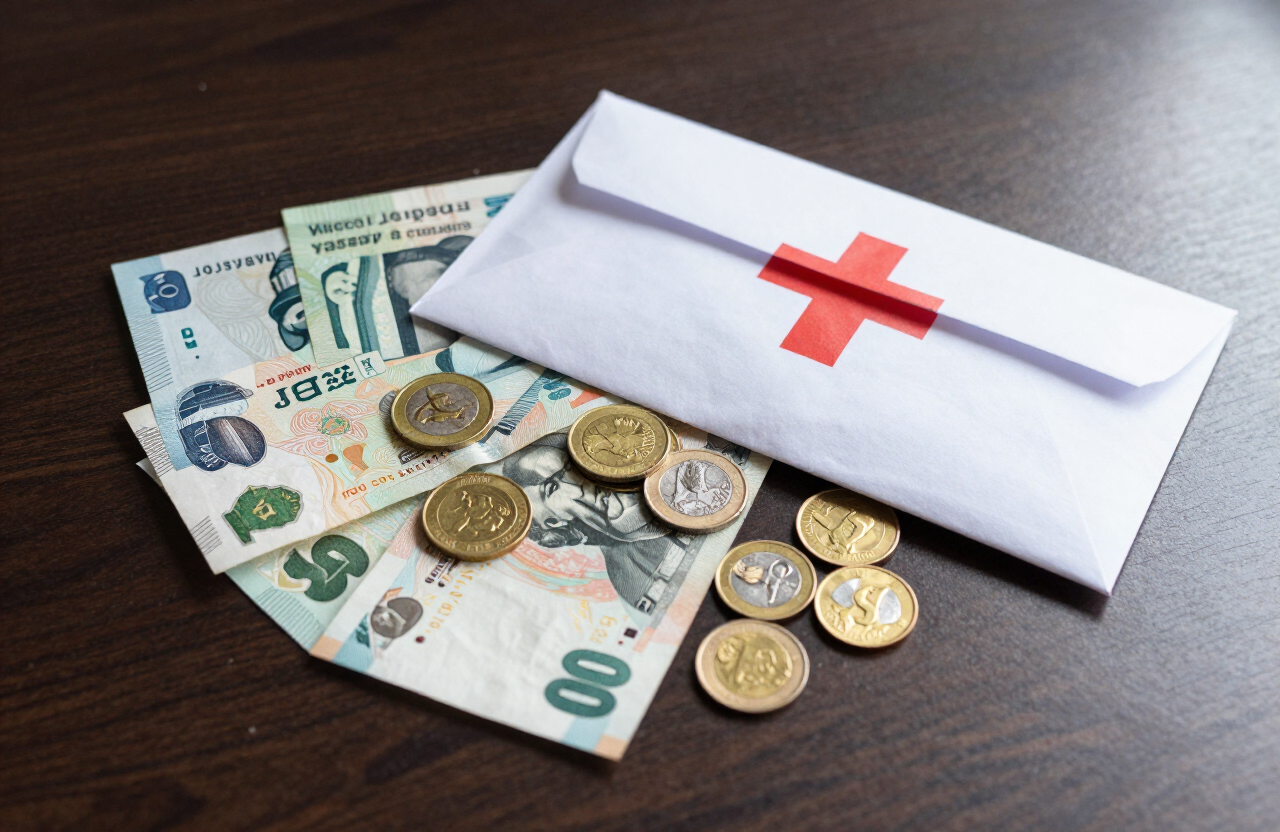
When the power or internet is out, card readers and ATMs stop working. Cash is the backup that still works. In a small apartment you do not need a fortune hidden away, just enough to cover a few days of basics when plastic fails.
How much cash, and in what bills
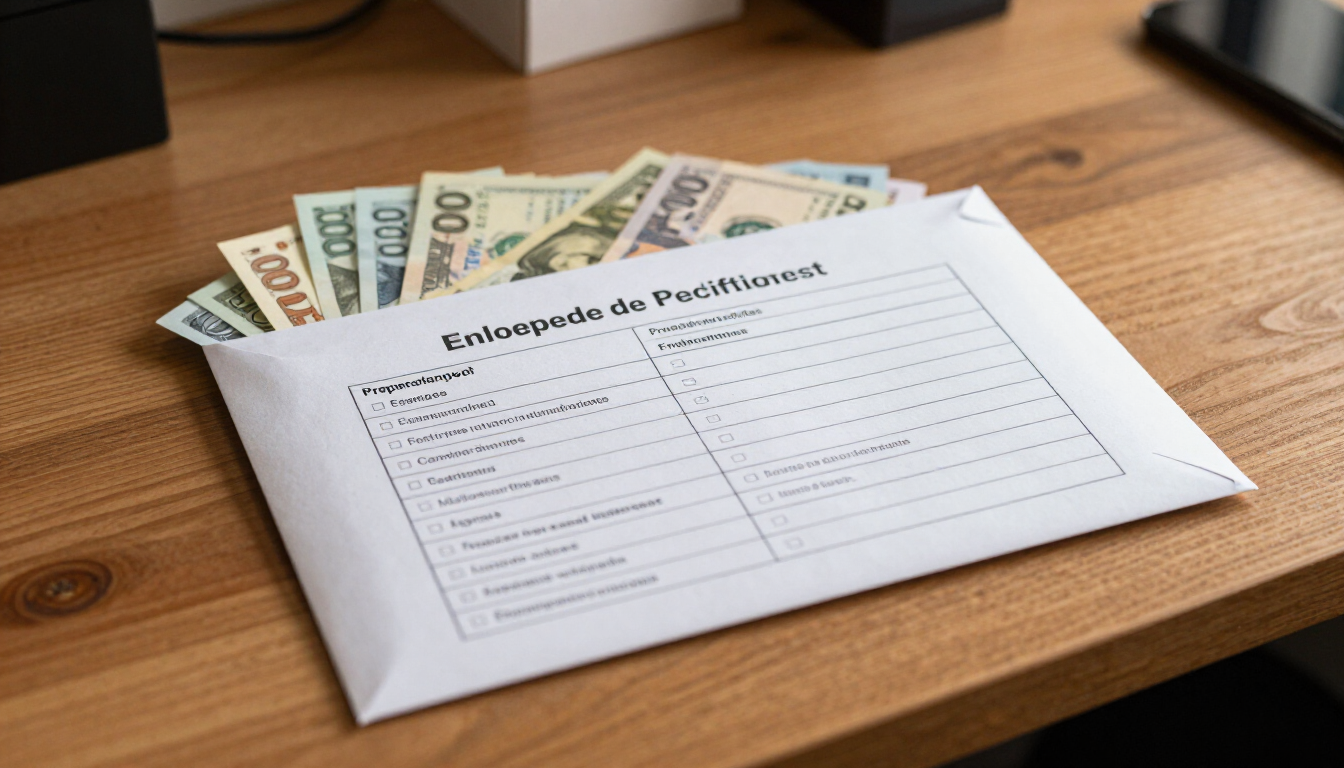
The amount matters less than the bill sizes. A store that cannot make change for a hundred is not going to help you in a crisis. Small bills are what actually spend in an emergency.
- Aim for $100 to $200 in cash to start
- Use ones, fives, and tens, not large bills
- Include a roll of quarters for laundry or parking
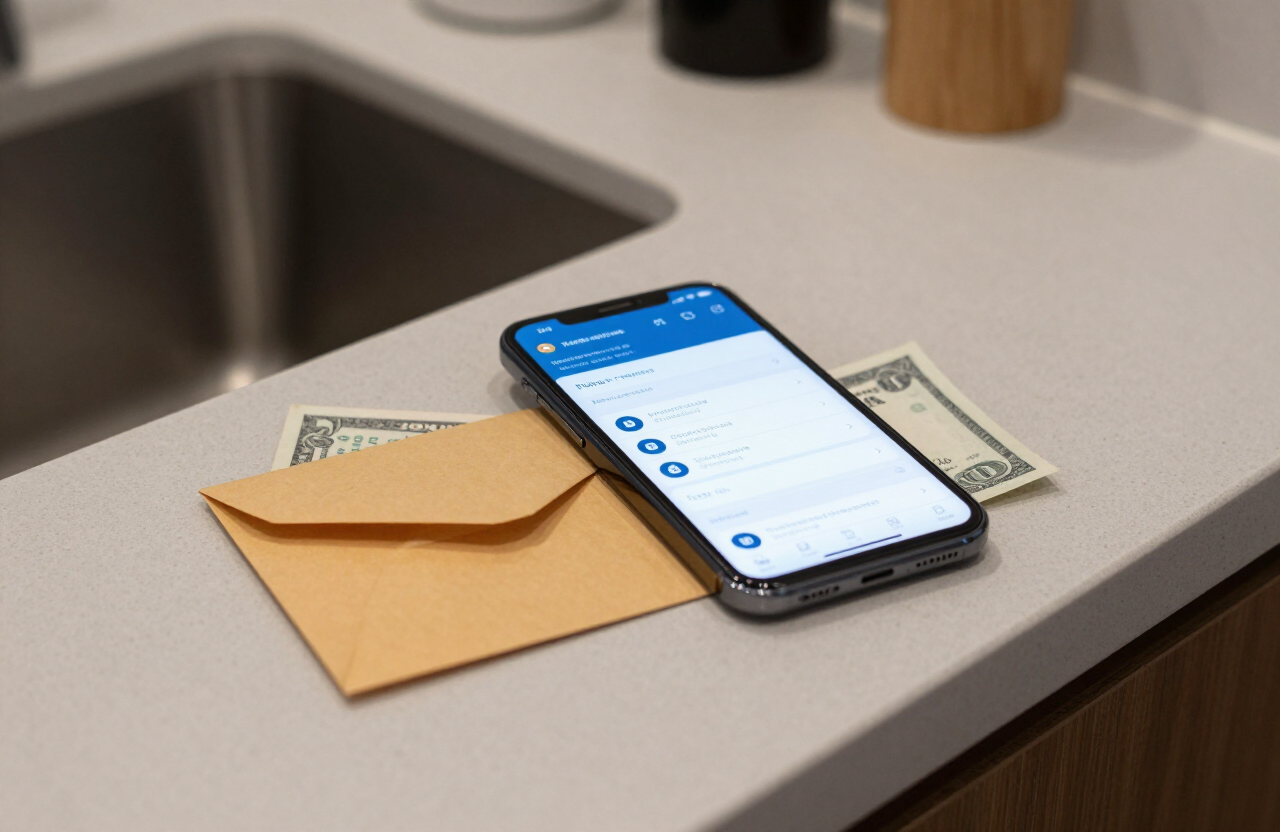
- Keep it in a labeled envelope, not loose in a drawer
The document grab list
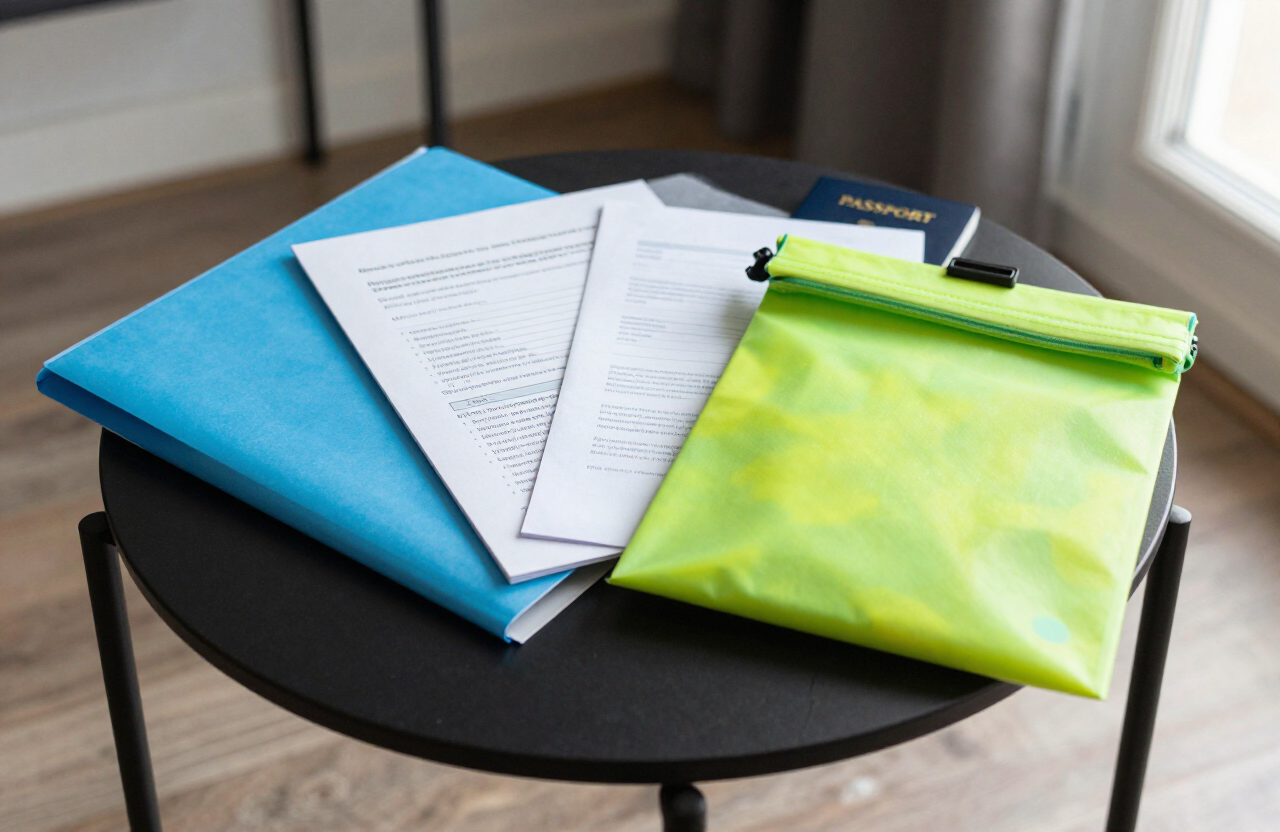
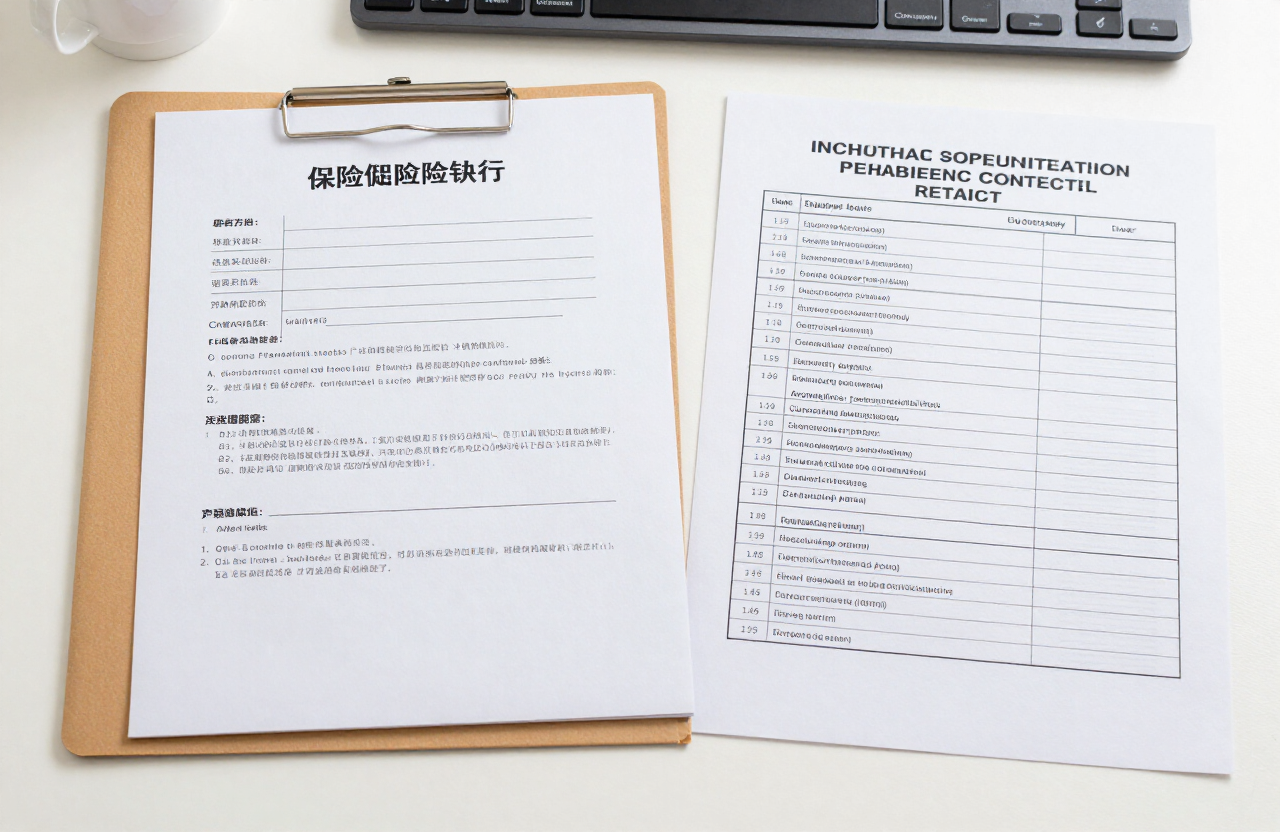
After cash, the next financial risk is losing the documents that prove who you are and what you own. A short grab list and a few copies mean you can rebuild faster after a fire, flood, or evacuation.
- Photo ID and Social Security card
- Insurance policies, renters, health, and auto
- A copy of your lease and your landlords contact info
- Bank and credit card numbers, plus a backup contact
- Medical information and prescription lists

Keep your bills running during a crisis
An emergency is the worst time to miss a rent or insurance payment. A few setup steps now keep your finances on track even when you are distracted or displaced.
- Set rent and insurance to autopay if your landlord allows it
- Schedule minimum payments on credit cards
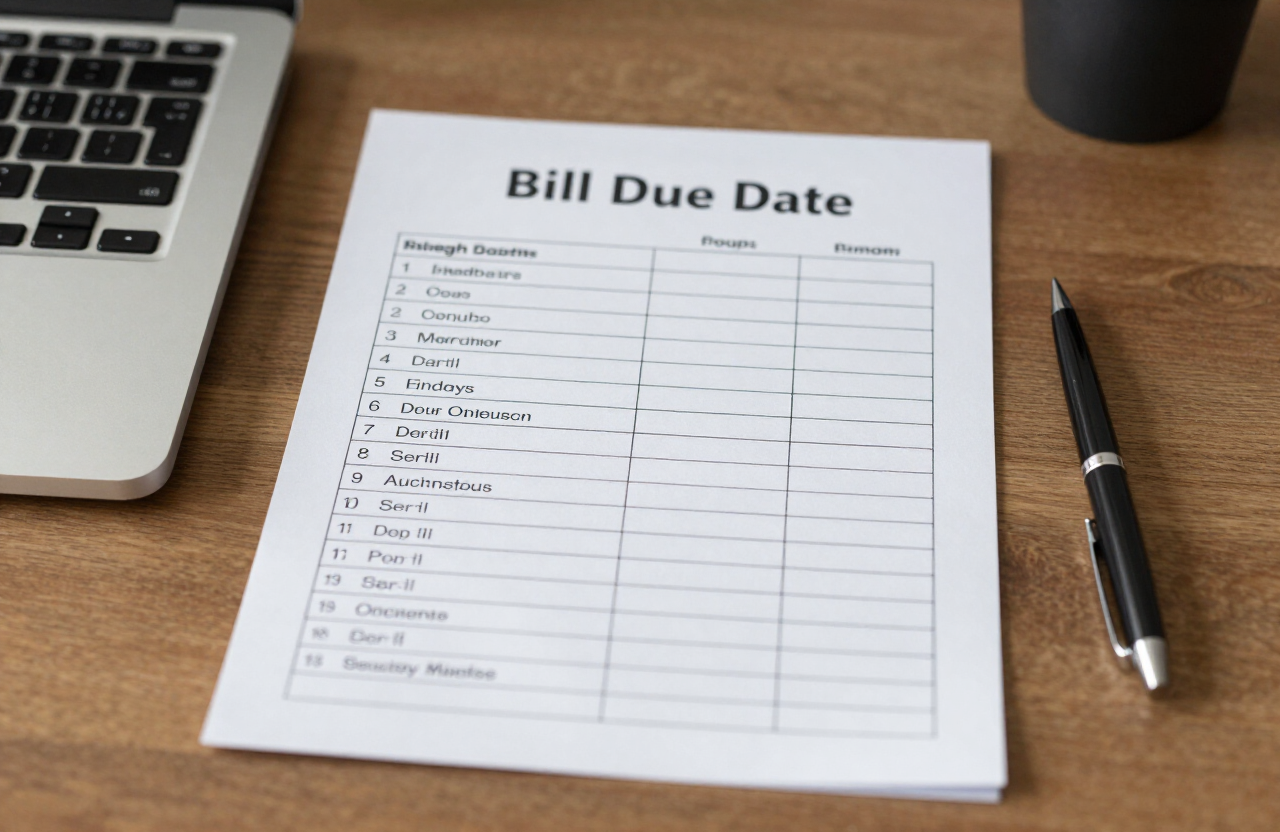
- Keep a list of bill due dates and account logins
- Sign up for payment alerts by text and email
Build a small emergency fund
Cash at home covers a few days. A real emergency fund covers the bigger hits, like a hotel during an evacuation or a deductible after a loss. Start small and let it grow.
- Start with a $500 goal, then build toward one month of expenses
- Keep it in a separate savings account, not your checking
- Automate a small monthly transfer, even $20 helps
- Use it only for true emergencies, not everyday spending
Store it where you can grab it
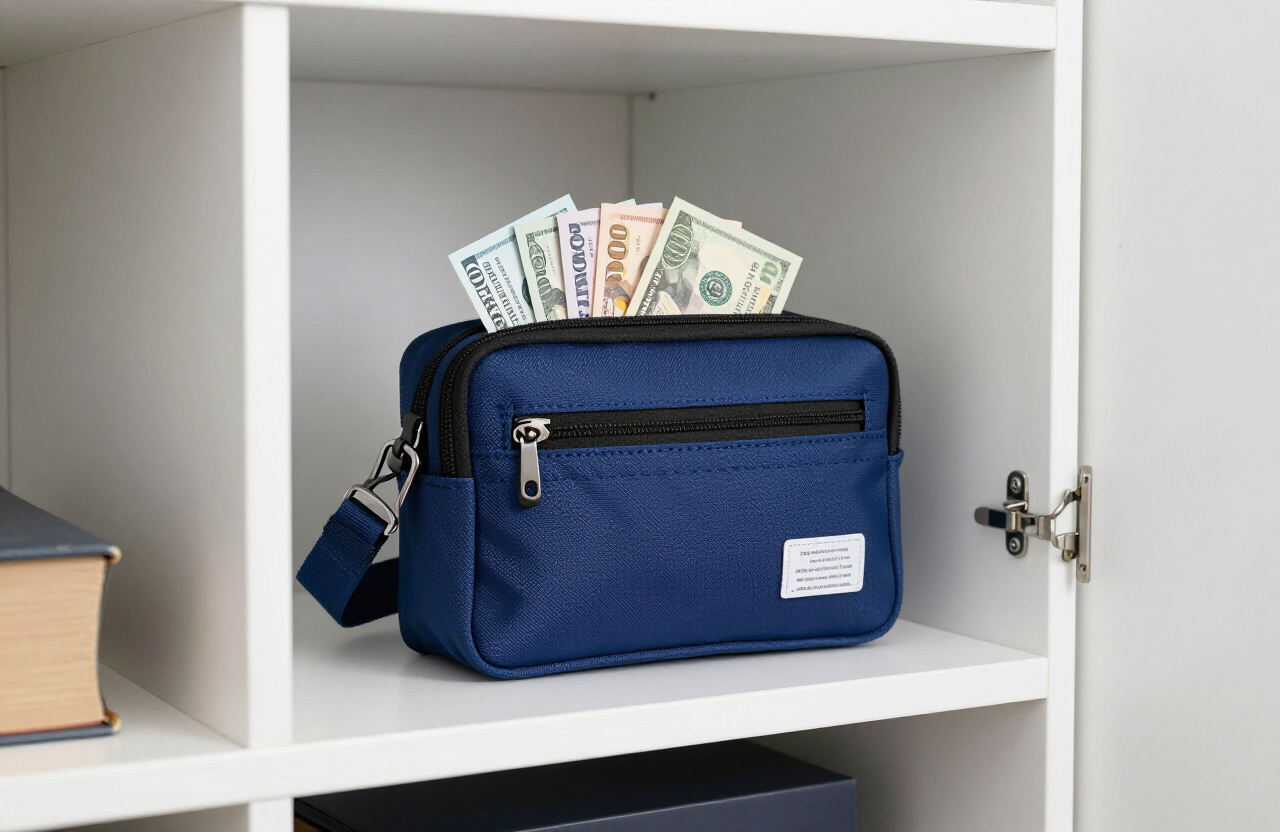
Cash and documents only help if they survive the event and you can reach them. A small fireproof bag in a known spot is the last piece of the puzzle.
- Use a fireproof and waterproof document bag
- Keep it in one consistent spot you can find in the dark
- Store copies digitally in a secure cloud account as backup
- Tell one trusted person where it is
For the full list of what to grab on the way out, see our evacuation documents guide.
Frequently asked questions
Editorial note: this guide provides general preparedness information, not emergency, medical, legal, or engineering advice. Recommendations are cross-checked against public emergency-management guidance and adapted for small-space living. During an active emergency, follow your local authorities and emergency services. See our editorial standards and affiliate disclosure.