Apartment Emergency Preparedness for Roommates
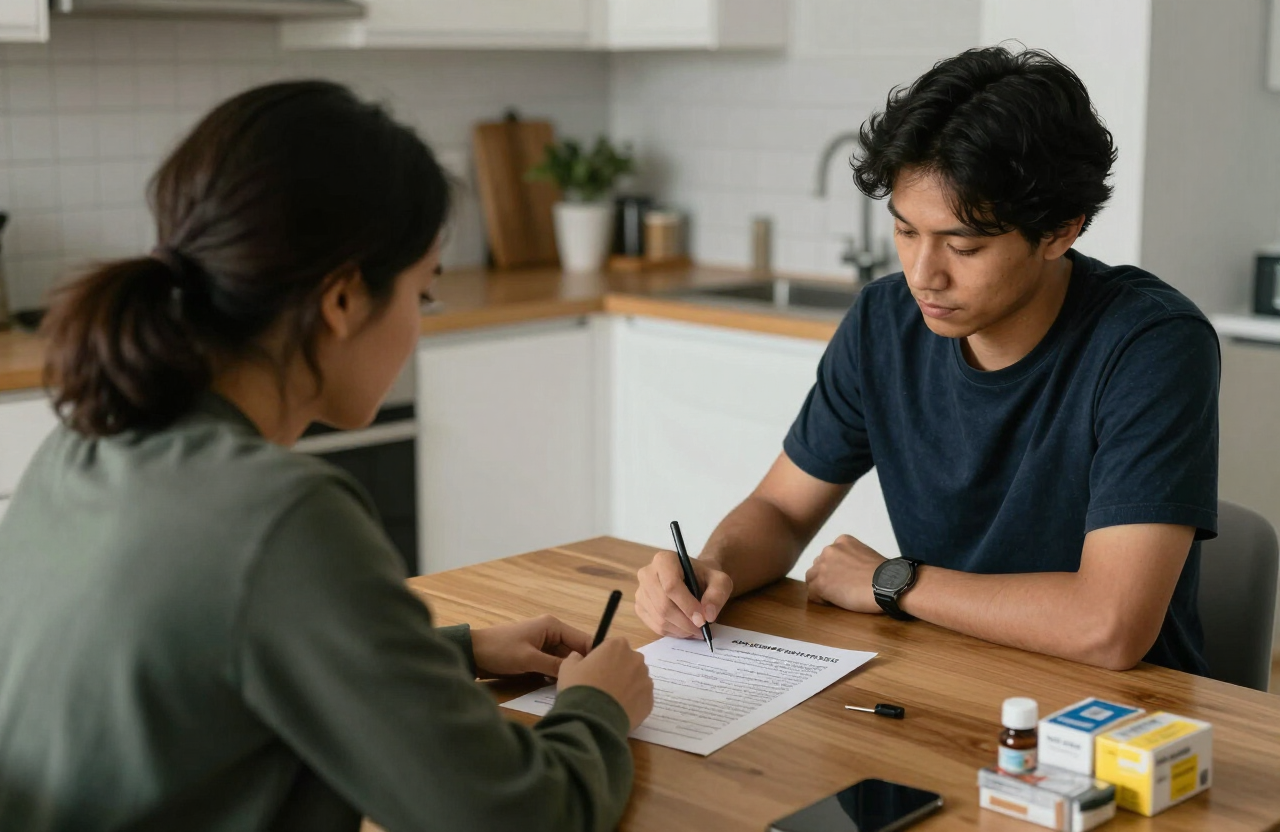
Apartment emergency preparedness for roommates works best when it is shared, not dumped on one person. When two or three people split the supplies, the cost, and the plan, you end up with a better kit and a clearer idea of who does what. Here is how to set it up without making it awkward.

Make preparedness a shared job
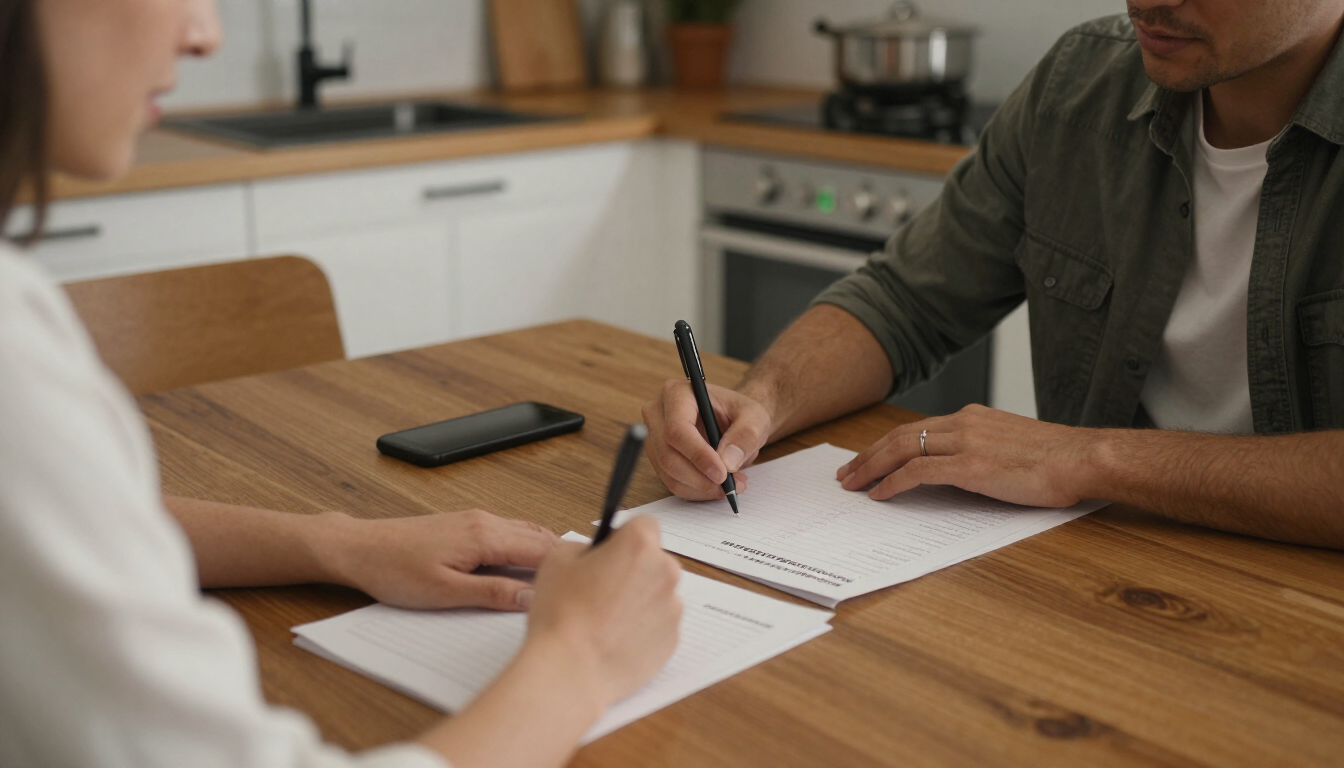
The most common reason roommate preparedness fails is that one person assumes the other is handling it, and neither does. Put it on the table early, treat it as a shared expense, and write down who is doing what.
Split the supplies and the cost
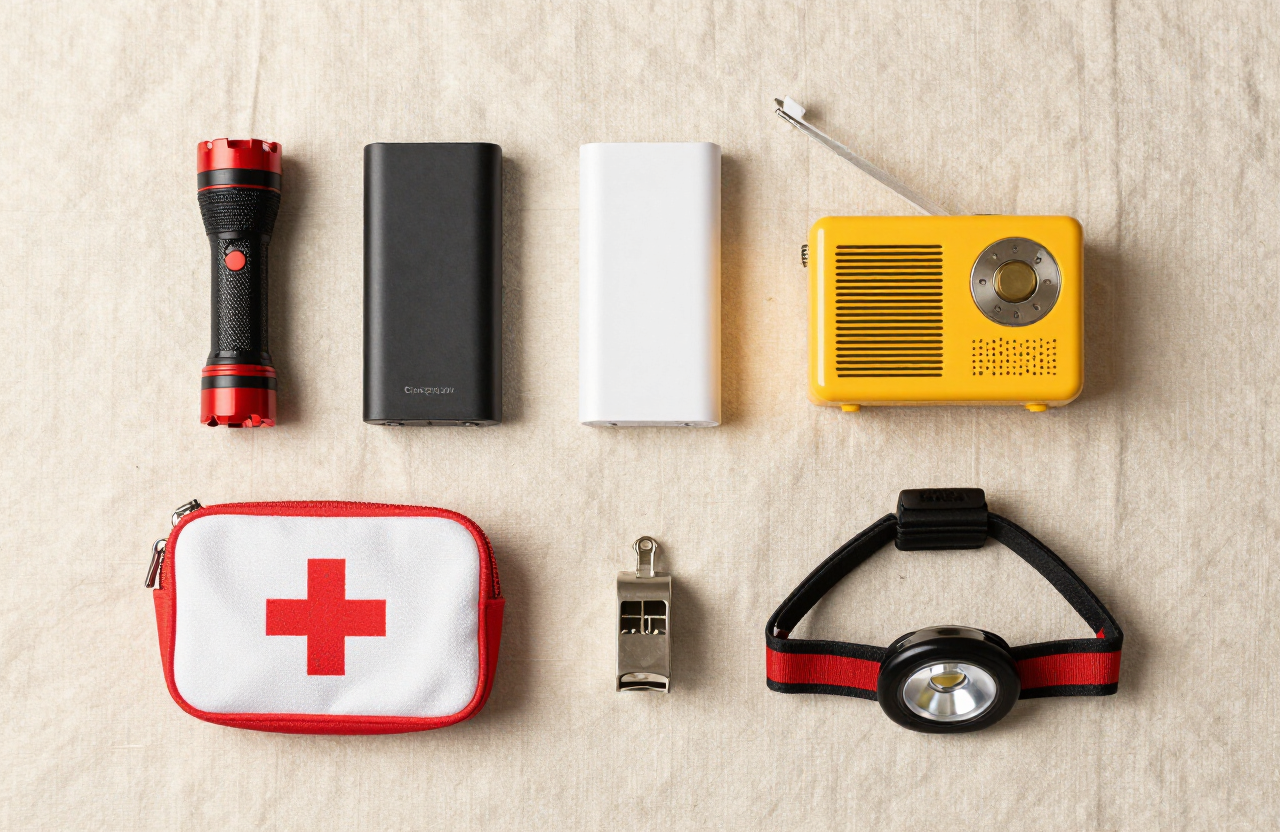
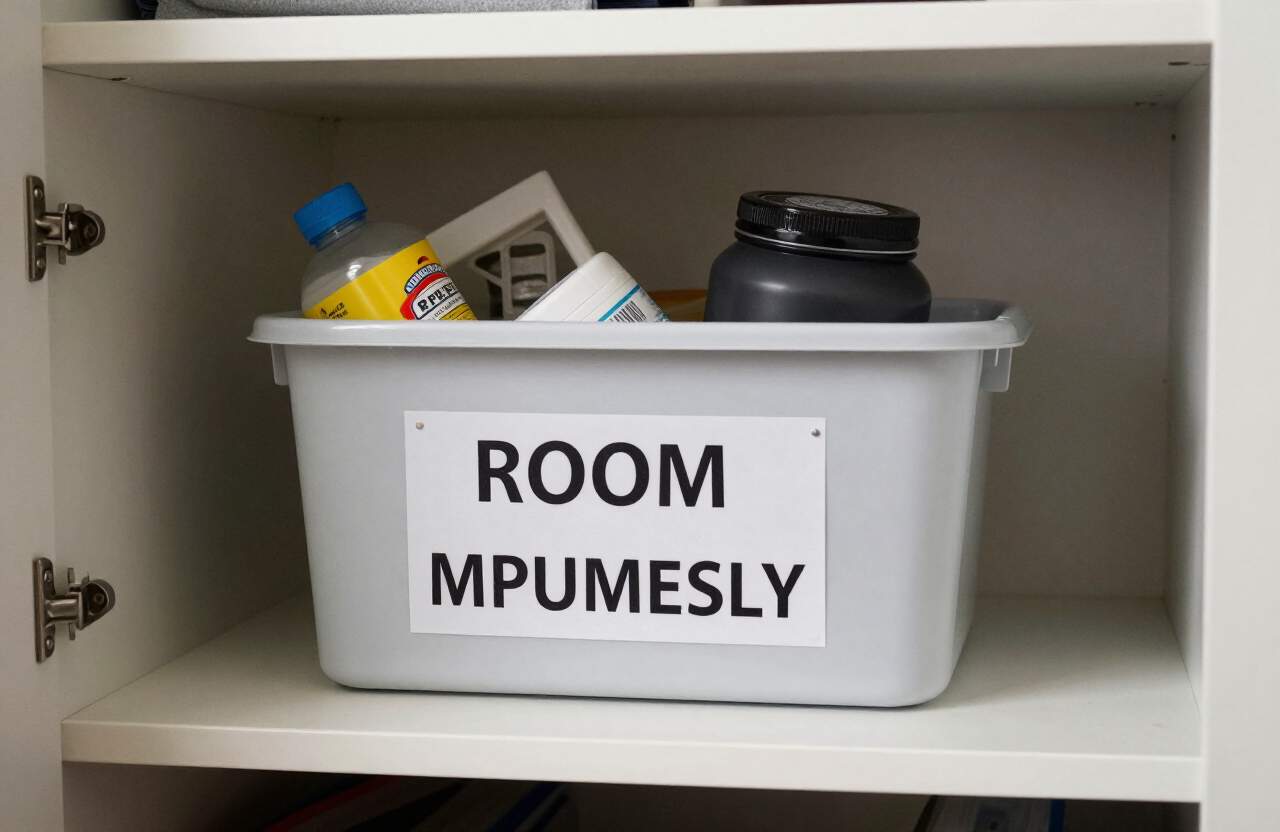
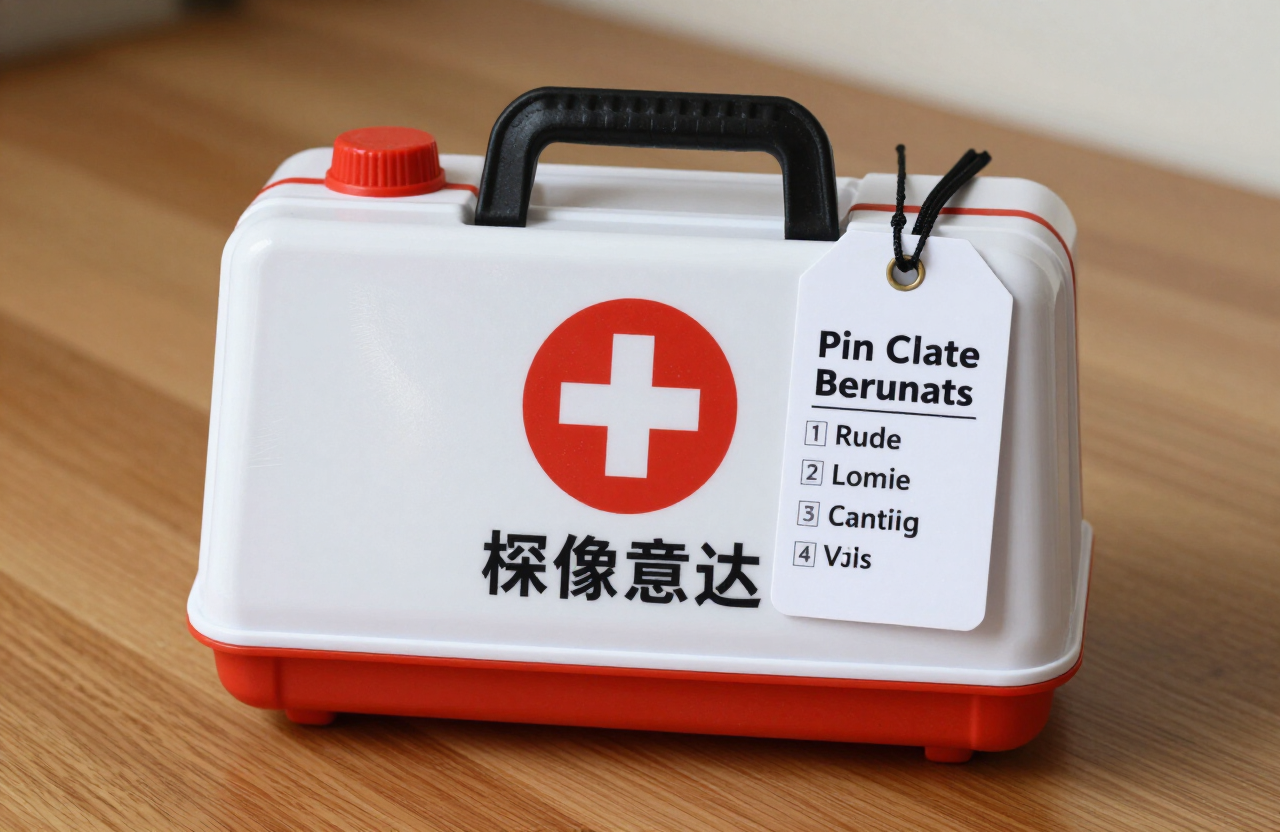
A shared supplies bin keeps everything in one spot and splits the cost fairly. Divide the shopping list so no one person is paying for the whole kit, and label what belongs to the apartment versus what is personal.
- Buy one shared bin for water, light, and first aid basics
- Split bigger items, one person takes the flashlight, another the first aid kit
- Keep personal go bags separate for each person
- Save receipts so the split is fair and clear
Post a shared contact card
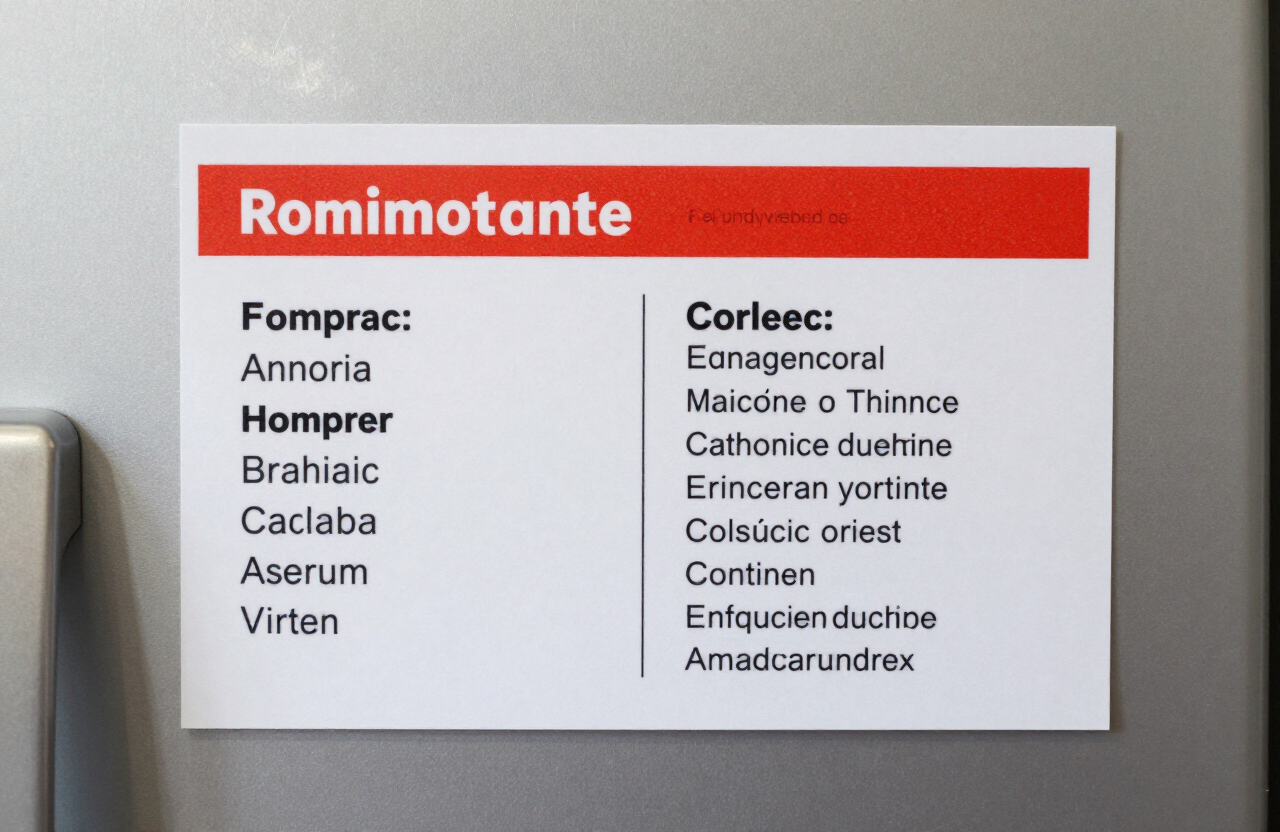
Each roommate has different emergency contacts. A single card on the fridge with everyones people means either of you can call for the other in a crisis, and a guest or first responder can find help fast.
- List each roommates name, an emergency contact, and any medical needs
- Add the building manager and landlord numbers
- Include one shared out of area contact if you have one
- Post it on the fridge and keep a copy in the shared bin
Agree on a meeting point
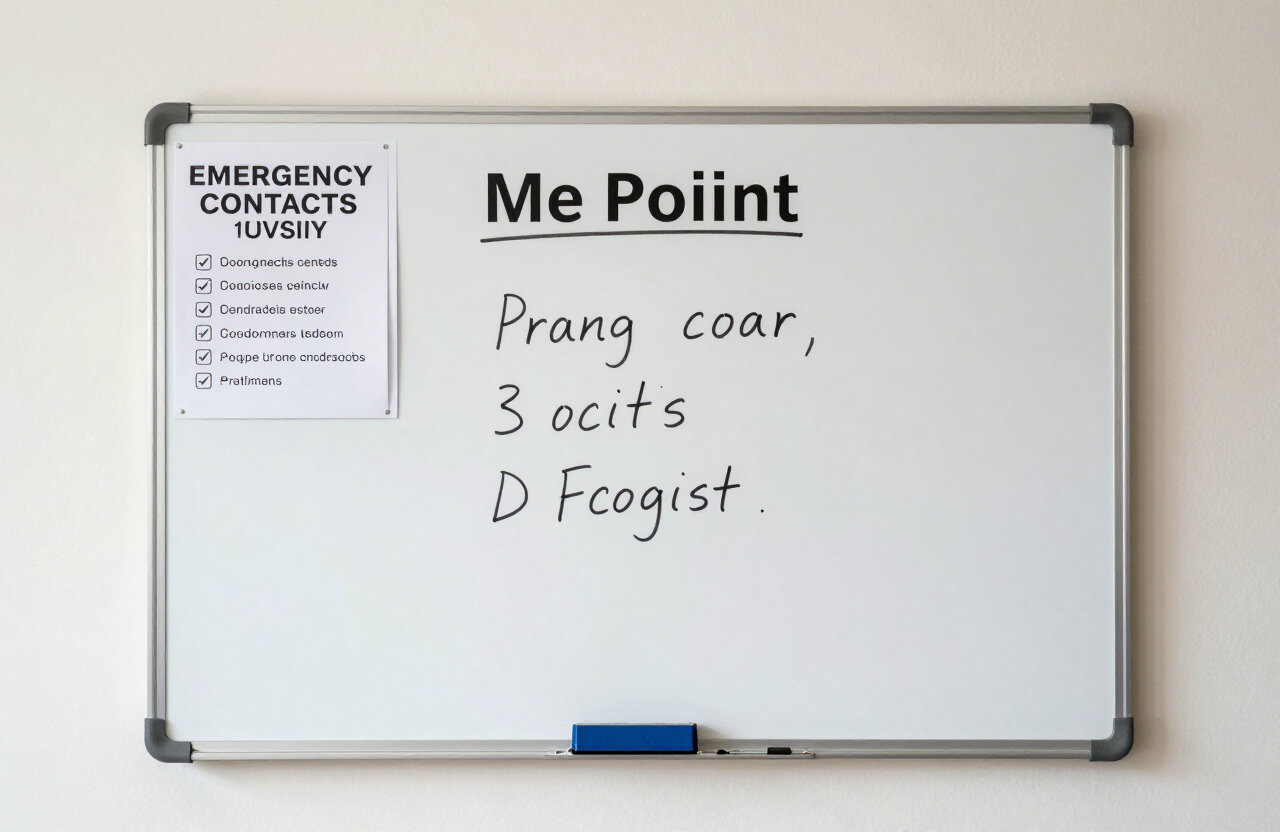
If you have to leave the apartment fast, you need one spot to find each other. Agree on it now, when nobody is panicked, and write it where you both can see it.
- Pick a fixed spot in front of the building
- Choose a second spot outside the neighborhood in case the area is closed
- Write both on a whiteboard or the contact card
- Agree that once you are out, nobody goes back in
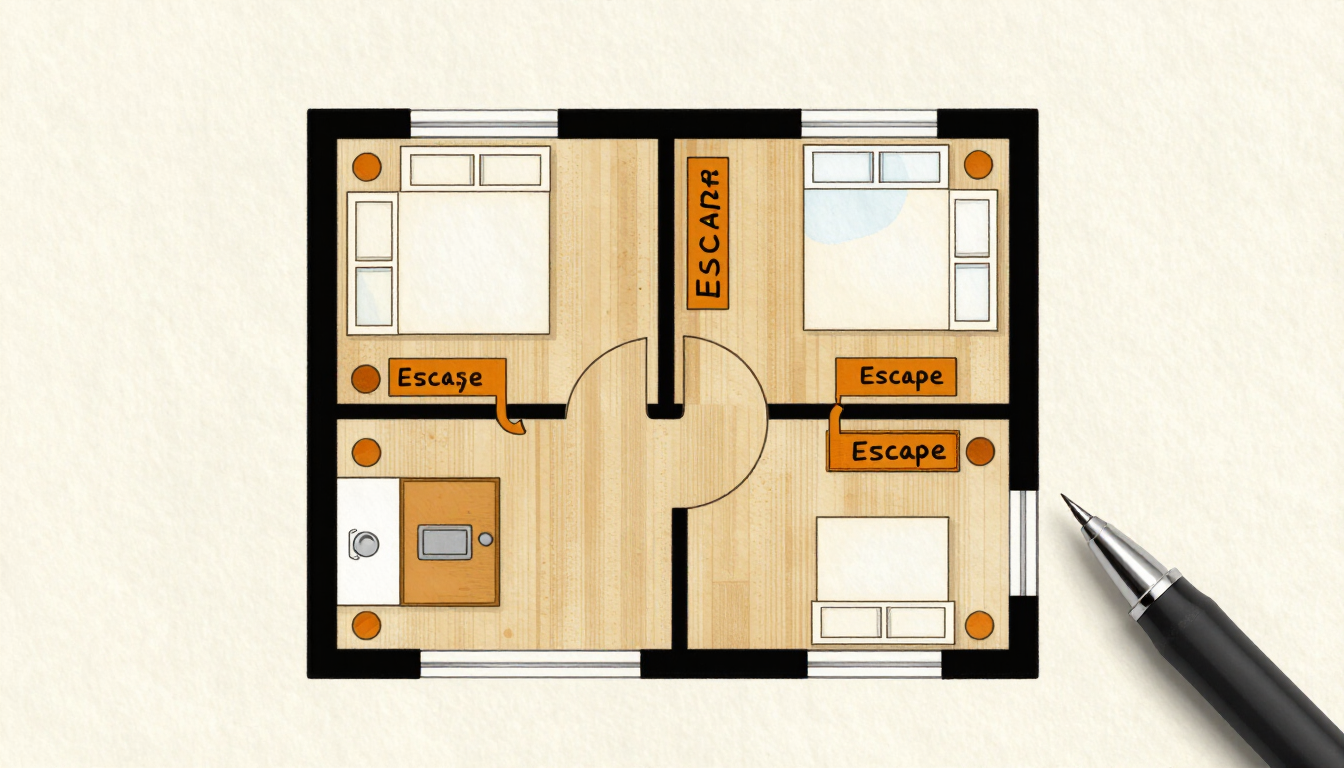
Practice the fire escape route together
A plan you have never walked is just a theory. One practice run, ideally when you first move in, makes the route real for both of you and surfaces any blocked paths or sticky windows.
- 1Walk both escape routes from each bedroom to the building exit
- 2Check that every window you would use opens fully
- 3Note where a fire escape ladder would go if you live above the ground floor
- 4Repeat the walk whenever furniture changes or someone moves out
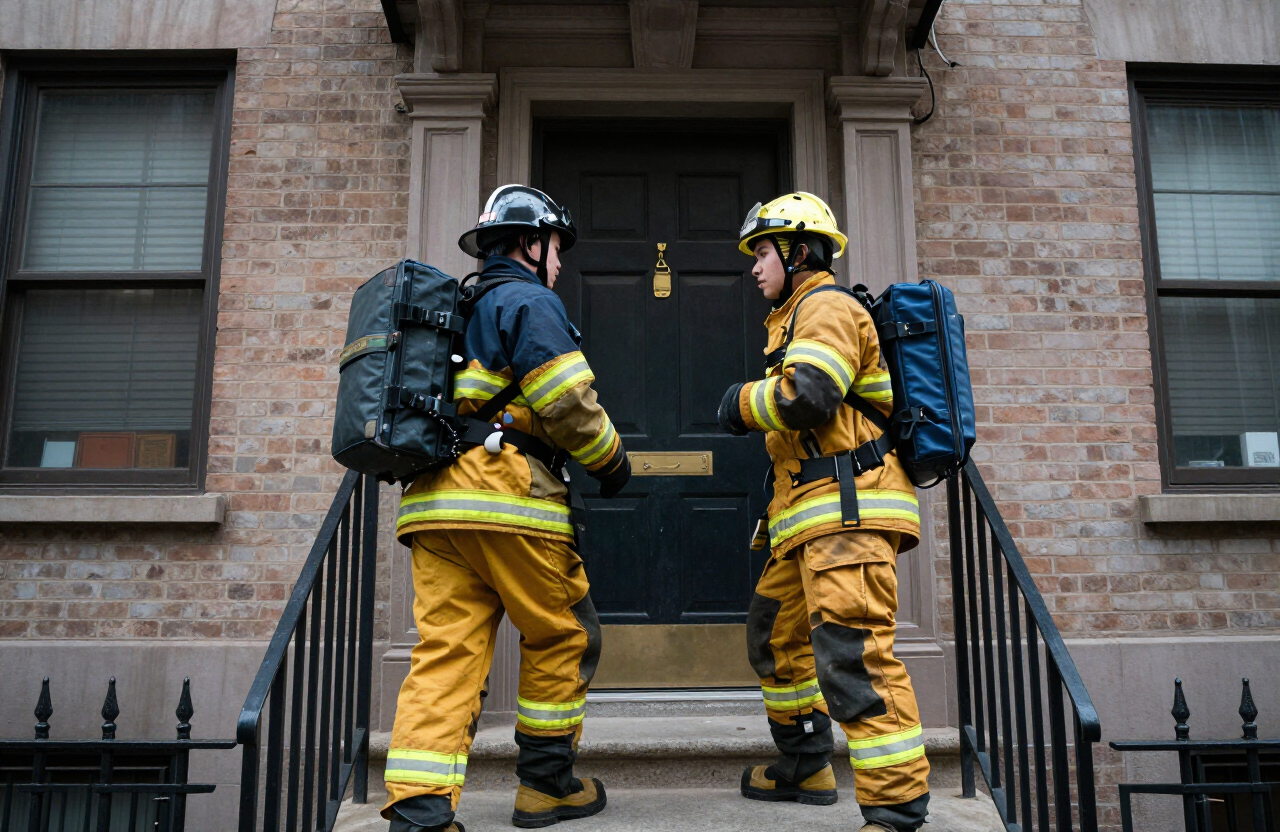
For the full route plan, see our apartment fire escape guide.
Plan for move outs
Roommate arrangements change. When someone moves out, take ten minutes to update the plan so the person staying is not left with gaps and the person leaving takes their personal go bag.
- Update the contact card with the new roommate or as a single person
- Restock any shared supplies that left with the departing roommate
- Rewalk the escape route if furniture changed
- Recheck detector batteries during the transition
Frequently asked questions
Editorial note: this guide provides general preparedness information, not emergency, medical, legal, or engineering advice. Recommendations are cross-checked against public emergency-management guidance and adapted for small-space living. During an active emergency, follow your local authorities and emergency services. See our editorial standards and affiliate disclosure.