Emergency Preparedness for Renters with a Baby or Toddler
Emergency preparedness for renters with a baby or toddler means planning for a family member who cannot wait, cannot walk out on their own, and depends entirely on you for food, warmth, and comfort. A small dedicated kit and a calm plan keep a stressful outage or evacuation manageable instead of overwhelming.
Food and feeding when the power or water is off
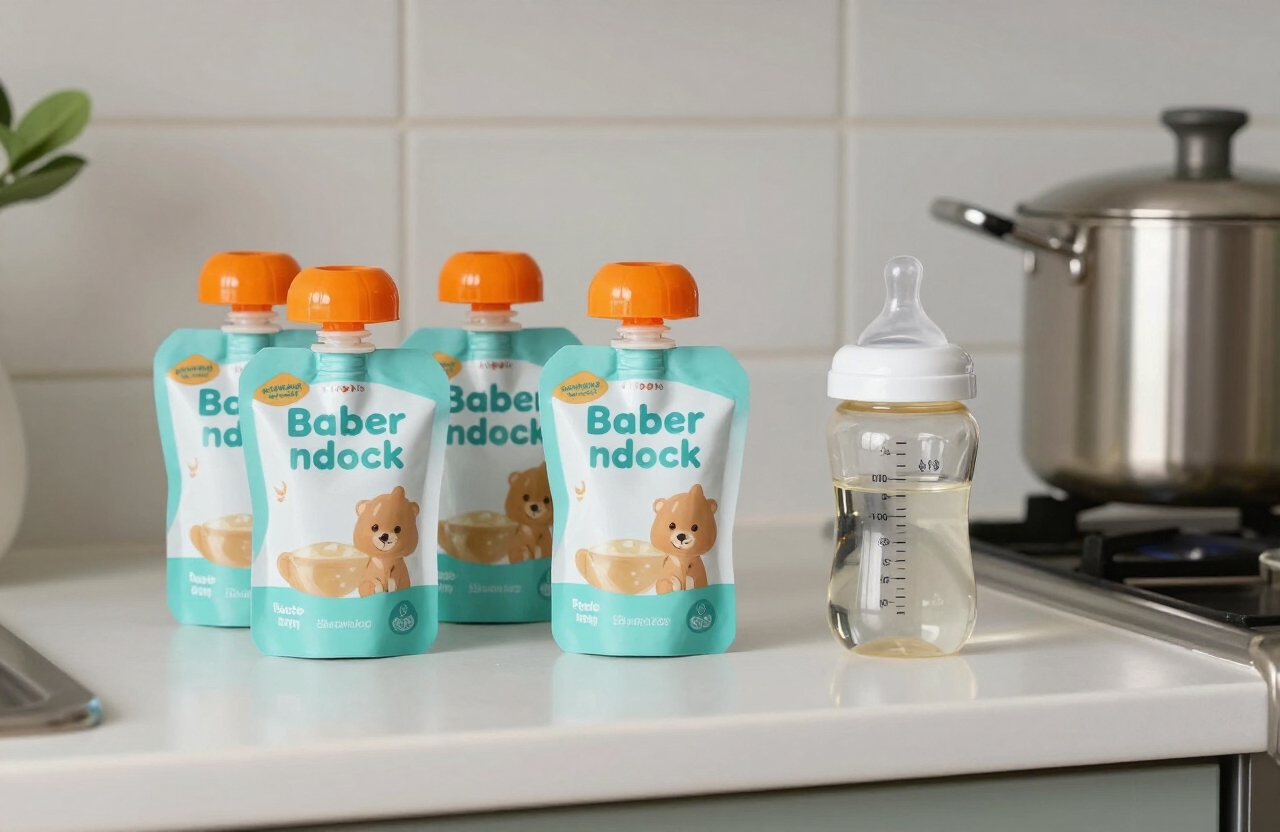
Babies and toddlers cannot skip meals the way adults can, so feeding is the first thing to plan. Build redundancy into how you feed your child.
- Ready to feed formula, which needs no water or warming, as a backup to powder
- Bottled water for mixing powder formula, since tap water may be unsafe
- Shelf stable baby food pouches and dry snacks for toddlers
- A manual bottle brush and a small bottle of dish soap
- A feeding schedule written on paper in case your phone is dead
Diapers, wipes, and sanitation
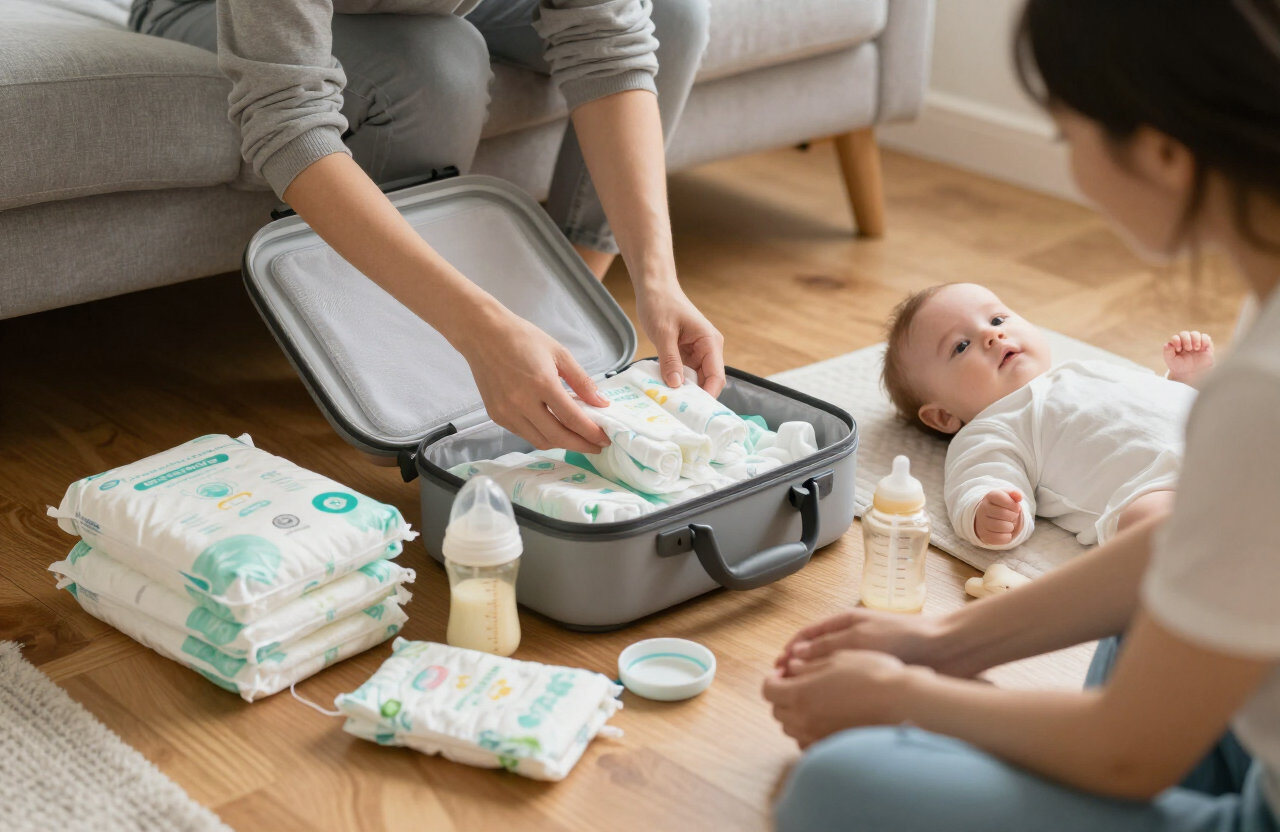
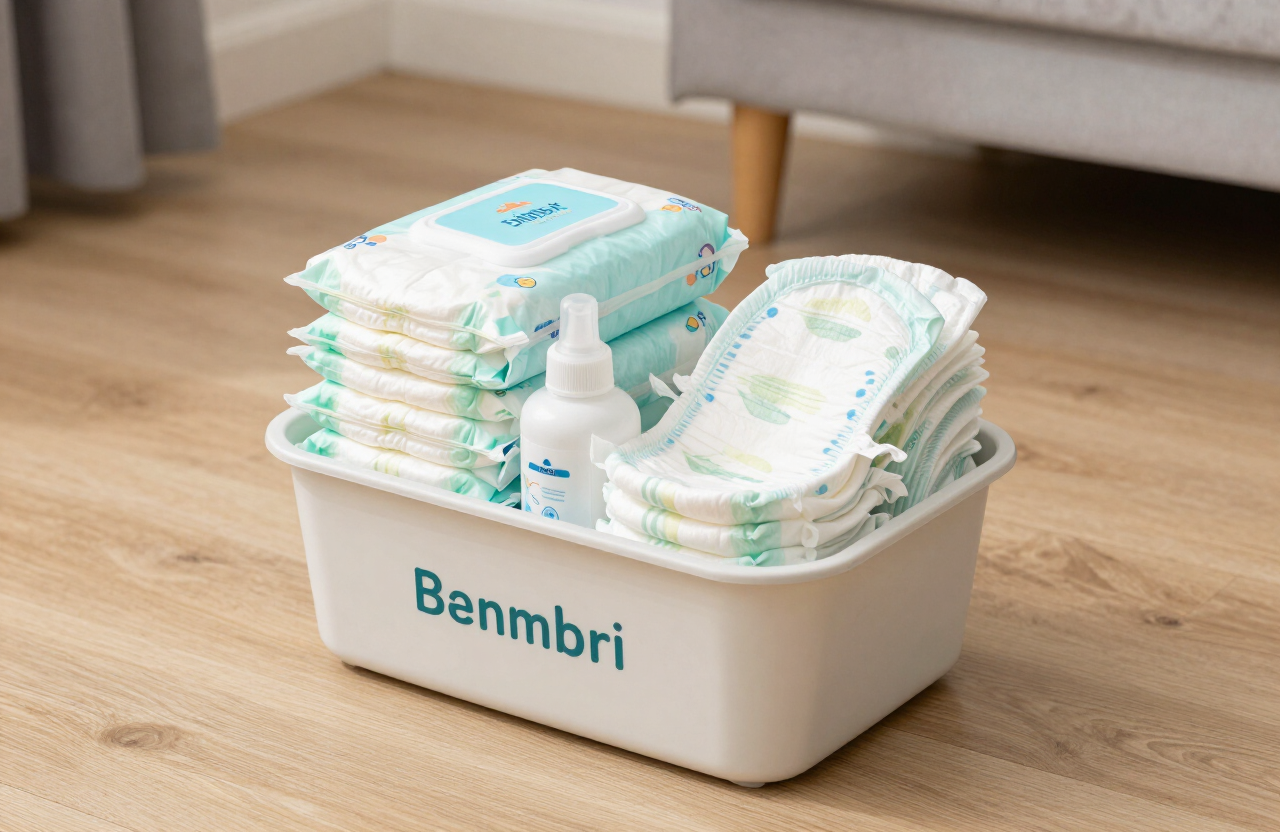
A baby goes through more diapers than you think, and an outage means you cannot run out for more. Stock up and store it where you can reach it.
- At least a week of diapers in the current size, plus a pack of the next size up
- Wipes, which double as hand and face cleaning for everyone
- Diaper rash cream and a small changing pad
- Heavy duty bags for soiled diapers when trash pickup is delayed
- A portable potty seat or insert for toddlers during toilet training
Health, medications, and comfort
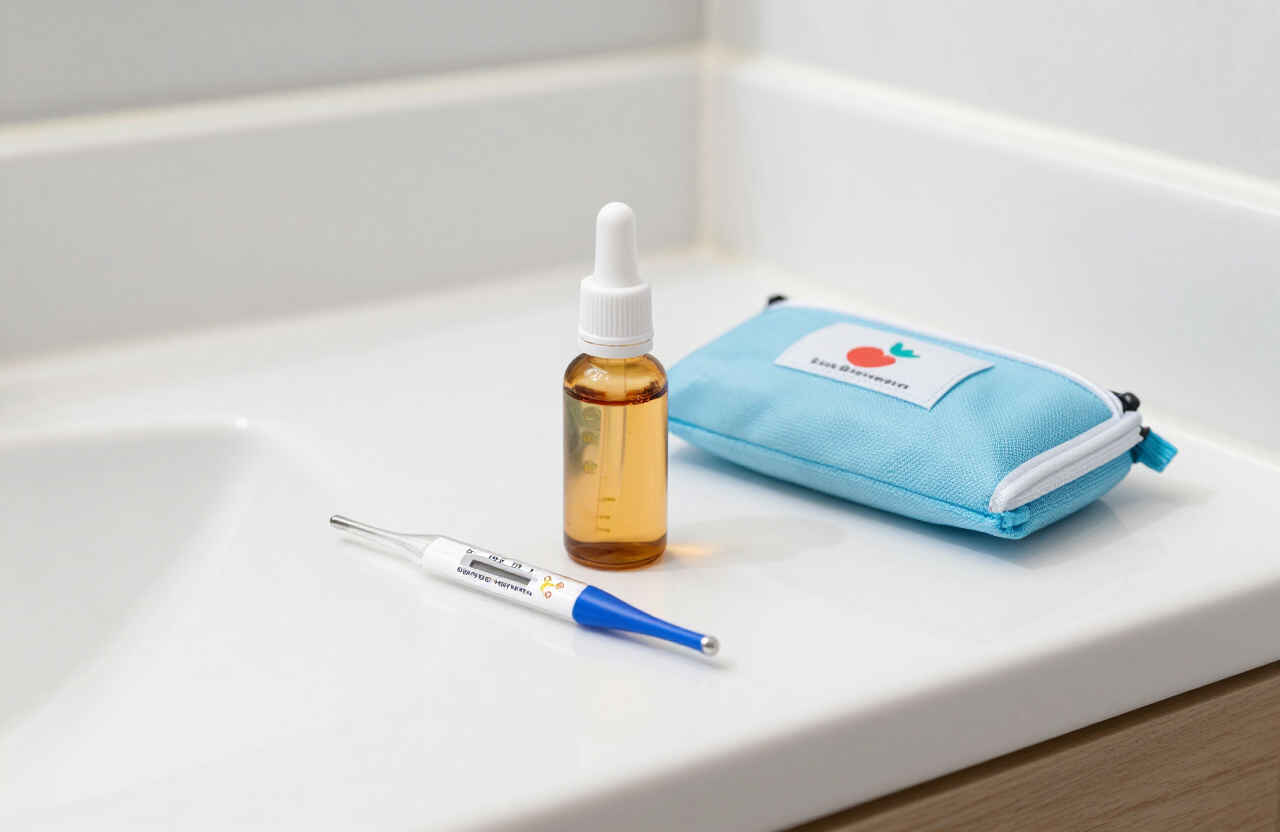
Babies get sick on their own schedule, not the pharmacy hours. Keep a small health kit and the comfort items that soothe your child.
- Infant pain reliever and a dosing syringe, checked for expiry
- An infant thermometer and the number for your pediatrician
- A small first aid kit with bandages and antiseptic
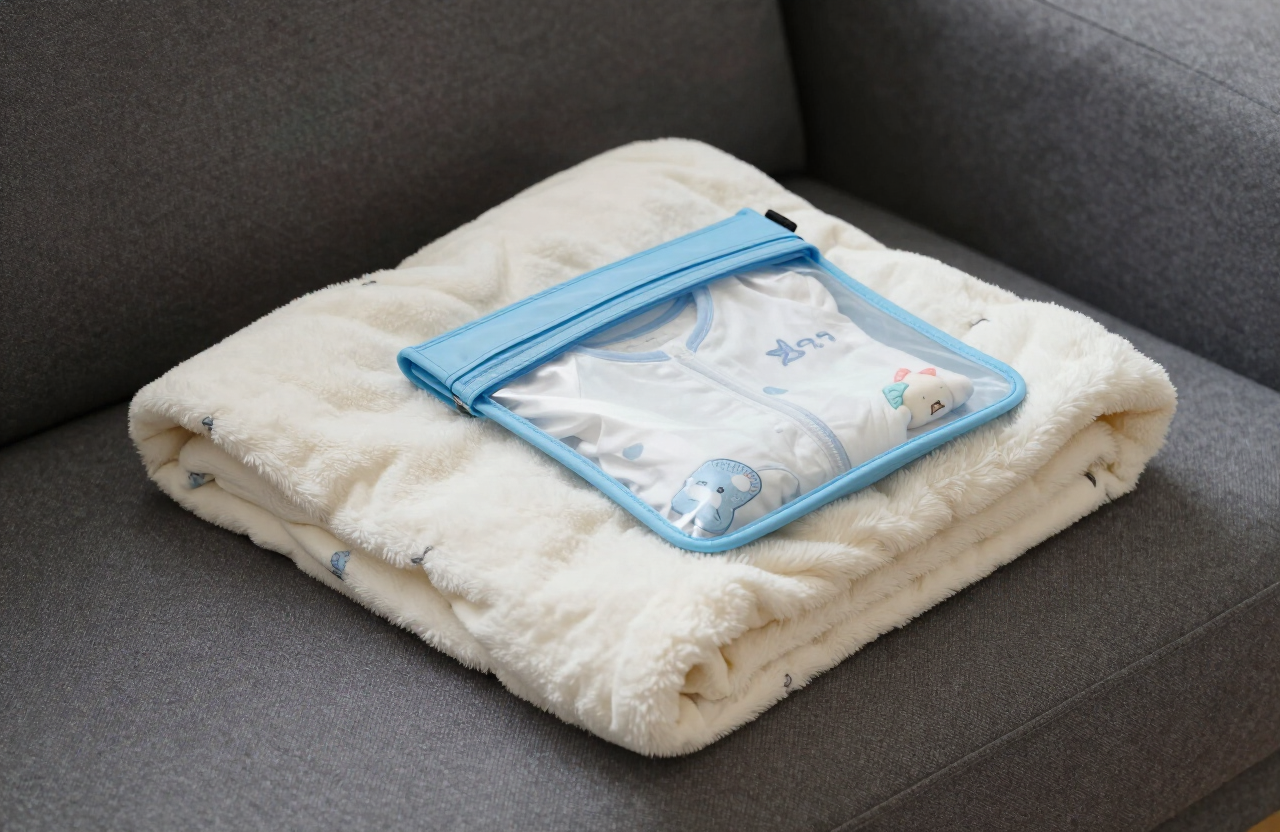
- A favorite blanket, stuffed animal, and pacifier, plus spares
- A change of weather appropriate clothes and a warm layer
Carrying your child out: carriers and go bags
In an evacuation you need your hands free for the go bag and the stairs. A soft carrier is the answer, and it works even when a stroller does not.
- A soft structured carrier or wrap that fits your child now
- A small diaper bag that clips to the carrier or your go bag
- A lightweight stroller only if your route is flat and clear
- Practice loading your child into the carrier before you need to hurry
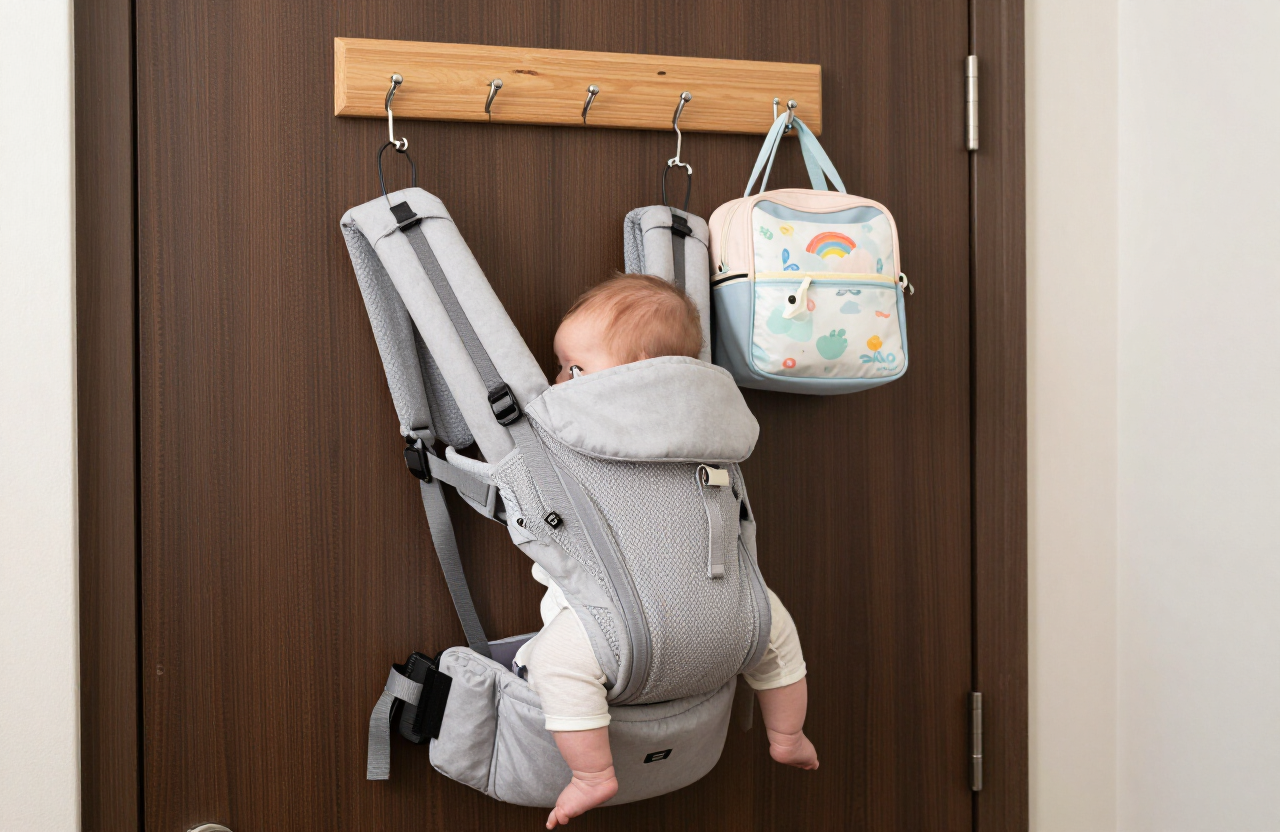
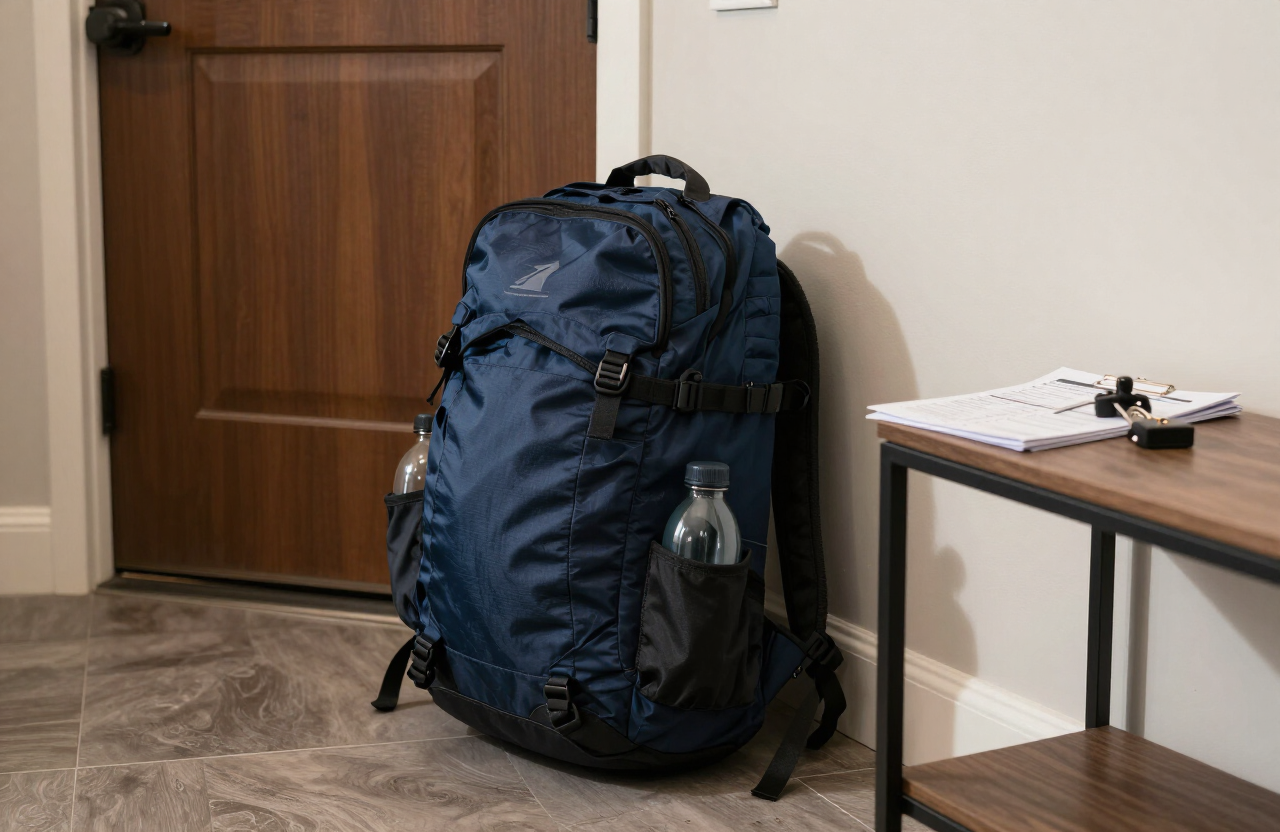
Build the adult go bag alongside it with our apartment go bag guide.
A calm plan for outages and evacuations
Babies feel your stress, so a calm, rehearsed plan helps everyone. Write it down and share it with anyone who watches your child.
| Situation | What to do first |
|---|---|
| Power outage | Feed and comfort the baby, then gather lights and layers |
| Water outage | Use stored water and ready to feed formula, switch to wipes |
| Evacuation order | Load the carrier, grab the go bag and documents, take the stairs |
| Overnight shelter | Bring the comfort items, blanket, and a portable sleep setup |
Build the baby kit into your household plan
Your baby kit sits inside the larger household kit. Keep it separate and labeled so anyone can grab it, and rotate it as your child grows.
- Check the kit every few months for size, expiry, and season
- Swap out clothes and diapers as your child grows
- Refresh formula and food before their dates pass
- Keep a copy of the plan with your regular emergency contacts
See the full household plan in our studio apartment emergency plan guide.
Frequently asked questions
Editorial note: this guide provides general preparedness information, not emergency, medical, legal, or engineering advice. Recommendations are cross-checked against public emergency-management guidance and adapted for small-space living. During an active emergency, follow your local authorities and emergency services. See our editorial standards and affiliate disclosure.