An Apartment Emergency Plan for Renters Who Work Nights
An apartment emergency plan for someone who works nights has to account for the fact that a storm, a fire alarm, or a utility outage can hit while you are asleep at noon or on a break at 3 a.m. Most preparedness advice assumes you are home and awake in the evening. A night-shift renter needs a plan built around a flipped schedule.
Why night shift changes your risk window
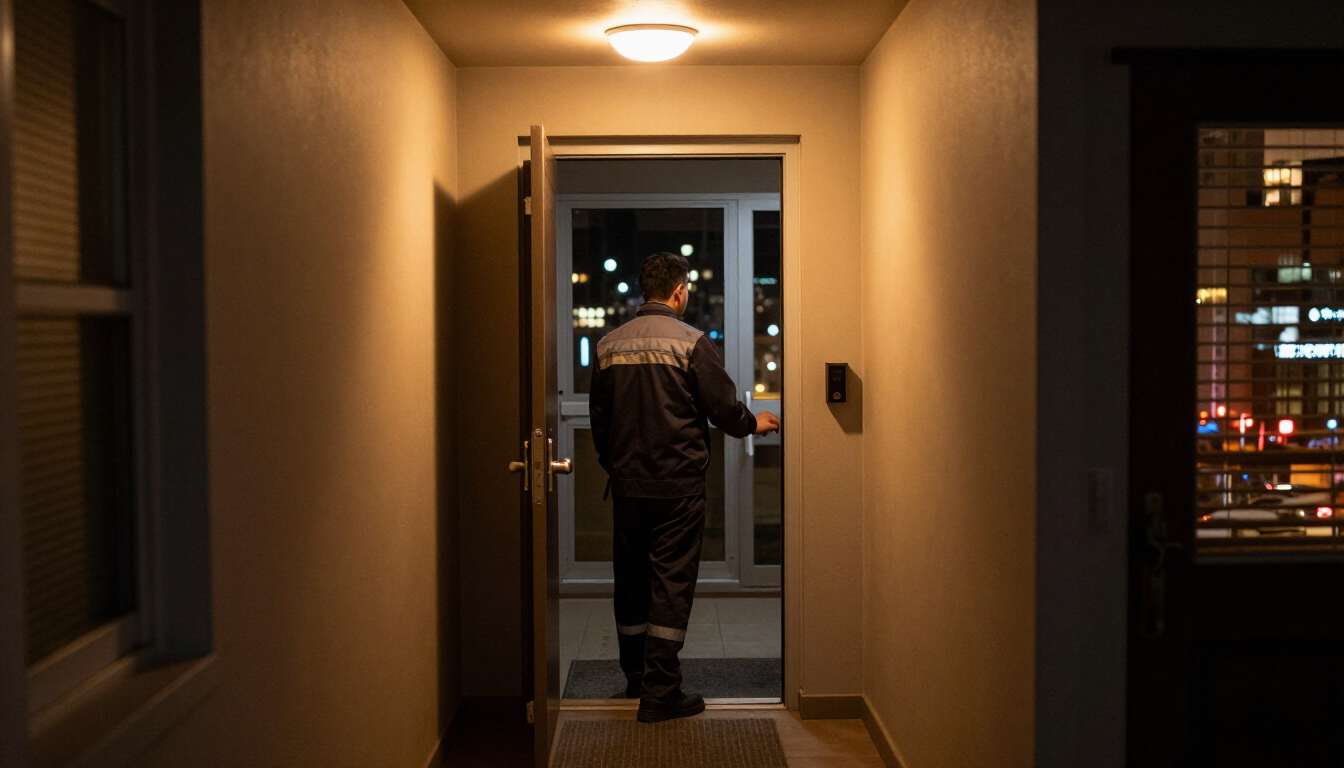
Severe weather and utility failures do not stick to business hours. A tornado warning at 2 p.m. hits you while you are asleep. A winter outage at 4 a.m. hits you while you are at work, and your apartment is empty and cold. The plan has to cover both windows, not just the evening.
It also has to account for being tired. Decisions made right after a shift are not the same as decisions made rested, so the plan should do the thinking ahead of time.
Alerts that reach you while you sleep
A phone on silent is the biggest single risk for a night-shift renter. Set up alerts that can wake you during the day without letting every notification through.
- Enable government emergency alerts and set them to bypass do-not-disturb
- Add a weather radio with alert mode that sounds a loud tone
- Allow calls from your emergency contact to ring through always
- Keep a loud backup alarm across the room, not just your phone
A plan for when you are at work
If an emergency hits while you are on shift, you need a plan to get home and a plan for the apartment while you are gone. Decide both ahead of time.
- Keep a small kit at work: phone charger, snack, water, cash for transit
- Know two routes home in case one is blocked
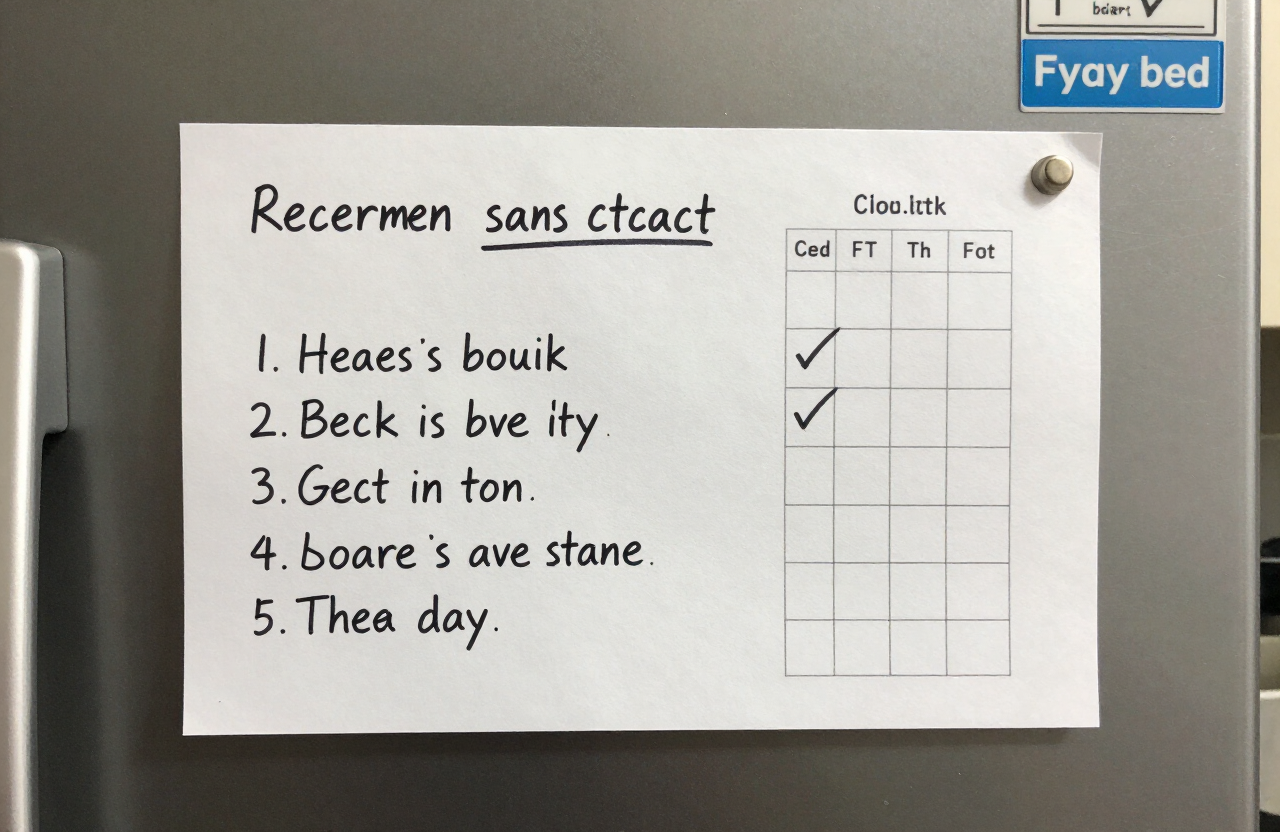
- Leave a note on the fridge with your shift hours and a check-in time
- Ask a roommate or neighbor to secure the apartment if you cannot
A plan for when you are asleep at home
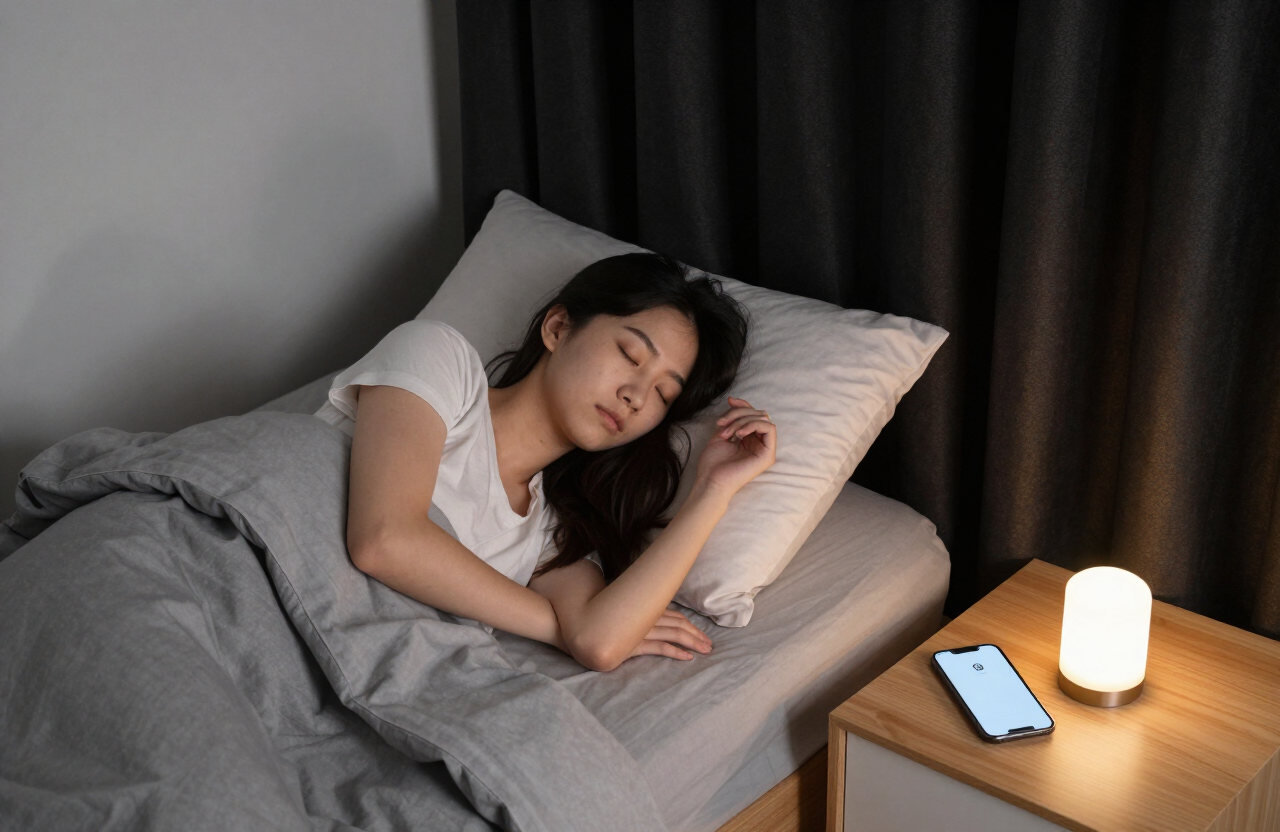
When you sleep during the day, the apartment is darker and quieter, which makes a fire alarm or an evacuation order harder to catch. Set up the room so you can act fast even half-asleep.
- Keep shoes and a flashlight next to the bed
- Keep blackout curtains but know how to release them fast
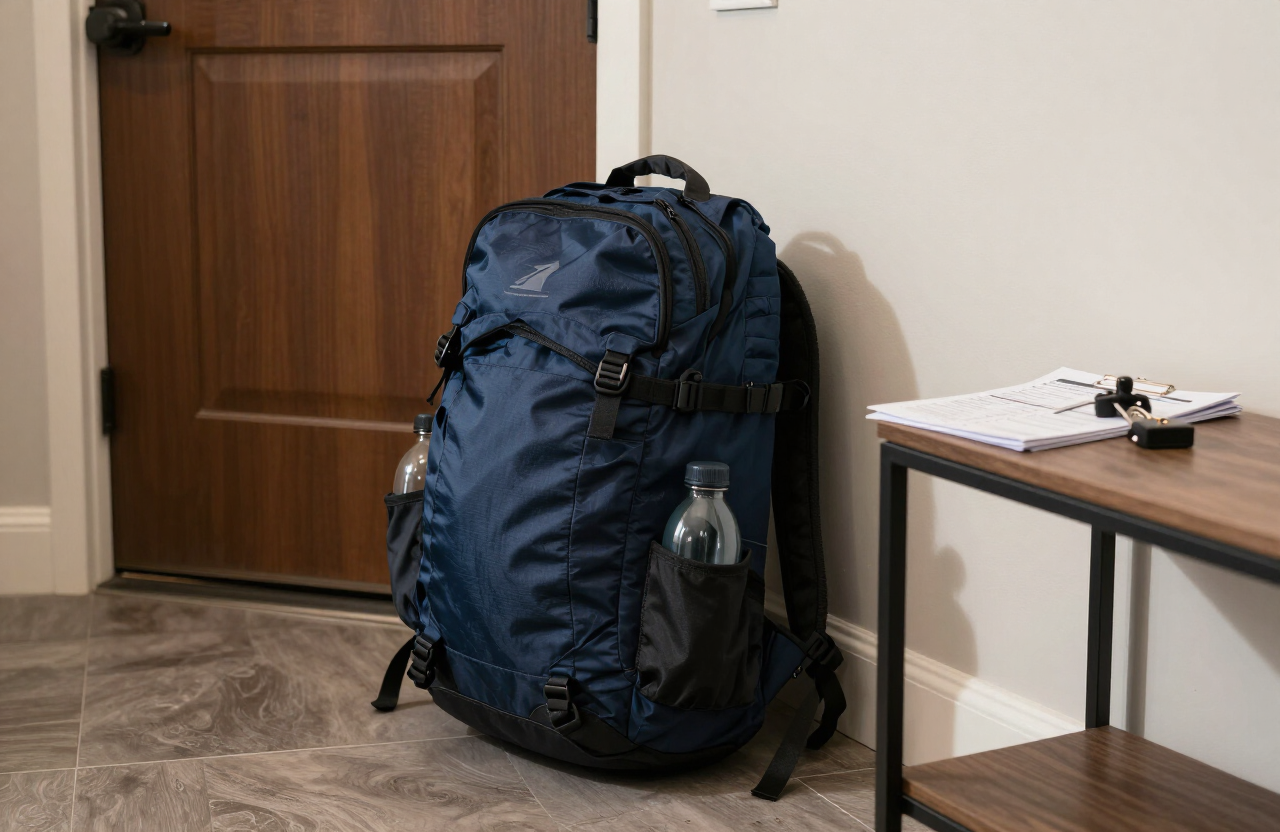
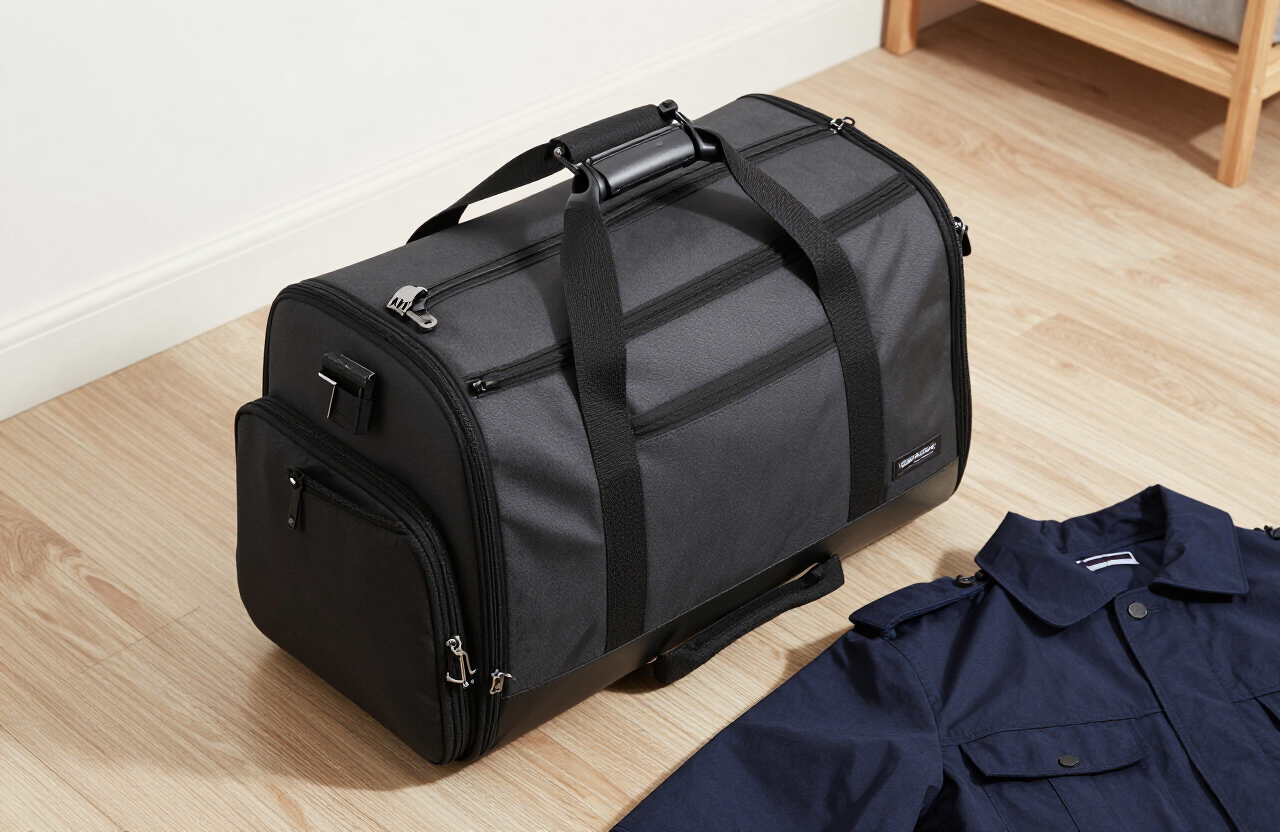
- Place the go-bag between the bed and the door
- Keep your phone on the charger with alerts set to bypass silent
Coordinating with a roommate on a different schedule
If you share the apartment with someone on a normal schedule, you are each other's coverage. They are awake when you sleep, and you are awake when they sleep. Use that.
- Agree on who checks on the apartment during a daytime event
- Share a paper contact sheet so either of you can reach help
- Agree on a check-in time that fits both schedules
- Decide who grabs the go-bags if only one is home
See the shared plan in our roommate preparedness guide.
A go-bag tuned to your hours
A night-shift go-bag has a few extras a standard one does not. You may leave in the dark, in uniform, or straight from a shift, so pack for that reality.
- A change of clothes and sturdy shoes, not just work boots
- A phone charger that works from a car or power bank
- Snacks and water for a post-shift, tired version of you
- Cash in small bills for late-night transit or a locked store
- Your ID and a documents pouch you can grab in the dark
Build the base list with our apartment go-bag guide.
Getting home when transit is down
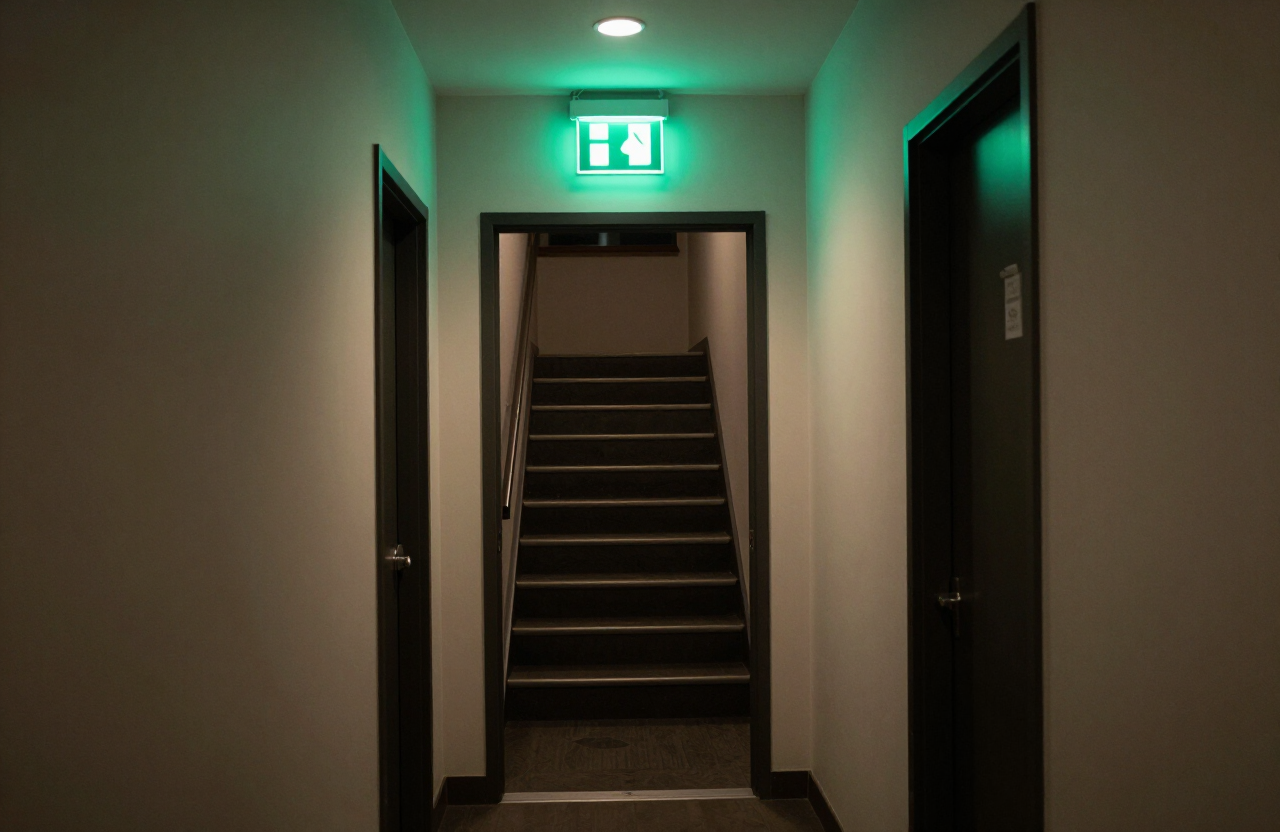
Night-shift renters often rely on transit or a commute that runs differently after midnight. If a storm shuts transit down at 3 a.m., you need a backup plan to get home safely.
- Keep a printed map of two walking routes home
- Have one trusted coworker or contact who can offer a ride
- Keep cash for a late-night taxi or rideshare surge
- Know which all-night businesses are safe to wait in
A monthly check that fits a flipped schedule
Run your preparedness check on a day you are actually off and rested, not squeezed between shifts. A tired check is a skipped check.
- 1Test alerts by triggering one during your sleep window
- 2Check the go-bag clothes and replace anything worn
- 3Top off the power bank and work-kit charger
- 4Update the fridge note with your current shift hours
- 5Confirm your check-in contact still has the right number
A plan built for the hours you are actually awake and the hours you are actually away is the only plan that works for a night-shift renter.
Small Space Emergency editorial team
Pair this with our emergency communication plan.
Frequently asked questions
Editorial note: this guide provides general preparedness information, not emergency, medical, legal, or engineering advice. Recommendations are cross-checked against public emergency-management guidance and adapted for small-space living. During an active emergency, follow your local authorities and emergency services. See our editorial standards and affiliate disclosure.