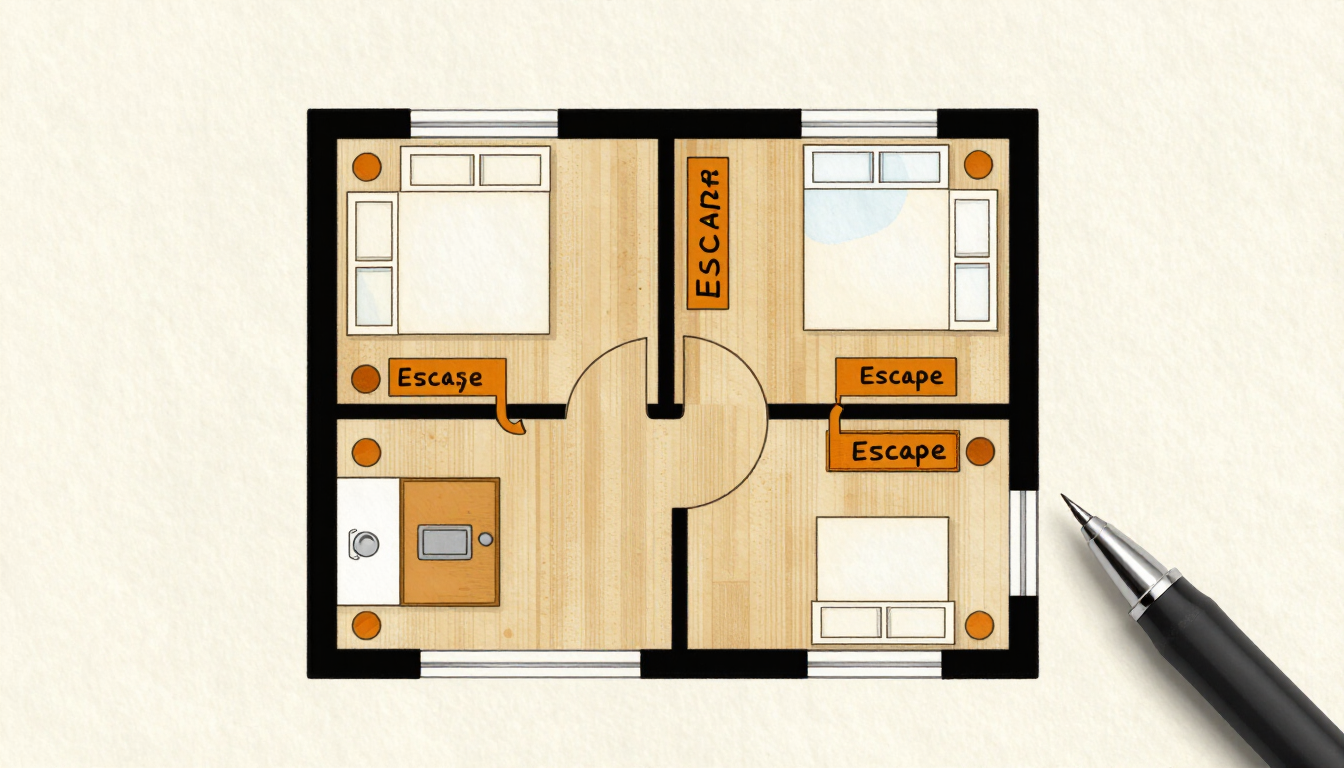
Apartment Emergency Preparedness for Multi Unit Buildings
Apartment emergency preparedness for multi unit buildings recognizes a simple truth: in a real emergency, your neighbors are your first responders. You share walls, hallways, and exits with people you may never have met. A little coordination before anything goes wrong makes the whole building safer and turns a crowd of strangers into a network that looks out for each other.

Why multi unit coordination helps
In a house, an emergency is mostly your problem. In a multi unit building, it is shared. A fire, flood, or outage affects everyone, and the people closest to you are the ones who can help fastest. A little connection before a crisis turns that from a risk into a resource.
Meet your floor neighbors
You do not need to be close friends with everyone. Knowing a few names and numbers on your floor is enough. Start small and keep it casual.
- Introduce yourself to the neighbors on either side and across the hall
- Exchange phone numbers with at least one or two
- Mention any help you could offer, or any help you might need
- Keep it voluntary, no one is obligated to participate

Set up a simple contact tree
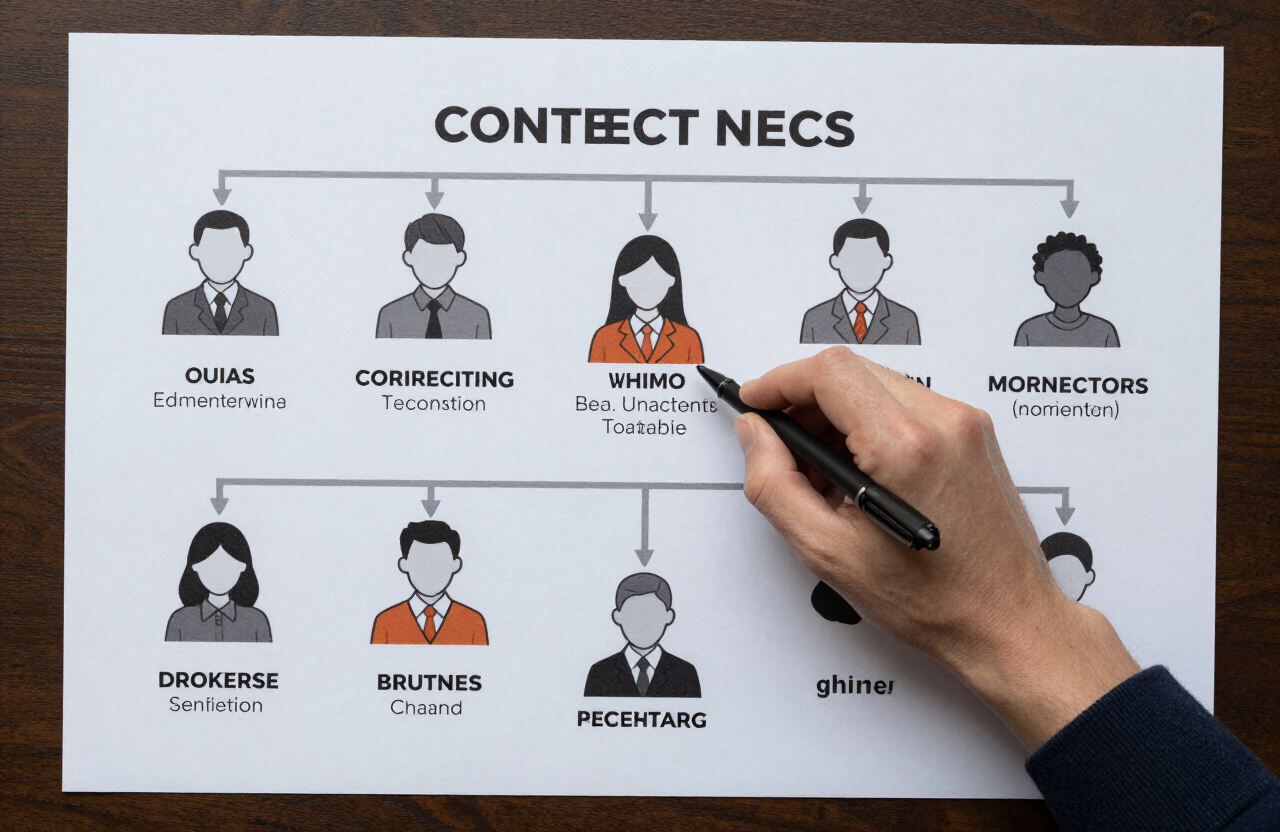
A contact tree is just a plan for who checks on whom. It does not need to be formal. A printed page with names, apartment numbers, and who calls who means nobody gets missed during an outage or evacuation.
- List the neighbors who want to participate, with apartment numbers
- Assign each person one or two others to check on
- Note anyone who may need extra help, with their permission
- Post a copy in a shared space and keep one in your kit
Coordinate with building management
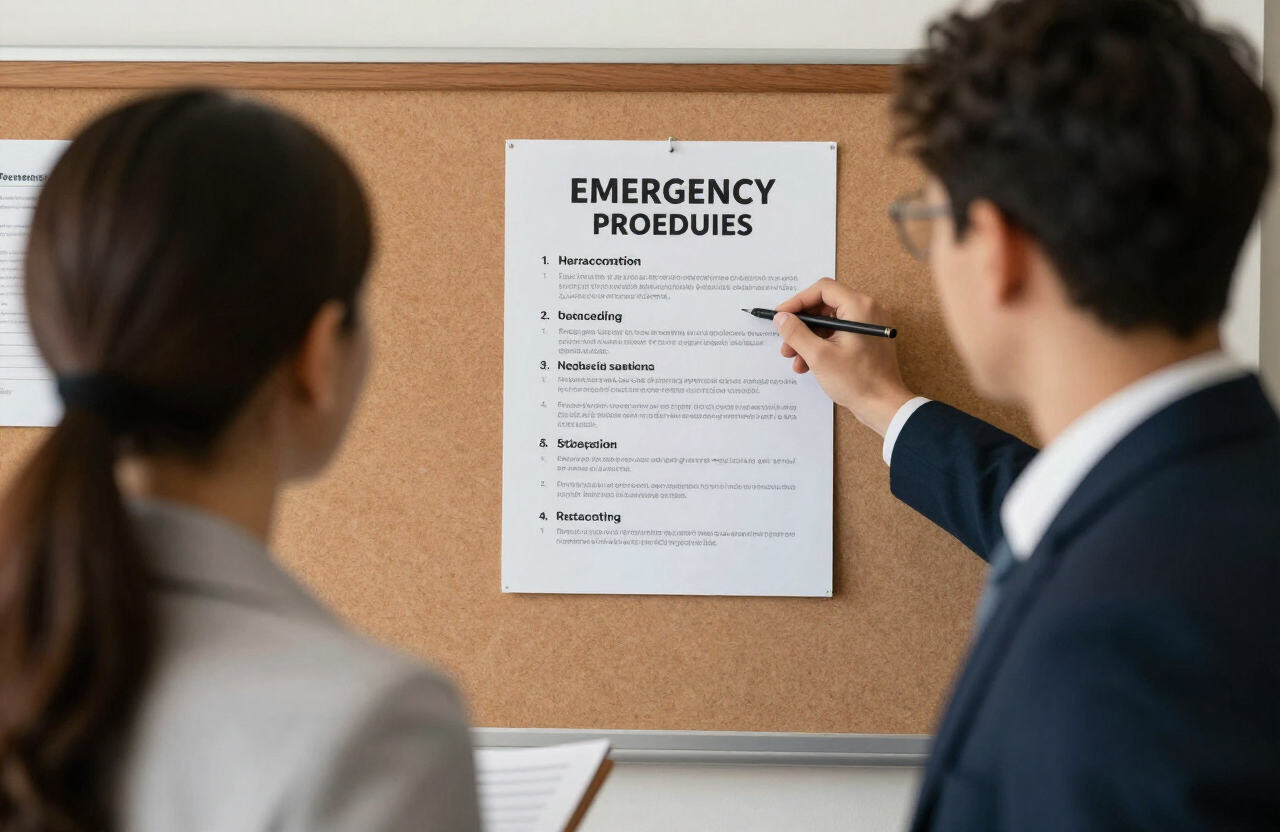
Your building manager or landlord owns the official emergency procedures. Coordinate with them rather than working around them, and share your contact tree so it supports the buildings plan instead of duplicating it.
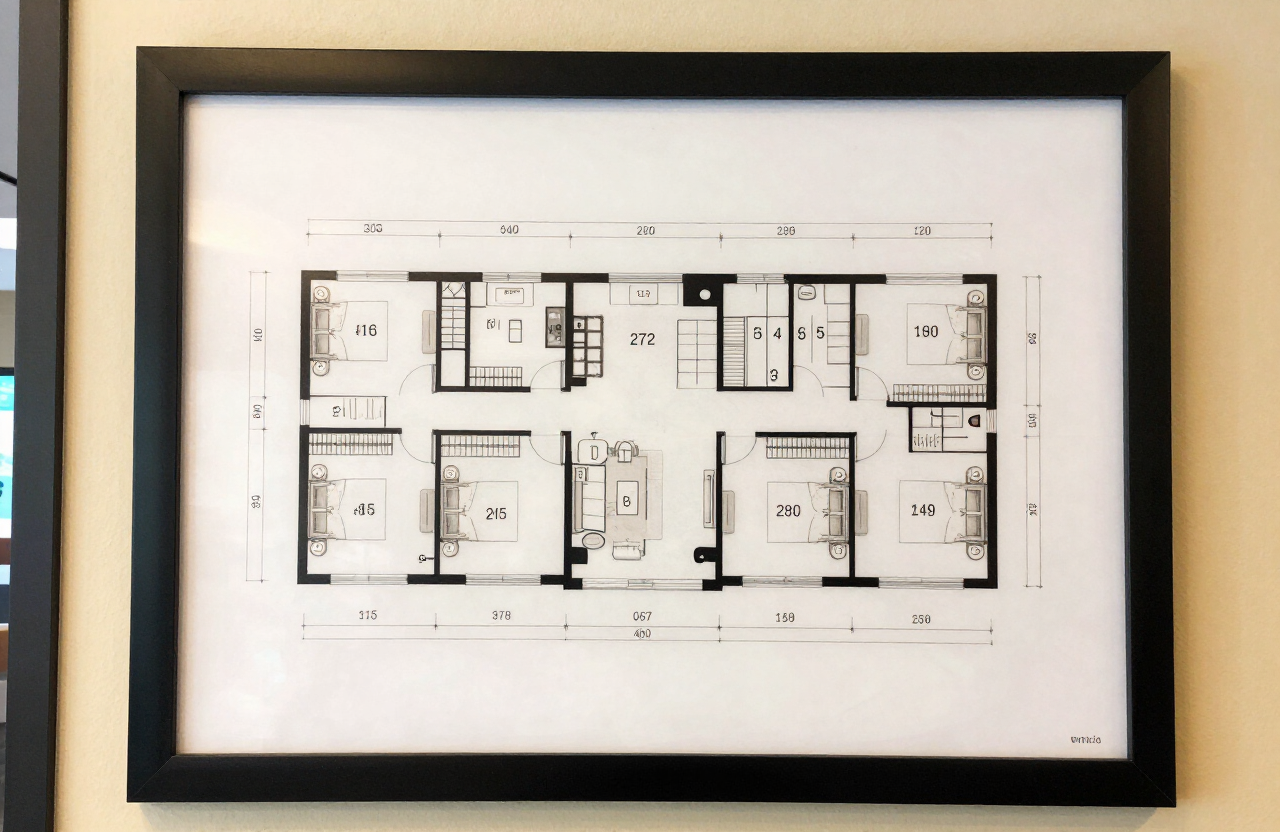
- Ask for the buildings posted evacuation plan and procedures
- Share your contact tree with management so they know who to reach
- Confirm the after hours maintenance and emergency number
- Offer to help distribute building emergency info to new residents
Check on vulnerable neighbors
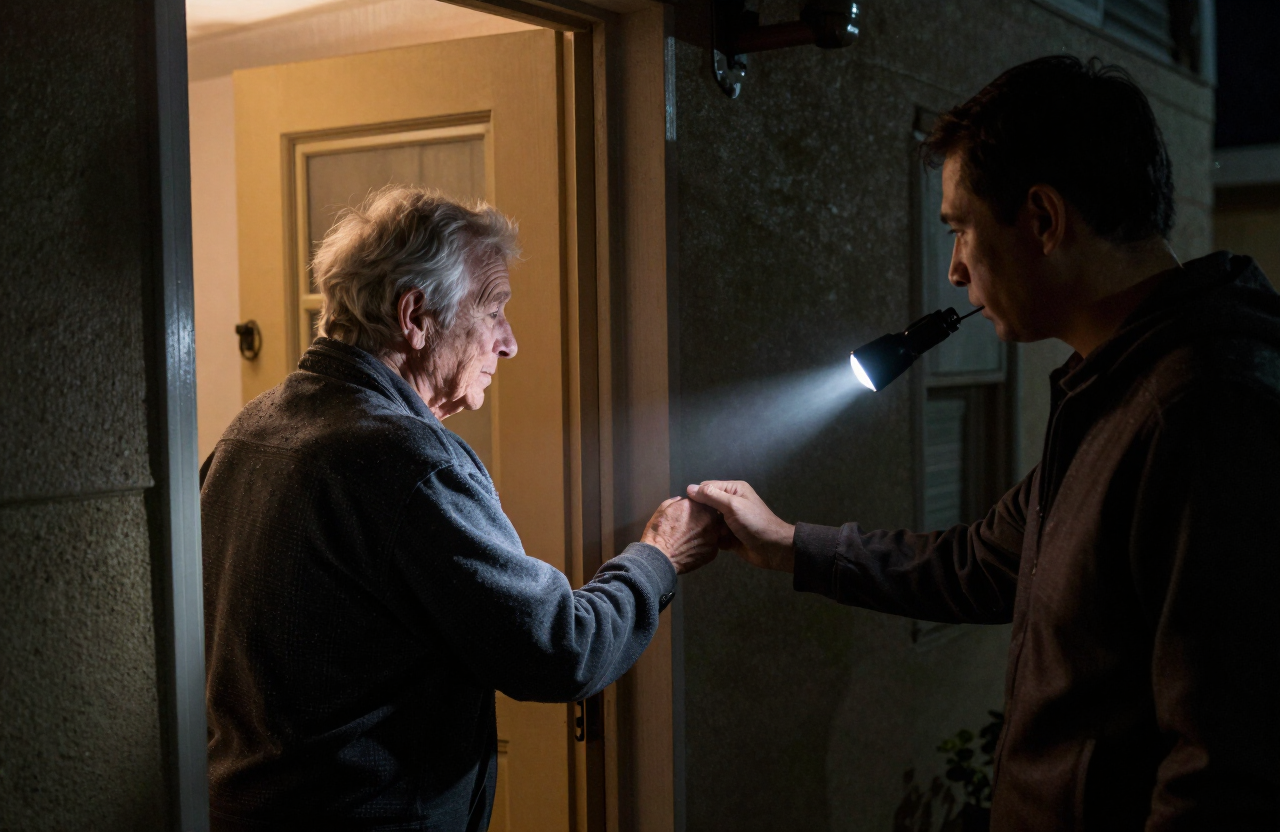
Older adults, people with disabilities, and anyone living alone are most at risk during an outage or evacuation. A quick check on them, with their permission, is the most valuable thing a connected building can do.
- Ask vulnerable neighbors in advance if they would like a check in
- Agree on a signal, like a daily text or a note on the door
- Note any power dependent medical devices in the contact tree
- Alert building management or 911 if a check in fails
Keep it light and ongoing
The biggest risk to neighbor coordination is that it feels like a chore and fades. Keep it light, keep it voluntary, and revisit it when someone new moves in or the building plan changes.
- Welcome new neighbors and add them to the tree if they want
- Review the contact tree once a year and update numbers
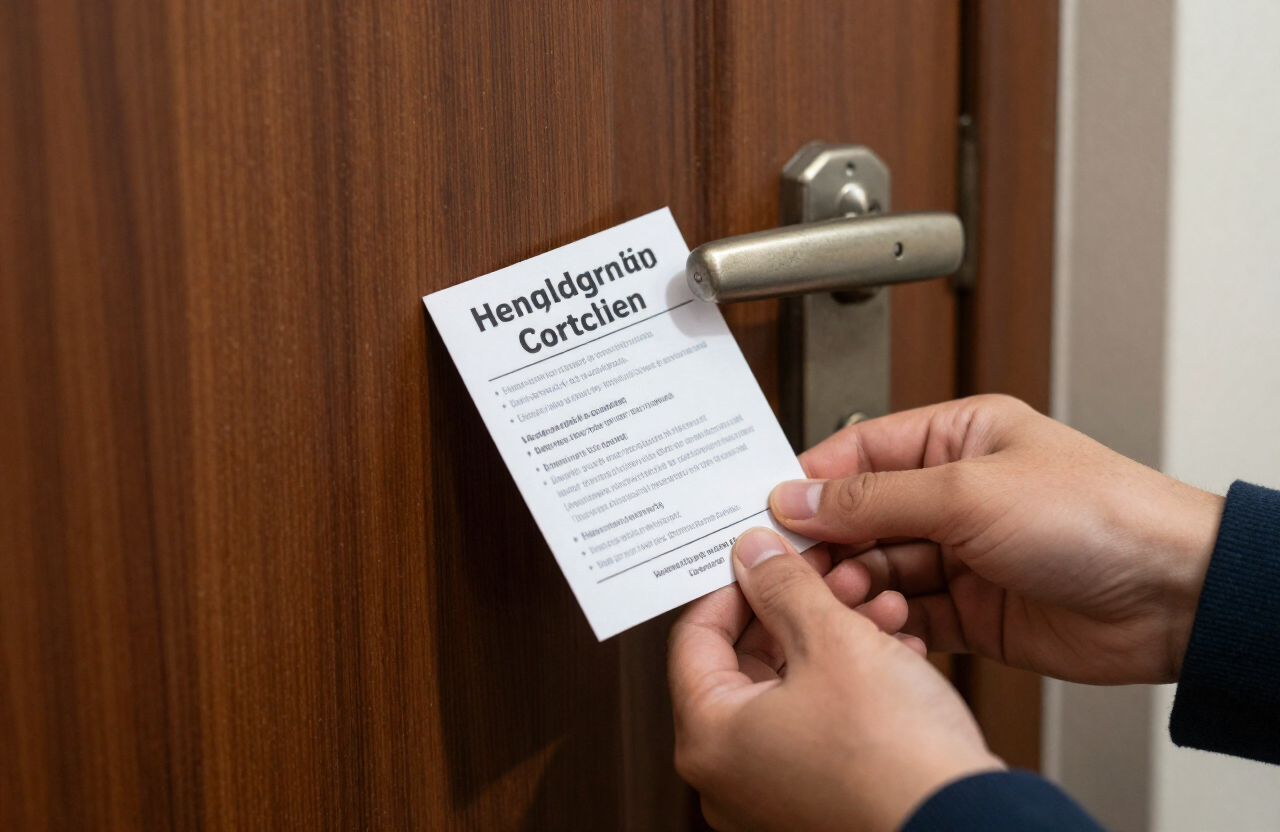
- Slip a friendly intro card under doors for anyone who missed the first round
- Pair the review with your own supply check so it becomes a habit
For your own household plan, see our renter communication plan.
Frequently asked questions
Editorial note: this guide provides general preparedness information, not emergency, medical, legal, or engineering advice. Recommendations are cross-checked against public emergency-management guidance and adapted for small-space living. During an active emergency, follow your local authorities and emergency services. See our editorial standards and affiliate disclosure.