Emergency Preparedness for Renters in Older Apartment Buildings
Emergency preparedness for renters in older apartment buildings means planning around the quirks that come with age: single pane windows, old wiring, radiators that hiss, and fuse boxes instead of breakers. The basics of preparedness do not change, but a few building specific steps make a real difference when something goes wrong.
Why older buildings need extra planning
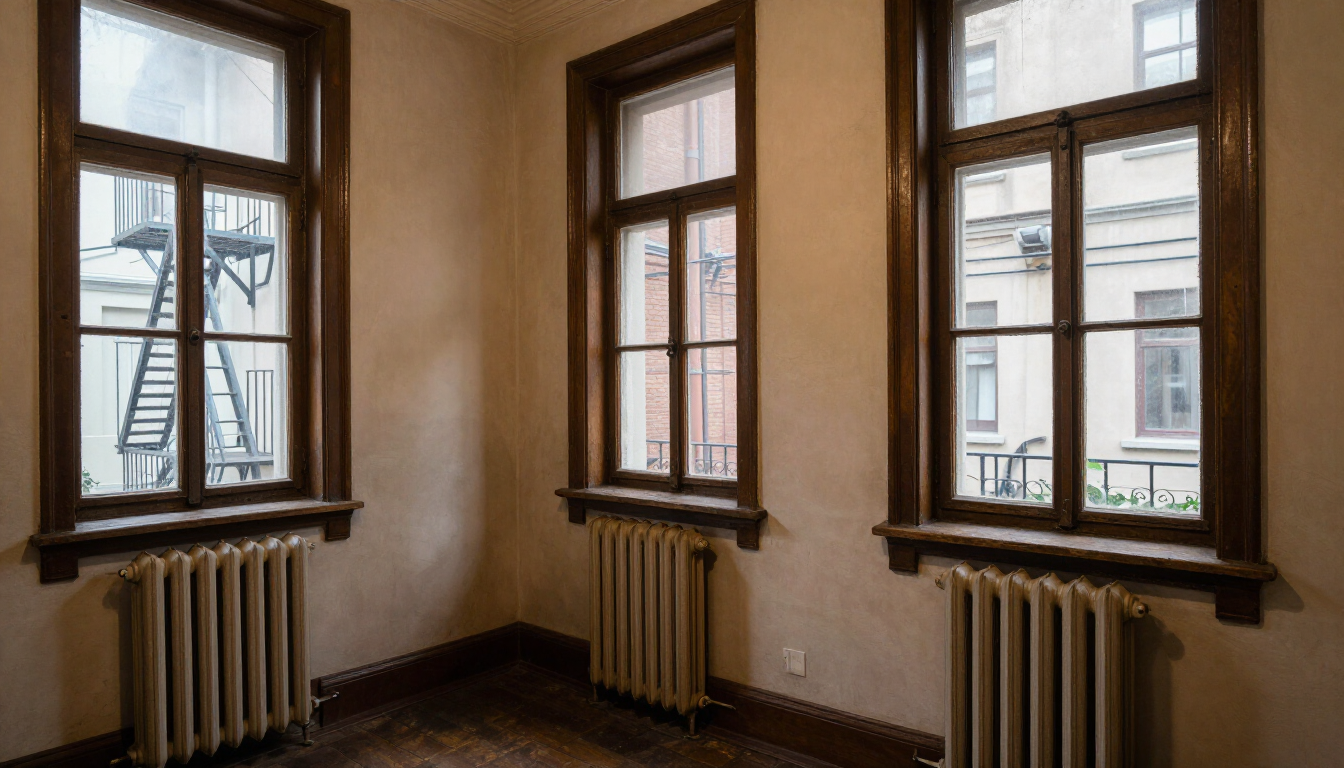
Older apartment buildings have character, and they have risks that newer buildings mostly solved. Drafty windows make winter outages colder. Old wiring handles less load. Radiators and gas lines need respect. Knowing your buildings quirks before an emergency is the whole game.
Seal the drafts
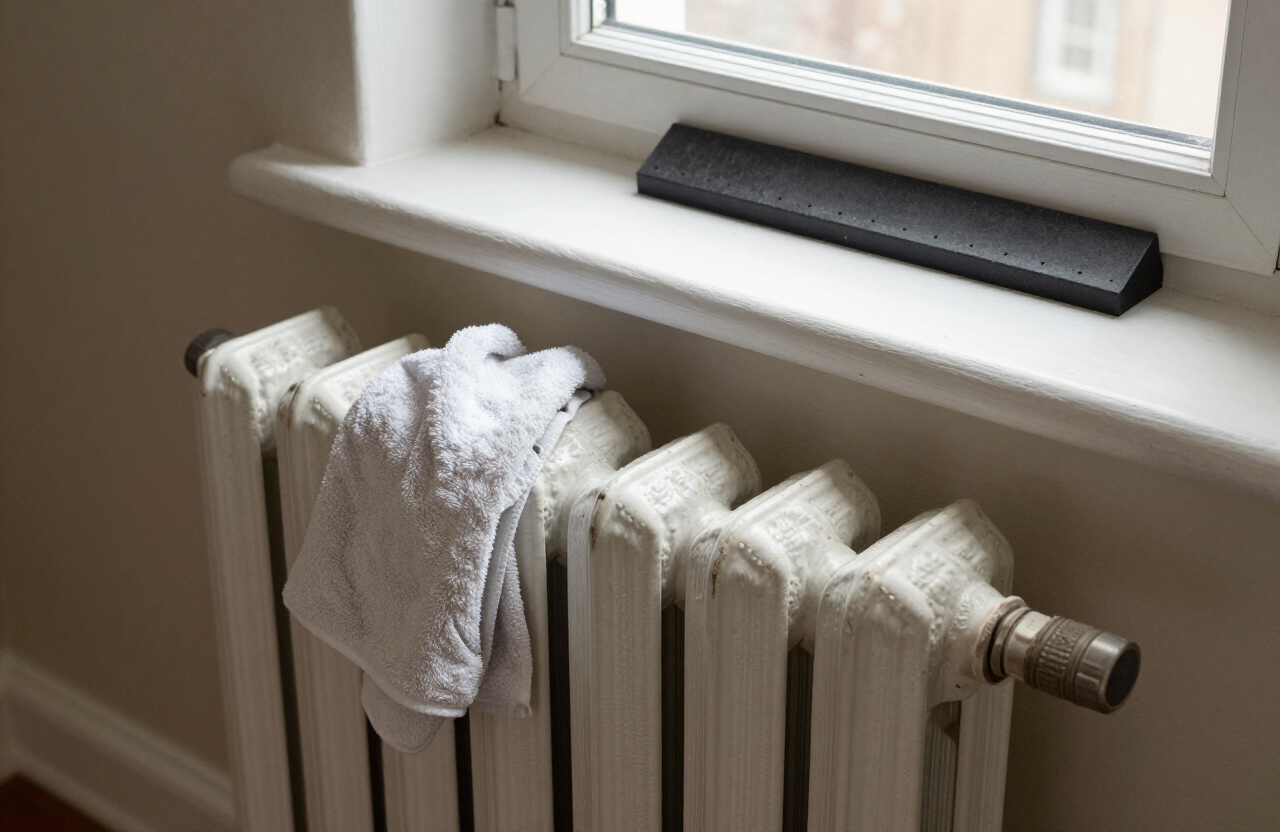
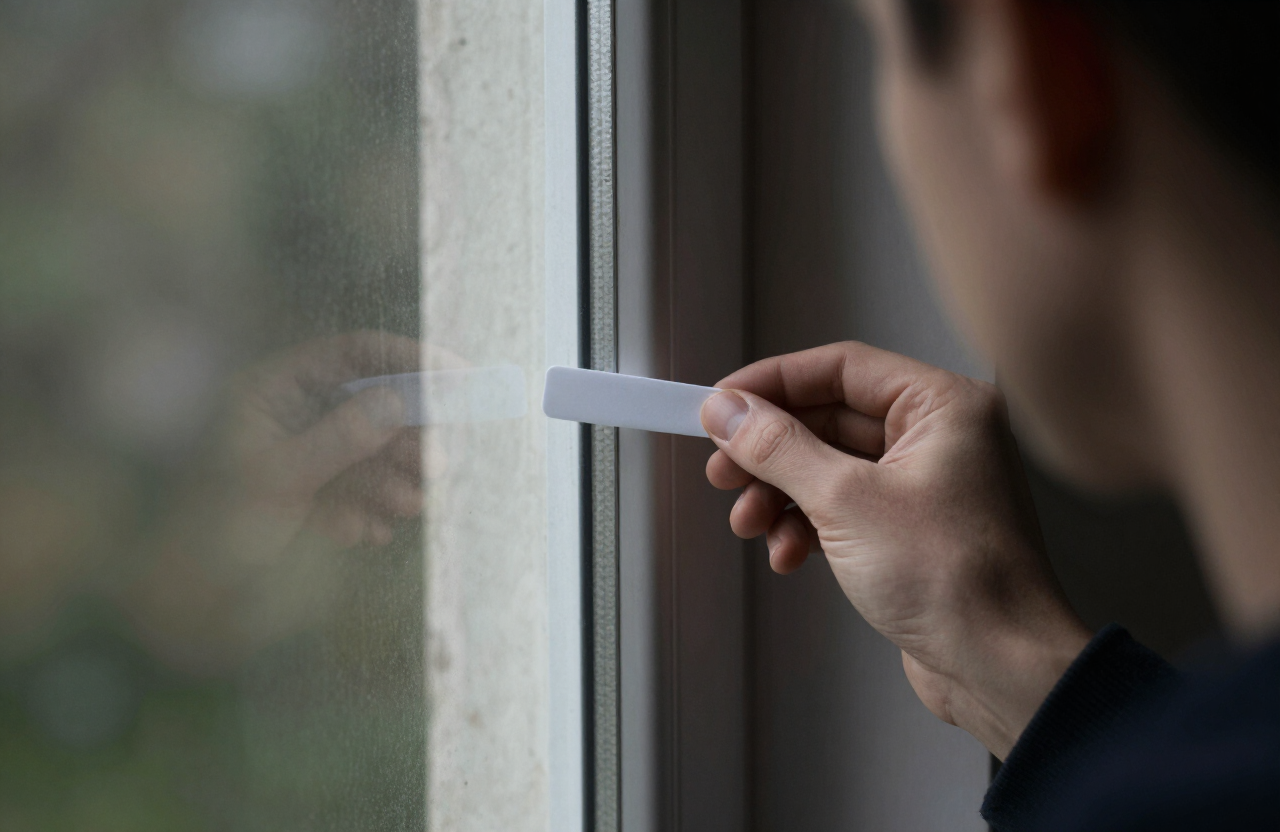
Single pane windows and old doors let in a lot of cold air. In a winter power outage, that adds up fast. A few cheap sealing tricks keep an older apartment warmer longer.
- Apply window film or weather stripping around drafty frames
- Use a draft blocker or rolled towel at the base of exterior doors
- Hang thermal curtains and close them at night
- Check seals with your hand on a windy day before winter hits
Respect the old wiring
Old wiring was not built for today appliance loads. Overloaded outlets are a leading fire risk in older buildings. A few habits protect you and your neighbors.
- Never daisy chain power strips
- Plug high wattage devices, like space heaters, directly into a wall outlet
- Avoid using old two prong outlets with three prong adapters for heavy loads
- Report flickering lights, warm outlets, or tripped fuses to your landlord in writing
Know your heat and hot water
Many older buildings use central steam heat and shared hot water. That means a boiler problem or a power outage can take out heat and hot water for the whole building at once. Plan for both.
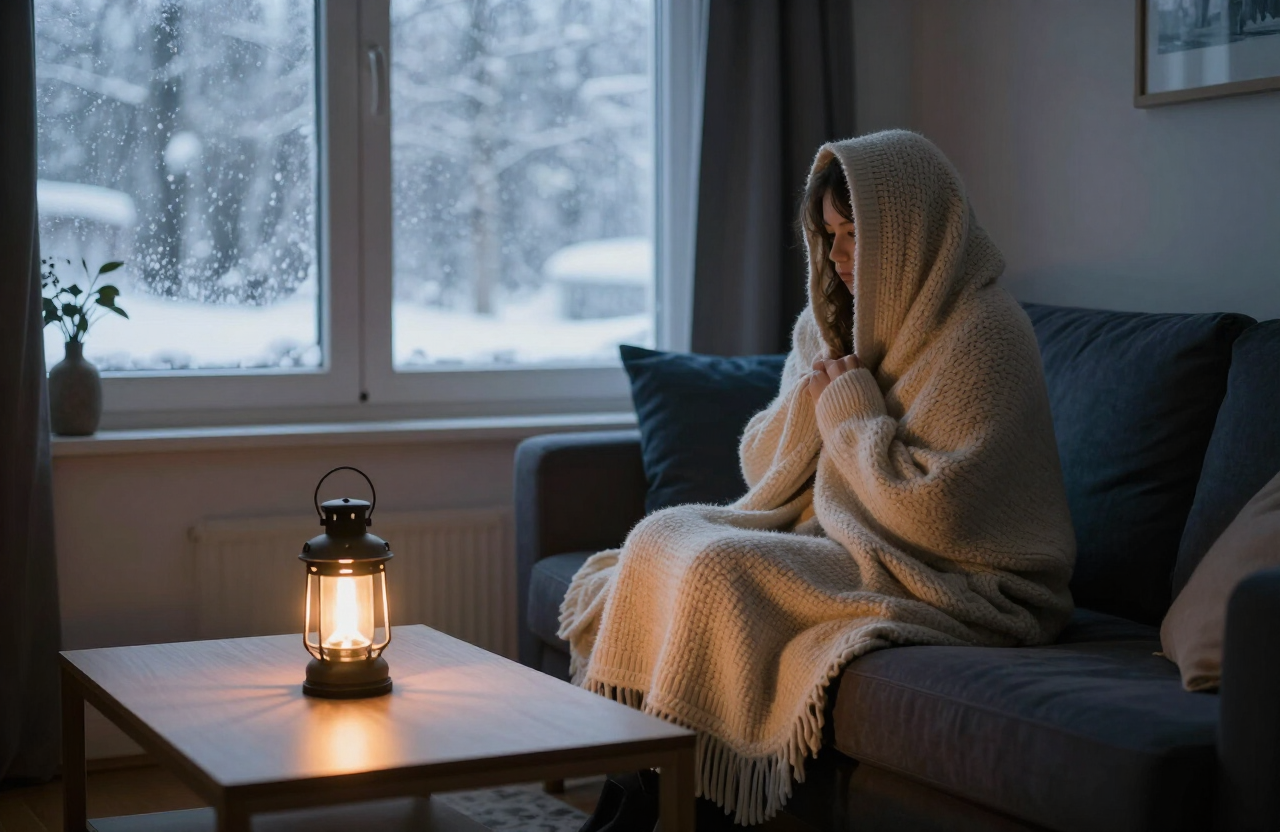
- Keep extra blankets and warm layers ready for winter outages
- Store a few gallons of water for when the pump stops
- Never use a gas oven or camp stove for indoor heat
- Ask your landlord where the building boiler and shutoffs are
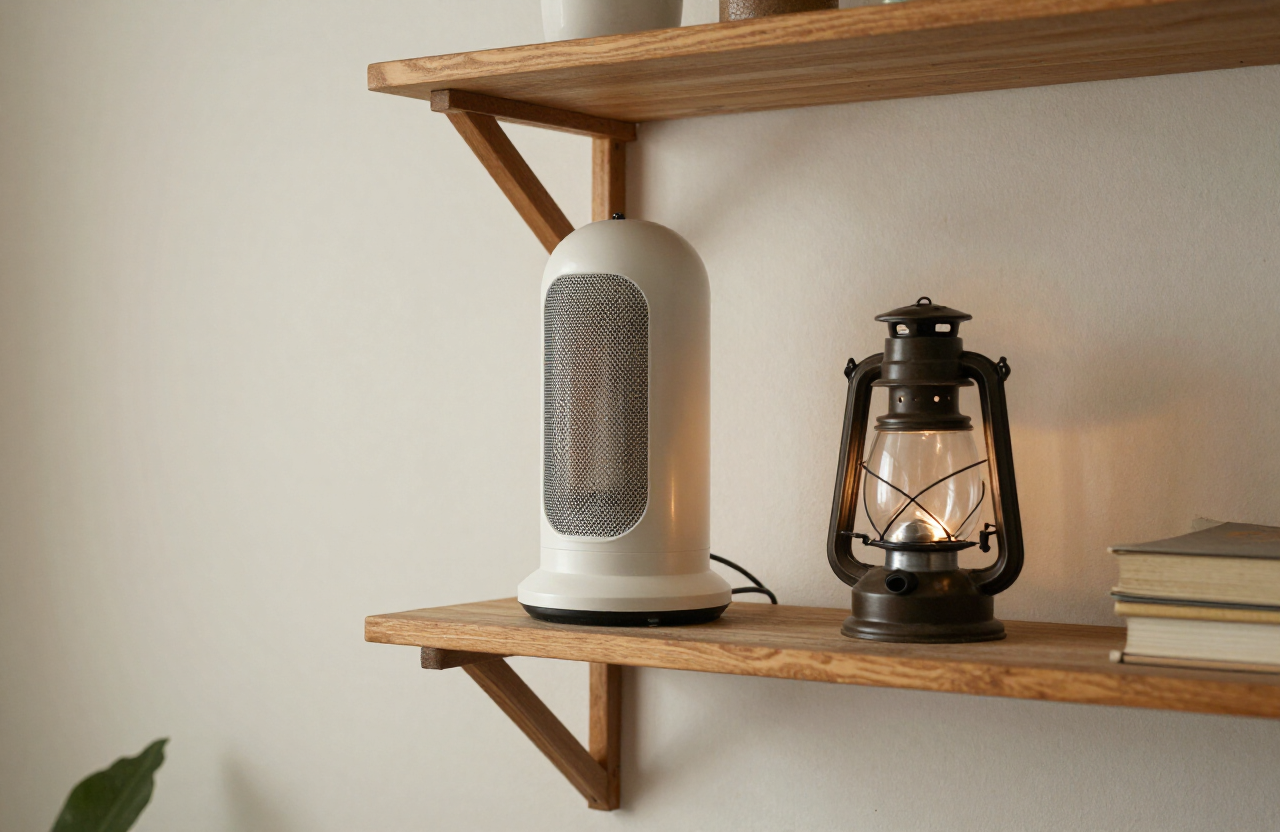
For safe warmth during an outage, see our winter power outage warmth guide.
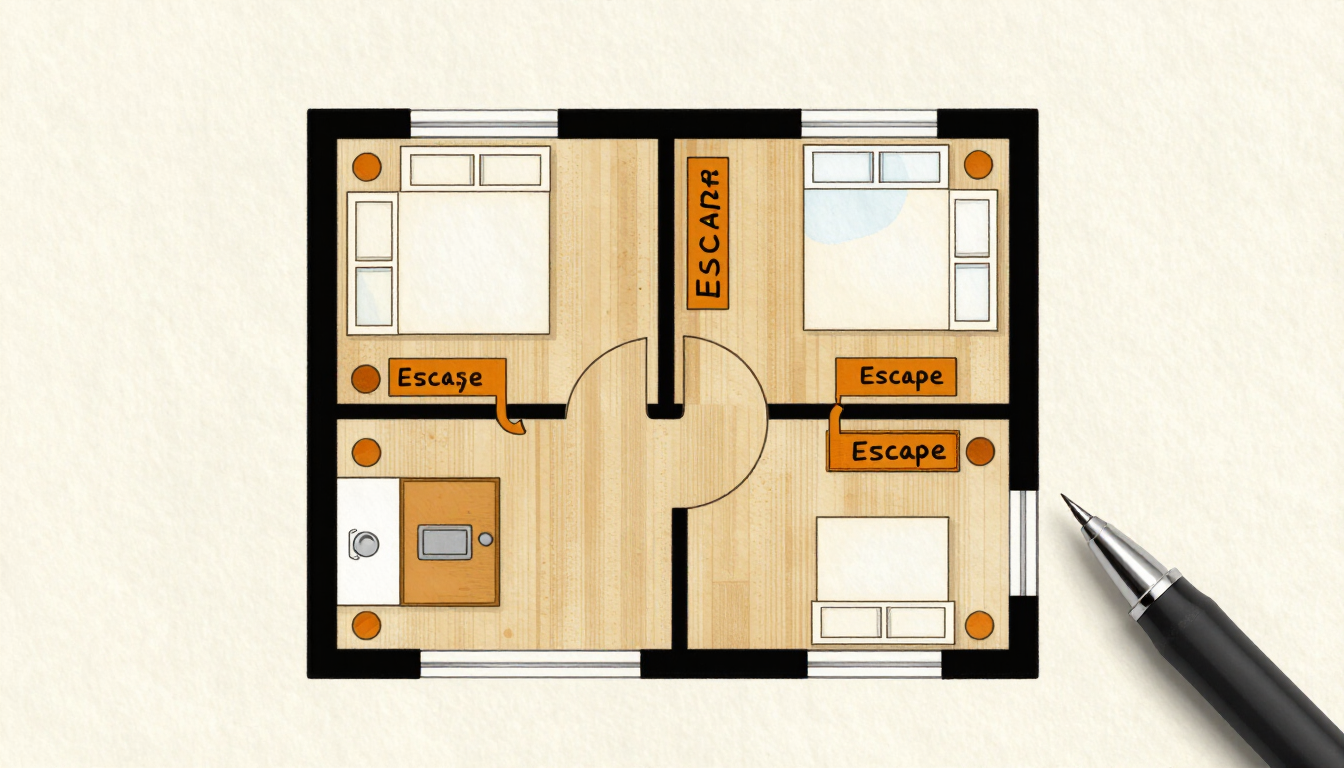
Confirm your fire escape works
Older buildings often have exterior fire escapes that look sturdy but may not have been inspected in years. A quick check now beats a bad surprise during a fire.
- Test that the window to the fire escape opens fully
- Look for rust, loose bolts, or rotted treads
- Report any damage to your landlord in writing
- Keep the path to the window clear of furniture and storage
Build a relationship with your superintendent
In an older building, the superintendent or building manager often knows the systems better than anyone. A friendly relationship means faster help when a pipe bursts or the heat goes out at midnight.
- Introduce yourself when you move in
- Save the after hours maintenance number in your phone
- Report small problems before they become emergencies
- Ask about the buildings emergency procedures and shutoffs

Frequently asked questions
Editorial note: this guide provides general preparedness information, not emergency, medical, legal, or engineering advice. Recommendations are cross-checked against public emergency-management guidance and adapted for small-space living. During an active emergency, follow your local authorities and emergency services. See our editorial standards and affiliate disclosure.