Emergency Preparedness for Renters with Medical Conditions
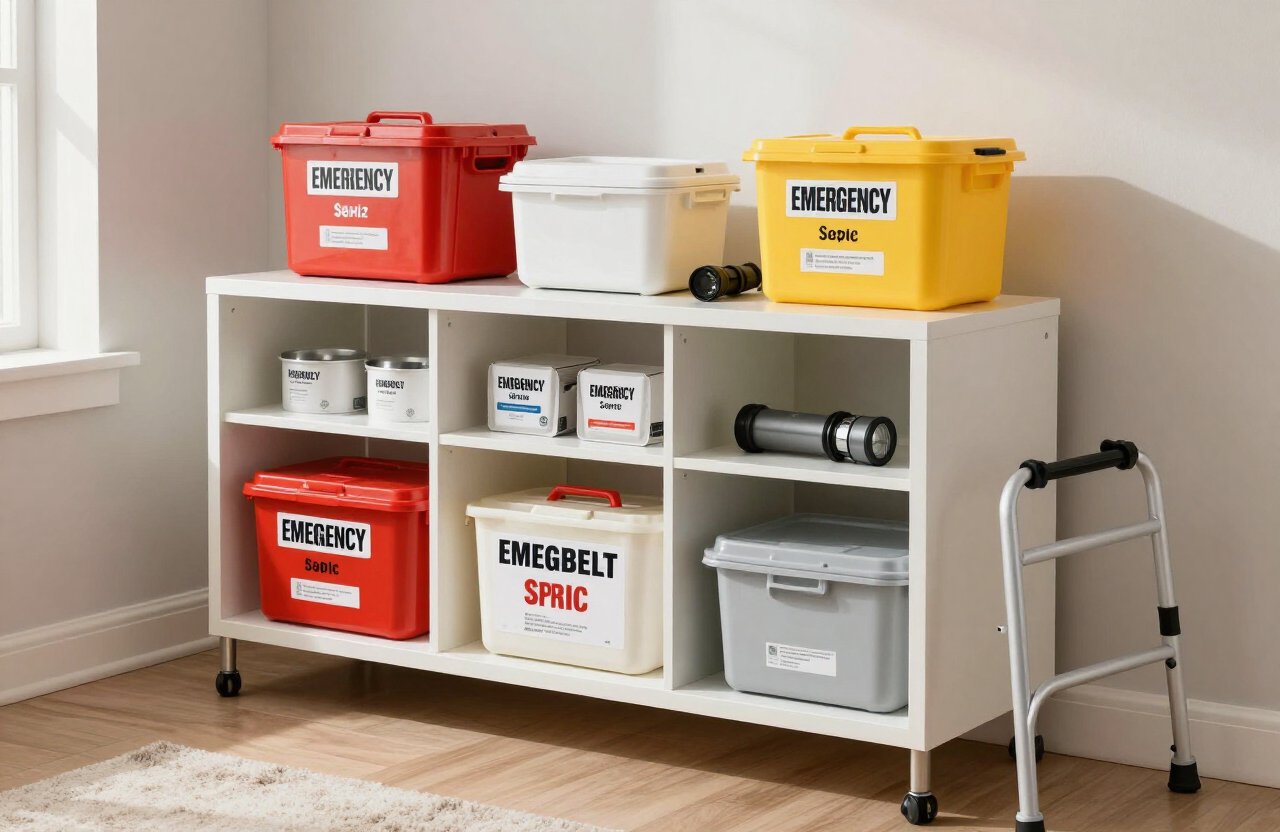
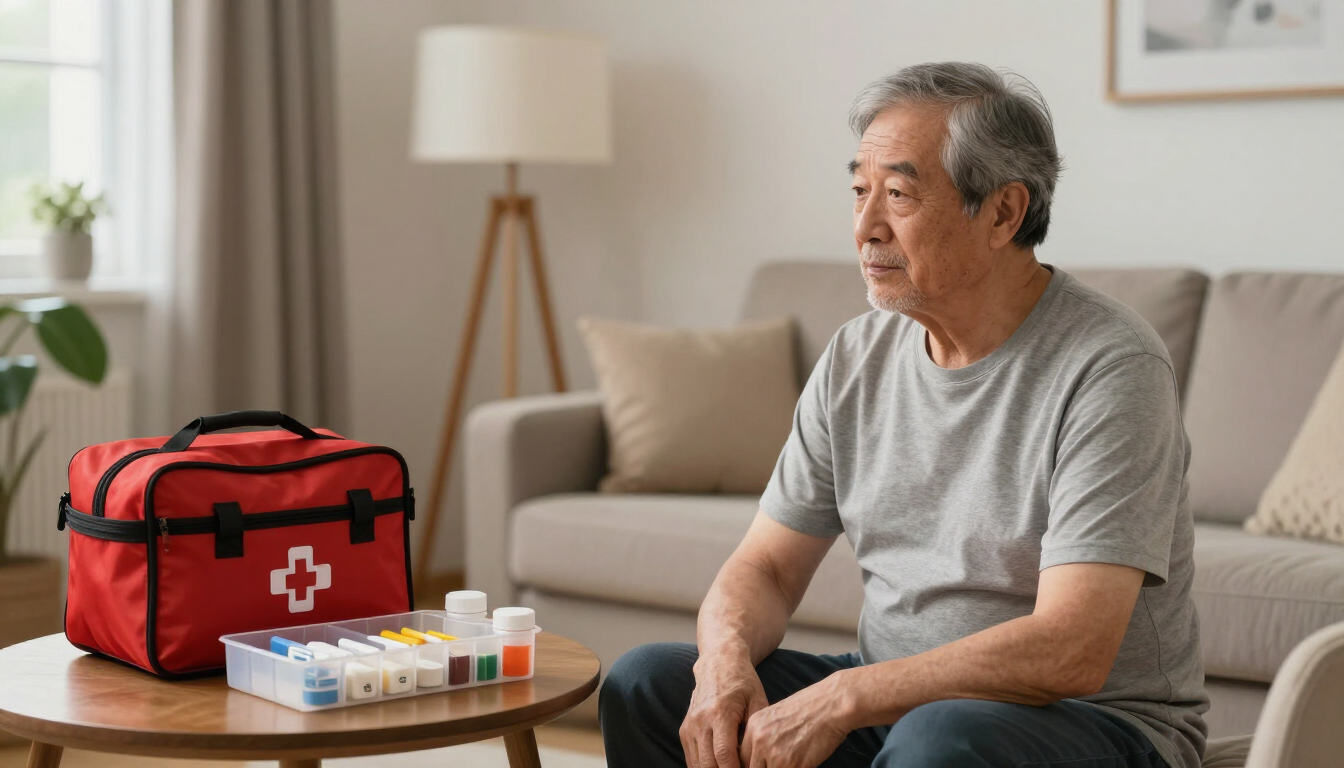
Emergency preparedness for renters with medical conditions builds on the standard kit with a few additions that keep a health issue from becoming a crisis. Extra medication, a plan for power dependent devices, and a medical information card that speaks for you when you cannot. The basics stay the same, the stakes are just a little higher.
Start with medication continuity
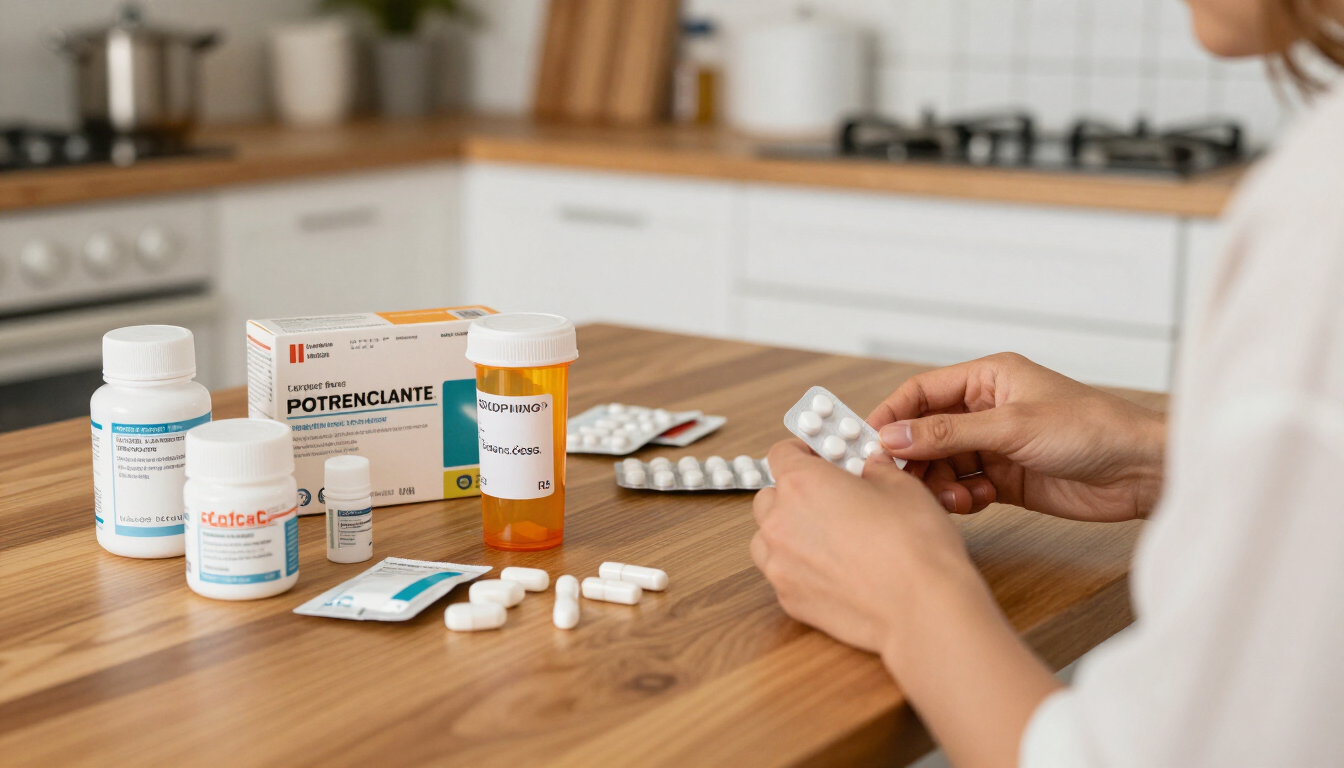
For most medical conditions, medication is the first thing an emergency threatens. A few days without a prescription can turn a manageable situation into a hospital visit. Build a buffer before you need it.
- Ask your doctor about a 7 to 14 day backup supply of each essential medication
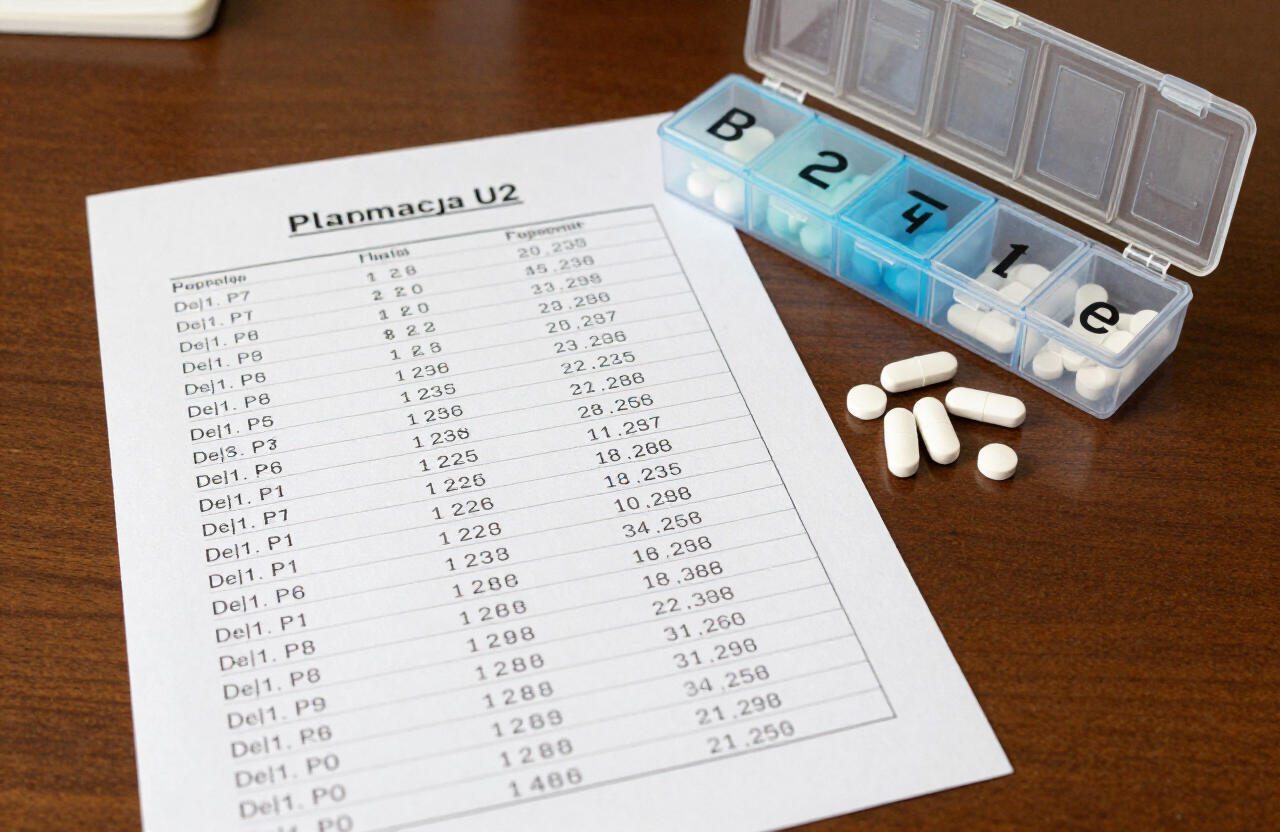
- Keep a printed list of medications, doses, and prescribing doctors
- Store backups in a labeled, grab and go pouch
- Note which medications need refrigeration and plan for cooling
Plan for power dependent devices
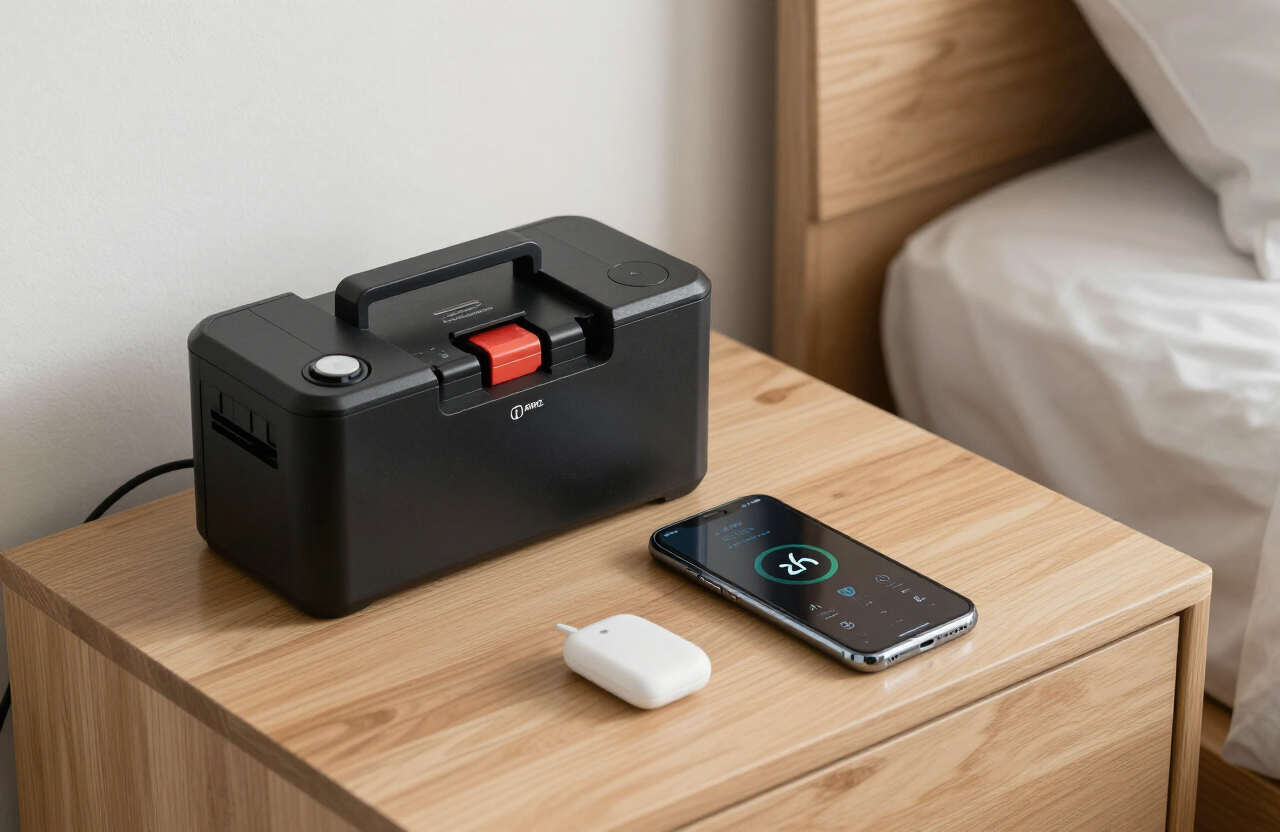
If you use a CPAP, oxygen concentrator, powered wheelchair, refrigerated medication, or any device that needs electricity, a power outage is a medical event, not just an inconvenience. Plan for it specifically.
- Register with your utility company for a medical baseline or life support notification
- Keep a charged power bank rated for your device, and know its runtime
- Ask your equipment provider about backup batteries or manual options
- Identify a backup location with power, such as a nearby family members home
Keep refrigerated medication cold
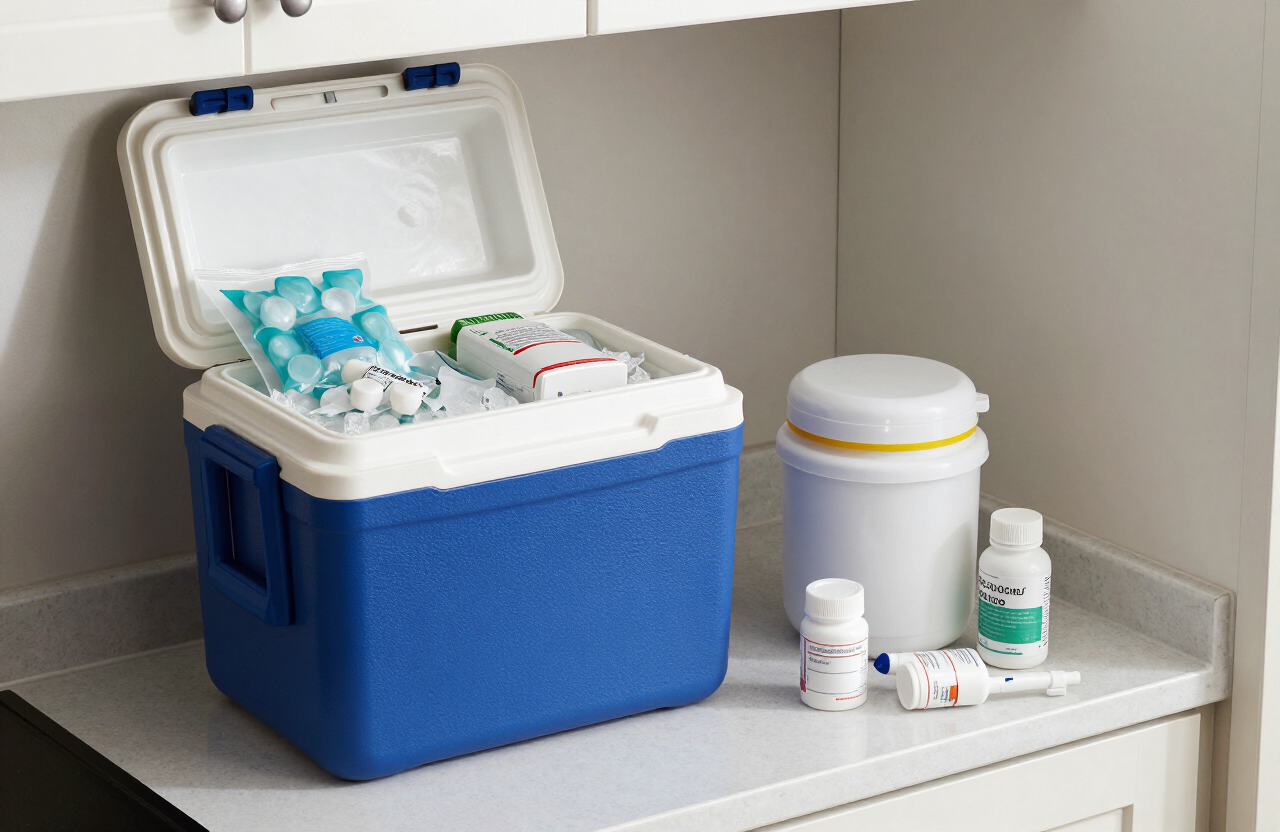
Some medications, like insulin and certain injectables, need refrigeration. A power outage can spoil a supply in hours. A small plan keeps it safe.
- Keep a small cooler and frozen gel packs ready
- Move refrigerated medication to the cooler as soon as the power goes out
- Know a nearby pharmacy or hospital that can store it if the outage is long
- Keep a fridge thermometer in the cooler to confirm the temperature
Carry a medical information card
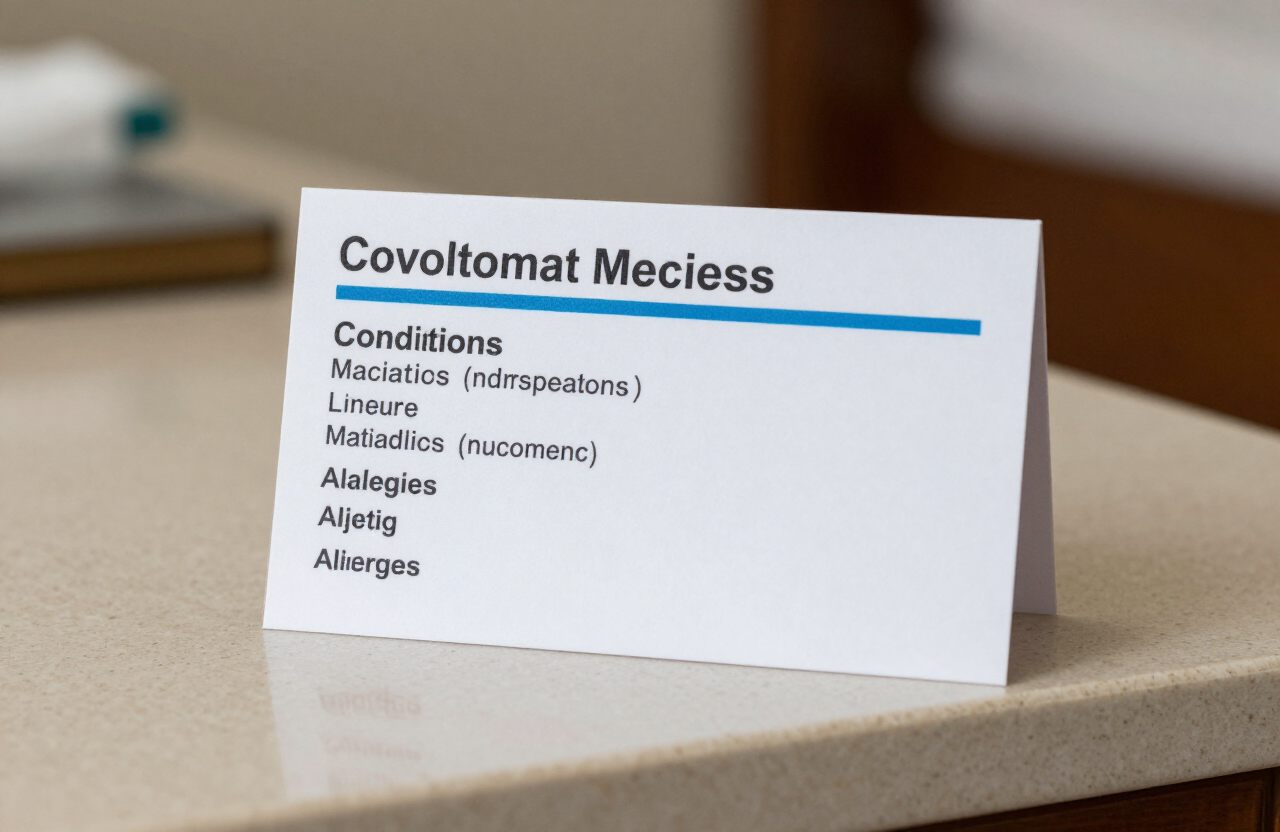
If you cannot speak for yourself, a medical information card does it for you. First responders and emergency room staff look for exactly this kind of information.
- List your conditions, medications, and allergies
- Include your doctors name and phone number
- Add an emergency contact and any advance directives
- Keep one in your wallet, one on the fridge, and one in your go bag
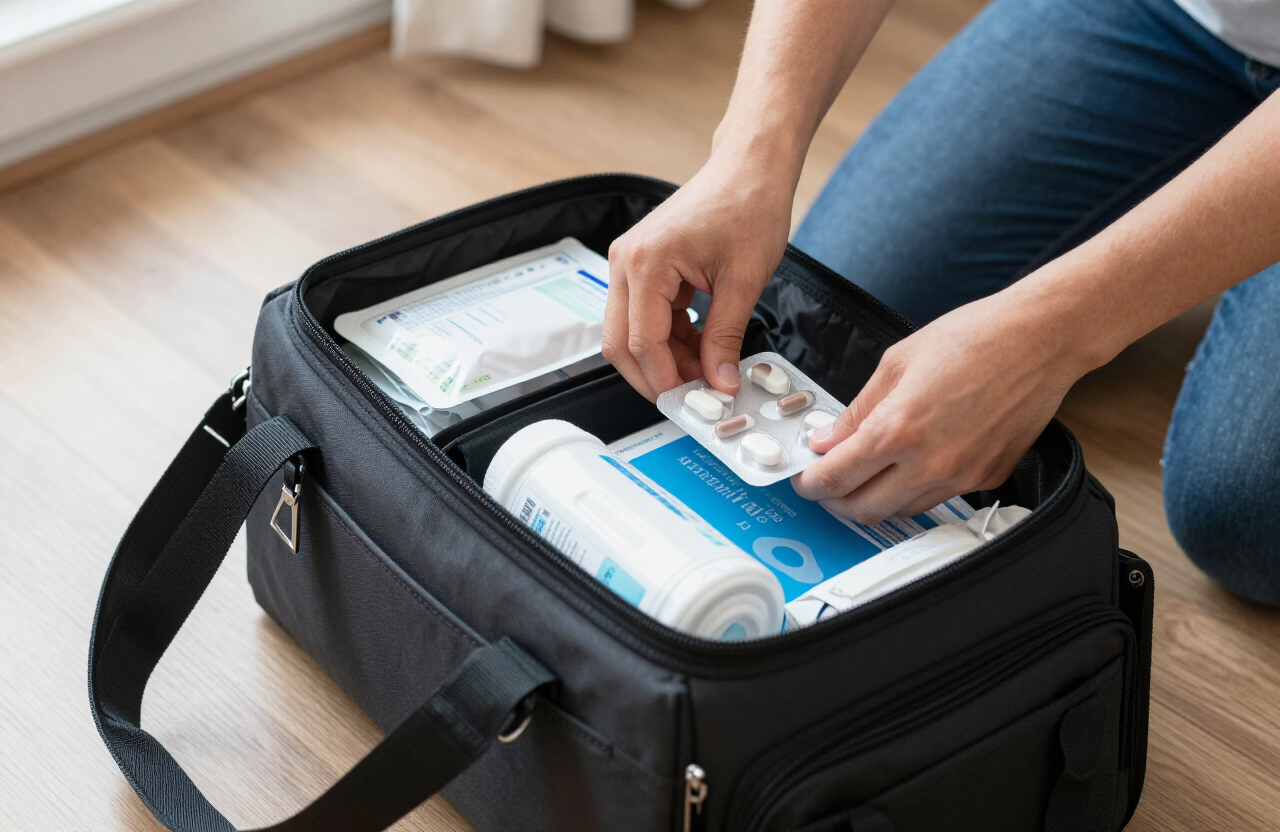
Pack a medical go bag
Your go bag needs more than the standard supplies. Add the medical extras that keep you stable if you have to leave quickly and cannot get home for a day or two.
- A few days of medication in original labeled containers
- Spare supplies for any device you use
- A copy of your medical information card and prescriptions
- Any specialty items your condition requires, clearly labeled
Share your plan
The people around you can only help if they know what you need. Tell a trusted neighbor or your building manager about your medical needs and your plan, especially if a power outage or evacuation would affect you more than most.
- Tell a neighbor if you use a power dependent device
- Inform your building manager about mobility or medical needs
- Keep your emergency contacts in the loop on your plan
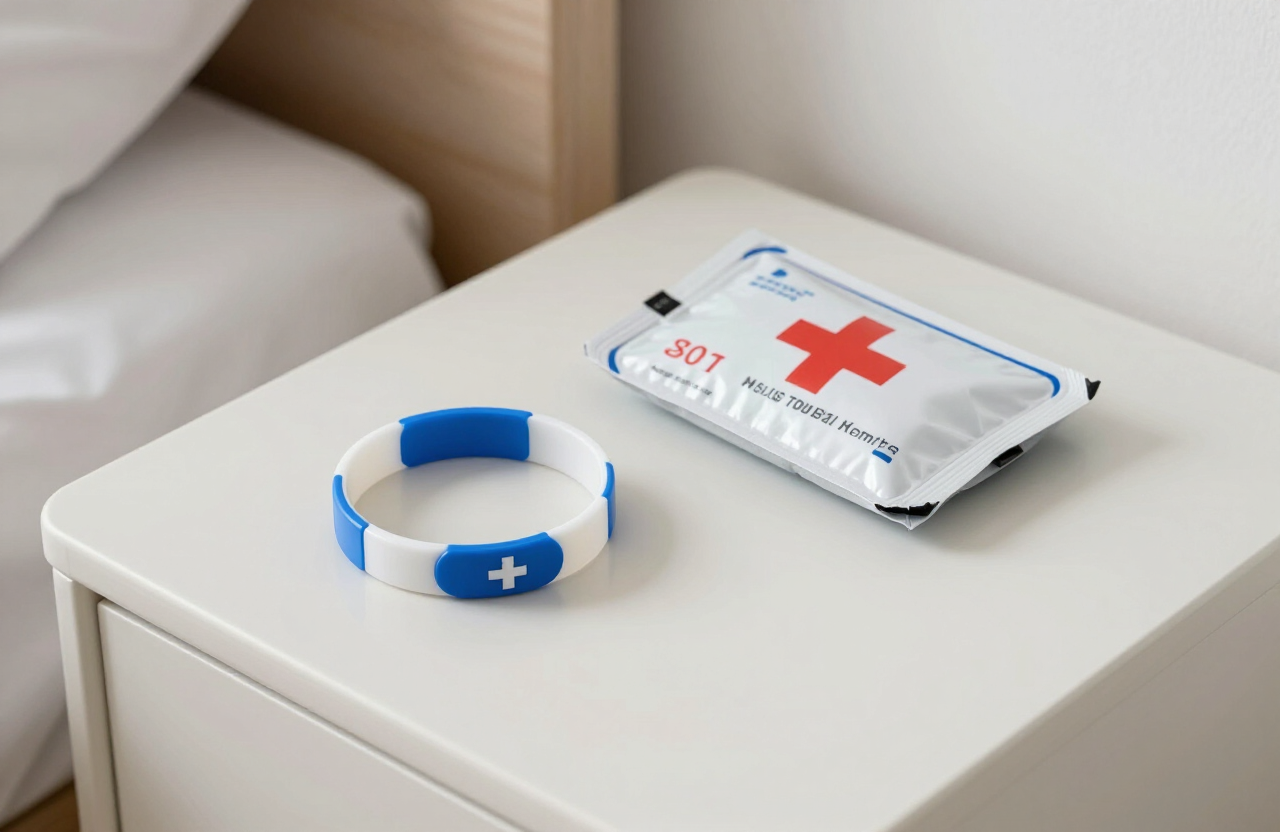
- Wear a medical alert bracelet or carry the card at all times
For the broader plan around this, see our guide for renters with disabilities.
Frequently asked questions
Editorial note: this guide provides general preparedness information, not emergency, medical, legal, or engineering advice. Recommendations are cross-checked against public emergency-management guidance and adapted for small-space living. During an active emergency, follow your local authorities and emergency services. See our editorial standards and affiliate disclosure.