Emergency Preparedness for Renters with Asthma and Allergies
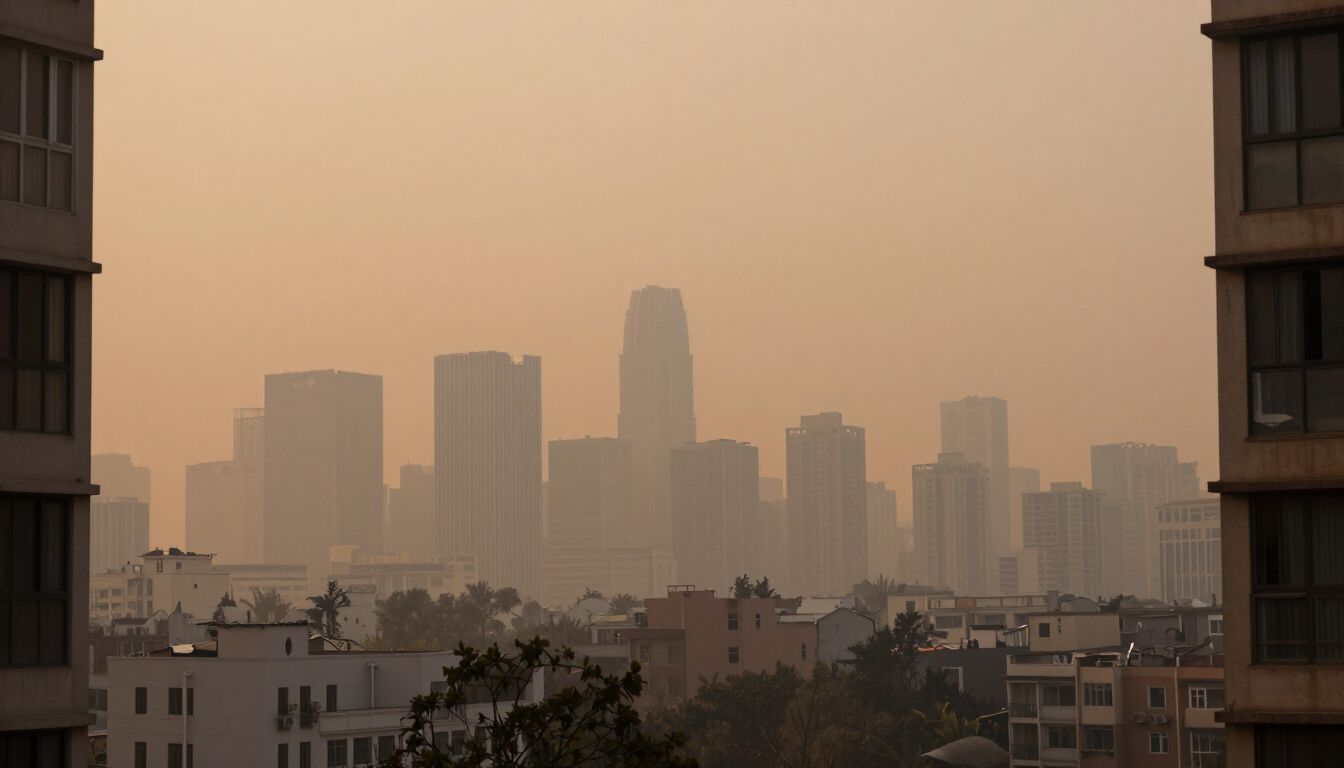
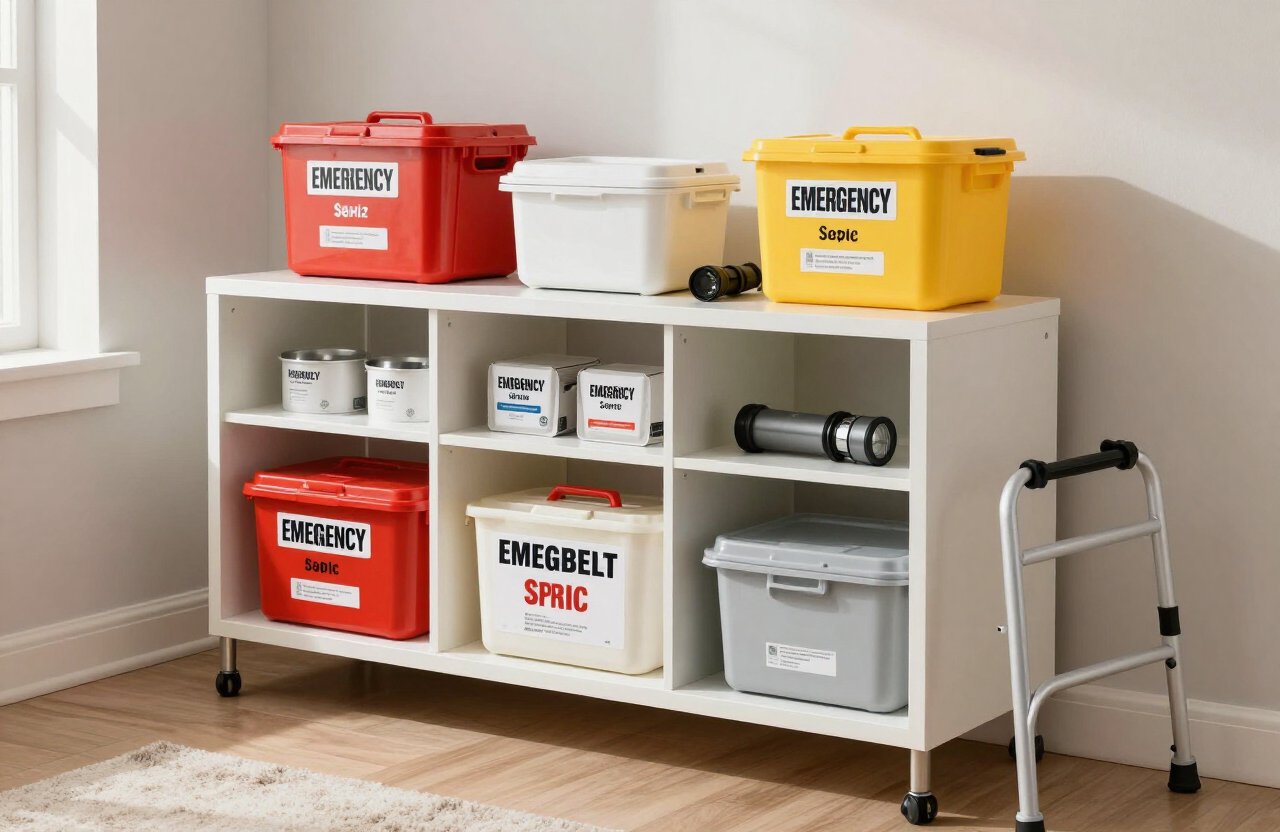
Emergency preparedness for renters with asthma and allergies adds a clean air layer to the usual kit. Smoke, dust, mold after a flood, and storm stirred pollen can all trigger an attack when you are stuck indoors. A few backups and a written action plan keep a bad air day from becoming a medical emergency.
Why asthma and allergies change the plan
For most renters, bad air is an annoyance. For someone with asthma or severe allergies, it can be dangerous. Emergencies often make air worse, smoke from wildfires, dust from storms, mold after flooding, and you may be stuck indoors with it for days.
Keep clean air at home
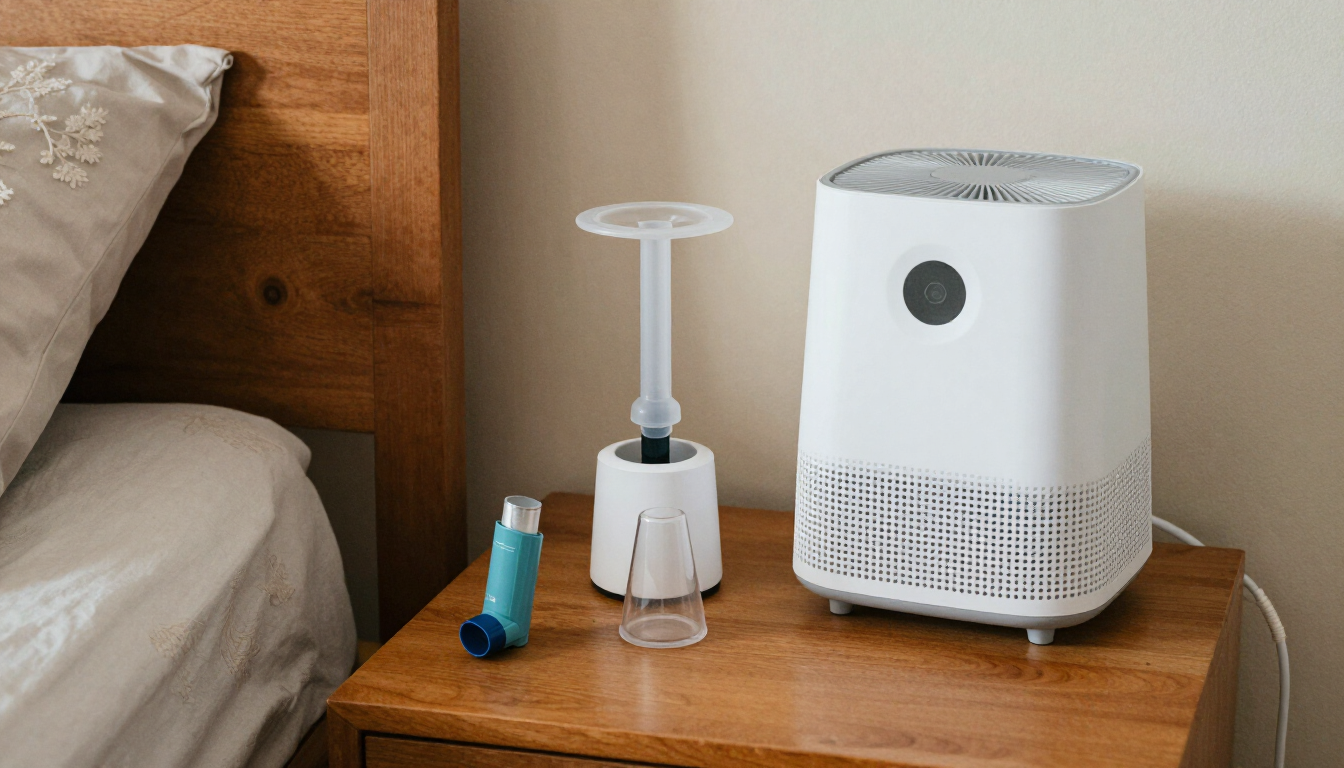
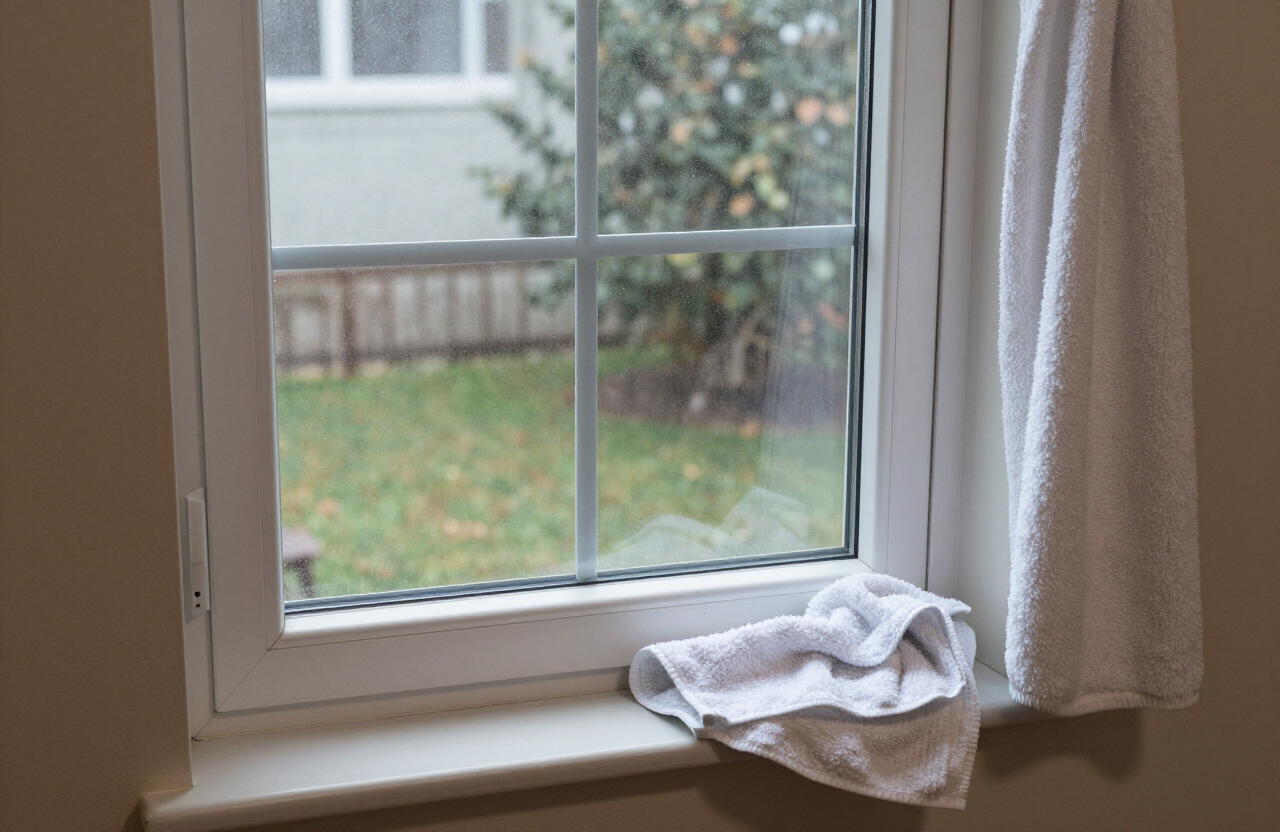
Your apartment is your air shelter. A HEPA purifier in your bedroom, with filters changed on schedule, removes the particles that trigger attacks. Seal gaps so bad outdoor air stays out.
- Run a HEPA purifier sized for your bedroom
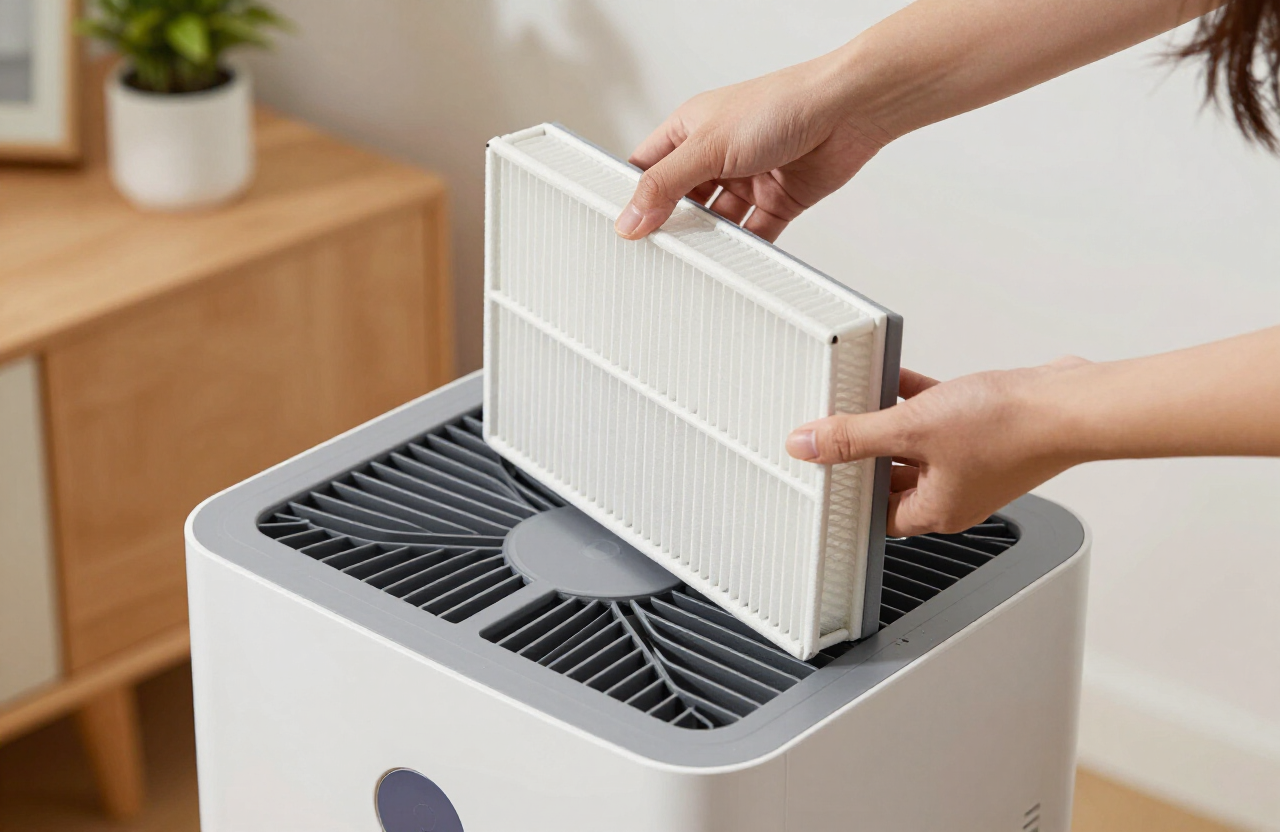
- Keep spare filters and replace them on schedule
- Seal window and door gaps with weather stripping
- Keep windows closed when the air quality is poor
Back up your medications
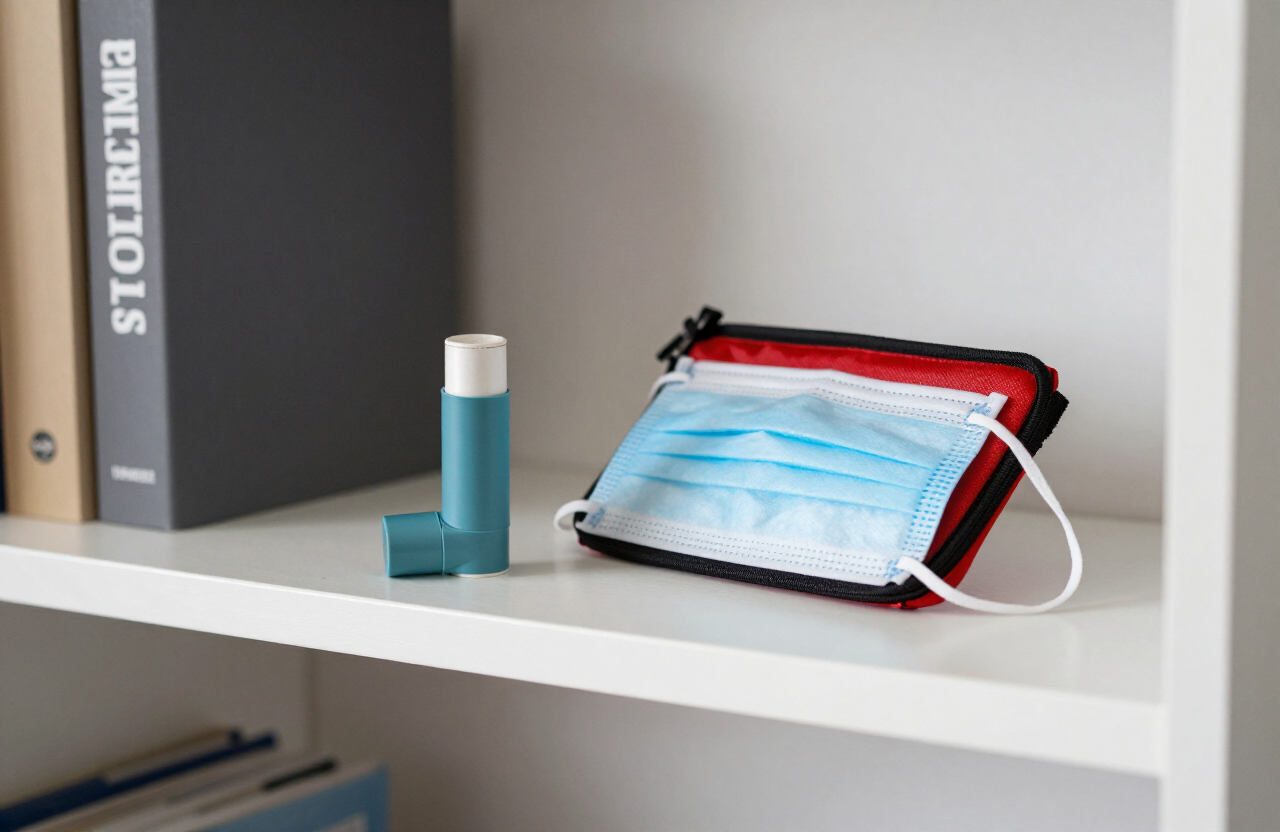
Running out of an inhaler during an emergency is a serious risk. Keep a backup where you can grab it, and check expiration dates regularly.
- Keep a rescue inhaler in your go bag as well as at home
- Store a spare in a spot you can reach quickly
- Check expiration dates every few months
- Carry a medical alert card listing your allergies and meds
Write an asthma action plan
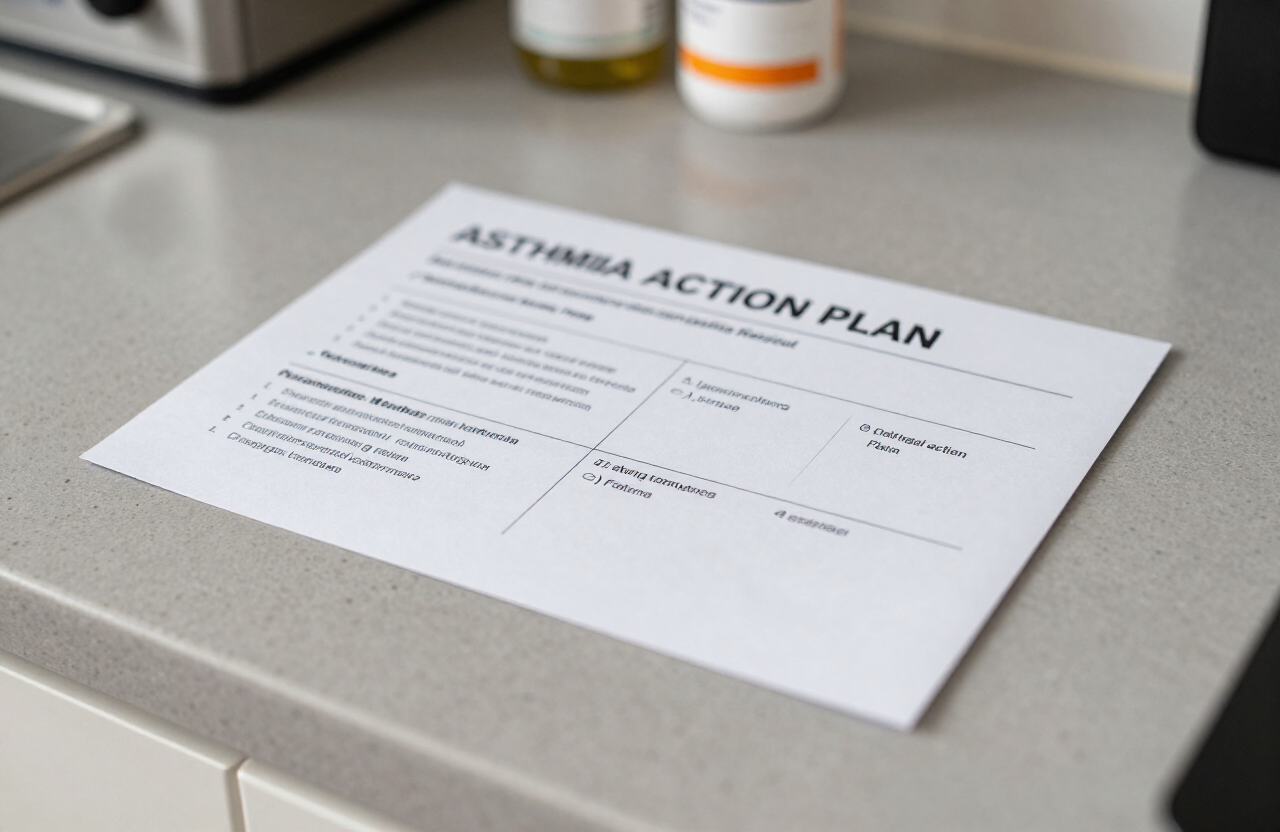
An asthma action plan is a short, written guide from your doctor that tells you what to do as symptoms get worse. It takes the guesswork out of a scary moment, especially for kids or anyone helping you.
- Ask your doctor for a written asthma action plan
- List your triggers, daily meds, and rescue steps
- Note the warning signs that mean call for help
- Keep a copy on the fridge and one in your go bag
Track pollen and air quality
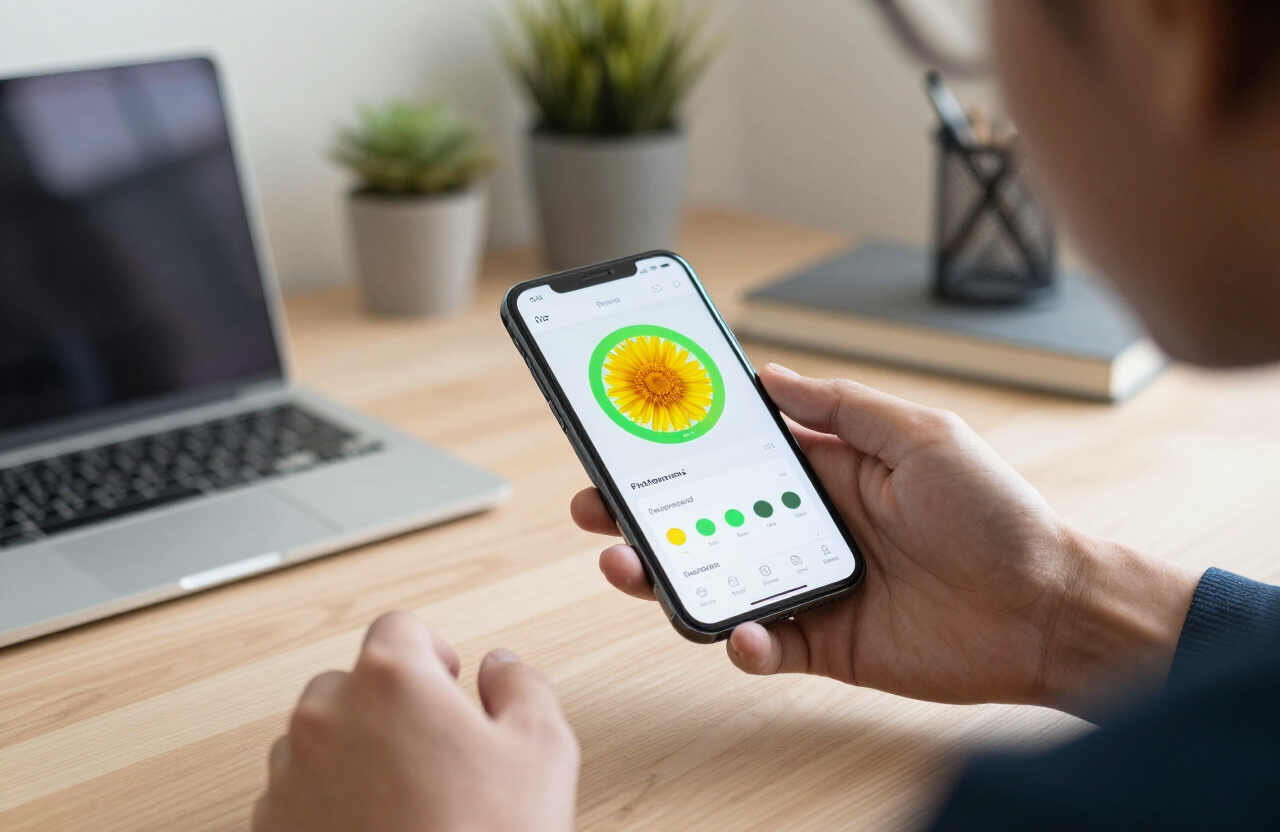
Knowing the air quality before you open a window or head out helps you avoid triggers. Make checking it part of your daily routine during allergy season and smoke events.
- Check the air quality index daily during allergy season
- Track local pollen counts on a weather app
- Plan outdoor time for when counts are lowest
- Shower and change clothes after high exposure days
Reduce indoor triggers
Your apartment can hold its own triggers, dust mites, mold, and pet dander. A few habits keep indoor air cleaner, which matters more when you are stuck inside during an emergency.
- Wash bedding in hot water and use dust mite covers
- Control humidity to slow mold growth
- Vacuum with a HEPA filter regularly
- Keep food sealed to avoid pests that worsen asthma
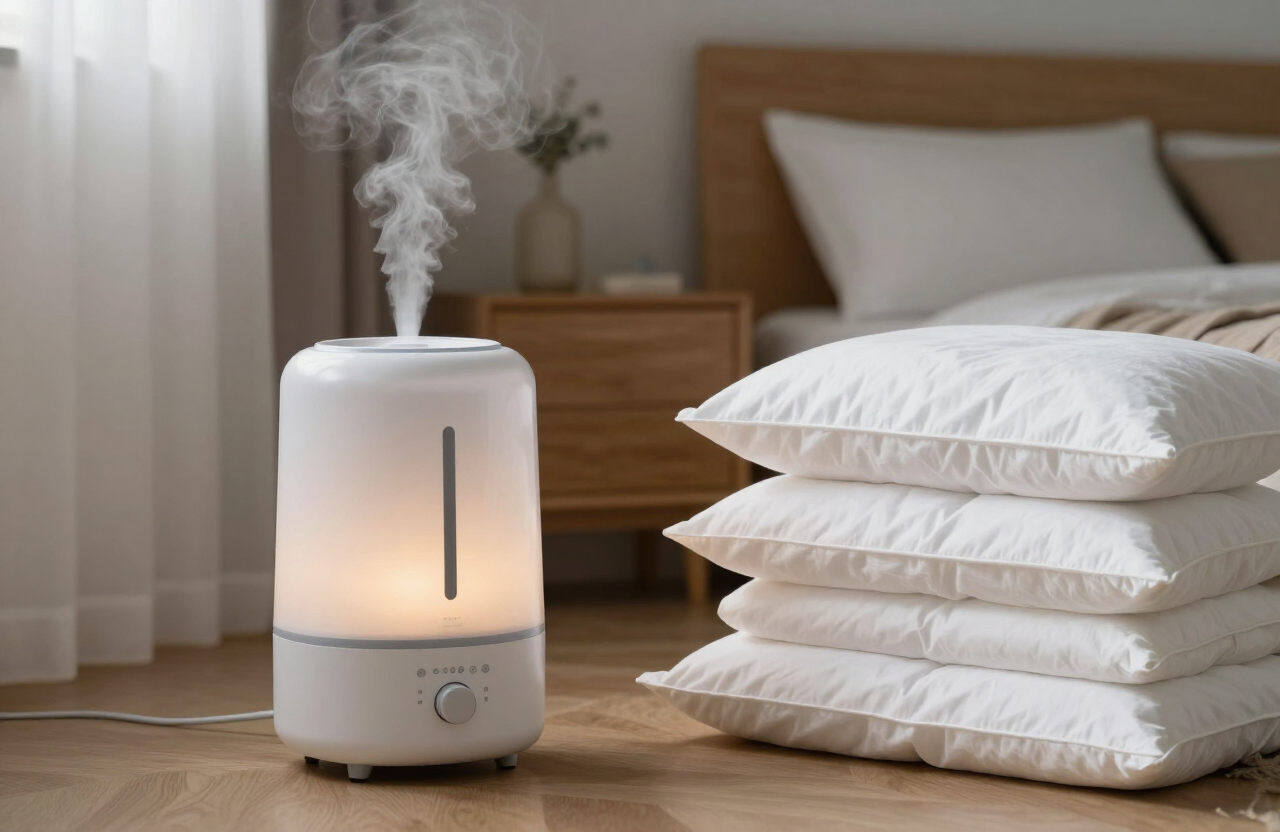
For smoke specific air quality steps, see our wildfire smoke and air quality guide.
Frequently asked questions
Editorial note: this guide provides general preparedness information, not emergency, medical, legal, or engineering advice. Recommendations are cross-checked against public emergency-management guidance and adapted for small-space living. During an active emergency, follow your local authorities and emergency services. See our editorial standards and affiliate disclosure.