Emergency Preparedness for Seniors in Apartments
Emergency preparedness for seniors in apartments starts with the same basics everyone needs, then adds a few things that matter more as we age: extra medication, a go bag that works with a walker or cane, and a neighbor who will check in. The plan does not need to be complicated. It needs to be written down and within reach.
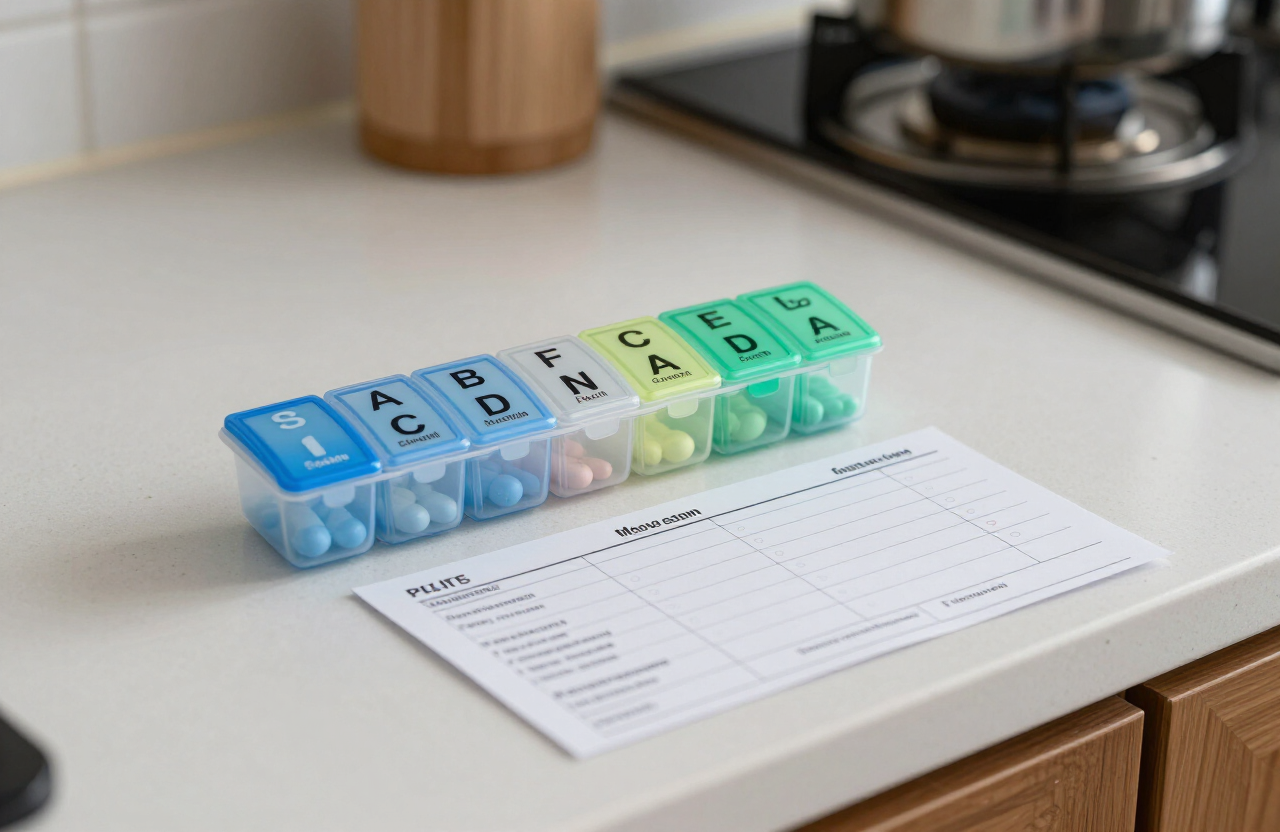
Start with medication continuity
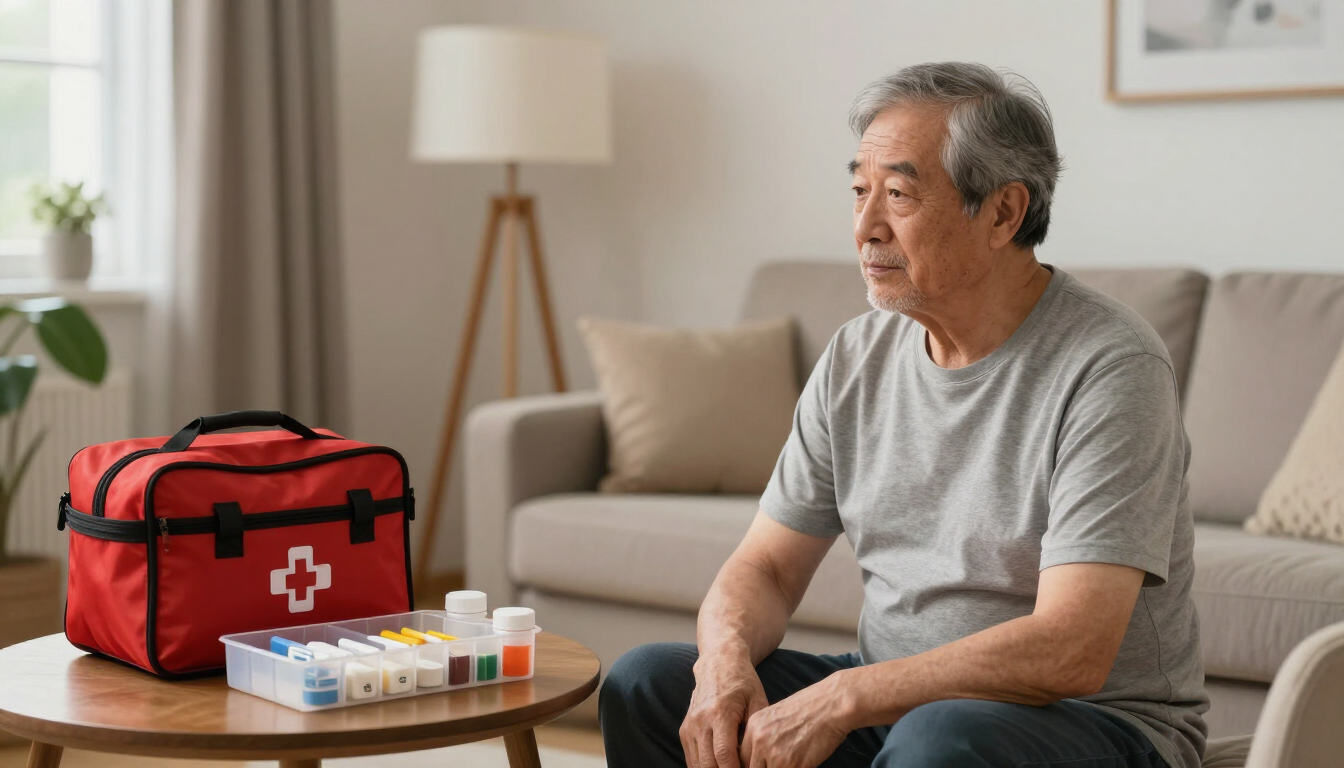
For many seniors, medication is the single most important preparedness item. A few days without a prescription can turn a manageable emergency into a medical one. Build a small buffer before you need it.
- Ask your doctor about keeping a 7 to 14 day backup supply of each essential prescription
- Use a weekly pill organizer so a missed dose is obvious
- Keep a printed list of every medication, dose, and prescribing doctor
- Store backups in a labeled pouch you can grab on the way out
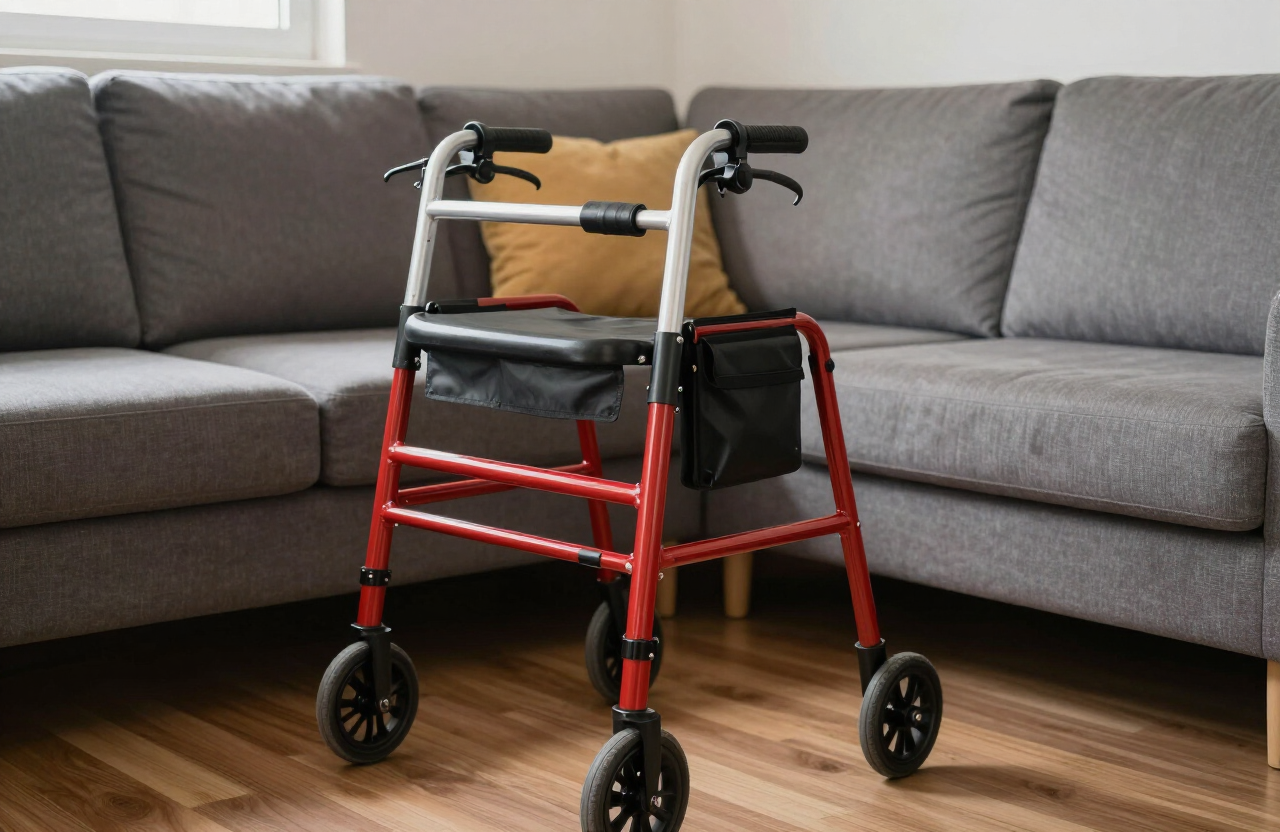
Build a go bag for limited mobility
A standard go bag assumes you can carry it on your back. For seniors, a lighter bag you can hang from a walker or roll in a small cart is more realistic. The goal is a bag you can actually take with you.
- A small rolling cart or a bag that clips to a walker
- Water, snacks, and medication for at least three days
- A change of clothes and sturdy non slip shoes
- Copies of IDs, insurance cards, and the medication list
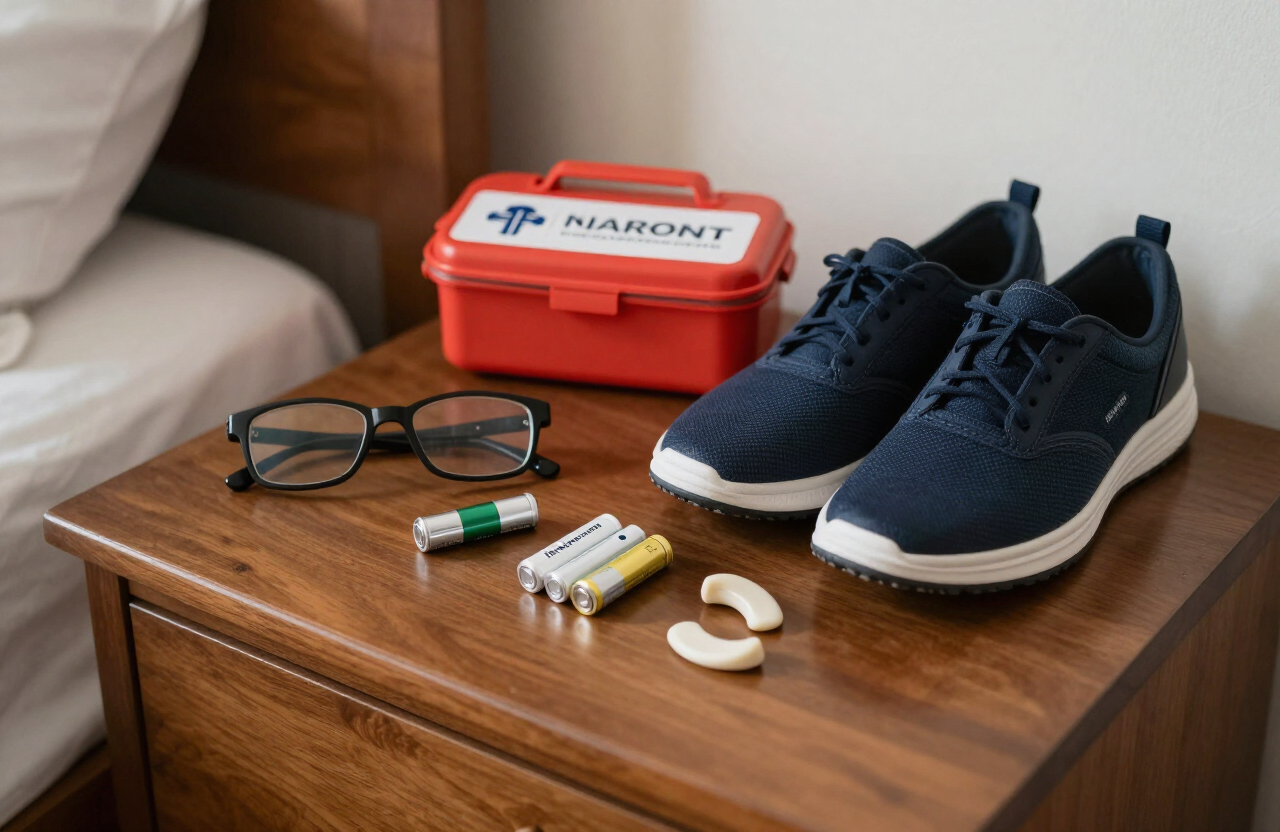
Keep sensory and vision extras handy
Losing access to a hearing aid or glasses during an emergency is more than an inconvenience. It can make it hard to follow instructions or move safely. A few spares in your kit protect you.
- An extra pair of glasses, even an old prescription
- Spare hearing aid batteries and a backup aid if you have one
- A small magnifier for reading labels and instructions
- Extra batteries for any medical device you use
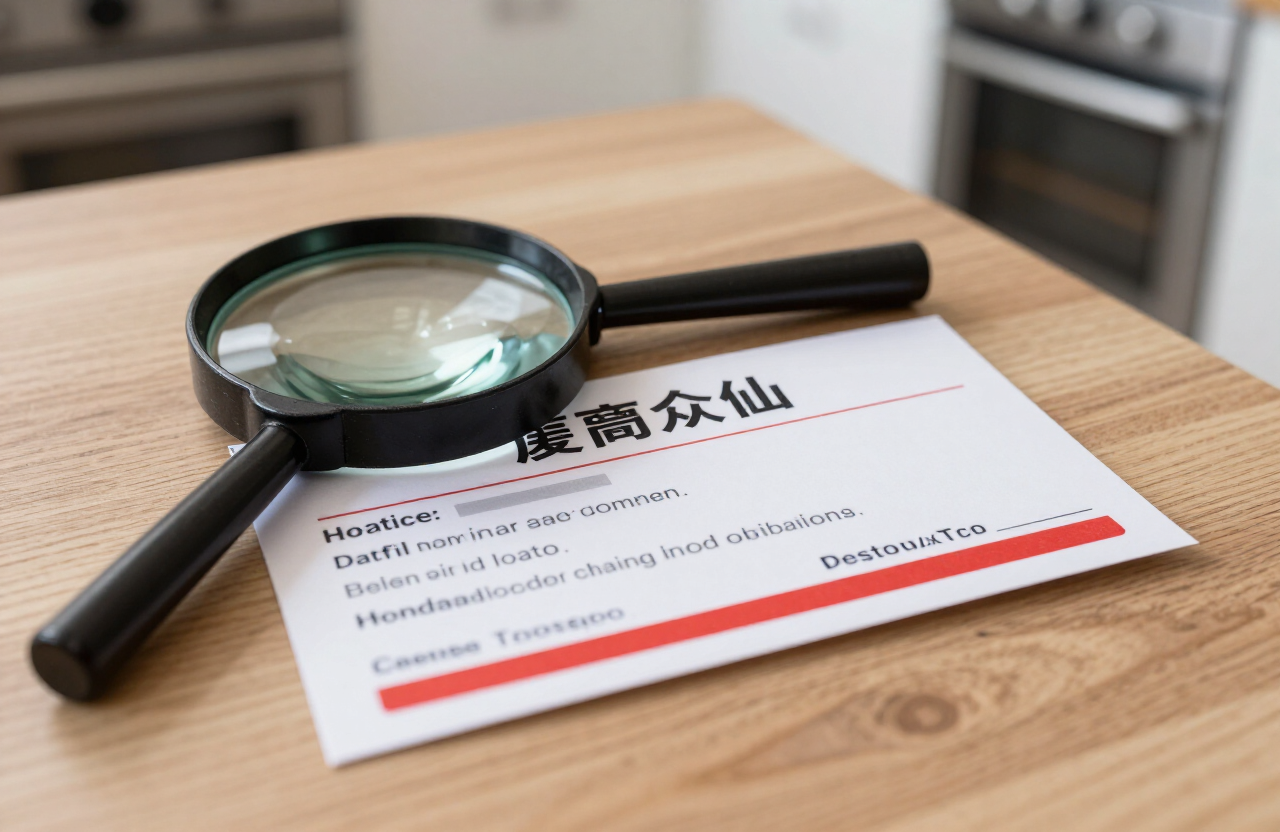
Make contact information easy to read
In an emergency you do not want to squint at a small screen or hunt through a phone. A large print card with the numbers that matter is a simple, powerful backup.
- Print contacts in at least 18 point type
- Include 911, your doctor, pharmacy, and a family contact
- Add your building manager and a trusted neighbor
- Post one copy on the fridge and keep one in your go bag
Set up a daily check in
The biggest risk for seniors living alone is that nobody notices a problem for hours or days. A simple daily check in with a neighbor, friend, or family member closes that gap.
- Pick one person to call or text at the same time each day
- Agree on what they do if you miss the check in
- Consider a medical alert pendant that works away from home
- Tell your building manager if you have mobility or medical needs
Plan your way out of the building
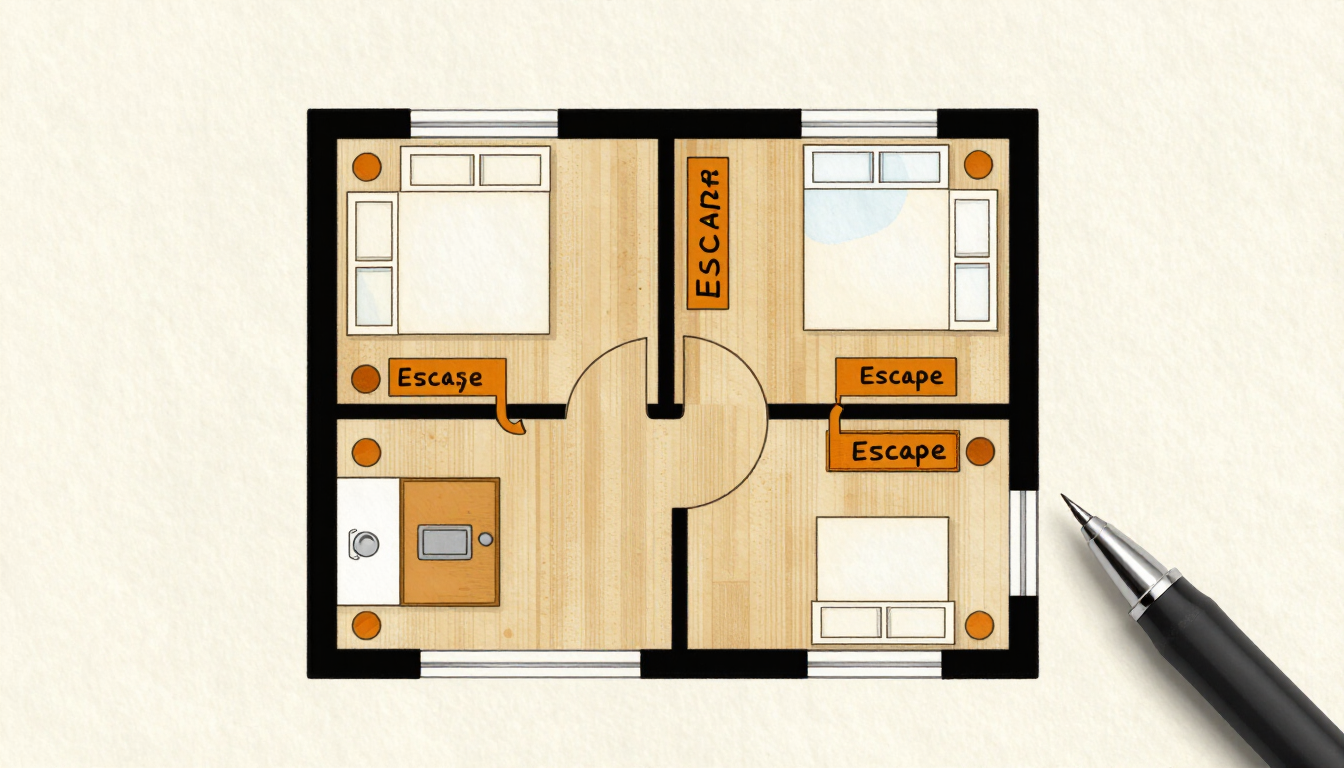
Elevators often shut down during fires and power outages. If stairs are hard for you, that needs to be part of the plan, not a surprise during an evacuation.
- Find out your buildings plan for residents who cannot use stairs
- Identify an area of refuge on your floor if your building has one
- Practice the route to the nearest exit at your own pace
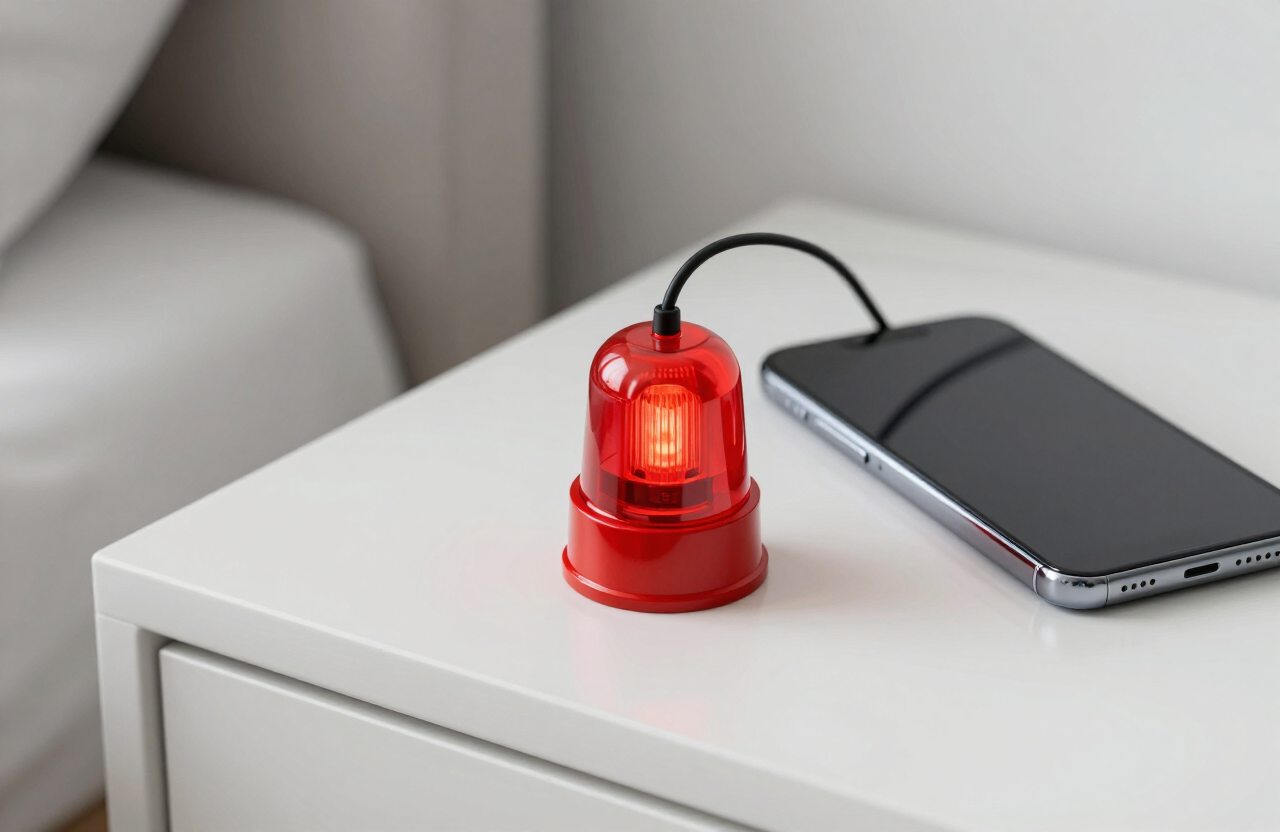
- Keep a whistle and a flashlight by your bed to signal for help
Pair this guide with our renter communication plan so your contacts are written down and easy to read.
Frequently asked questions
Editorial note: this guide provides general preparedness information, not emergency, medical, legal, or engineering advice. Recommendations are cross-checked against public emergency-management guidance and adapted for small-space living. During an active emergency, follow your local authorities and emergency services. See our editorial standards and affiliate disclosure.