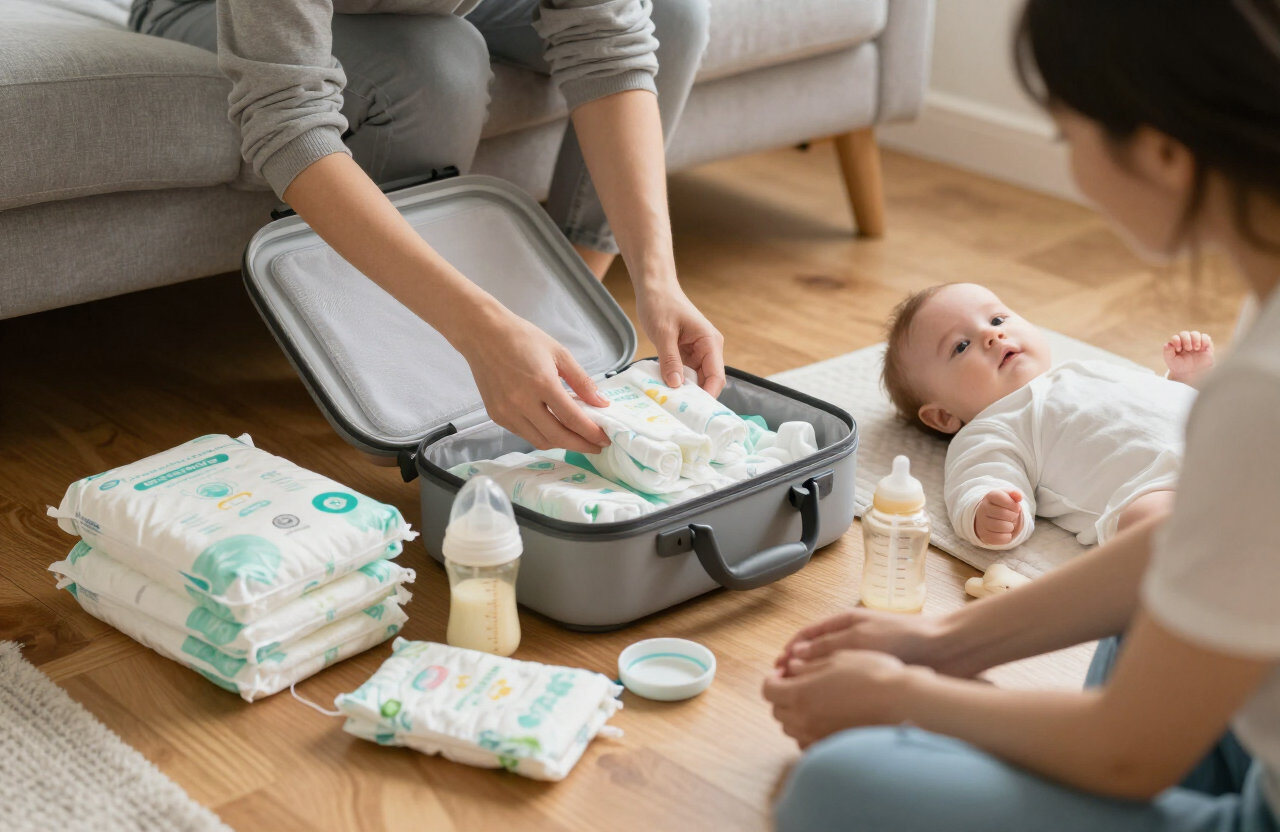
Emergency Preparedness for Renters Who Are Pregnant
Emergency preparedness for renters who are pregnant layers a few extra steps onto the standard plan. Hydration matters more, medications need backup, and you want a hospital go bag ready well before your due date. The basics stay the same, the timing and a few extras shift to protect you and the baby.
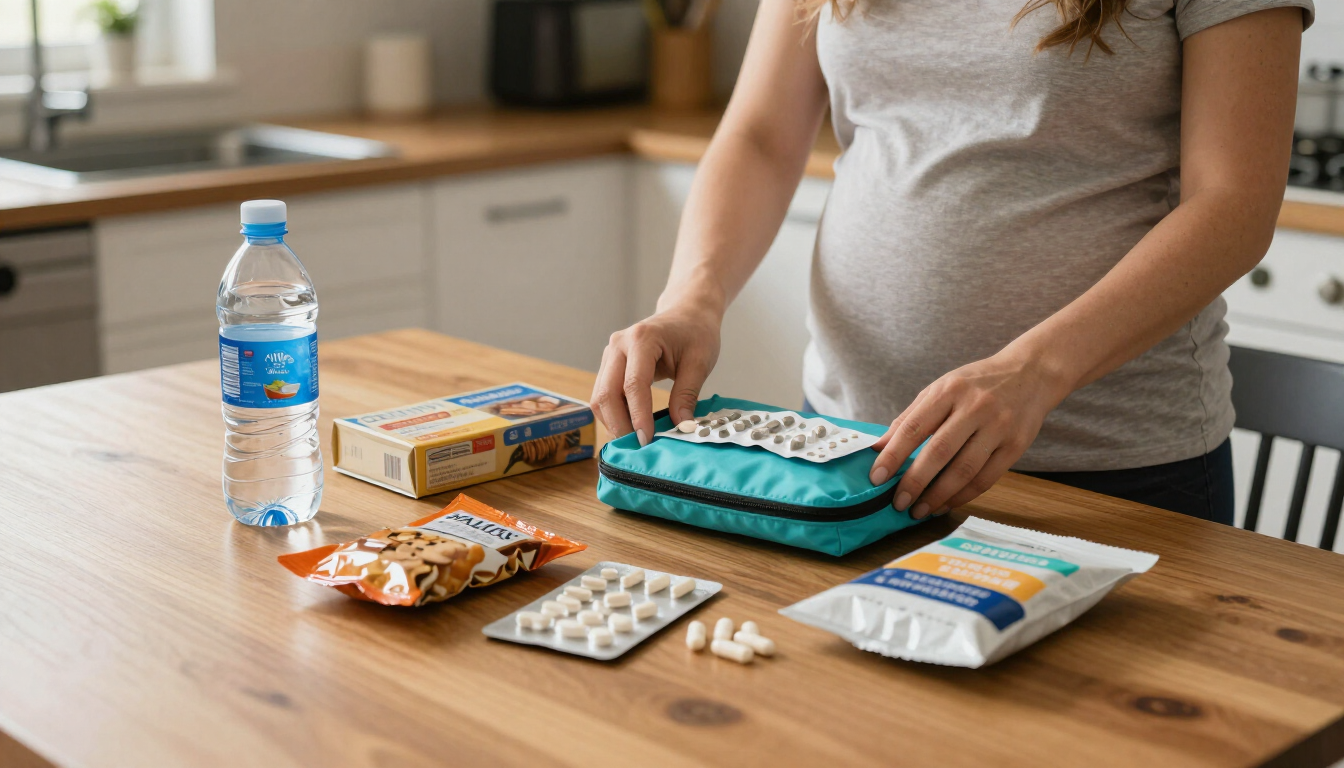
Why pregnancy changes the plan
Pregnancy adds two people to every decision. Dehydration hits faster, stress affects both of you, and an emergency could mean needing medical care sooner than expected. A little extra preparation protects you both.
Back up prenatal medications and records
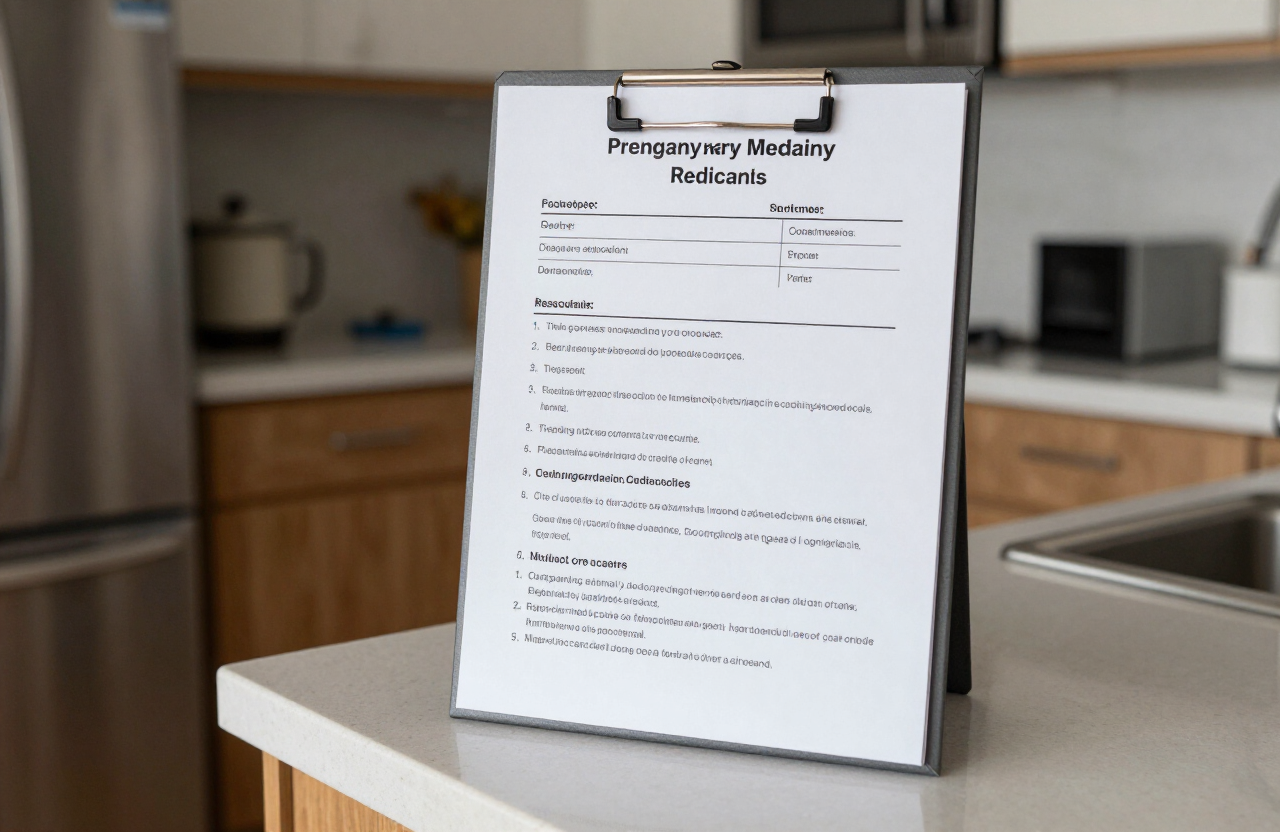
Keep your prenatal vitamins and any prescribed medications backed up, and carry a copy of your medical records. If you have to leave quickly or see a new doctor, those records save critical time.
- Keep a backup of prenatal vitamins in your go bag
- Carry a copy of your prenatal records and due date
- List your OB contact and any high risk notes
- Note your blood type and any allergies
Pack a hospital go bag early
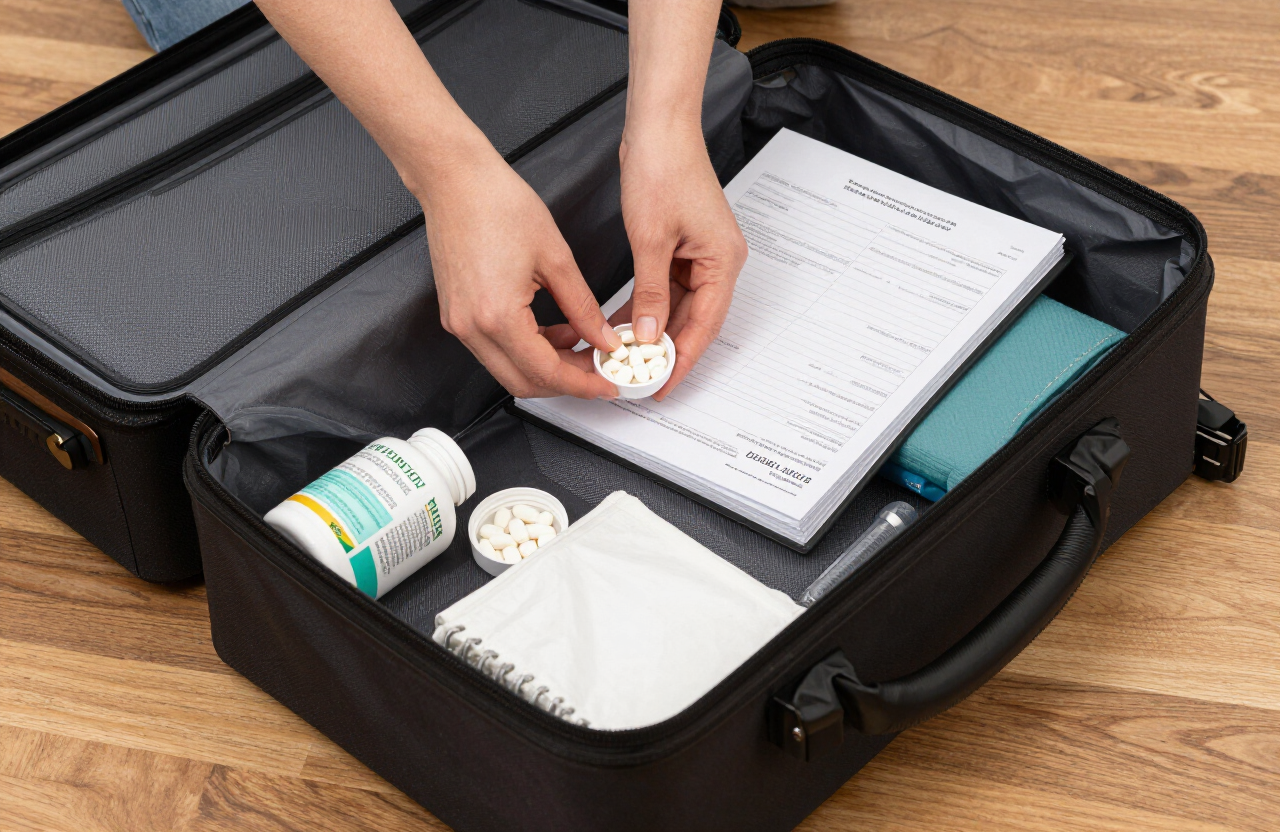
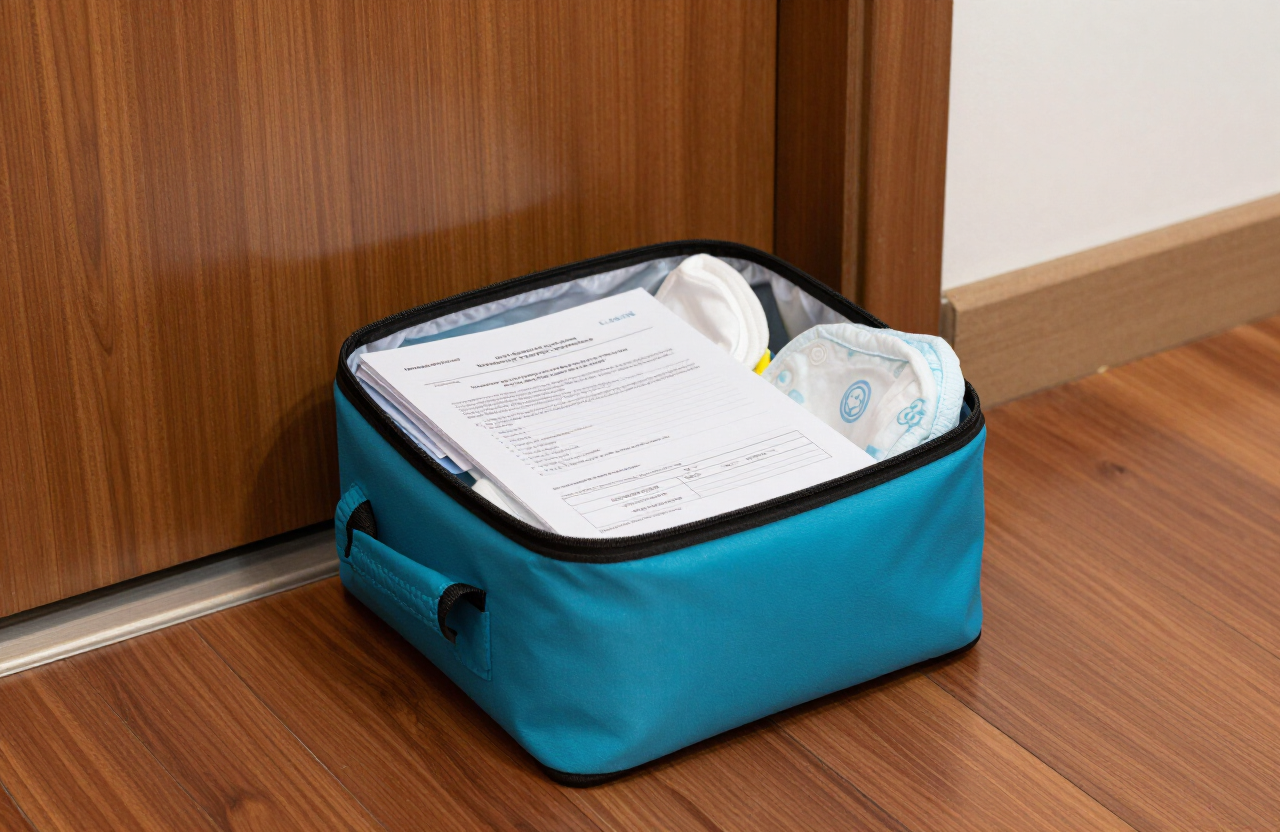
Do not wait for your due date to pack a hospital bag. Emergencies can send you to the hospital early, and a packed bag means your partner or support person can grab it without thinking.
- Pack by the start of your third trimester
- Include baby essentials, toiletries, and a phone charger
- Add your ID, insurance, and medical records
- Keep it by the door or in a known spot
Hydration and heat matter more
Pregnancy raises your body temperature and your need for water. During a heat wave or a summer power outage, dehydration and overheating are real risks. Plan to drink more and stay cooler than usual.
- Keep extra water within easy reach
- Drink steadily, before you feel thirsty
- Use damp towels and a fan to cool down
- Rest in the coolest room during a heat event


For heat specific steps, see our heat wave preparation guide.
Know nearby hospitals and birthing centers
In an emergency, you may not be able to reach your usual hospital. Know two or three nearby options ahead of time, including how you would get there if roads or transit are affected.
- List two or three nearby hospitals and birthing centers
- Note which are in network for your insurance
- Plan a route and a backup route to each
- Share the list with your support person
Share your plan
The people around you can only help if they know the plan. Share it with your OB, your partner or support person, and a trusted neighbor, especially if you live alone.
- Brief your OB on your emergency plan
- Make sure your support person knows where your bags are
- Tell a trusted neighbor your due date and plan
- Keep your emergency contacts in the loop
Frequently asked questions
Editorial note: this guide provides general preparedness information, not emergency, medical, legal, or engineering advice. Recommendations are cross-checked against public emergency-management guidance and adapted for small-space living. During an active emergency, follow your local authorities and emergency services. See our editorial standards and affiliate disclosure.