Emergency Preparedness for a Single Renter Living Alone
Emergency preparedness for a single renter looks different than it does for a family, because there is no one to tag in when you are sick, stuck at work, or simply forget to check the smoke alarm. Living alone means you are the whole team, so the plan has to cover the gaps a partner or roommate would normally fill.
Why living alone changes the plan
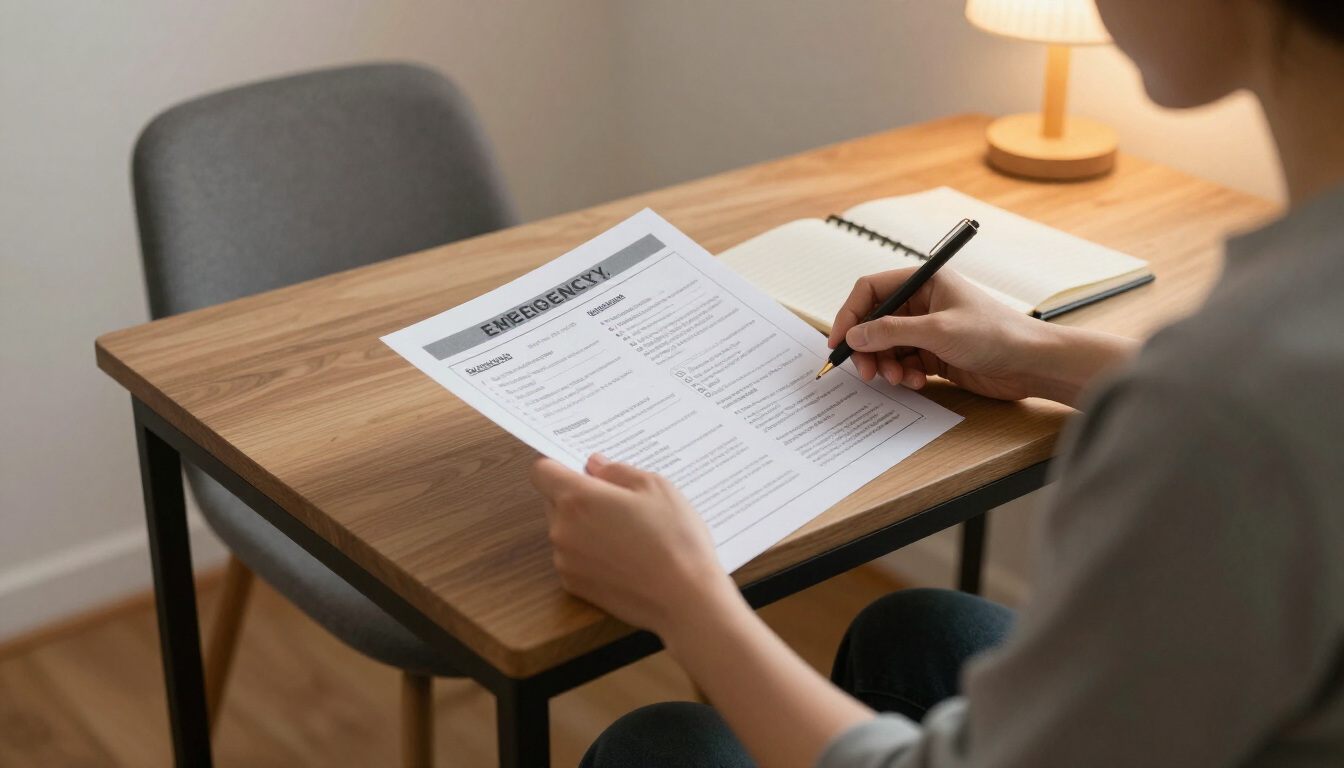
A household plan usually assumes someone can cover for someone else. A single renter has no backup in the apartment. If you are unconscious, no one calls for help. If you are stuck at work, no one walks the dog or shuts the windows before a storm. The plan has to assume you will sometimes be the only one who acts.
That is not a reason to worry. It is a reason to set up a few simple systems so the gaps are covered before you need them.
Your phone is your co-pilot
When you live alone, your phone is the most likely thing to be with you in a crisis. Set it up so someone can help you even if you cannot unlock it.
- Add an emergency contact and any medical conditions to the lock screen medical ID
- Enable emergency SOS so a quick button press calls for help
- Share your location with one trusted person during storms or travel
- Keep a paper copy of contacts too, since phones die
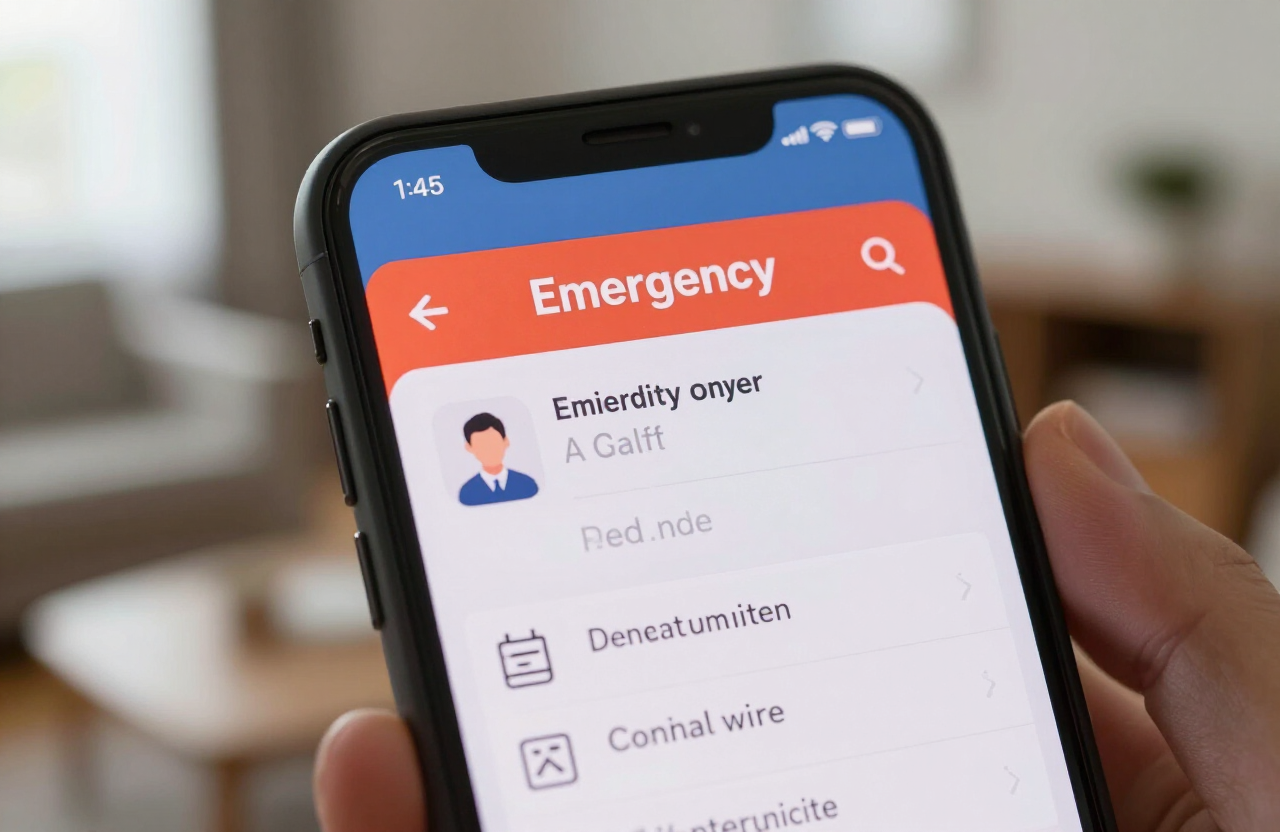
Build the full contact plan with our emergency communication guide.
A right-sized kit for one
A single renter does not need a family-sized kit. The advantage of planning for one is that everything fits in a single bin, and you know exactly how much water and food is enough.
- Three gallons of water, one per day for 72 hours
- Three days of no-cook food you actually like
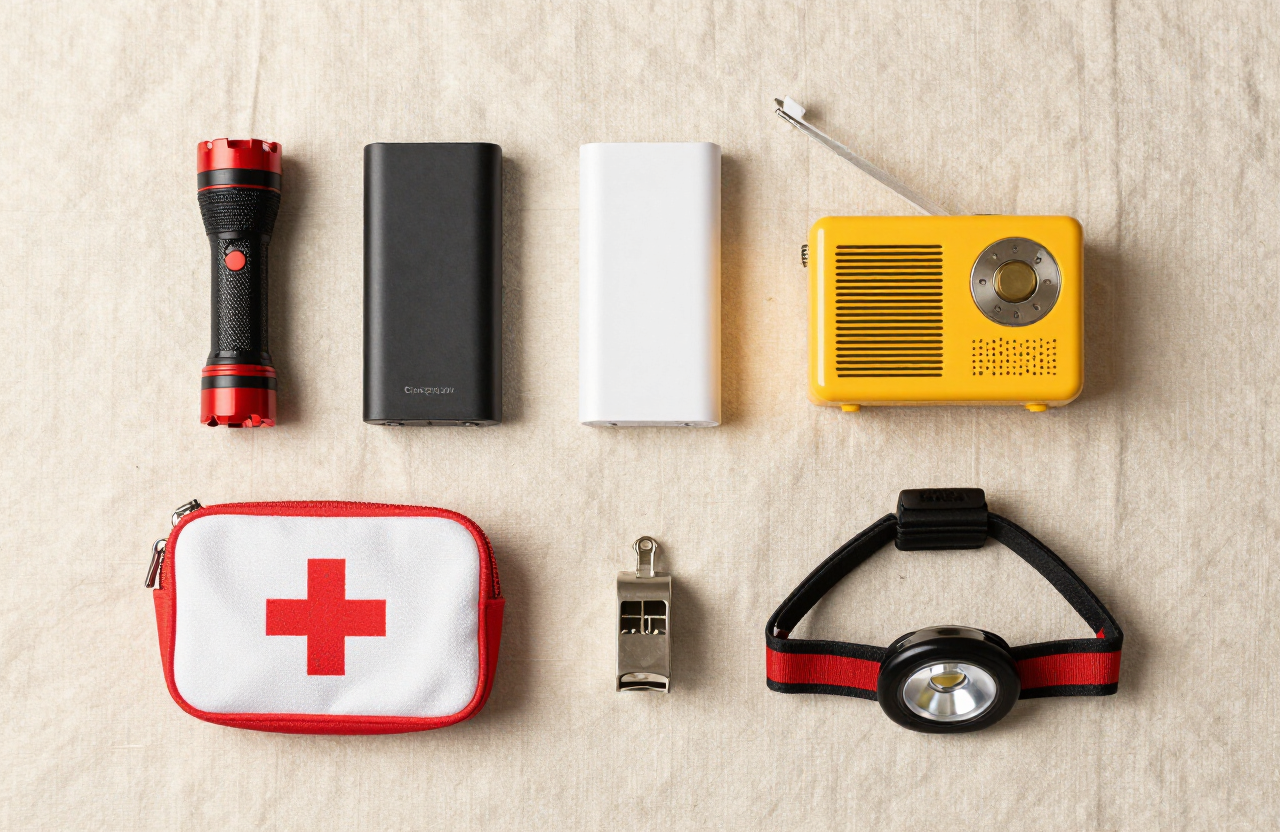
- One flashlight, one headlamp, and a power bank
- A small first aid kit and your personal medications
- Copies of ID, insurance, and a documents pouch
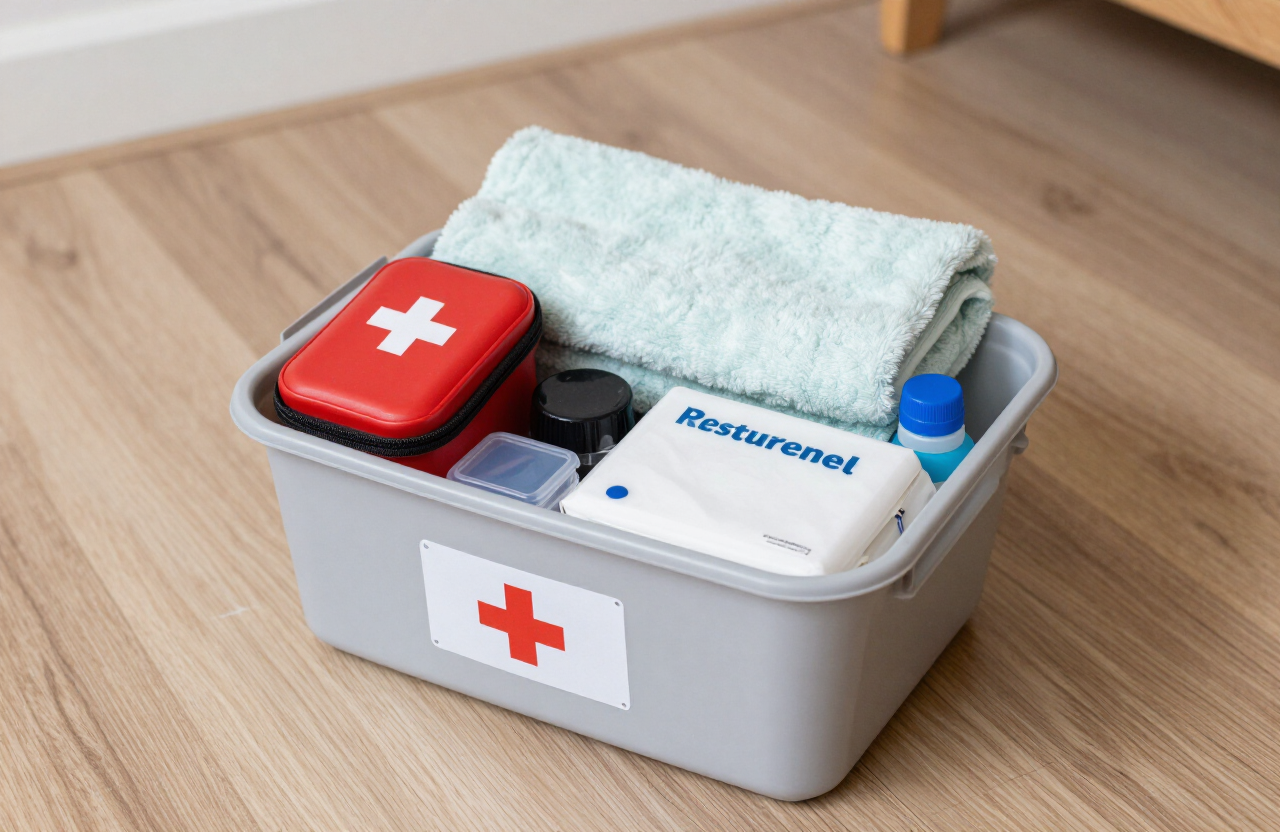
See the item-by-item list in our small-apartment emergency kit guide.
A grab-and-go bag by the door
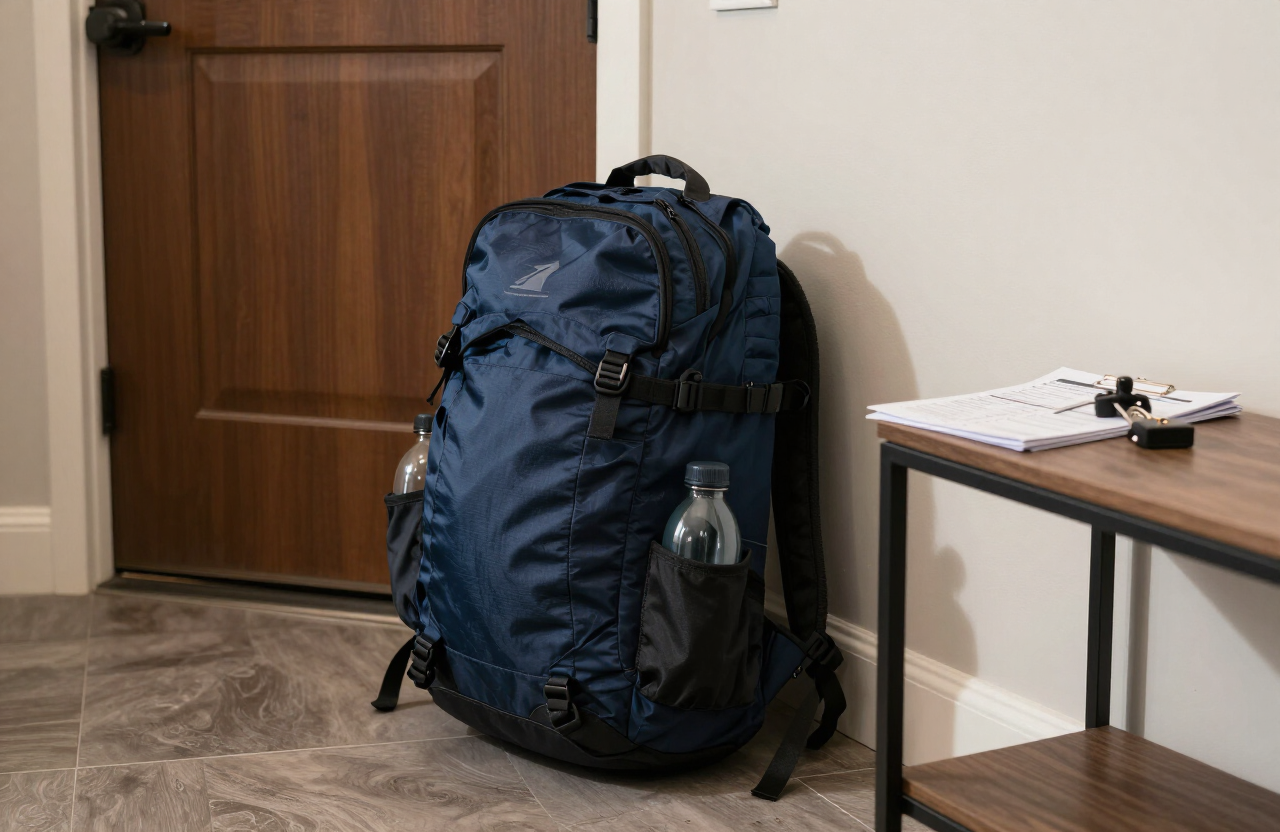
If you have to leave in under a minute, there is no one else to grab your things. Keep a small go-bag by the door with the essentials so you are never searching.
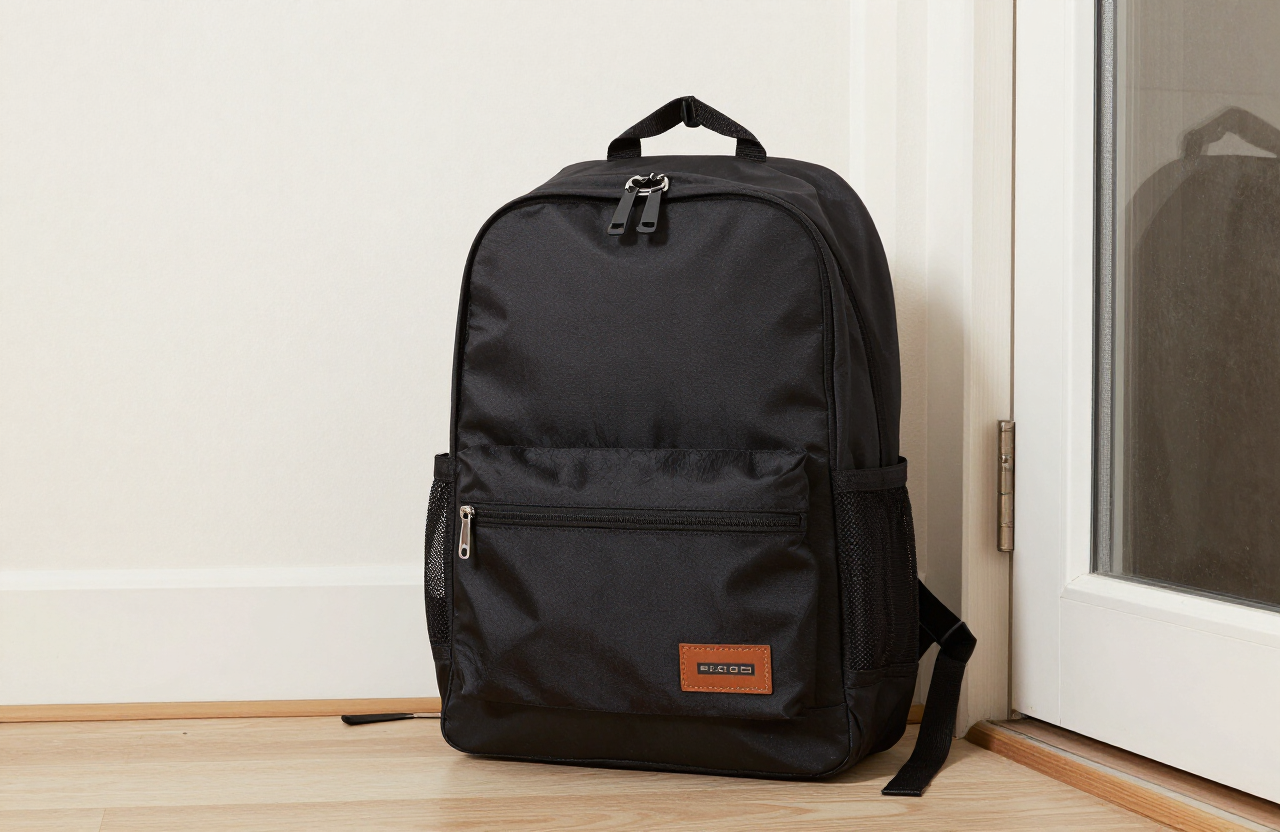
Pack the full version with our apartment go-bag guide.
Build a support network you do not live with
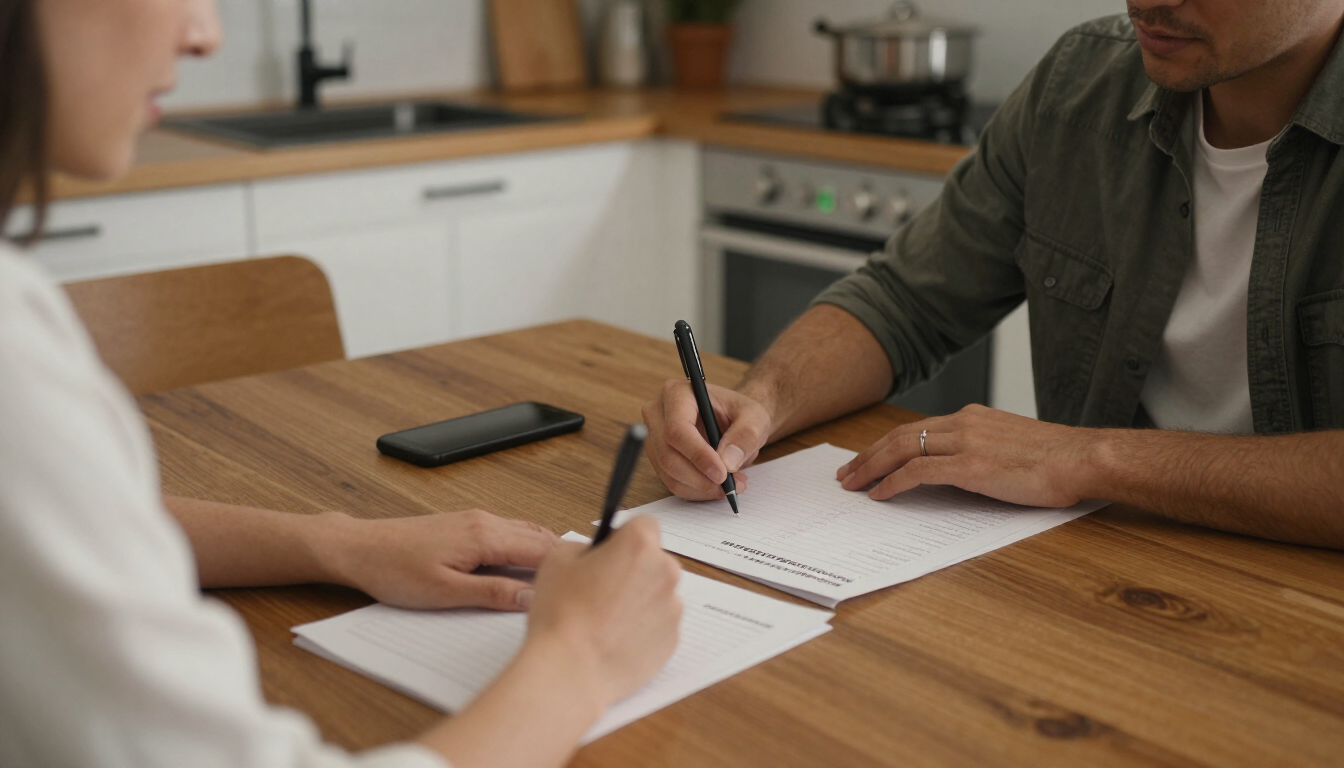
The biggest single-renter gap is that no one in the home notices when something goes wrong. Build a small network of people outside the apartment who expect to hear from you.
- Pick one out-of-area contact who checks in during regional events
- Ask a neighbor to knock if they have not seen you in a few days
- Share a spare key with one trusted person for emergencies only
- Set a regular check-in text with a friend so silence is noticed
Home safety checks no one else will do
In a shared home, someone usually notices a dead smoke alarm or a leaking pipe. Alone, those fall to you. Build a short monthly check so small problems do not become emergencies.
- 1Test every smoke and carbon monoxide detector
- 2Check under sinks and the water heater for slow leaks
- 3Confirm the stove and oven are off before bed and before leaving
- 4Top off the power bank and check kit dates
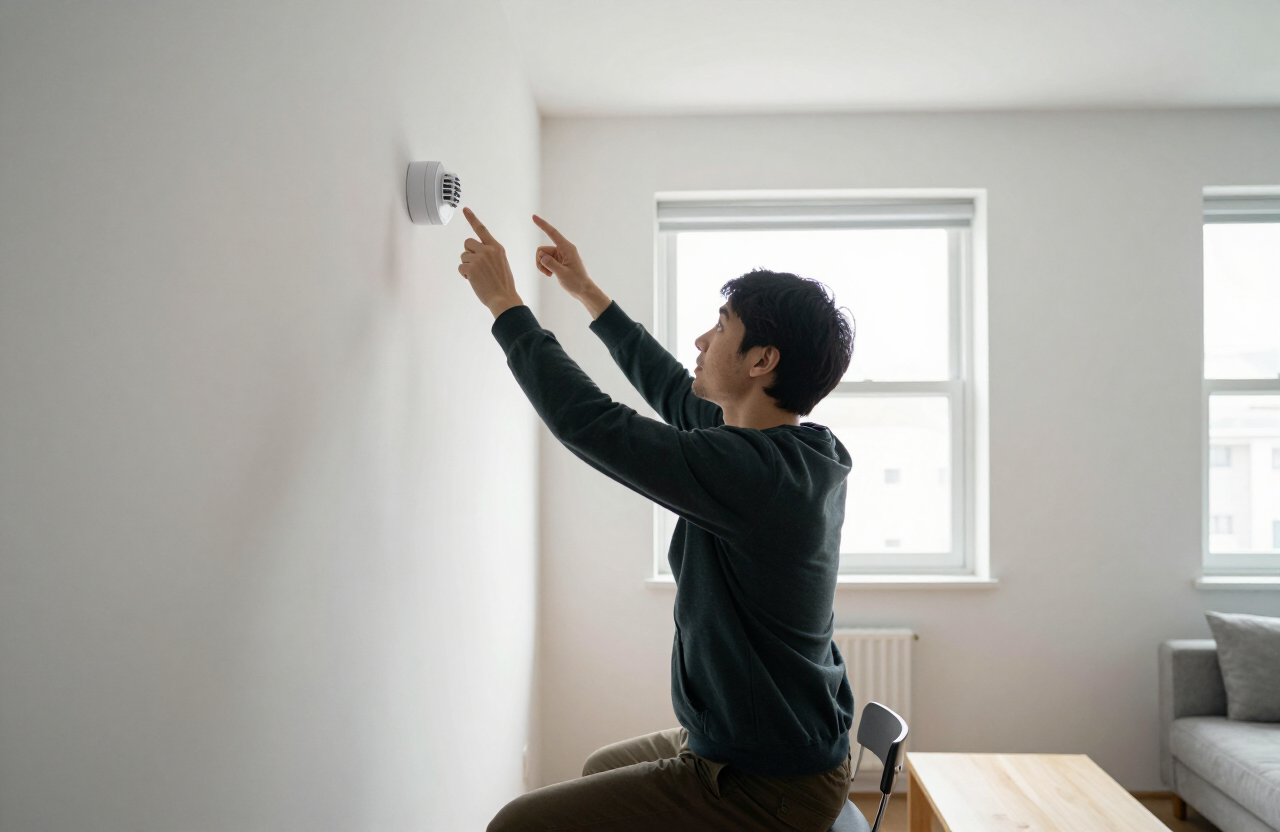
See the warning signs in our carbon monoxide safety guide.
A solo renter's monthly routine
Put the whole routine on one calendar day so it actually happens. Twenty minutes a month keeps a single-renter plan from going stale.
- 1Test detectors and check for leaks
- 2Rotate water and food dates
- 3Top off the power bank and flashlights
- 4Send the check-in text to your support contact
- 5Note one small upgrade for the month
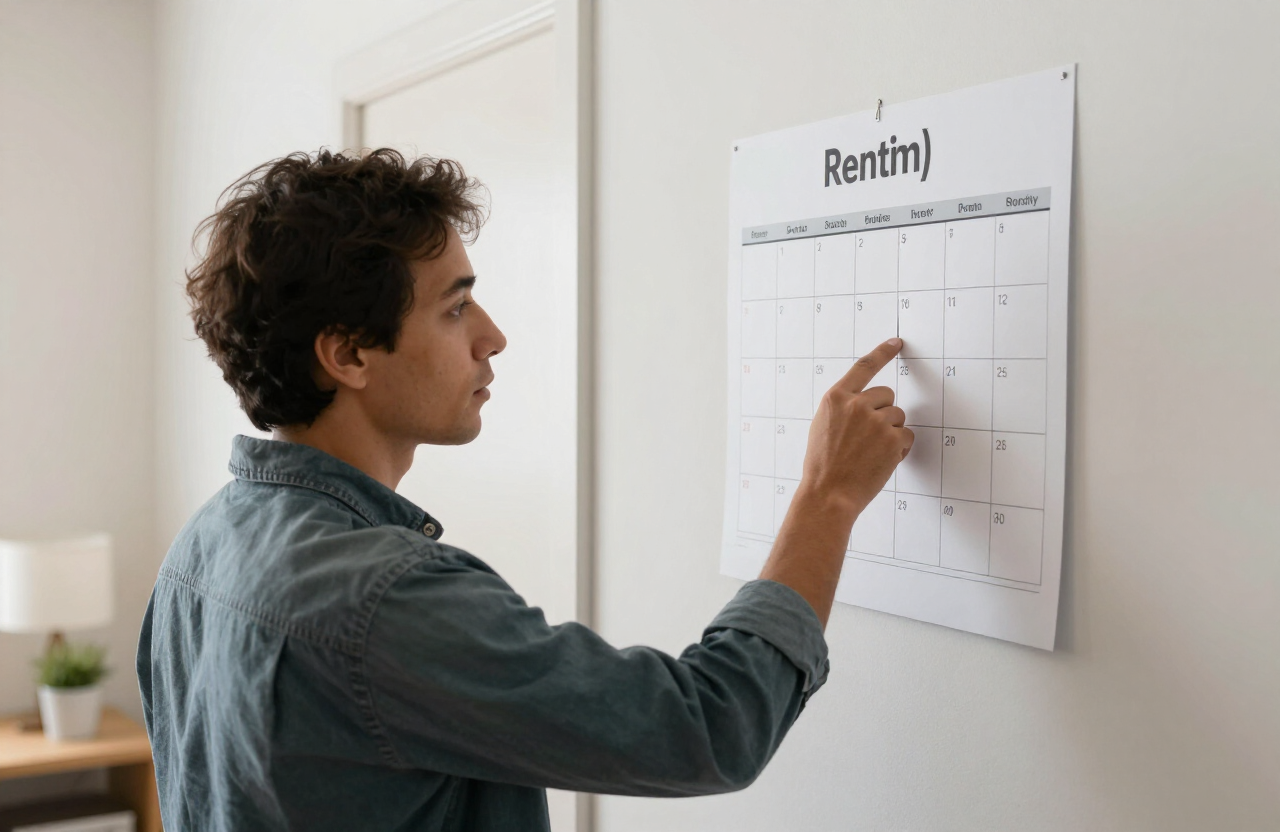
Use the full checklist in our supply maintenance guide.
When you are away or unreachable
Plan for the days you are not home. If a pipe bursts while you are at work, who shuts the water off? If you are traveling, who checks the apartment? A short note on the fridge with your landlord number and your support contact covers the moments you cannot be there.
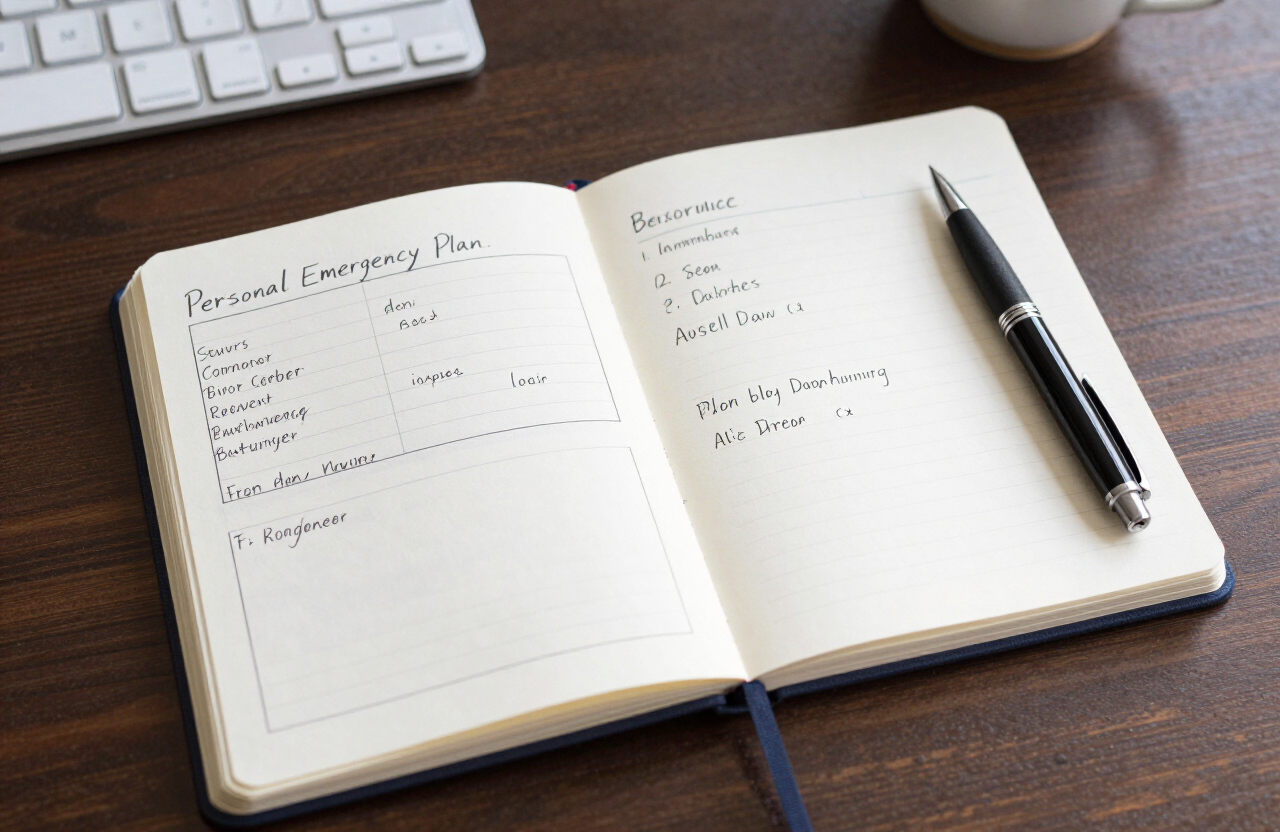
Living alone does not mean preparing alone. It means setting up the people and the plan before you need them.
Small Space Emergency editorial team
Start with the basics in our new-renter preparedness checklist.
Frequently asked questions
Editorial note: this guide provides general preparedness information, not emergency, medical, legal, or engineering advice. Recommendations are cross-checked against public emergency-management guidance and adapted for small-space living. During an active emergency, follow your local authorities and emergency services. See our editorial standards and affiliate disclosure.