Emergency Preparedness for a College Apartment
College apartments have their own preparedness challenges: tight budgets, shared space with roommates, frequent moves, and the fact that home is often far away. The good news is that a college-ready plan is small, cheap, and mostly about knowing what to do and who to call.
What makes a college apartment different
A college apartment usually means a small space, a rotating cast of roommates, a tight budget, and parents who are hours away. The plan has to be cheap, portable, and clear enough that a roommate who just moved in can follow it.
The focus is less on stockpiling and more on communication, exits, and a small kit that moves with you when the lease ends.
The small college kit
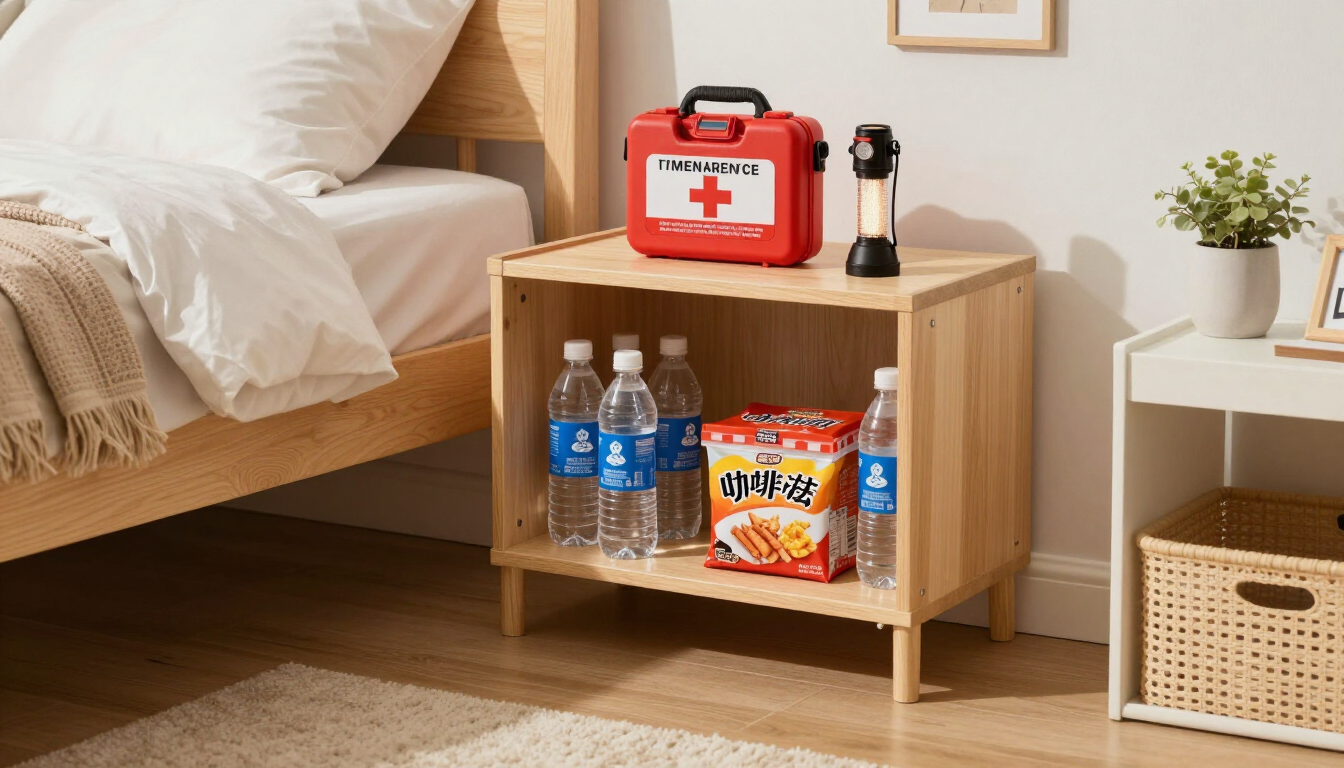
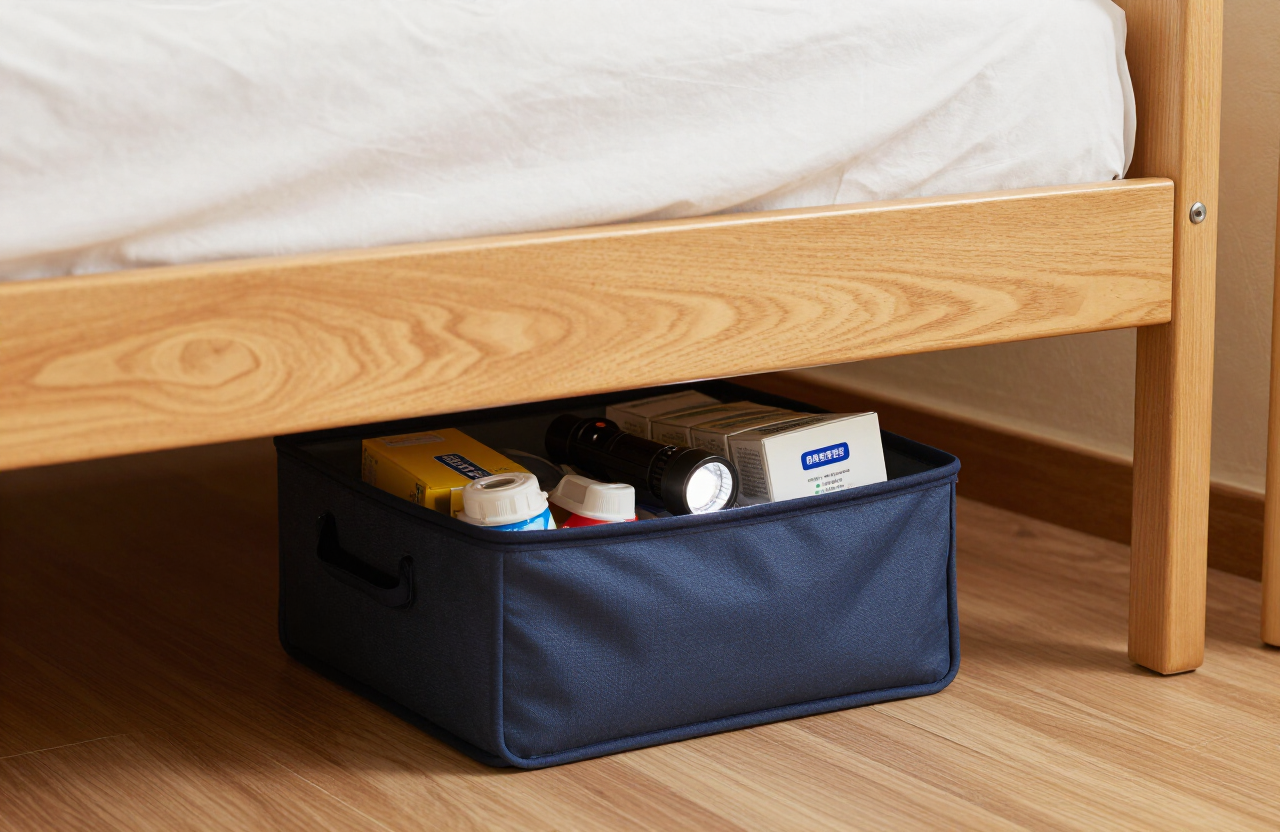
A college kit fits in one under-bed bin or a single shelf. It covers the same basics as any apartment kit, just sized down and budget-friendly.
- Water: three gallons, or a case of one-liter bottles
- Food: three days of snacks and no-cook meals you actually eat
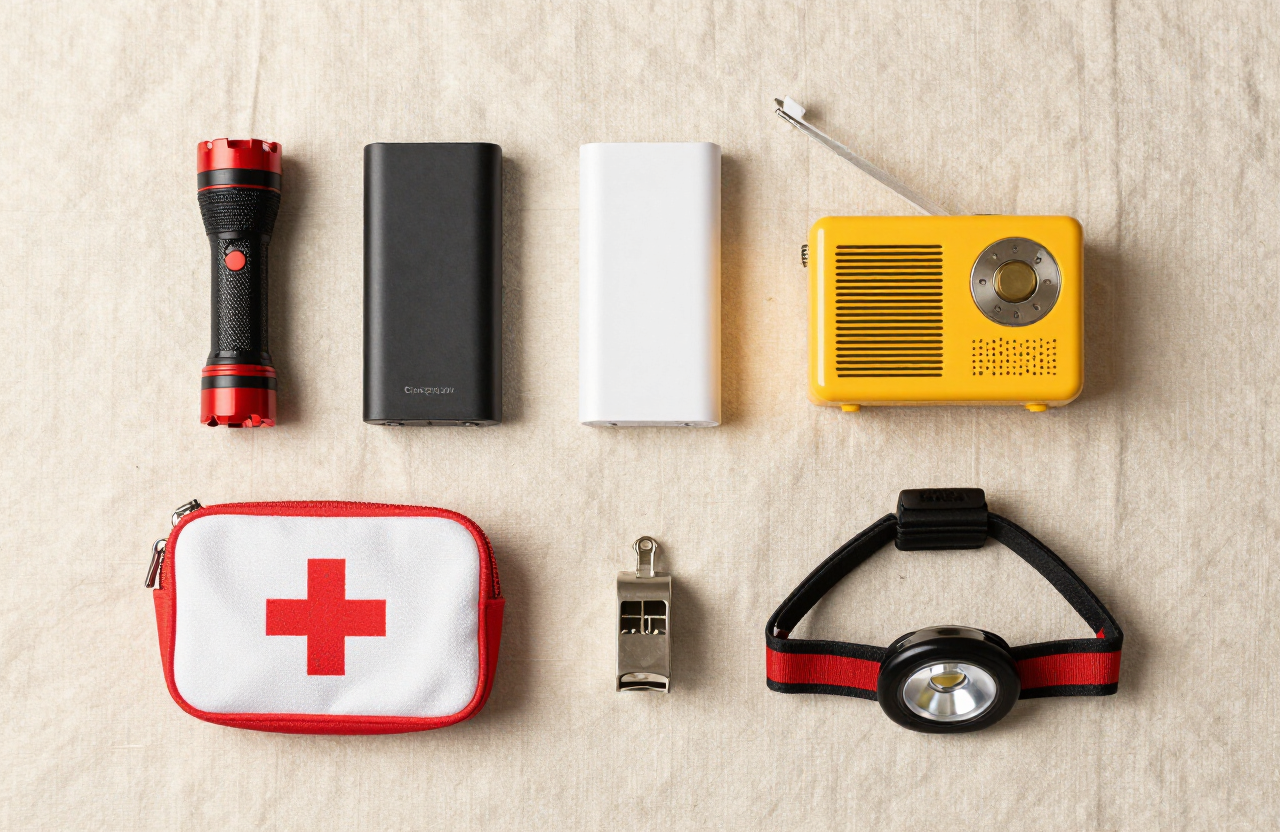
- Light: a flashlight and a small lantern
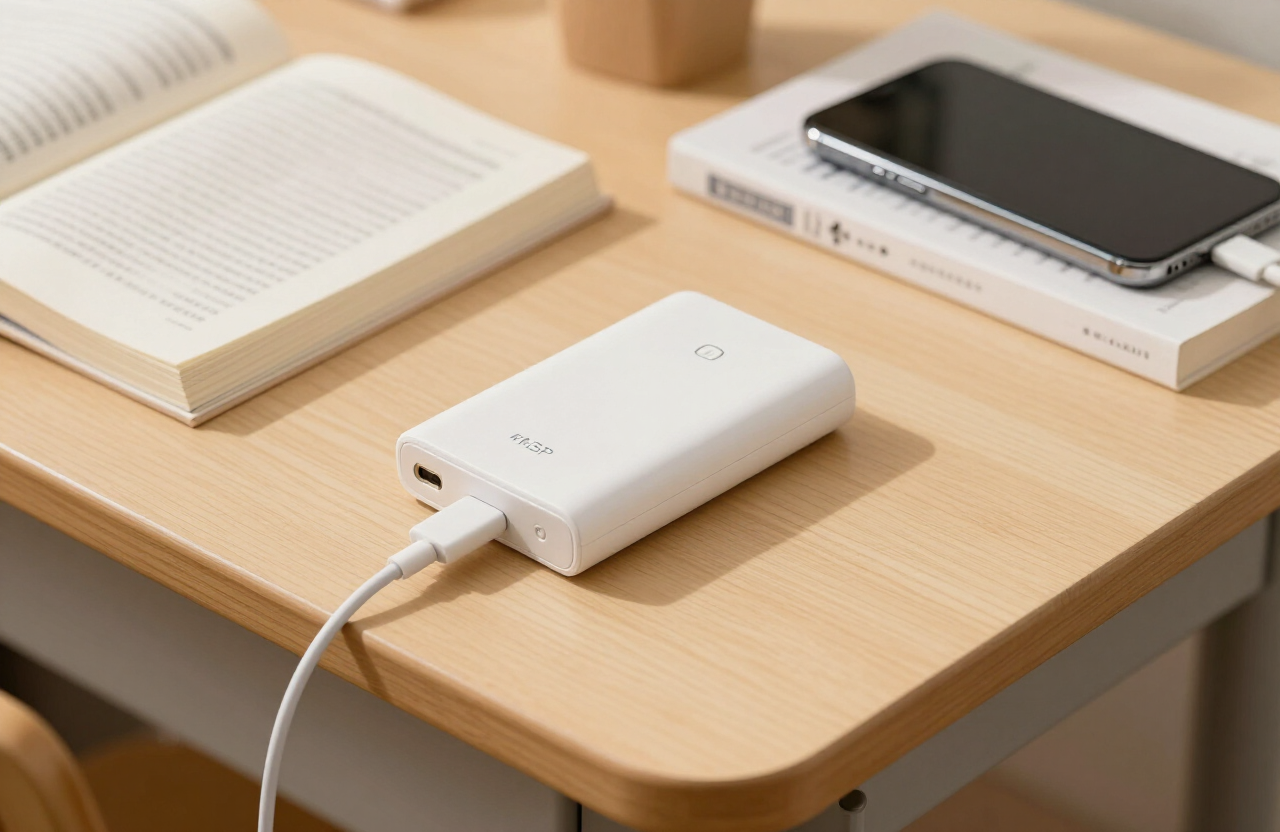
- Power: a power bank and a short cable
- First aid: a basic pouch plus any personal medications
- Documents: ID, insurance card, and emergency contacts on paper
See the full item list in our small-apartment kit guide.
The roommate plan
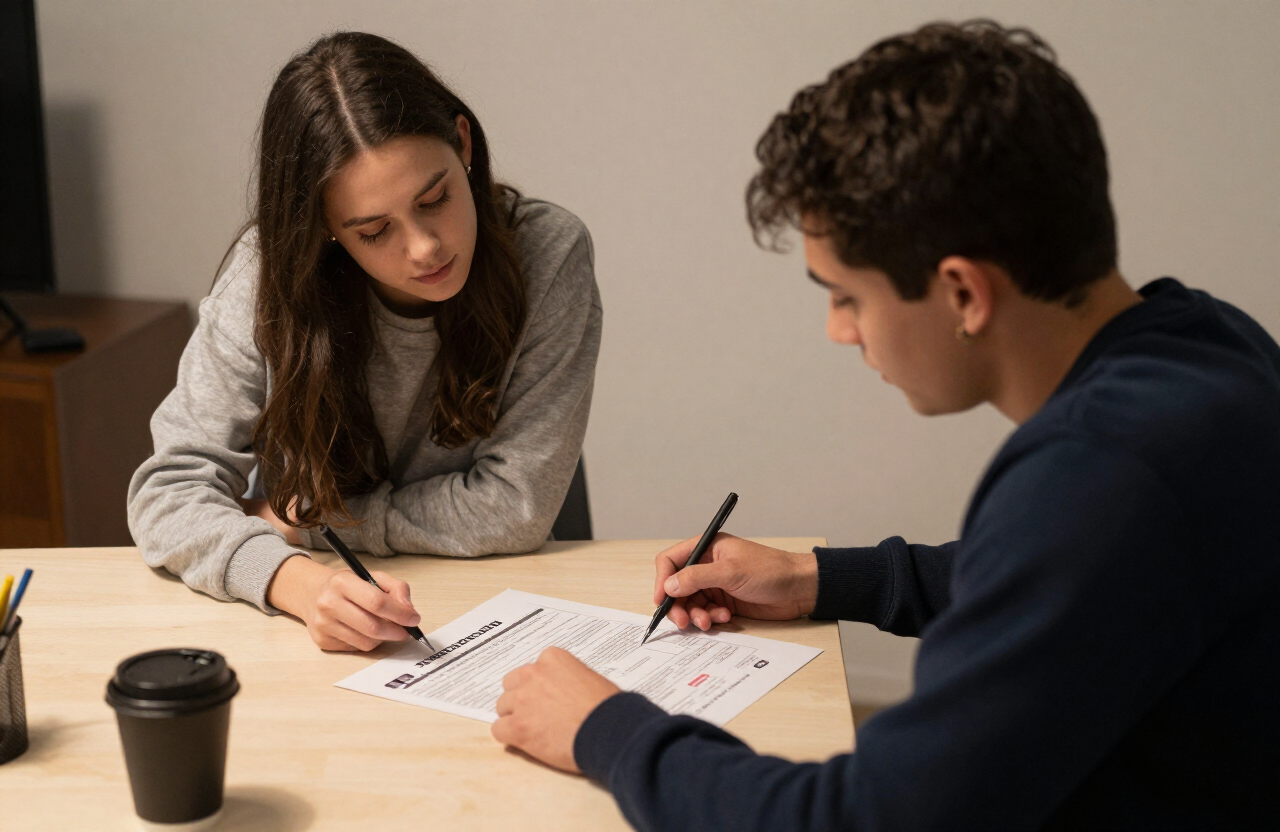
If you share an apartment, the plan has to be shared. Sit down once with your roommates and agree on the basics. It takes fifteen minutes and it is the part that matters most.
- Who grabs the go-bag and who accounts for pets or housemates
- A meeting point right outside the building
- A backup meeting point a block or two away
- An out-of-area contact everyone checks in with
- Where the kit lives and who keeps it stocked
Campus and community resources
College towns have resources that are easy to forget. Know them before you need them, and save the numbers on paper.
- Campus security or police non-emergency line
- The student health center and its after-hours number
- Your building resident advisor or housing office contact
- Local emergency management and shelter locations
- Your university alert sign-up if one exists
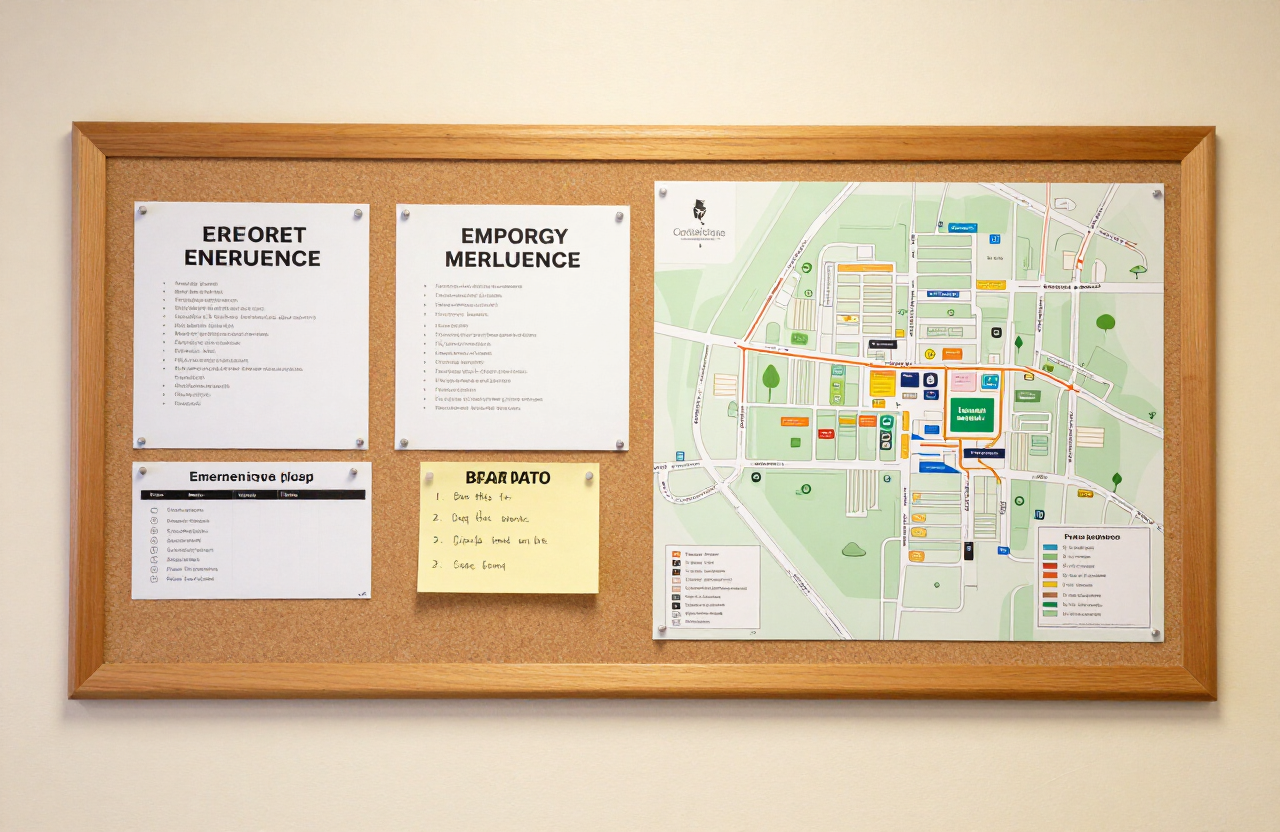
Sign up for your campus emergency alert system if one is offered. It is usually the fastest way to hear about closures, weather, or building issues.
Food and power on a student budget
A college food plan should be cheap and rotate through normal eating. Buy what you already snack on, and keep a few no-cook meals for outage days.
- Protein bars, peanut butter, and crackers
- Canned soup or chili and a manual can opener
- Shelf-stable milk or juice boxes
- Instant noodles if you can heat water on a permitted hot plate
- A few comfort snacks for morale
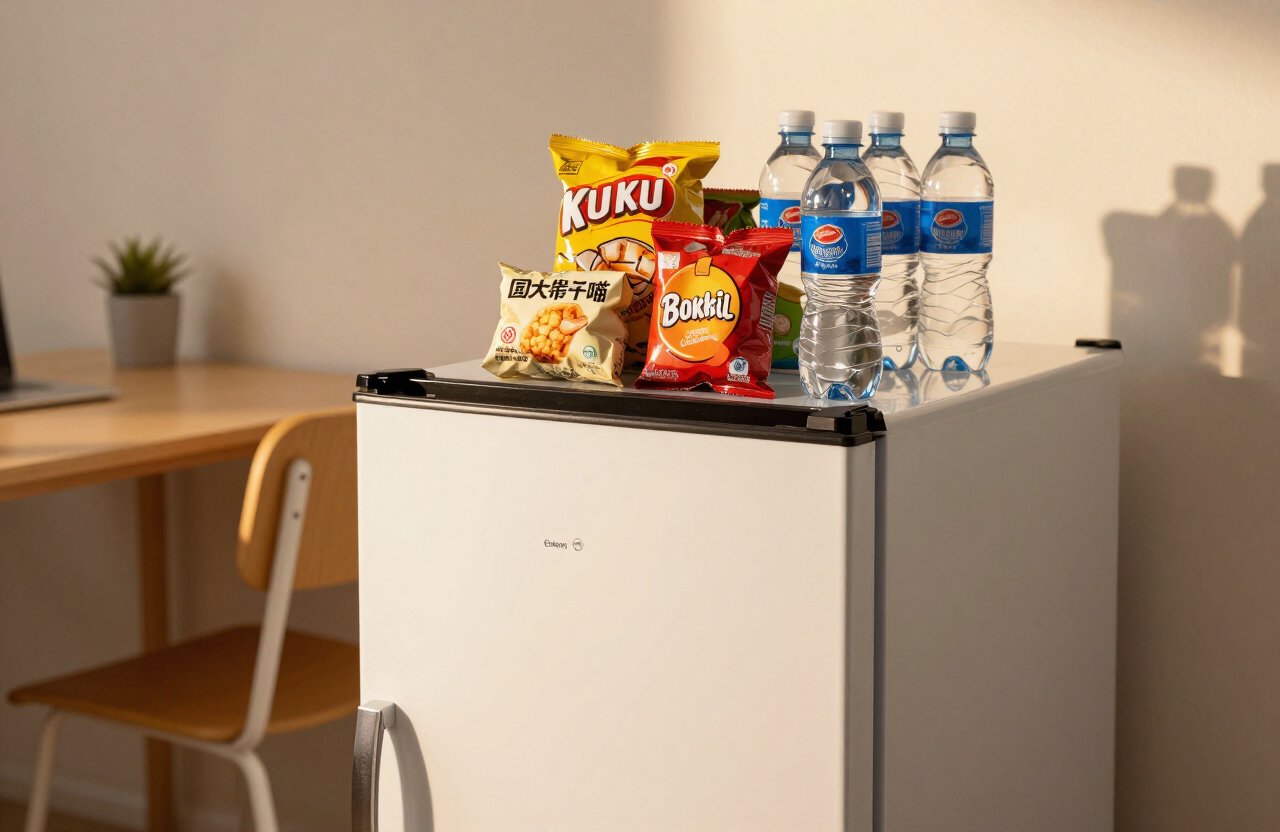
Keep a power bank charged for your phone, since a phone is your link to alerts, family, and campus security. A dead phone in a college apartment is a real problem during an outage.
Plan three days of meals with our no-cook meal plan.
What to keep by the door
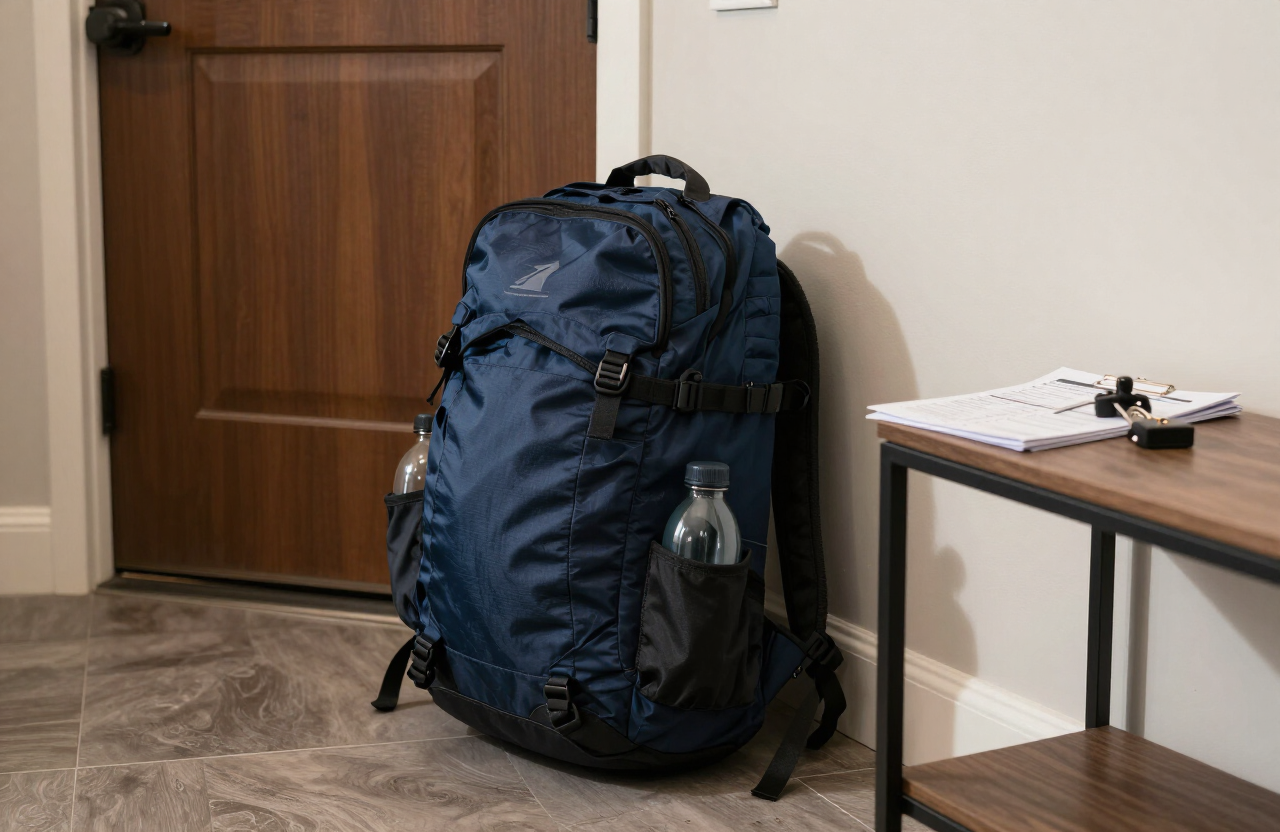
If you have to leave fast, a small go-bag by the door gets you out in under a minute. It does not need to be big.
- A water bottle and a few snacks
- Your ID, phone, and charger
- A flashlight and the power bank
- A warm layer and sturdy shoes
- Your emergency contact card
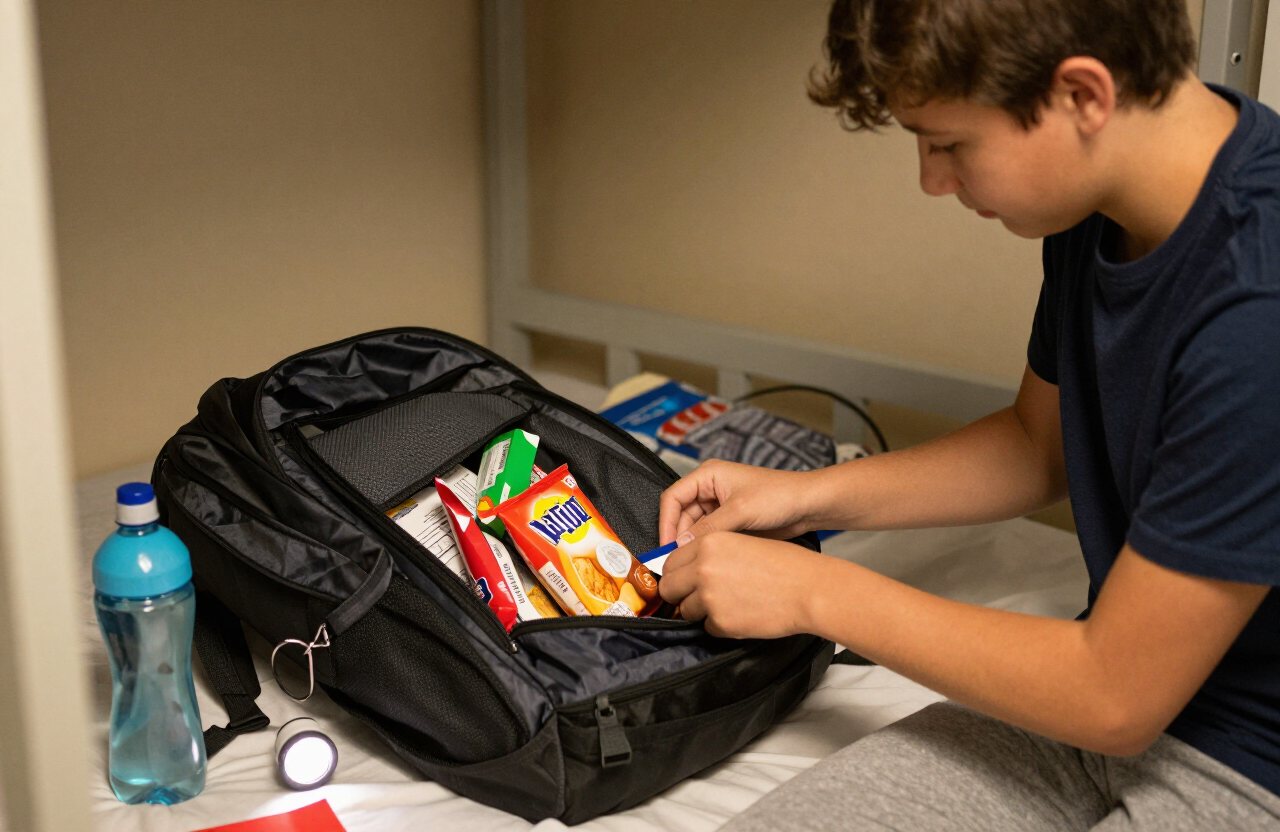
Build the full version with our apartment go-bag guide.
When home is far away
For many students, family is hours away and cannot help quickly. That makes your out-of-area contact and your local network more important.
- Pick one family member as your check-in contact
- Share your plan with them so they know your meeting points
- Identify a local friend or roommate family you can stay with
- Keep a little cash in small bills for when card systems are down
A college plan is light on gear and heavy on knowing your options. The kit is small. The plan is what gets you through.
Small Space Emergency editorial team
Frequently asked questions
Editorial note: this guide provides general preparedness information, not emergency, medical, legal, or engineering advice. Recommendations are cross-checked against public emergency-management guidance and adapted for small-space living. During an active emergency, follow your local authorities and emergency services. See our editorial standards and affiliate disclosure.