How to Test and Maintain Your Apartment Emergency Supplies
Testing and maintaining your apartment emergency supplies is the unglamorous half of preparedness. A kit you built three years ago and forgot about is barely a kit at all. The good news is that a simple six month check keeps everything ready without much effort, and it pairs perfectly with the daylight saving habit of checking your detectors.
Why maintenance matters
Emergency supplies expire. Water grows algae, food goes stale, batteries leak, and medications lose potency. A kit that worked the day you built it can quietly fail by the day you need it. A regular check is the only way to know it is ready.
Rotate water and food
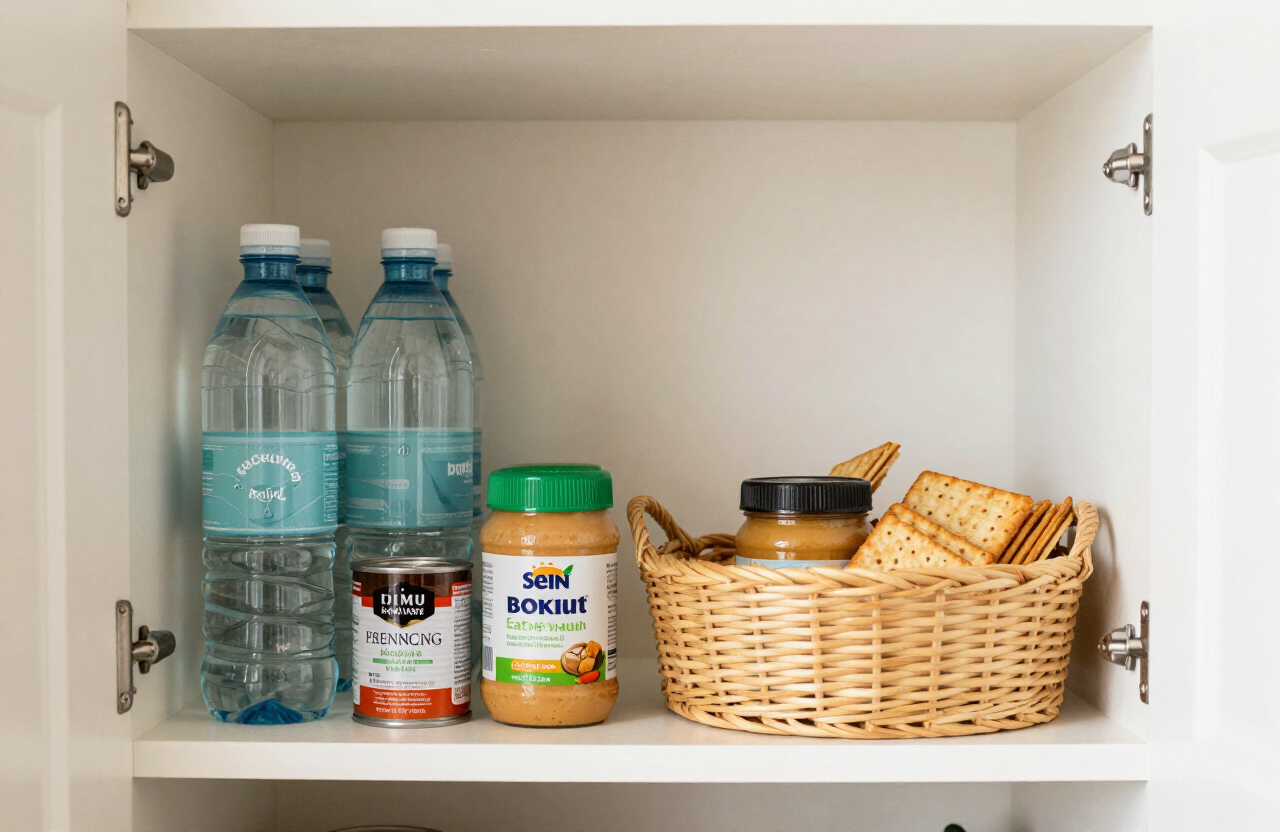
Water and food are the items most likely to go bad in storage. Set a rotation schedule so you use and replace them instead of throwing them out in six years.
- Replace stored tap water every six months
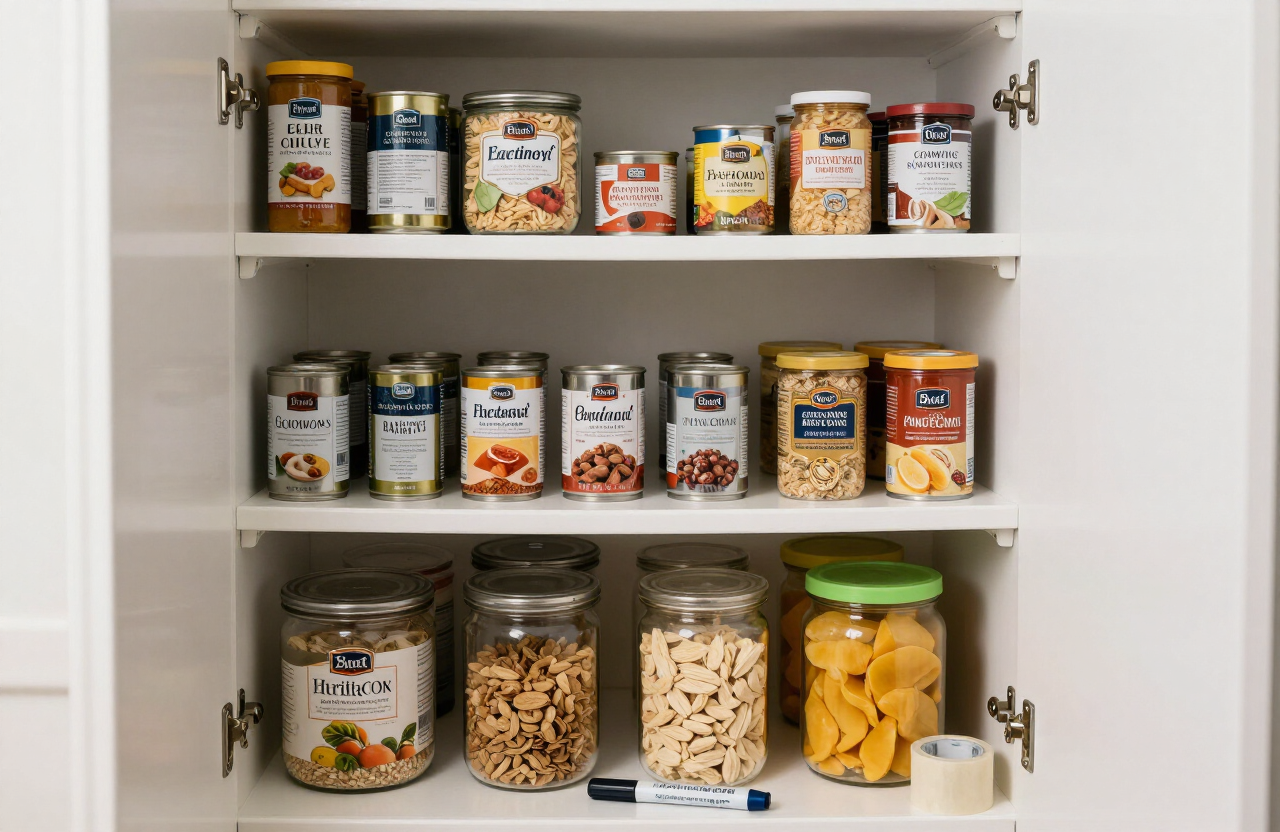
- Rotate emergency food into your regular pantry before it expires
- Check cans for dents, bulges, or rust, and toss any that show them
- Label every container with the date you stored it
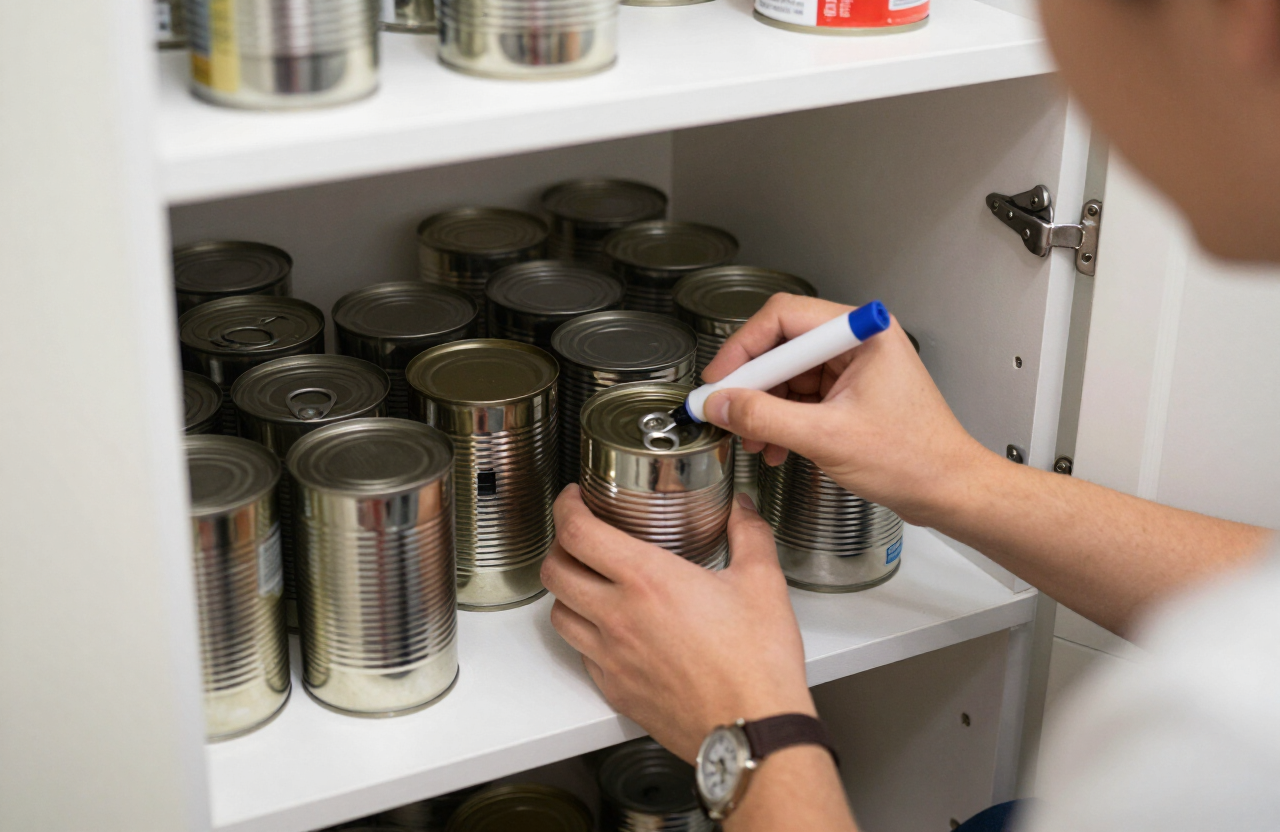
For the system behind this, see our guide to rotating an emergency food supply.
Test your lights and power
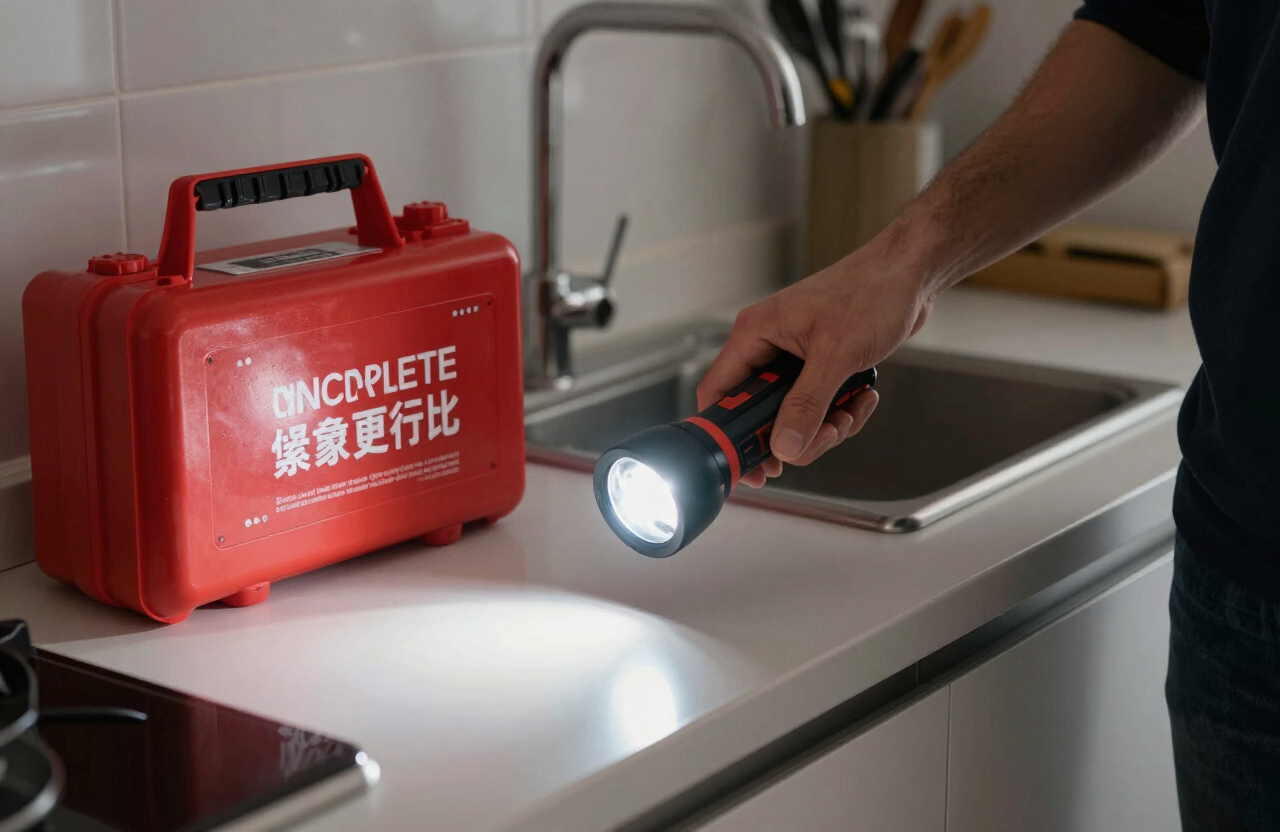
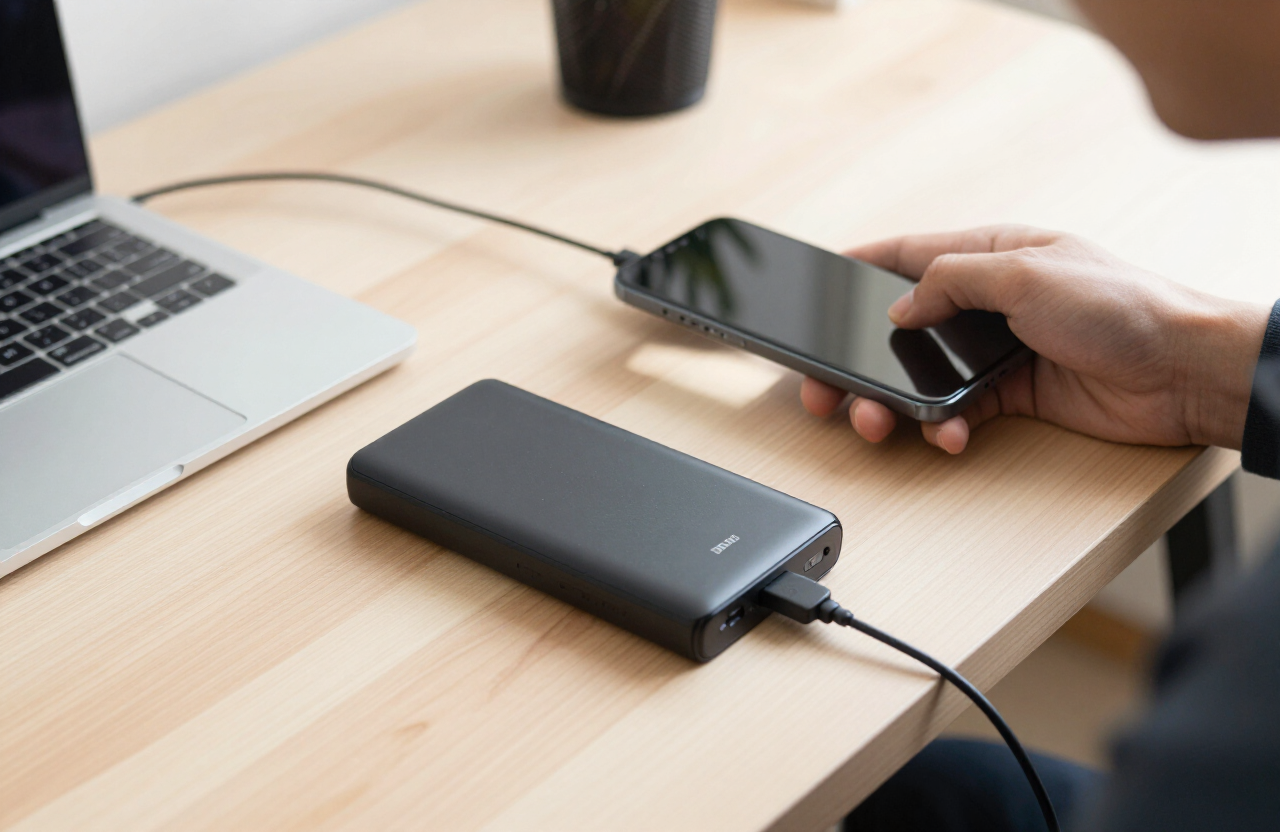
Flashlights and power banks die slowly in storage. A quick test every six months tells you what still works before you are fumbling in the dark.
- Turn on every flashlight and lantern to confirm it works
- Replace any leaking or corroded batteries right away
- Plug in each power bank and top it off
- Test your phone charger cables for fraying
Check your detectors
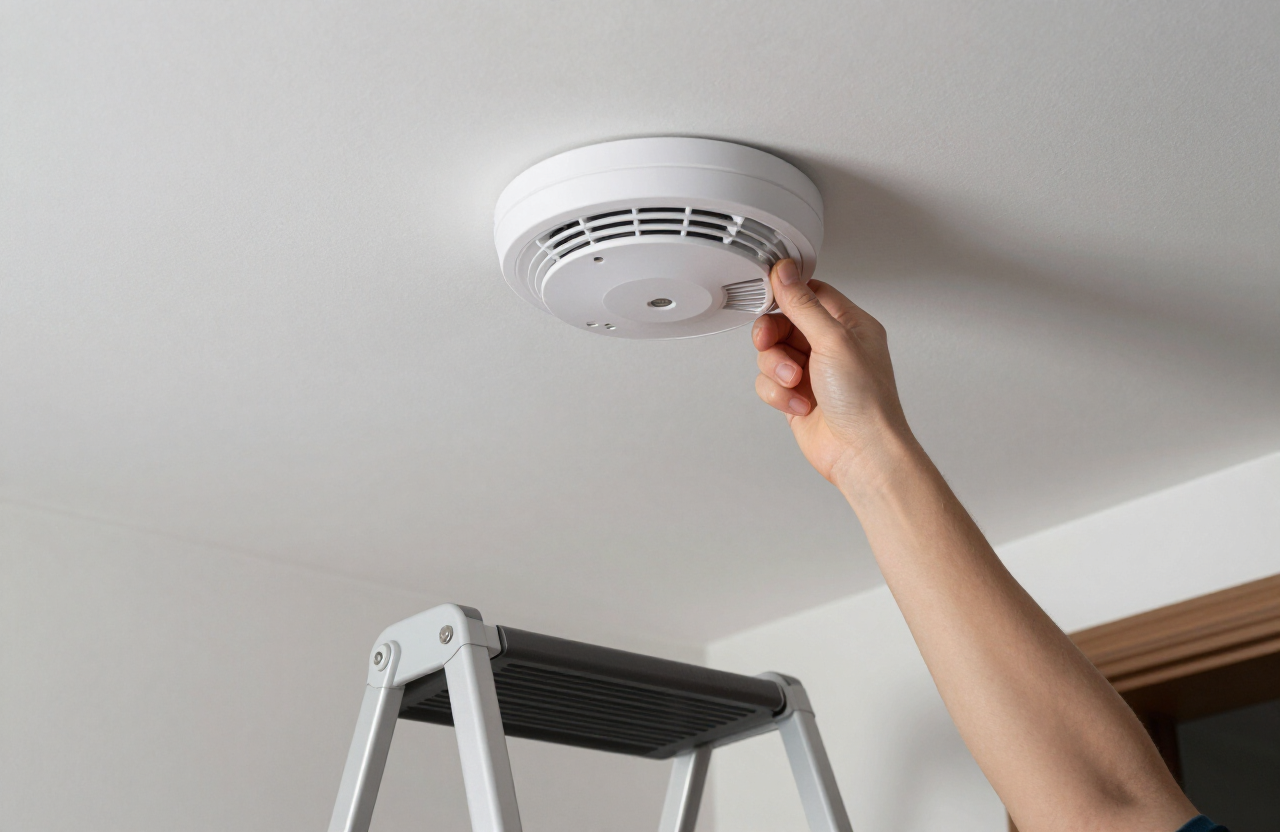
Smoke and carbon monoxide detectors are the most important safety devices in your apartment, and the easiest to forget. Tie their check to your supply rotation so it actually happens.
- Press the test button on every smoke and CO detector
- Replace batteries twice a year, a daylight saving habit works well
- Note the manufacture date and replace units over 10 years old
- Report any broken detector to your landlord in writing
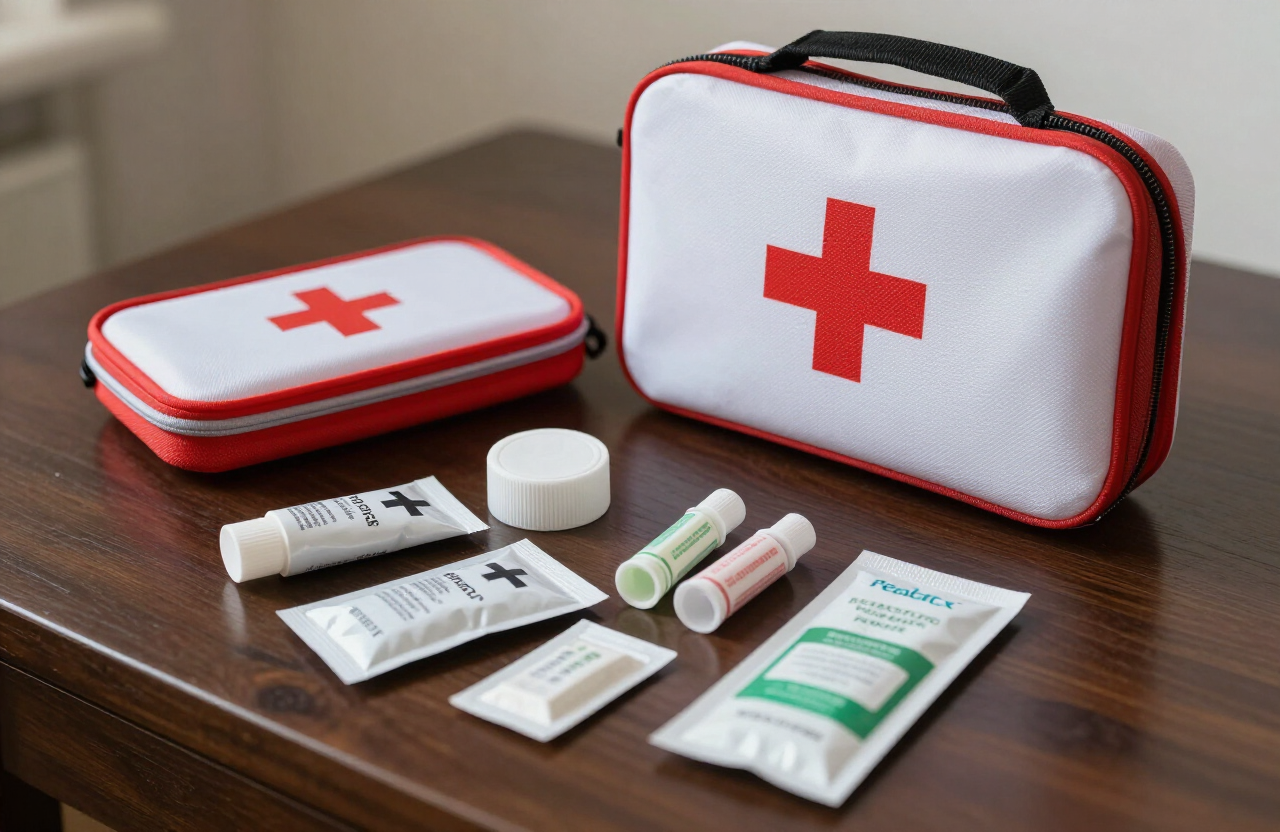
Refresh your first aid kit
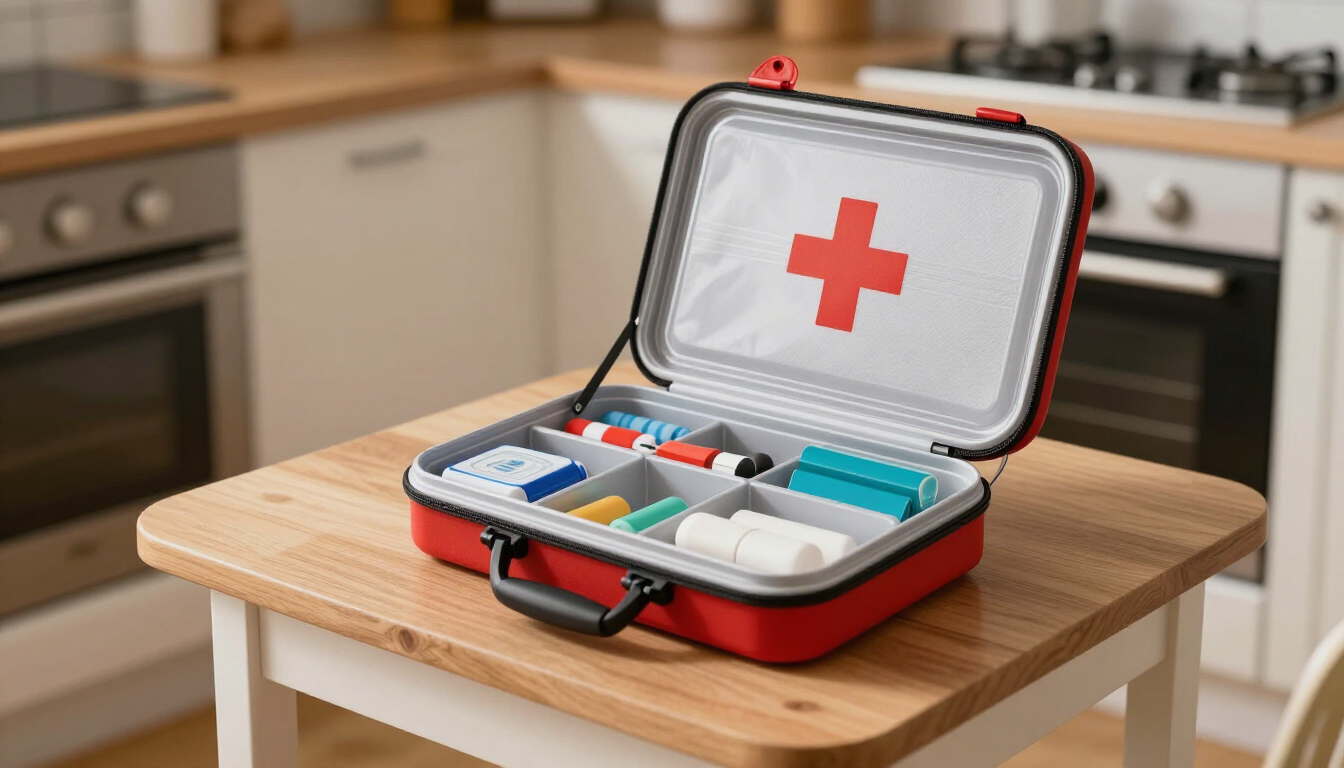
First aid supplies expire too, and they get used without being replaced. A quick inventory keeps your kit complete and current.
- Check expiration dates on ointments, antiseptics, and medications
- Replace any bandages or gauze that got used and not restocked
- Confirm your personal medications are still current
- Refill anything that is running low
Use a one page maintenance schedule
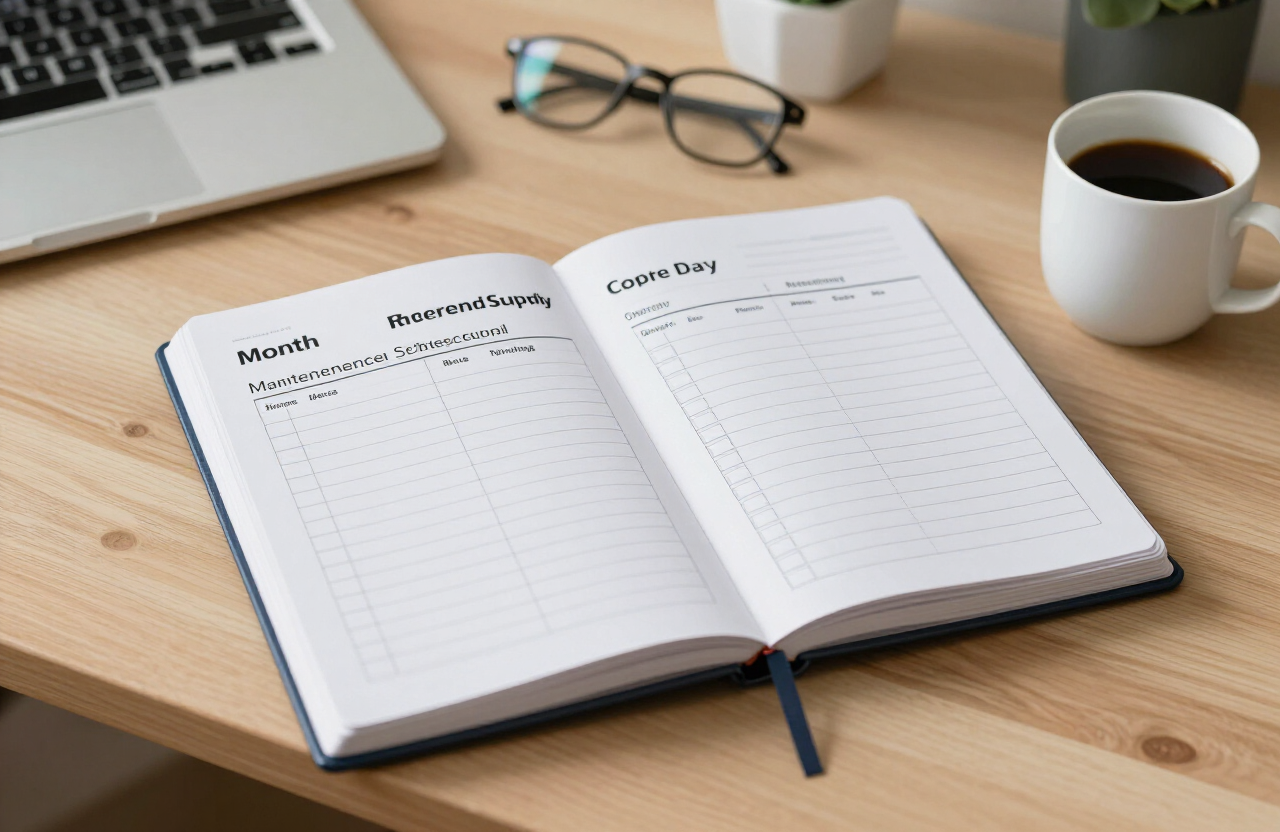
The easiest way to keep maintenance happening is to make it a checklist. Print one page with every task and a checkbox, and run through it twice a year. It takes about an hour and it keeps your kit honest.
| Task | Every 6 months |
|---|---|
| Rotate water | Yes |
| Rotate emergency food | Yes |
| Test flashlights and lanterns | Yes |
| Top off power banks | Yes |
| Test smoke and CO detectors | Yes |
| Replace detector batteries | Twice a year |
| Check first aid expiration dates | Yes |
| Update emergency contact list | Yes |
Frequently asked questions
Editorial note: this guide provides general preparedness information, not emergency, medical, legal, or engineering advice. Recommendations are cross-checked against public emergency-management guidance and adapted for small-space living. During an active emergency, follow your local authorities and emergency services. See our editorial standards and affiliate disclosure.