Carbon Monoxide Safety in Apartments for Renters
Carbon monoxide safety in an apartment comes down to one invisible fact: you cannot see, smell, or taste the gas, and in a sealed small space it can reach dangerous levels faster than most people realize. For renters, the fix is simple and cheap, and it mostly comes down to detectors and a short list of things you never burn indoors.
Why carbon monoxide is a renter problem
Carbon monoxide, or CO, is produced whenever fuel burns. In an apartment the usual sources are a gas stove, a gas furnace or water heater, a portable generator brought too close, or a car left running in an attached garage. Because apartments share walls and vents, a neighbors misuse can also reach your unit.
The gas replaces oxygen in your blood. Low exposure feels like the flu. Higher exposure causes confusion, loss of consciousness, and death, often while people sleep. The only reliable warning is a working detector.
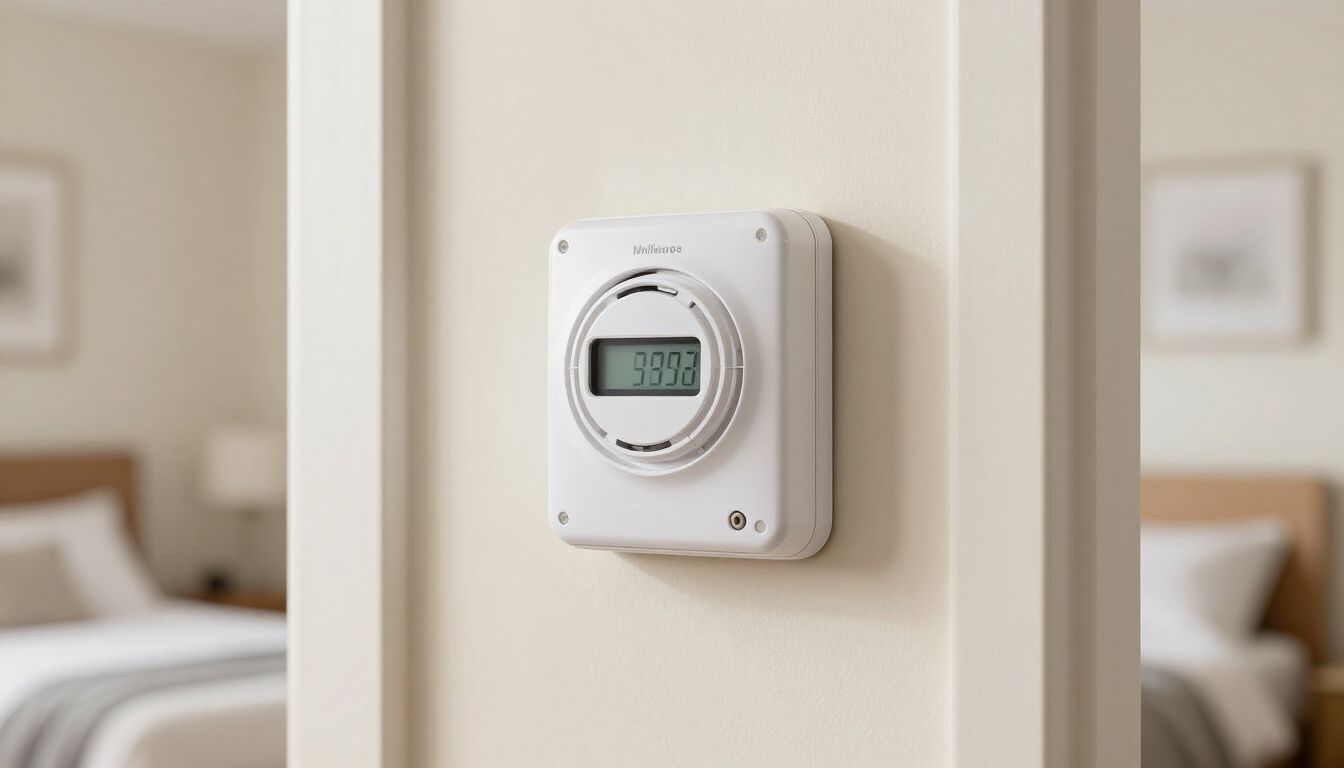
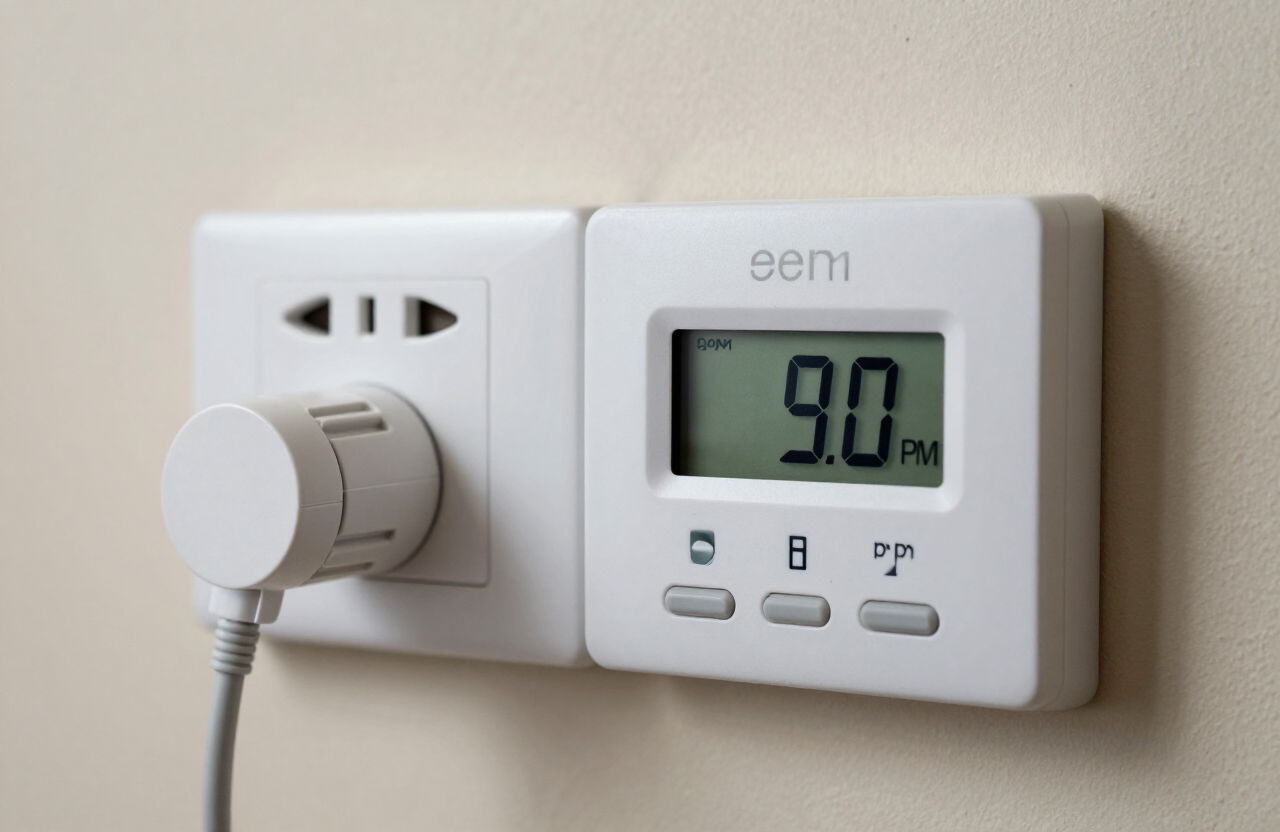
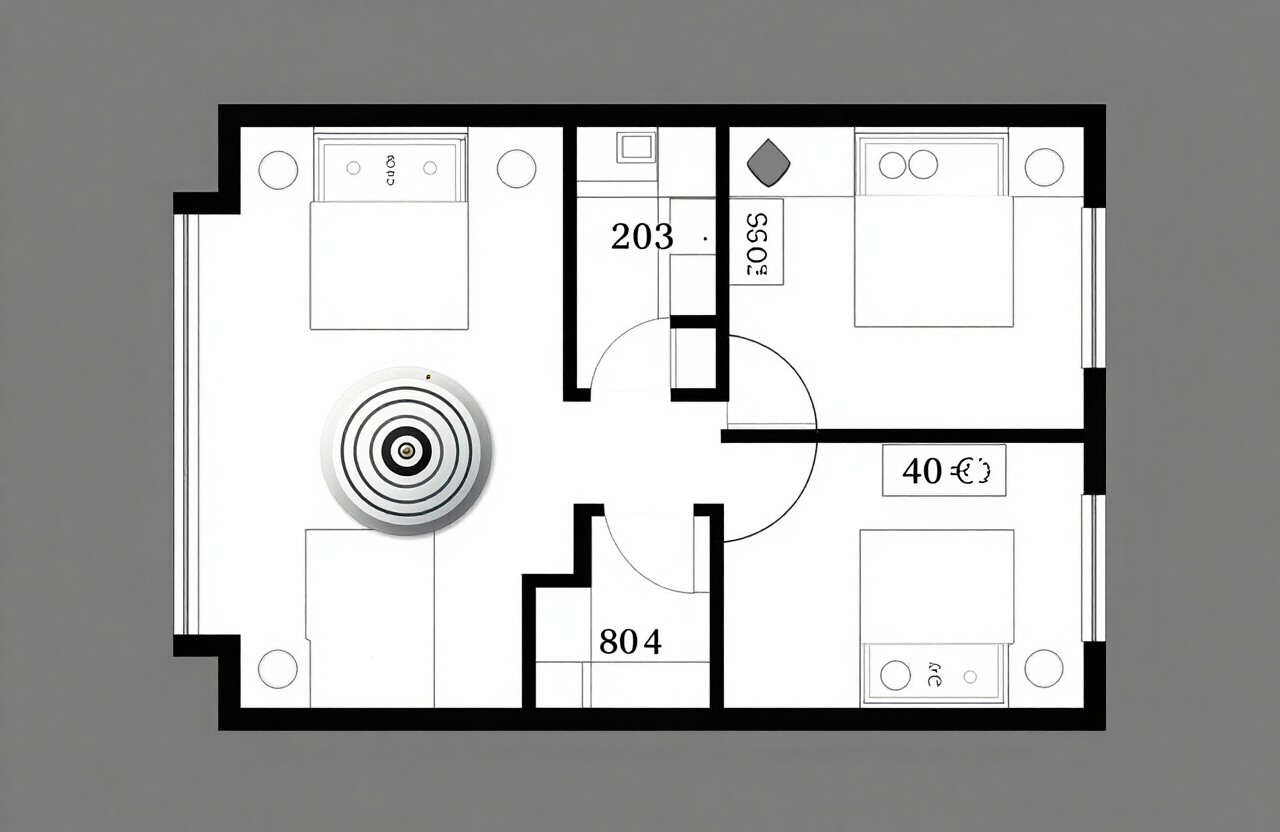
Where to place your detectors
Placement matters more than brand. A detector in the wrong spot will not wake you. Follow the same rules fire safety agencies recommend for homes, adjusted for a small apartment.
- One detector outside each sleeping area, close enough to wake you
- One on each floor, including near any fuel burning appliance
- At least 5 feet from any cooking or bathing area to avoid false alarms
- Not in a corner or behind furniture, where air does not circulate
What never to burn indoors
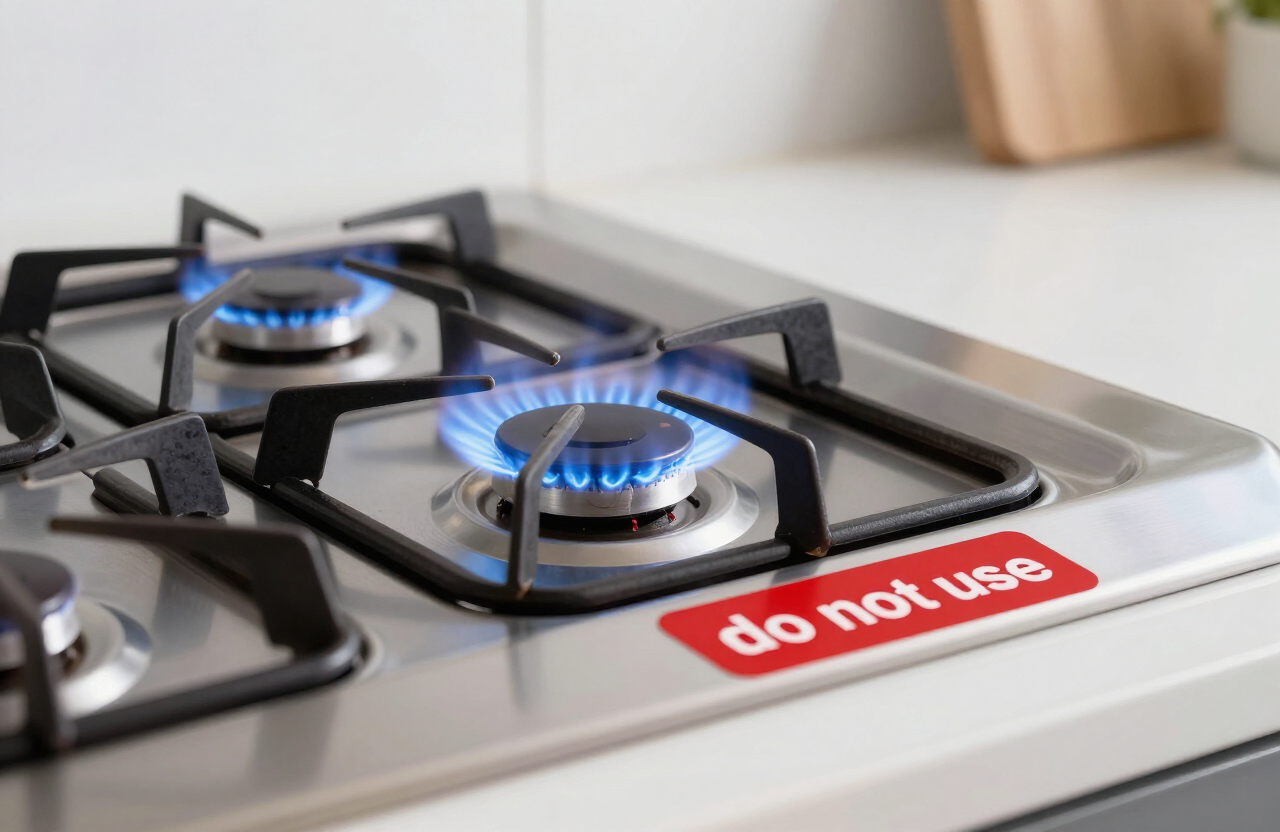
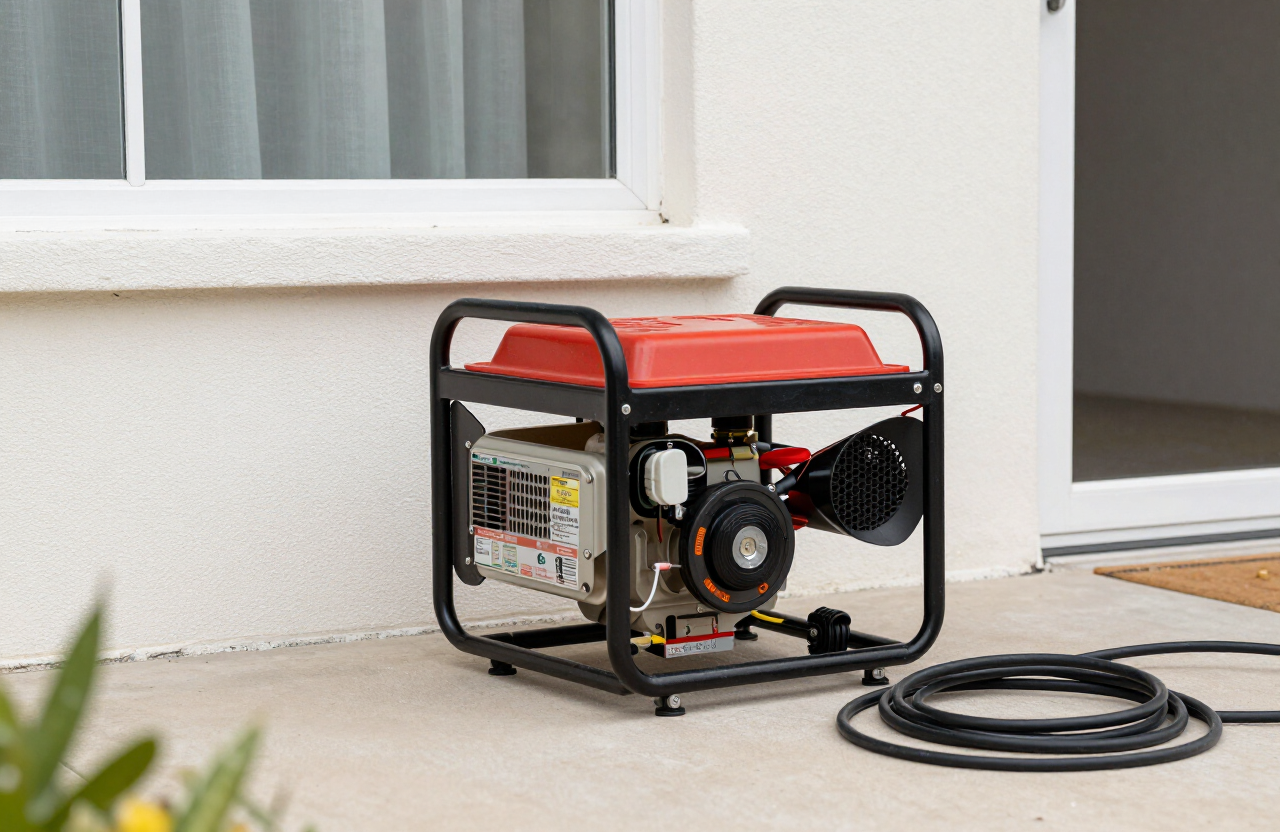
Almost every fatal apartment CO event traces back to someone using a fuel burning device inside. The rule is simple: if it burns fuel, it stays outside, far from windows and vents.
- Gas stoves and ovens are for cooking only, never for heating the apartment
- Charcoal and gas grills, camp stoves, and hibachis belong outdoors only
- Portable generators run outside, at least 20 feet from any window or door
- Candles and lanterns that burn fuel stay outside too
Know the symptoms
Because you cannot smell CO, your body is the backup warning system. Learn the symptoms and take them seriously, especially if several people feel them at once or if they ease when you step outside.
| Symptom | What it feels like |
|---|---|
| Headache | Dull, throbbing, often the first sign |
| Nausea | Upset stomach, sometimes vomiting |
| Dizziness | Unsteady, lightheaded, off balance |
| Confusion | Trouble thinking clearly, acting drunk without drinking |
| Sleepiness | Hard to stay awake, especially in children |
| Chest pain | Tightness, more dangerous for people with heart conditions |
When the alarm sounds
A CO alarm is not a maybe. Treat every alarm as real, because the gas gives no other warning. The steps are the same whether you feel fine or feel sick.
- 1Get everyone out immediately, including pets if you can reach them safely
- 2Leave the door open behind you to ventilate as you exit
- 3Move to fresh air away from the building
- 4Call 911 or your local fire department from outside
- 5Do not go back in until the fire department says it is safe
Renter specific steps
A few actions are specific to renting. They protect you and create a record if a problem traces back to building equipment.
- Ask your landlord in writing whether CO detectors are installed and tested
- Report any gas appliance that burns yellow or sooty instead of blue
- Note the location of your gas shutoff in case you smell raw gas
- Keep your own battery powered detector even if the building has hardwired ones
CO risk spikes during outages when people reach for unsafe heat. Pair this guide with our safe ways to stay warm during a winter outage.
Frequently asked questions
Editorial note: this guide provides general preparedness information, not emergency, medical, legal, or engineering advice. Recommendations are cross-checked against public emergency-management guidance and adapted for small-space living. During an active emergency, follow your local authorities and emergency services. See our editorial standards and affiliate disclosure.