Apartment Emergency Preparedness Checklist for New Renters
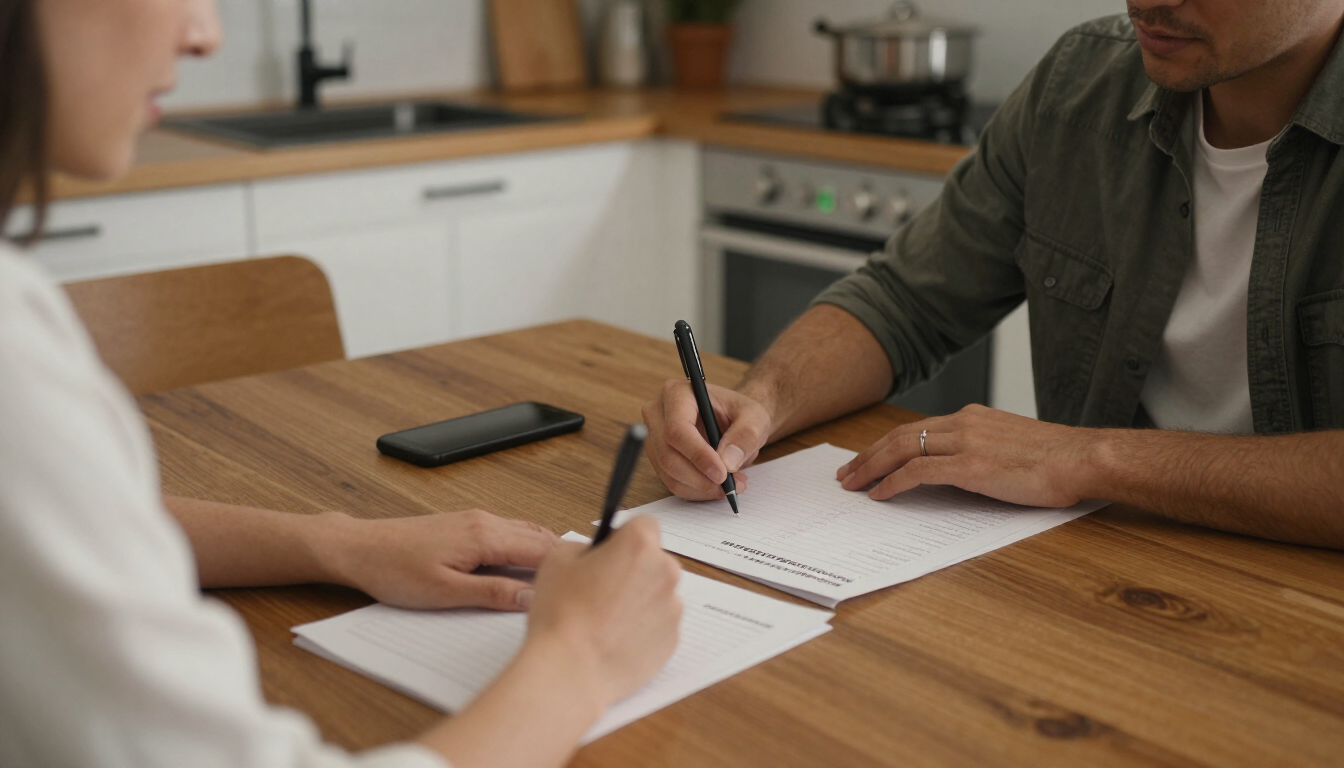
Apartment emergency preparedness for new renters is easiest to handle in the first week, before you finish unpacking and while you are still learning the building. A short move in checklist handled now means you never have to figure out where the water shutoff is while water is pouring across the floor. Here is the list to work through before you settle in.
Why the first week matters
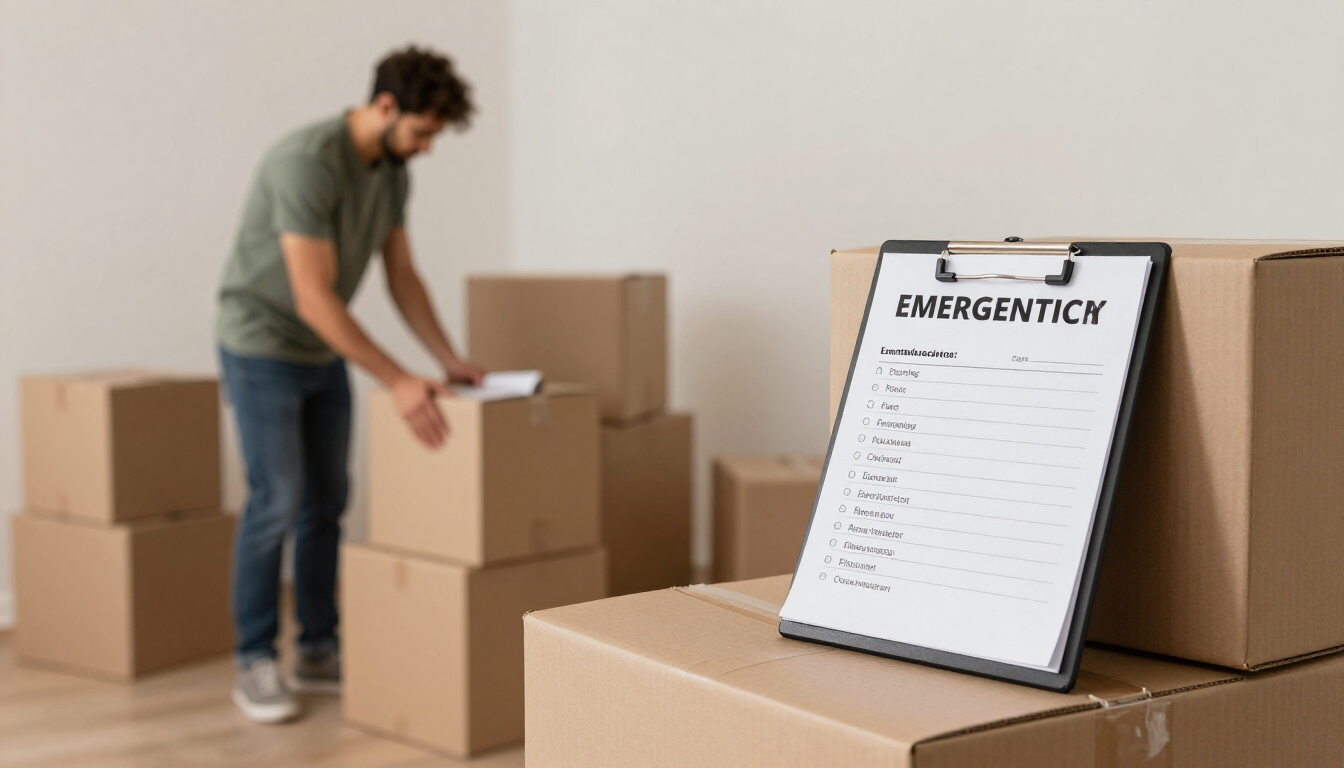
Once the boxes are unpacked and the pictures are hung, preparedness falls off the list. The first week is the moment you are already touching every room, every outlet, and every window. Add a few safety tasks to that momentum and you are done.
Test every detector
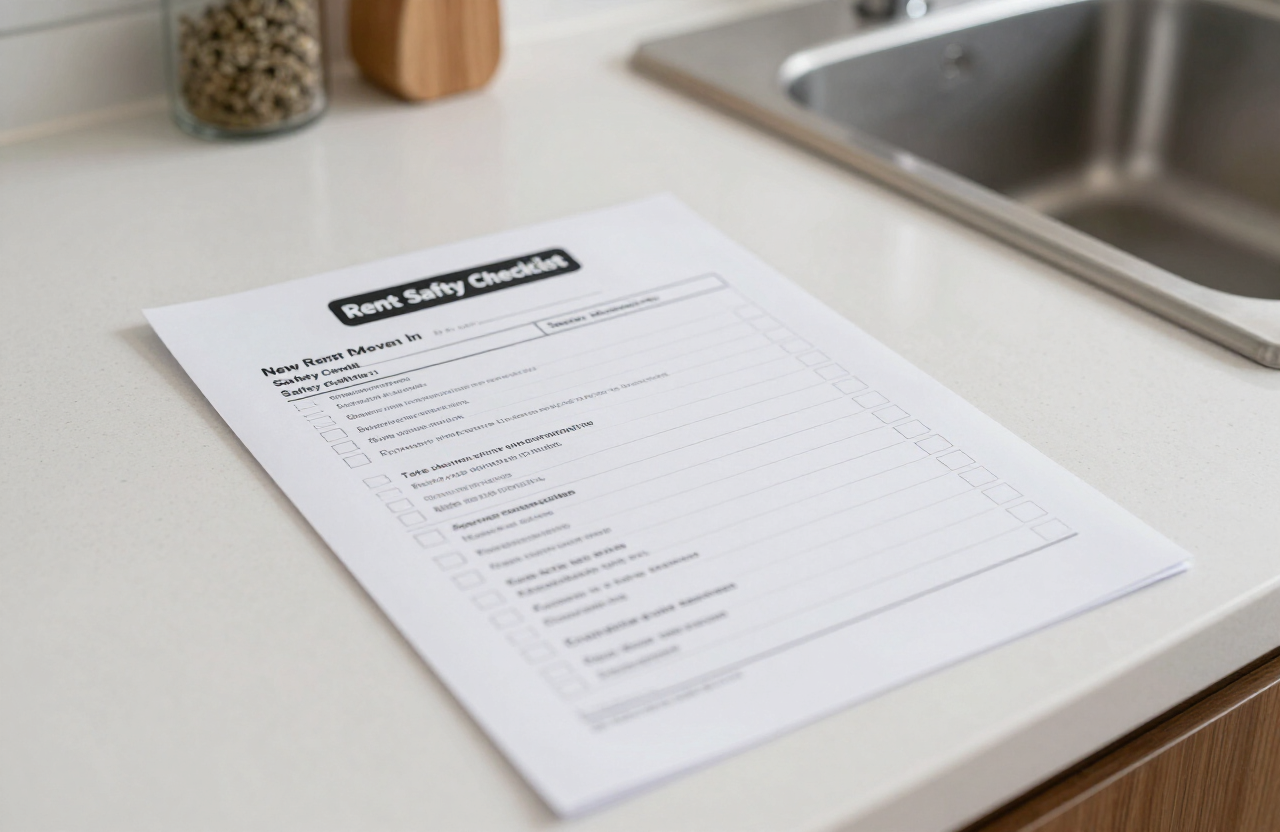
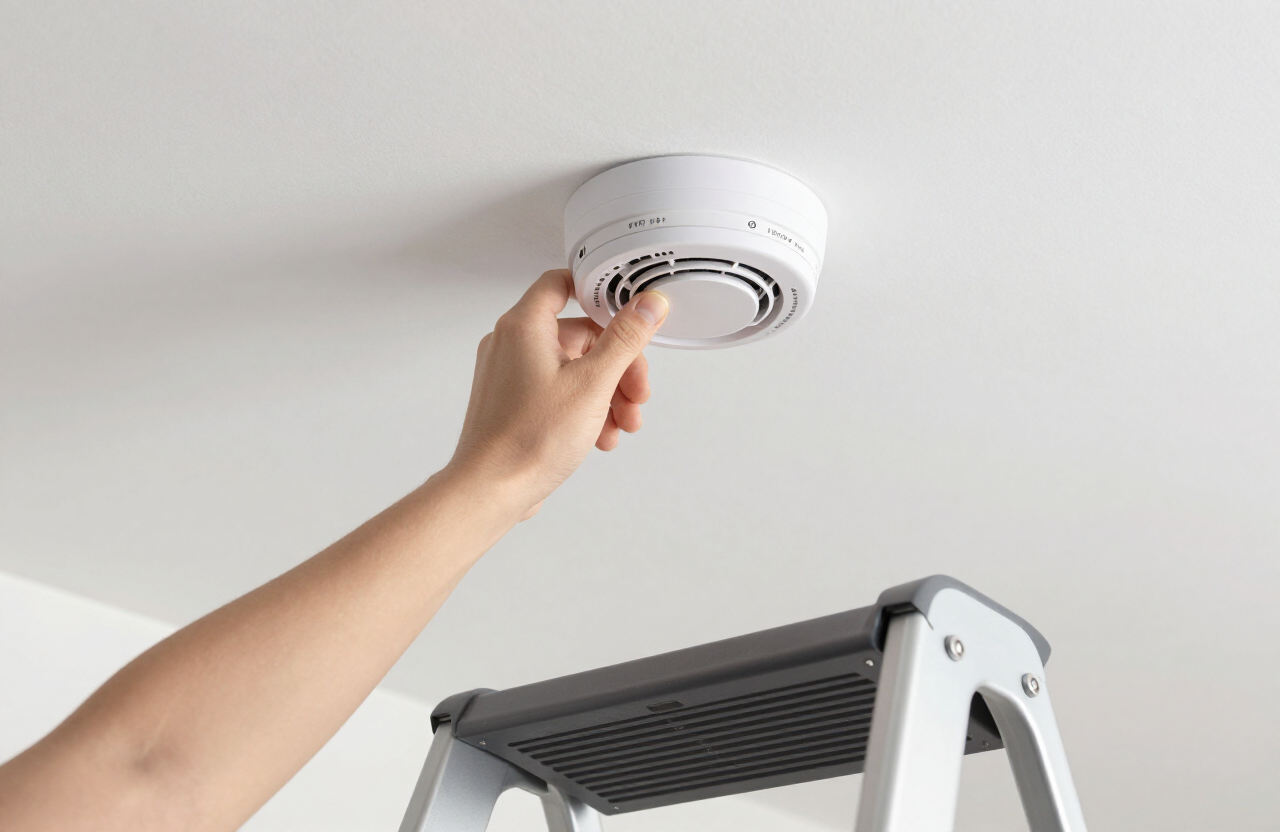
Your landlord should have installed working smoke and carbon monoxide detectors, but do not assume. Test each one on day one and report any problem in writing the same day.
- Press the test button on every smoke detector
- Test every carbon monoxide detector, especially near bedrooms
- Note the manufacture date on each unit
- Report dead, missing, or expired detectors to your landlord in writing
Find your shutoffs
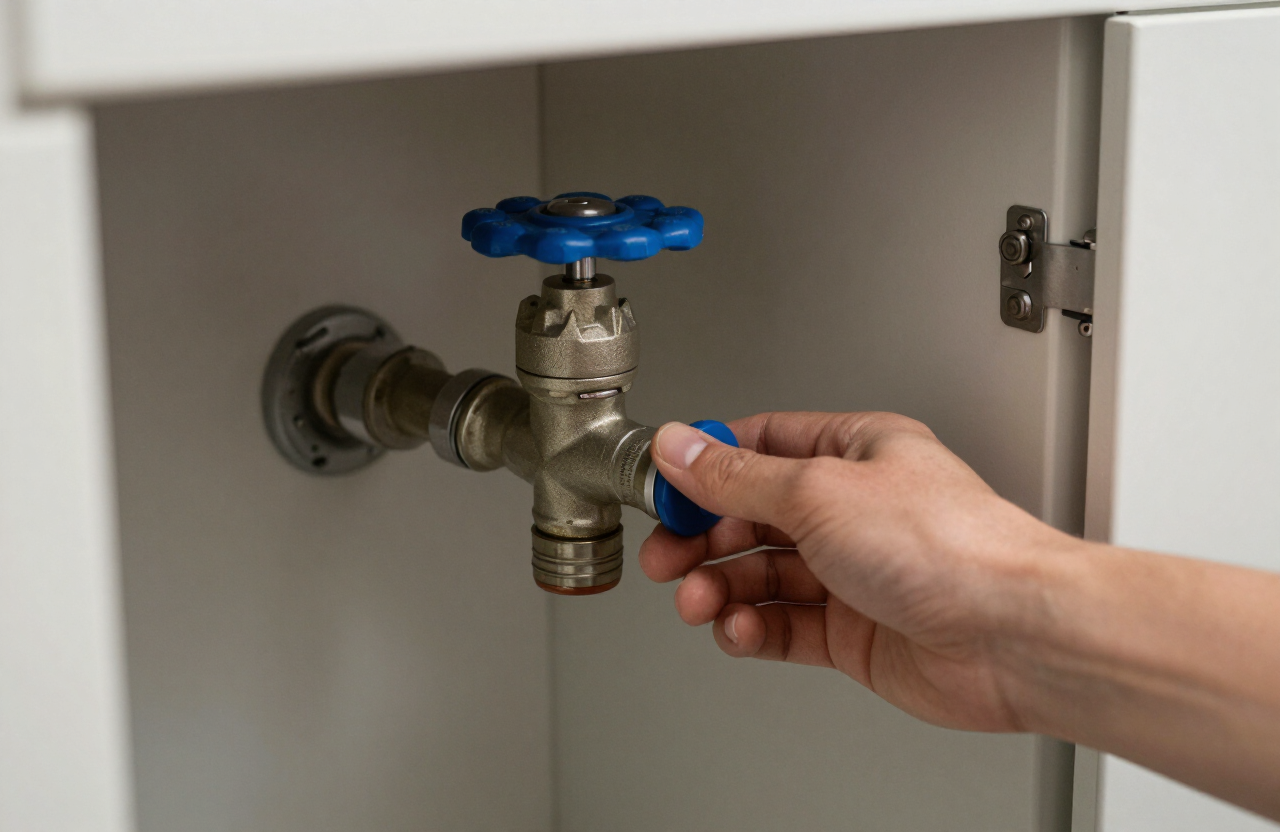
A burst pipe or a gas smell turns into a disaster fast if you do not know where the shutoffs are. Find them now, while nothing is wrong, and label them if you can.
- Locate the main water shutoff, often in a utility closet or under a sink
- Find the gas shutoff if your unit has gas, and keep a wrench nearby
- Find the breaker panel and label each circuit
- Take a photo of each so you remember what they look like
Map two ways out
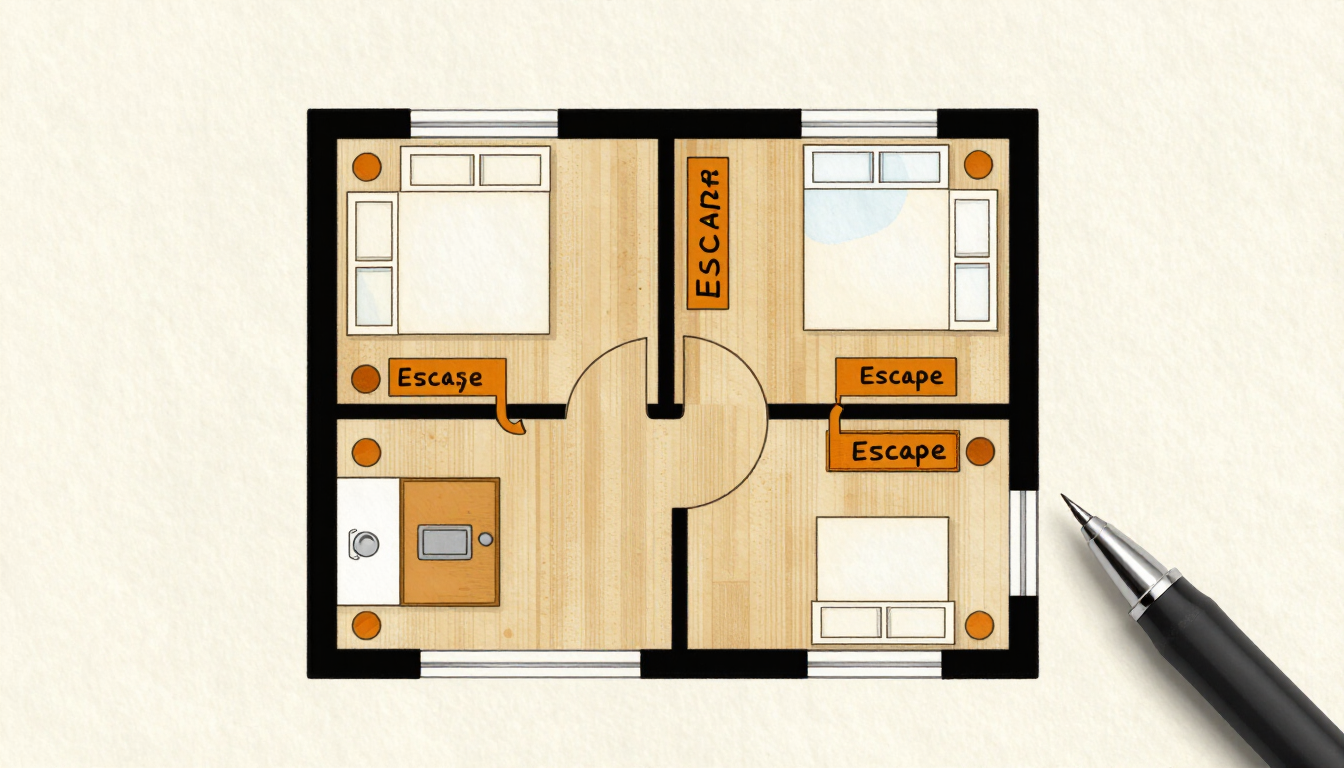
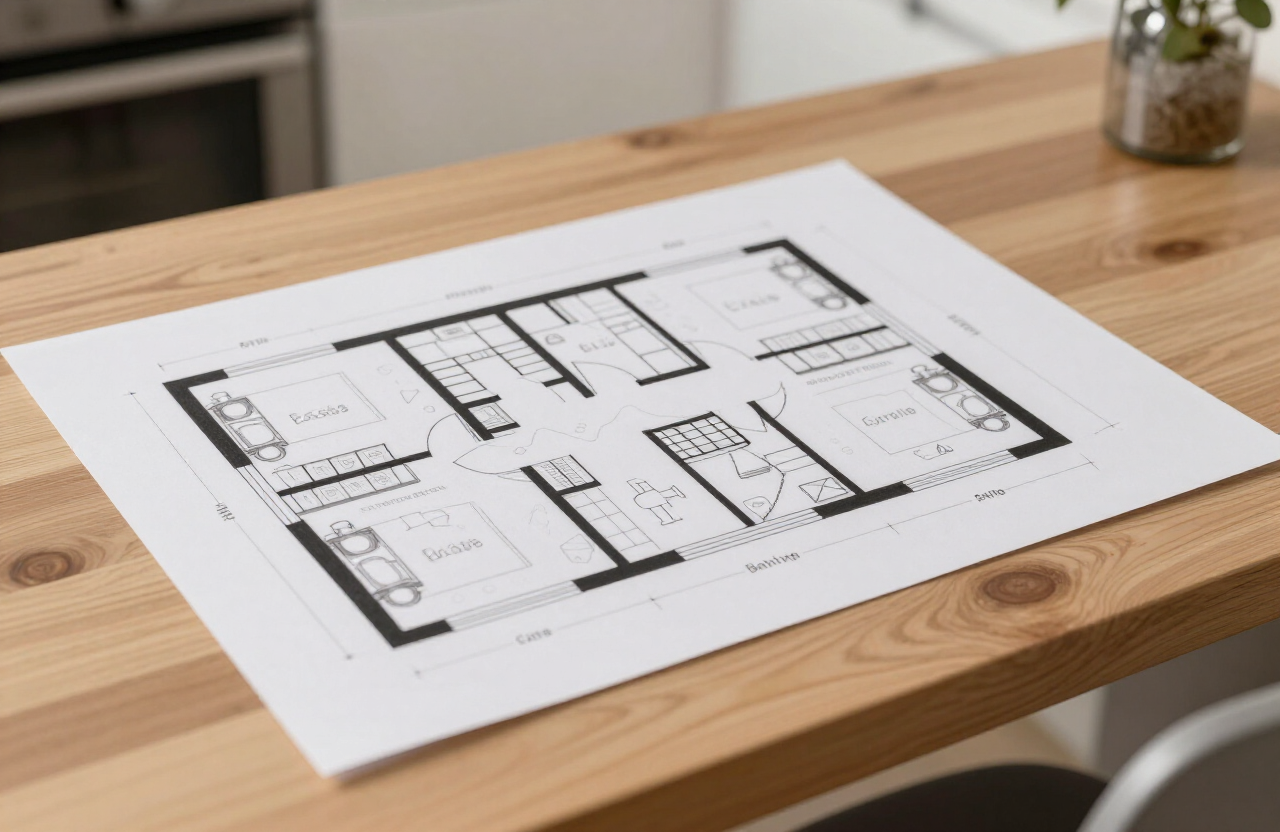
Before you arrange furniture, sketch a simple floor plan and mark two ways out of every room. It takes five minutes and it is the foundation of your fire escape plan.
- 1Draw a rough floor plan on one page
- 2Mark the front door route and a window route from each room
- 3Note where a fire escape ladder would go if you live above the ground floor
- 4Keep the plan on the fridge and one in your go bag
For the full escape plan, see our apartment fire escape guide.
Build a starter kit
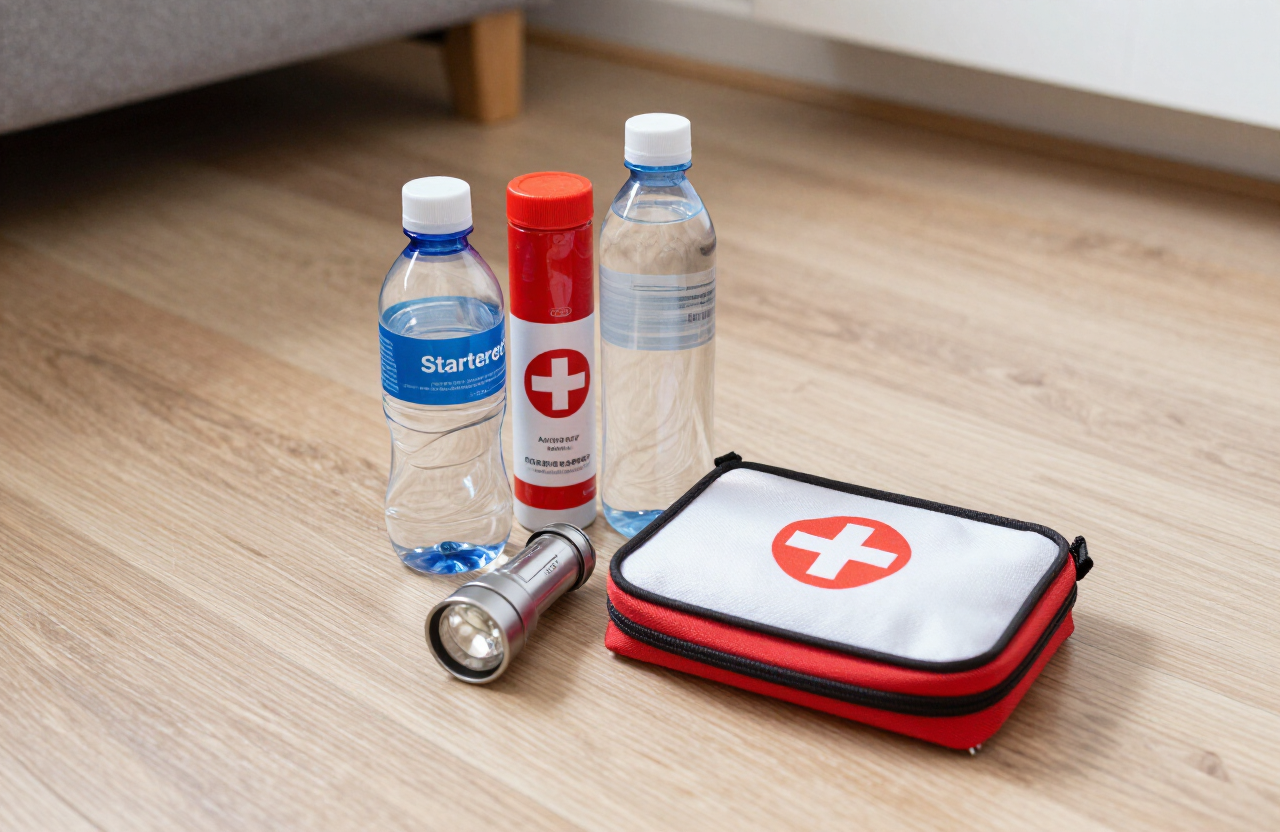
You do not need a full 72 hour kit on day one. A small starter kit covers the first outage or minor injury while you build out the rest over the lease.
- A few bottles of water and shelf stable snacks
- A basic first aid pouch
- A battery flashlight and spare batteries
- A phone power bank, charged
Save building and emergency contacts
When something goes wrong in a rental, your building manager and landlord are part of the response. Save their numbers now, along with your own emergency contacts, so you are not searching for them during a problem.
- Save your building manager and landlord numbers in your phone
- Add an after hours maintenance number if your building has one
- Save an out of area emergency contact
- Write a contact card for the fridge with the same numbers

Frequently asked questions
Editorial note: this guide provides general preparedness information, not emergency, medical, legal, or engineering advice. Recommendations are cross-checked against public emergency-management guidance and adapted for small-space living. During an active emergency, follow your local authorities and emergency services. See our editorial standards and affiliate disclosure.