How to Make an Emergency Communication Plan for Renters
An emergency communication plan for renters answers the one question that matters most when something goes wrong: how will the people who care about you find out you are safe? In an apartment, with neighbors you may not know and a building you do not control, a short written plan made now saves a lot of fear later.

Why a plan beats hoping
During a real emergency, local cell towers often overload or lose power. Texts get through when calls do not, and a single out of area contact can relay messages between family members who cannot reach each other directly. A plan turns a chaotic hour into a few calm texts.
Pick one out of area contact
Local networks fail first. A contact in another city or state is often easier to reach during a regional disaster, and they can become the hub that relays updates between everyone in your household.
- Choose one person outside your region who will not be affected by the same event
- Make sure every member of your household has their number saved and written down
- Ask the contact if they are willing to play this role
- Agree that everyone checks in with this person first after an emergency

Set up ICE contacts on every phone
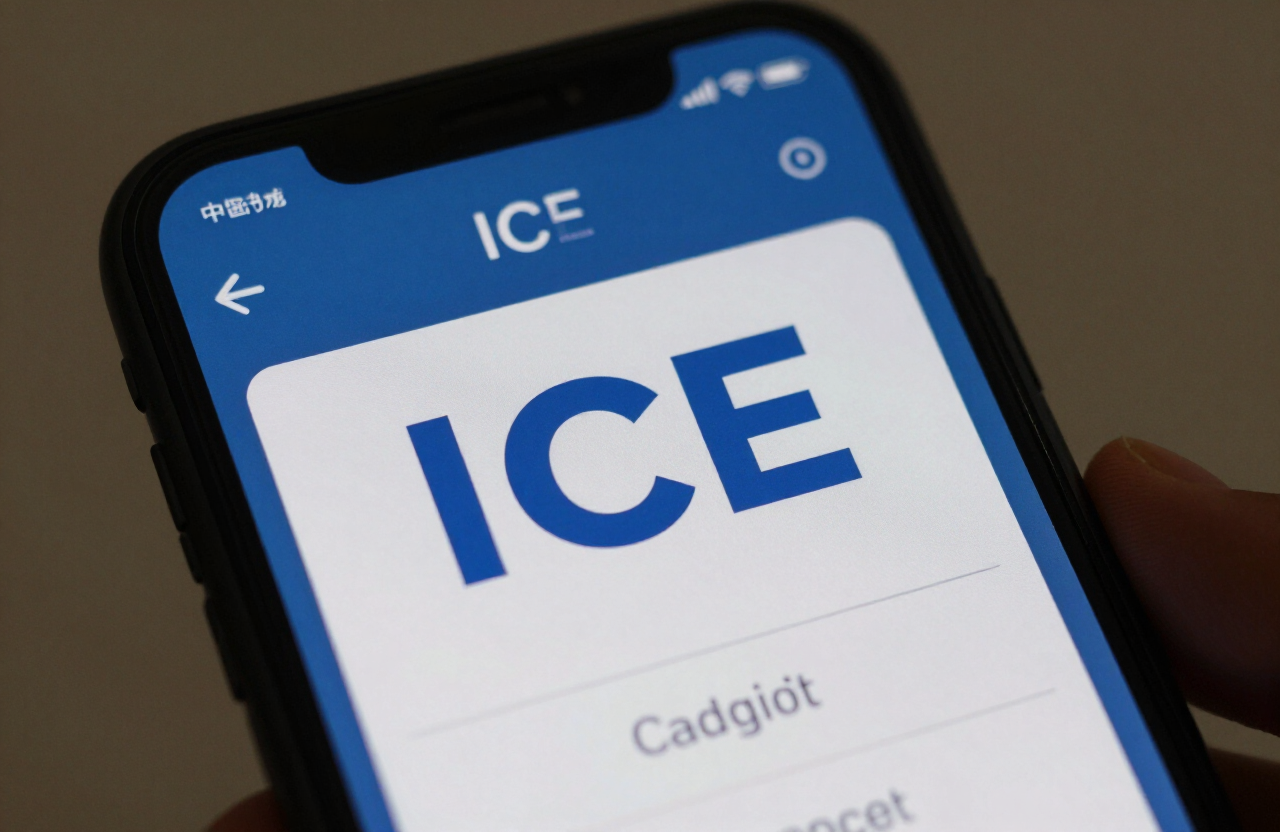
ICE stands for In Case of Emergency. First responders are trained to look for ICE contacts in a phone that is unlocked or accessible. Setting them up takes two minutes and can speak for you when you cannot.
- 1Add a contact named ICE followed by a name, such as ICE Mom
- 2Include their phone number and relationship
- 3Add a second ICE contact in case the first is unreachable
- 4List any medical conditions or allergies in the notes field
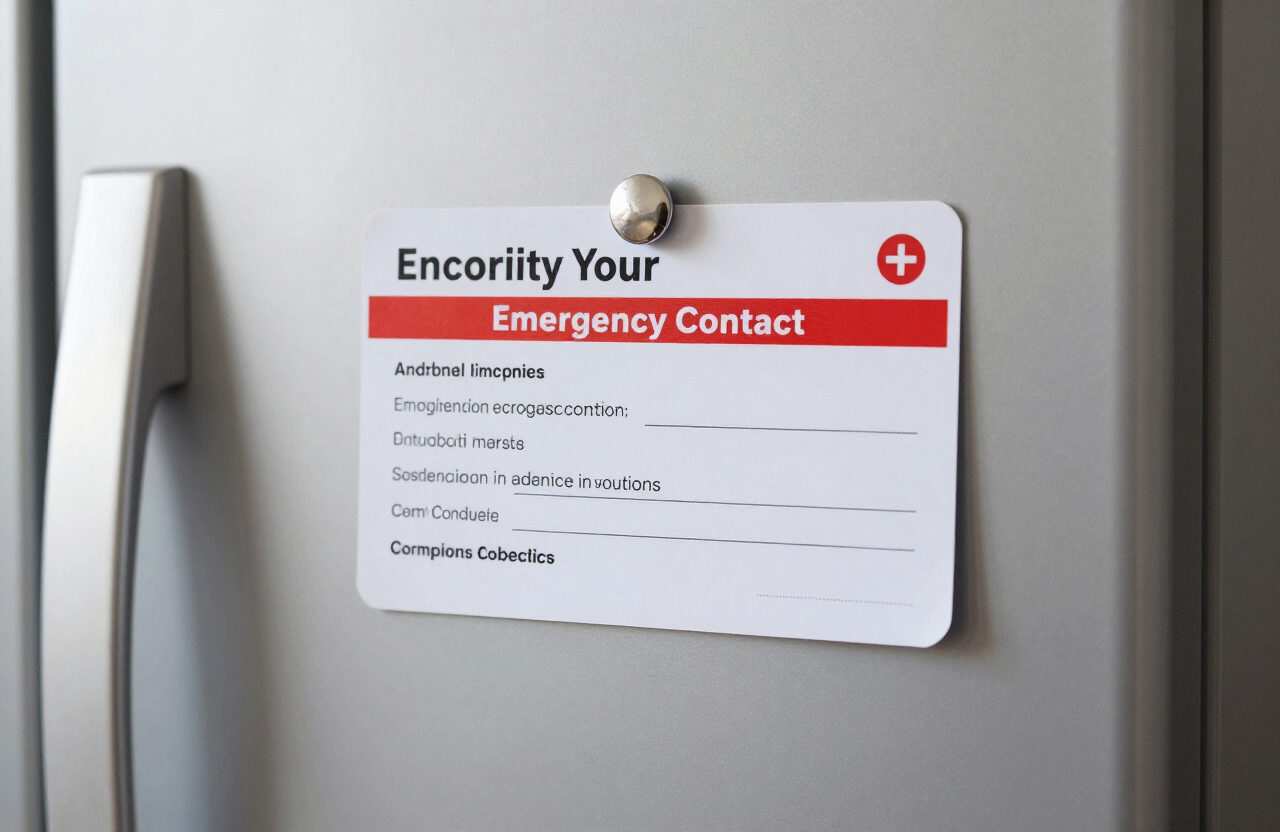
Write a contact card for the fridge
Phones die and get left behind. A single printed card with the numbers that matter is the backup that never runs out of battery. Put it where everyone, including a babysitter or guest, can see it.
- 911 and your local non emergency line
- Your out of area contact and a backup
- Your building manager or landlord number
- A nearby neighbor you trust
- Doctors, pharmacy, and an emergency contact
Agree on a meeting point
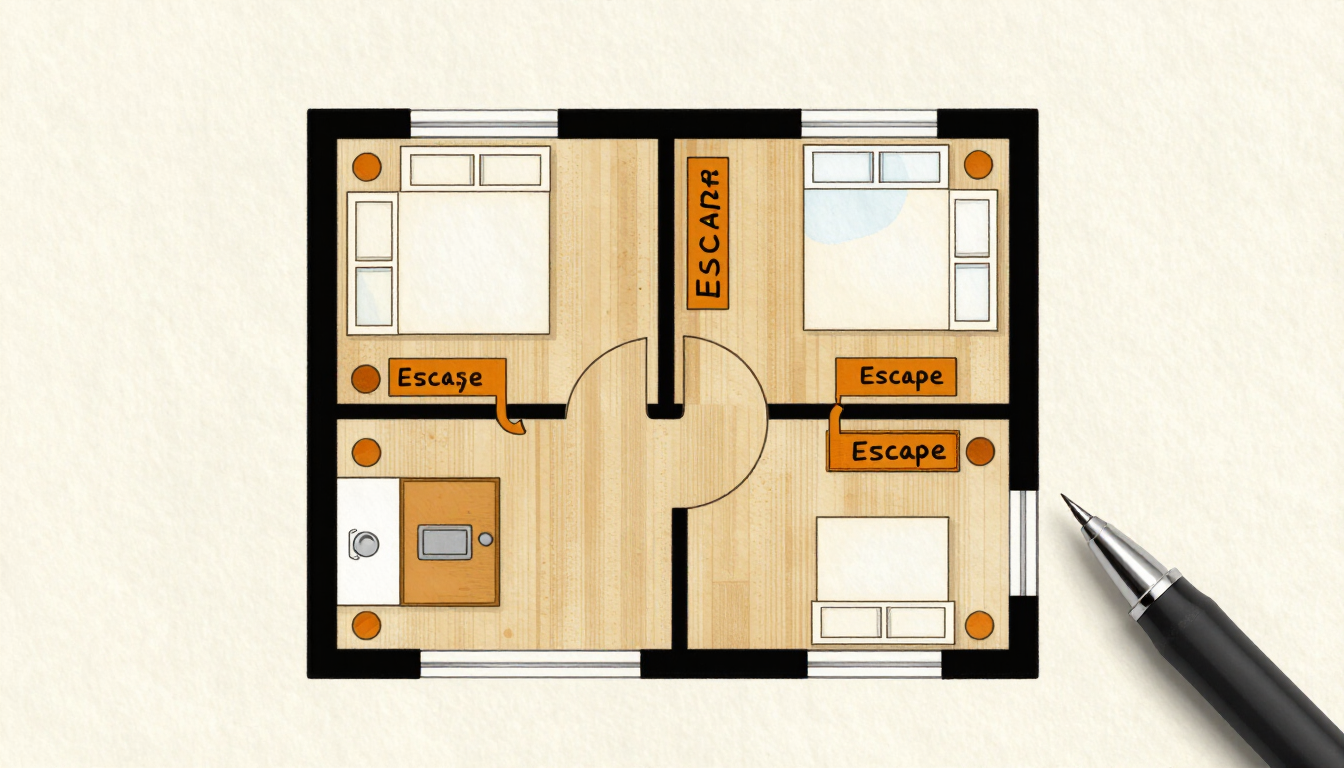
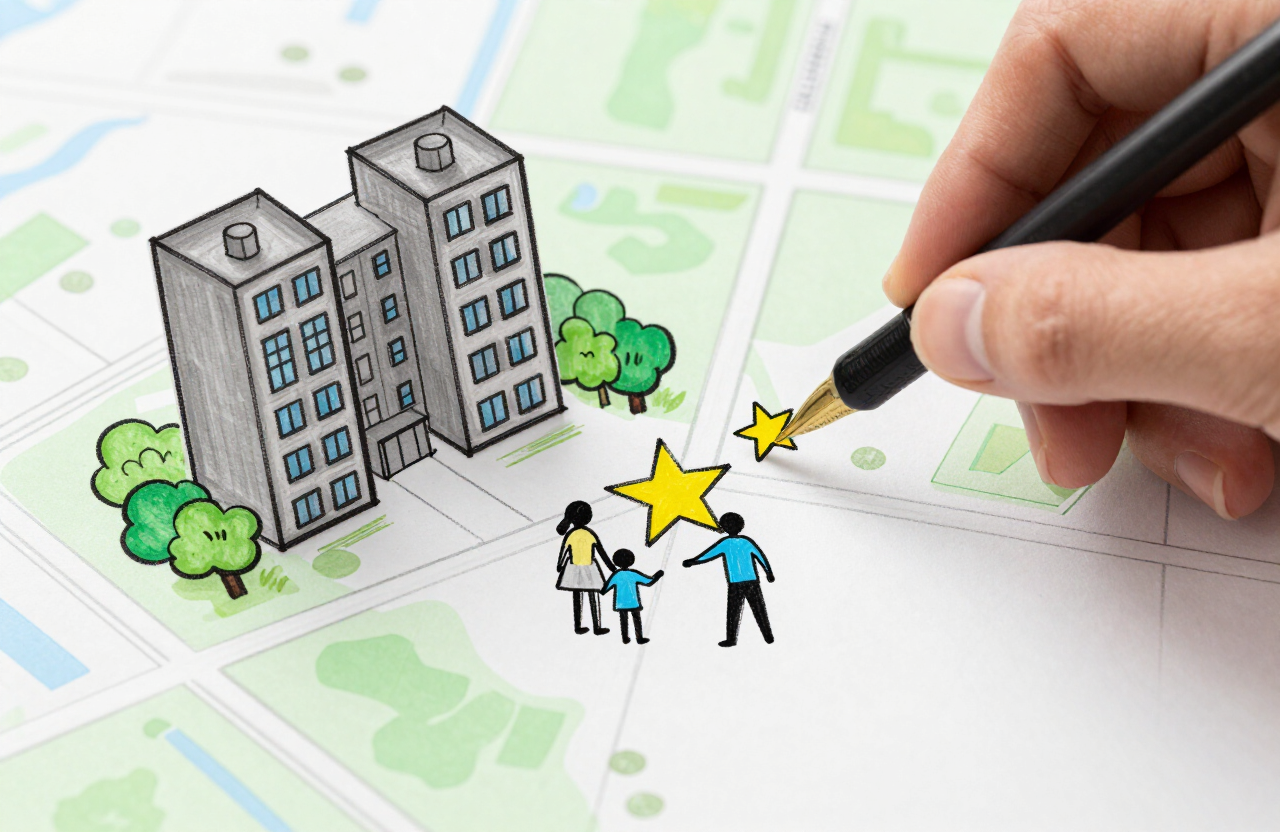
If your apartment becomes unsafe or you cannot get back to it, your household needs a place to gather. Pick one spot near home and one outside your neighborhood, in case the whole area is affected.
- A nearby landmark, a corner, a park, or a lobby
- A second spot outside your neighborhood, like a friends home
- A note of the address and cross streets on your contact card
- A backup plan if the first spot is unreachable
Plan for when cell service is down
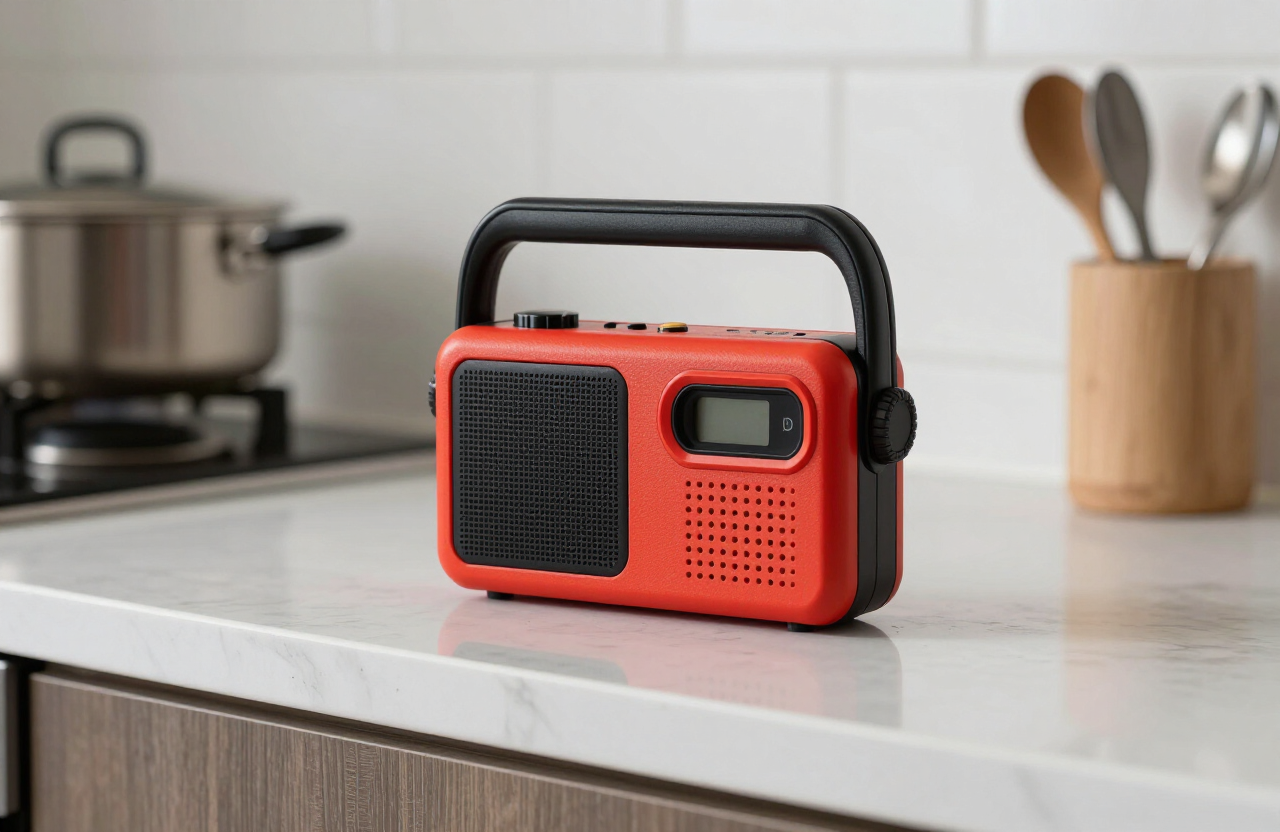
Cell towers can fail for hours after a major event. A battery or hand crank radio keeps you connected to official alerts, and a couple of old school habits keep messages moving when texts will not.
- Keep a battery or crank radio for emergency broadcasts
- Send texts instead of calling, they use less network capacity
- Keep a charged power bank for your phone
- Write down key numbers on paper, not only in your phone
Write it down and practice once
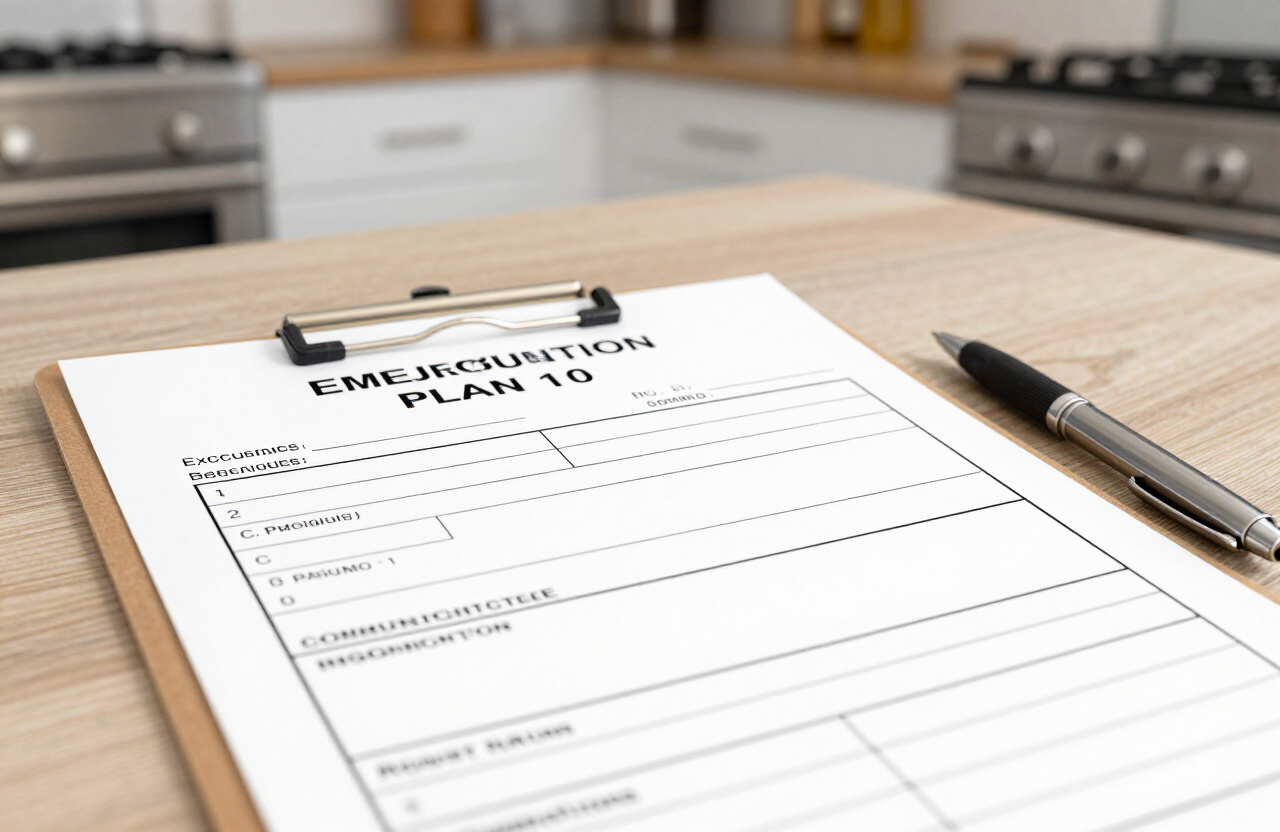
A plan in your head is not a plan. Use a simple template, fill in the blanks, and walk through it once with everyone in your household. A five minute run through is what makes the plan real.
- 1Print a one page communication plan template
- 2Fill in contacts, meeting points, and medical notes
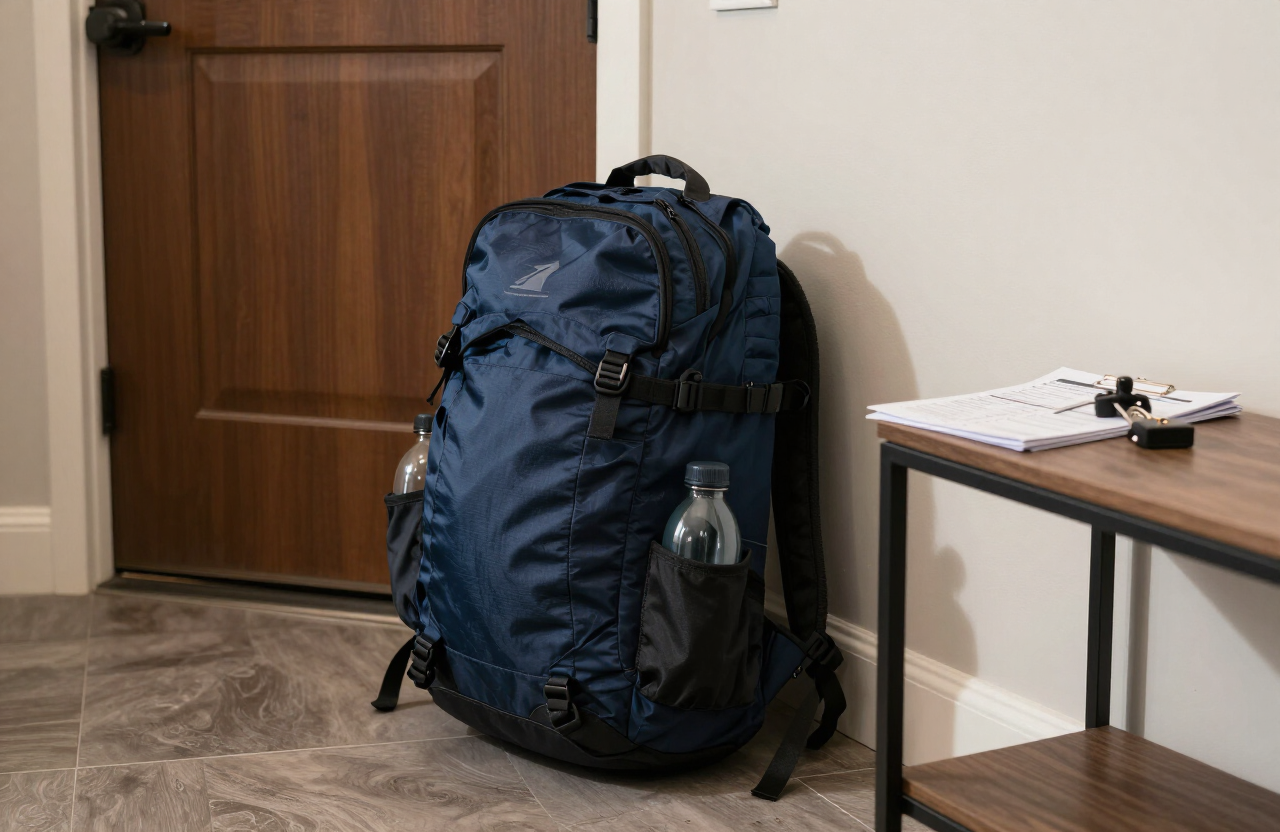
- 3Keep one copy by the fridge and one in your go bag
- 4Practice calling your out of area contact once a year
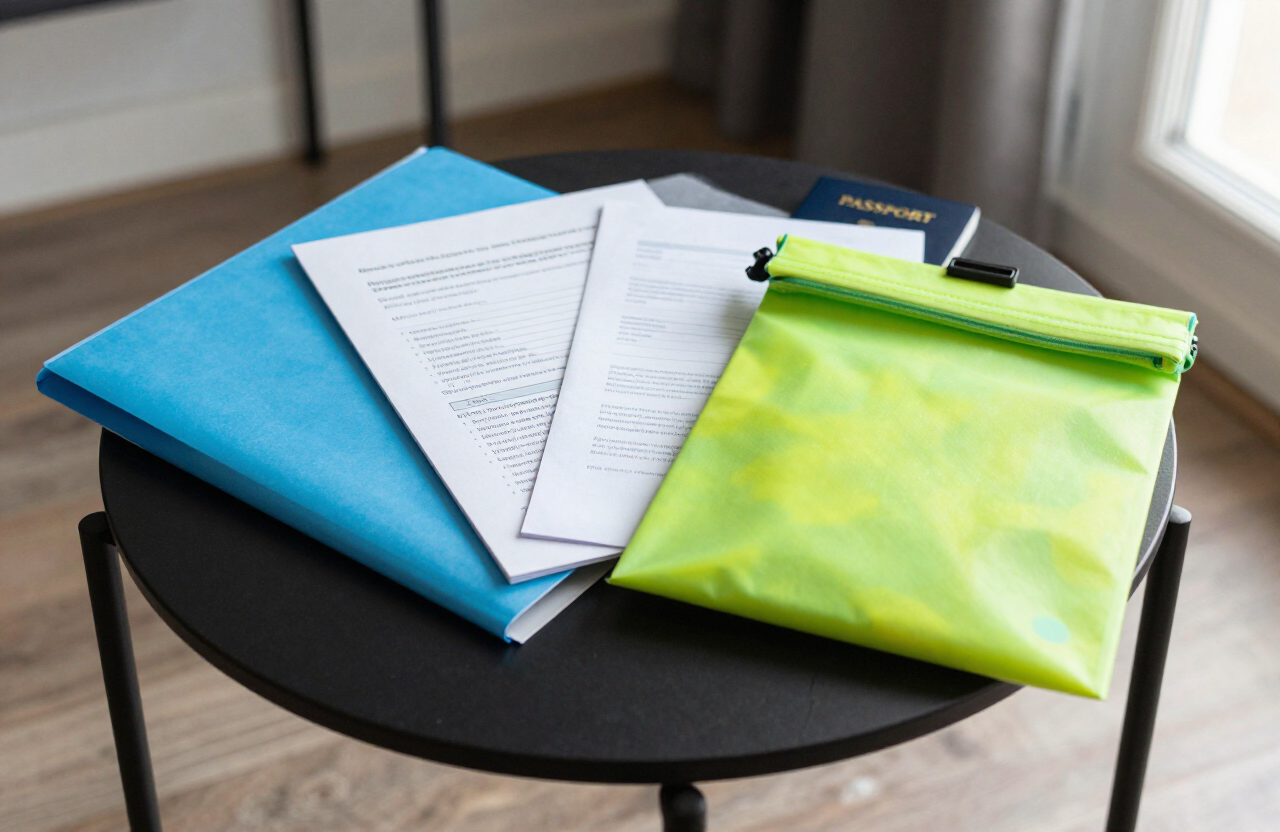
Pair your communication plan with our guide to the documents to grab in an evacuation.
Frequently asked questions
Editorial note: this guide provides general preparedness information, not emergency, medical, legal, or engineering advice. Recommendations are cross-checked against public emergency-management guidance and adapted for small-space living. During an active emergency, follow your local authorities and emergency services. See our editorial standards and affiliate disclosure.