Heat Wave Preparation for Apartment Renters
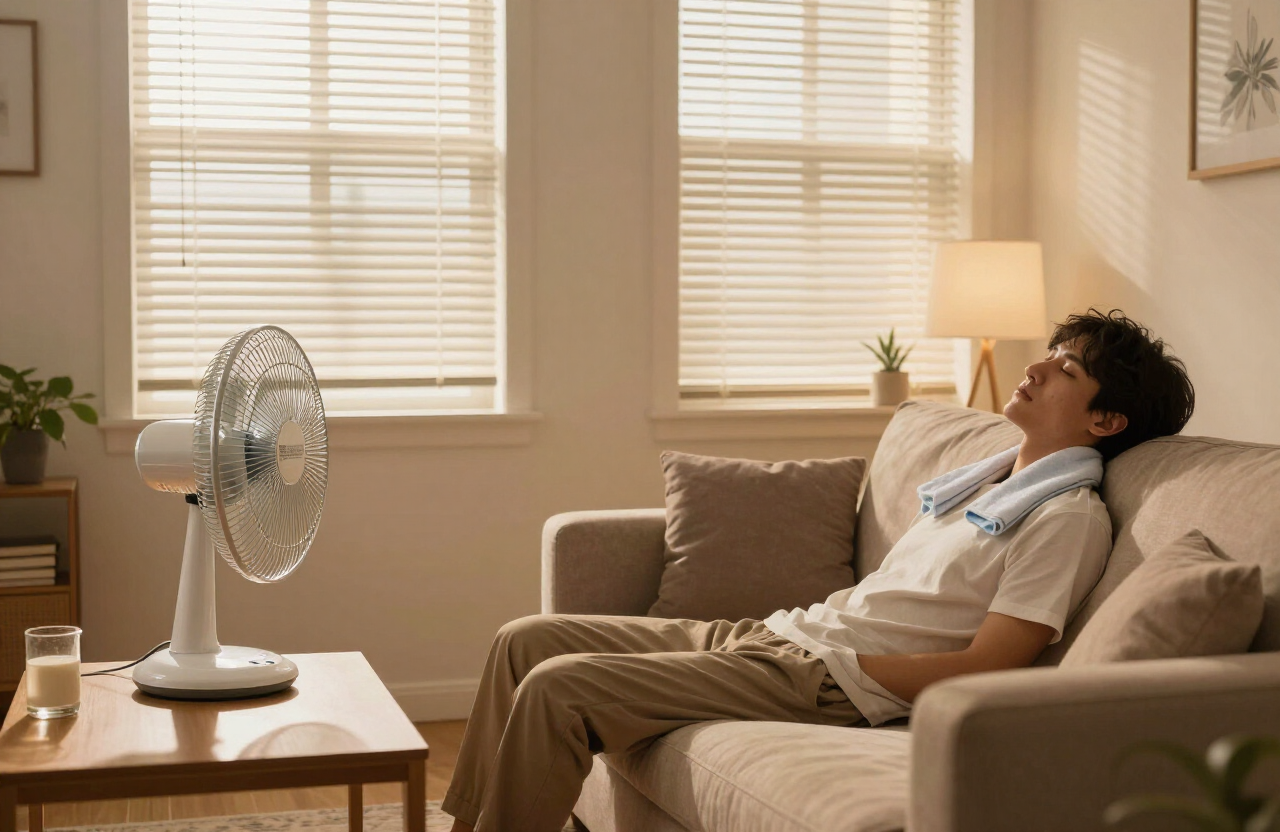
Heat wave preparation for apartment renters is about one core idea: it is easier to keep heat out than to cool it down once it is inside. A small apartment on an upper floor can turn into an oven during a multi day heat wave, and unlike a house you may not control your AC or be able to install one. The good news is that a handful of cheap habits handle most of the danger.
Treat your apartment like a cooler
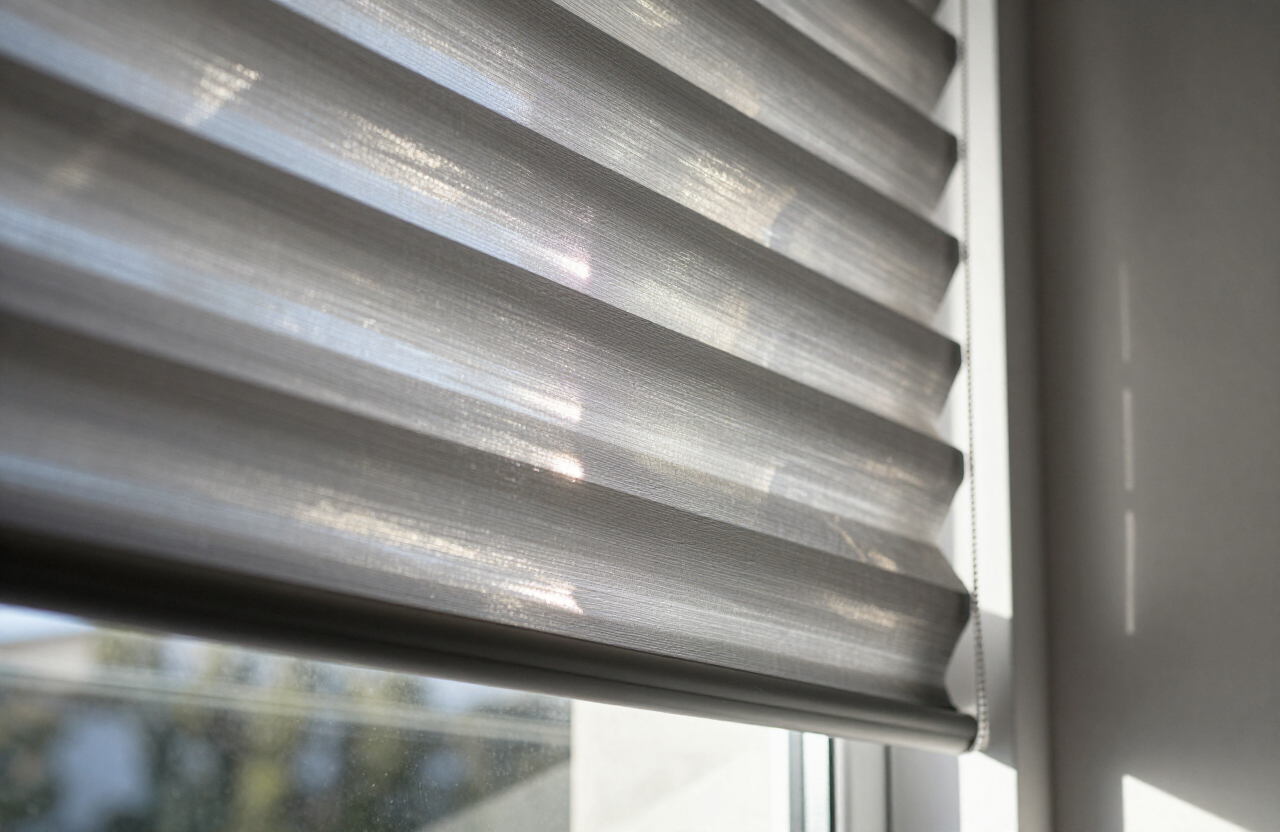
The first job during a heat wave is to stop heat from getting in. Once a small apartment is hot, it holds that heat through the night. Think of your unit as a cooler: keep the lid closed during the hot hours and open it only when the air outside is cooler than inside.
- Close blinds, curtains, and shades on every window that gets direct sun
- Add a reflective shade or white poster board to the sunniest window
- Keep windows and doors closed during the hottest part of the day
- Open up only at night or early morning when outside air is cooler
Hydrate before you feel thirsty
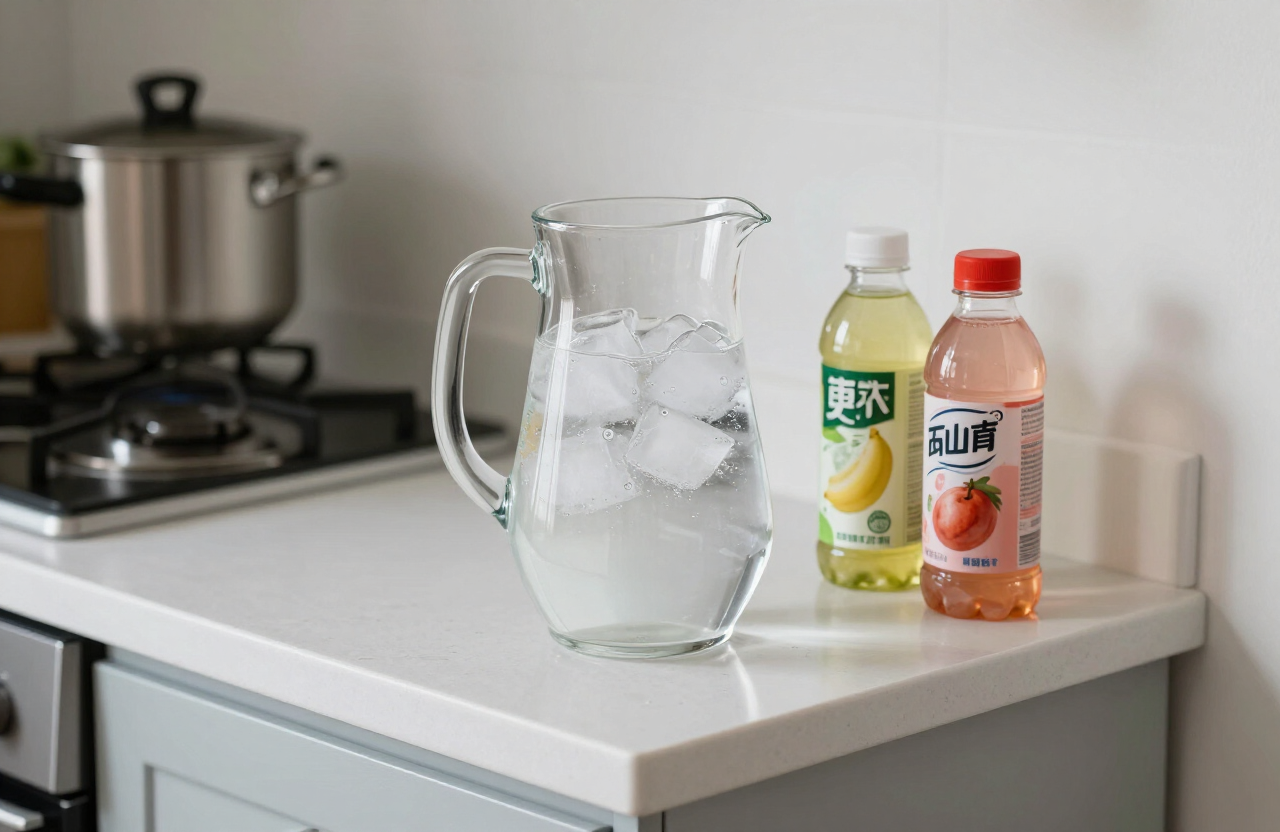
By the time you feel thirsty during a heat wave, you are already behind. Drink water steadily through the day, and add electrolytes if you are sweating a lot. Avoid alcohol and heavy caffeine, which pull water out of you.
- Keep a full water bottle visible so you remember to sip
- Add electrolyte tablets or a pinch of salt to one bottle per day
- Eat water rich foods like cucumbers, melon, and oranges
- Watch kids and older adults, who often forget to drink
Cool your skin, not your room
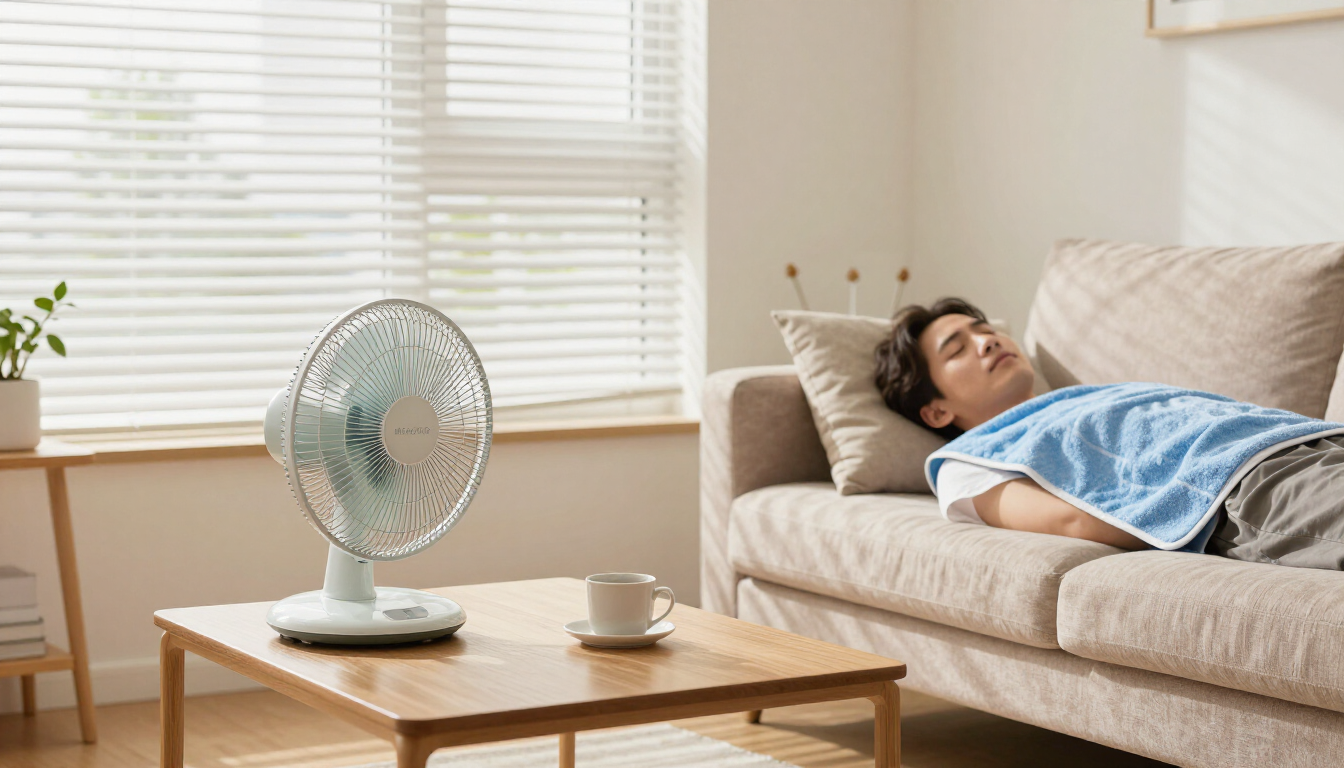
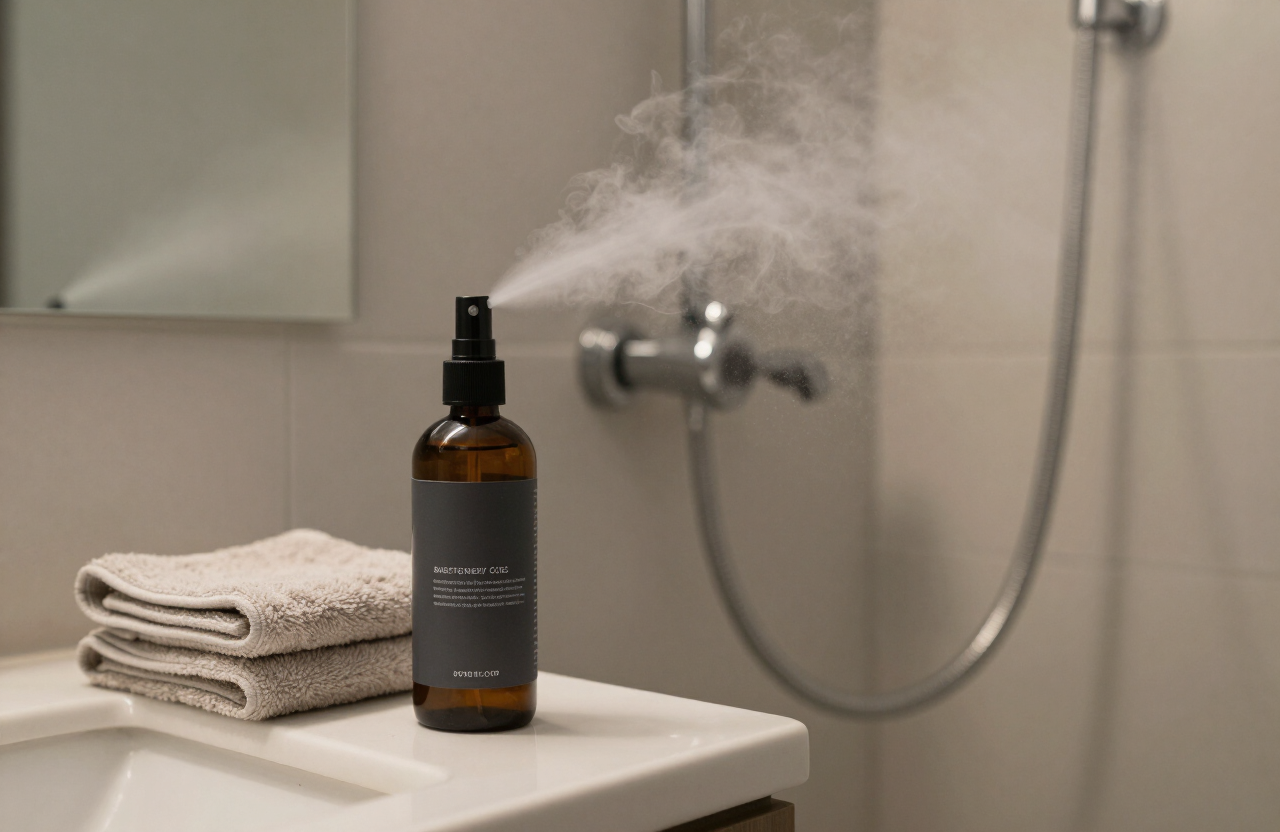
If you have no AC, do not try to cool the air. Cool your body instead. Your skin is a radiator, and a little water plus moving air drops your temperature fast.
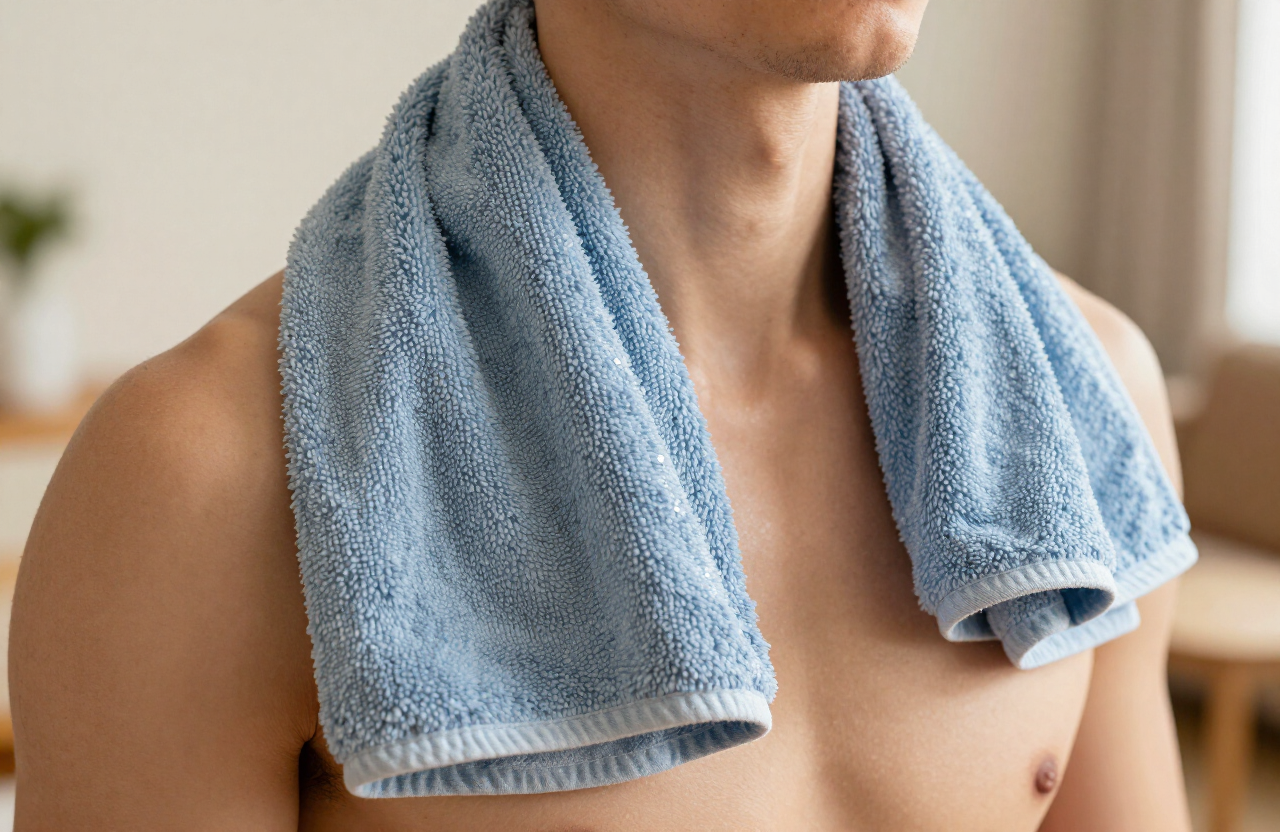
- A damp towel on your neck, wrists, or forehead
- A cool shower or foot soak, repeated as needed
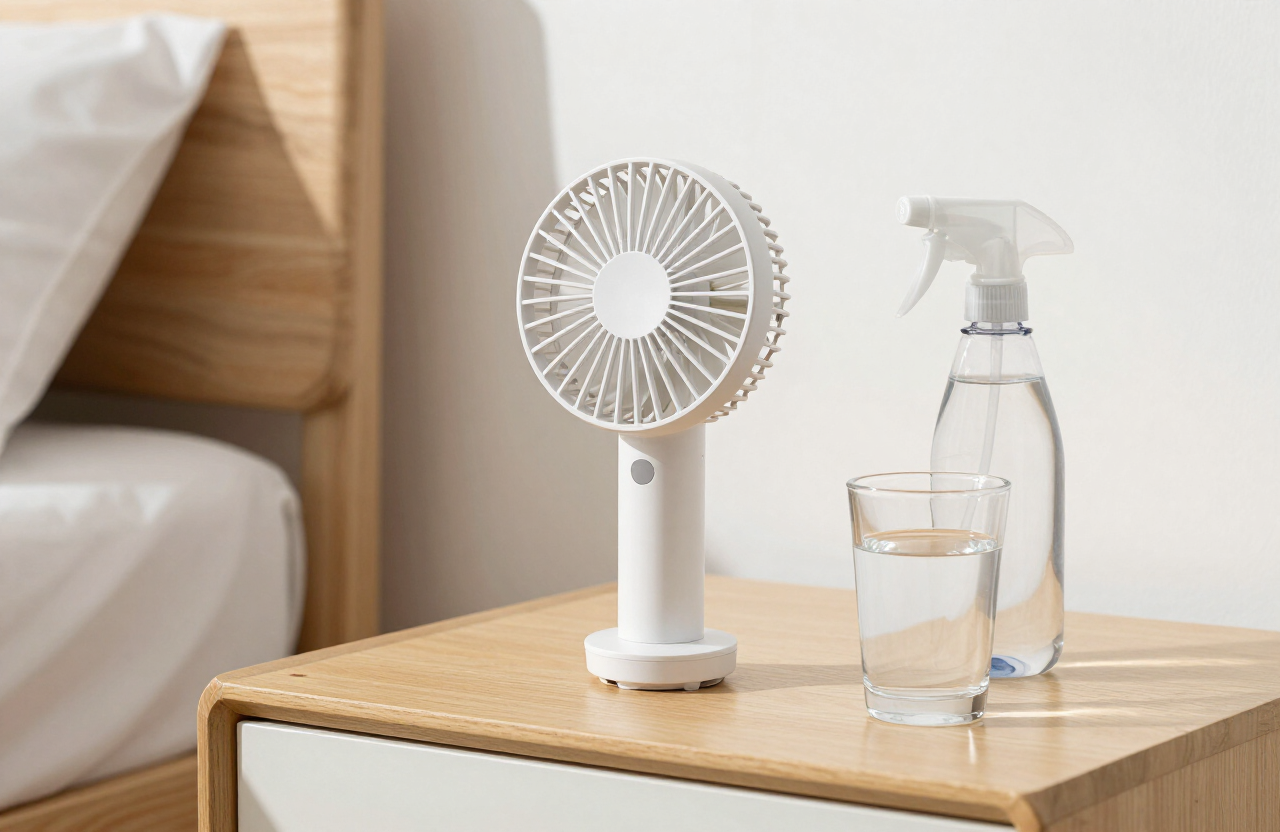
- A spray bottle of water plus a fan aimed at damp skin
- Light, loose clothing in breathable fabrics
Know the signs of heat illness
Heat exhaustion and heat stroke are different, and knowing the line can save a life. Heat exhaustion is serious but treatable with cooling and fluids. Heat stroke is a medical emergency.
| Sign | Heat exhaustion | Heat stroke |
|---|---|---|
| Skin | Cool, clammy, sweaty | Hot, dry or damp, flushed |
| Pulse | Fast and weak | Fast and strong |
| Mental state | Tired, maybe dizzy | Confused, slurred speech, unconscious |
| Action | Cool down and sip water | Call 911 and cool fast |
Check on neighbors and find cooling relief
Heat waves hit older adults, people living alone, and top floor renters hardest. A quick knock on a neighbors door costs nothing and catches trouble early. When your apartment cannot be cooled, know where to go for relief.
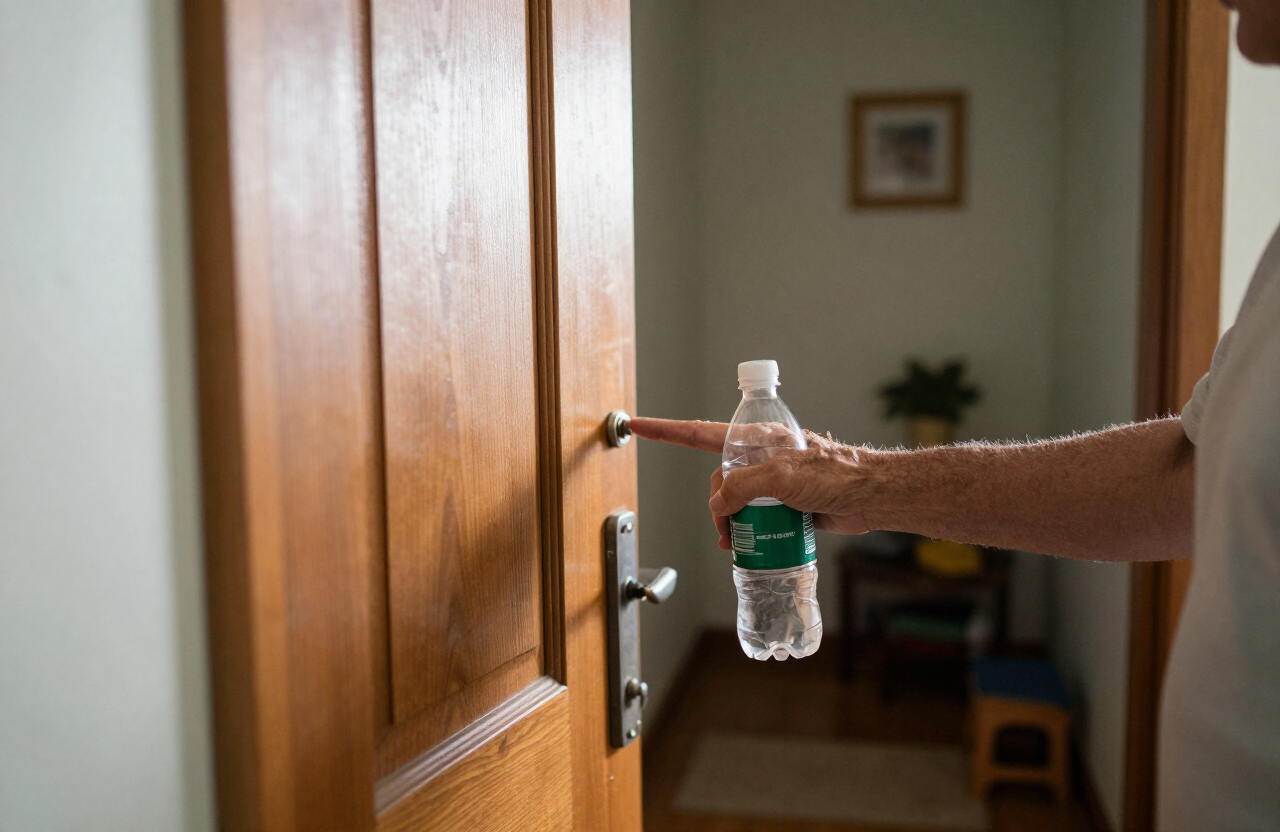
- Check on older or isolated neighbors at least once a day
- Learn the nearest public cooling center, library, or mall
- Spend the hottest afternoon hours in air conditioned public spaces
- Find out whether your city offers free transport to cooling centers
If the heat wave comes with a power outage, read our guide to staying cool when the AC stops.
Frequently asked questions
Editorial note: this guide provides general preparedness information, not emergency, medical, legal, or engineering advice. Recommendations are cross-checked against public emergency-management guidance and adapted for small-space living. During an active emergency, follow your local authorities and emergency services. See our editorial standards and affiliate disclosure.