Apartment Power Outage Checklist for Renters
A power outage in an apartment is rarely a wilderness survival problem. It is a comfort, food-safety, and information problem that lasts a few hours to a couple of days. This checklist walks through what to stage ahead of time, what to do in the first hour, and how to get through a blackout without candles, fuel, or anything that risks your lease.
Before the outage: what to stage now
Outages are easier when the gear already lives in a known spot. Spend twenty minutes once and you stop searching in the dark forever.
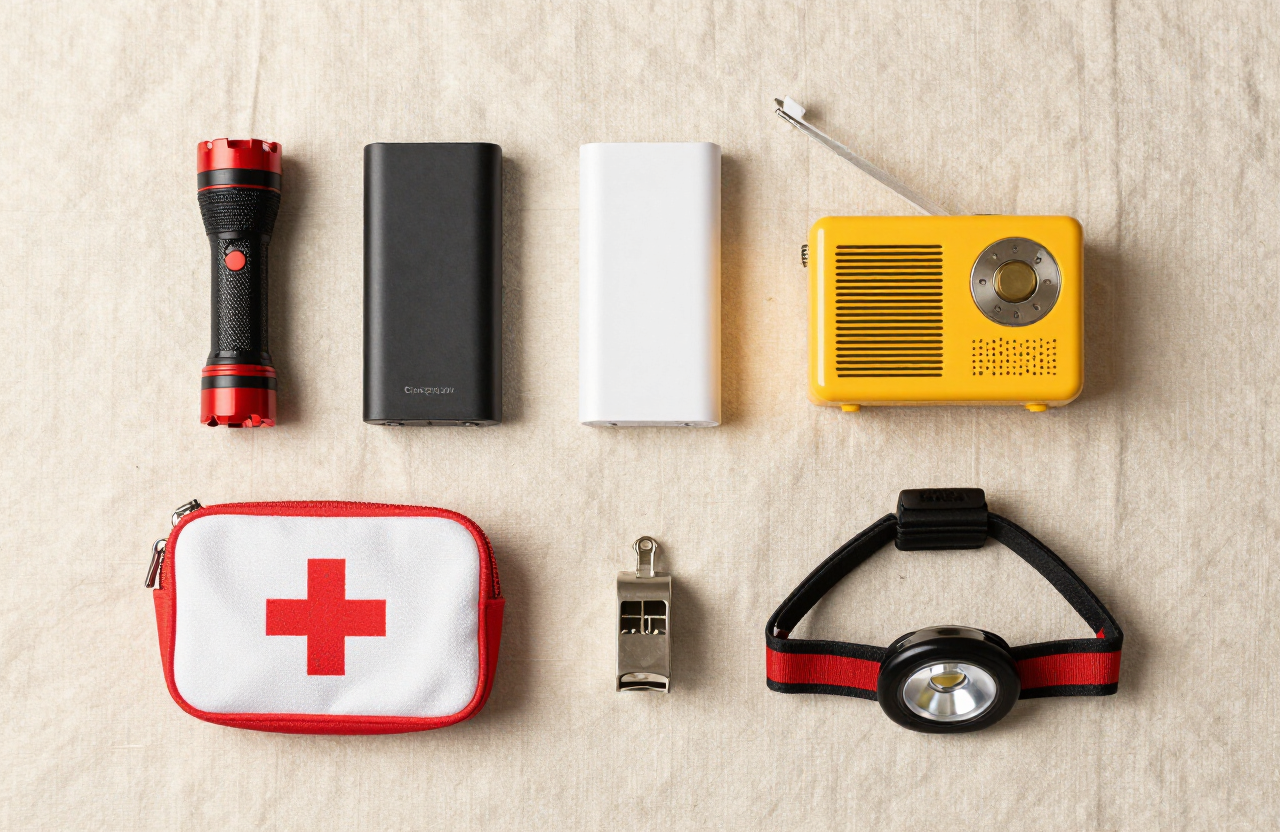
- One battery LED lantern for the main room
- One flashlight per person, plus a headlamp for hands-free tasks
- Spare batteries in the exact sizes your lights use
- A power bank charged above 80 percent with a short cable attached
- Three gallons of water per person
- A manual can opener taped to the food bin
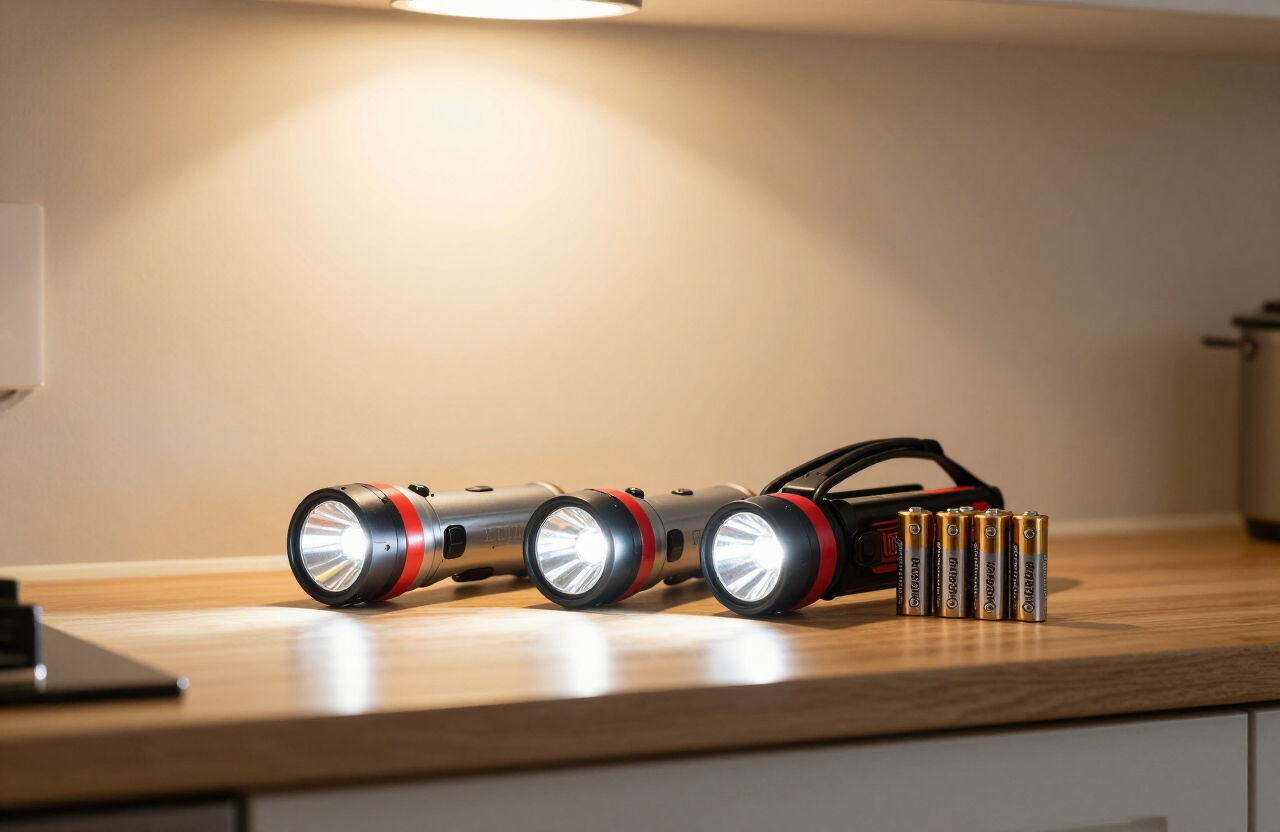
Keep all of it in one place: a hall closet shelf, a single under-bed bin, or a handled caddy. Scattered supplies get forgotten and run out of charge.
For a longer timeline, see our guide to preparing for a 24-hour power cut.
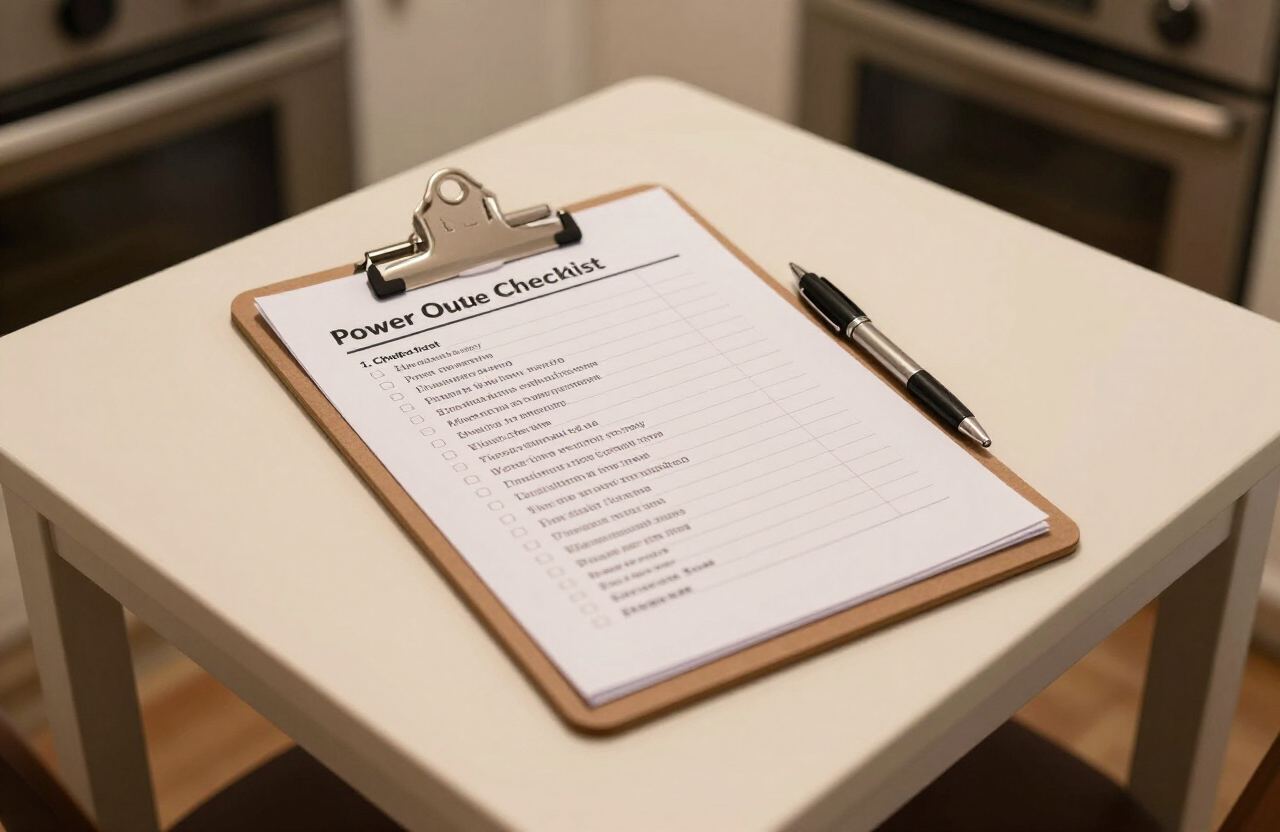
The first hour: a 6-step checklist
When the lights go out, work through these six steps in order. They take about ten minutes and they prevent most of the common mistakes.
- 1Check your breaker box first to see if it is just your unit
- 2Report the outage to your utility so they know and you get a restore estimate
- 3Keep the fridge and freezer closed; every opening costs hours of cold
- 4Set up one lit room with the lantern instead of scattering lights
- 5Put phones in low-power mode and pick one check-in phone if you live with others
- 6Text your out-of-area contact so someone outside the area knows you are okay
Light without candles (renter-safe)
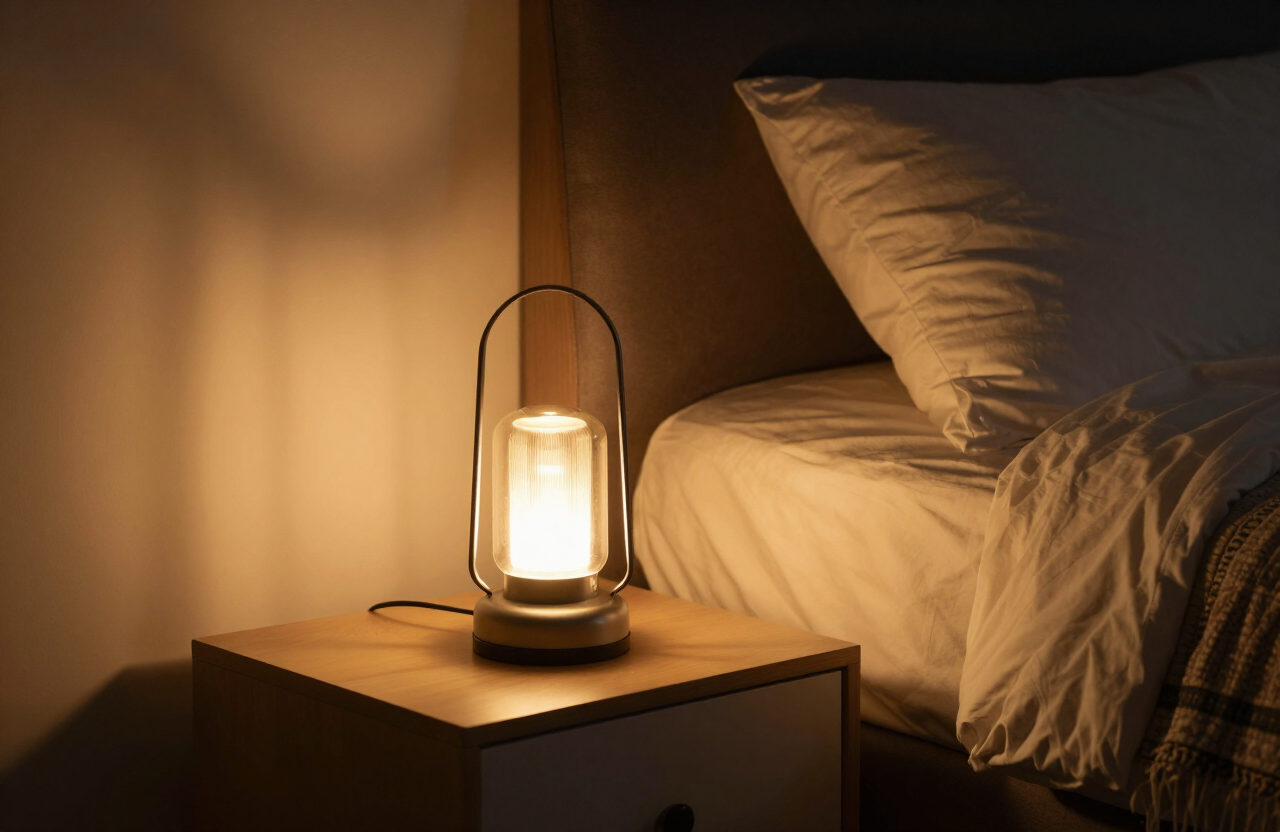
Open flames are a leading cause of apartment fires during outages, and many leases ban them outright. Battery LED lights are brighter, safer, and last longer.
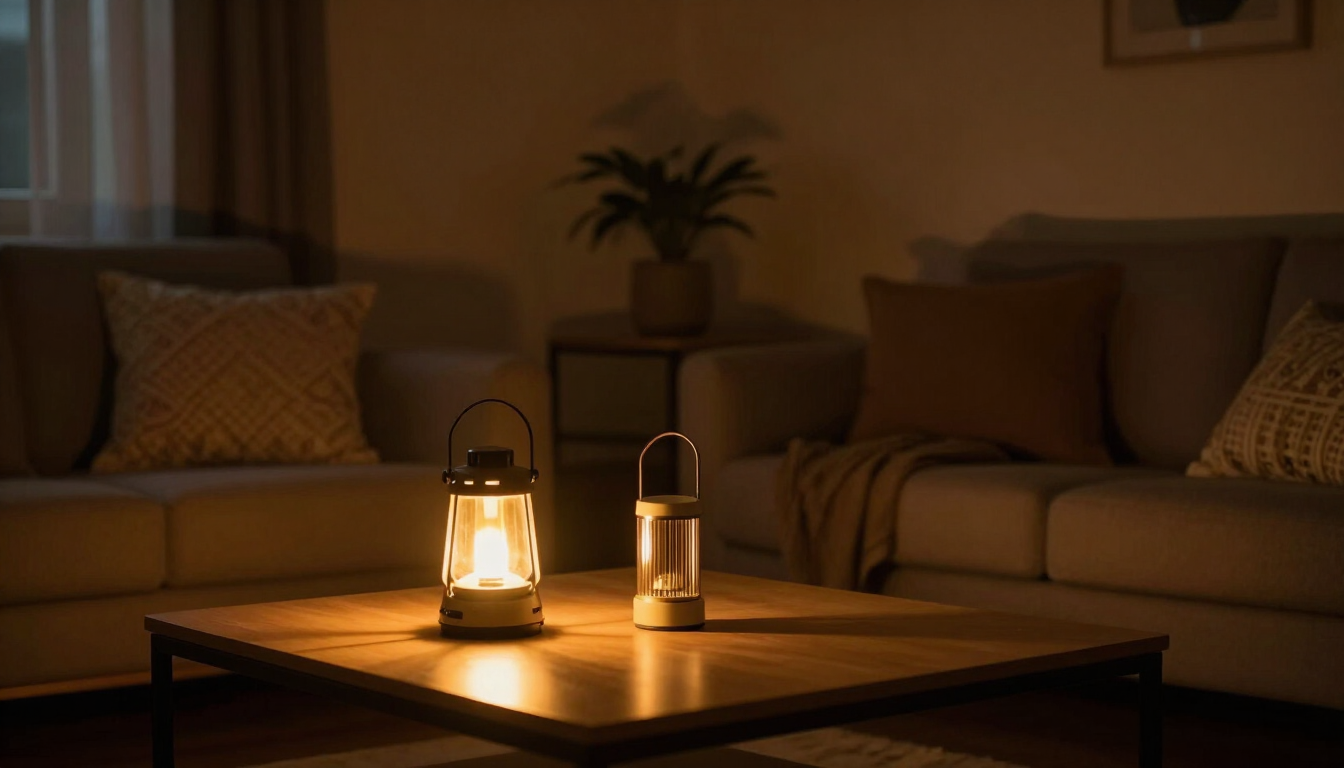
- A lantern lights a whole room and frees your hands
- A headlamp is best for reading meters, finding gear, or helping kids
- A small flashlight per person means no one walks a dark hallway alone
- A plug-in emergency light turns on automatically when the power drops
See what else belongs in a small kit in our small-apartment emergency kit guide.
Keeping your phone and small devices alive
Your phone is your radio, your map, and your link to emergency updates. Treat its battery like a limited resource from minute one.
- Switch to low-power mode right away
- Turn down screen brightness and close background apps
- Use one phone for updates and keep the others off
- Charge from a power bank, not from a laptop that will also run down
- Keep a car charger if you have a car; it is a ready backup battery
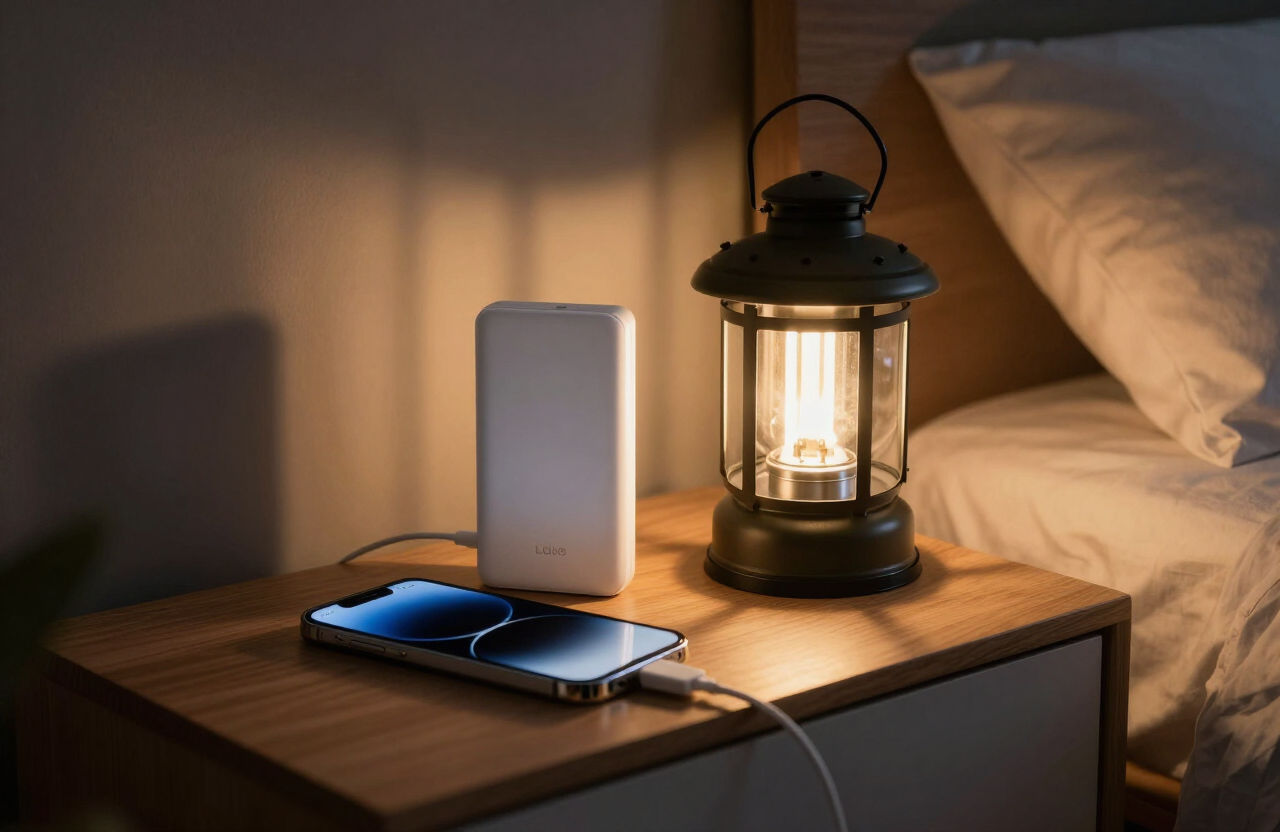
A 10,000 to 20,000 mAh power bank kept charged above 80 percent will refill a phone two to four times. That is plenty for a typical apartment outage, and it is one of the cheapest forms of readiness you can buy.
Refrigerator and freezer food rules
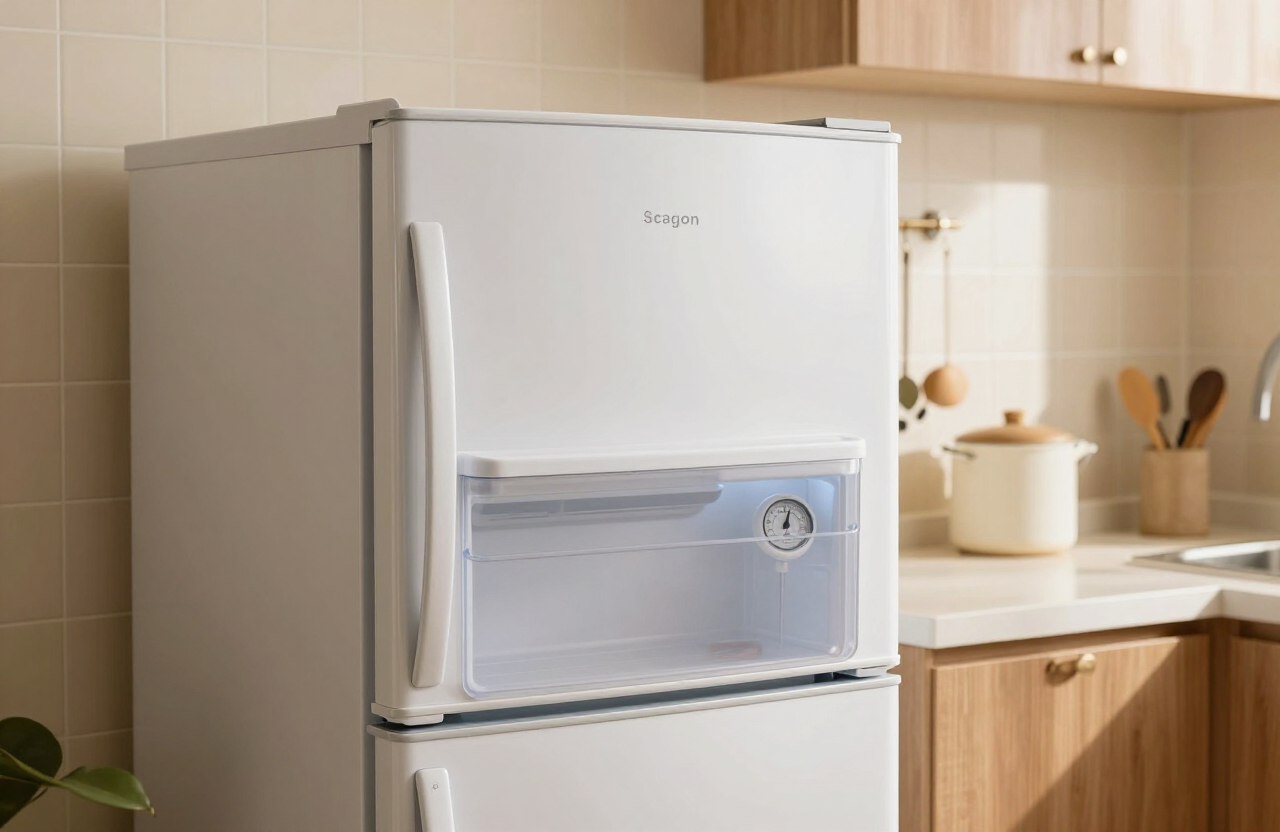
Food safety is the part people get wrong. A closed fridge keeps food safe for about four hours. A full, closed freezer holds for about 48 hours, or 24 if it is half full.
| Food | Safe without power | What to do |
|---|---|---|
| Dairy, meat, cooked leftovers in the fridge | About 4 hours | Eat first or toss after 4 hours |
| Full freezer | About 48 hours | Keep closed; check for ice crystals before refreezing |
| Half-full freezer | About 24 hours | Keep closed; move items together to stay cold |
| Frozen water bottles | Help keep the freezer cold | Add before a storm if you have warning |
Plan three days of meals with our no-cook blackout meal plan.
Staying warm or cool in a rental
Apartments hold temperature differently than houses. Upper floors can lose water pressure when pumps lose power, and you cannot run a generator or a camp stove indoors.
If it is cold
- Close off one room and gather there
- Layer clothing and use blankets instead of the oven
- Roll a towel at the base of doors to block drafts
- Never use a gas oven, grill, or camp stove for heat; carbon monoxide kills indoors
If it is hot
- Move to the lowest floor you can access
- Use battery fans and hydrate on a schedule, not just when thirsty
- Close curtains on sun-facing windows during the day
- Check on neighbors with mobility limits if you can do so safely
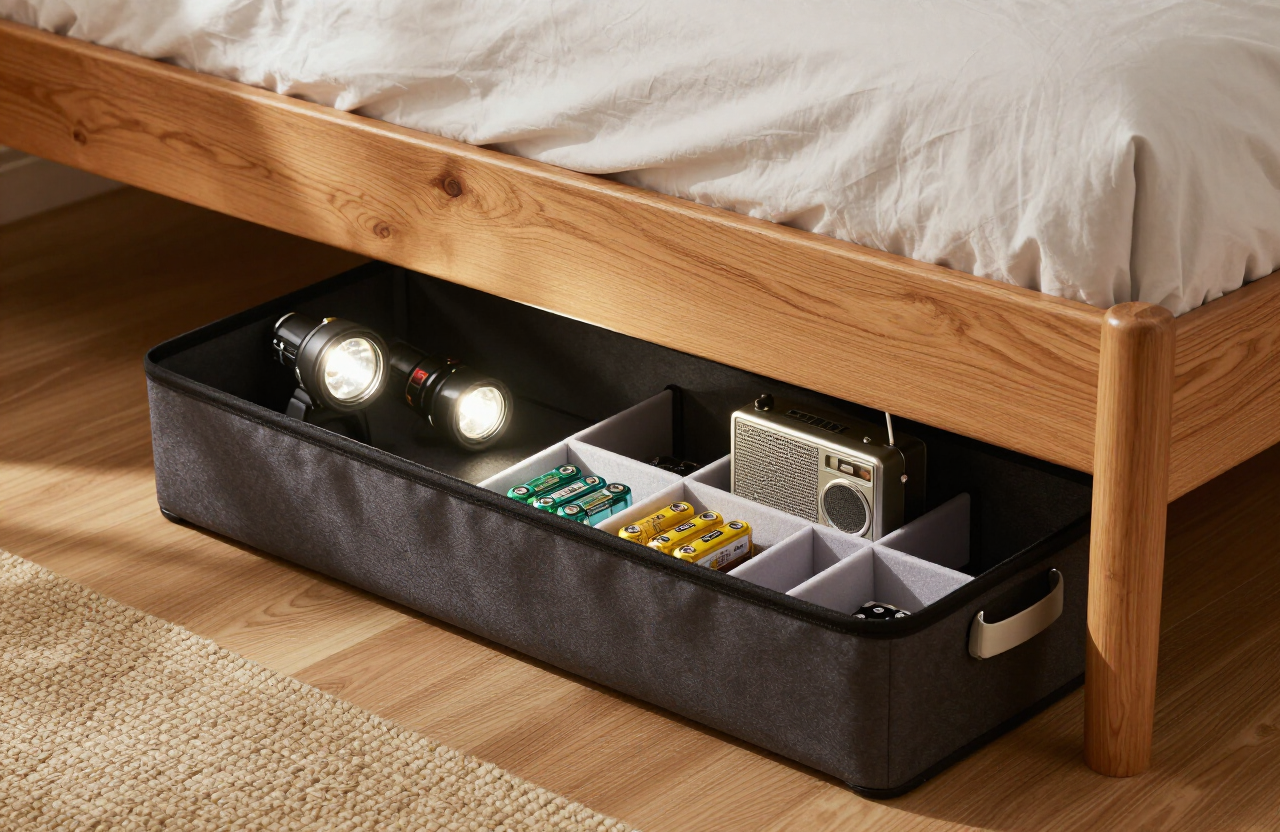
The gear that matters in an apartment outage is the gear you can find in the dark, thirty seconds after the lights go out.
Small Space Emergency editorial team
What to keep by the door
If an outage comes with an evacuation order, you want to leave in under a minute. Keep a small go-bag by the door with the essentials so you are never searching.
- A water bottle and a few snacks
- A flashlight and the power bank
- A documents pouch with ID copies and cash in small bills
- A spare key and your landlord contact on paper
- Pet supplies if you have animals
Build the full version with our apartment go-bag guide.
Frequently asked questions
Editorial note: this guide provides general preparedness information, not emergency, medical, legal, or engineering advice. Recommendations are cross-checked against public emergency-management guidance and adapted for small-space living. During an active emergency, follow your local authorities and emergency services. See our editorial standards and affiliate disclosure.