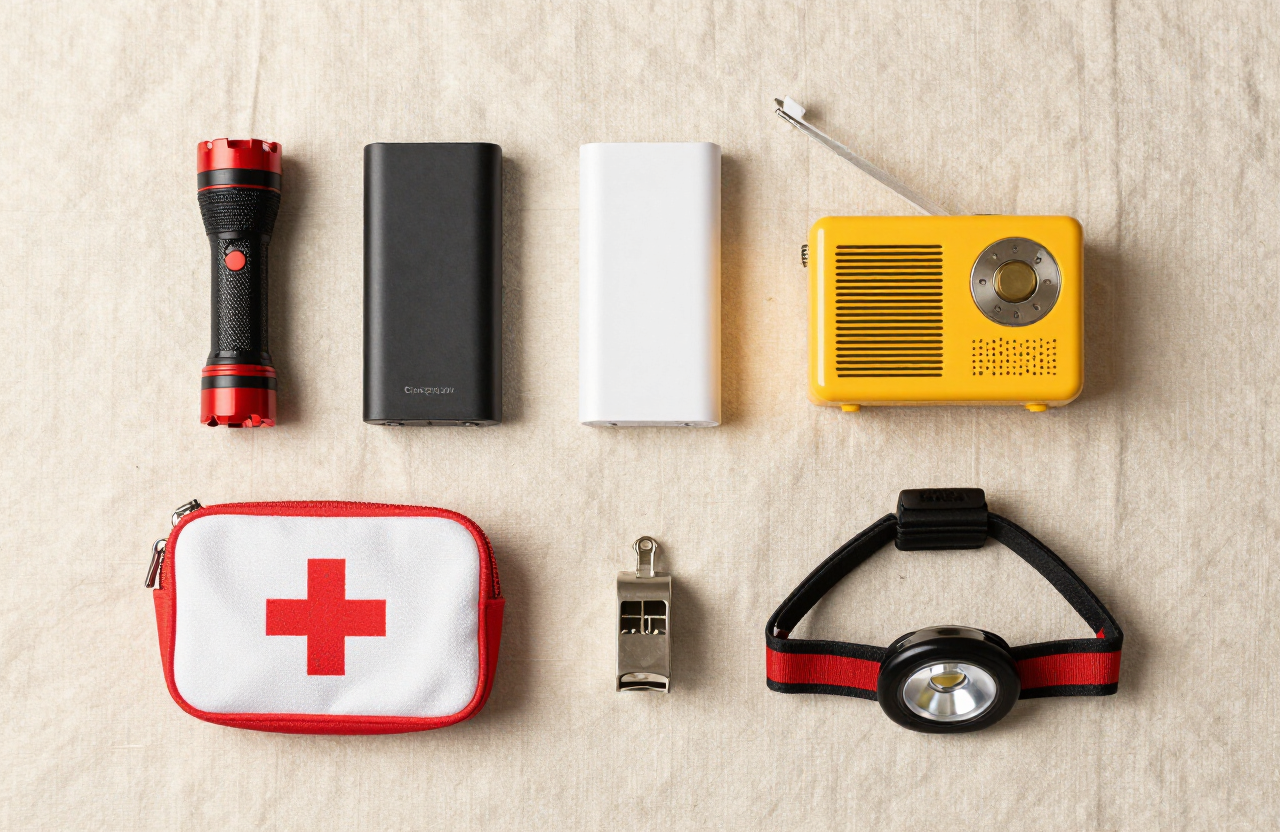
The Cheapest Way to Build an Apartment Emergency Kit
A real emergency kit does not require a survival store or a big shopping spree. The cheapest version starts with free steps, then adds supermarket staples a few dollars at a time. If you spend anything, you spend it on the few items where cheap actually costs you.
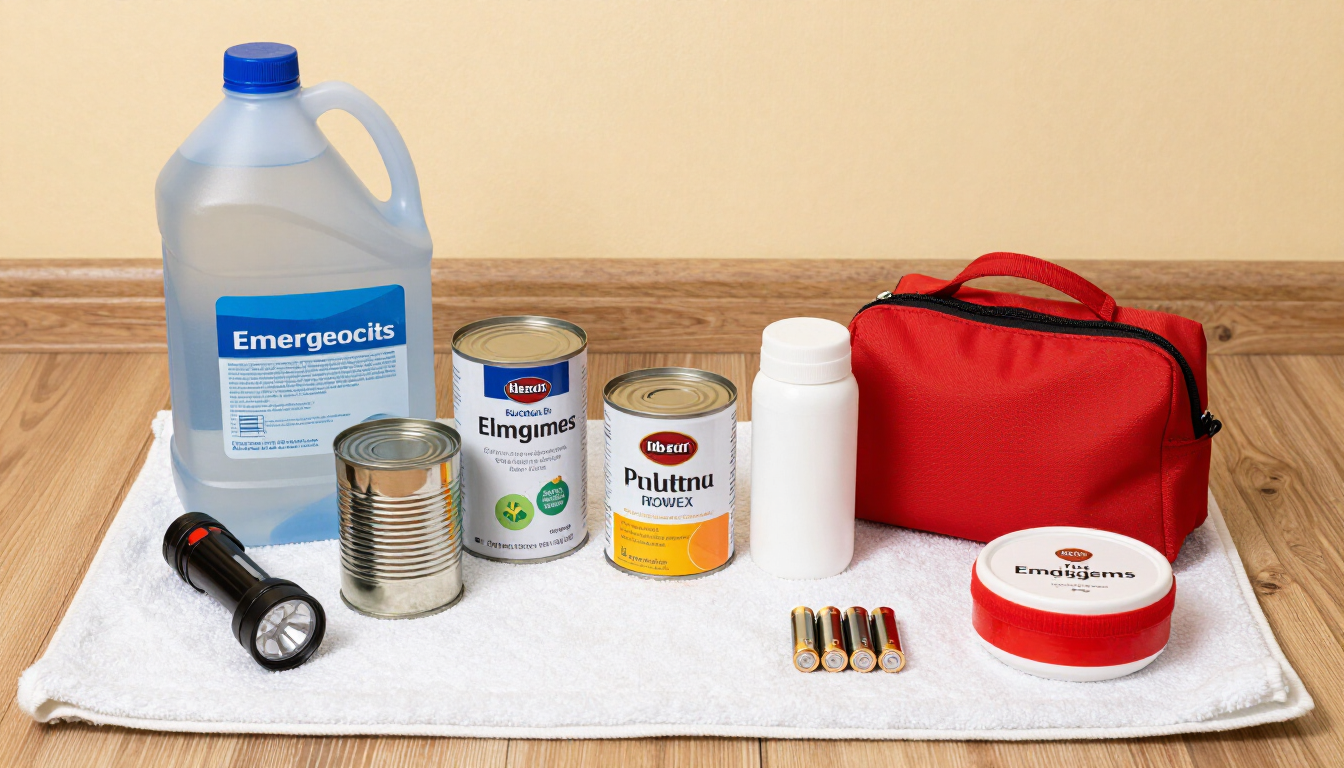
Free steps that matter more than purchases
Before you buy anything, do the things that cost nothing and that matter most in a real outage. These steps often make a bigger difference than gear.
- Write your household plan and out-of-area contact on paper
- Photograph your ID, lease, and insurance and store copies in the cloud
- Learn your building exits and utility shutoff locations
- Save your utility outage-reporting number on paper
- Practice finding your kit in the dark once
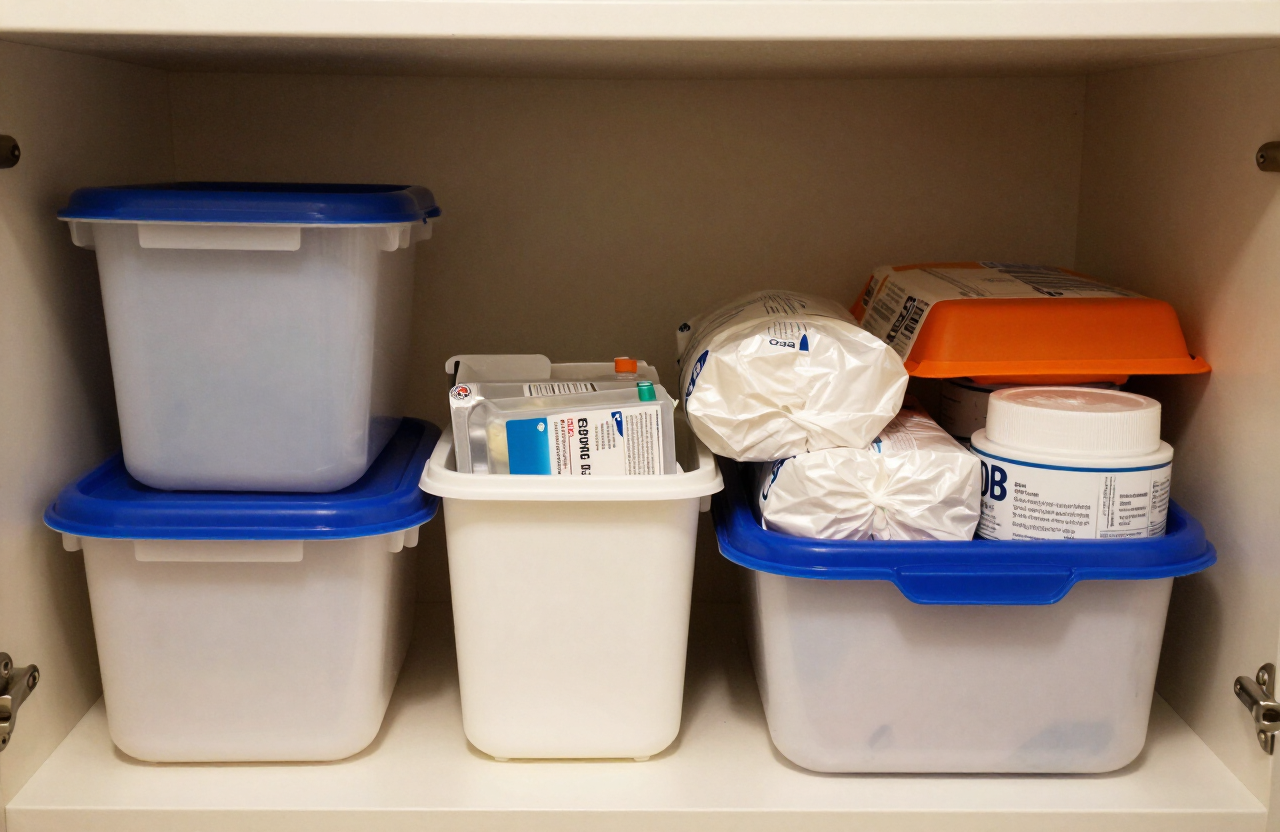
A household with a plan and no gear fares better than a household with gear and no plan. Get the plan down first.
The cheapest real kit, bought over a few grocery trips
Spread the purchases across three or four normal grocery runs and the cost barely registers. Buy one extra item each trip and check it against the list.
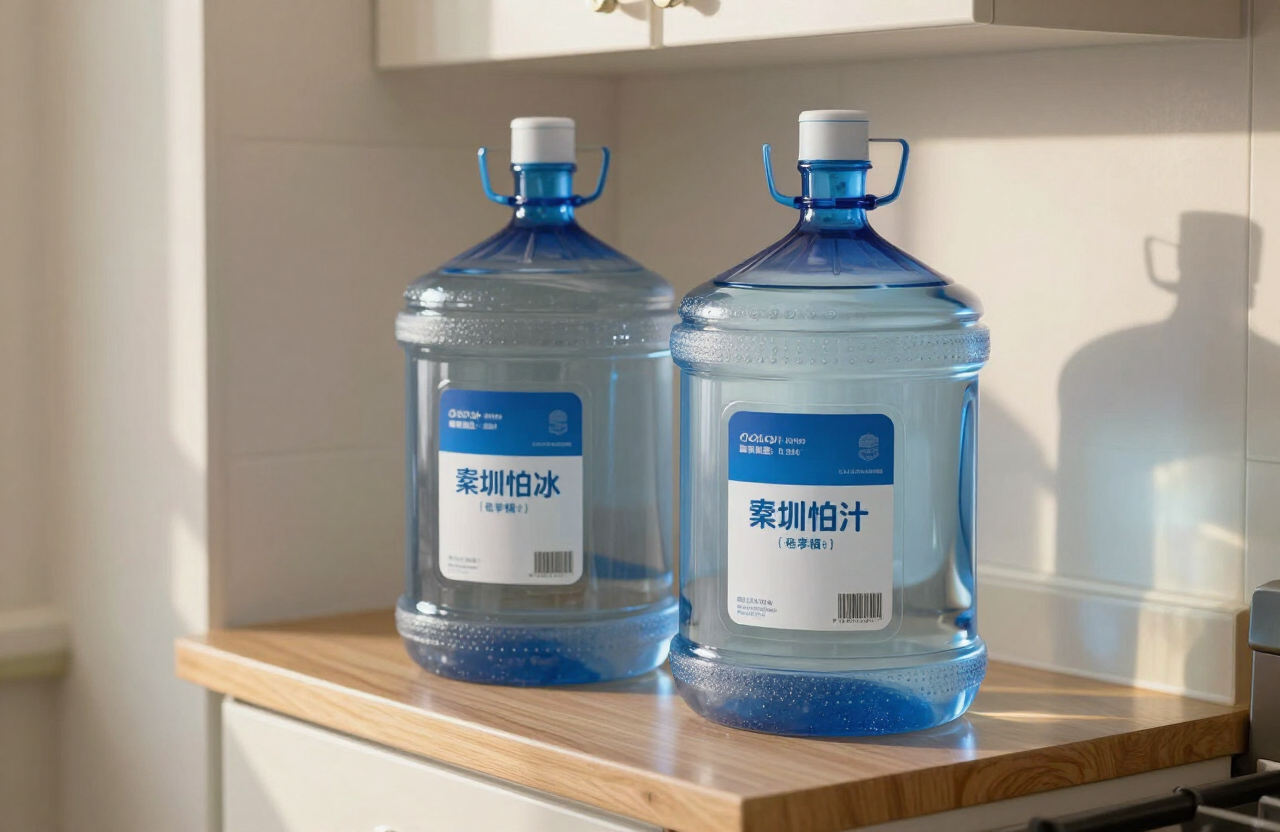
- Water: three gallons per person, the cheapest life-safety item there is
- Food: three days of no-cook food you already eat
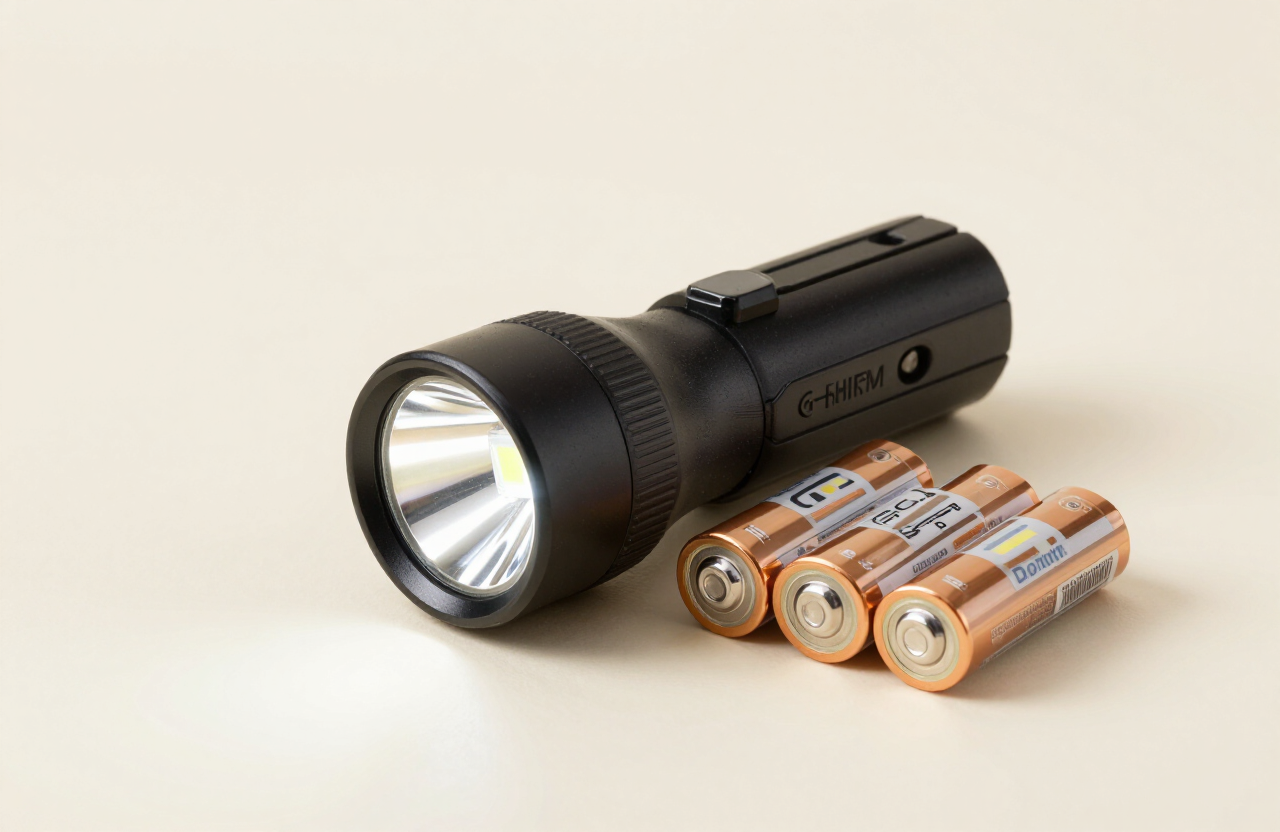
- Light: one budget LED flashlight per person and a lantern
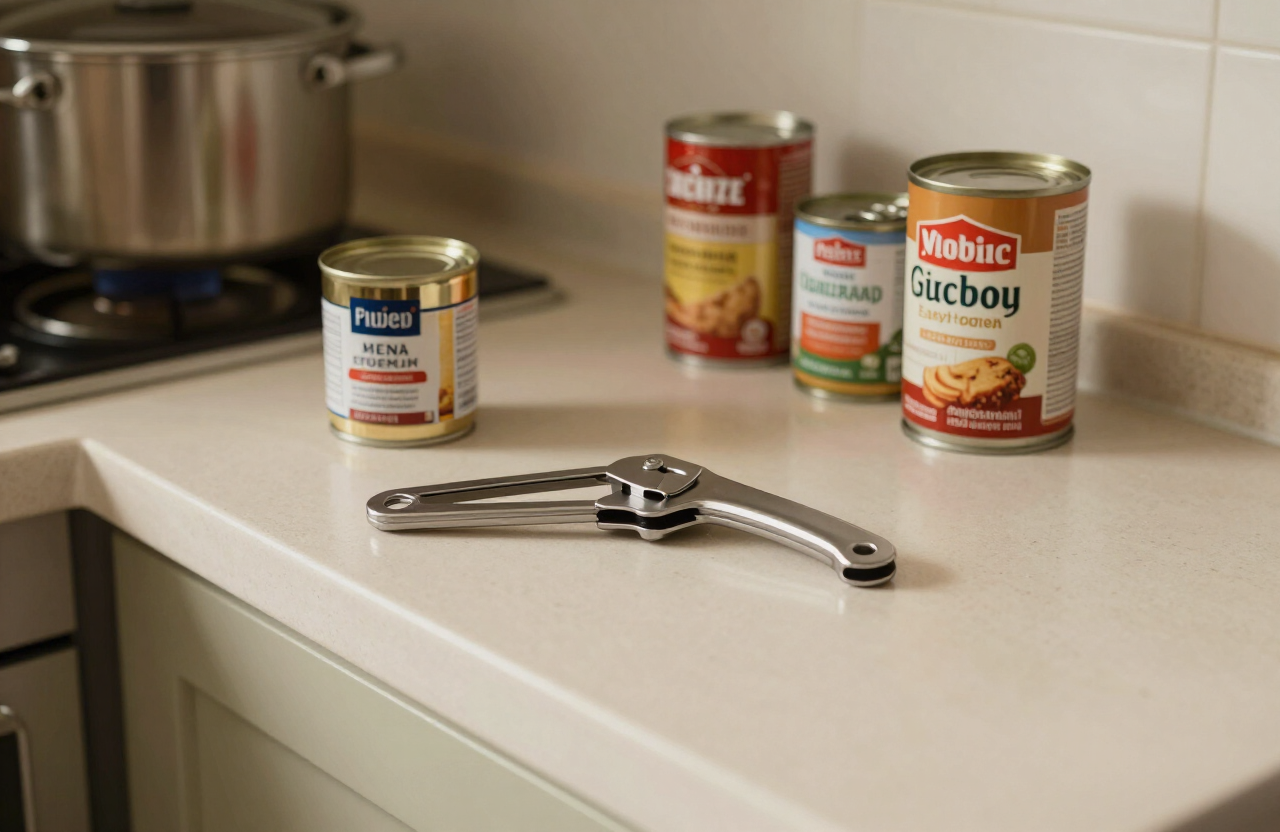
- A manual can opener, the most forgotten item on any list
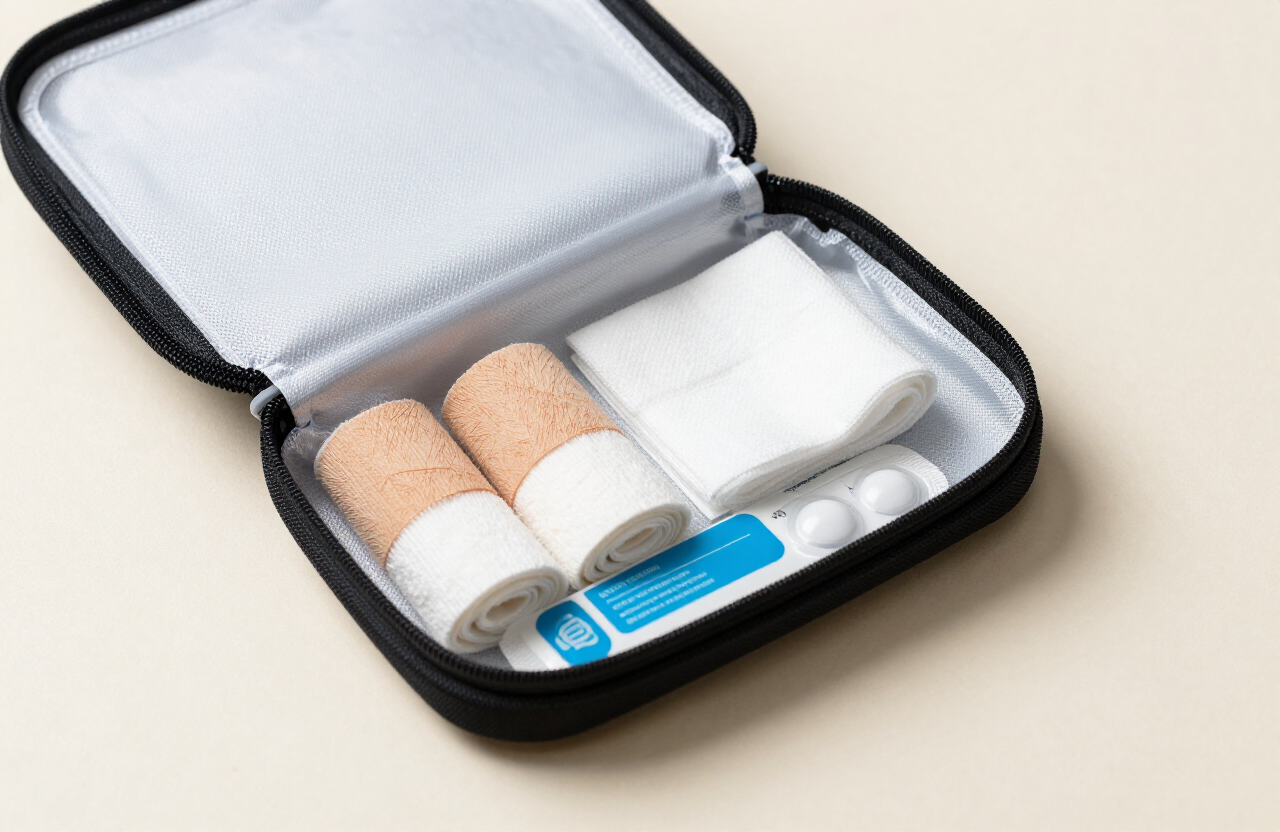
- A basic first-aid pouch: bandages, gauze, antiseptic, pain relievers
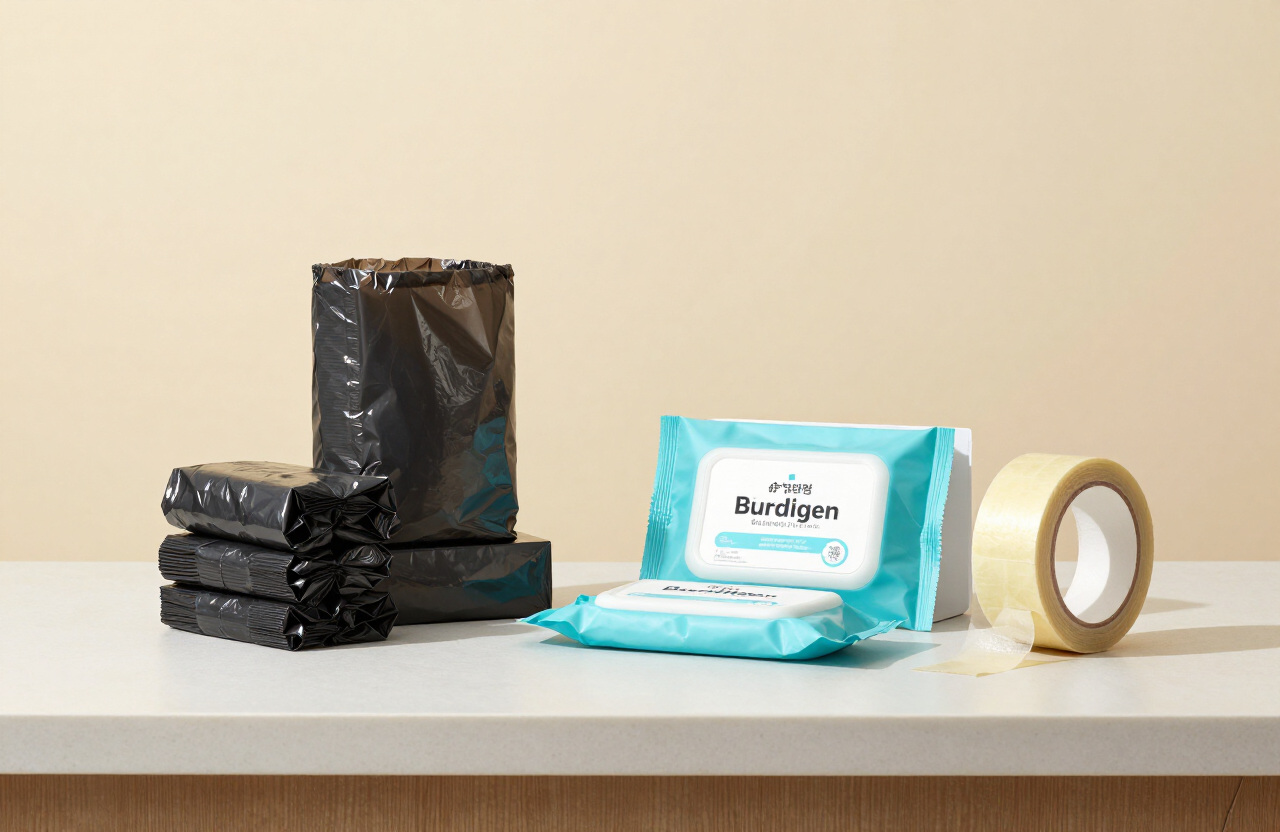
- Hand sanitizer, moist wipes, and heavy-duty trash bags
Check your build against the full 72-hour checklist.
Dollar-store picks that actually work
Some categories are fine from a dollar store. The trick is knowing which ones, because a few dollar-store items are false economy.
| Fine from a dollar store | Skip the dollar store |
|---|---|
| Trash bags, wipes, duct tape | Batteries and power banks |
| Basic first-aid consumables | Water containers |
| Manual can openers | Medications |
| Bins and organizers | Anything holding glass or liquids |
Reused and repurposed containers
You do not need to buy a kit bin. A clean lidded box, a storage ottoman, or an old backpack can hold your supplies. The container matters less than the labels and the inventory card inside.
- A lidded box from a delivery works as a food bin
- A zip pouch from an old bag becomes a first-aid kit
- A clean jar holds spare batteries by size
- An old backpack becomes the go-bag by the door
When you are ready to upgrade, see our storage bin guide.
What never to cheap out on
A few items are worth real money because failure costs more than the savings. Spend here, save everywhere else.
- Water containers: food-grade, sealable, and leak-free
- Power banks: known brands with real capacity and safe cells
- First-aid consumables: sterile and in-date
- Medications: correct, current, and personal
- A good flashlight: bright enough to light a room, not just a keychain
The cheapest kit is not the one with the lowest receipt. It is the one you can actually find and use in the dark.
Small Space Emergency editorial team
Keeping the build from stalling
The most common reason a budget kit never gets finished is that it is treated as one big shopping trip. Attach it to a habit instead: one kit item per grocery trip, checked against the checklist. Three months of small additions beats one abandoned spree.
See a three-month build plan in our budget kit guide.
A sample three-trip build
Here is how the same kit looks spread across three normal grocery runs. No trip is expensive, and by the third one you have a complete 72-hour kit for one person.
| Trip | What to buy | What it covers |
|---|---|---|
| Trip 1 | Water, a flashlight, batteries, a can opener | The basics: hydration, light, opening food |
| Trip 2 | Three days of no-cook food, a basic first-aid pouch | Meals and minor injury care |
| Trip 3 | A power bank, hand sanitizer, wipes, trash bags | Phone power and sanitation |
Each trip costs roughly the price of one takeout meal. By the end of the third trip, every line on the 72-hour checklist has something next to it, and you spent no single trip over budget. That is the whole point of the cheapest approach: spread it out, check it off, and stop when the list is done.
Frequently asked questions
Editorial note: this guide provides general preparedness information, not emergency, medical, legal, or engineering advice. Recommendations are cross-checked against public emergency-management guidance and adapted for small-space living. During an active emergency, follow your local authorities and emergency services. See our editorial standards and affiliate disclosure.