How to Stay Warm in an Apartment During a Winter Power Outage
A winter power outage in an apartment is a different problem than a summer one. You lose your heat source, your stove may be electric, and you share walls with neighbors who are also losing warmth. The good news is that a few simple steps keep a small space livable for the first 24 to 48 hours, which covers most outages.
Why apartments cool down, and how fast
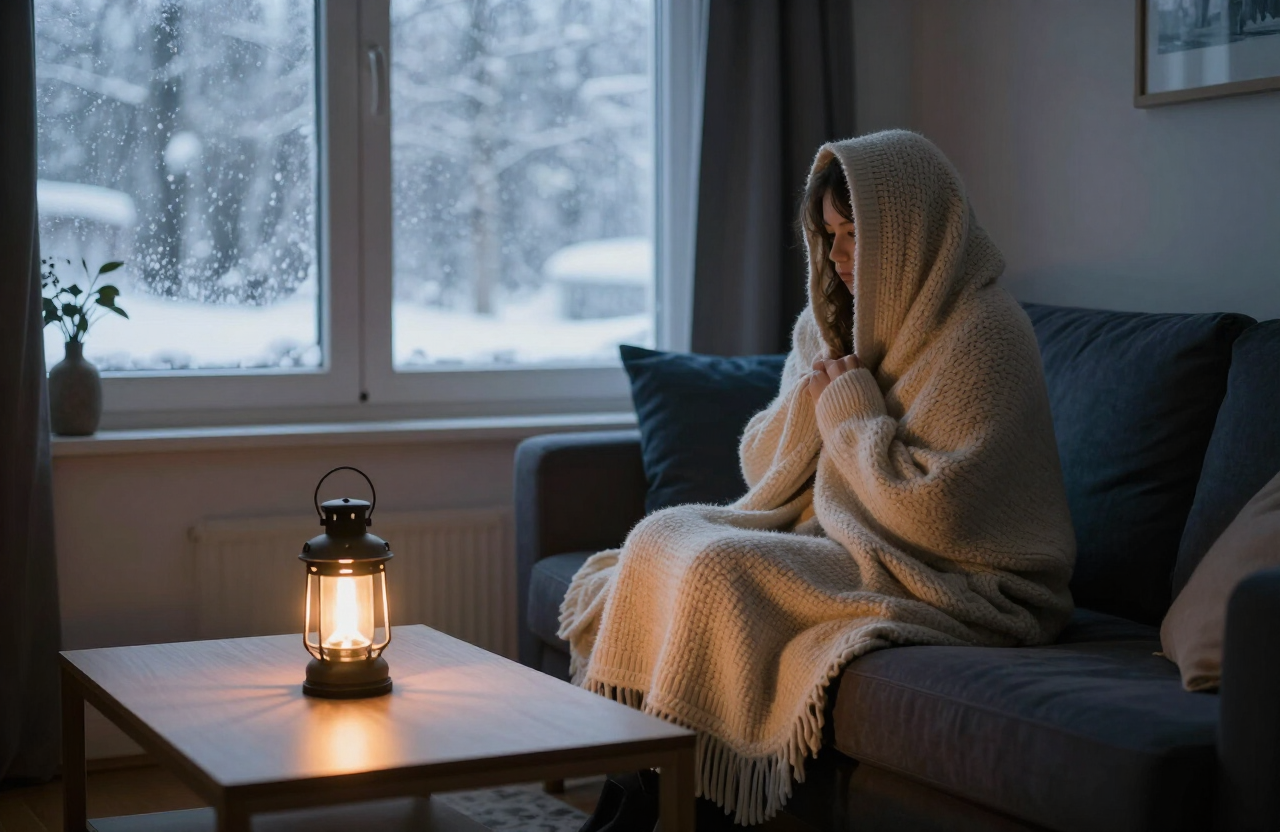
Apartments lose heat more slowly than detached houses because you share walls, floors, and ceilings with neighboring units that are usually still slightly warm. A mid-floor apartment with closed doors can stay above 50 degrees Fahrenheit for a full day even with no heat. The risk is not the building, it is the people inside getting cold, wet, and tired.
The faster you act in the first hour, the longer your apartment stays comfortable. Heat you keep is cheaper than heat you make.
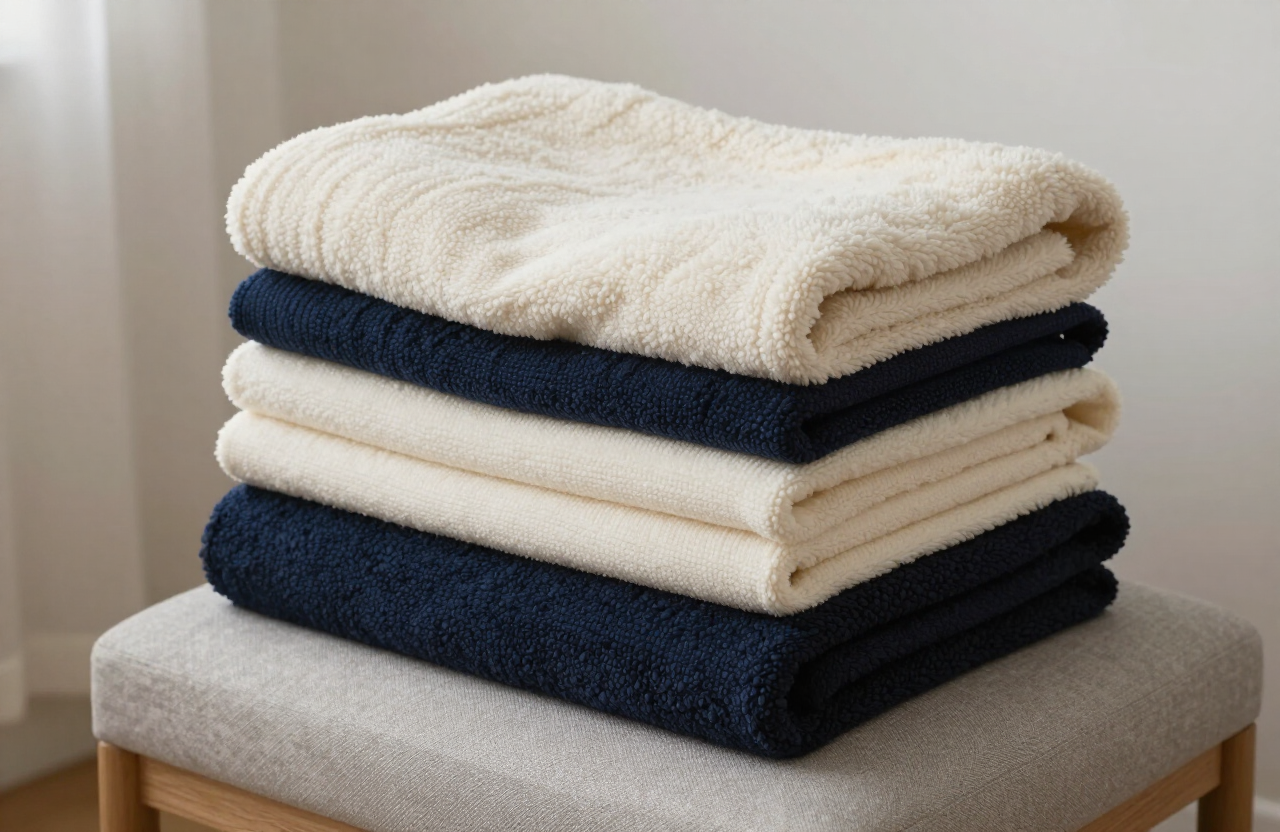
Layer up before you feel cold
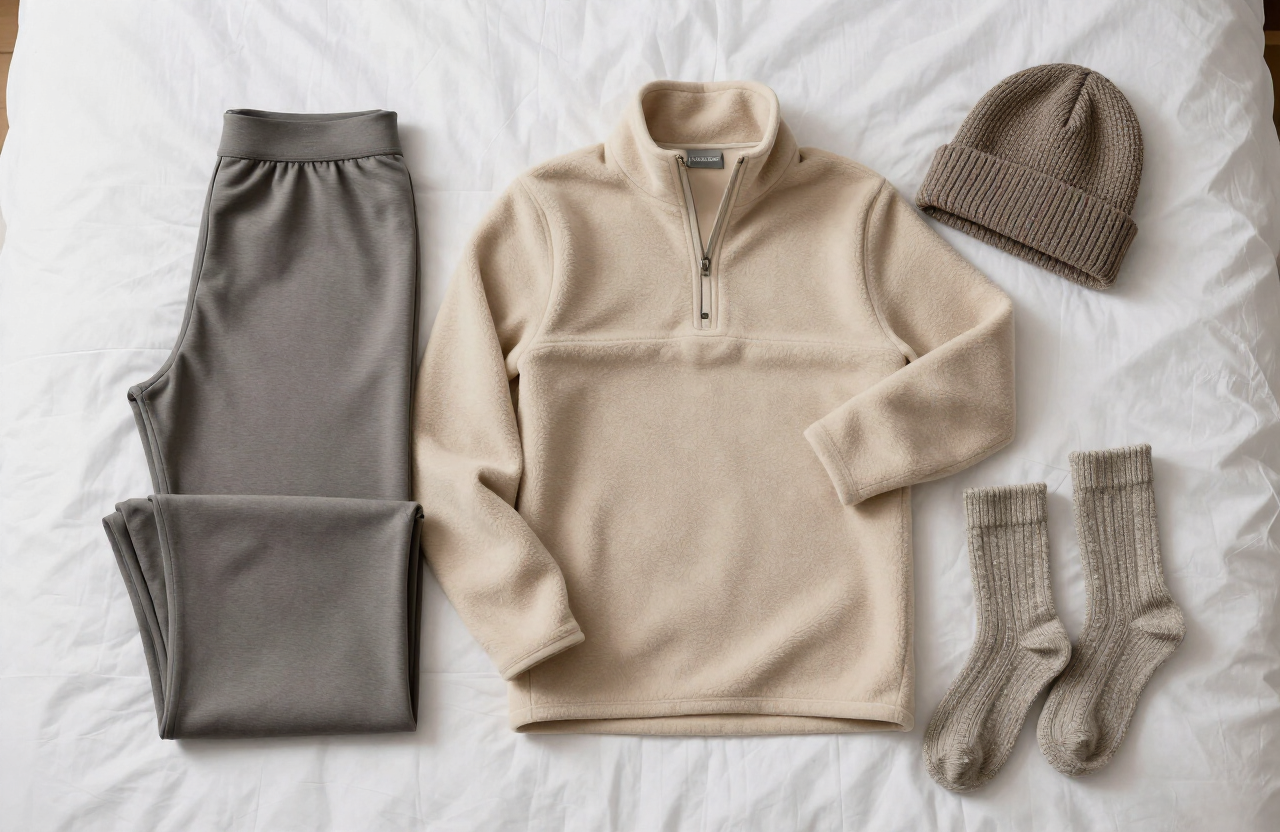
Start with layers the moment the power goes out, not when you start shivering. Once your body temperature drops, it takes much more effort to warm back up.
- A thermal base layer against your skin, then a fleece or wool mid layer, then a loose outer layer
- Wool or thick socks, plus a second dry pair in reserve
- A beanie or hat, since you lose a lot of heat from your head
- Gloves or mittens for your hands, even indoors
Seal the drafts and shrink your space
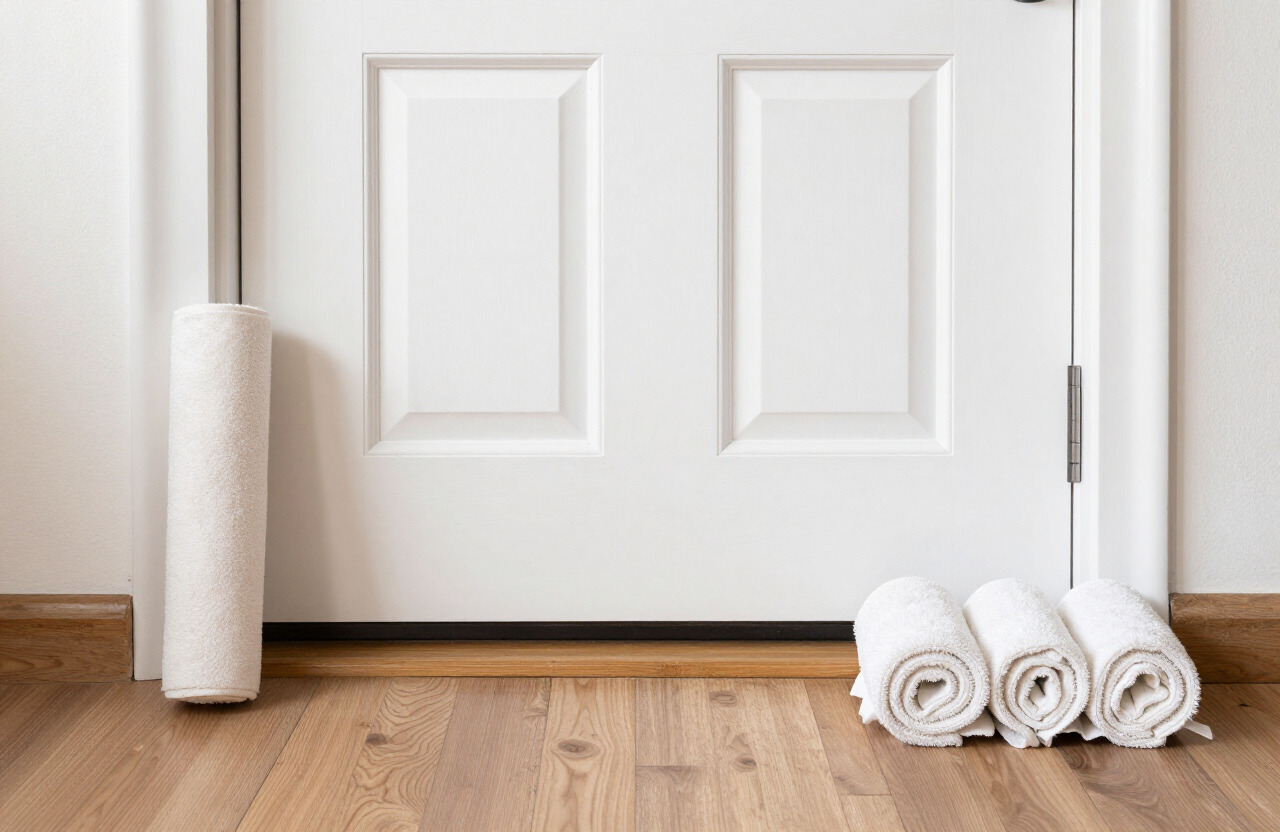
Most apartment heat loss comes from moving air, not cold walls. Stop the drafts first, then shrink the space you are trying to keep warm.
- 1Roll towels or a draft blocker and place them along the bottom of every exterior door
- 2Close blinds and curtains to add an extra layer over cold windows
- 3Close doors to unused rooms so you only heat the space you live in
- 4Pick one small interior room, ideally with no exterior wall, as your warm room
Safe ways to add warmth
You have a few safe indoor options for adding warmth. None of them involve open flames or combustion fuel.
- Body heat: gather people and pets into one room and share blankets
- A blanket fort or tent over the couch or bed traps body heat in a tiny space
- Chemical hand and body warmers, activated when needed and tucked into pockets
- A hot water bottle filled from a camp stove or a neighbor with gas hot water
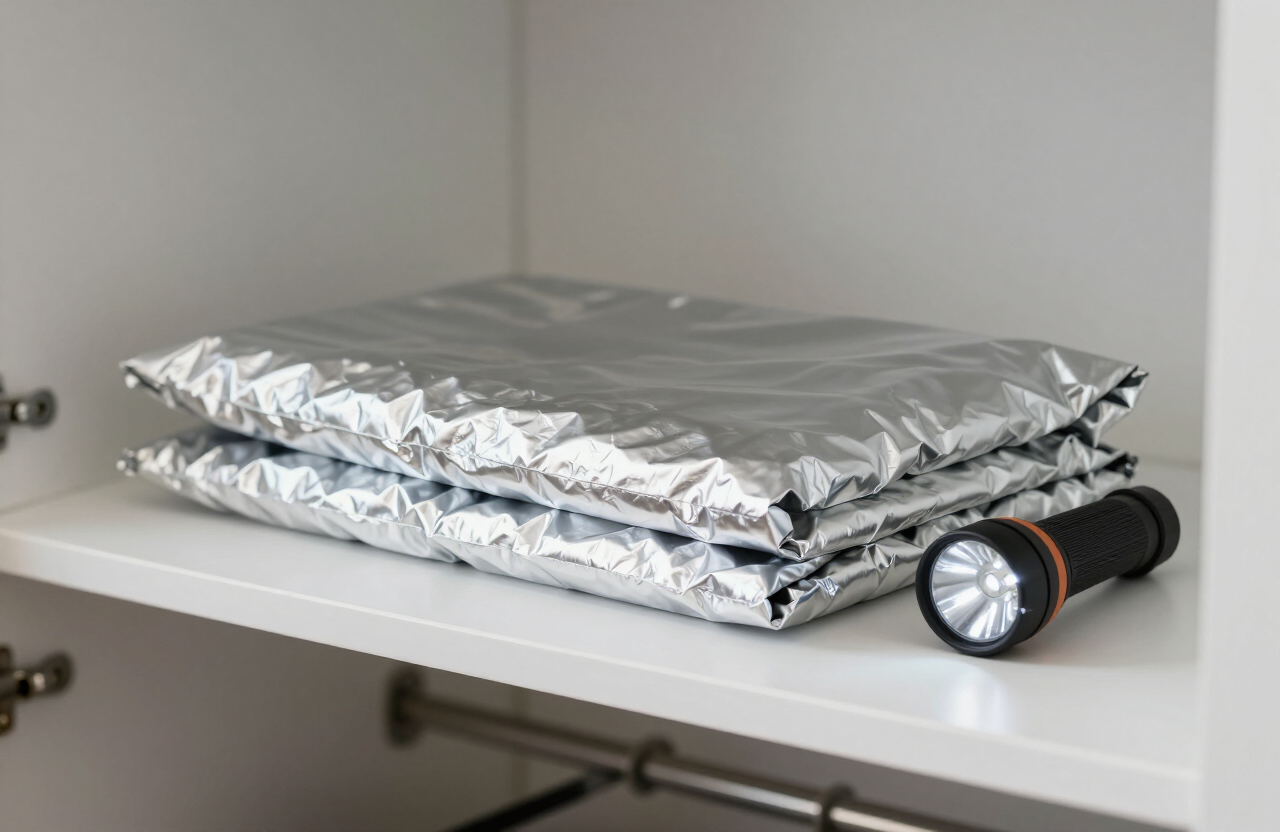
- Mylar emergency blankets, which reflect body heat back toward you
Warm food and warm drinks matter
A warm drink does two things: it raises your core temperature a little, and it lifts your mood, which matters more than people realize during a long, dark, cold evening.
- Keep instant coffee, tea bags, and instant soup on hand
- A thermos holds hot water for hours, so one heating session covers several drinks
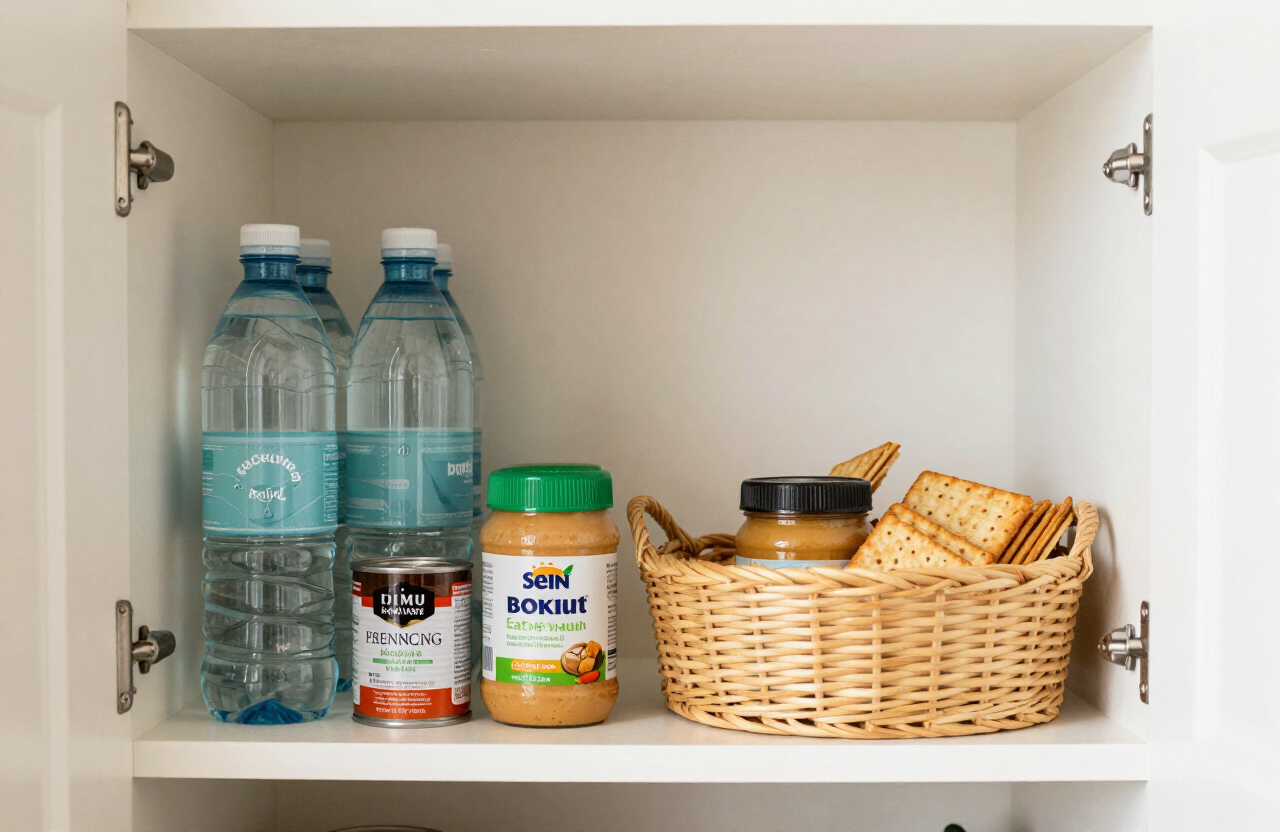
- High calorie snacks like peanut butter, nuts, and cheese give your body fuel to burn for warmth
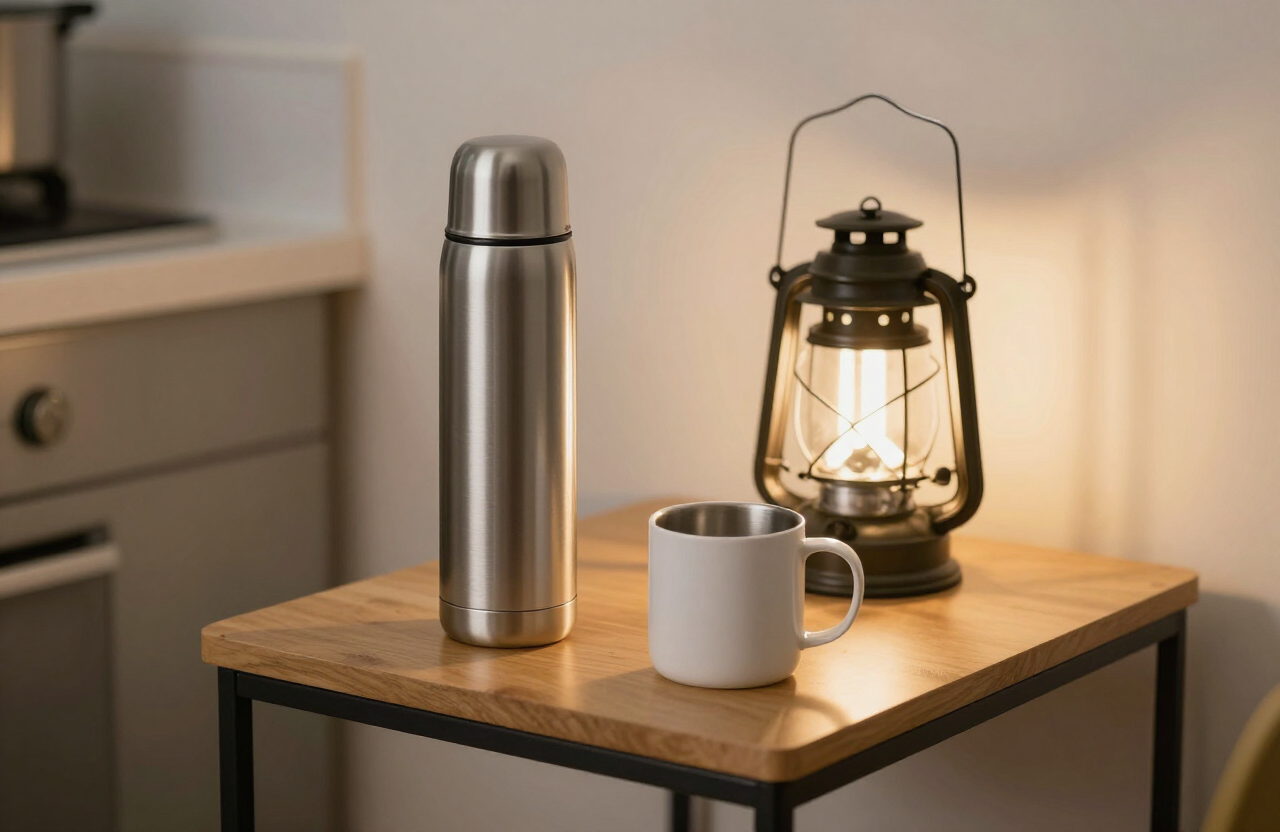
For the food side of a winter outage, see our no-cook blackout meal plan.
Stay informed and know when to leave
A battery or hand crank radio tells you how long the outage may last and whether warming centers have opened nearby. Many cities open free warm shelters during extended cold weather outages.
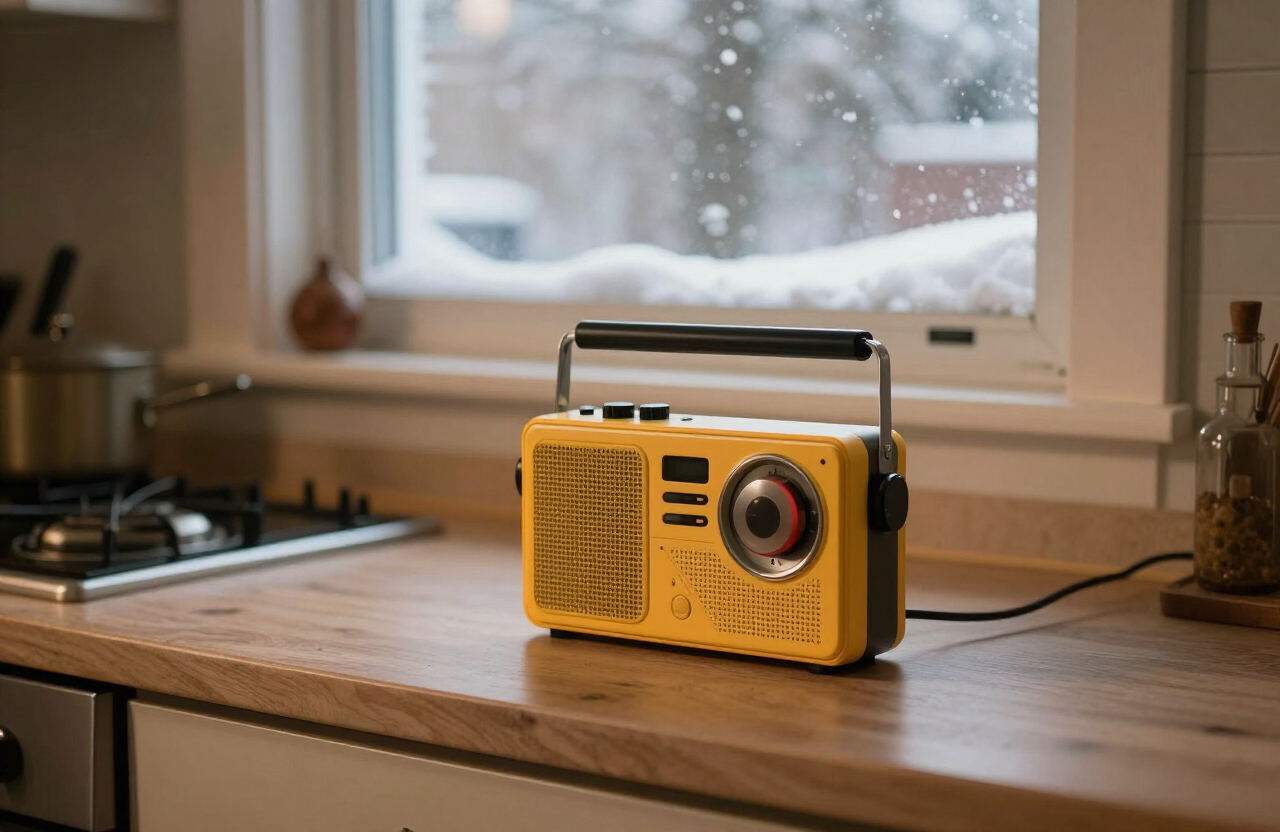
Build the kit behind this plan with our 24-hour power cut guide.
Frequently asked questions
Editorial note: this guide provides general preparedness information, not emergency, medical, legal, or engineering advice. Recommendations are cross-checked against public emergency-management guidance and adapted for small-space living. During an active emergency, follow your local authorities and emergency services. See our editorial standards and affiliate disclosure.