How to Build an Apartment Emergency Kit on a $100 Budget
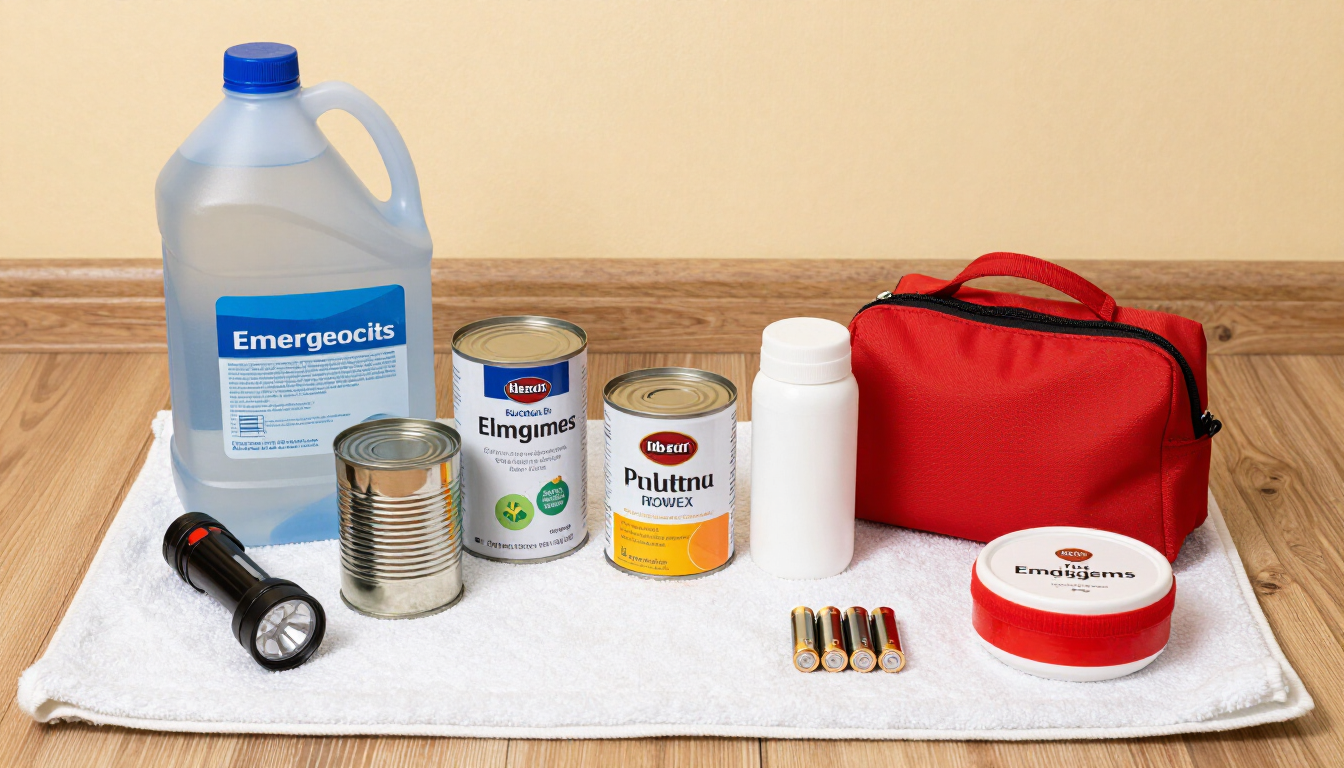
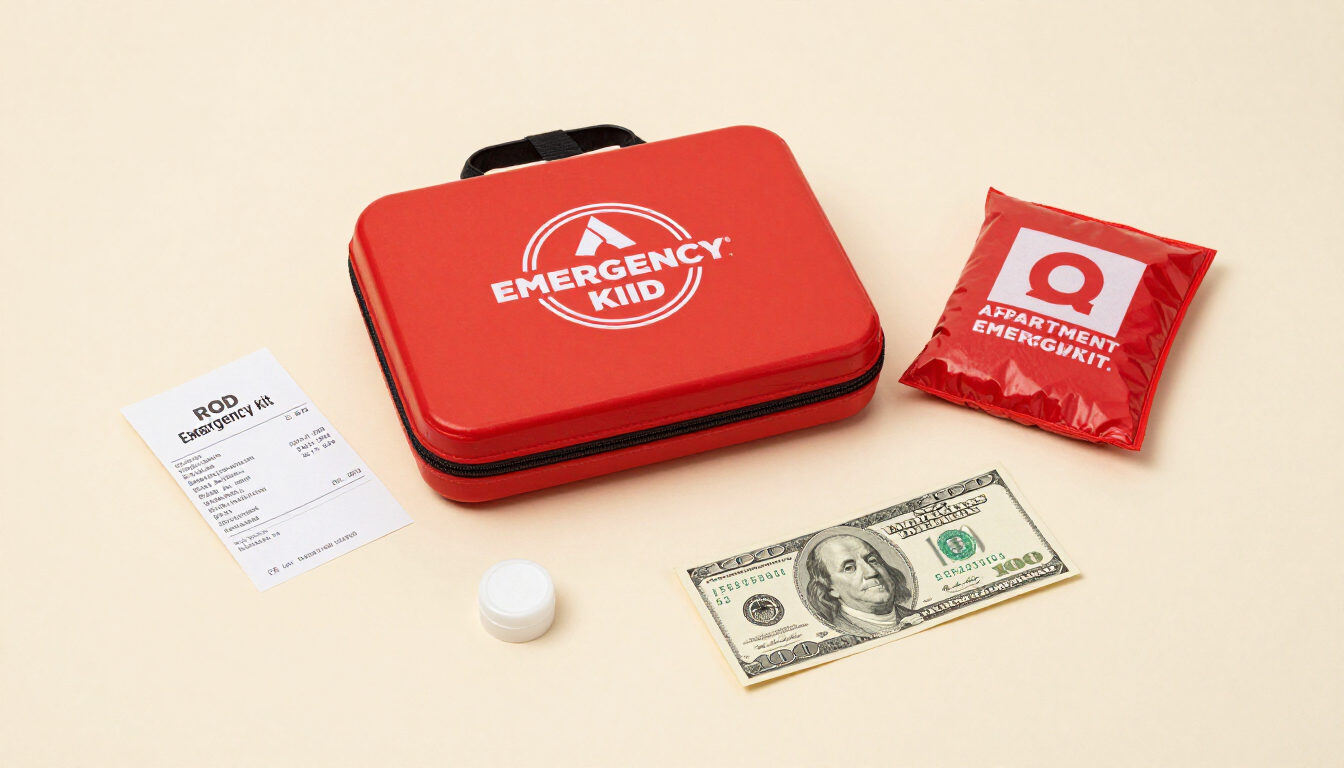
Building an apartment emergency kit on a $100 budget gives you a real, renter-safe 72-hour kit without the guesswork, because a fixed number forces you to buy the essentials first and skip the gear that can wait. A hundred dollars is enough to cover water, food, light, power, first aid, and documents for one person if you spend it in the right order.
Why a $100 budget works
A hundred dollars sits in a useful spot. It is more than the bare minimum, so you can buy a real flashlight and a decent power bank instead of the cheapest versions. It is also low enough that you cannot talk yourself into a generator or a fancy multitool that an apartment does not need.
The key is buying in priority order. If you run out of budget, the last items cut are the least important, not the most.
For the absolute lowest-cost approach, see our cheapest-kit guide.
The $100 apartment kit breakdown
Prices vary by store and region, so treat these as ranges. The total lands around $100 for one person, with a little flex to swap items for what you already own.
| Category | What to buy | Rough cost |
|---|---|---|
| Water | 3 gallons bottled water + 1 collapsible jug | $10 to $14 |
| Food | 3 days no-cook: cans, bars, peanut butter, crackers | $18 to $24 |
| Light | 1 LED lantern + 1 headlamp + spare batteries | $15 to $20 |
| Power | 1 power bank (10,000 mAh) with a short cable | $15 to $20 |
| First aid | Basic first aid kit + your medications | $10 to $15 |
| Sanitation | Trash bags, wipes, hand sanitizer, toilet paper | $6 to $10 |
| Documents and cash | Pouch, ID copies, $20 in small bills | $5 to $8 |
Water and food first
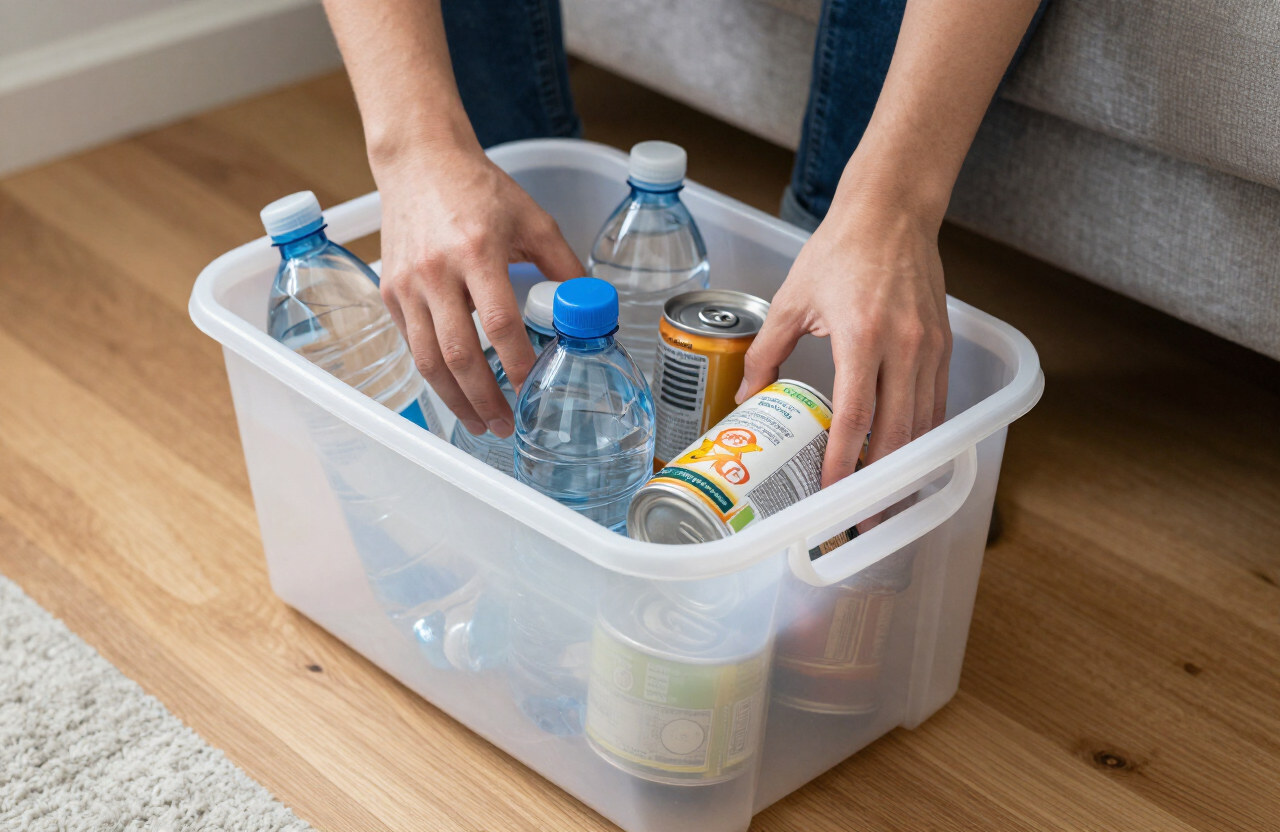
Water and food come first because they are the hardest to improvise in an outage. Three gallons of bottled water covers one person for 72 hours. Add a collapsible jug so you can fill more if you get warning of a storm.
For food, pick no-cook items you will actually eat: canned beans, soup, tuna, peanut butter, crackers, granola bars, and shelf-stable fruit. Buy a manual can opener if you do not already own one, and tape it to the food bin so it does not wander off.
Plan three days of meals with our no-cook blackout meal plan.
Light and power
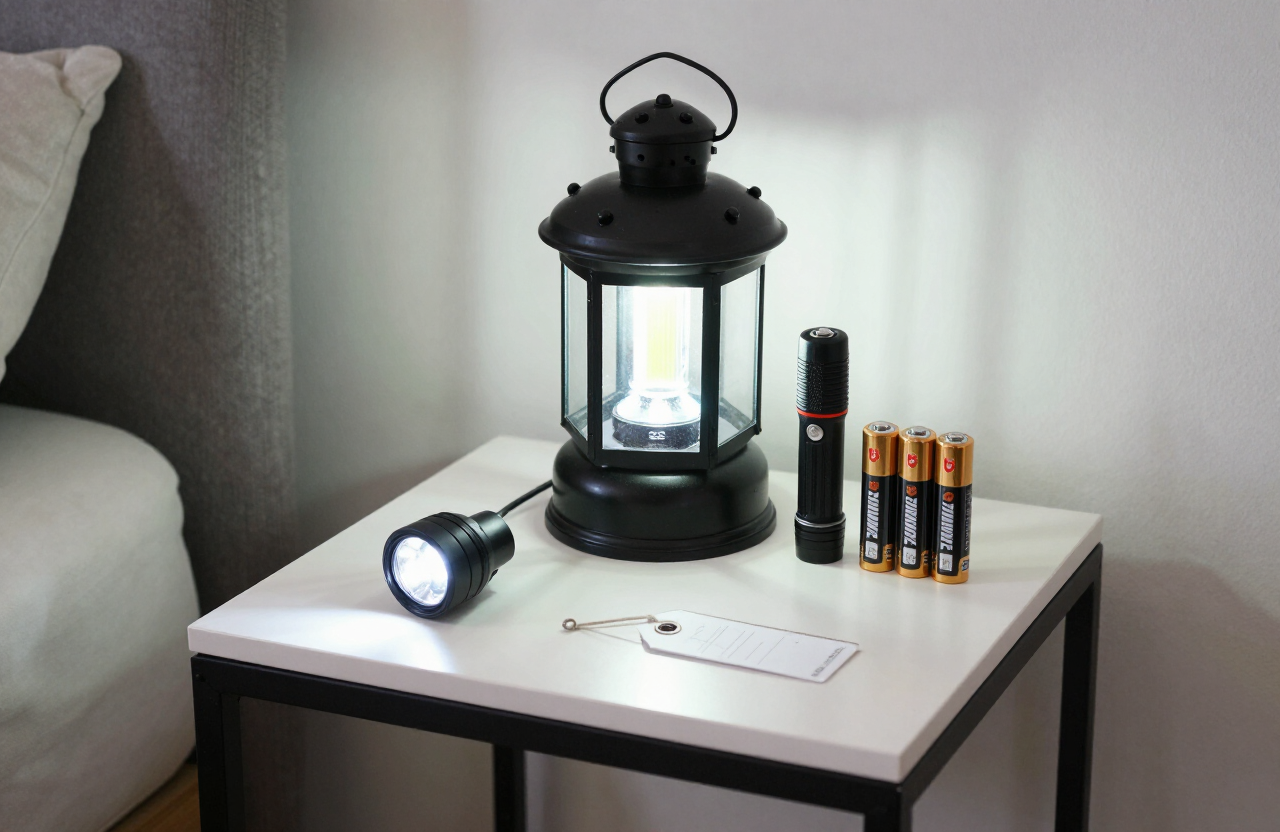
A battery LED lantern lights a whole room and frees your hands. A headlamp is best for finding gear or reading a meter in the dark. Skip candles entirely, they are a fire risk and many leases ban them.
- One LED lantern for the main room
- One headlamp for hands-free tasks
- Spare batteries in the exact sizes your lights use
- One 10,000 mAh power bank with a short cable attached
For charging strategy, see our phone-charging guide.
First aid and sanitation
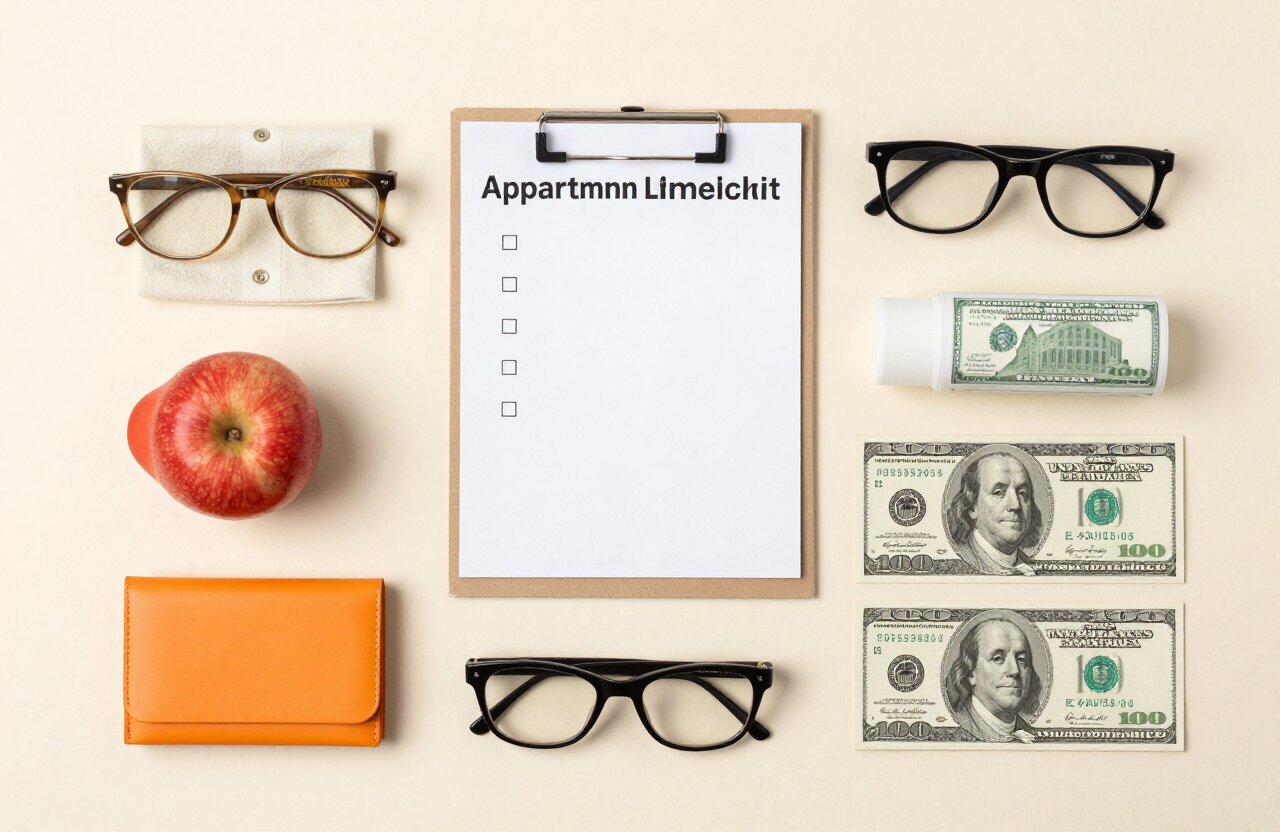
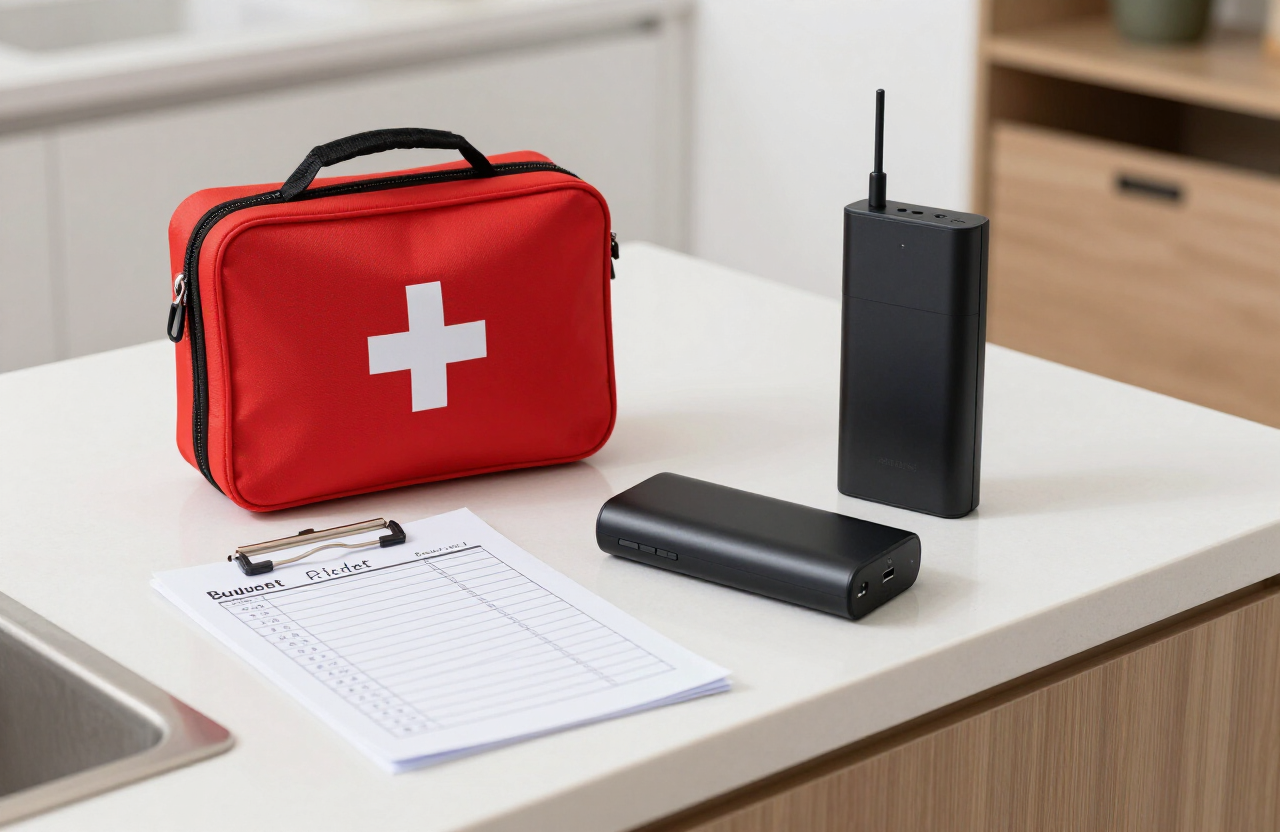
A basic first aid kit from a discount store covers cuts, scrapes, and minor burns. Add your personal medications and a spare pair of any prescription glasses you need. Sanitation is cheap and easy to overlook: trash bags, wipes, hand sanitizer, and toilet paper.
Build the medical side with our guide for renters with medical conditions.
Documents and cash
A small pouch with copies of your ID, insurance card, lease, and a list of emergency contacts costs almost nothing and saves hours during an evacuation. Add $20 in small bills, since cards may not work if power or phone lines are down.
- Photocopies of ID, insurance, and your lease
- A printed contact list with landlord and utility numbers
- $20 in small bills for transit or a closed store
- A spare key and a list of any medical conditions
See the full list in our emergency documents guide.
Where to shop to stretch the budget
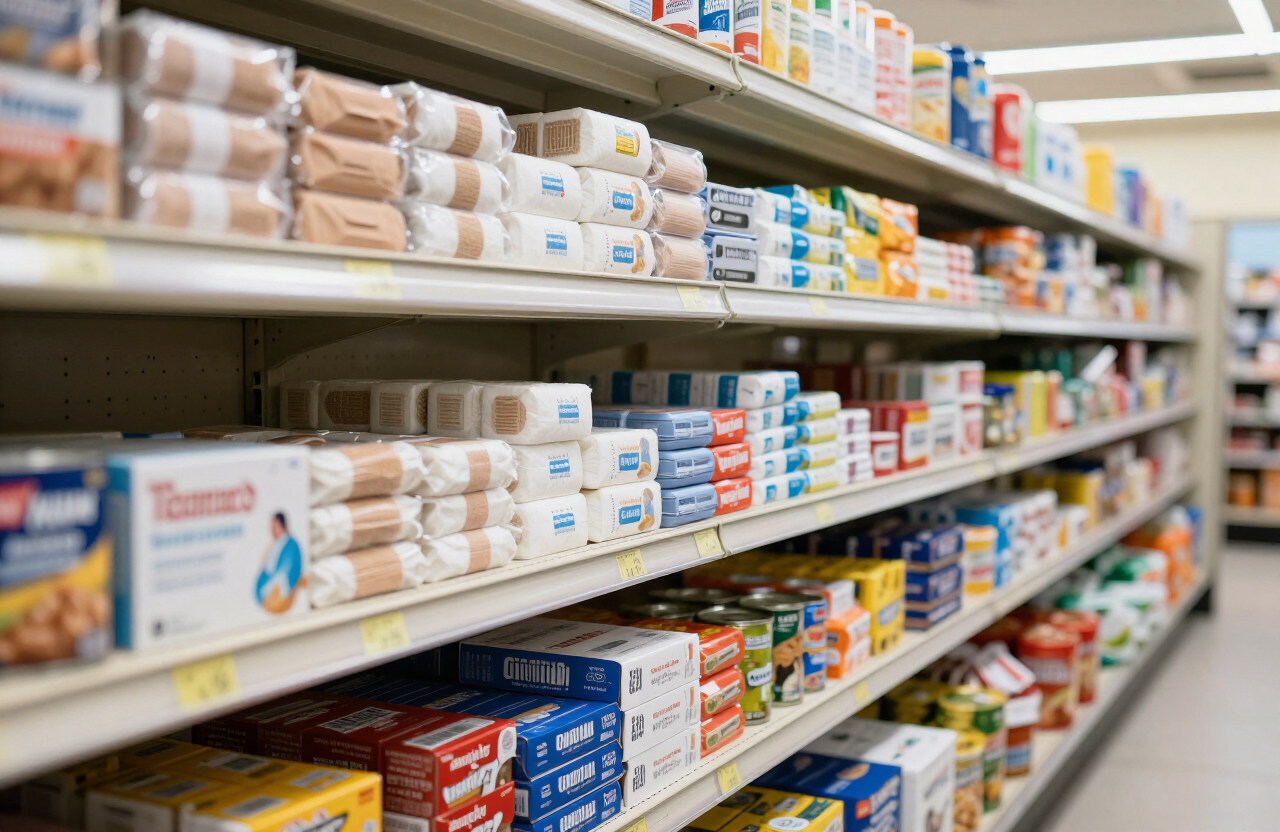
The dollar store is the best first stop for sanitation, batteries, and some first aid basics. The supermarket covers water and food at fair prices. A discount retailer or online store is best for the lantern, headlamp, and power bank, where quality matters more than the dollar store can deliver.
For the dollar-store approach, see our dollar-store kit guide.
Upgrading later without waste
A $100 kit is a starting point, not a finish line. The smart way to upgrade is one item at a time, and only when the upgrade replaces something you already use. That way nothing gets wasted.
- 1Add a larger power bank or a small UPS once the basics are solid
- 2Add a portable power station only if you have a medical device or frequent long outages
- 3Extend water and food from 3 days toward a week
- 4Add a weather radio with alert mode as a next-tier upgrade
A hundred dollars spent in priority order beats five hundred dollars spent without a list.
Small Space Emergency editorial team
For the $50 version, see our $50 budget kit guide.
Frequently asked questions
Editorial note: this guide provides general preparedness information, not emergency, medical, legal, or engineering advice. Recommendations are cross-checked against public emergency-management guidance and adapted for small-space living. During an active emergency, follow your local authorities and emergency services. See our editorial standards and affiliate disclosure.