Apartment Emergency Kit on a $50 Budget
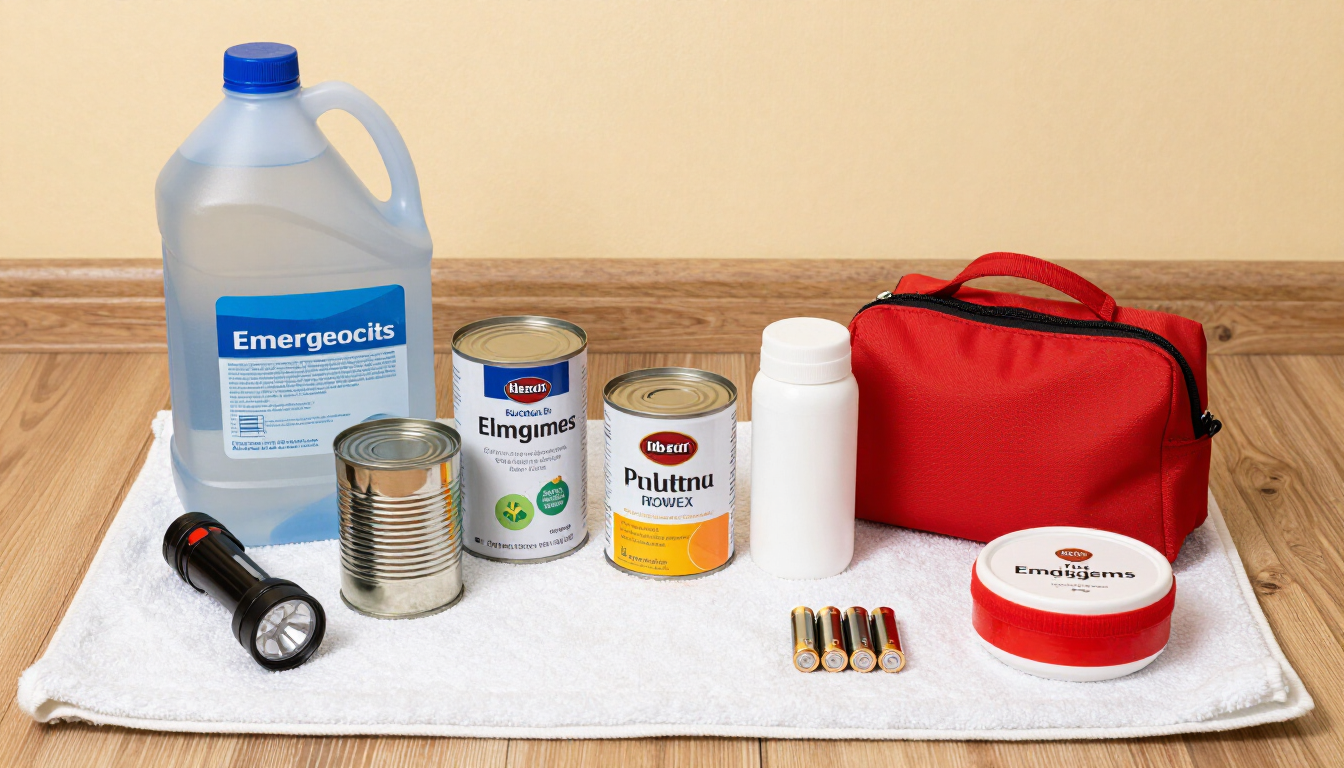
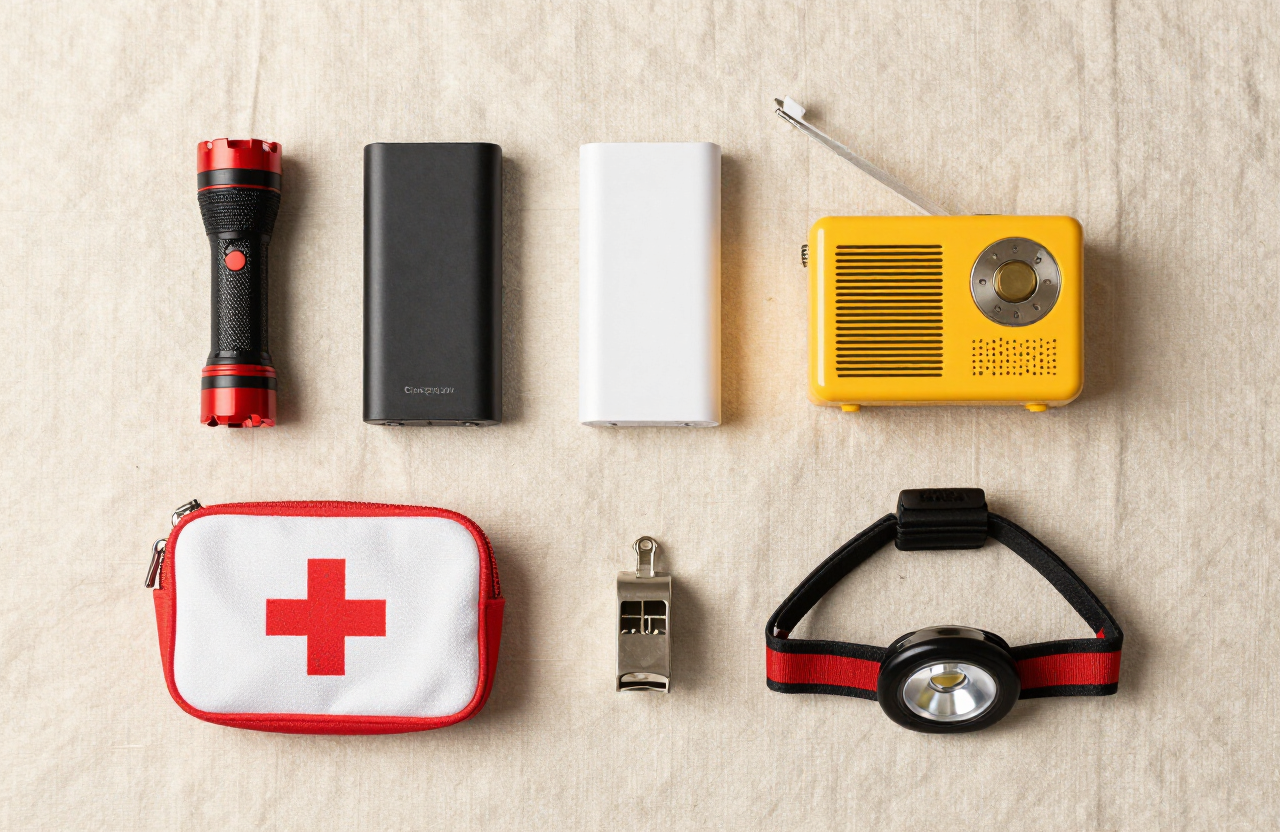
A solid apartment emergency kit does not require a big budget. With about $50 and one supermarket trip, you can cover water, food, light, first aid, and the basics for one person for 72 hours. The free steps you do at home fill in everything else.

The $50 shopping list
This list is built for one person over 72 hours. Prices vary by store and region, so treat the amounts as a guide, not a guarantee. The point is that the whole kit fits one normal grocery trip.
| Item | What it covers | Rough cost |
|---|---|---|
| 3 gallons of water | 72 hours of drinking water | $4 to $6 |
| 3 days of no-cook food | Meals and snacks | $12 to $15 |
| LED flashlight | Light without candles | $6 to $10 |
| Spare batteries | Keeps the light working | $4 to $6 |
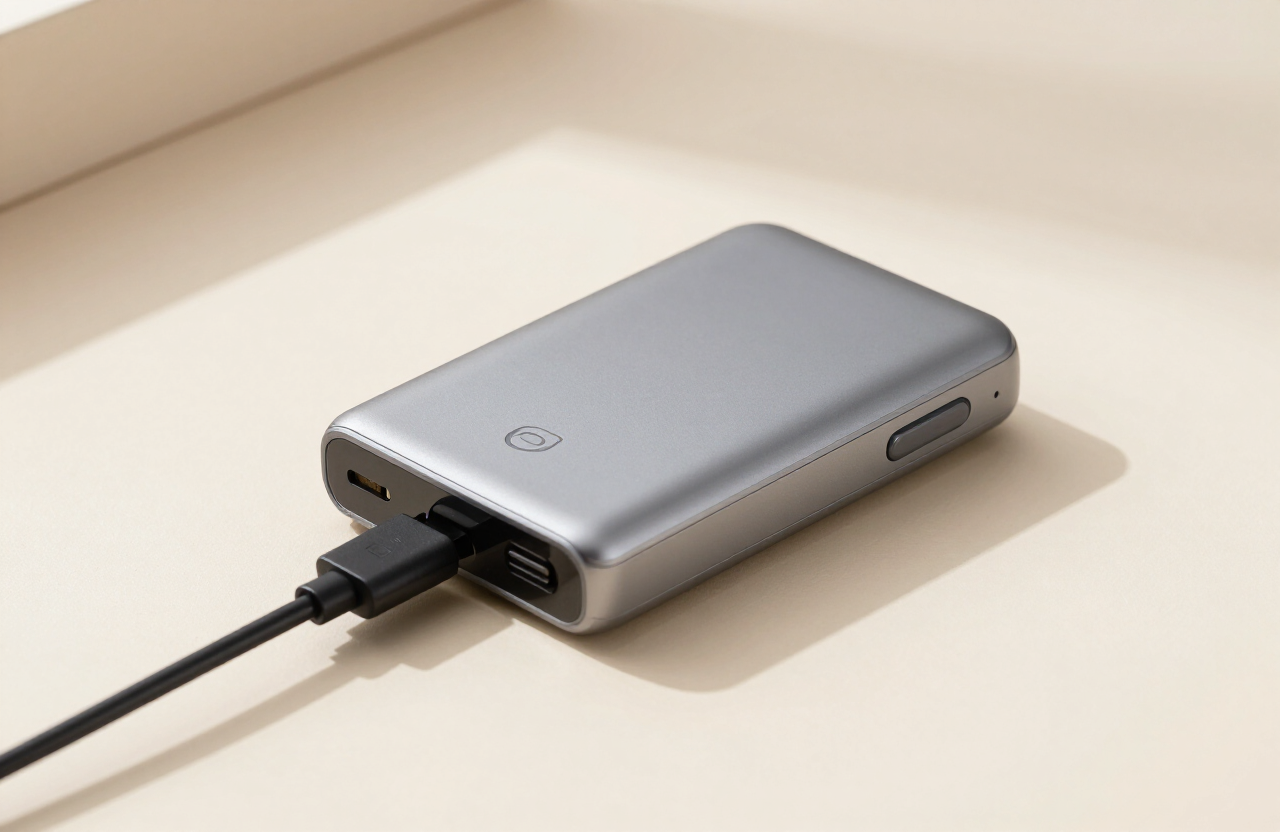
| Power bank | Phone charging | $10 to $15 |
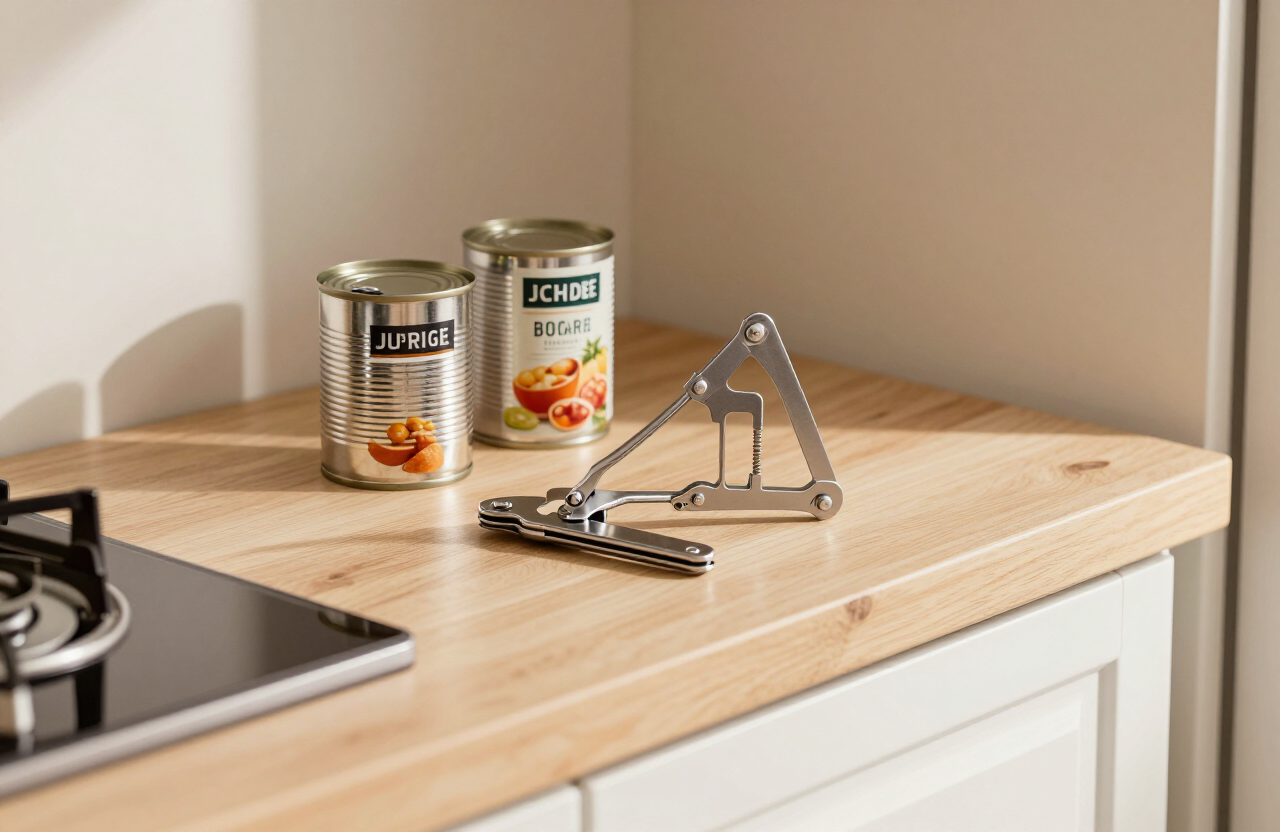
| Manual can opener | Opens canned food | $3 to $5 |
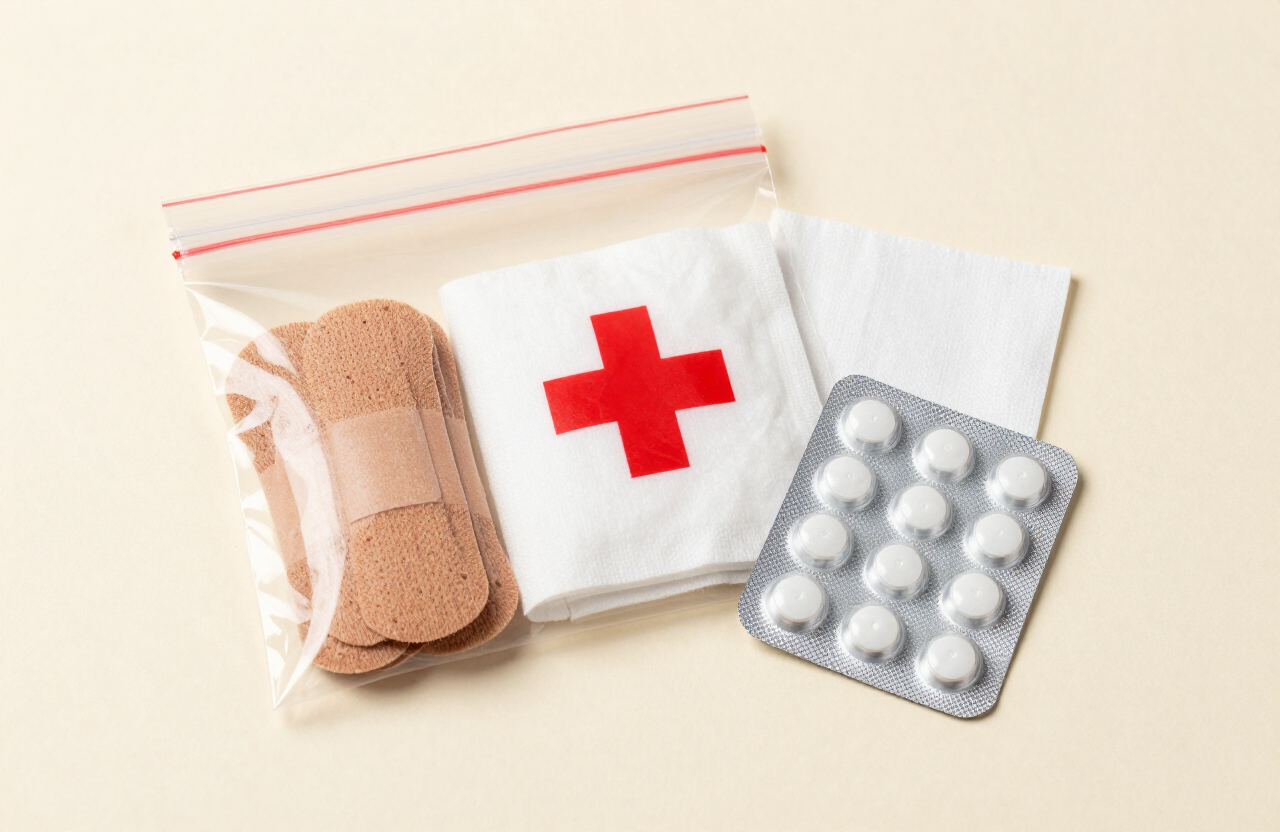
| Basic first-aid pouch | Bandages and pain relievers | $5 to $8 |
Where to spend and where to save
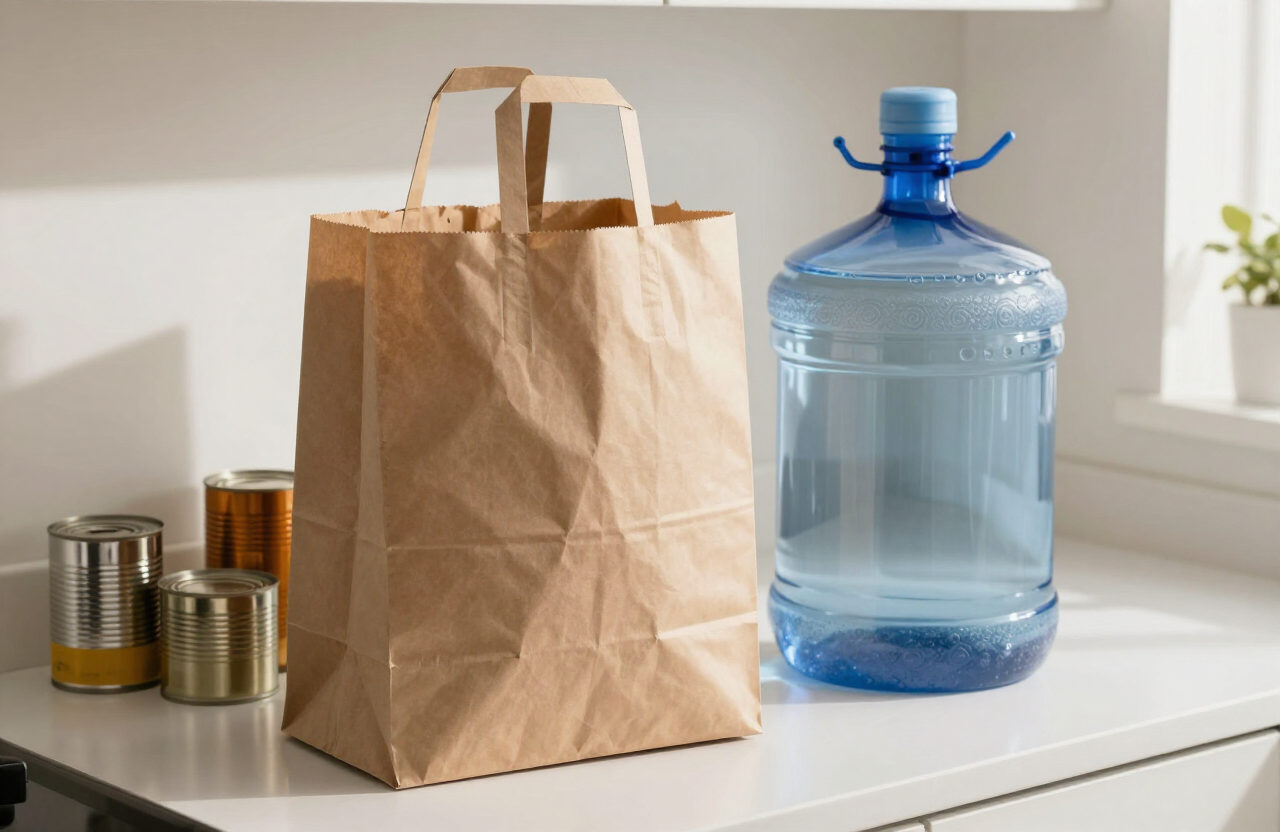
Inside a $50 budget, a few choices matter. Spend on the items that protect health and safety, and save on the items where any version works.
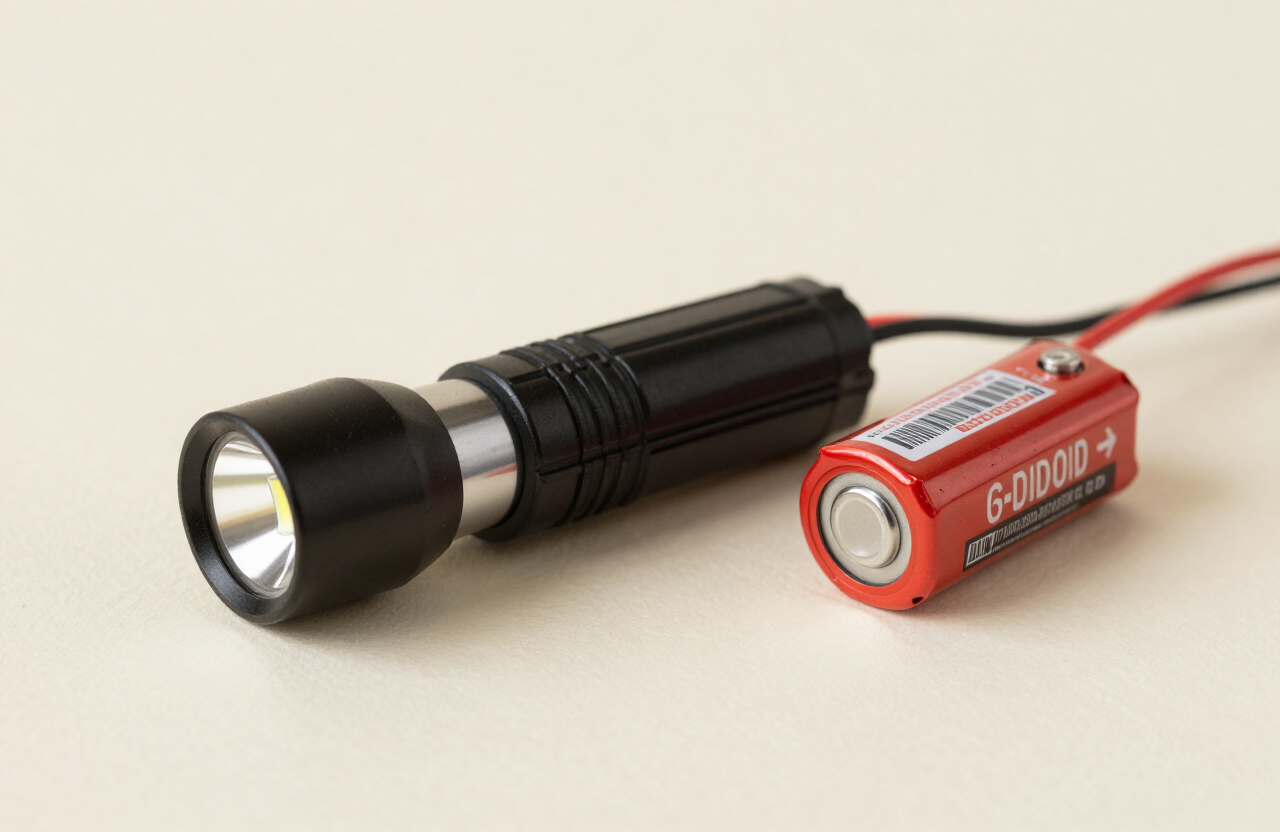
- Spend on the power bank: a known brand with real capacity is worth it
- Spend on water containers: food-grade and leak-free
- Save on the flashlight: a basic LED is bright enough for an apartment
- Save on the bin: a clean lidded box works
- Save on the first-aid pouch: store-brand bandages and pain relievers are fine
For the absolute lowest-cost approach, see our cheapest-kit guide.
The free steps that fill the gaps
A $50 kit covers gear. The free steps you do at home cover the plan, the contacts, and the knowledge. Together they make a complete 72-hour setup.
- Write your household plan and out-of-area contact on paper
- Photograph your ID, lease, and insurance and store copies in the cloud
- Learn your building exits and utility shutoff locations
- Save your utility outage-reporting number on paper
- Practice finding your kit in the dark once
A household with a $50 kit and a real plan is better prepared than one with an expensive kit and no plan.
Check your build against the full 72-hour checklist.
What to skip on a tight budget
A $50 budget means choices. Skip the items that are nice to have but not essential for 72 hours, and add them later.
- Skip a radio for now; your phone gets emergency alerts
- Skip duplicate tools; one multi-tool is enough
- Skip freeze-dried meals; supermarket food is cheaper per meal
- Skip a big bin; a clean box or old backpack works
- Skip comfort items until the basics are covered
Storing a $50 kit in a small apartment
The kit needs a home, not a pile. Pick one spot, a closet shelf, an under-bed bin, or a handled caddy, and give it the whole job.
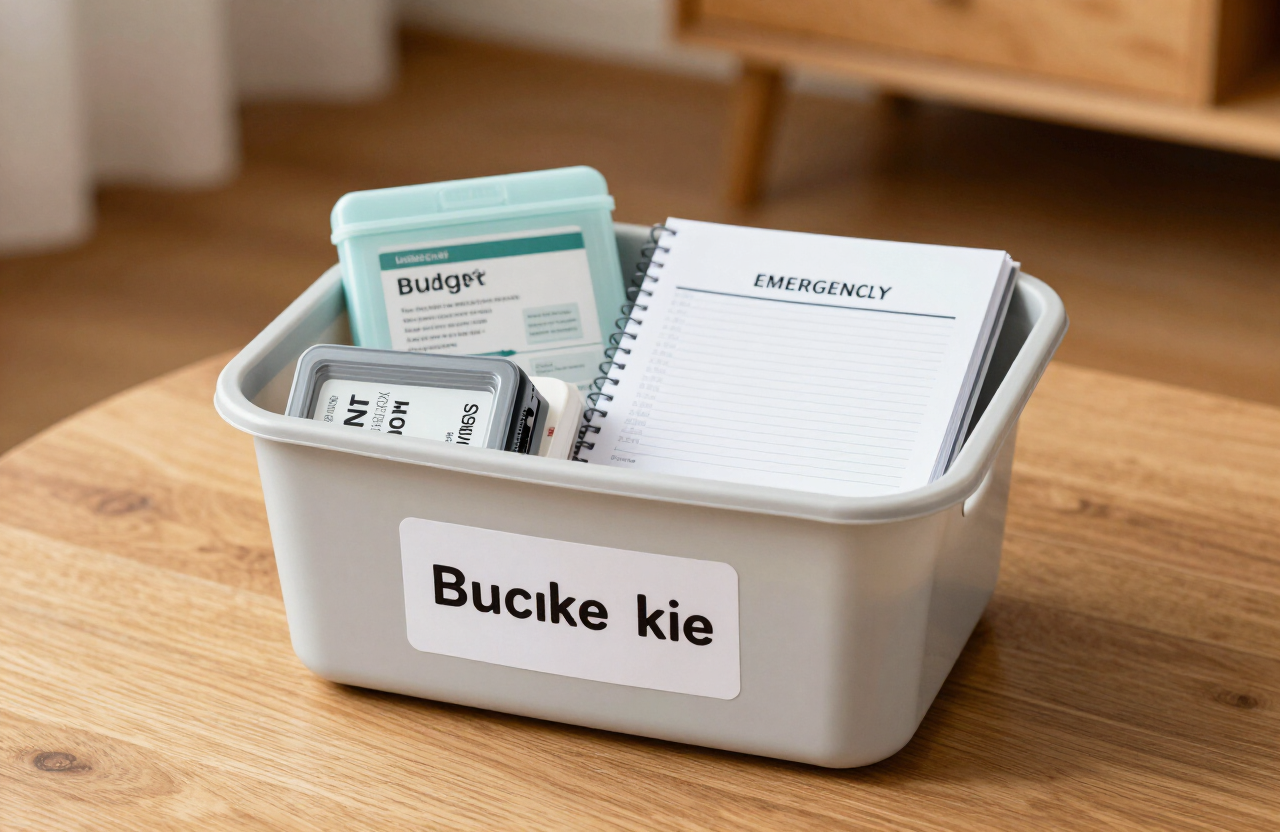
- One bin or box holds everything
- Label it and tape an inventory card to the lid
- Keep the go-bag portion, water and documents, by the door
- Check dates and charge every six months
A $50 kit plus a free plan beats a $200 kit with no plan. The plan is the part you cannot buy.
Small Space Emergency editorial team
A sample $50 trip, aisle by aisle
Here is one way a $50 trip comes together, aisle by aisle. Prices vary, so treat this as a guide to what to grab, not a fixed receipt.
| Aisle | Items | Why |
|---|---|---|
| Beverages | 3 gallons of water | The cheapest life-safety item |
| Pantry | Crackers, peanut butter, canned beans, a can opener | No-cook meals and the opener to use them |
| Household | A flashlight, batteries, trash bags, wipes | Light and sanitation |
| First aid | Bandages, gauze, pain relievers | Basic injury care |
| Electronics | A budget power bank | Phone charging |
If a single aisle pushes you over $50, swap a brand name for a store brand first. The kit works the same with store-brand bandages and crackers, and the savings usually bring you right back under budget. The goal is one complete trip, not a perfect one.
Frequently asked questions
Editorial note: this guide provides general preparedness information, not emergency, medical, legal, or engineering advice. Recommendations are cross-checked against public emergency-management guidance and adapted for small-space living. During an active emergency, follow your local authorities and emergency services. See our editorial standards and affiliate disclosure.