How to Keep Your Phone Charged During an Apartment Power Outage
Keeping your phone charged during an apartment power outage is how you stay connected to alerts, family, and emergency services when the grid is down. A charged phone is your warning system, your map, and your lifeline, and a few simple tools and habits keep it running for days without wall power.
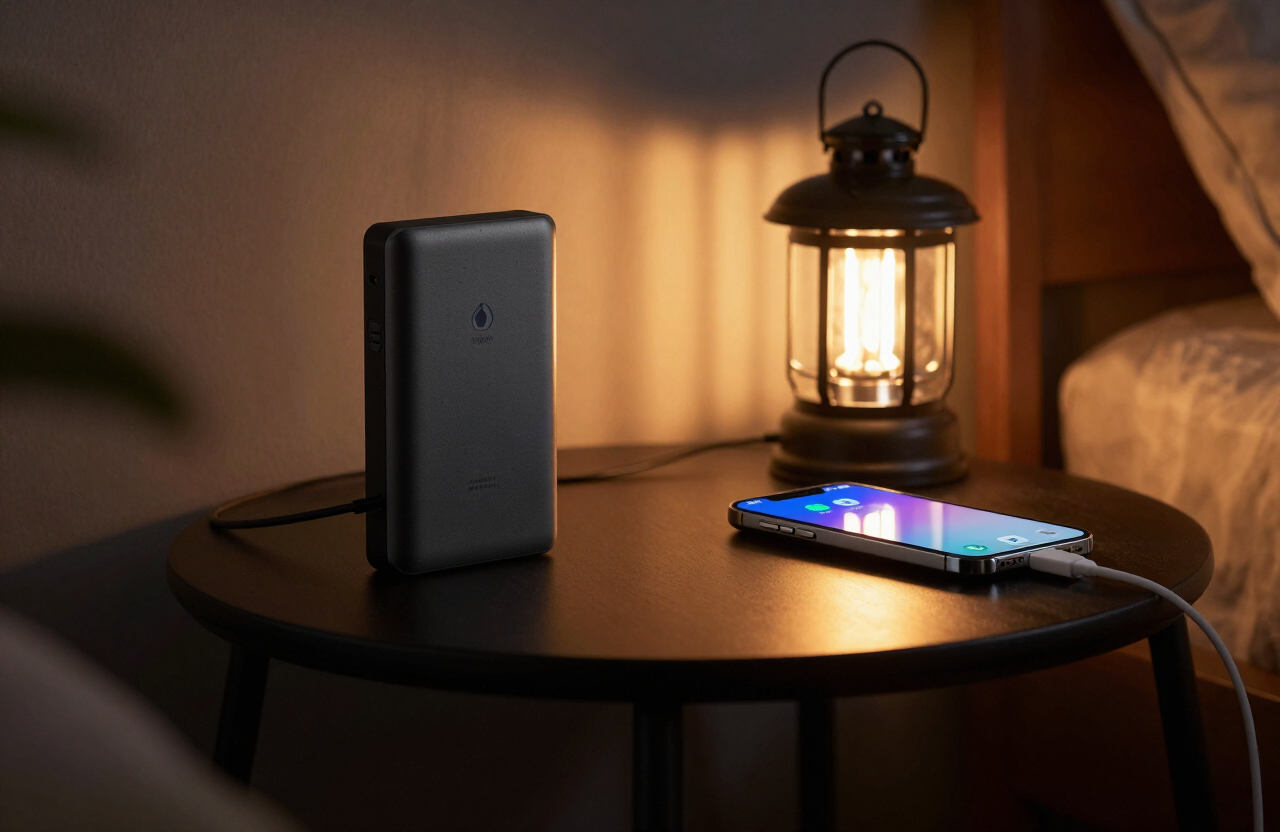
Why your phone is your most important tool
During an outage your phone delivers emergency alerts, lets you check on family, maps the nearest open shelter, and calls for help. Losing it means losing your connection exactly when you need it most. A charging plan is a core part of apartment preparedness, not an extra.
Start with a good power bank
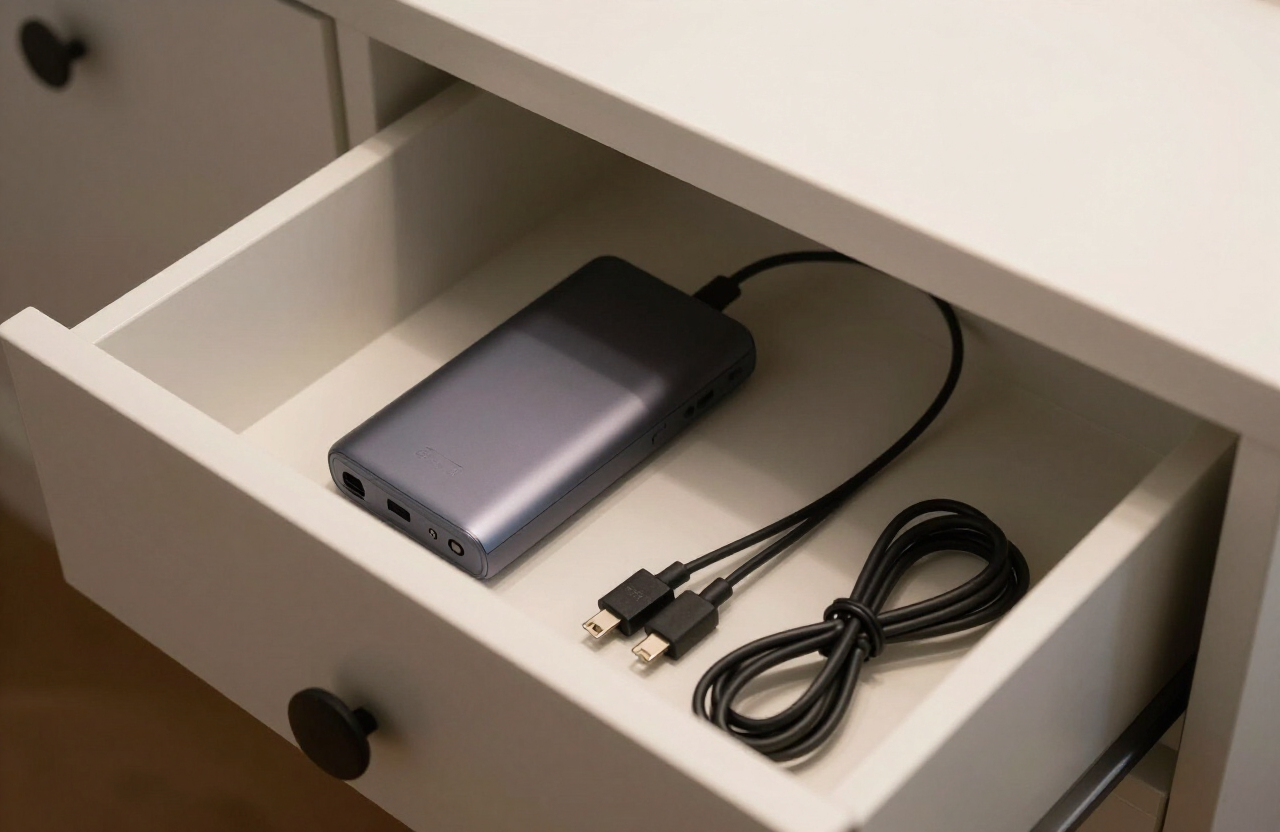
A power bank is the simplest, most reliable backup. Size it to refill your phone several times, and keep it charged before any storm.
- A 10,000 mAh bank refills most phones about two to three times
- A 20,000 mAh bank covers a phone for several days of careful use
- Keep the right cables, including a short one for easy packing
- Look for a bank with a USB-C port that can charge itself and other devices
Add solar and hand-crank backups
For a long outage, a power bank eventually runs out. A small solar charger and a hand-crank radio extend your charging options with no grid power at all.
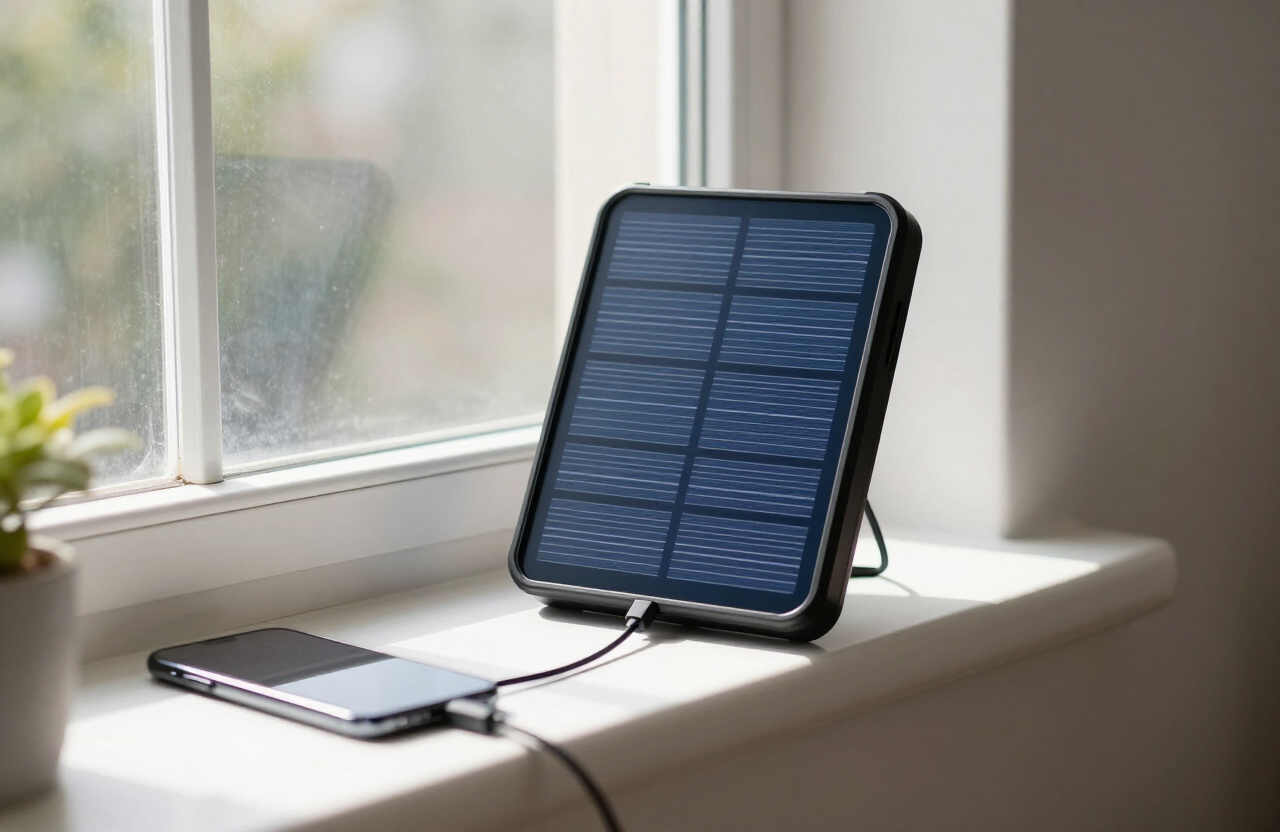
- A small solar panel in a sunny window trickle-charges a phone or bank
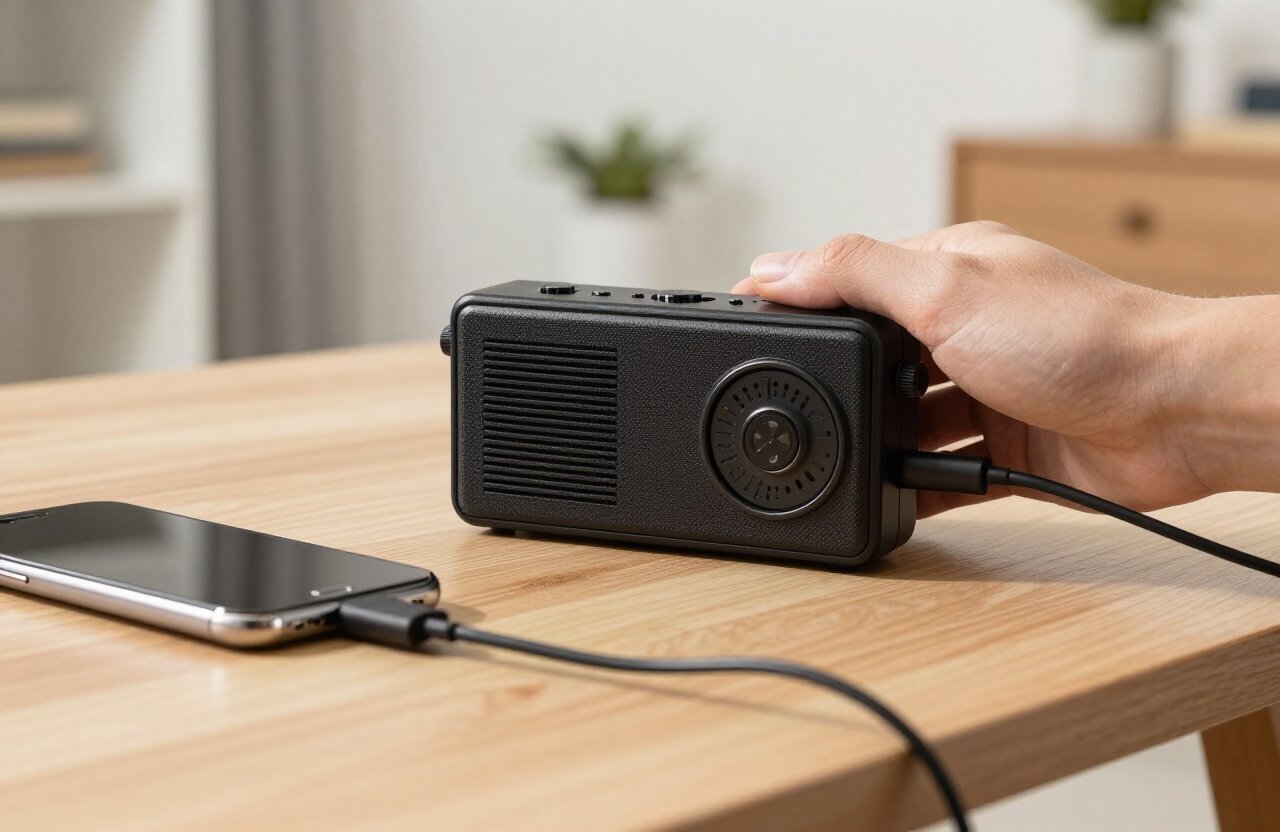
- A hand-crank emergency radio with a USB port gives a small charge in a pinch
- Solar is slow, so treat it as a top-up, not a main charger
- Keep both in your kit and test them once a year
Use your car as a last-resort charger
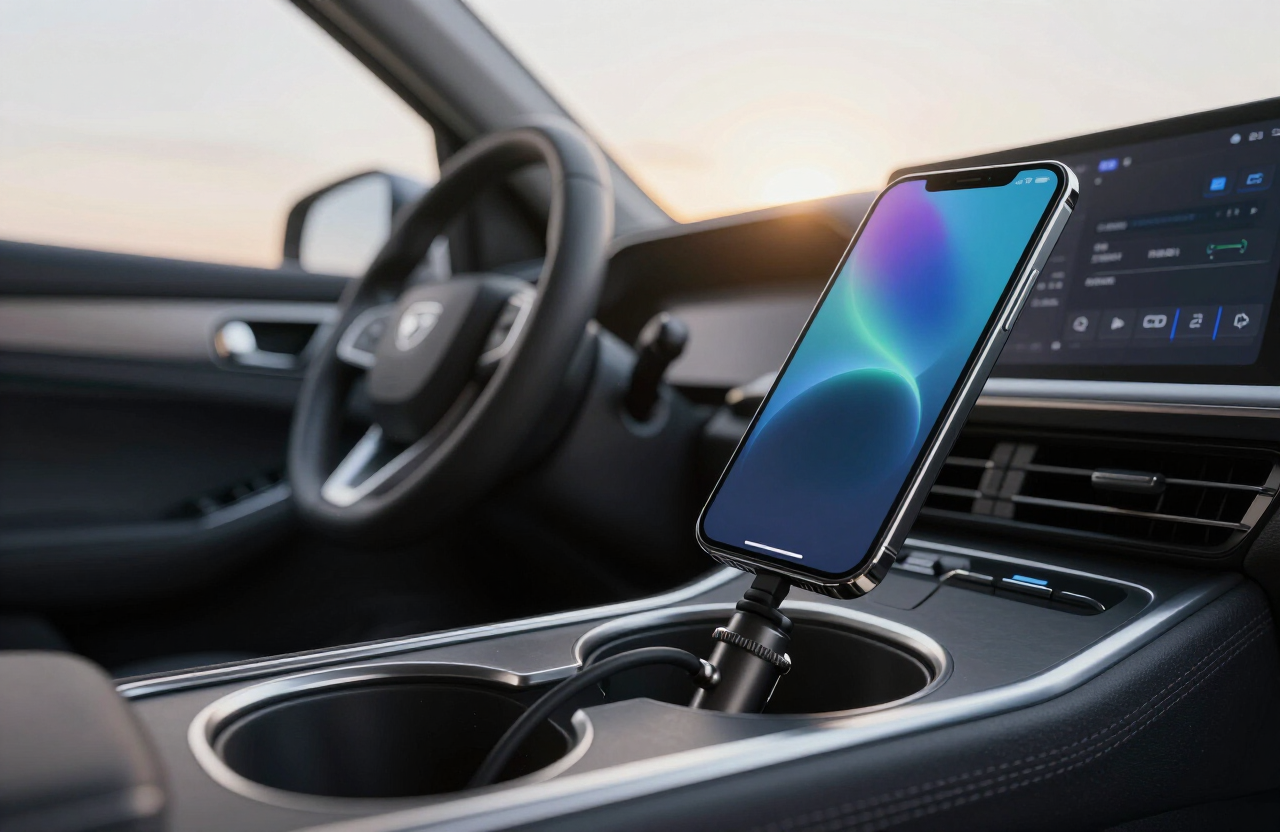
If you have a car, even a parked one, it is a large battery on wheels. A car charger adapter refills your phone and your power bank when home power is out.
- Keep a USB car charger adapter in the glove box
- Run the car outdoors or in a well-ventilated spot, never in a closed garage
- Charge your phone and power bank together to stretch one trip
- A 12V inverter can also run small devices if you need more
Stretch the battery you have
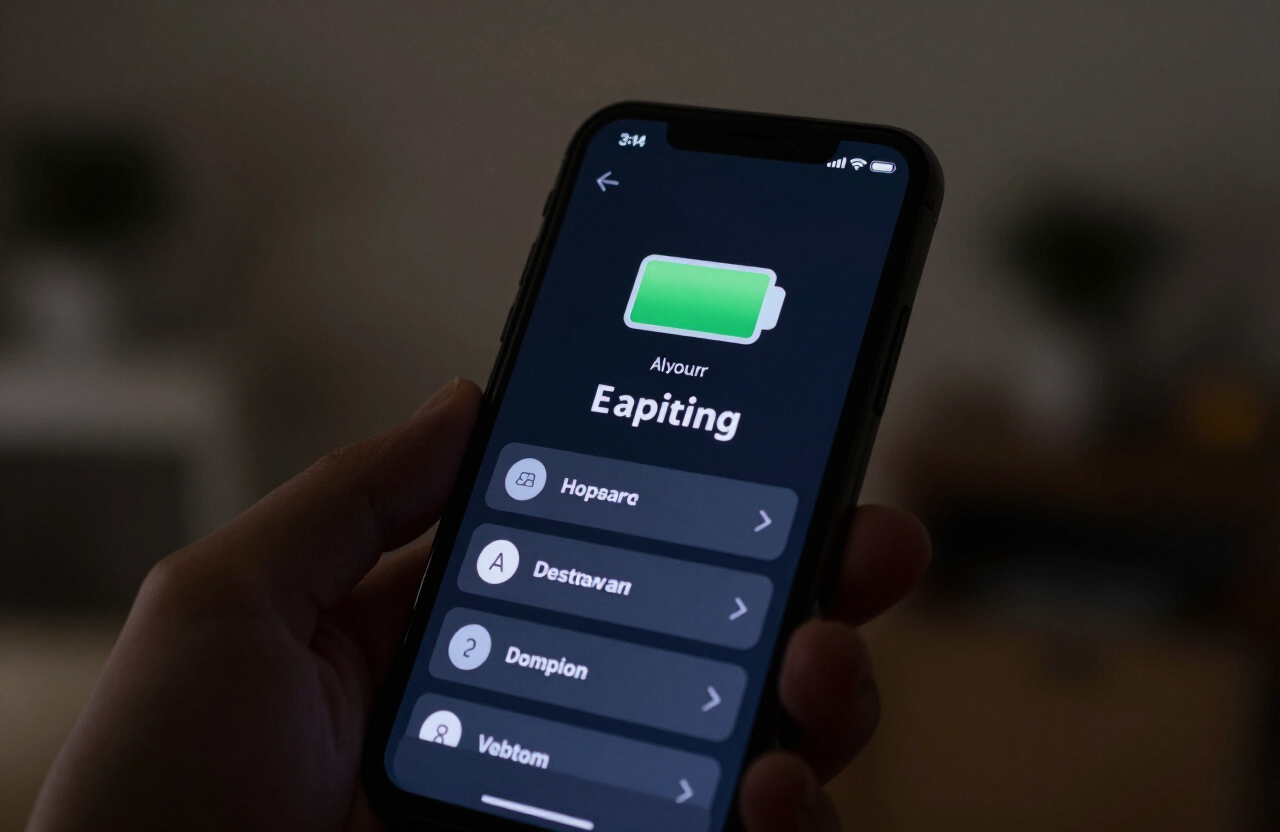
The cheapest backup is using less power. A few settings changes can double the life of a single charge during an outage.
- 1Turn on low power or battery saver mode
- 2Lower screen brightness and set a short auto-lock
- 3Turn off Wi-Fi, Bluetooth, and location when you do not need them
- 4Close background apps and turn off push email
- 5Put the phone in airplane mode between checks to stop the cell search
Build charging into your outage kit
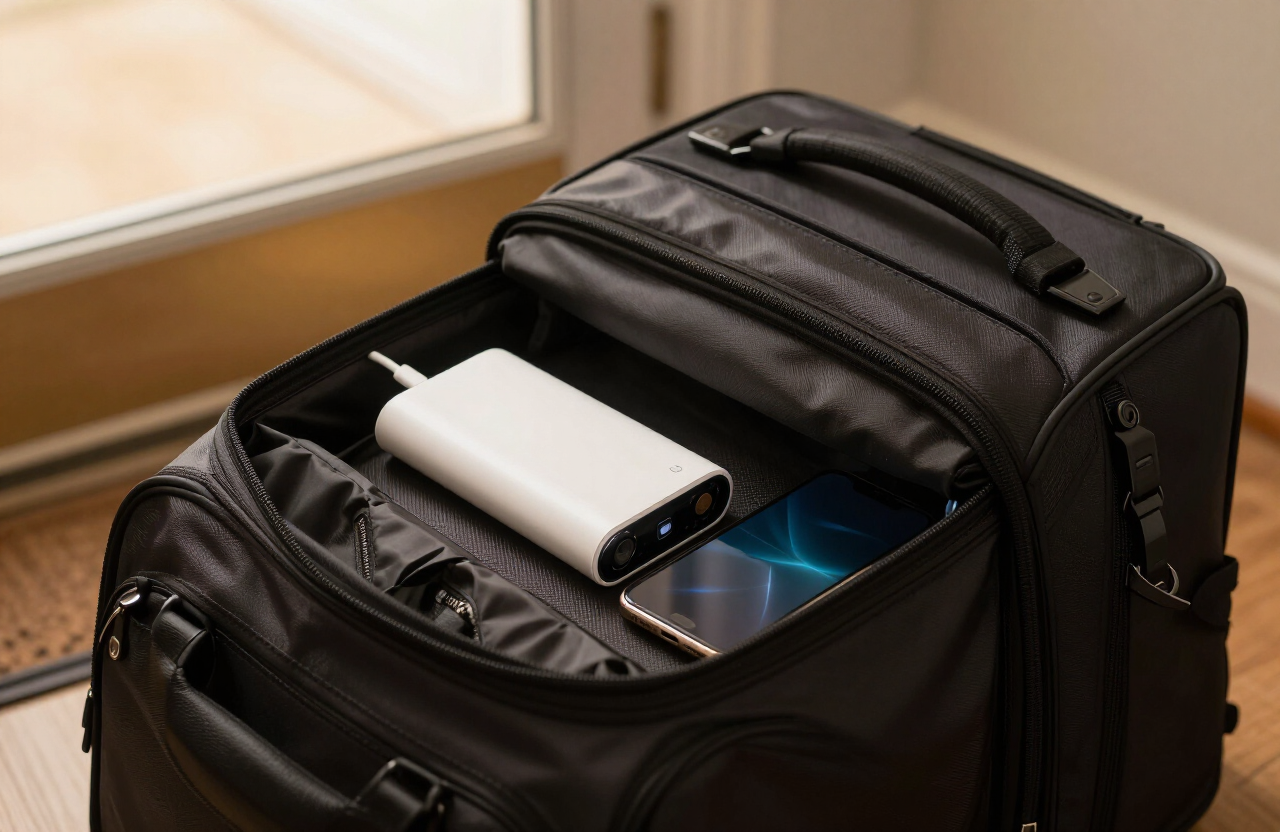
Keep your charging gear staged so a sudden outage does not mean a search party through drawers. A small kit by the door or in your go bag covers both home use and evacuation.
| Item | Role |
|---|---|
| Power bank, 10,000 to 20,000 mAh | Main backup for several days |
| Wall and car charger adapters | Refill when any power returns |
| Solar charger panel | Slow top-up on sunny days |
| Hand-crank radio with USB | Emergency charge and alerts |
| Spare cables | One short, one long |
Pair this with safe lighting from our no-candle lighting guide.
Frequently asked questions
Editorial note: this guide provides general preparedness information, not emergency, medical, legal, or engineering advice. Recommendations are cross-checked against public emergency-management guidance and adapted for small-space living. During an active emergency, follow your local authorities and emergency services. See our editorial standards and affiliate disclosure.