Emergency Kit Mistakes Apartment Renters Commonly Make
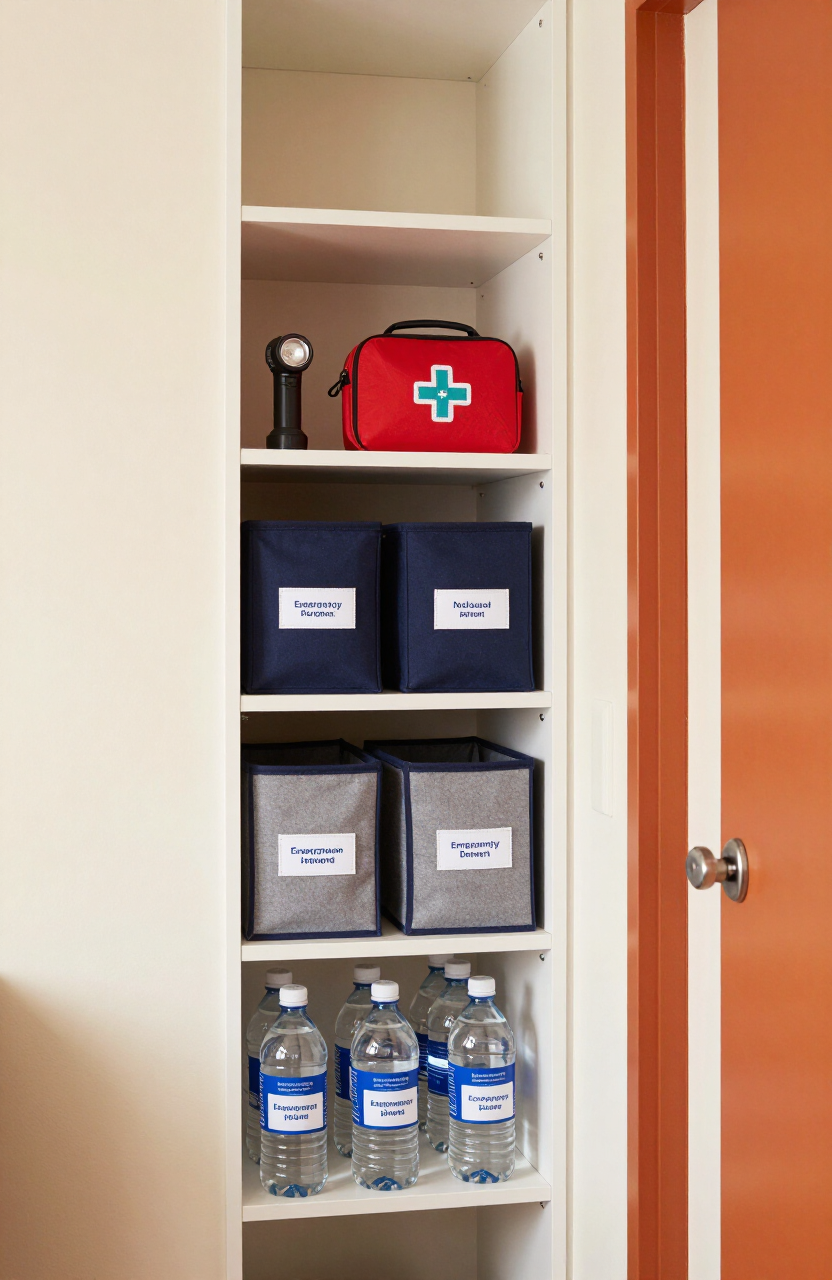
Most apartment kit failures are not about missing gear — they are about storage, rotation, and a few assumptions borrowed from house-based advice. These are the nine mistakes we see most, each with its fix.
The nine mistakes
- 1Scattering supplies across ten hiding spots. Fix: one system, one inventory — a closet, two bins, or a single shelf.
- 2Buying a pre-made kit and never opening it. Fix: unpack it, replace the filler, and practice finding items in the dark.
- 3Storing water in the wrong place — balconies, hot exterior walls, or nowhere at all. Fix: under-bed bins, cool and dark.
- 4Forgetting the manual can opener. Fix: tape it to the food bin lid.
- 5Keeping batteries inside devices for years. Fix: store batteries beside the devices, in a labeled pouch.
- 6No cash. Fix: small bills in the documents pouch — card systems fail with the power.
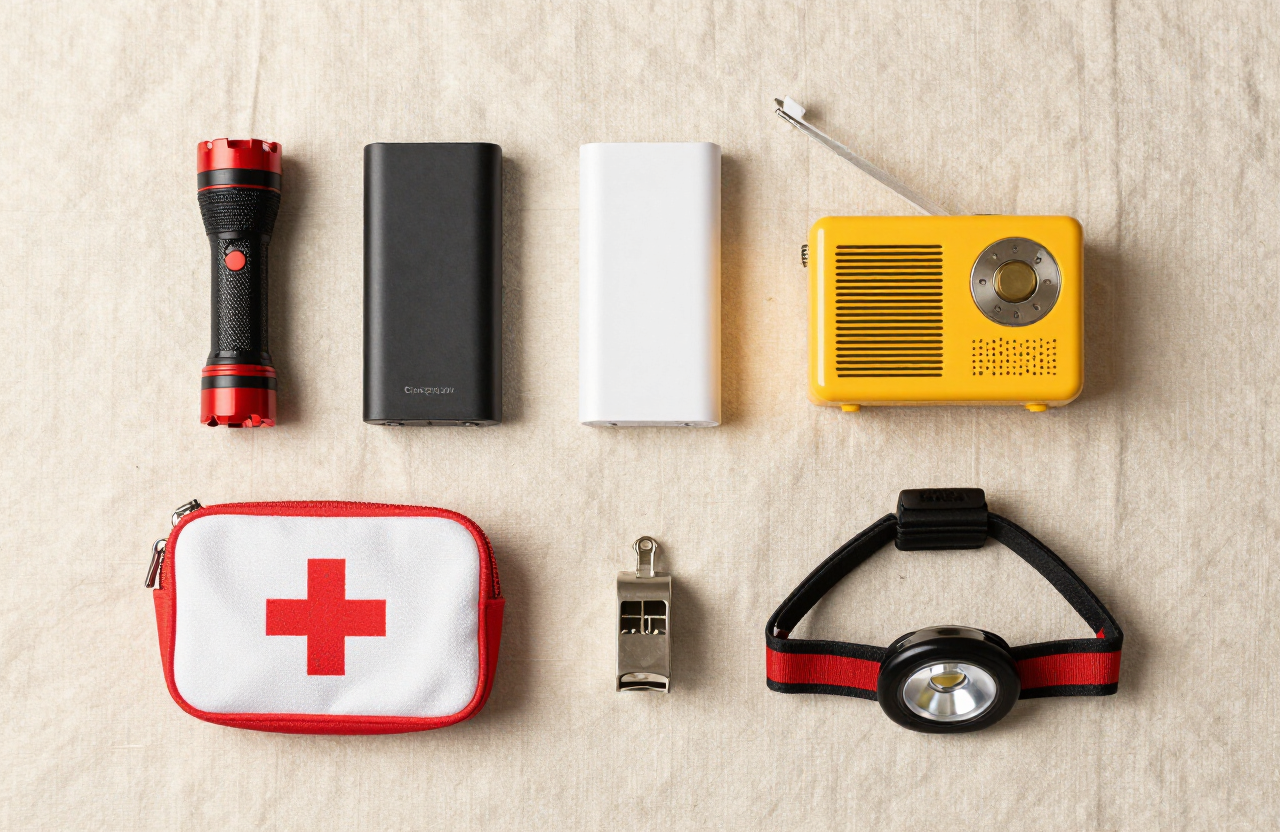
- 7Copying house-based advice: generators, camp stoves, and 55-gallon drums. Fix: apartment-scale gear — power banks, no-cook food, stackable jugs.
- 8Violating the lease with stored fuel or propane. Fix: check your lease; battery power covers apartment-scale needs.
- 9Building it once and never rotating. Fix: the twice-yearly 15-minute review, tied to daylight-saving weekends.
The mindset mistake underneath most of these
Treating the kit as a purchase instead of a system. A kit is a loop: build, store, review, rotate. The households that fare best in real outages are not the ones with the most gear — they are the ones who can find working gear in the dark, thirty seconds after the lights go out.
A quick self-audit
- Could you produce a working flashlight in 30 seconds, eyes closed?
- Do you know your water count right now, without looking?
- Is anything in your kit expired this year?
- Does every adult in the household know where the documents pouch lives?
- Could you be out the door in 60 seconds with the go-bag?
Any “no” is a five-minute fix — which is exactly the point of this site.
Frequently asked questions
Editorial note: this guide provides general preparedness information, not emergency, medical, legal, or engineering advice. Recommendations are cross-checked against public emergency-management guidance and adapted for small-space living. During an active emergency, follow your local authorities and emergency services. See our editorial standards and affiliate disclosure.