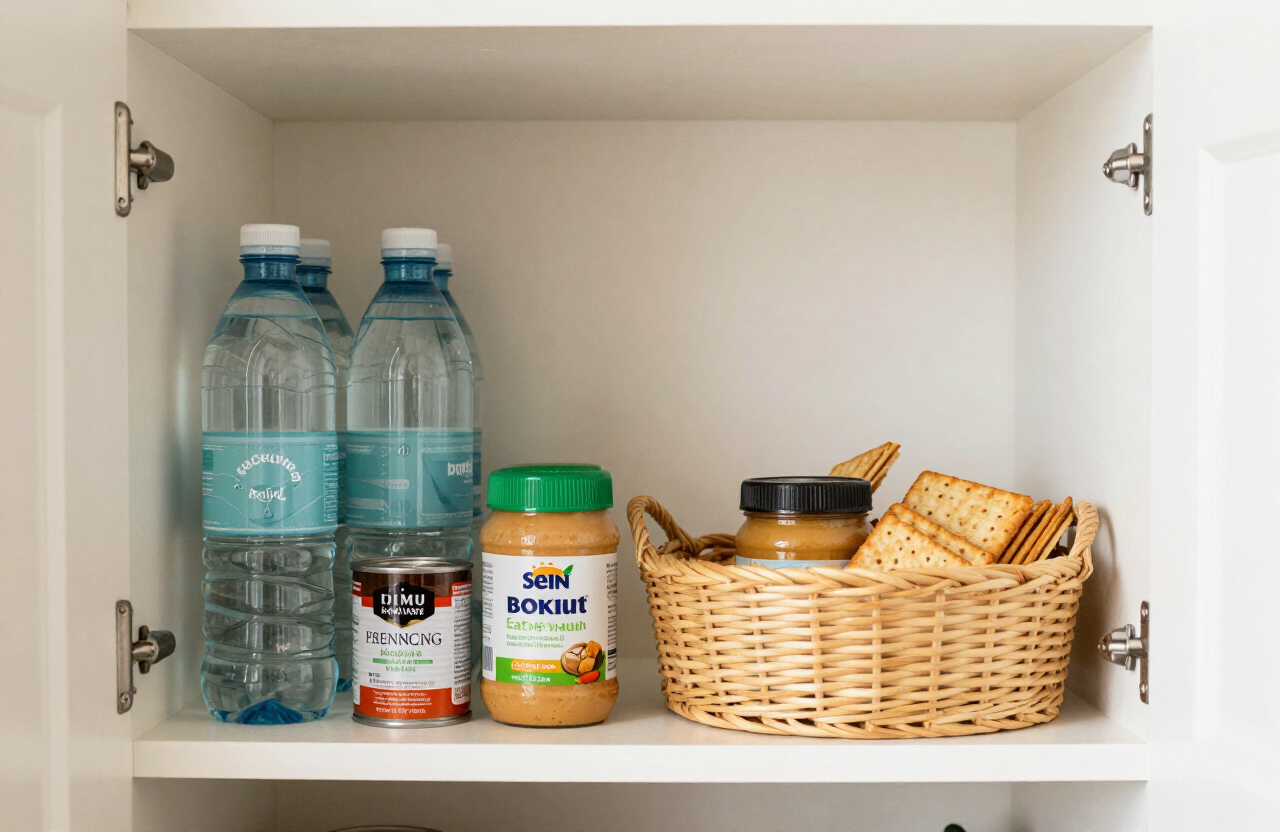
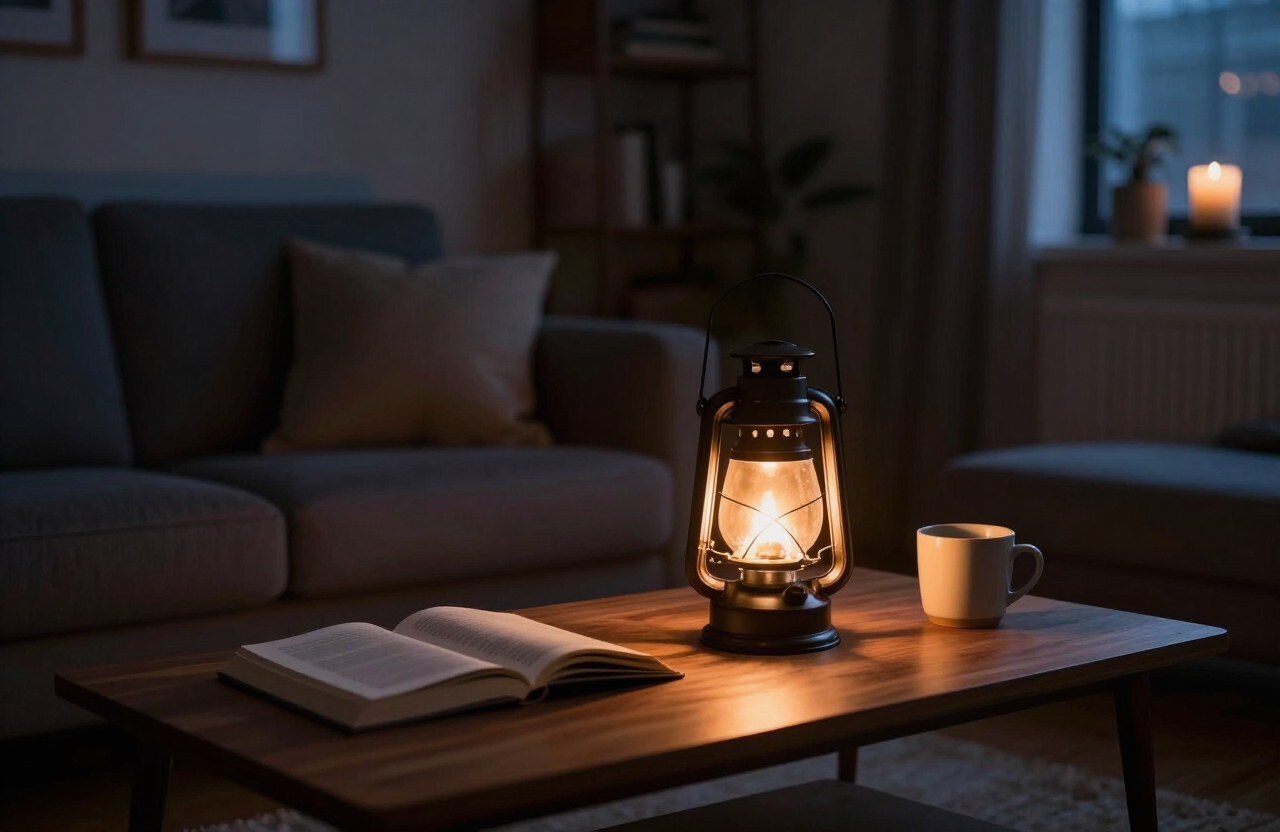
How to Cook Safely in an Apartment During a Power Outage
Cooking safely in an apartment during a power outage is mostly about knowing what you may use indoors and what you may not. The wrong choice can fill a small sealed unit with carbon monoxide in minutes. The right setup, plus a no cook backup, keeps you fed and safe when the stove will not turn on.
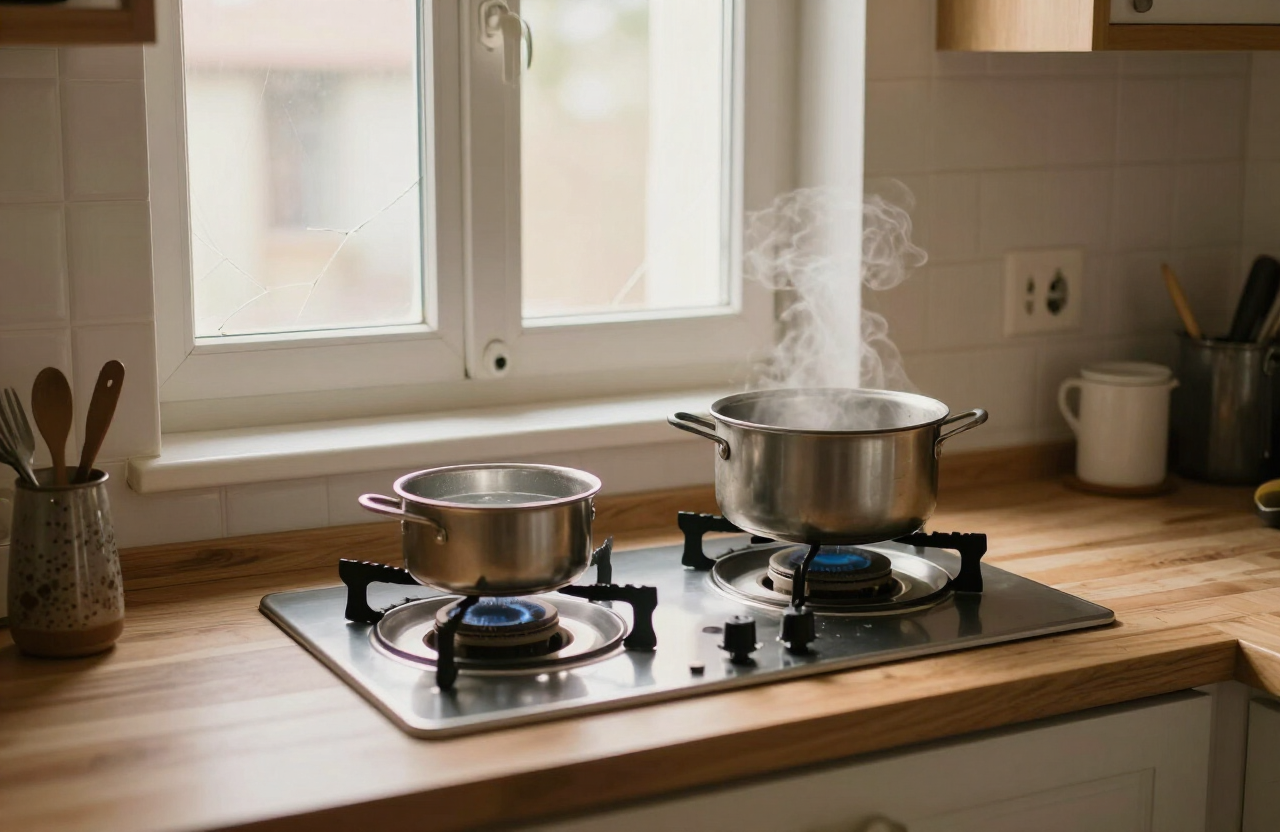
Start with no cook meals for short outages
For most outages under 24 hours, you do not need to cook at all. A no cook plan is safer, simpler, and uses no fuel. Reach for it first.
- Sandwiches with shelf stable bread, peanut butter, and jelly
- Canned tuna or chicken with crackers
- Protein bars, nuts, granola, and dried fruit
- Shelf stable pudding, fruit cups, and juice boxes for comfort
- A manual can opener, the item everyone forgets
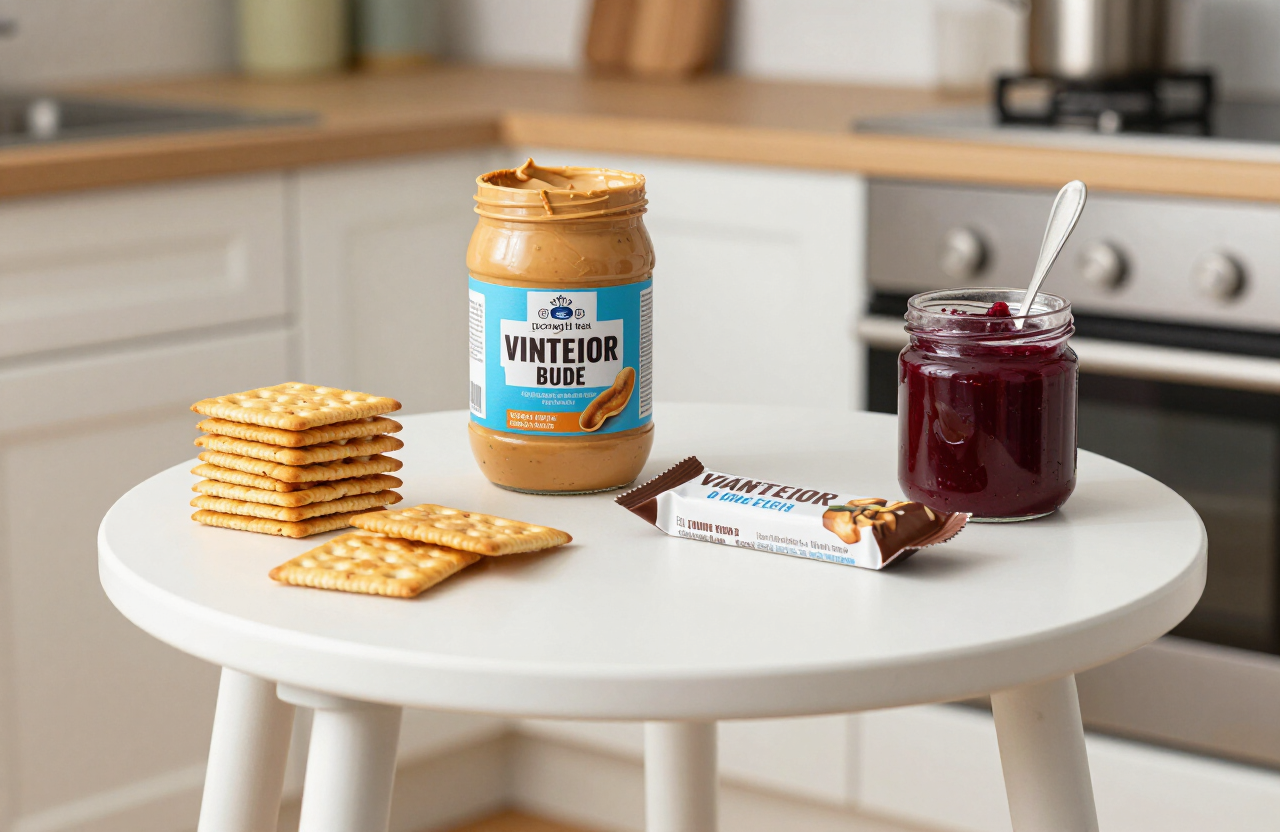
Build the full plan with our no cook blackout meal plan.
The only stoves safe for indoor use
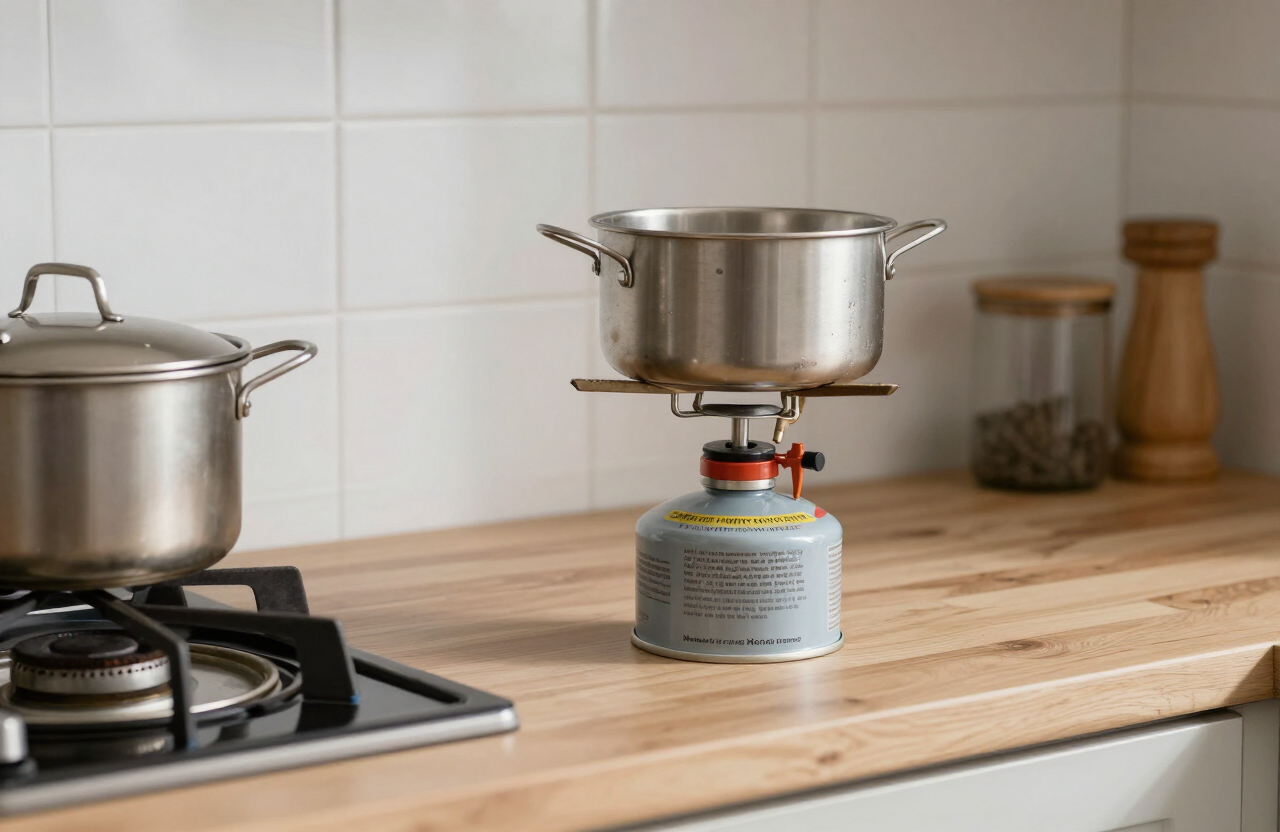
If you do need hot food, only a few cooking devices are rated for indoor use. Read the label before you buy, and follow the ventilation rules every time.
- Butane camp stoves labeled for indoor use, used near an open window
- Propane stoves only if explicitly rated for indoor use, which most are not
- Sterno or chafing fuel cans, for warming small amounts of food
- A candle warmer or thermal cooker, which use no flame at all
Ventilation and carbon monoxide safety
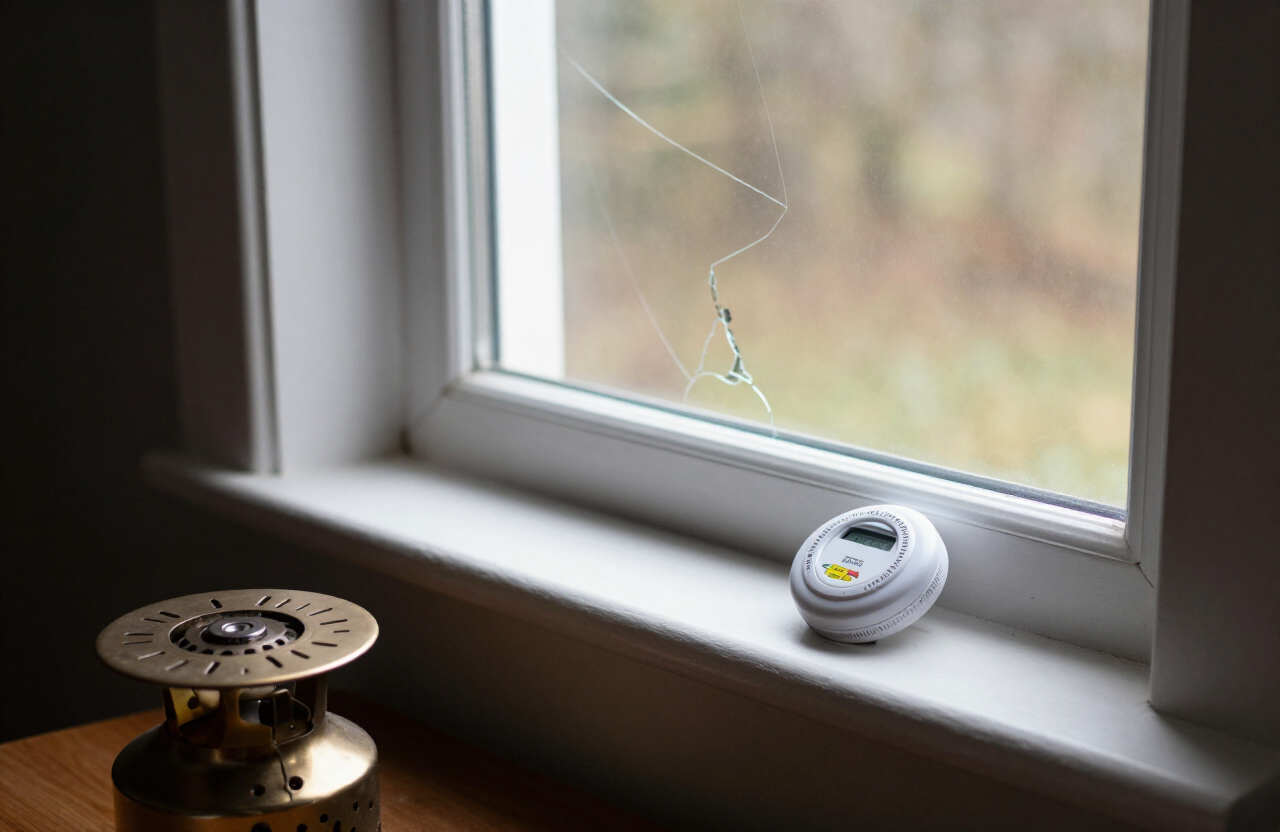
Even an indoor rated stove uses up oxygen and releases some combustion gases. Ventilation and a detector are non negotiable.
- 1Open a window in the same room before you start cooking
- 2Run the stove for short periods only, not for hours of heating
- 3Keep a battery powered carbon monoxide detector in the kitchen
- 4Never cook while sleeping or leave a lit stove unattended
What never to use indoors
Some cooking and heating devices are never safe inside an apartment, even with a window open. They produce carbon monoxide or open flame that can start a fire.
| Device | Why it is unsafe indoors |
|---|---|
| Charcoal grill | Releases large amounts of carbon monoxide |
| Gas or propane grill | Built for outdoor ventilation only |
| Campfire or fire pit | Open flame and smoke in a sealed unit |
| Gas stove for heating | Not designed for long runs, CO risk |
| Generator | Must run outdoors, far from windows and vents |
Smart foods to cook during an outage
When you do cook, choose foods that heat fast and use little fuel. One pot meals and quick boiling items stretch your fuel supply.
- Instant oatmeal, soup, and ramen, which need only boiling water
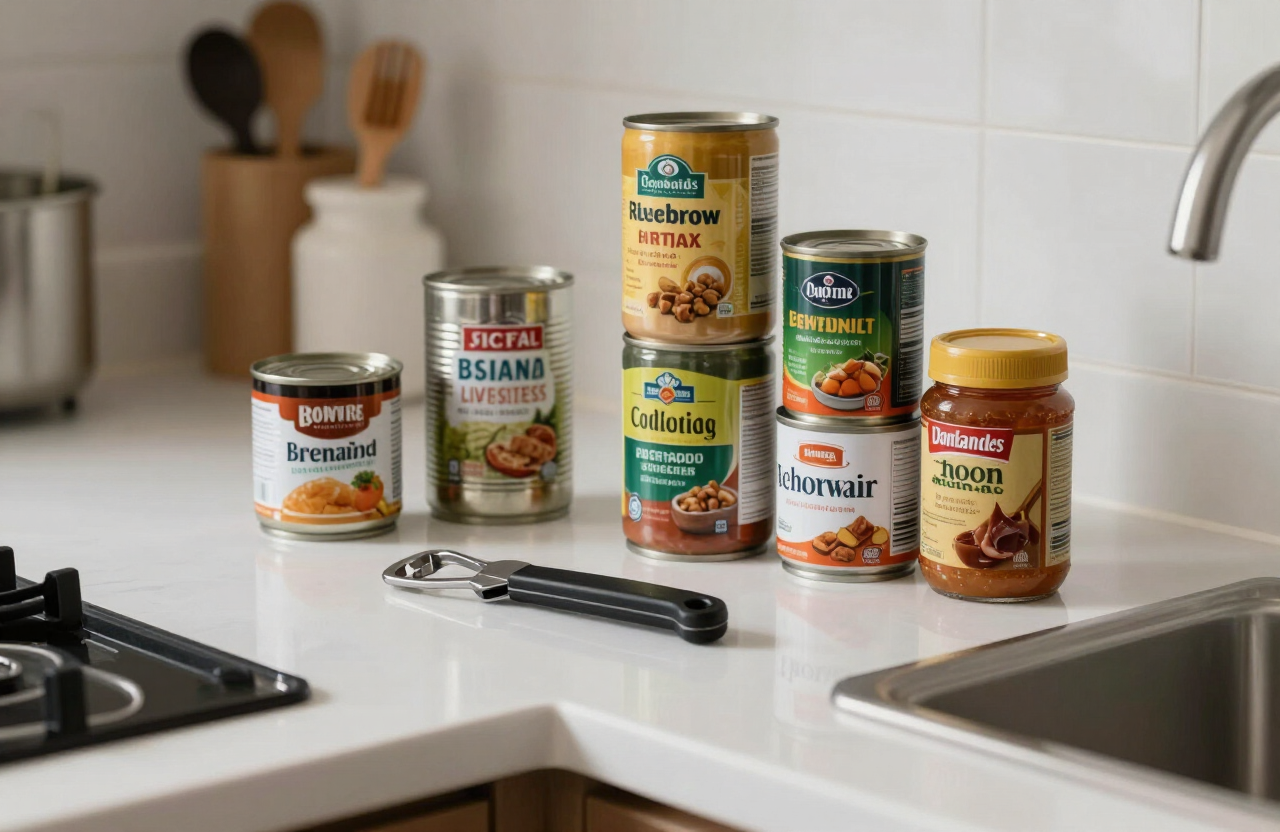
- Canned chili or stew, warmed in one pot
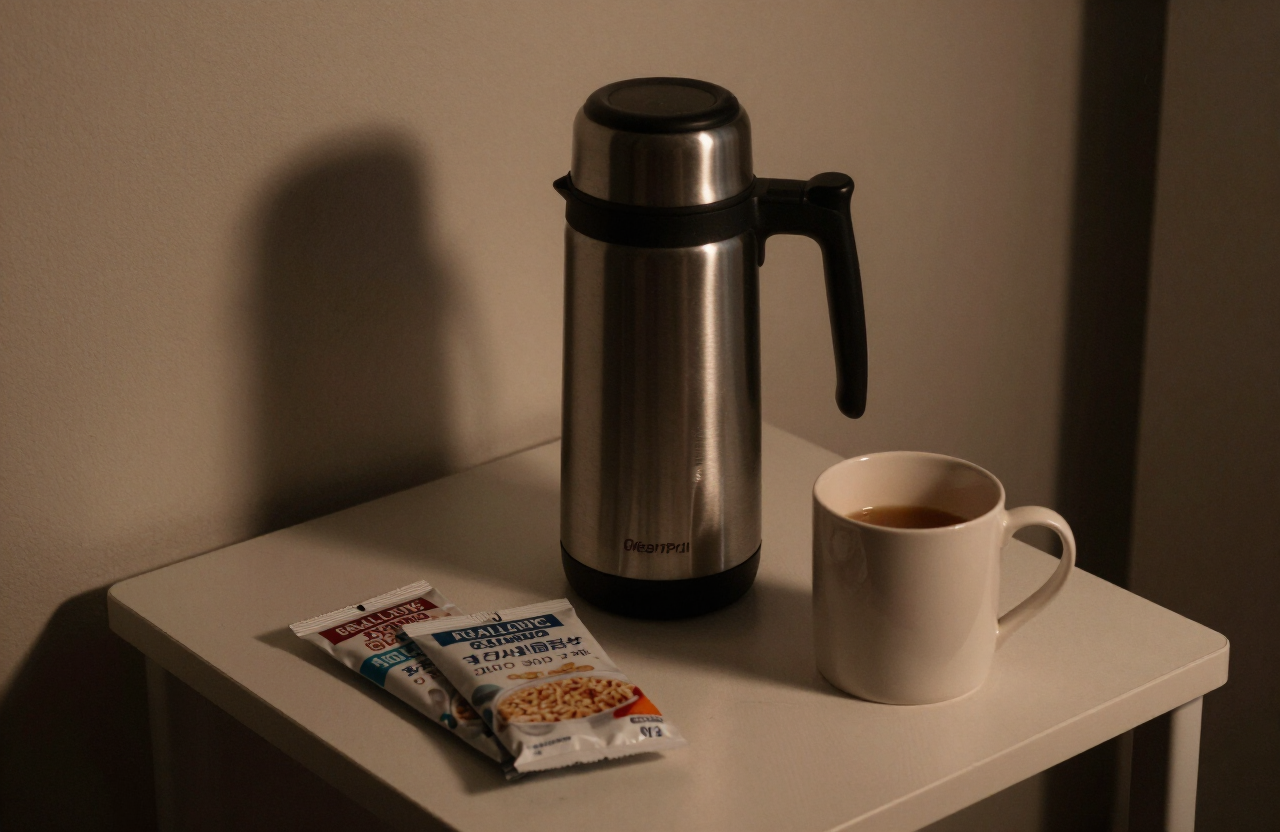
- A thermos to hold leftover hot water for later drinks
- Pasta or rice only if you have enough fuel for a longer boil
Food safety while you cook
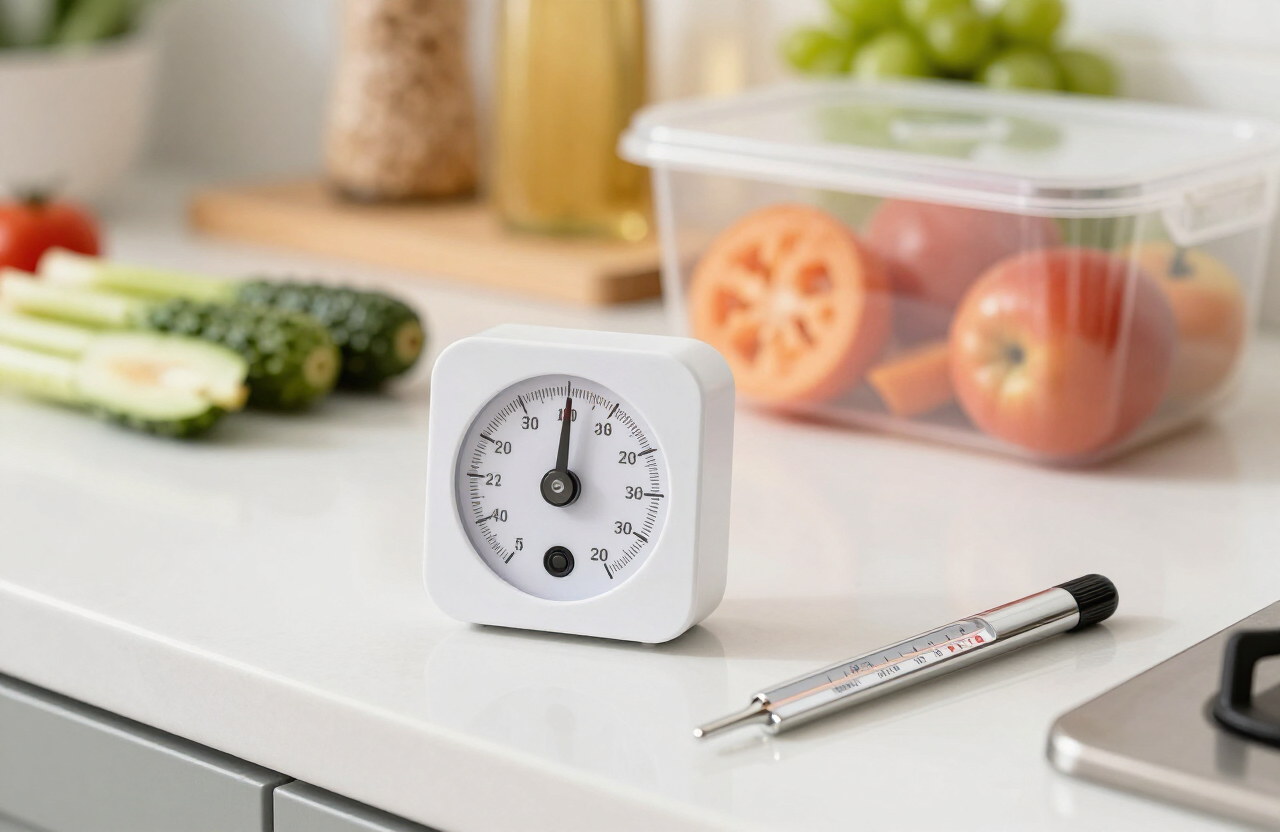
An outage changes the food safety rules. A thermometer and a timer keep you from eating something that has gone bad.
- Keep the fridge and freezer closed as much as possible
- A fridge stays cold about 4 hours unopened, a full freezer about 48 hours
- Use a food thermometer to check that reheated food reaches a safe temperature
- Throw out perishable food above 40 degrees Fahrenheit for more than 2 hours
For the full food safety timeline, see our 24 hour power cut guide.
Frequently asked questions
Editorial note: this guide provides general preparedness information, not emergency, medical, legal, or engineering advice. Recommendations are cross-checked against public emergency-management guidance and adapted for small-space living. During an active emergency, follow your local authorities and emergency services. See our editorial standards and affiliate disclosure.