How to Rotate Stored Emergency Water in an Apartment
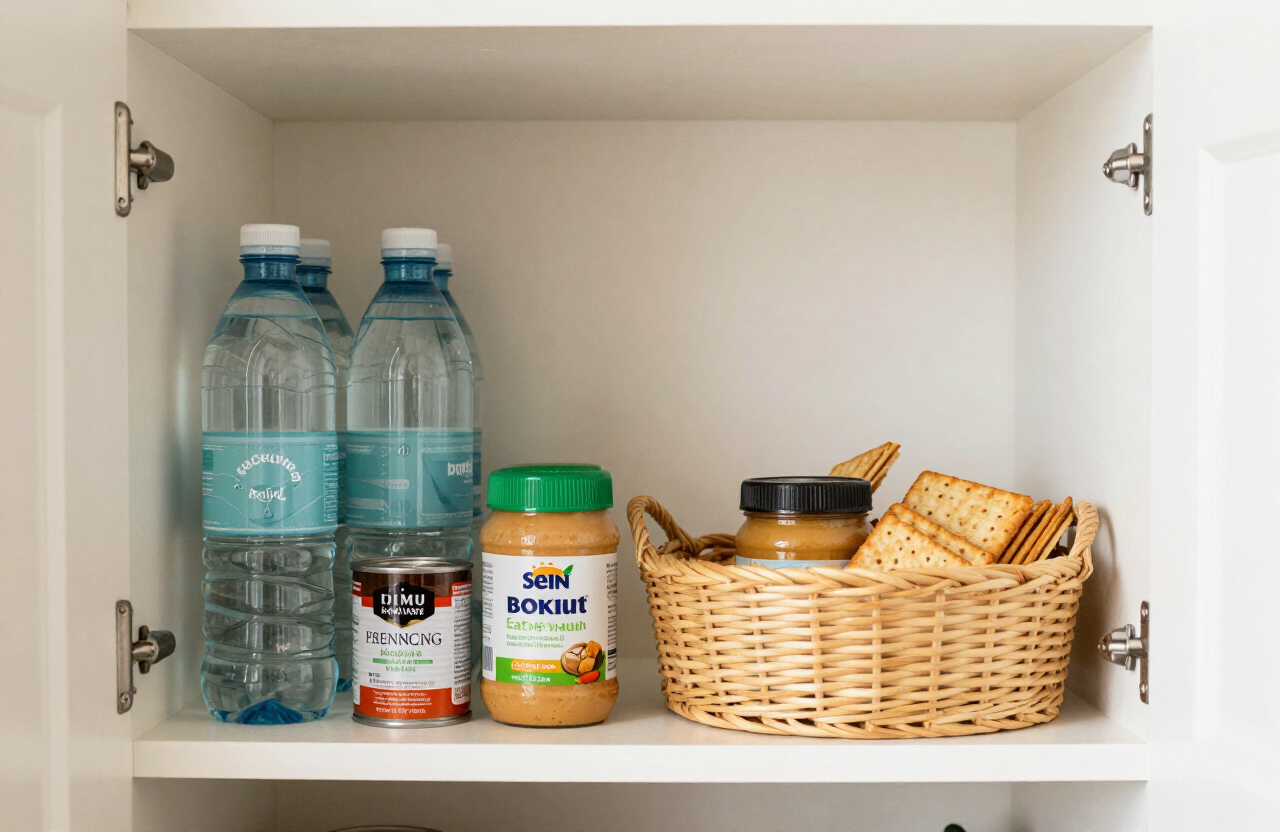
Learning how to rotate stored emergency water in an apartment keeps your supply safe, fresh, and ready instead of stale and questionable after a year on a shelf. Rotation is the habit that turns a one-time purchase into a reliable backup.
Why rotate water at all
Stored water does not spoil the way food does, but it does go flat, pick up plastic taste, and grow algae if it sits in light. Containers can also develop tiny cracks or take on odors from a closet. Rotation is how you find those problems on a calm Saturday instead of during an outage.
The good news is that rotating water costs nothing extra. You are not throwing water away. You are drinking it and replacing it, so the supply stays fresh and your money is not wasted.
A simple rotation schedule
Pick a schedule you will actually follow. For most apartments, a 6-month rotation is the sweet spot: often enough to keep water tasting fine, rare enough that it is not a chore.
| Container type | Rotate every | Why |
|---|---|---|
| Store-bought sealed bottles | 6 to 12 months | Best-by date on the pack; taste fades after a year |
| Tap water in food-grade jugs | 6 months | No preservatives; can go flat or pick up odors |
| Treated long-storage water | 12 months | Bleach or drops slow growth but not forever |
| Water in clear bottles in light | 3 months | Algae grows fast in sunlight |
Start with the right amount in our guide to how much water an apartment should store.
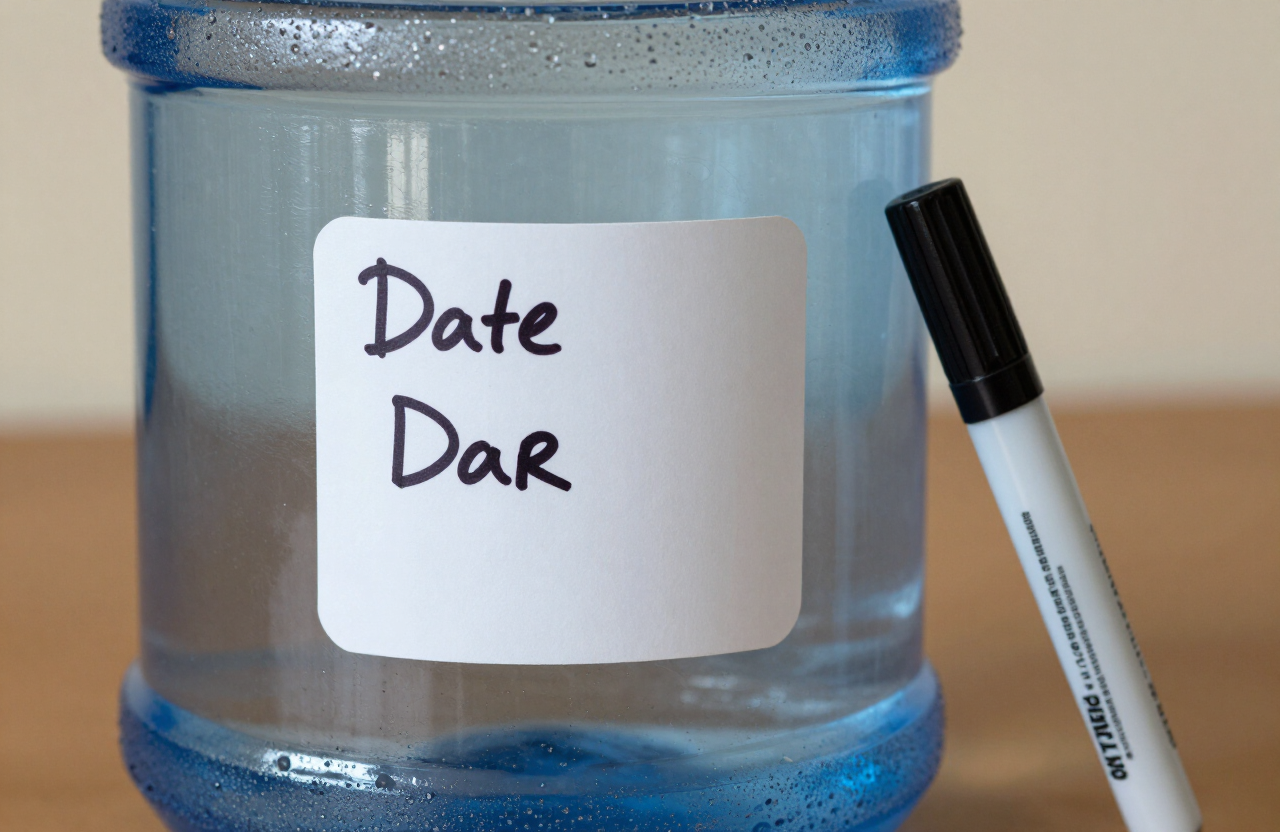
Label every container with a date
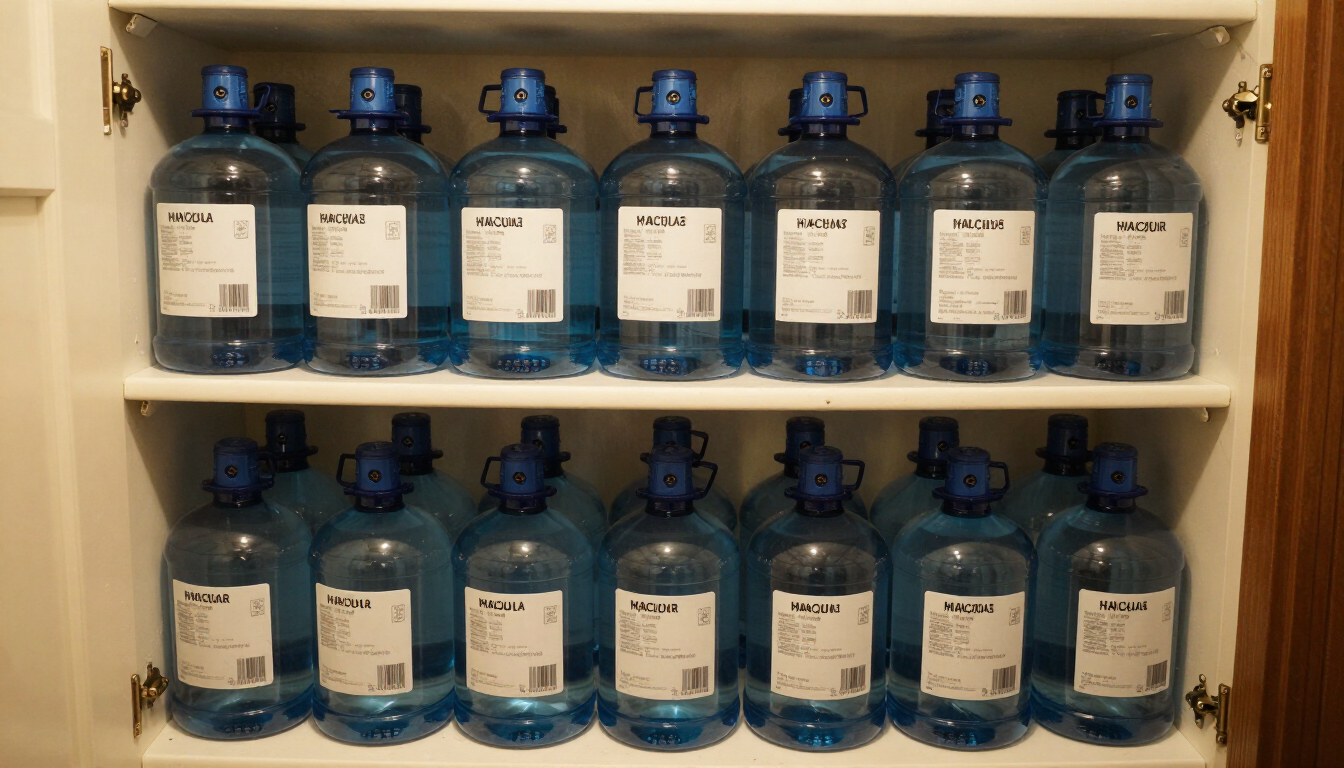
You cannot rotate what you cannot date. The moment you fill or buy a container, write the month and year on a piece of tape and stick it on. Use the same spot on every jug so you can read them at a glance.
- Use masking tape and a permanent marker, not a pen that smears
- Write the date you filled it, not the date you plan to rotate it
- Add a second label if you treated the water, so you know the dose
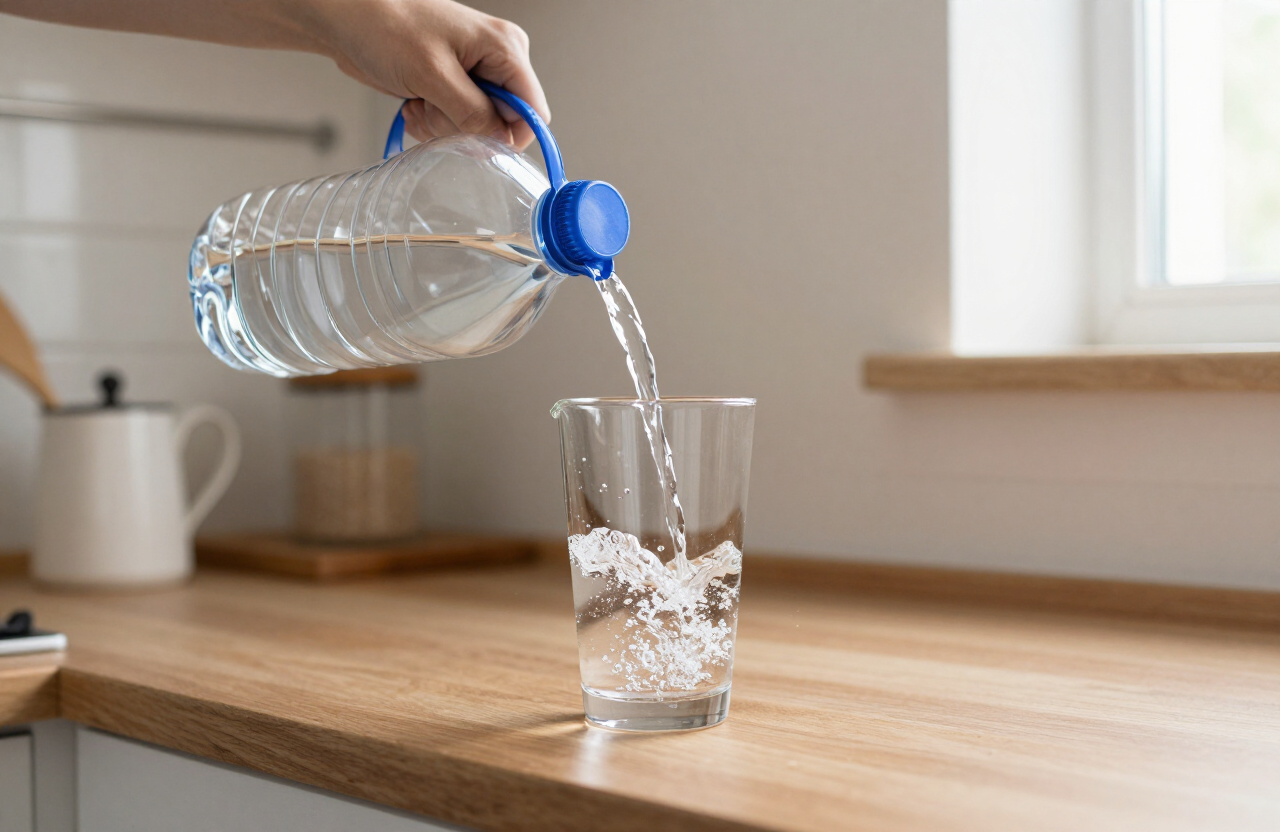
Use, don't dump: drink your rotated water
The biggest mistake is dumping old water down the drain, which wastes both the water and the money you spent. Instead, drink it. Pull the oldest jug, pour it into a pitcher, and use it for tea, cooking, or your water bottle over the next few days. Then refill the container and date it.
Clean containers before refilling
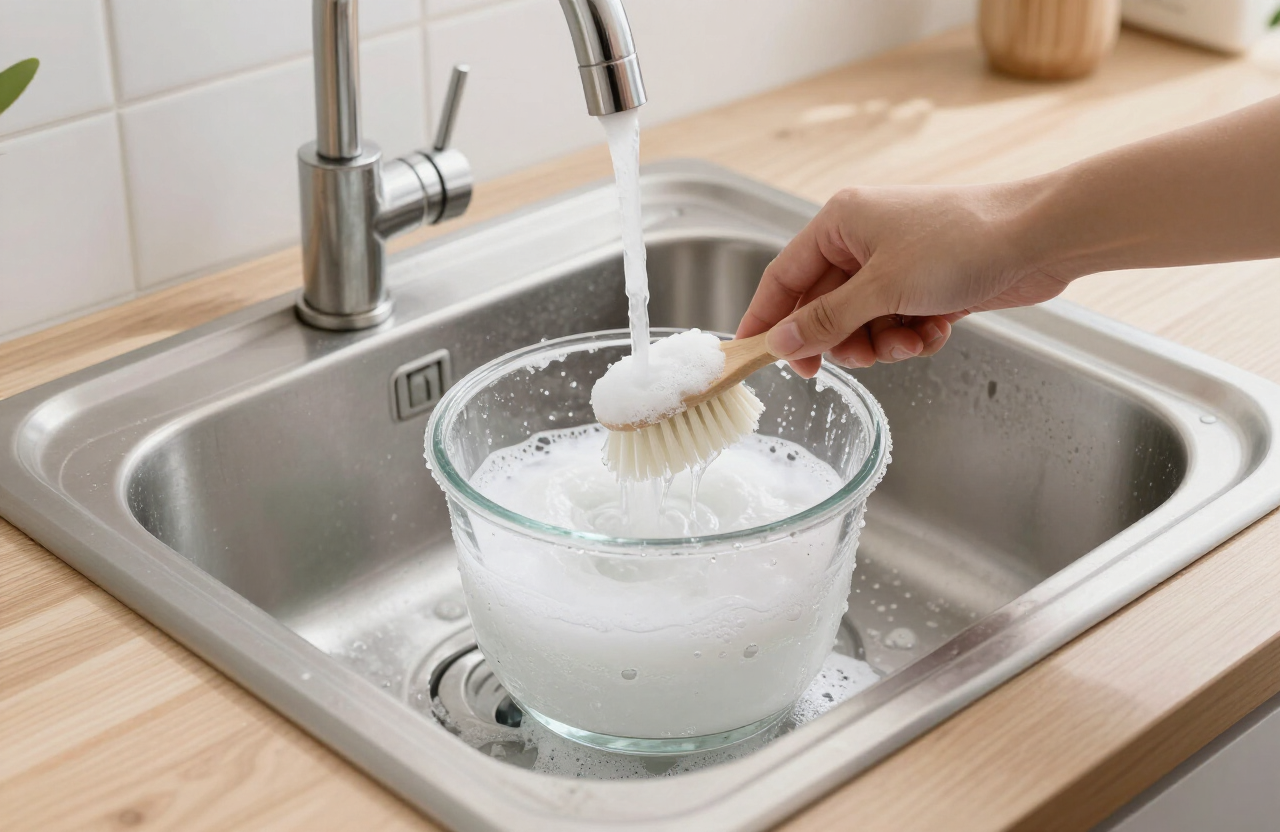
Every time you empty a refillable jug, rinse it out before you fill it again. A quick clean keeps a biofilm from building up on the inside, which is what makes stored water taste stale after a few cycles.
- 1Empty the container completely
- 2Add warm water and a drop of dish soap
- 3Scrub the inside with a long bottle brush
- 4Rinse thoroughly until no soap smell remains
- 5Air dry upside down if you can, then refill
Treating water for longer storage
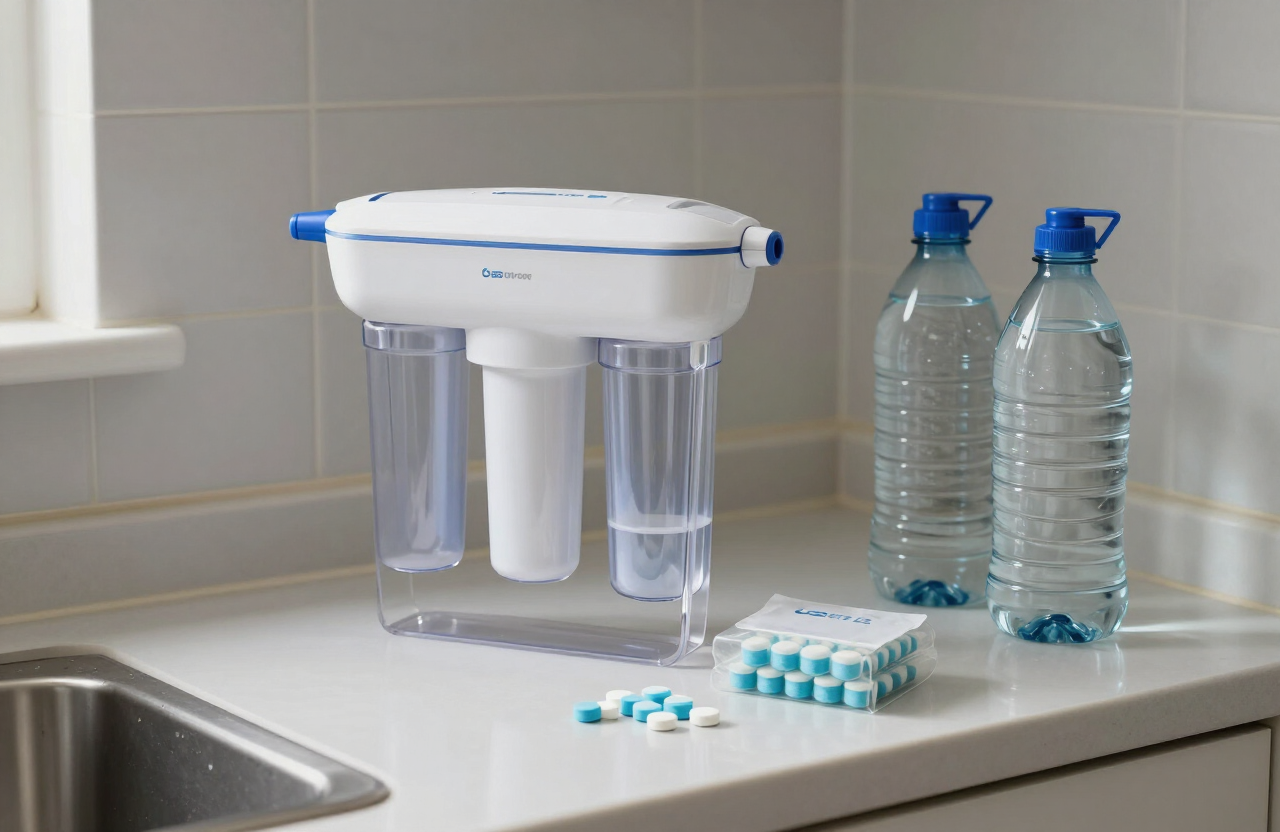
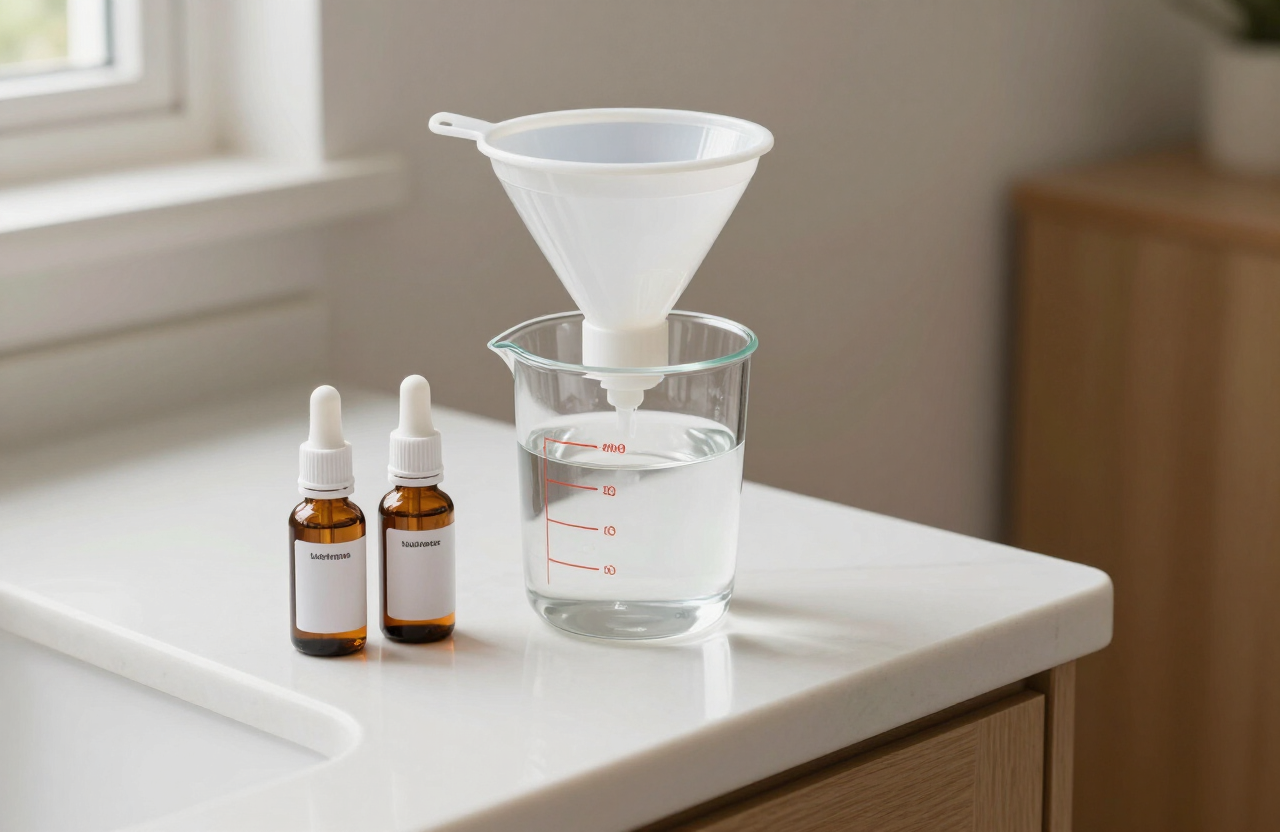
If you want to stretch rotation to a year, treat the water when you fill the jug. Two common methods work in an apartment with no special gear.
- Unscented household bleach: 2 drops per quart (8 per gallon) of clear tap water
- Water purification drops: follow the label dose for the volume
- Stir, cap, and wait 30 minutes before storing
- Label the jug as treated with the date and the dose
For making unknown water safe in an emergency, see our water purification guide.
Where to keep rotation-friendly containers
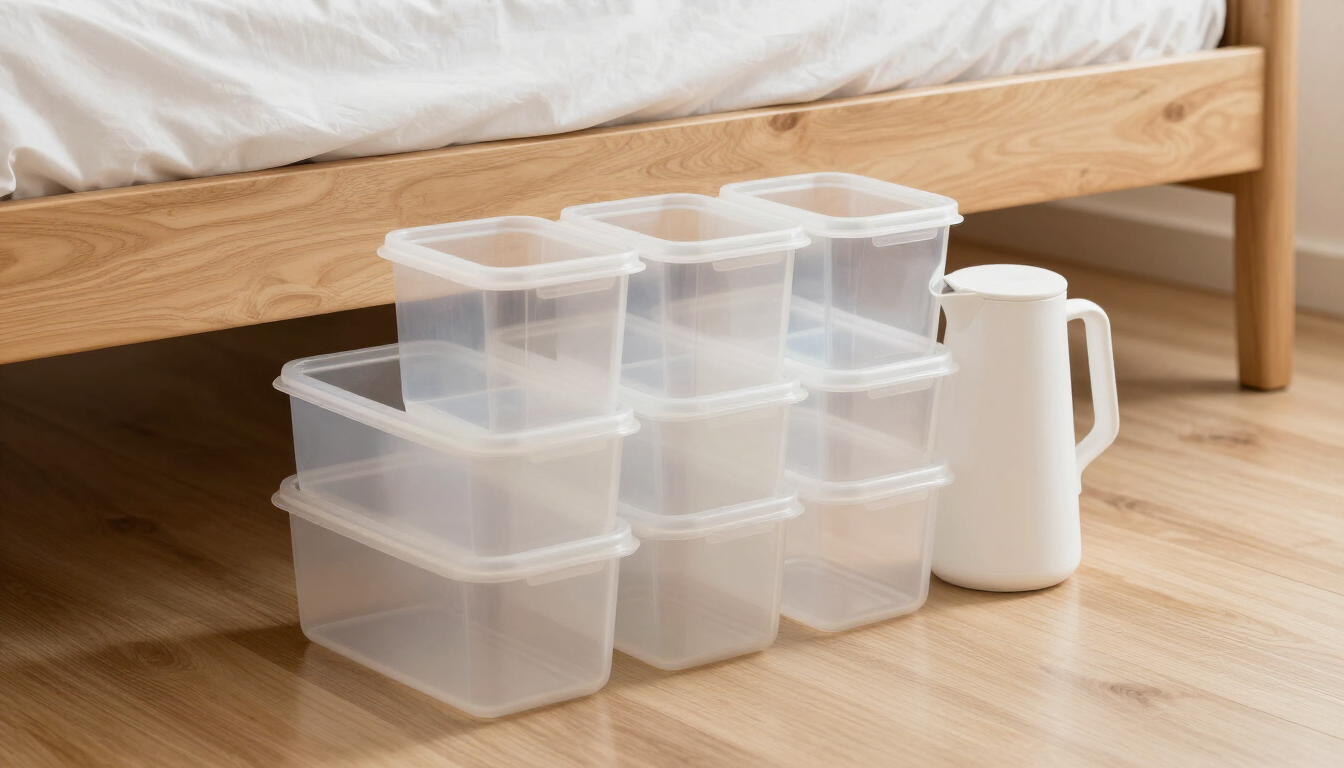
Rotation only works if you can reach every container. Stack the oldest in front and the newest in back, like a store shelves its milk. In a small apartment, that usually means a single row on a low closet shelf or a flat bin under the bed.
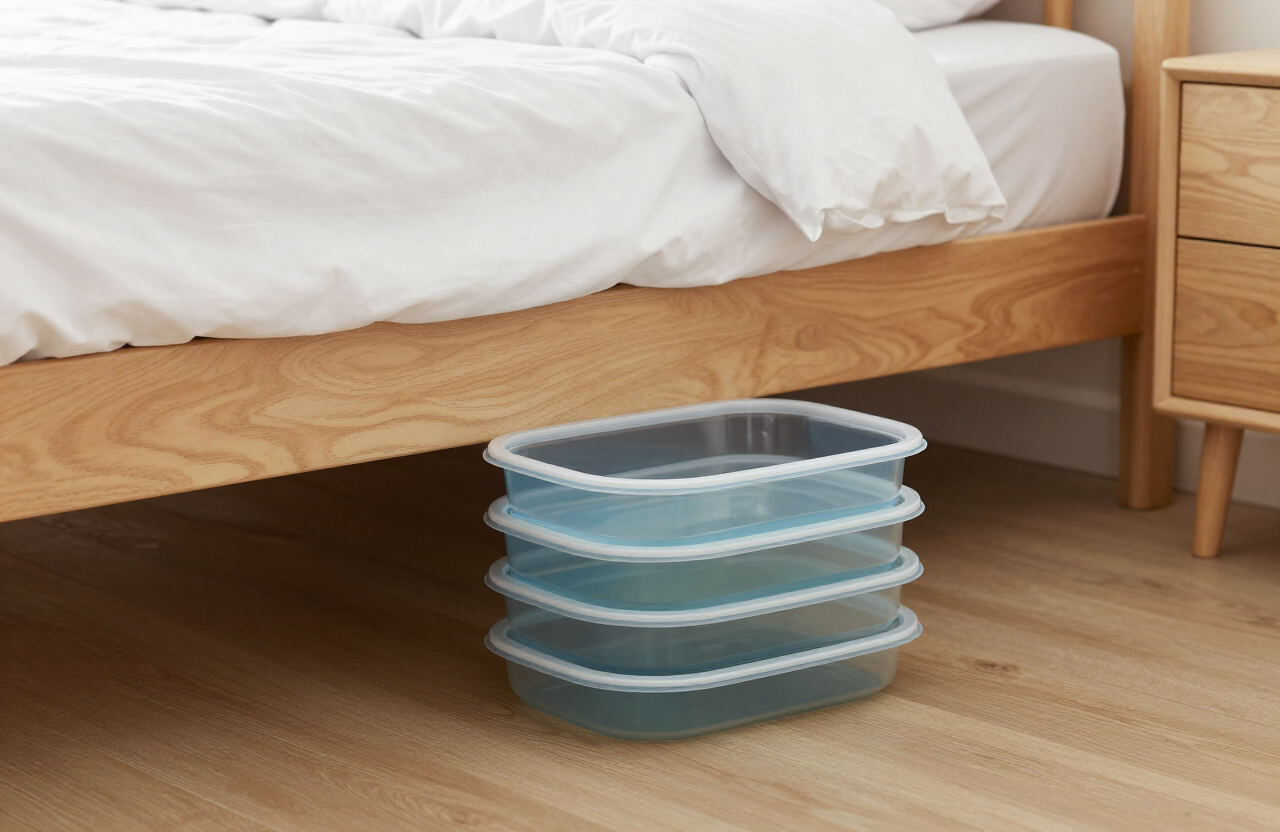
See more small-space options in our studio water storage guide.
A 6-month rotation drill
Put the rotation date on the calendar the same way you would a dentist appointment. When it arrives, the drill takes about 20 minutes for a typical apartment supply.
- 1Pull the oldest containers and pour them into a pitcher for daily use
- 2Clean each empty container with soap and a brush
- 3Refill from the tap, treat if you use treatment, and date the label
- 4Store the newest in back and the oldest in front
- 5Check the calendar for the next date in 6 months
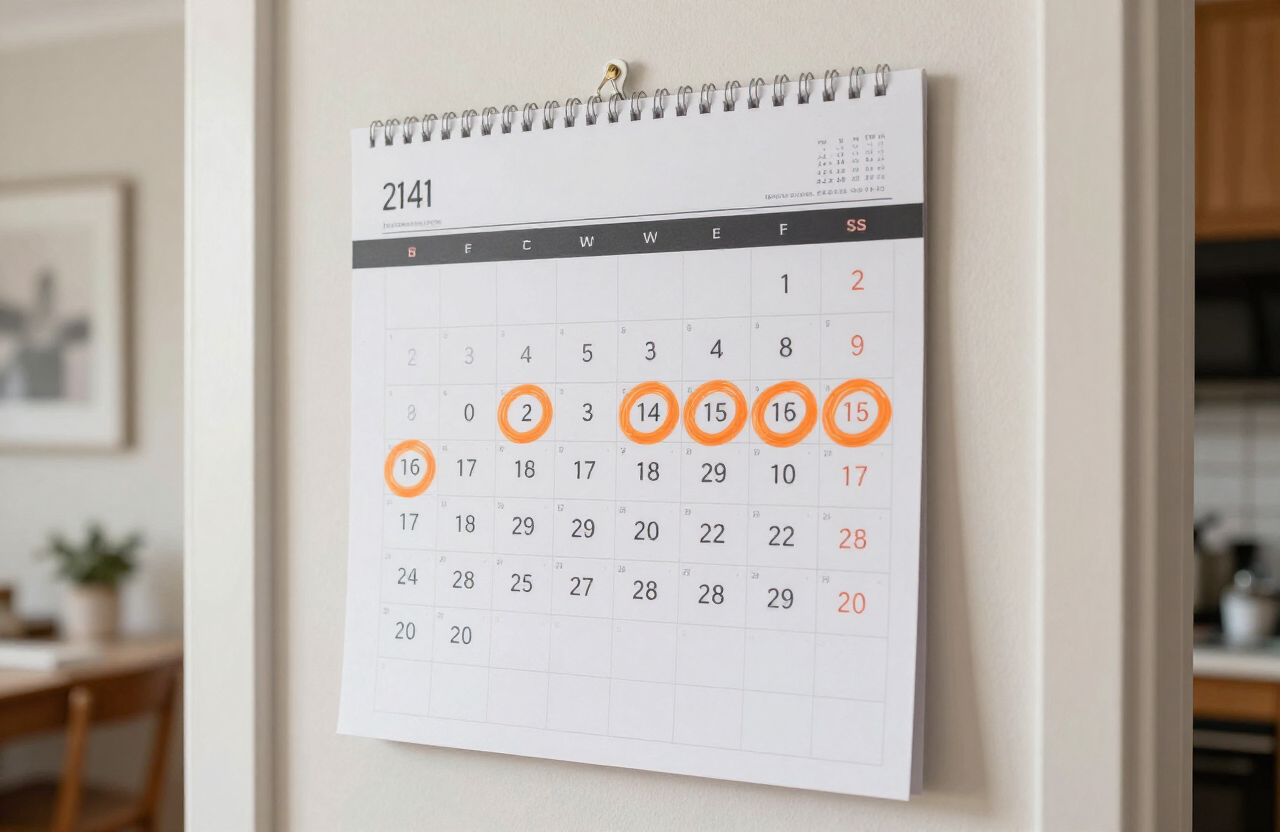
Rotated water is free water. You drink it, refill it, and never throw away the money you spent.
Small Space Emergency editorial team
Frequently asked questions
Editorial note: this guide provides general preparedness information, not emergency, medical, legal, or engineering advice. Recommendations are cross-checked against public emergency-management guidance and adapted for small-space living. During an active emergency, follow your local authorities and emergency services. See our editorial standards and affiliate disclosure.