Emergency Food for Renters with Dietary Restrictions
Emergency food for renters with dietary restrictions is harder than grabbing the standard shelf stable list. If you have celiac disease, a dairy allergy, or any food allergy, the usual emergency foods can make you sick exactly when you are already vulnerable. A little planning builds a safe, shelf stable supply that fits a small apartment.
Why standard emergency food does not work for everyone
Most emergency food lists lean on crackers, granola bars, canned pasta, and powdered milk. For someone with celiac disease, a dairy allergy, or a nut allergy, those foods are off limits. In an emergency you cannot easily swap them out, so you need your own safe supply built ahead of time.
Build a shelf stable safe supply
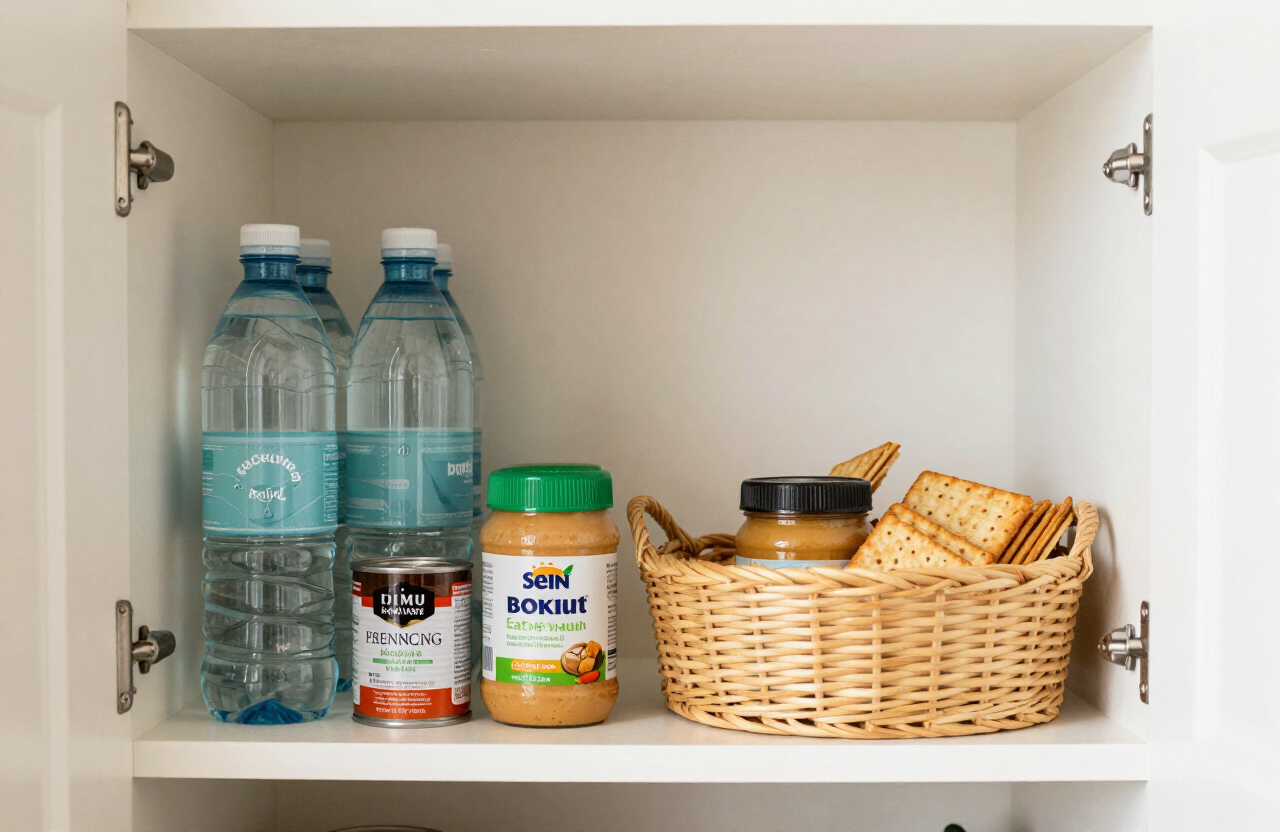
There are more shelf stable allergy friendly options than ever. The trick is choosing foods that store well, need no cooking, and match your exact restrictions.
- Gluten free crackers, rice cakes, and shelf stable bread
- Shelf stable dairy free milk and protein bars
- Canned or pouch meats and fish that fit your diet
- Dried fruit, nuts, or seeds only if safe for you
- Single ingredient items like rice, oats, or lentils
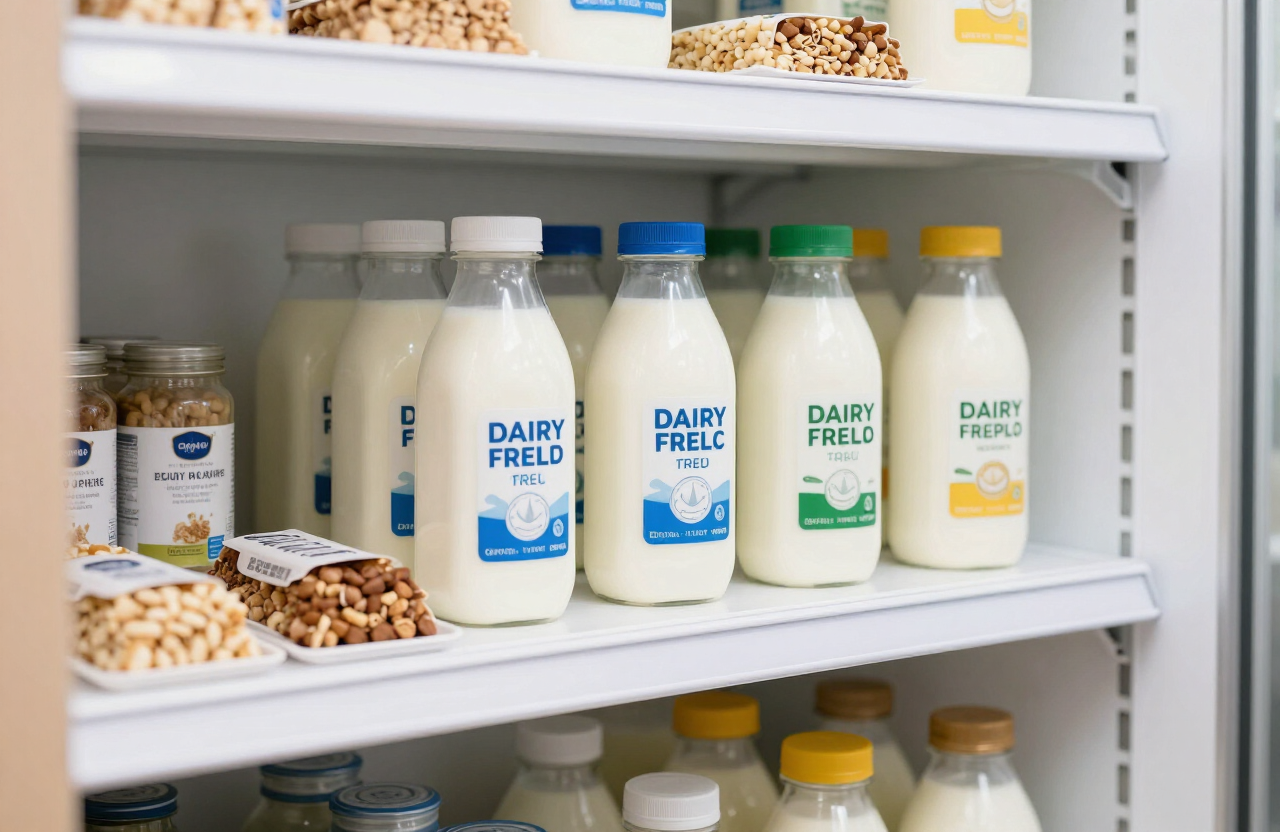
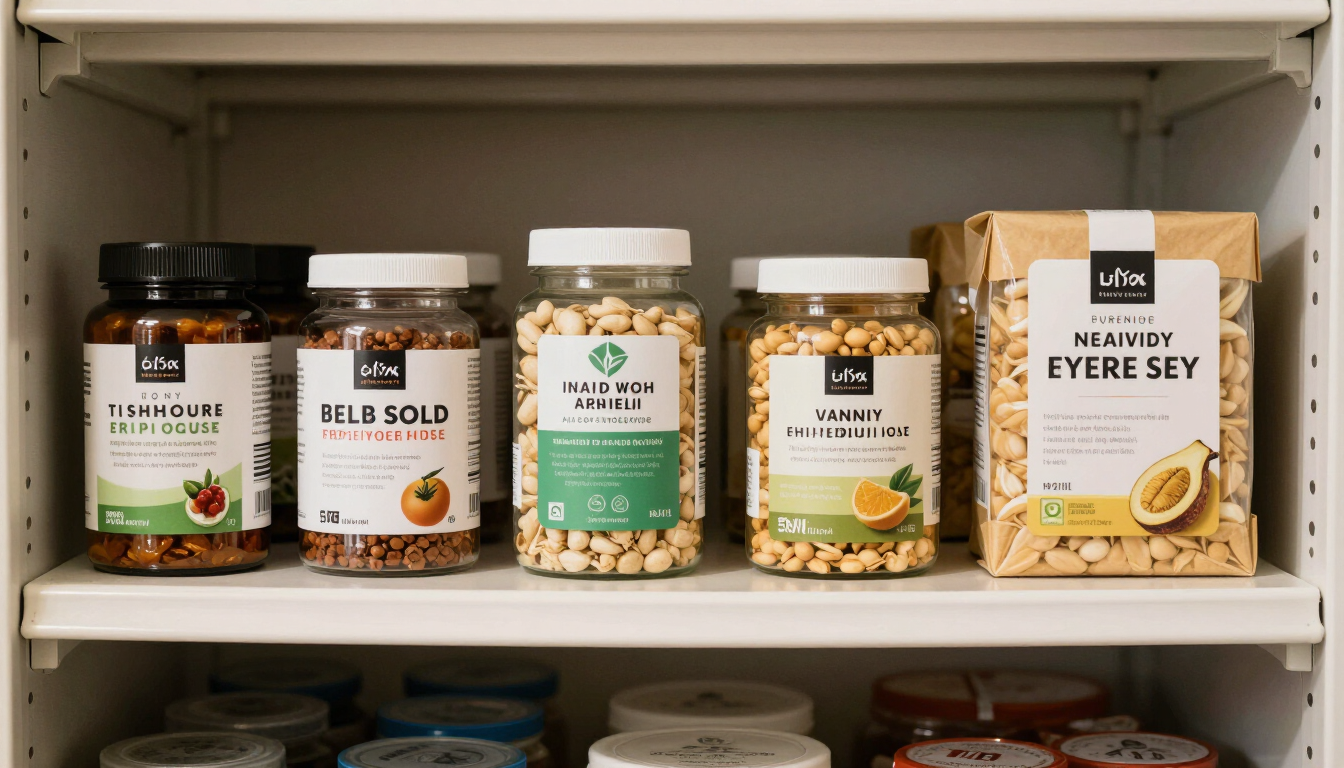
Read every label, every time
Formulas change. A food that was safe last year may now carry a new allergen warning. Make label reading a habit when you buy emergency food, not just when you eat it.
- Check for may contain warnings, not just ingredients
- Watch for shared facility notes if you are highly sensitive
- Recheck labels when you rotate your supply
- Keep a list of brand and product names you have verified
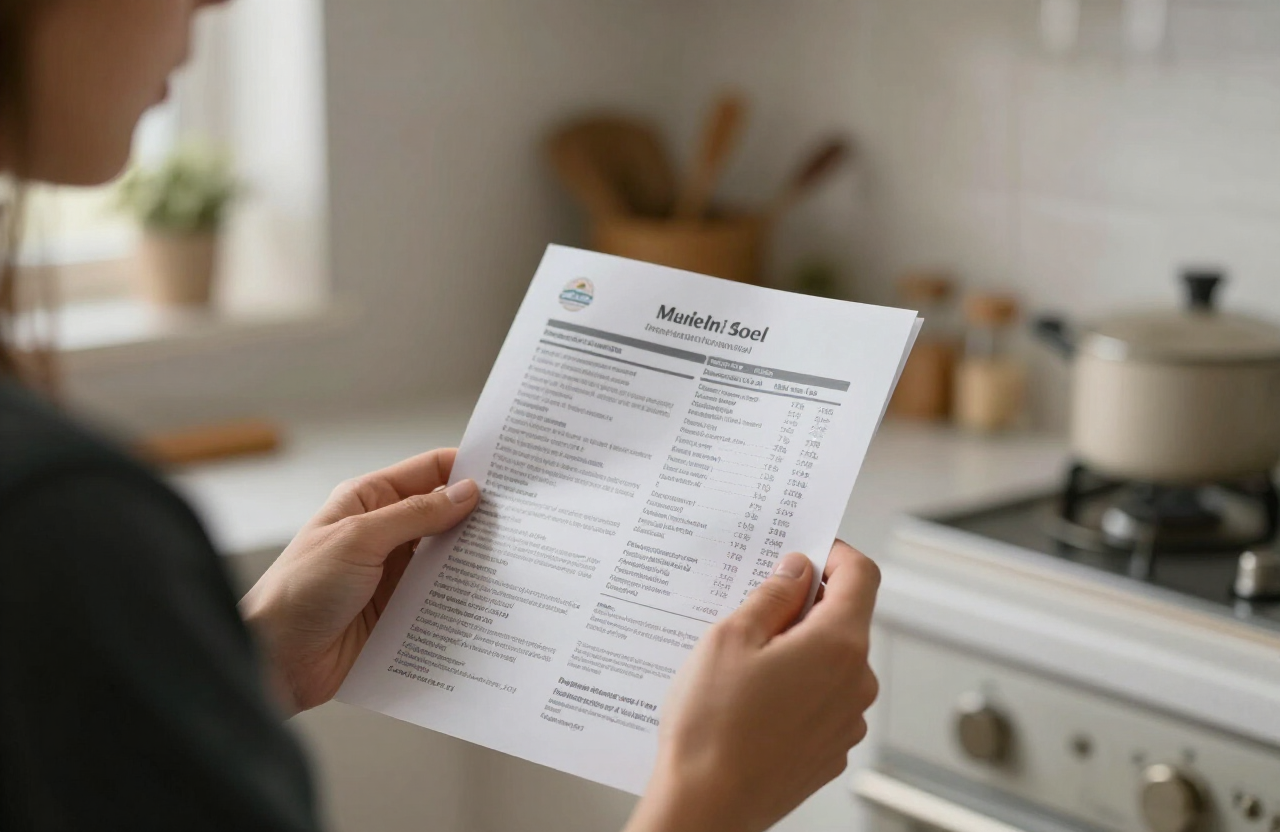
Keep a written safe food list
A written list of your safe foods, brands, and restrictions helps anyone helping you, and it speeds up shopping and rotation. Keep it with your emergency supplies.
- List your restrictions and the severity of each
- Note safe brands and specific product names
- Include foods to avoid completely
- Share the list with a trusted contact
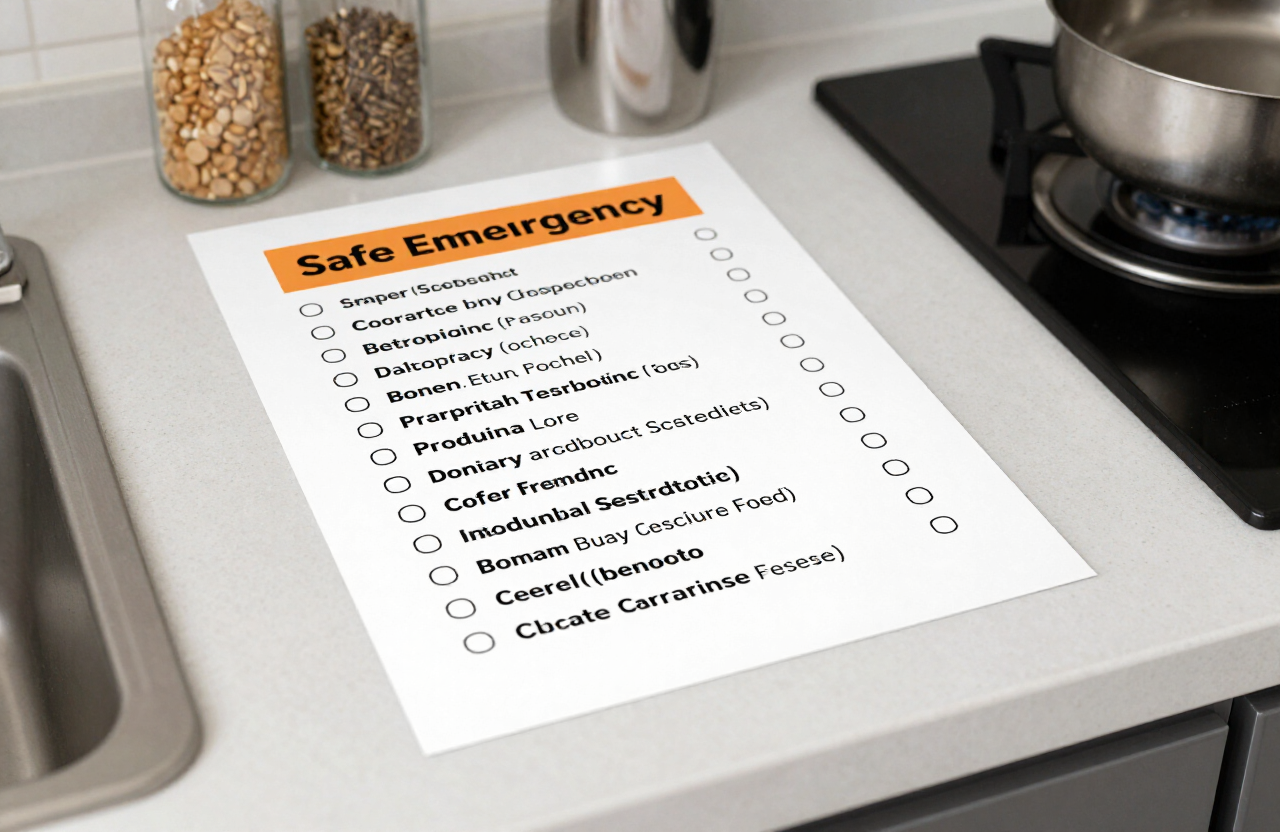
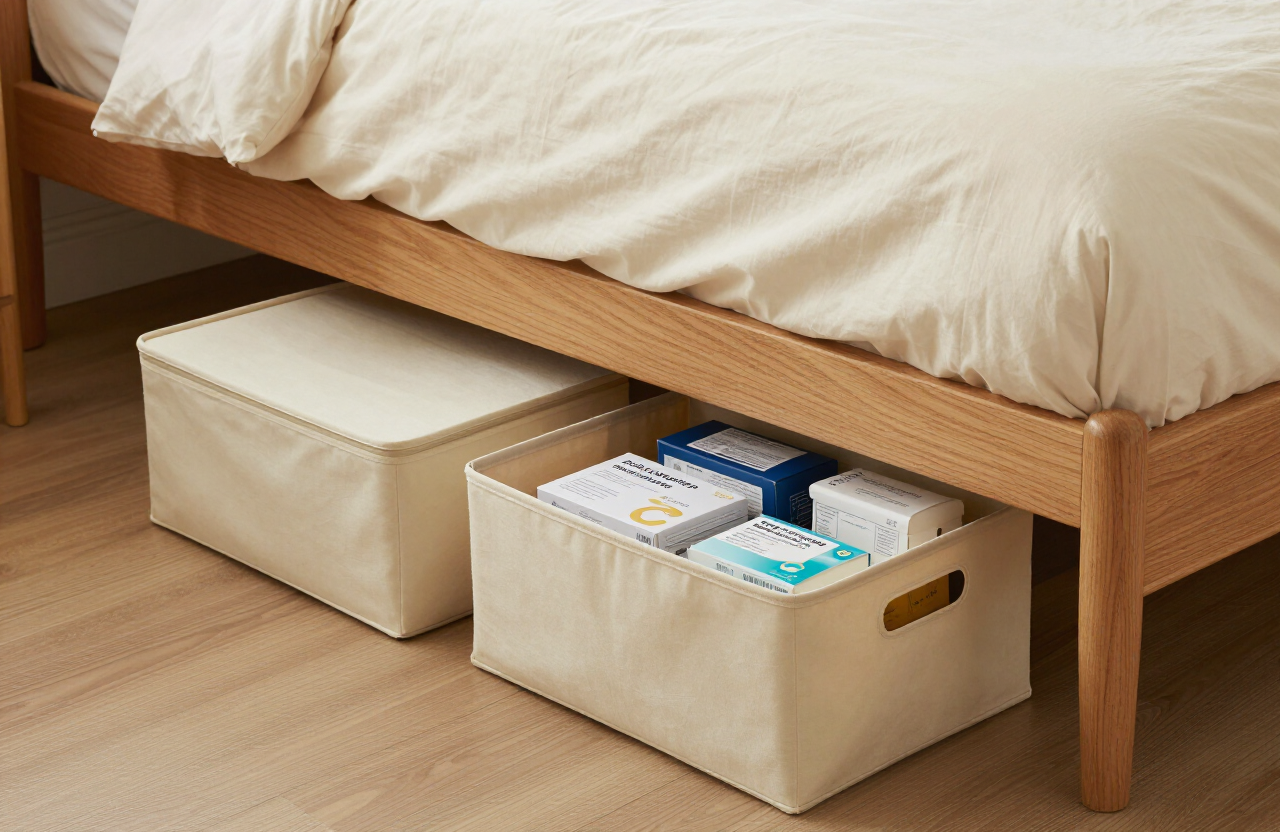
Store emergency medication
If you have a severe food allergy, your emergency food plan includes emergency medication. An epinephrine auto injector can save your life if you accidentally eat a trigger during the chaos of an emergency.
- Keep an epinephrine auto injector if prescribed
- Store a backup in your go bag
- Carry a medical alert card listing your allergies
- Check expiration dates regularly
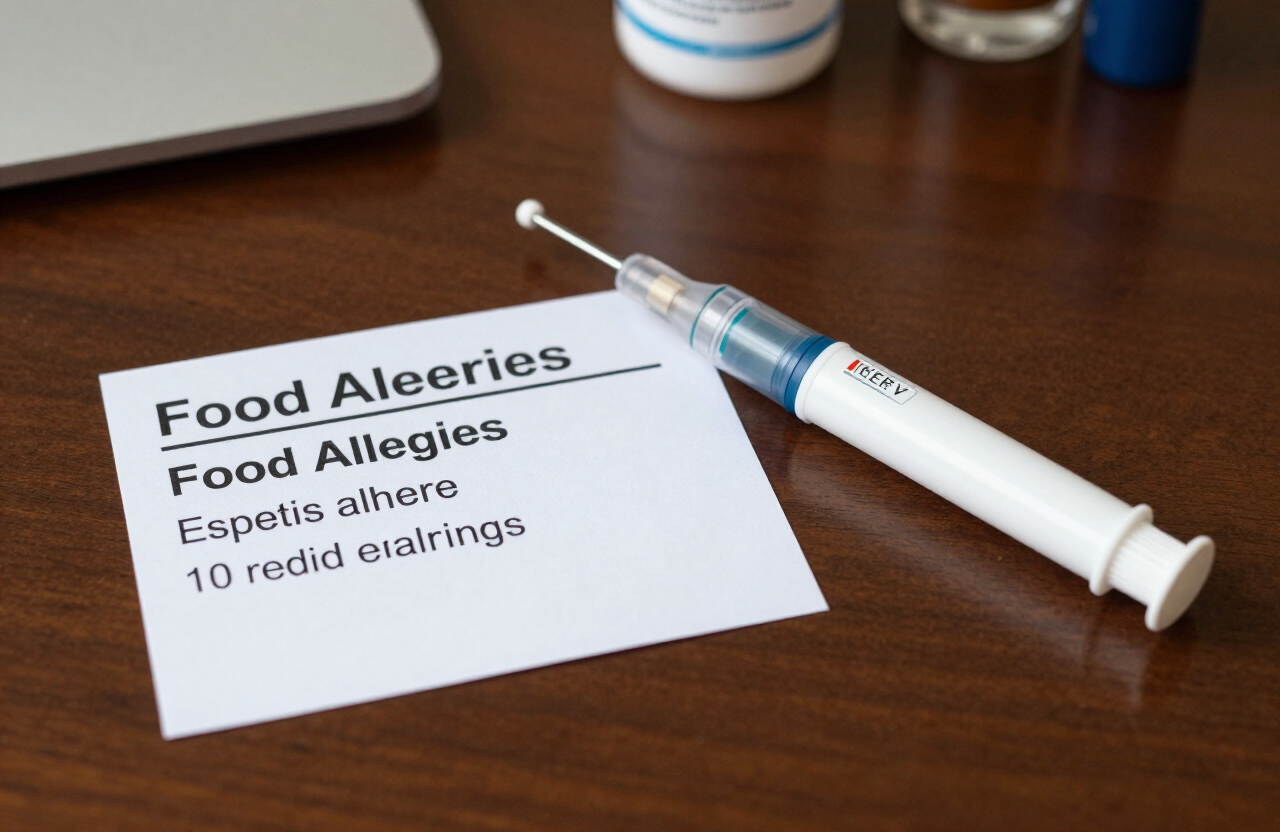
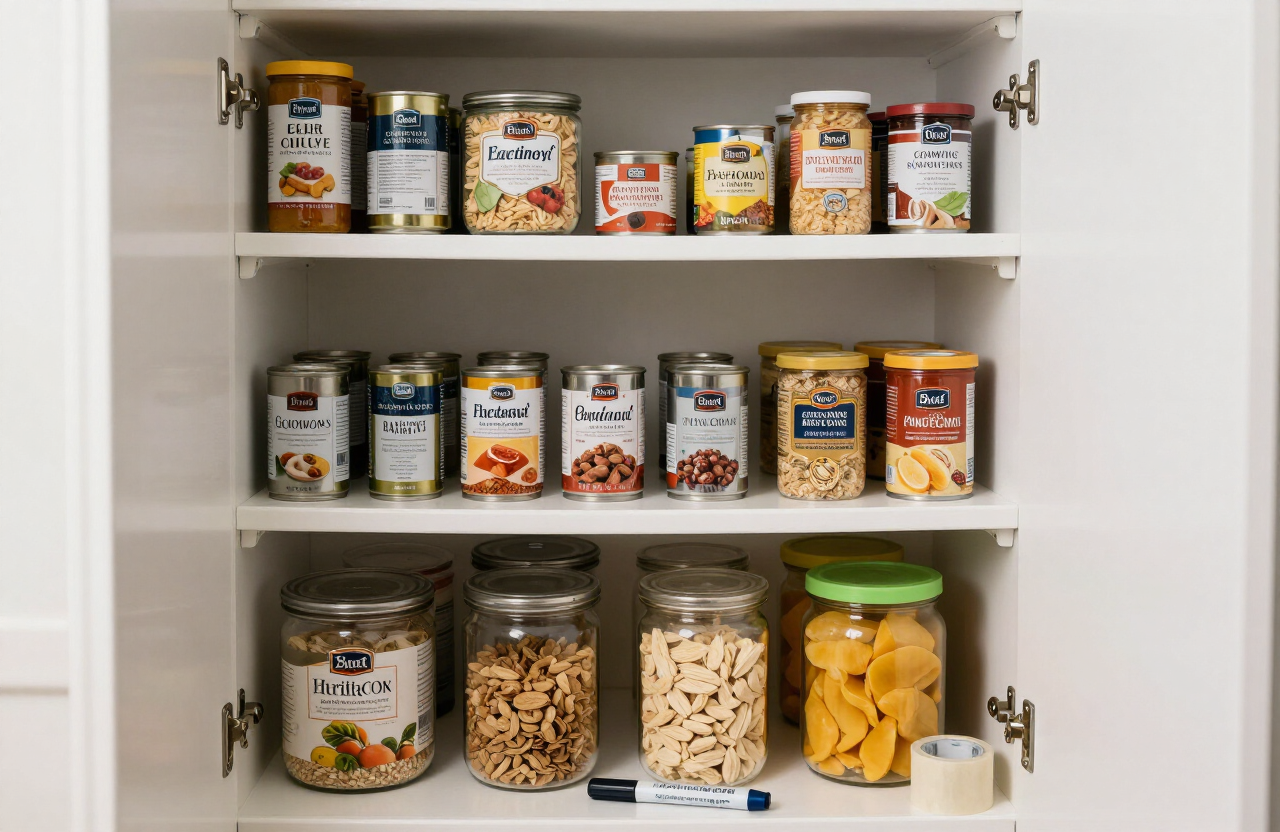
Pack restricted meals for your go bag
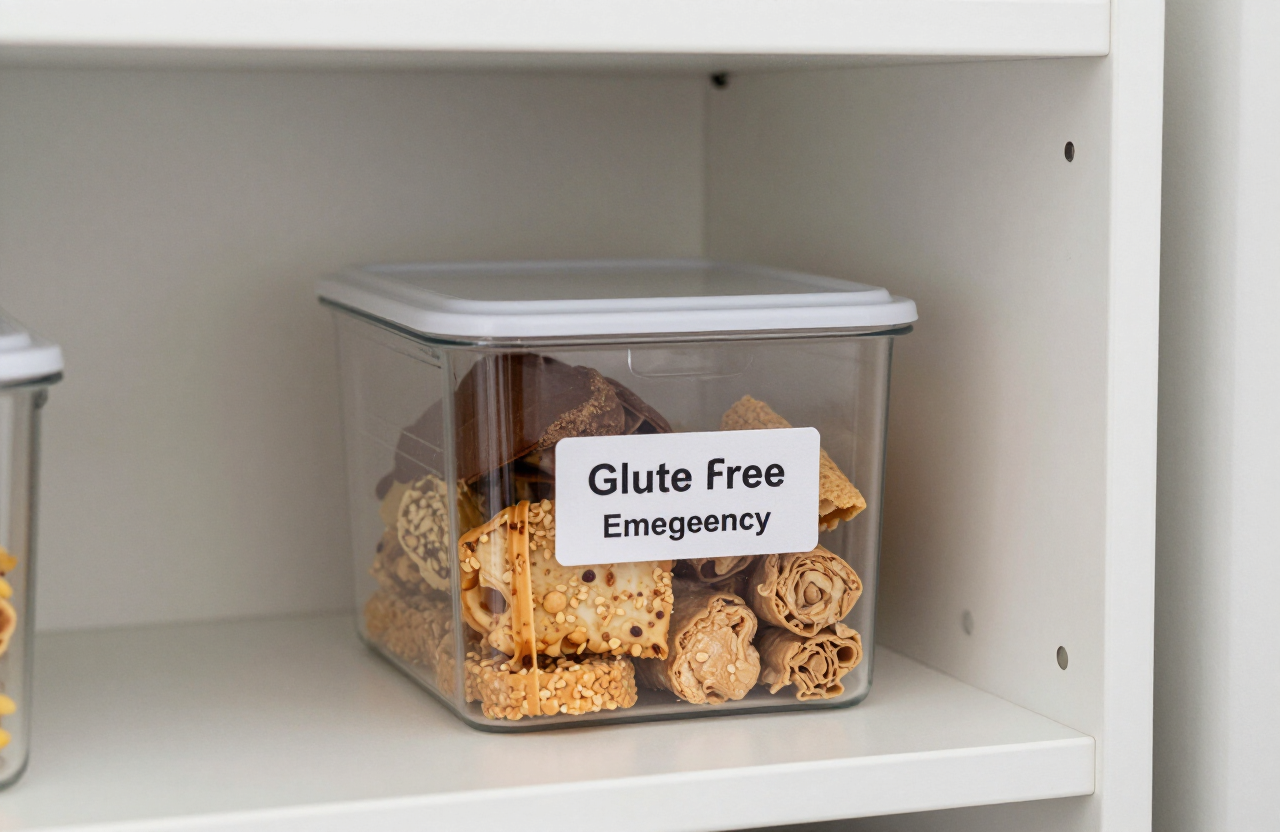
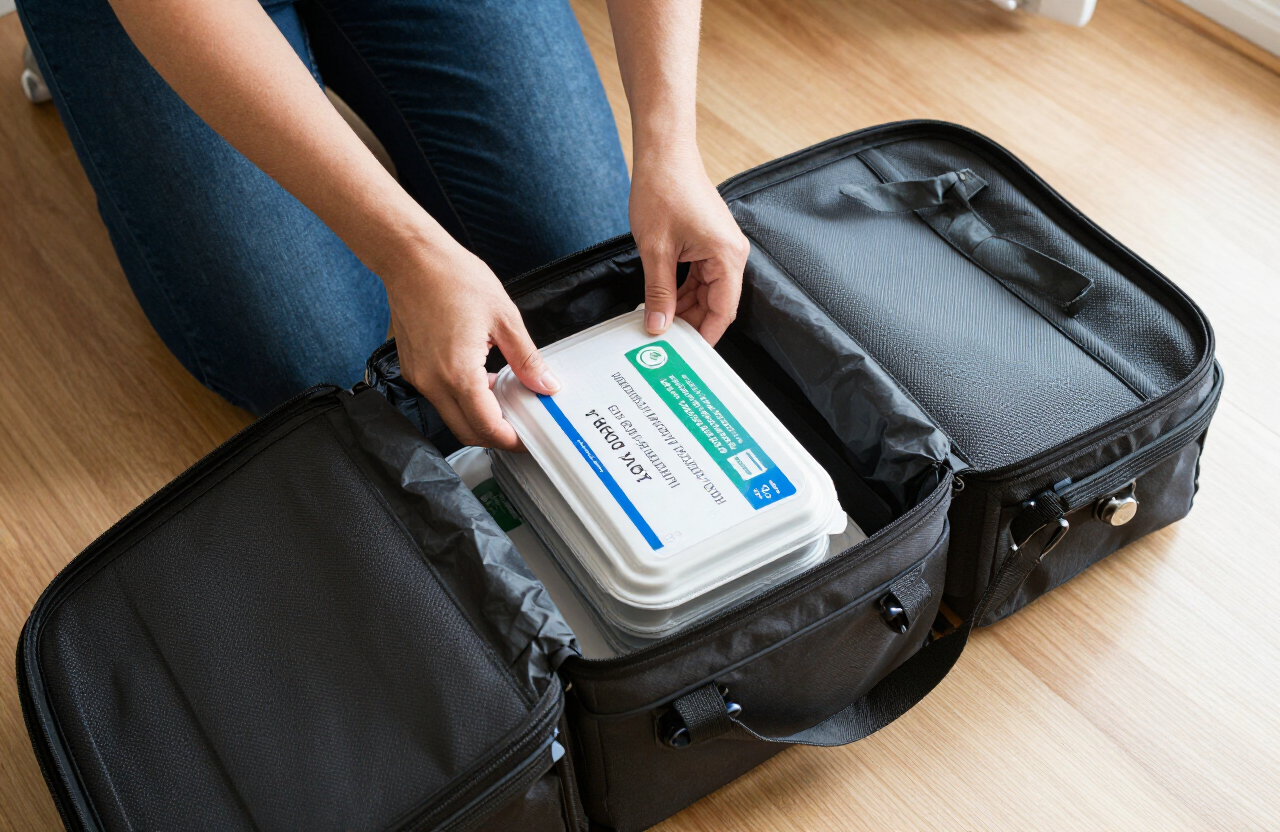
Your go bag needs food you can actually eat. A small labeled bin of safe, shelf stable meals means an evacuation does not force you to risk a reaction with whatever is available.
- Pack a few days of safe, no cook meals
- Use a labeled bin so safe food stays separate
- Rotate go bag food every few months
- Include a copy of your safe food list
For the broader food storage system, see our small kitchen emergency pantry guide.
Frequently asked questions
Editorial note: this guide provides general preparedness information, not emergency, medical, legal, or engineering advice. Recommendations are cross-checked against public emergency-management guidance and adapted for small-space living. During an active emergency, follow your local authorities and emergency services. See our editorial standards and affiliate disclosure.