Emergency Water Purification Methods for Apartment Renters
Emergency water purification for apartment renters is the skill that closes the gap between what you can store and what you actually need. No apartment holds two weeks of water for a family, so the backup plan is making questionable water safe to drink. A few simple methods, done correctly, turn tap, rain, or pooled water into something you can trust.
Why purification matters in a small apartment
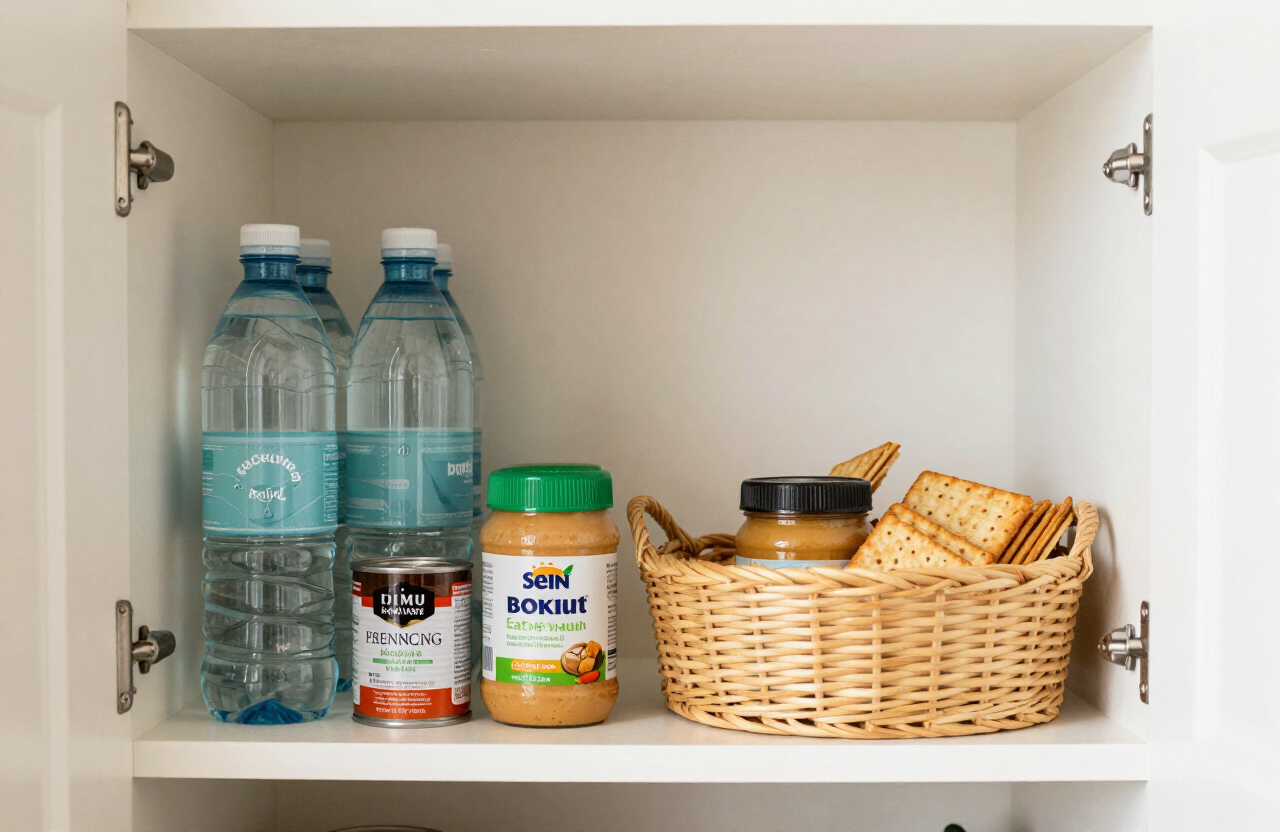
The standard advice is one gallon per person per day, which adds up fast. A couple needs 14 gallons for a week, and a family of four needs 28. Almost no apartment stores that much. Purification is how you stretch a small stored supply by making other water safe.
During an outage, your tap water may run low, lose pressure, or fall under a boil notice. Knowing how to treat water means a filled bathtub, rain from a balcony, or a neighbor supply becomes drinkable instead of a health risk.
Start with the storage math in our apartment water math guide.
Method one: boiling
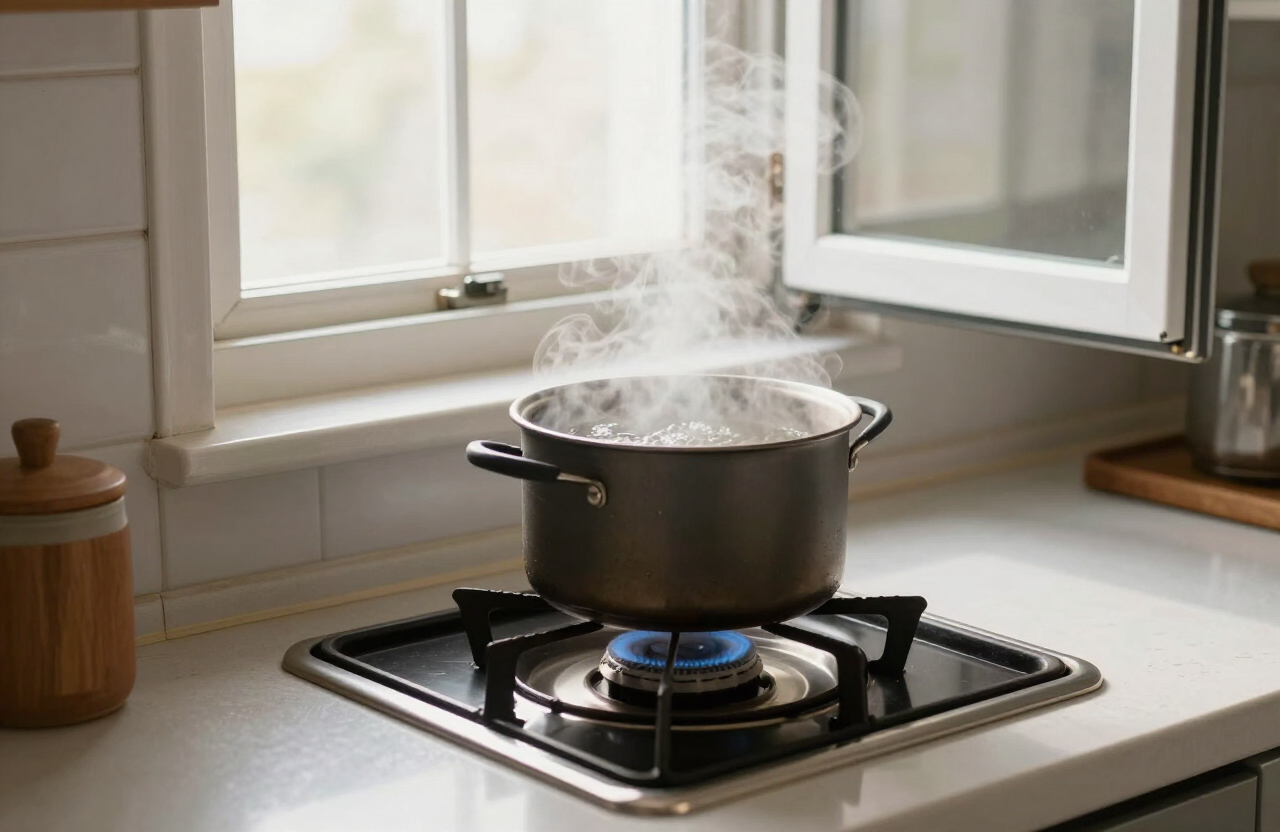
Boiling is the most reliable method and needs no special gear, just heat and a pot. It kills bacteria, viruses, and protozoa.
- 1Bring water to a rolling boil in a clean pot
- 2Keep it boiling for at least one full minute
- 3At altitudes above 6,500 feet, boil for three minutes
- 4Let it cool, then pour into a clean container with a lid
Method two: portable filtration
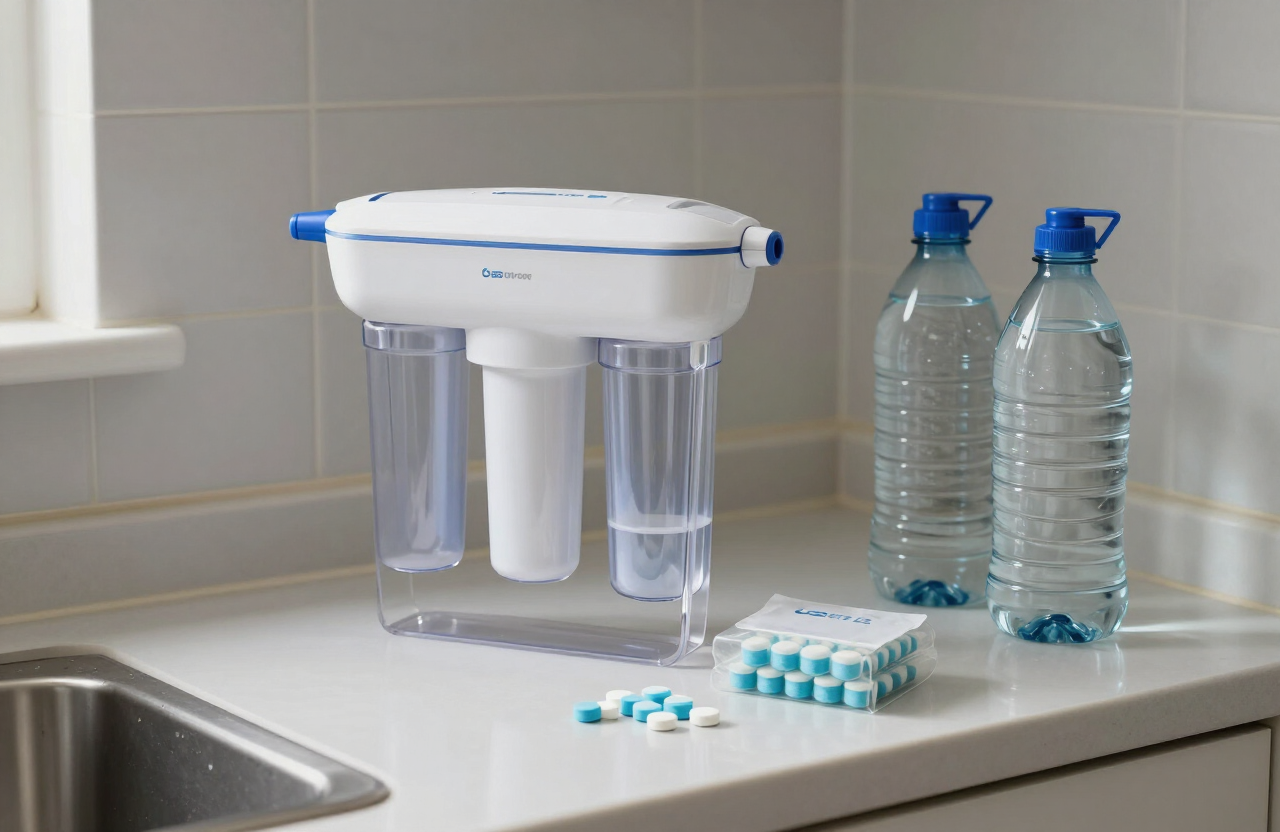
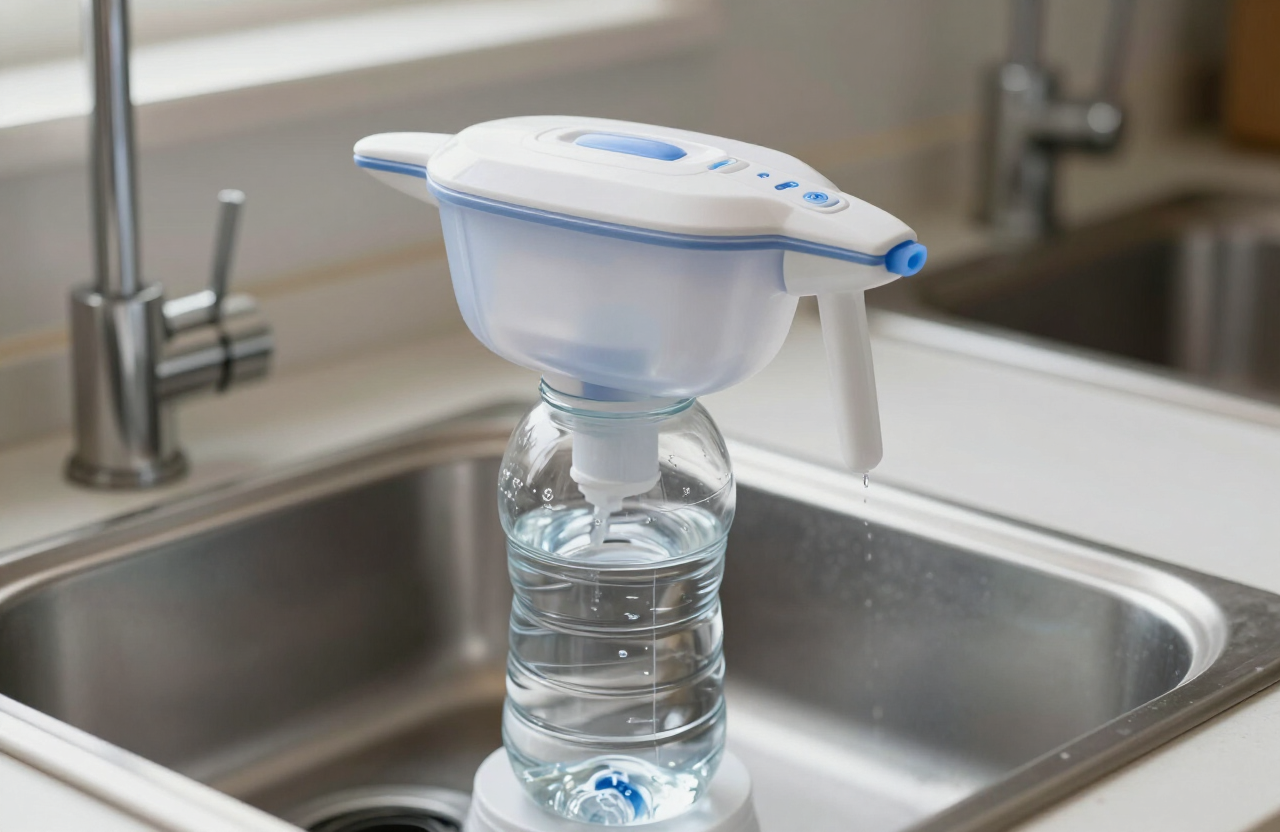
A portable water filter is the easiest apartment backup because it works with no power and no fuel. Choose one rated for what you need to remove.
- A hollow fiber or pump filter rated for bacteria and protozoa handles most tap and rain water
- A filter with an activated carbon stage improves taste and removes some chemicals
- Read the filter specs, since not all remove viruses
- Keep spare filters and store the unit dry between uses
Method three: purification tablets
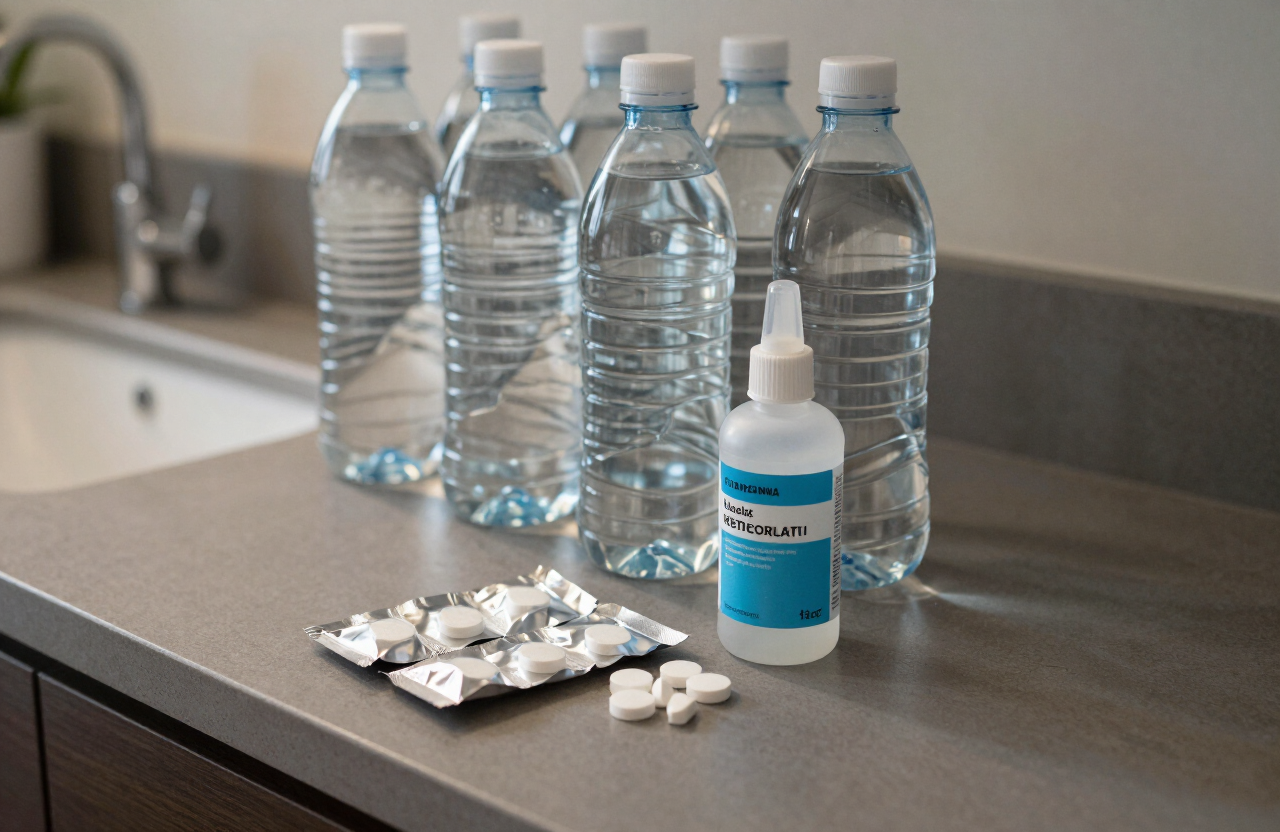
Tablets are compact, cheap, and store for years, which makes them perfect for a small apartment kit. They are slower than boiling but need no heat.
- Chlorine dioxide tablets handle bacteria, viruses, and protozoa
- Iodine tablets work for many germs but have a taste some dislike
- Follow the package wait time, often 30 minutes, before drinking
- Store tablets sealed and check the expiry date each year
Method four: unscented bleach
Plain unscented household bleach is a measured chemical backup when nothing else is available. The dose is small and precise, so measure carefully.
| Water volume | Bleach amount (6 to 8.25 percent) |
|---|---|
| 1 gallon, clear | 2 drops |
| 1 gallon, cloudy | 4 drops |
| 1 liter, clear | 1 drop |
| 1 liter, cloudy | 2 drops |
Pre-filter and store treated water correctly
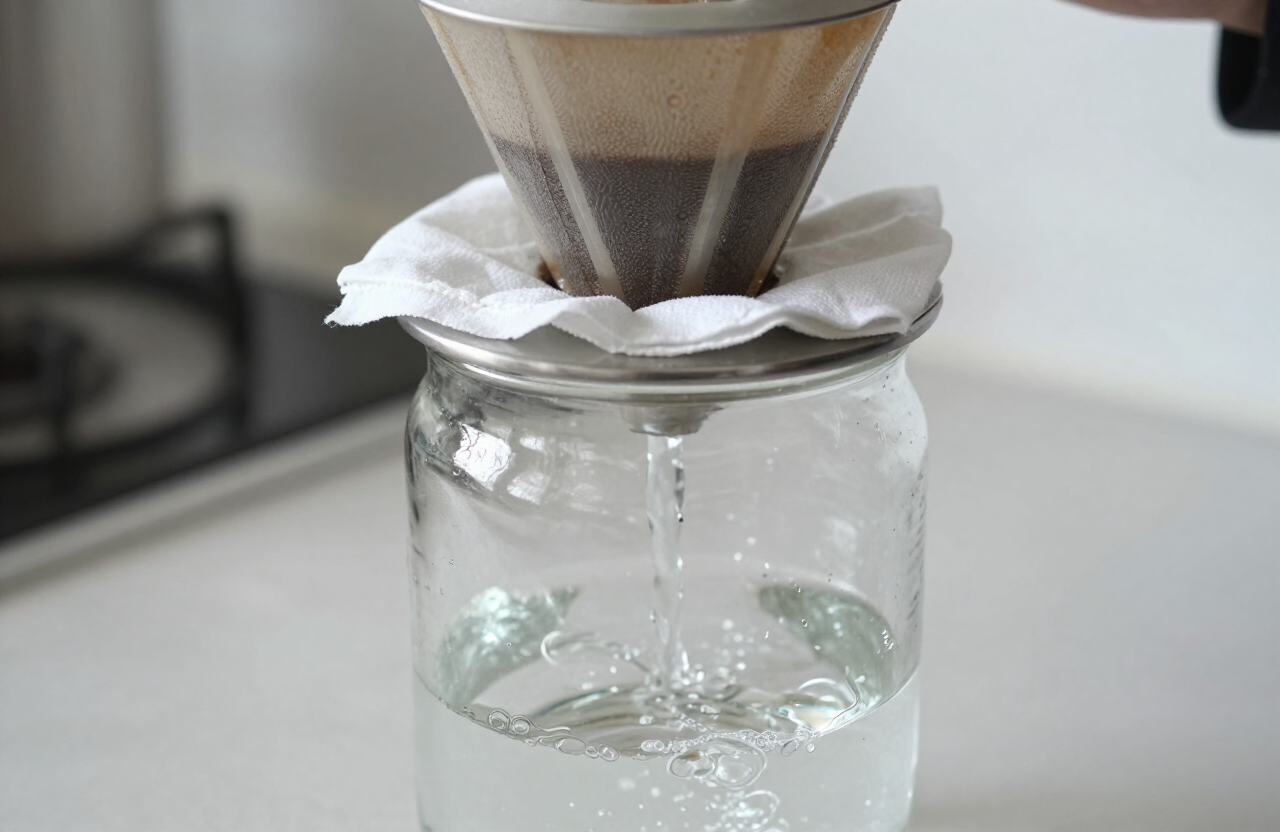
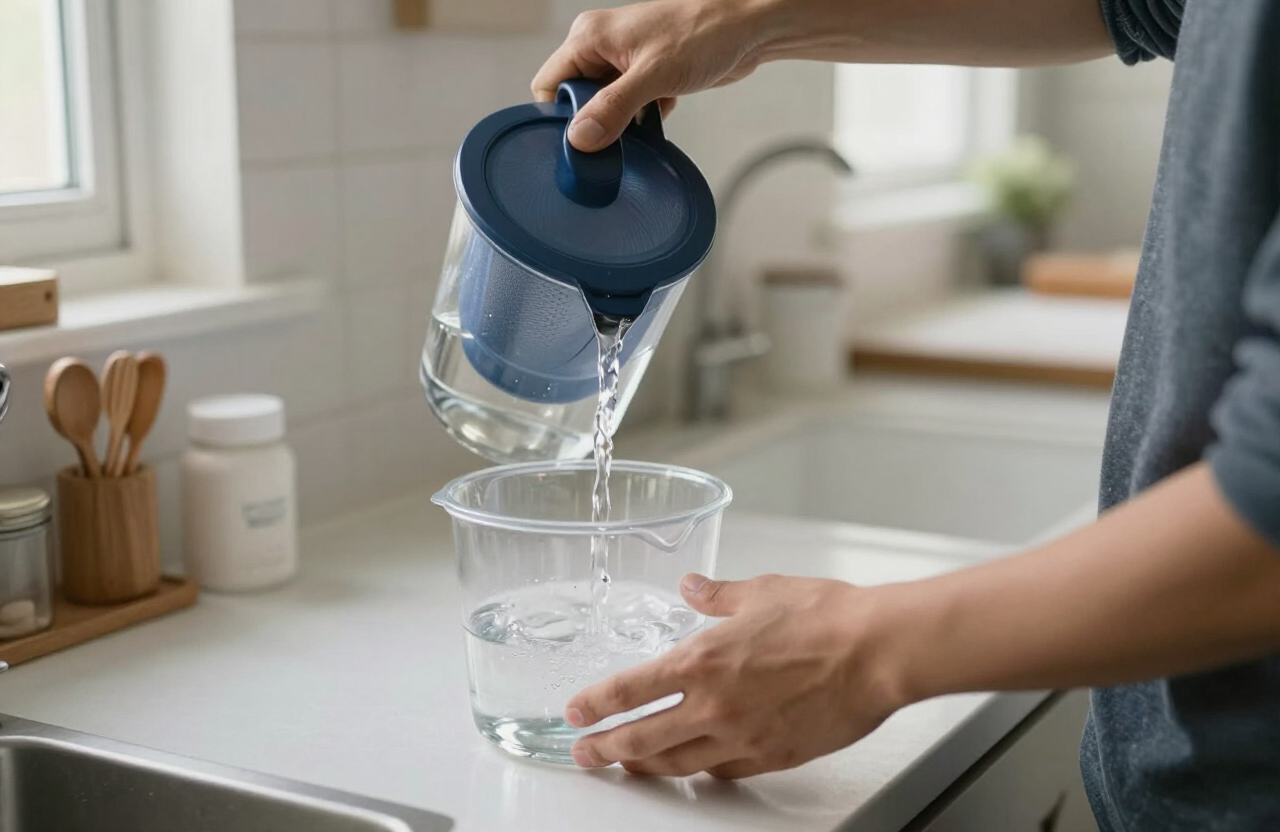
No method works well on water full of dirt. Pre-filter first, then treat, then store in clean containers so you do not undo the work.
- 1Pour cloudy water through a coffee filter, clean cloth, or paper towel
- 2Treat the clearer water by boiling, filtering, tablets, or bleach
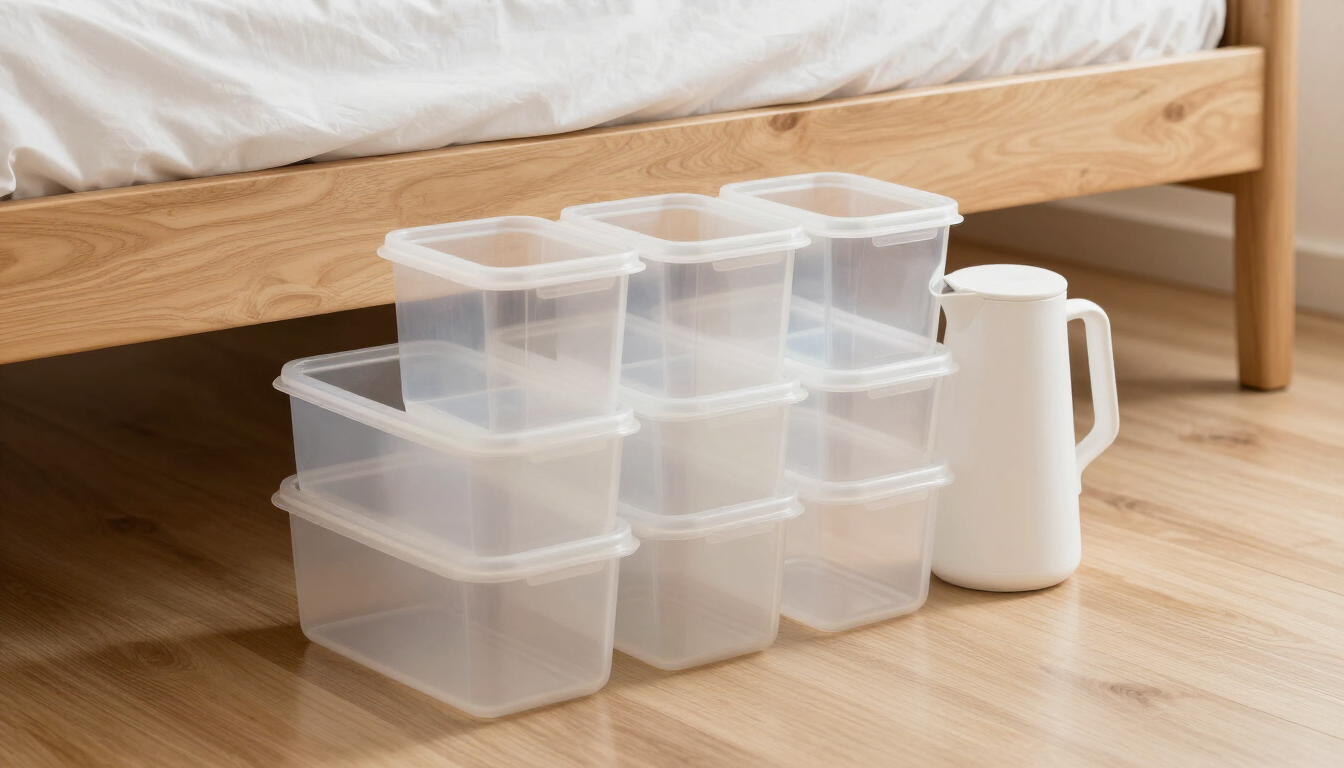
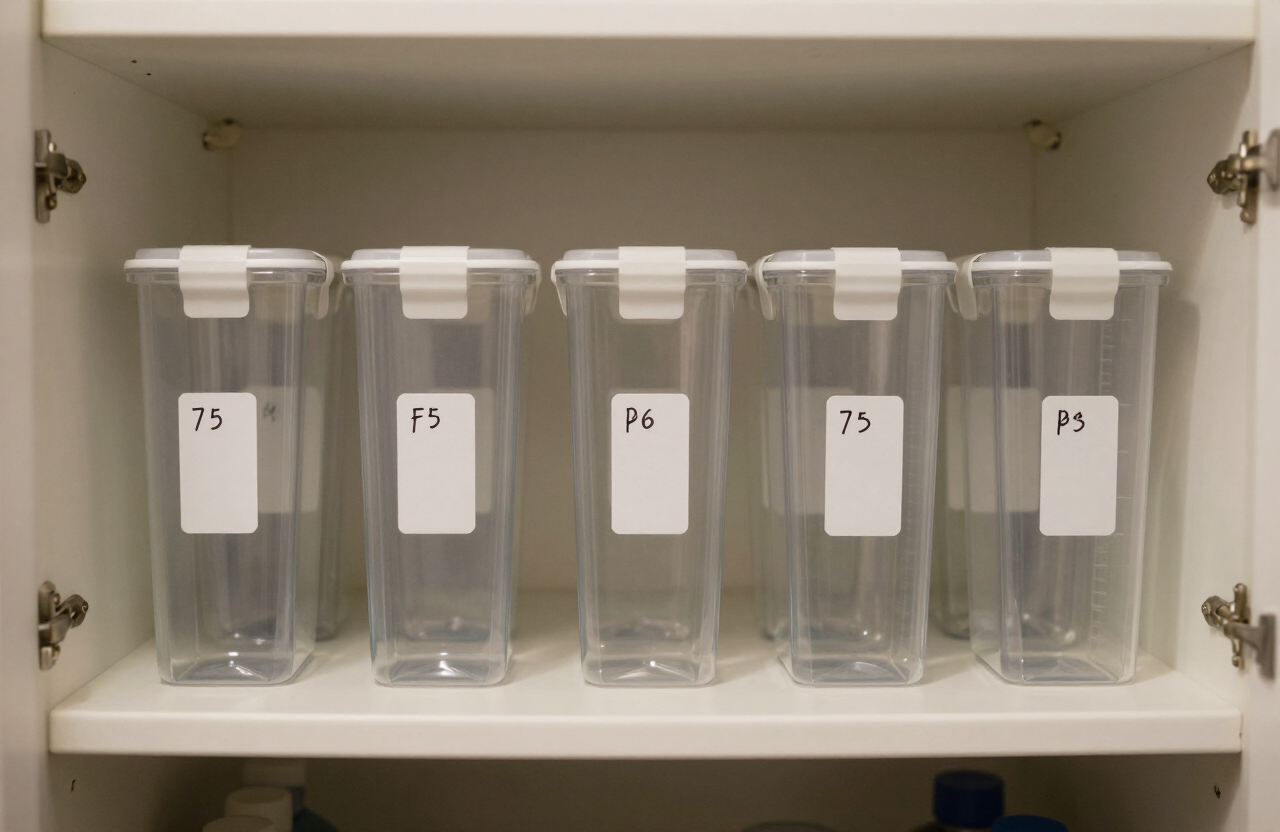
- 3Store in clean, food-safe containers with tight lids
- 4Label treated water with the date and use it within six months
For studio-specific storage, see our studio water storage guide.
A quick comparison of methods
| Method | Best for | Watch out for |
|---|---|---|
| Boiling | Killing all germs | Needs fuel, does not remove chemicals |
| Portable filter | No-power convenience | Check it handles viruses if needed |
| Purification tablets | Compact storage | Wait time, taste, expiry dates |
| Unscented bleach | Cheap chemical backup | Precise dosing, scent-free only |
Frequently asked questions
Editorial note: this guide provides general preparedness information, not emergency, medical, legal, or engineering advice. Recommendations are cross-checked against public emergency-management guidance and adapted for small-space living. During an active emergency, follow your local authorities and emergency services. See our editorial standards and affiliate disclosure.