How to Rotate an Emergency Food Supply in a Small Apartment
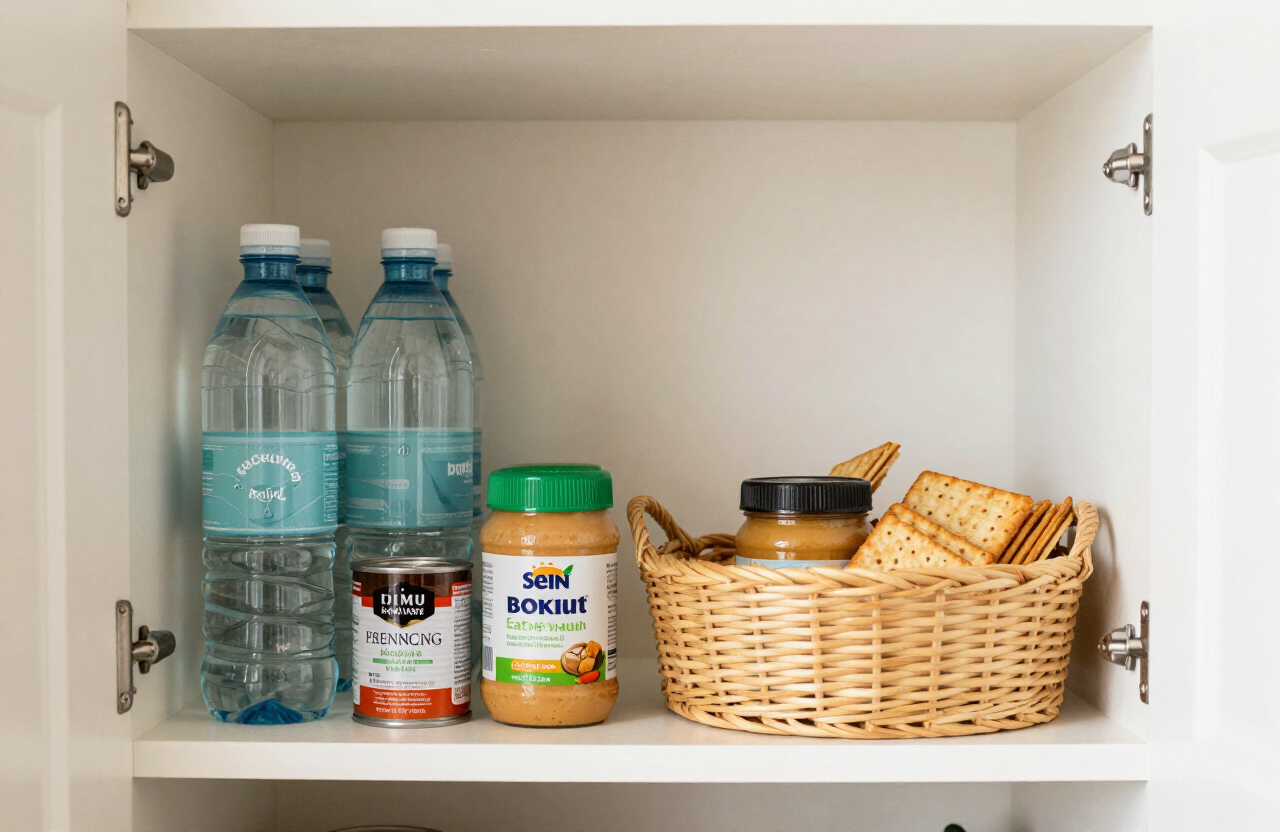
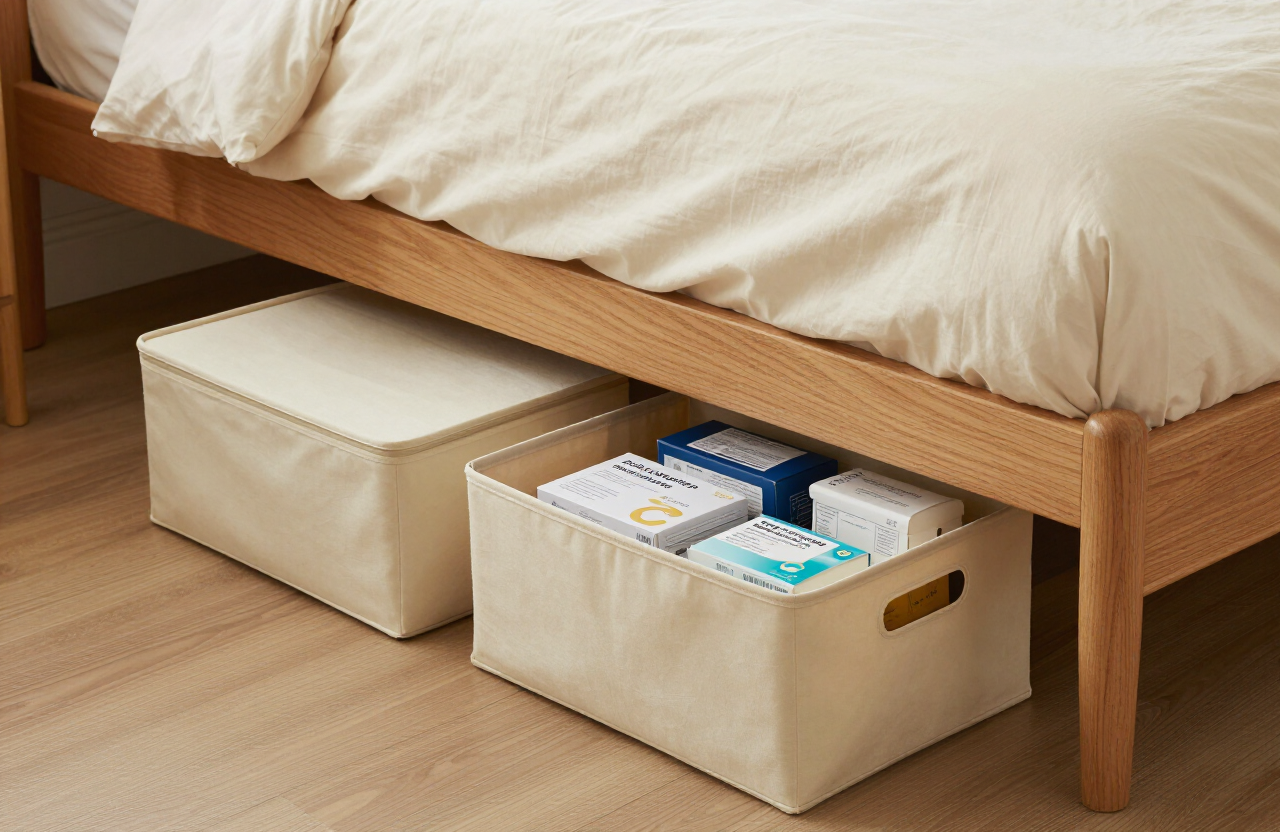
Rotating an emergency food supply in a small apartment is the difference between a pantry that works when you need it and one full of expired cans. The trick is to eat what you store and store what you eat, so nothing sits forgotten for years. A simple first-in-first-out system keeps your emergency food fresh without wasting space or money.
Why rotation matters more than stockpile size
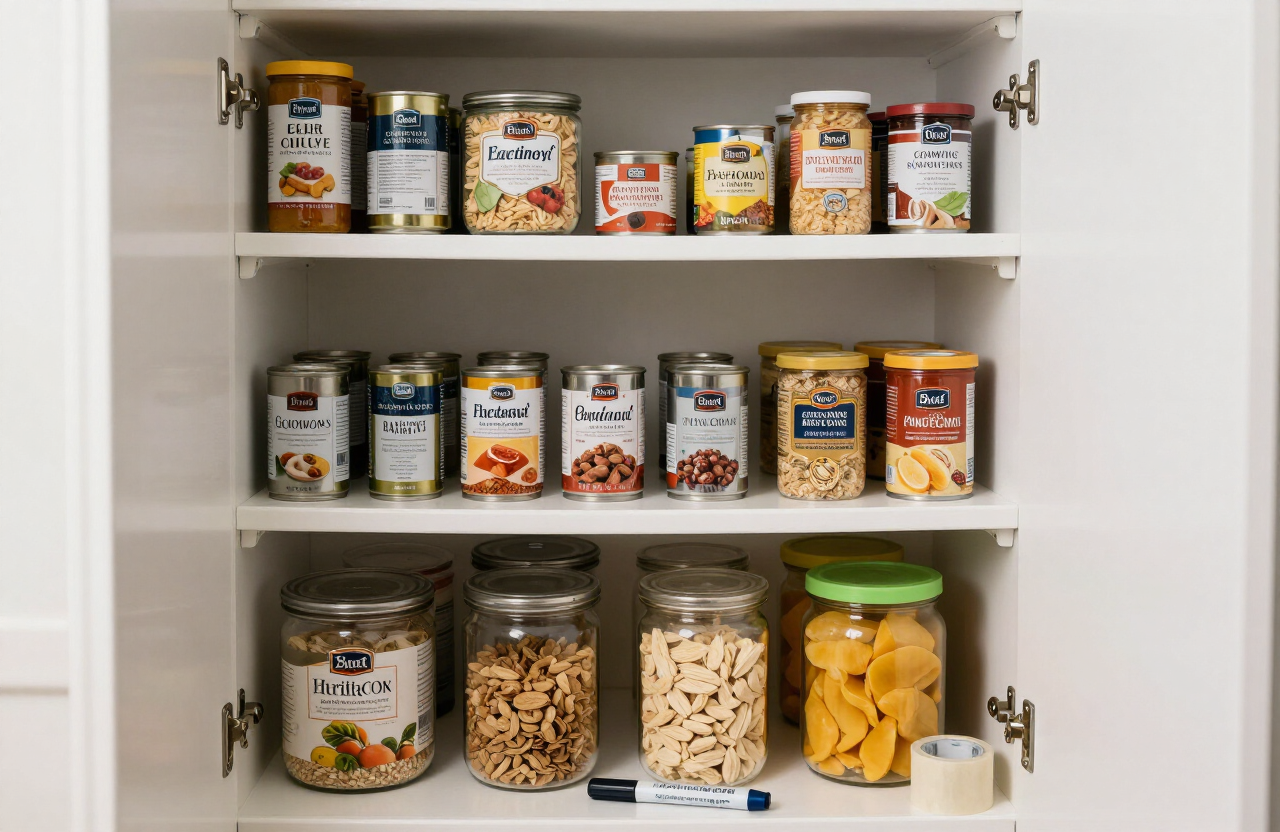
A big stockpile you never touch is not a food supply, it is a future pile of expired food. Canned and dry goods last a long time, but not forever, and a small apartment cannot afford to waste shelf space on food you will never eat. Rotation keeps your supply usable and your money from going in the trash.
The goal is a pantry that flows: new food in the back, old food to the front, and your everyday cooking pulling from the same shelves.
Label everything with a date
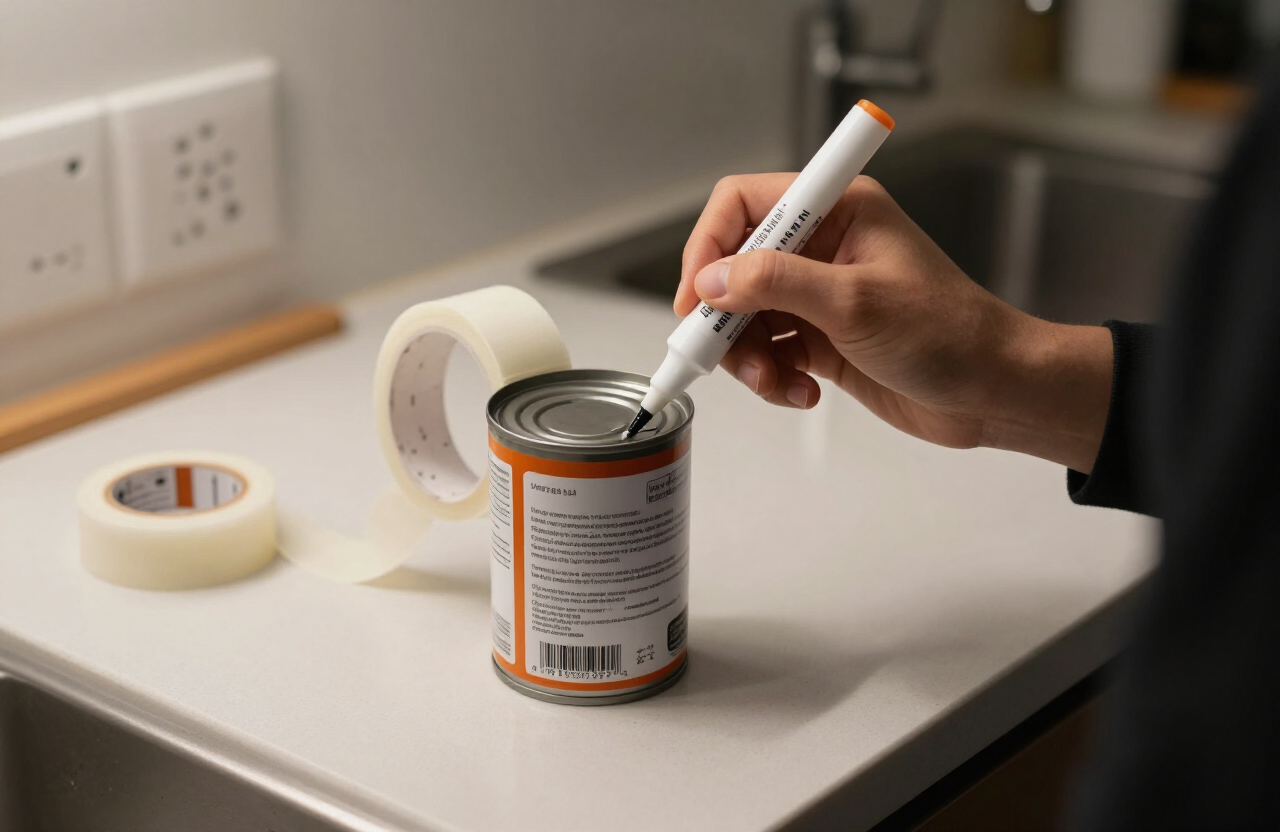
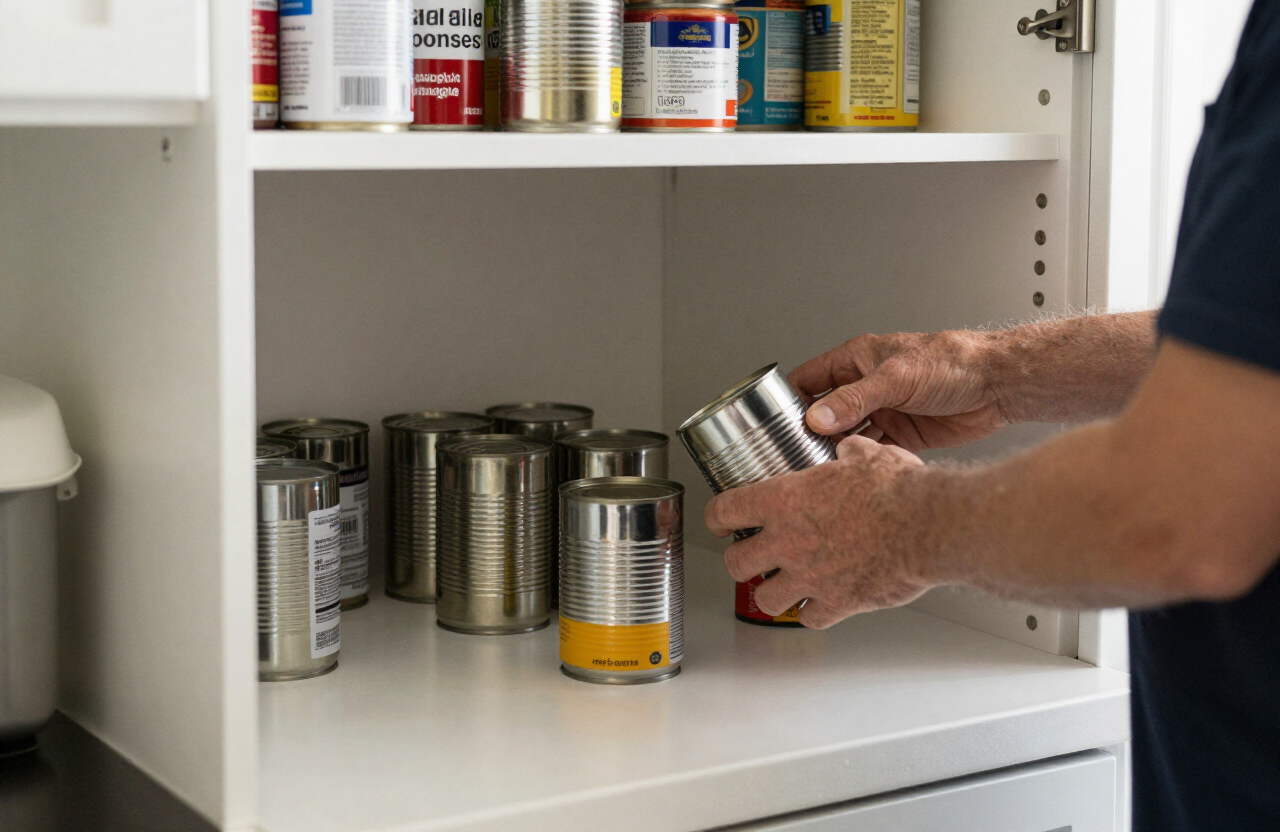
You cannot rotate what you cannot date. The moment food comes home, mark it, so you always know which item to use first.
- 1Write the purchase or best-by date on each can or box with a marker
- 2Use a small piece of tape if the package will not take ink
- 3Be consistent, date every item, even the ones you plan to eat this week
- 4Use the best-by date on the package when it is printed and clear
Shelve first-in, first-out
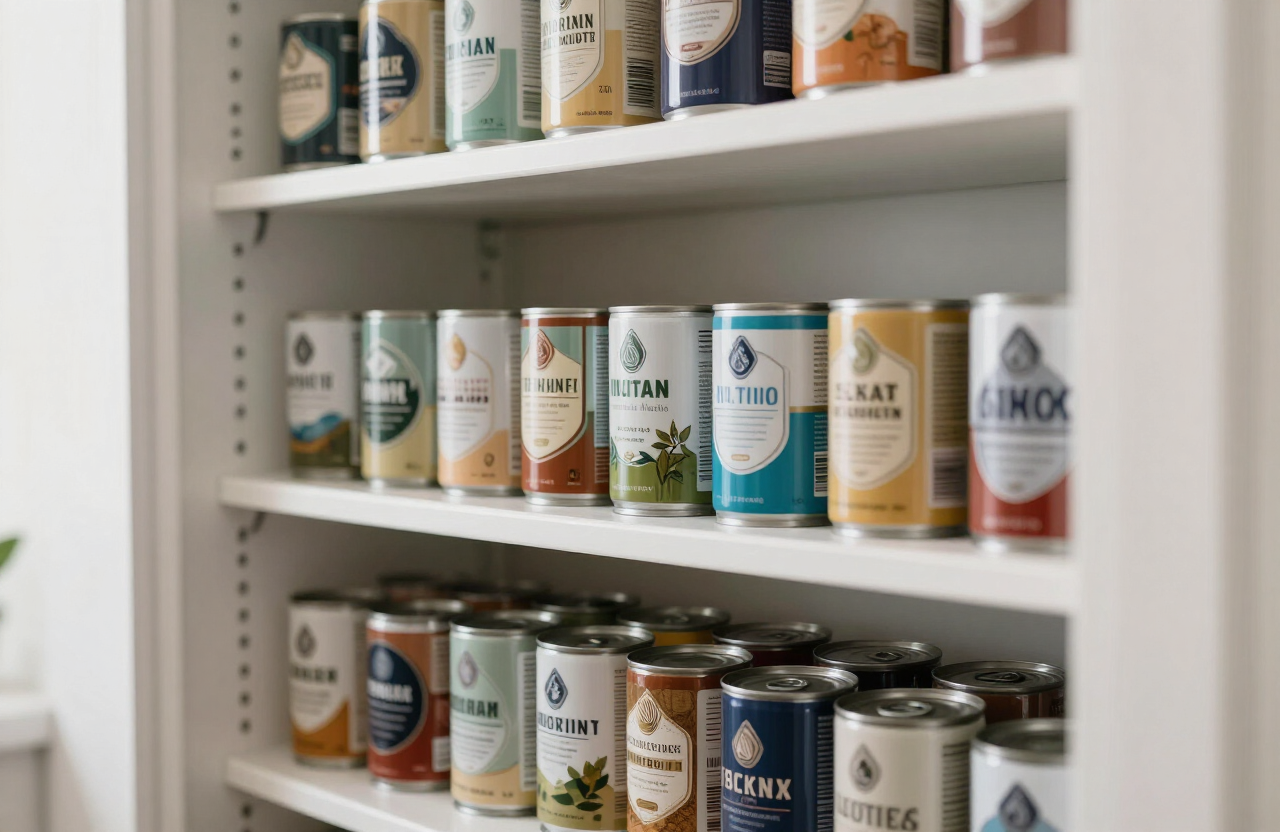
First-in, first-out means the oldest food is always the easiest to reach. New groceries go to the back, and you pull from the front for everyday meals.
- Place new items behind the older ones of the same type
- Keep one row deep per item so the oldest is always in front
- Use a small can organizer or tiered shelf so the front rolls forward
- Teach everyone in the household the back-to-front rule
Eat what you store
The best emergency food is the food you already eat. Build your supply from shelf-stable versions of your normal meals, then pull from it every week so it turns over naturally.
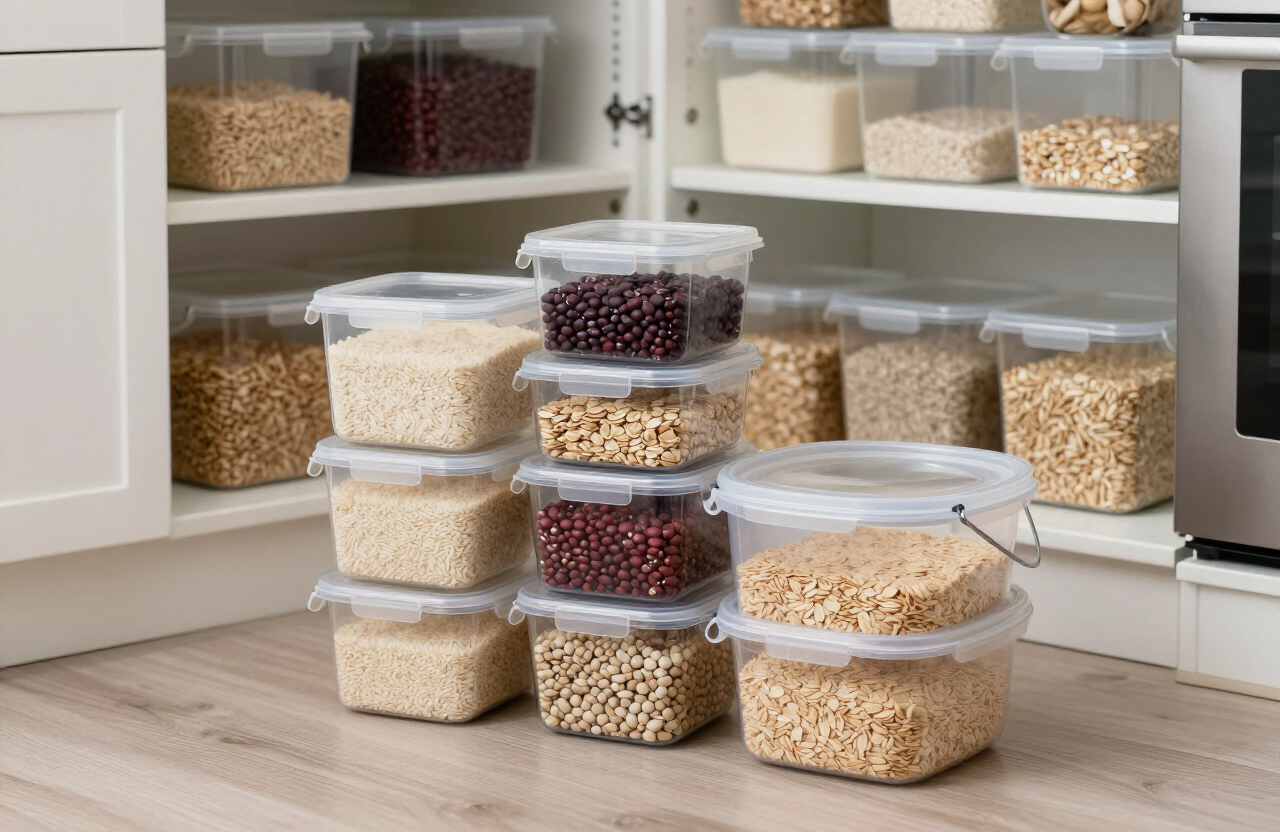
- Keep staples you use weekly, like rice, pasta, beans, oats, and canned tomatoes
- Cook from the pantry one or two nights a week and restock on the next shop
- Buy a little extra of your usual items each trip to build depth slowly
- Avoid novelty survival foods you have never tasted, they often go uneaten
Build the pantry itself with our small kitchen emergency pantry guide.
Keep a printed inventory
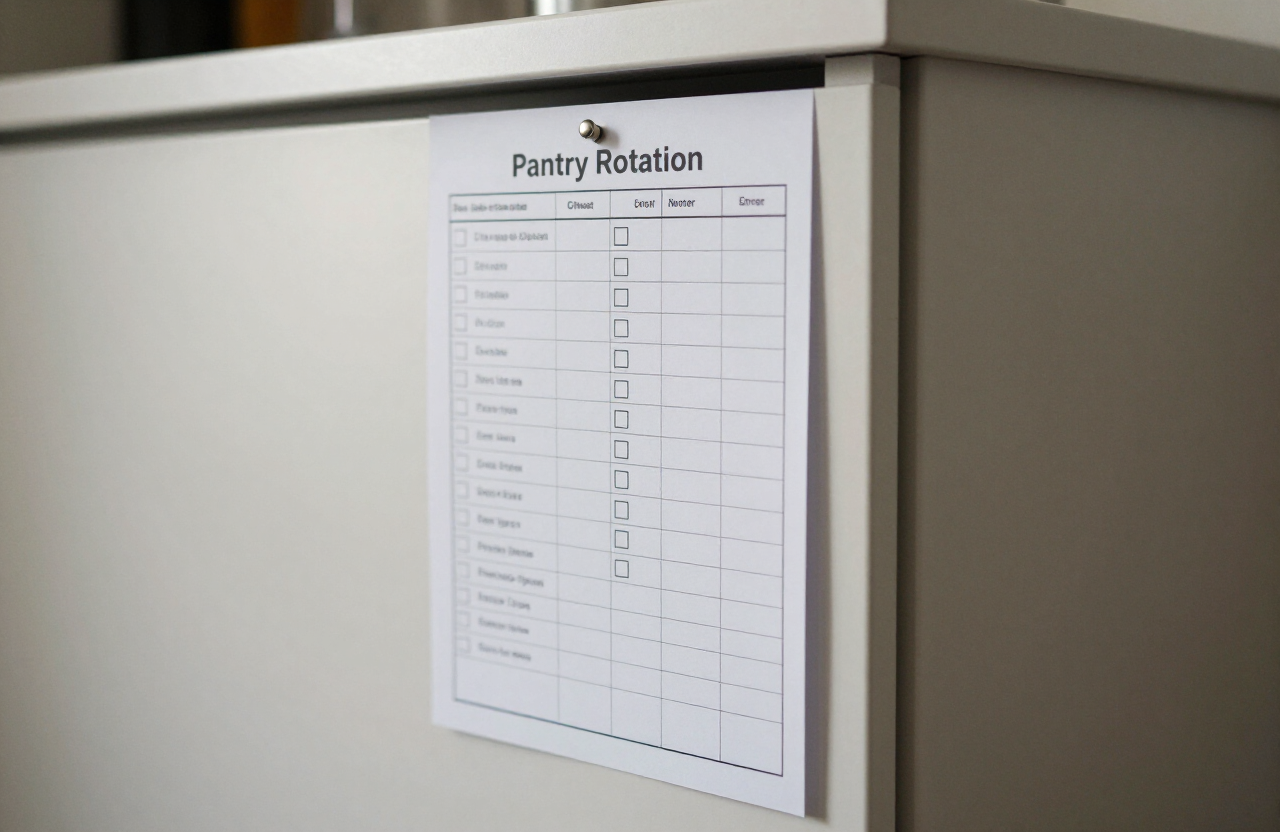
A small list taped inside a cabinet door tells you what you have and what is getting old, without digging through shelves.
- List each item, the quantity, and the oldest date
- Note anything expiring in the next three months
- Update the list after each grocery trip
- Keep a copy on your phone as a backup
A twice-yearly pantry check
Twice a year, pull everything out, check the dates, and reset the shelves. Tie it to daylight saving changes so you remember.
| Step | What to do |
|---|---|
| Pull and sort | Group by type and check every date |
| Use or donate near-date items | Move them into meals or give them away |
| Wipe the shelves | Clean spills and check for pests |
| Restock and relabel | Put the oldest in front and date the new |
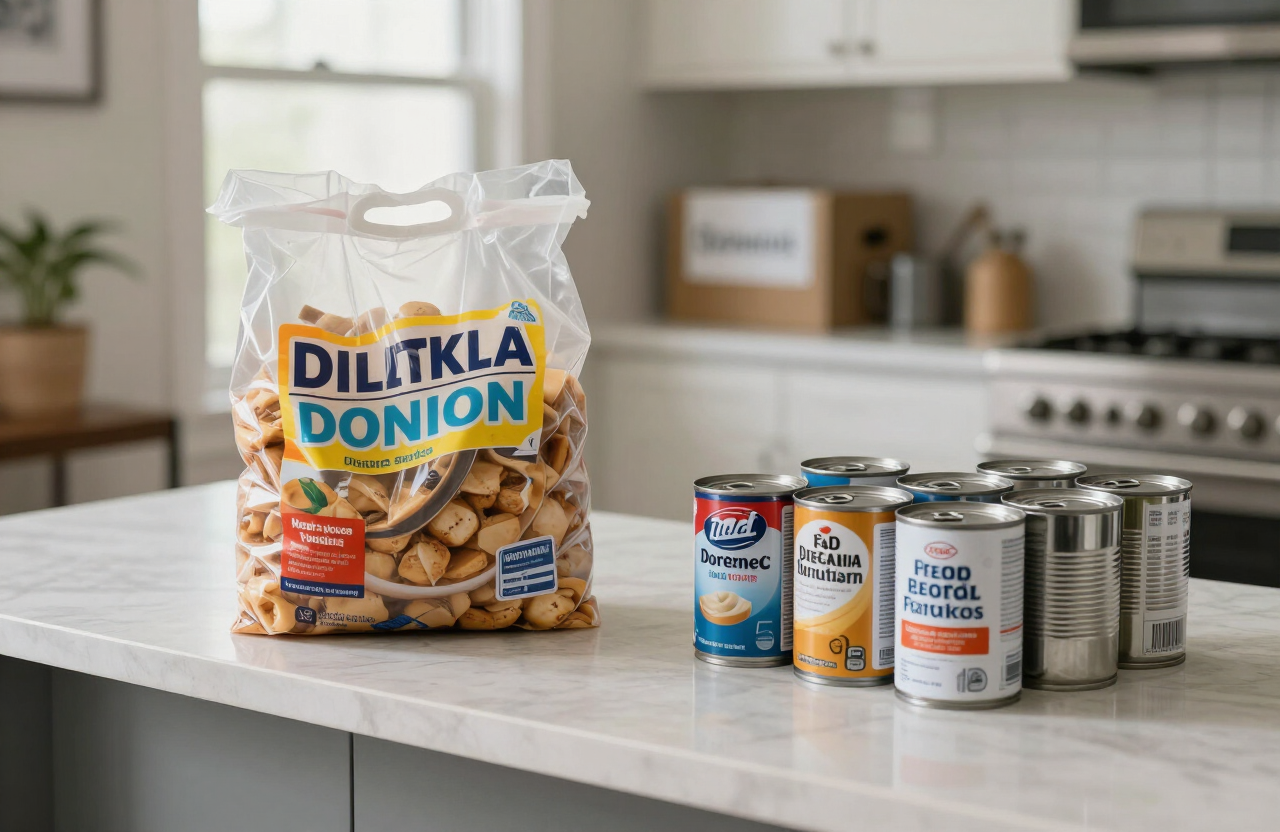
For no-basement storage ideas, see our no-basement food storage guide.
Frequently asked questions
Editorial note: this guide provides general preparedness information, not emergency, medical, legal, or engineering advice. Recommendations are cross-checked against public emergency-management guidance and adapted for small-space living. During an active emergency, follow your local authorities and emergency services. See our editorial standards and affiliate disclosure.