Safe Battery Backup Options for Apartment Power Outages
A safe battery backup for apartment power outages is the difference between a quiet inconvenience and a stressful one, especially when a phone, a router, or a medical device has to keep running. The right setup is renter-safe, needs no wiring, and fits in a closet or on a shelf.
Why apartments need a different battery plan
A house can sit a generator in the yard and run an extension cord through a window. An apartment cannot. Fuel-burning generators produce carbon monoxide, and balconies are often too close to open windows to use them safely. The apartment answer is batteries: silent, indoor-safe, and small enough to live on a shelf.
The trick is matching the battery to the job. A phone needs almost nothing. A wifi router needs a little more, for longer. A medical device or a mini fridge needs a real power station. Buy one tier too small and you run out too fast; buy one tier too big and you spend money and floor space you do not have.
Three tiers of apartment battery backup
Think in three tiers. Most renters only need the first two. The third is for medical devices or longer outages, and it is worth the money only if you have a clear reason to own it.
| Tier | Best for | Rough capacity | Apartment footprint |
|---|---|---|---|
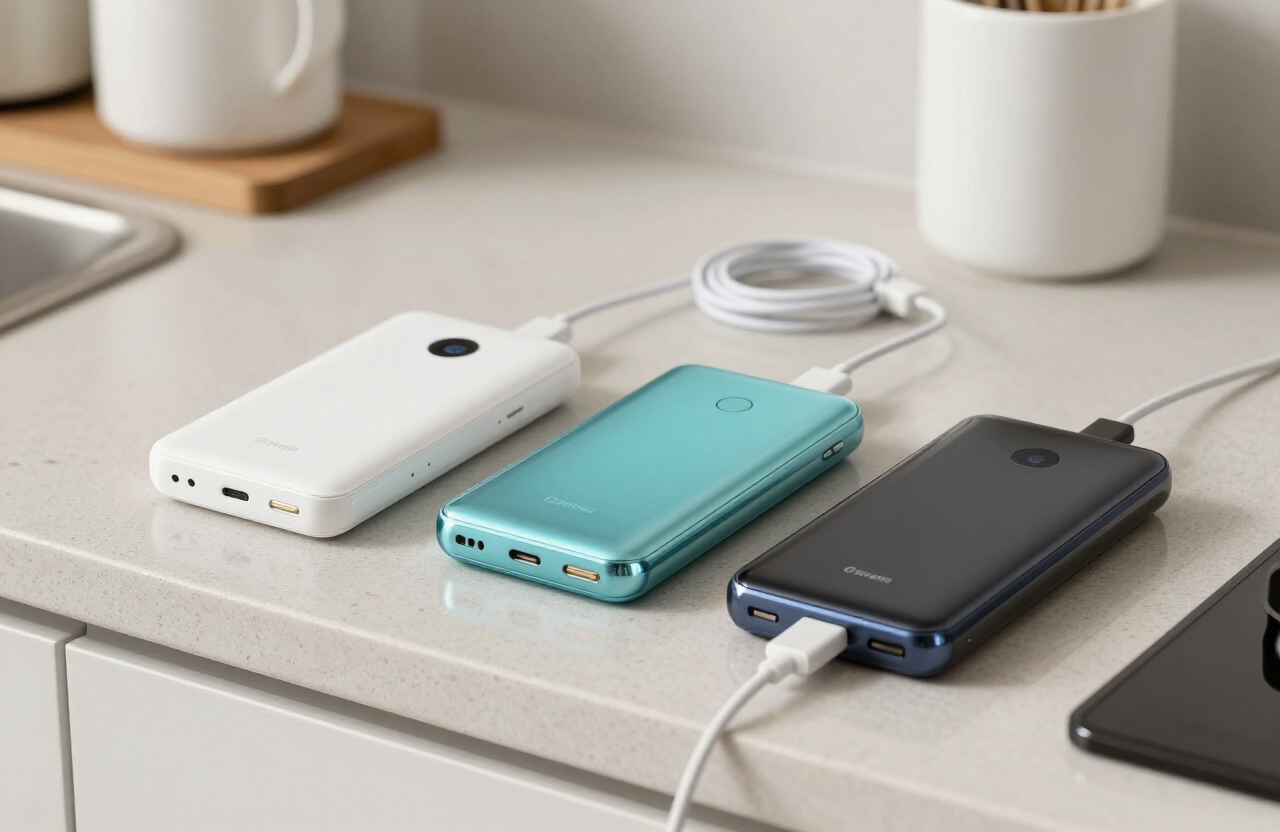
| Power bank | Phones, small lights, a tablet | 10,000 to 20,000 mAh | Pocket to palm |
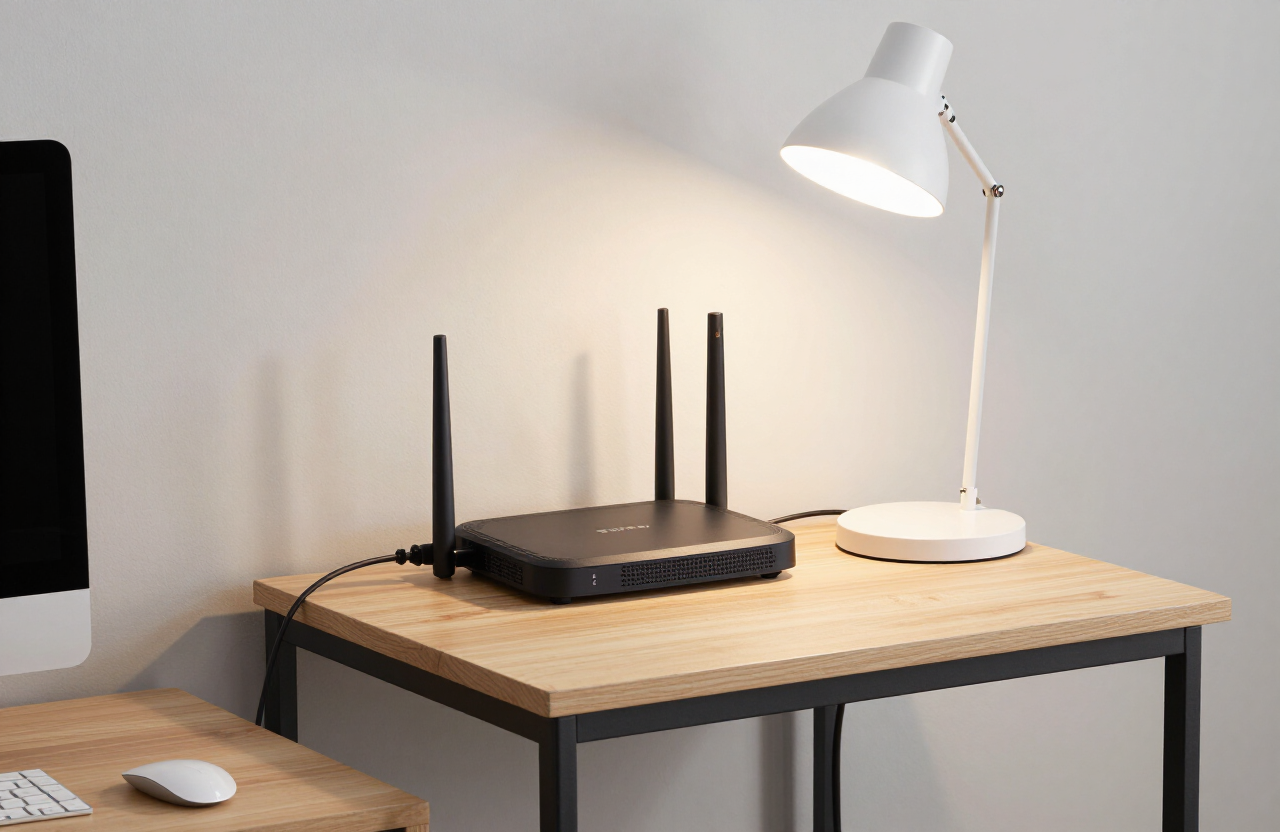
| Small UPS | Router, one lamp, a modem | 300 to 600 VA | Shoebox on a shelf |
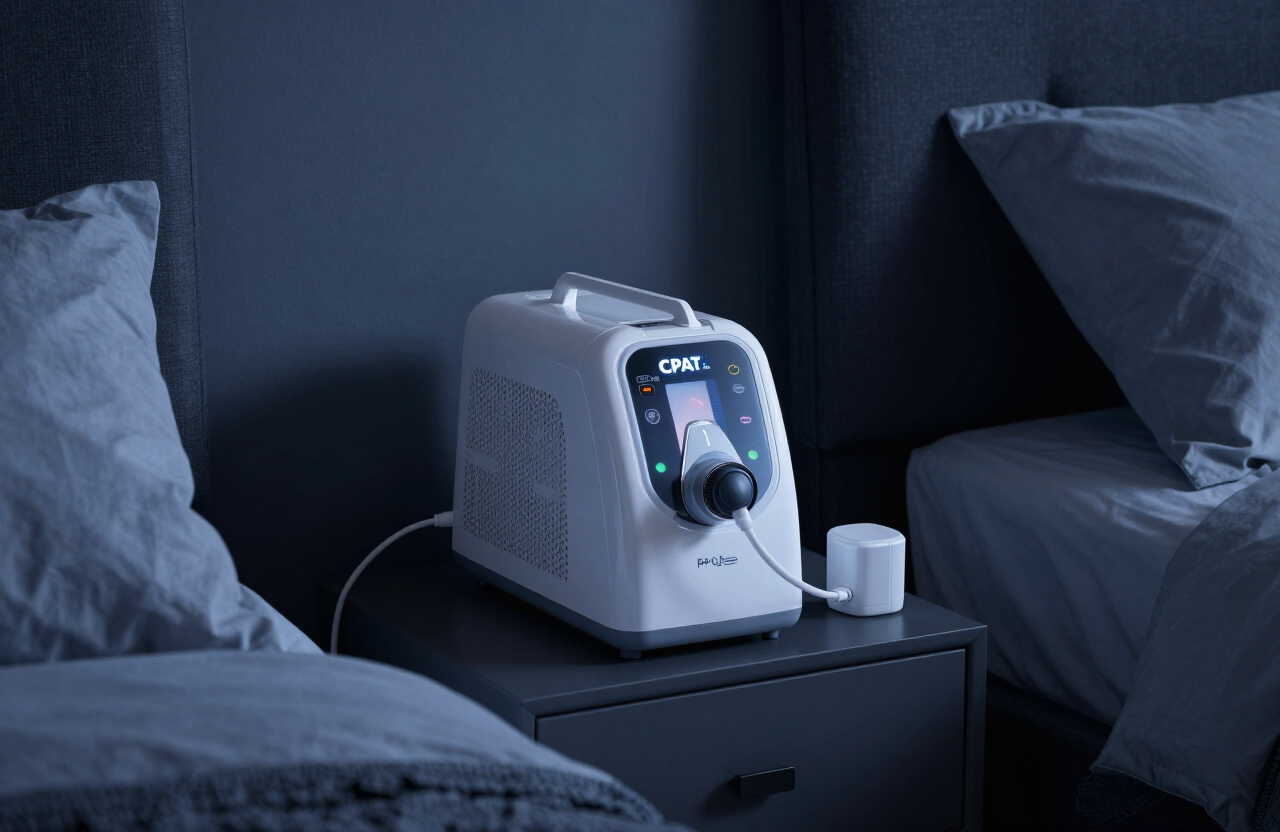
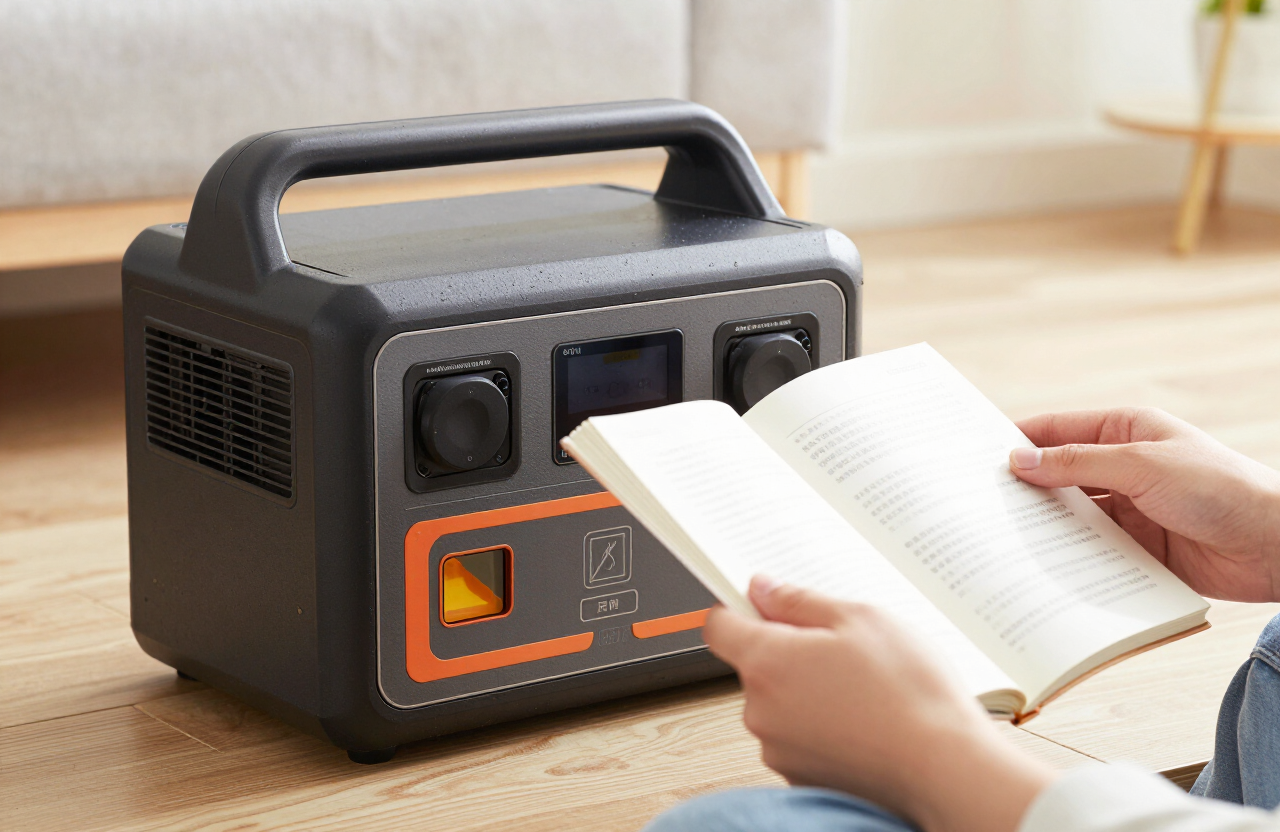
| Portable power station | CPAP, mini fridge, medical gear | 200 to 500 Wh | About the size of a toaster |
For the broader outage playbook, pair this with our apartment power outage checklist.
Power banks: phones, tablets, and small devices
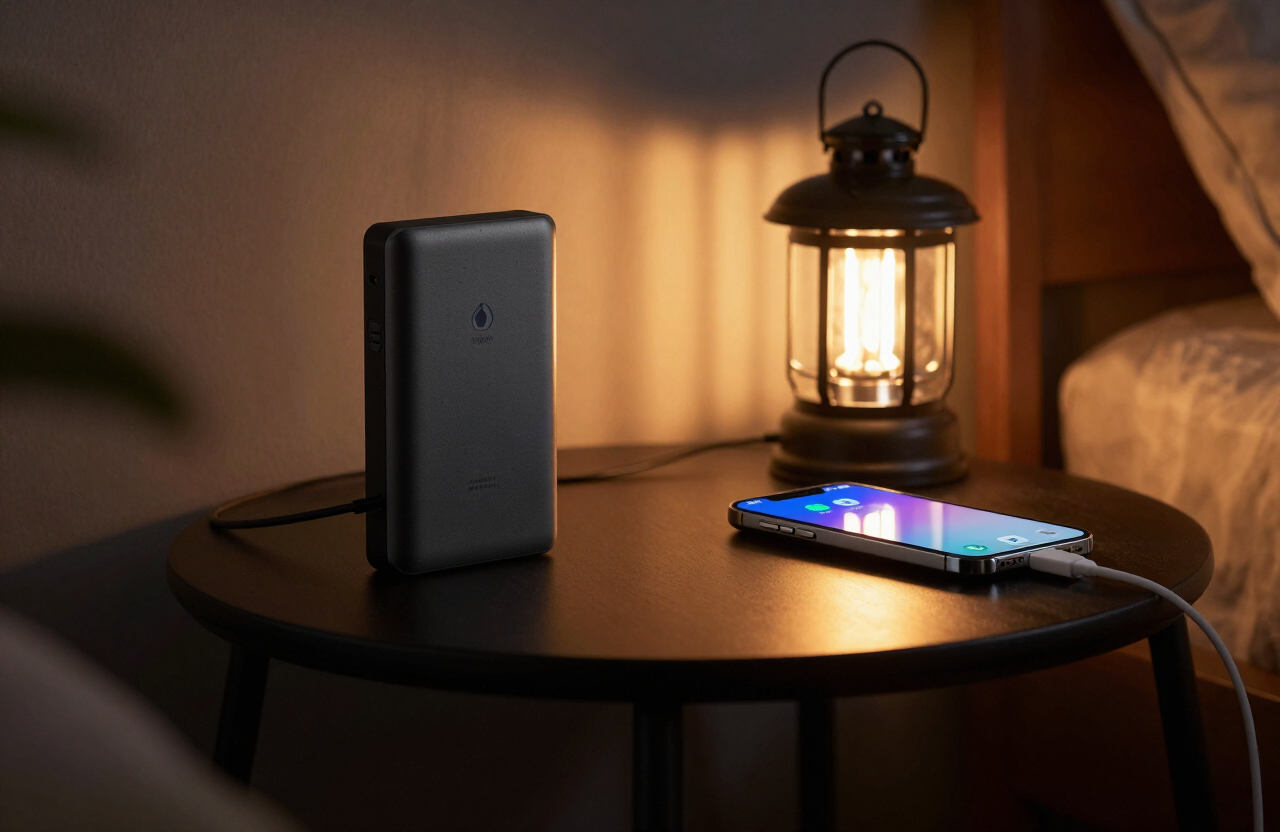
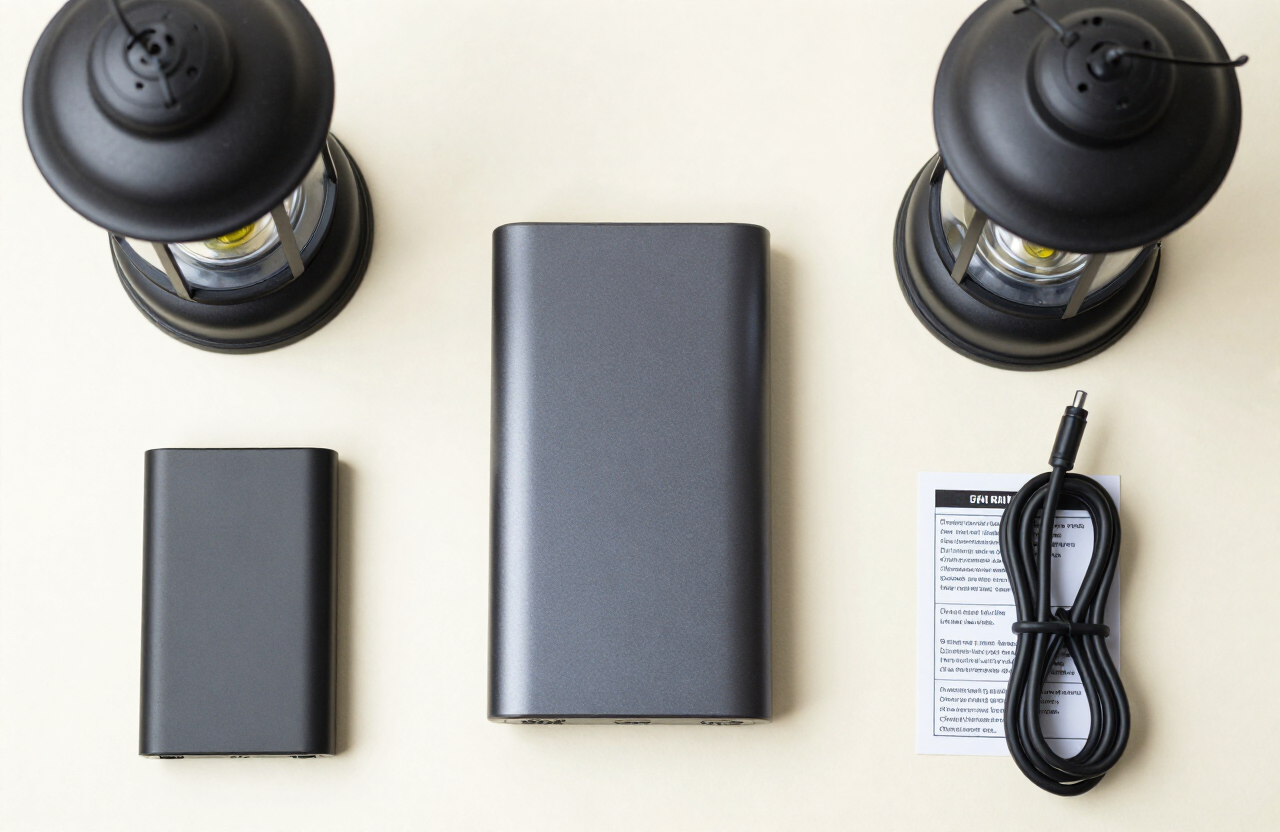
A power bank is the cheapest, smallest backup you can own, and it handles the device that matters most in an outage: your phone. Keep one charged above 80 percent with a short cable already attached, so you are not hunting for the right cord in the dark.
- A 10,000 mAh bank refills a phone about two times
- A 20,000 mAh bank refills a phone about four times or can share with a roommate
- Look for USB-C output so it can also top up a tablet or a small LED light
- Keep a second small bank in your go-bag so it travels with you
See more phone-specific tips in our guide to keeping a phone charged during an outage.
A small UPS for your router and one lamp
An uninterruptible power supply, or UPS, is the device that keeps a wifi router and a modem alive for an hour or two after the grid drops. That is often enough to receive a restore-time update, check on a neighbor, or send a check-in text before bed.
A small 300 to 600 VA UPS costs less than a power station, plugs into a normal outlet, and needs no setup beyond plugging the router into the battery-backed socket. It also smooths out the brief blips that reset your modem every time a storm flickers the lights.
Portable power stations: medical devices and a mini fridge
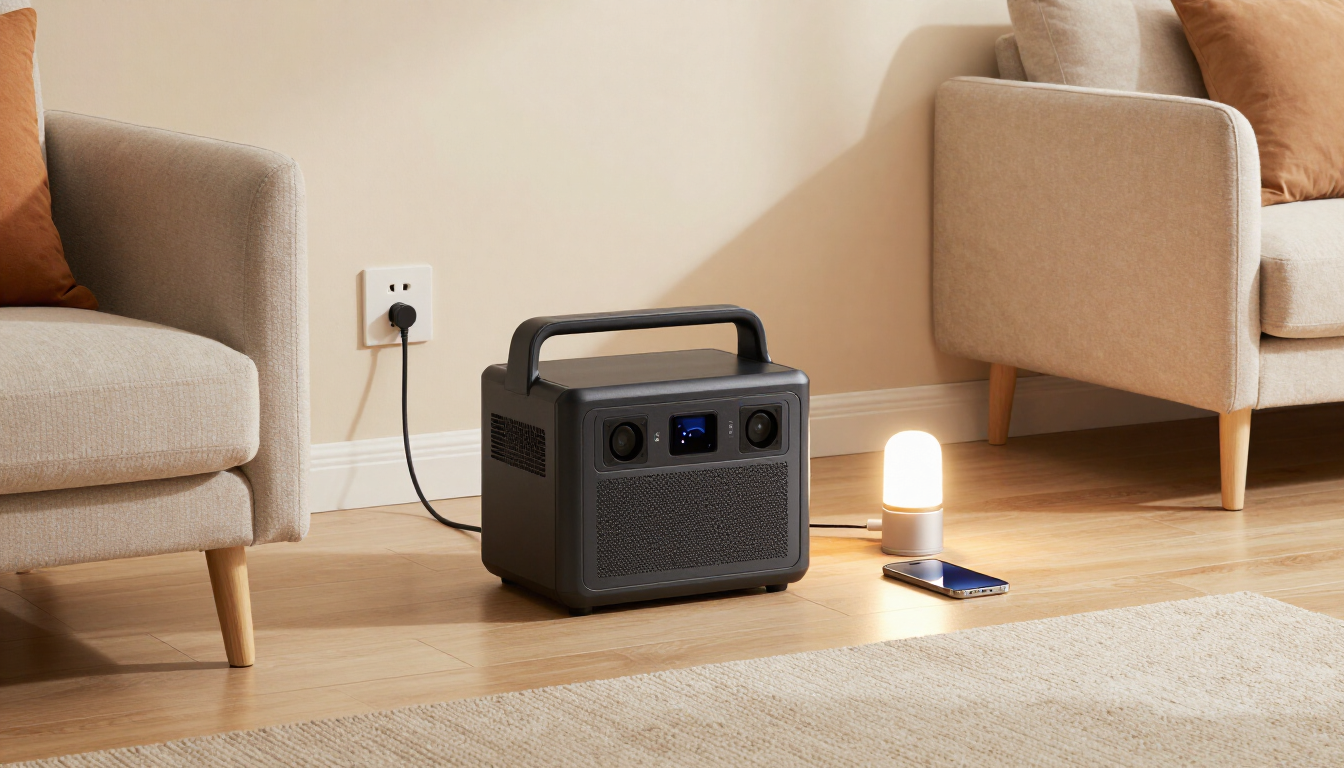
A portable power station is a large lithium battery with regular wall-style outlets. It runs things a power bank cannot: a CPAP machine, a small medical device, or a mini fridge for a few hours so medication stays cold. It charges from a wall outlet ahead of time and sits silent until you need it.
- Check the watt-hours (Wh) rating, not just the marketing peak watts
- Add up the watts your device draws and divide the Wh by that number for a rough runtime
- Pick one with a pure sine wave inverter for sensitive medical electronics
- Keep it on the floor or a low shelf, away from heat and direct sun
If you rely on medication or equipment, also read our guide for renters with medical conditions.
Solar as a top-off, not a primary source
A small foldable solar panel can top off a power bank or a small power station during a long outage, and it is one of the few ways to make your own power in an apartment. Treat it as a supplement, not a plan. A panel on a balcony makes a slow trickle, not a full charge, and only when the sun is out.
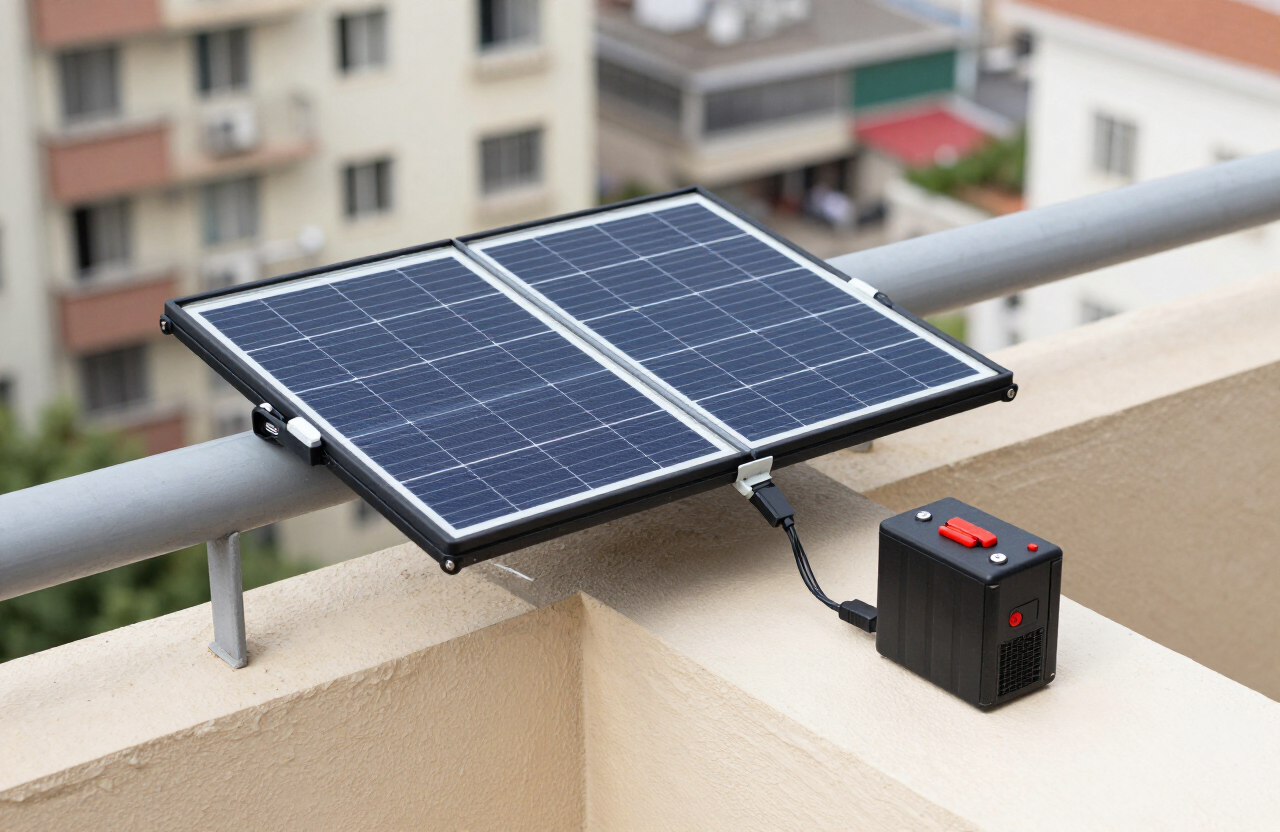
Check your lease and building rules before mounting anything. A panel that leans against a balcony railing or sits on a shelf inside a sunny window usually needs no permission and no drilling.
Safety rules renters should not break
Batteries are safe when they are treated right and dangerous when they are not. A few rules keep your backup from becoming the emergency.
- Never run a gas, propane, or charcoal generator indoors or on a balcony near open windows
- Keep batteries and power stations away from heaters, radiators, and hot windowsills
- Charge on a hard surface, not on a bed or under pillows where heat can build up
- Use the charger and cable that came with the device, or a matched replacement
- Replace any battery that is swollen, hot when idle, or smells of plastic
Learn the warning signs in our carbon monoxide safety guide.
Charging and maintaining your backup
A backup battery is only useful if it is charged when the power goes out. Build a five-minute monthly check into your routine so the gear is ready the day you need it.
- 1Top off every power bank to above 80 percent
- 2Confirm the UPS shows a healthy charge light and the router still runs from it
- 3Check the power station charge level and run it down to about 50 percent then refill it every few months to keep the battery healthy
- 4Test one device from each battery so you know the outlets and cables work
The best battery backup is the one that is charged, labeled, and reachable in the dark.
Small Space Emergency editorial team
Build the full maintenance routine with our supply testing and maintenance guide.
Frequently asked questions
Editorial note: this guide provides general preparedness information, not emergency, medical, legal, or engineering advice. Recommendations are cross-checked against public emergency-management guidance and adapted for small-space living. During an active emergency, follow your local authorities and emergency services. See our editorial standards and affiliate disclosure.