How to Prepare an Apartment for a 24-Hour Power Cut
A 24-hour outage is the most common serious disruption apartment dwellers face — long enough to threaten fridge food and phone batteries, short enough that a small kit handles it comfortably. Here is how to think about it as a timeline.

Before: the 20-minute setup that pays off
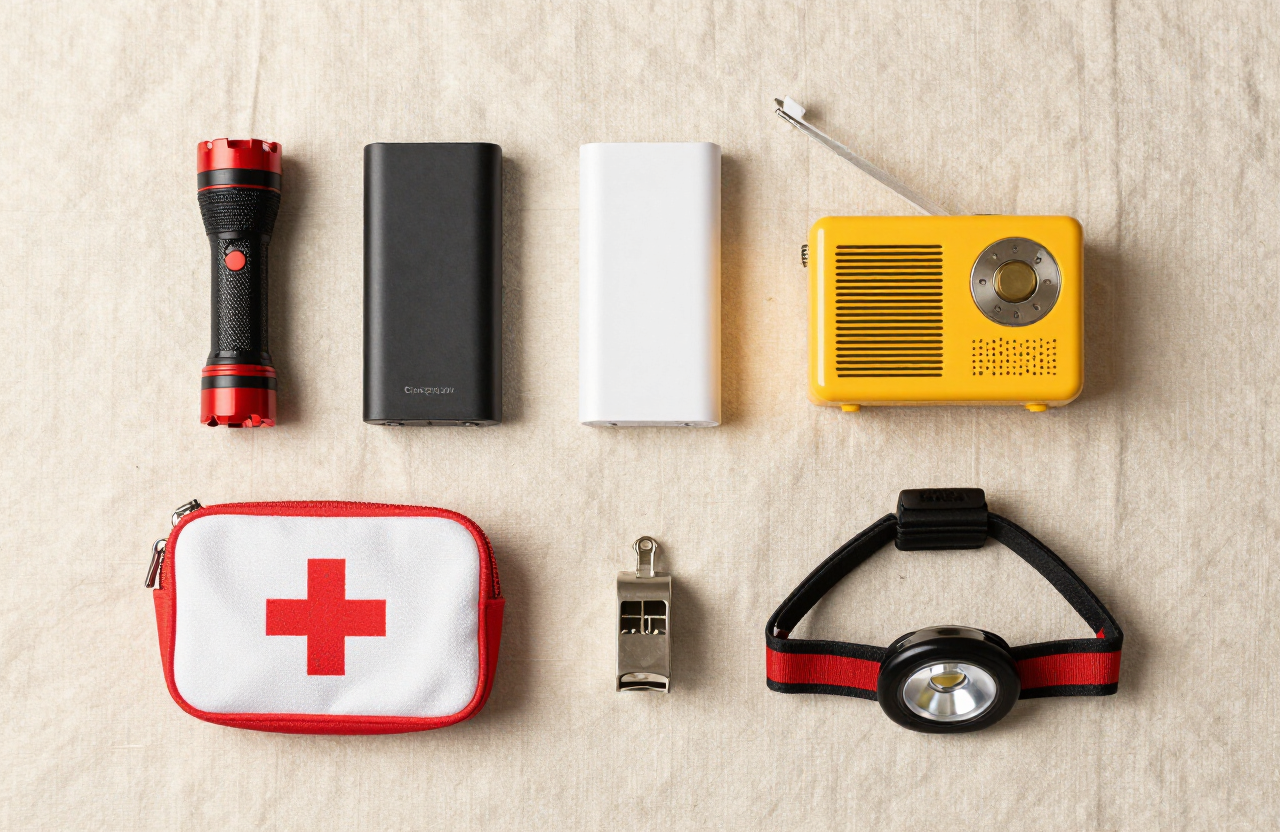
- Keep one lantern and flashlight in a fixed, known spot — not a junk drawer
- Keep a power bank charged above 80% and a cable already attached
- Know whether your stove is gas or electric, and whether your building pumps water (upper floors can lose pressure)
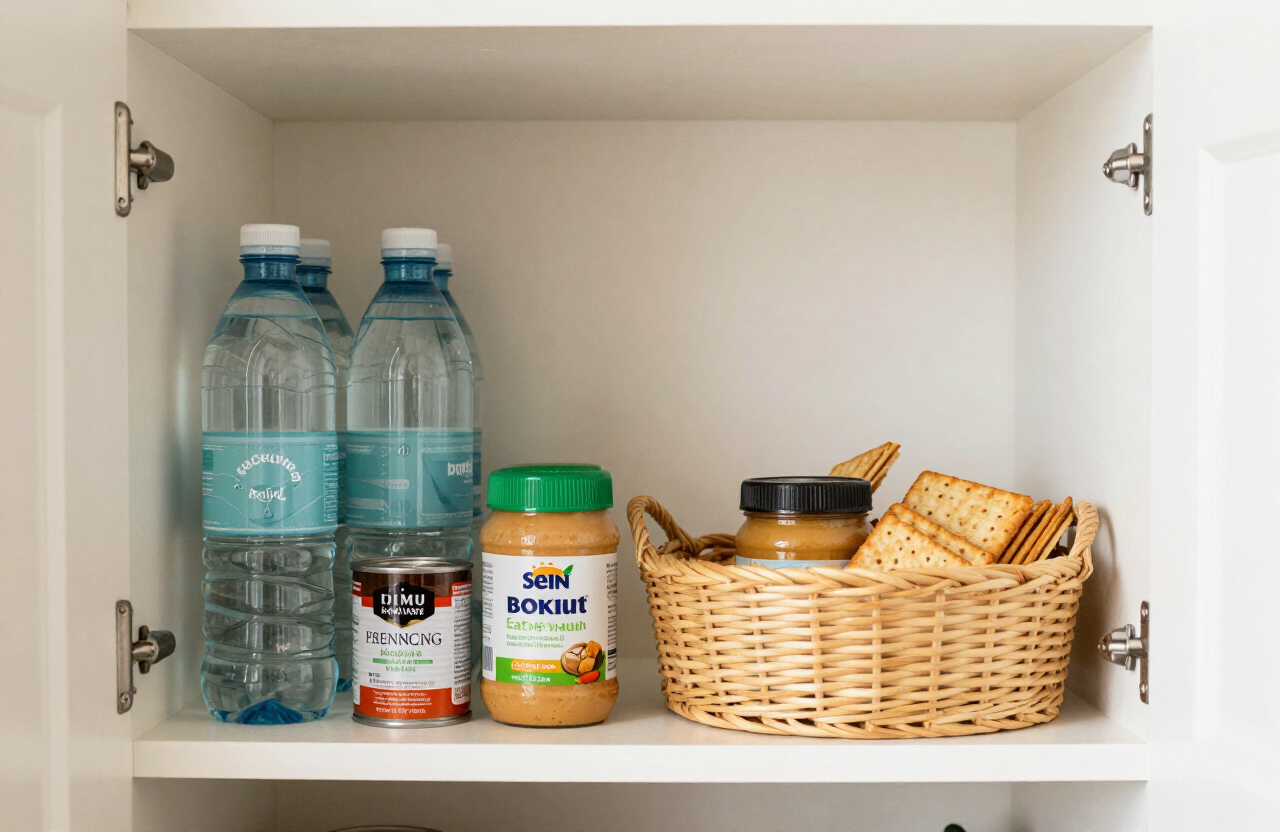
- Freeze a few water bottles — they extend fridge life and become drinking water as they melt
- Save your utility’s outage-reporting number on paper, not just in your phone
The first hour: five moves
- 1Check whether it is just your unit (breaker) or the building/block before reporting
- 2Report the outage to your utility — estimated restore times help you plan
- 3Keep the fridge and freezer closed; every opening costs hours of cold
- 4Set up one lit room with the lantern instead of scattering lights
- 5Put phones in low-power mode and agree on one “check-in” phone if you live with others
Food safety: the 4-hour rule
A closed fridge keeps food safe for about 4 hours; a full, closed freezer for about 48 hours (24 if half full). After 4 hours without power, discard perishables like meat, dairy, and cooked leftovers. When in doubt, throw it out — food poisoning during an outage is a compounding problem.
Staying comfortable through the night
- Cold weather: close off one room, layer clothing, use blankets — never use a gas oven or outdoor grill for heat (carbon monoxide kills)
- Hot weather: move to the lowest floor you can access, use battery fans, and hydrate on a schedule rather than when thirsty
- Elevators may be out — plan stair trips and check on neighbors with mobility limits if you can do so safely
- Keep one light on a timer-free “always findable” spot overnight so no one navigates stairs in full darkness
When 24 hours stretches longer
If the outage passes the one-day mark, shift to your 72-hour plan: ration phone power harder, move to no-cook meals, and watch official channels for warming/cooling centers or water distribution points. Our three-day blackout meal plan covers the food side day by day.
Frequently asked questions
Editorial note: this guide provides general preparedness information, not emergency, medical, legal, or engineering advice. Recommendations are cross-checked against public emergency-management guidance and adapted for small-space living. During an active emergency, follow your local authorities and emergency services. See our editorial standards and affiliate disclosure.