Emergency Lighting for Apartments Without Candles
Emergency lighting for apartments without candles is the safer choice every renter should make before the next outage. Candles cause apartment fires every year, and a small sealed unit gives a flame nowhere to go. Battery lanterns, headlamps, and a few clever backups light a whole apartment safely for days.
Why candles are a bad idea in an apartment
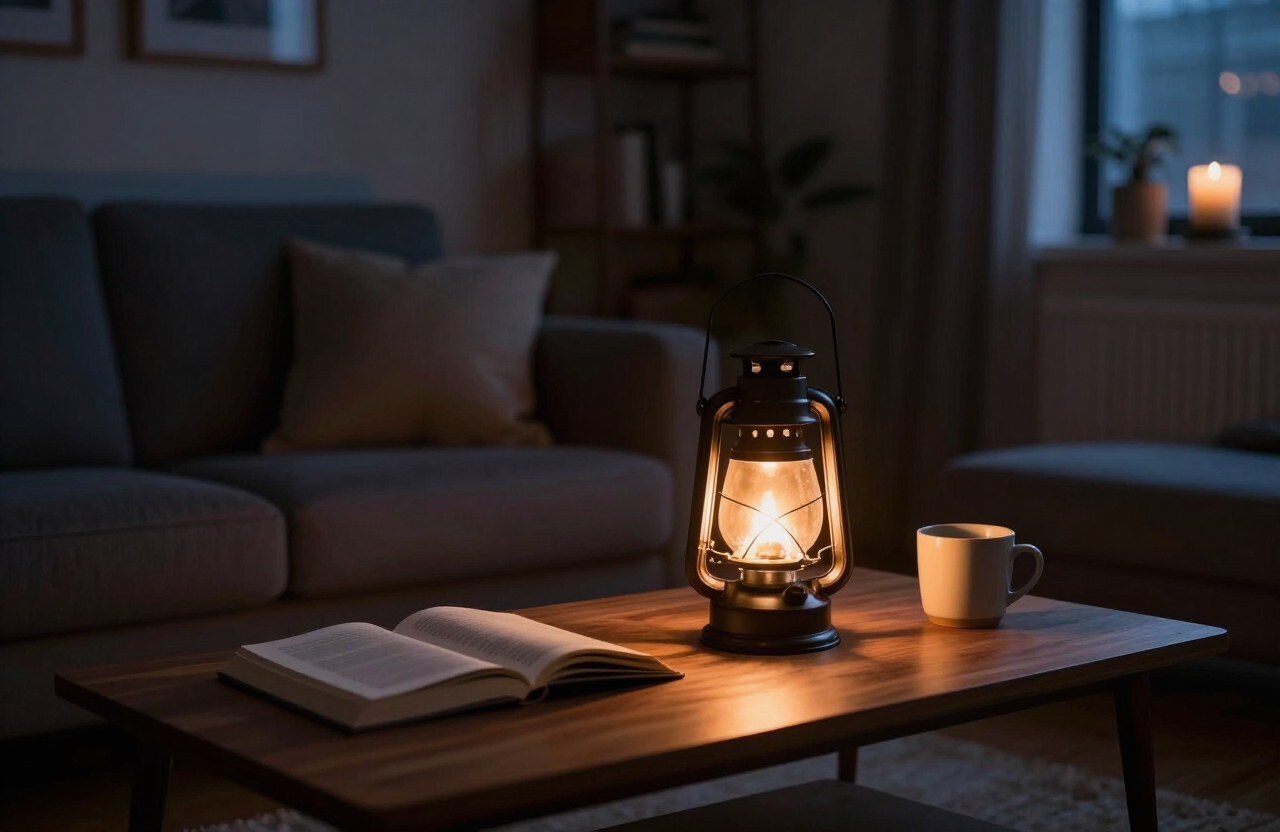
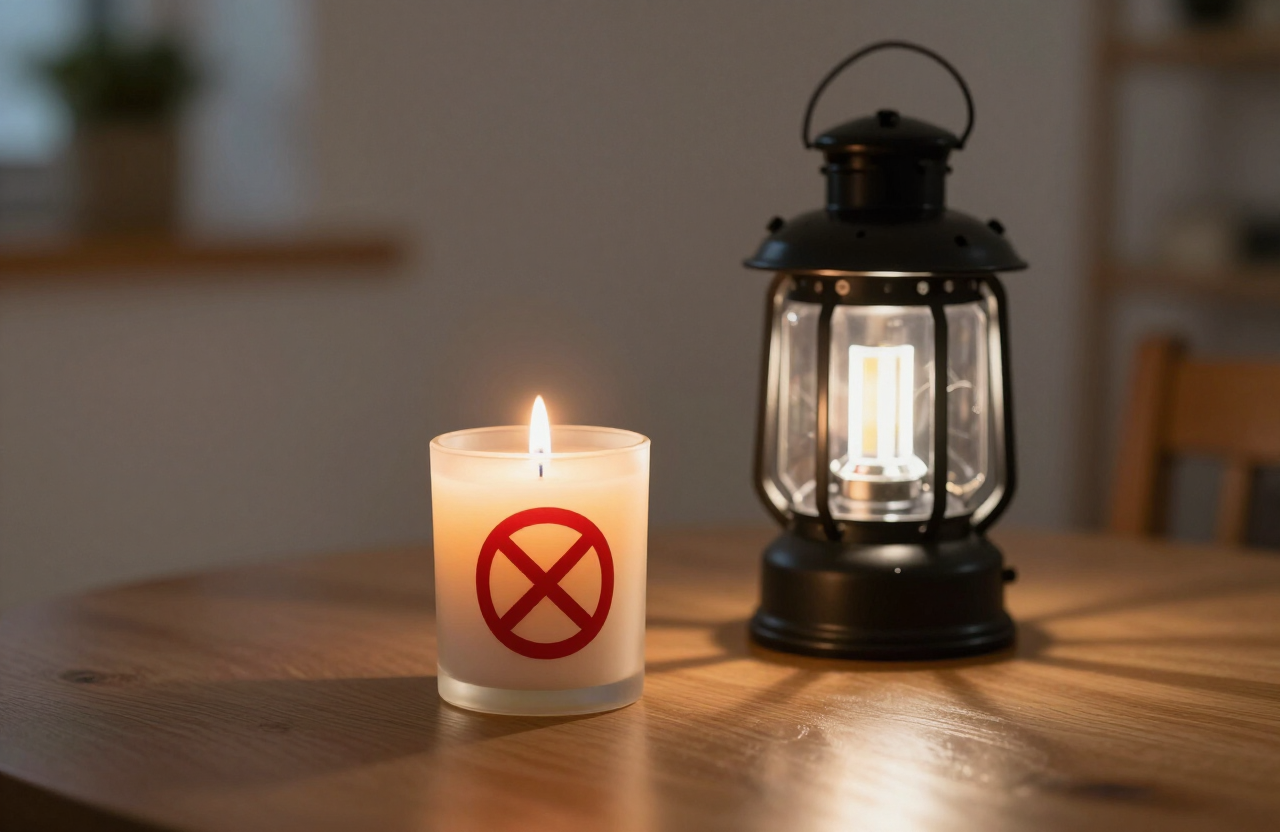
A candle in a small apartment is an open flame near curtains, paper, and tight spaces. During an outage you are also moving in the dark, which makes a tipped candle more likely. The risk is not worth the light when battery options are cheap and bright.
The core apartment lighting kit
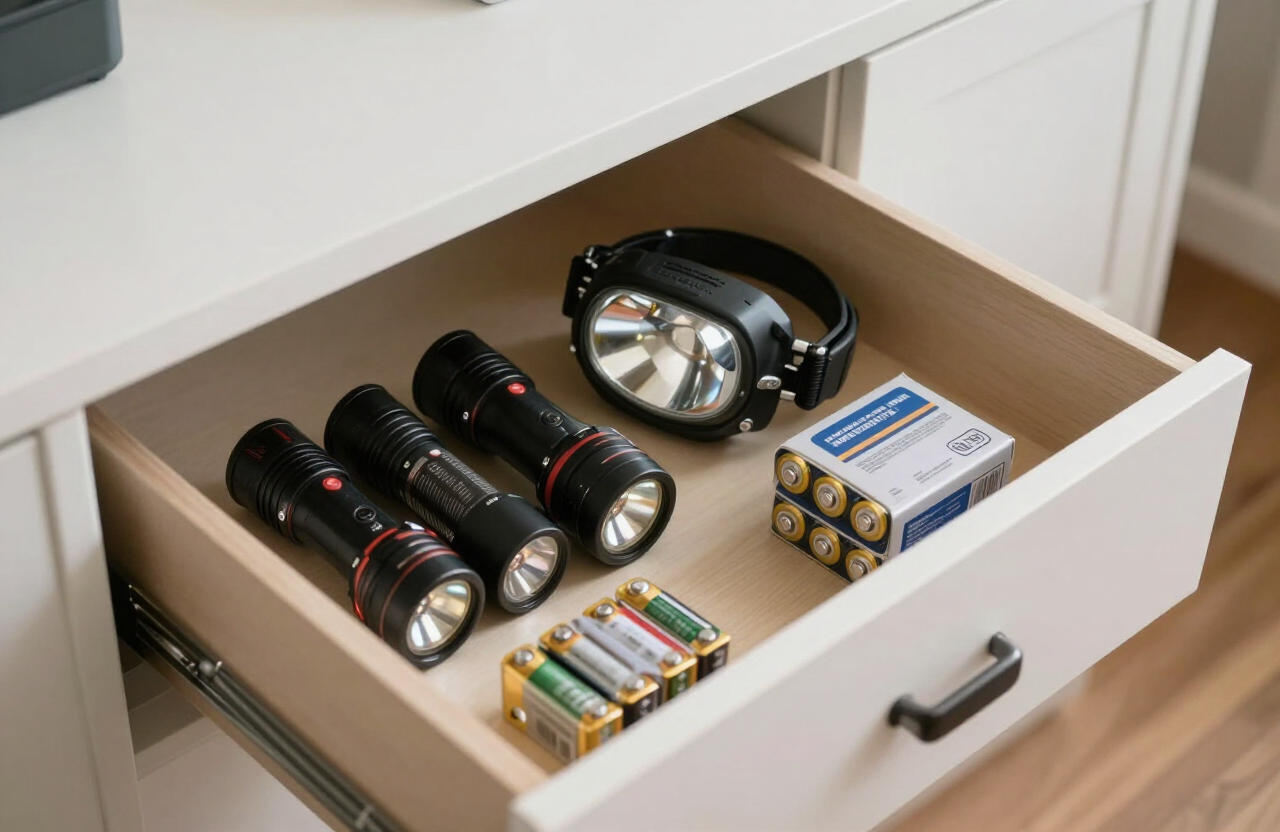
A small set of battery lights covers a whole apartment for several days. Buy once, test twice a year, and you are done.
- One or two battery LED lanterns for the main living space
- A headlamp for each person, which keeps hands free
- A small flashlight per person plus one by the bed
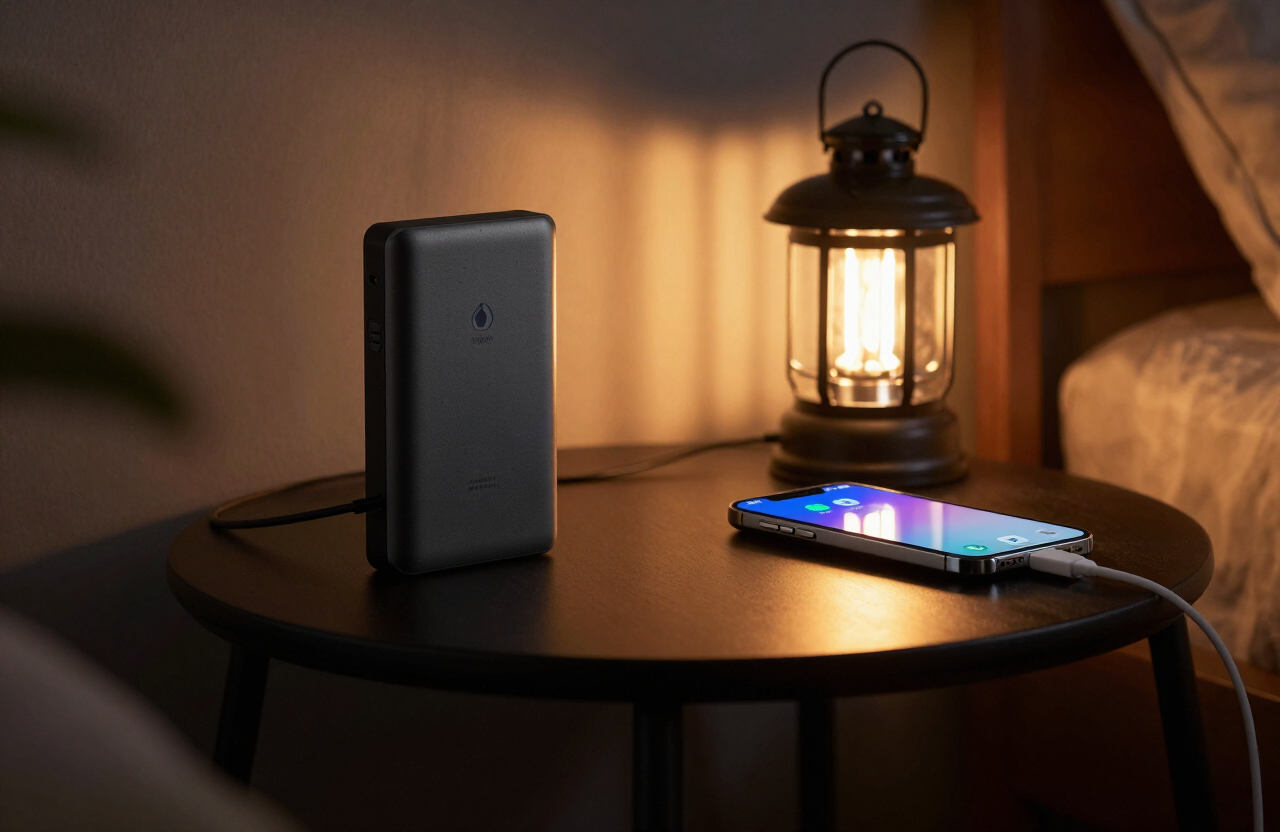
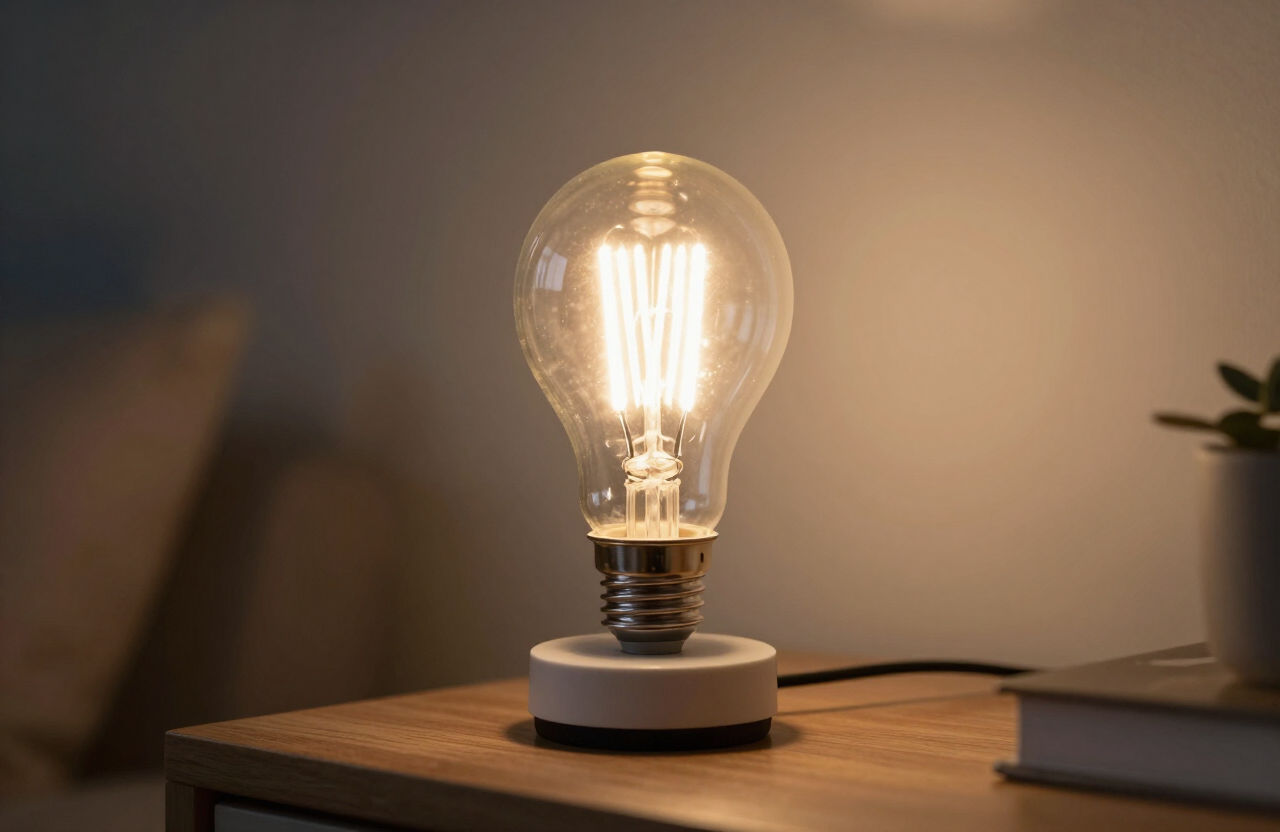
- Rechargeable emergency light bulbs for your lamps
- Spare batteries in the sizes your lights actually use
Room lanterns for hands-free living
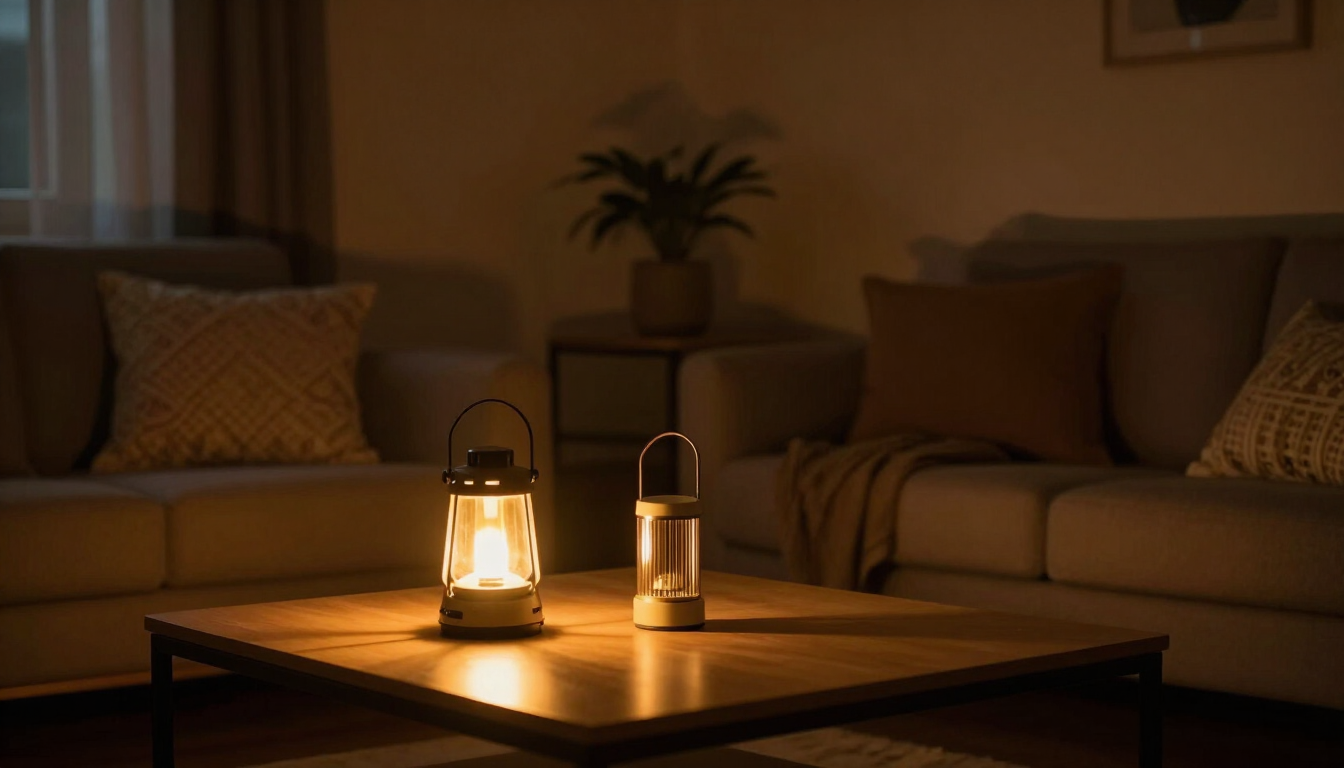
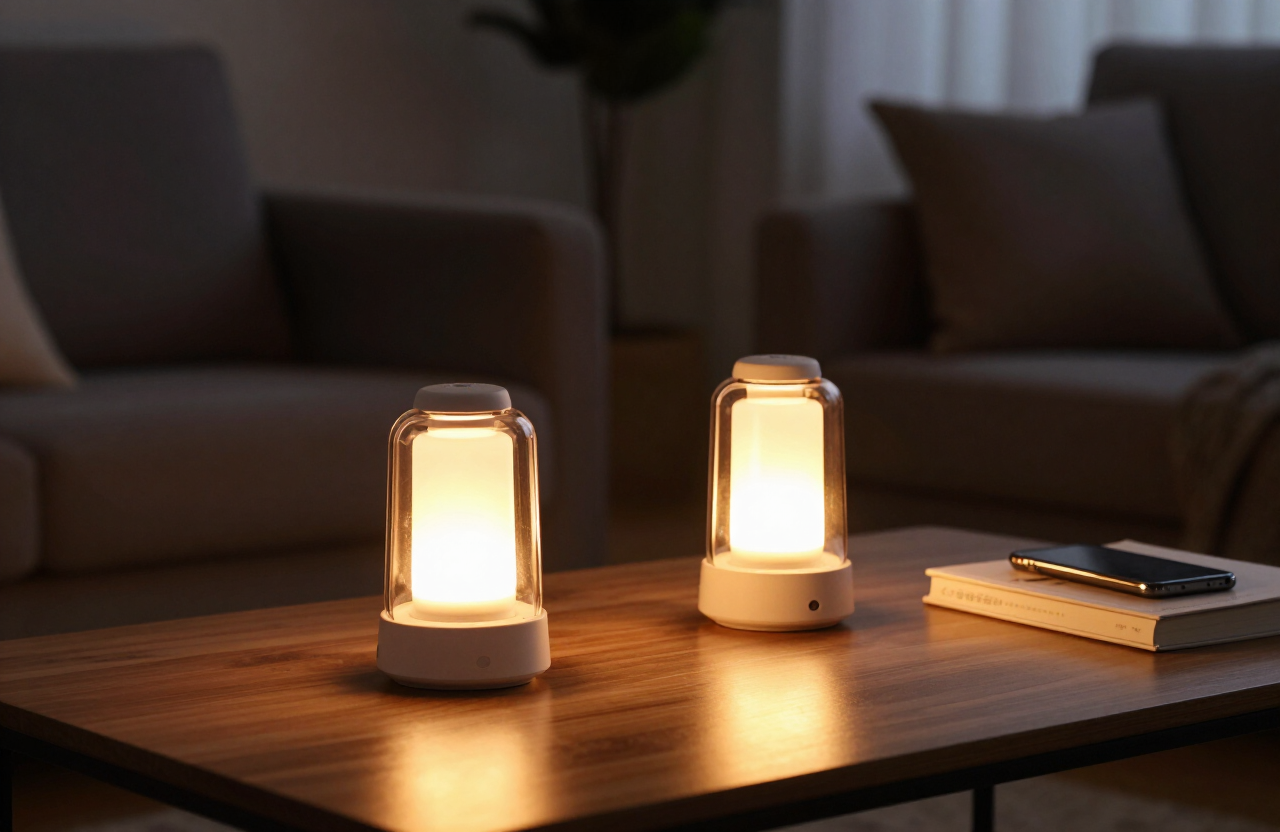
A battery lantern lights a whole room and runs for many hours on a set of batteries. Place one in the living area and one near the kitchen so you can cook and move safely.
- Choose a lantern with a diffused lens so the light is soft, not blinding
- Look for a model that stands flat and can also hang from a hook
- A dimming setting stretches battery life on long outages
- Keep one lantern within arm reach of your bed
Headlamps: the most useful light you own
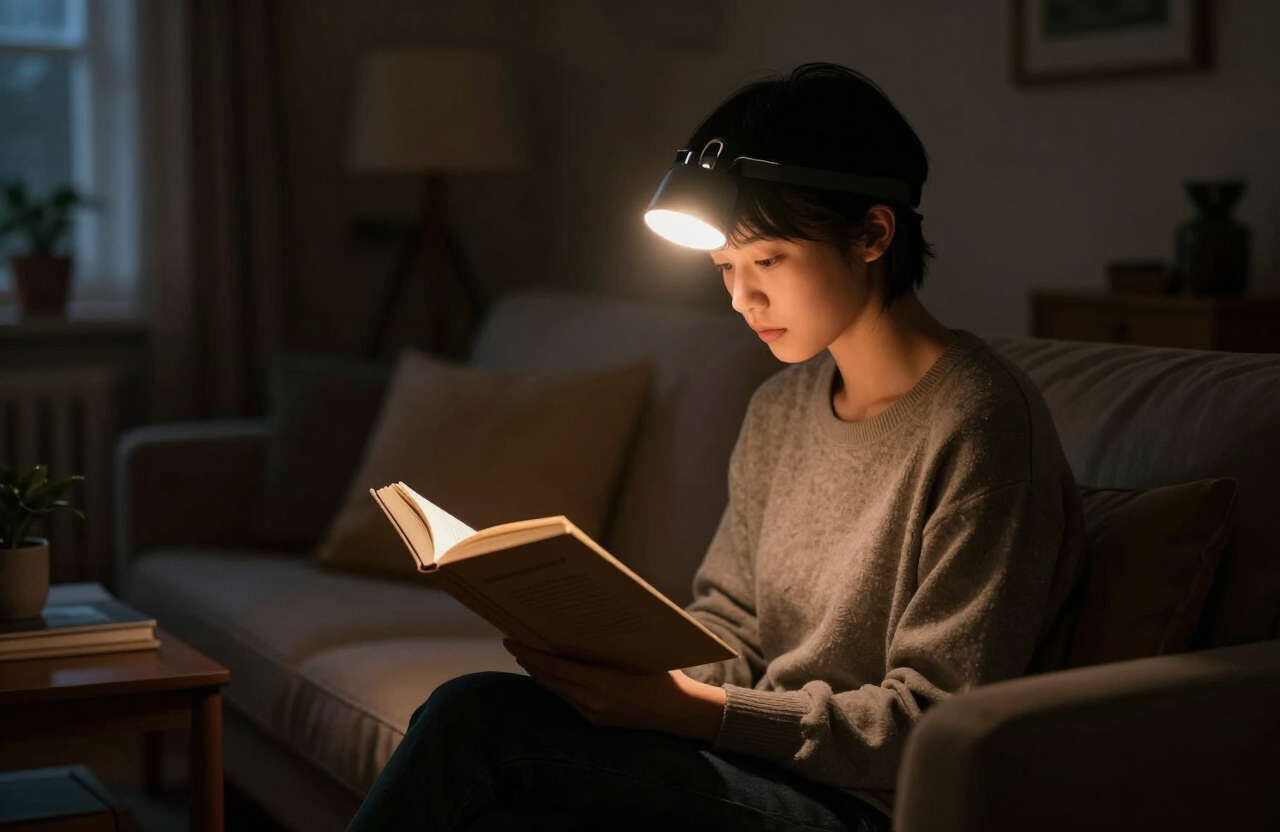
A headlamp points where you look and leaves both hands free, which matters when you are carrying supplies, cooking, or walking a dark stairwell. Give one to every person in the household.
- Use a red light mode at night to preserve night vision
- Keep a headlamp in the nightstand, not a closet
- Store spare batteries with the headlamp
- A headlamp also works for reading without lighting the room
Cheap and clever backups
A few low-cost items round out your lighting plan and cover gaps when batteries run low.
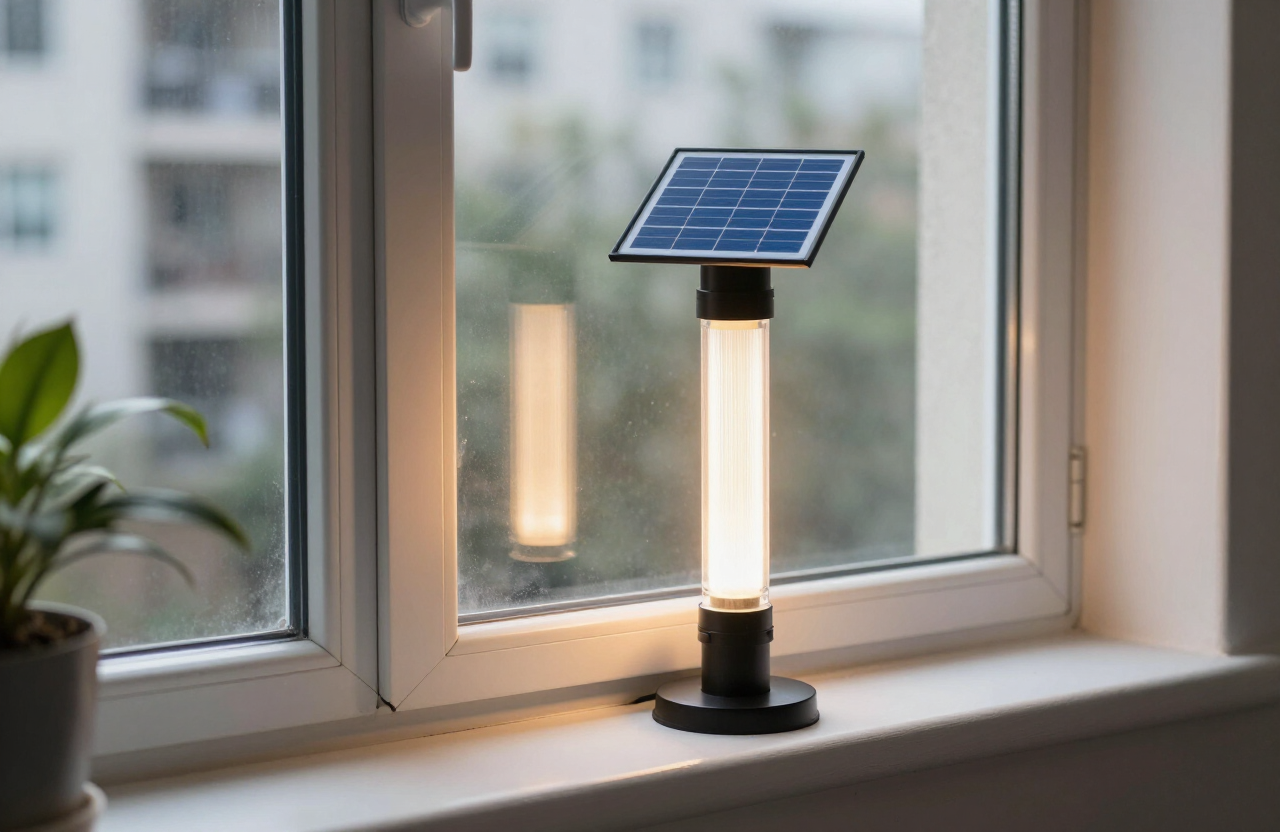
- Solar garden lights charged on a windowsill by day and brought inside at night
- Rechargeable emergency bulbs that switch on when the power cuts
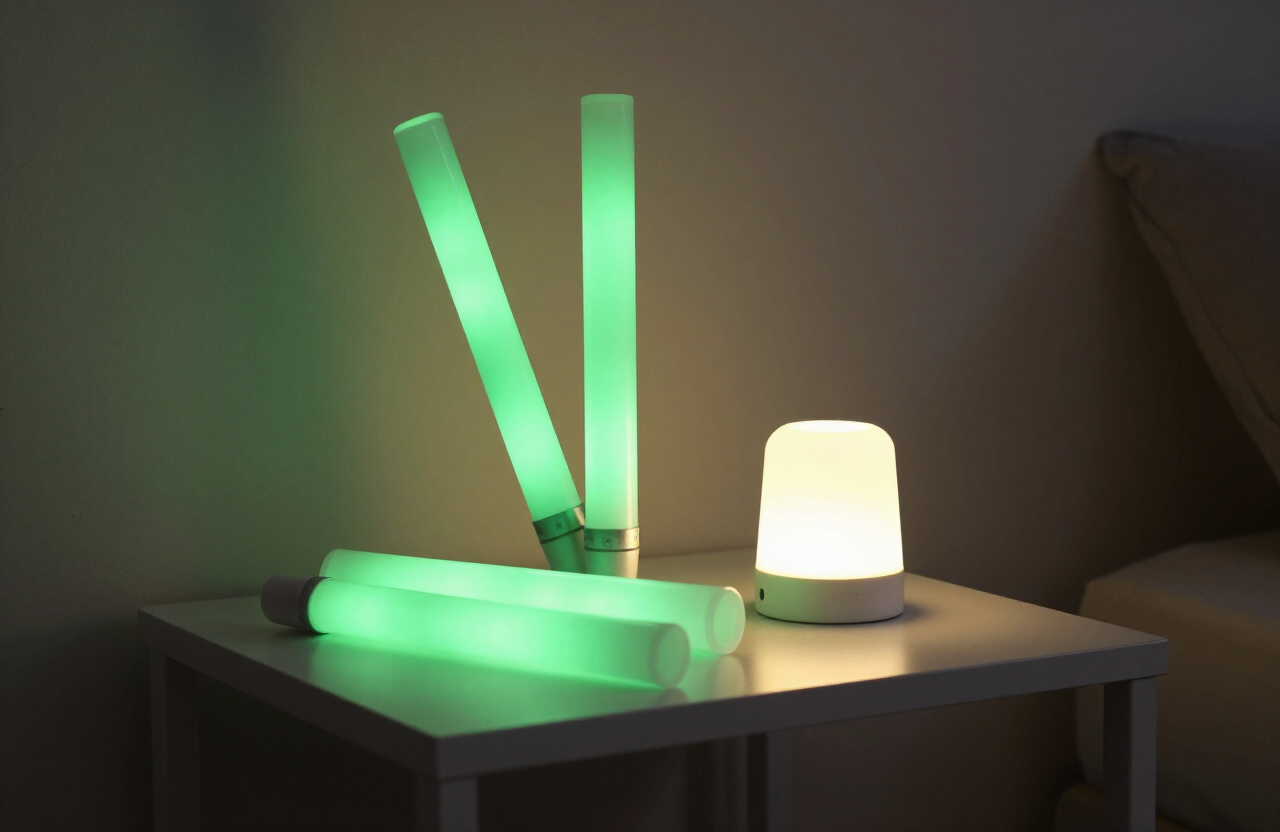
- Glow sticks for marking paths and giving kids a safe light
- A small LED puck light in the bathroom and by the door
Place lights where you will need them
A light does no good if you cannot find it in the dark. Place one within arm reach of every bed, the bathroom, the kitchen, and the front door.
| Spot | What to keep there |
|---|---|
| Nightstand | A flashlight or headlamp within arm reach |
| Bathroom | A small LED puck light or glow stick |
| Kitchen | A battery lantern for safe cooking |
| Front door | A flashlight for a fast exit |
Pair this with the full outage kit in our renter power outage checklist.
Frequently asked questions
Editorial note: this guide provides general preparedness information, not emergency, medical, legal, or engineering advice. Recommendations are cross-checked against public emergency-management guidance and adapted for small-space living. During an active emergency, follow your local authorities and emergency services. See our editorial standards and affiliate disclosure.