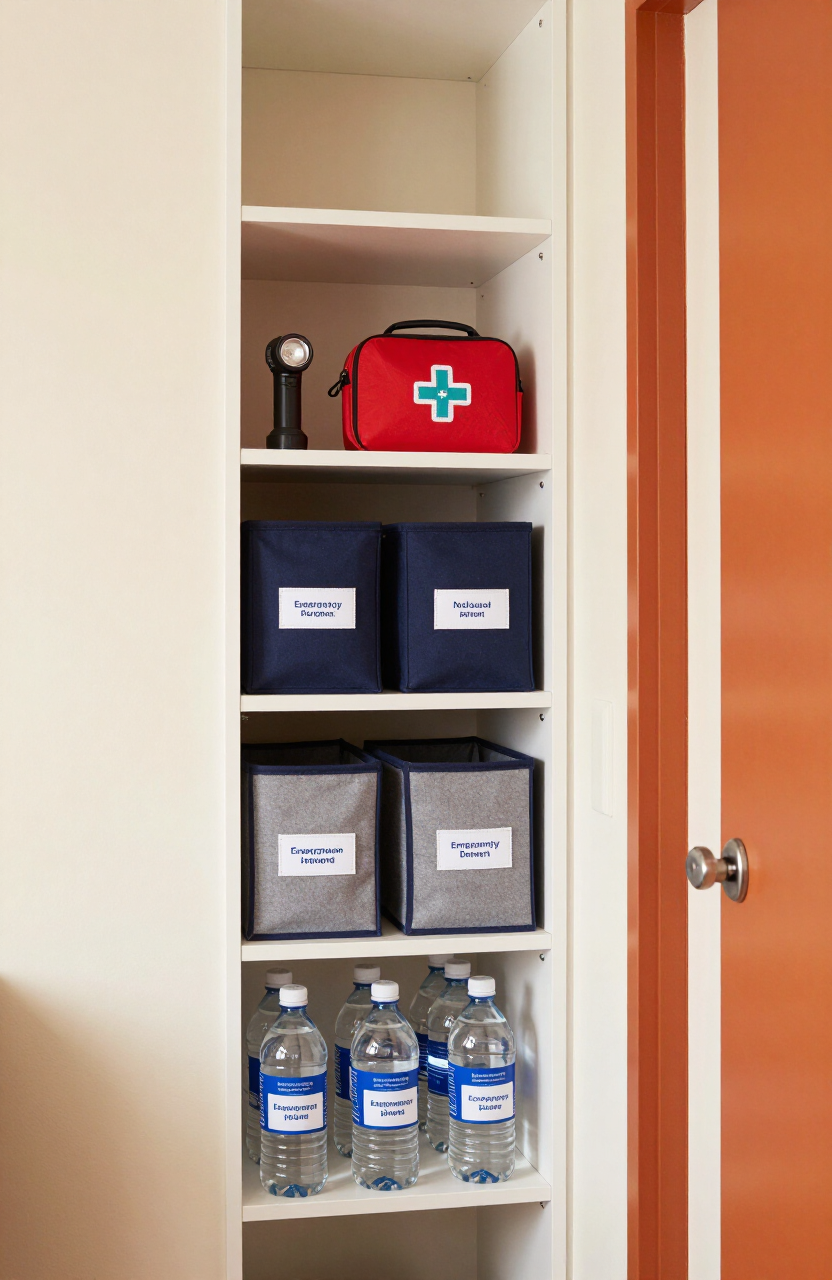
Best Storage Bins for Emergency Supplies in Small Homes
The right bin is the difference between a kit you can grab in the dark and a pile you excavate. This guide gives you the criteria to evaluate any bin — specific product picks with verified details are being added to our product guides section.
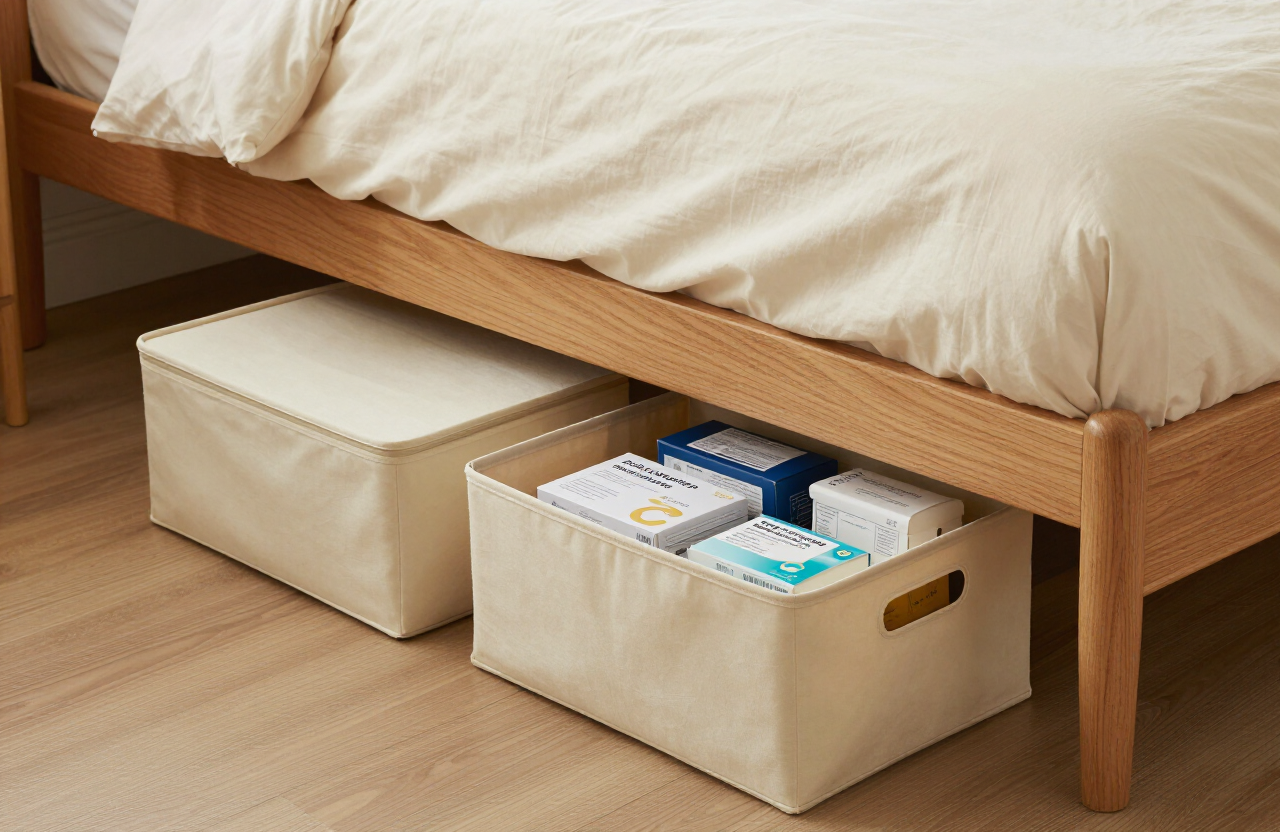
The five criteria that matter
- 1Footprint fit: measure your space first — under-bed height (often 6–8 inches) and closet shelf depth (often 12–16 inches) decide everything
- 2Lid seal: gasket or tight-snap lids for anything pests or moisture could reach
- 3Carry-ability: handles rated for the load; a full 14-quart bin of cans is heavy
- 4Stackability: same-footprint bins stack stably; mixed bins wobble
- 5Visibility: clear sides or ruthless labels — you will search in the dark
Bin types compared
| Type | Best for | Strengths | Weaknesses |
|---|---|---|---|
| Clear lidded tote (6–18 qt) | Food, first aid, general kit | Visible contents, stackable, cheap | Can crack if dropped when full |
| Gasket-seal bin | Food, documents, anything pest-sensitive | Real seal against moisture and pests | Costs more; heavier lid |
| Under-bed wheeled bin | Water, canned goods | Floor carries weight; rolls out fast | Height-limited; wheels can snag |
| Fabric cube | Clothing, comfort items, light gear | Light, collapsible, looks like decor | No pest or water protection |
| Handled caddy (open) | The “dark kit” — lights and batteries | Carries room to room instantly | Open top; needs a fixed home |
Sizing cheat sheet
- 3-day food for two people: one 14–18 qt bin
- Water for two people (6 gal): one under-bed bin footprint, or six loose jugs in a tray
- Light + power + radio: one 6 qt bin or a handled caddy
- First aid + medications + hygiene: one 6 qt gasket bin
- Documents: one waterproof document pouch, stored inside the first-aid bin or go-bag
Labeling that survives real life
- One word per label, large type: WATER, FOOD, LIGHT, FIRST AID
- Expiry card taped to the front, updated at each rotation
- Label two adjacent sides so stacks never hide the label
- Keep the master inventory inside the closet door, not in a drawer
Frequently asked questions
Editorial note: this guide provides general preparedness information, not emergency, medical, legal, or engineering advice. Recommendations are cross-checked against public emergency-management guidance and adapted for small-space living. During an active emergency, follow your local authorities and emergency services. See our editorial standards and affiliate disclosure.