How to Build a First Aid Kit for a Small Apartment
A first aid kit for a small apartment does not need to be a giant red box on the wall. It needs to fit in one drawer or a small bin and cover the injuries that actually happen in a rental: minor cuts, burns, sprains, allergic reactions, and the few minutes before help arrives during a bigger emergency. Here is how to build one that fits your space and your life.
The core supplies every kit needs
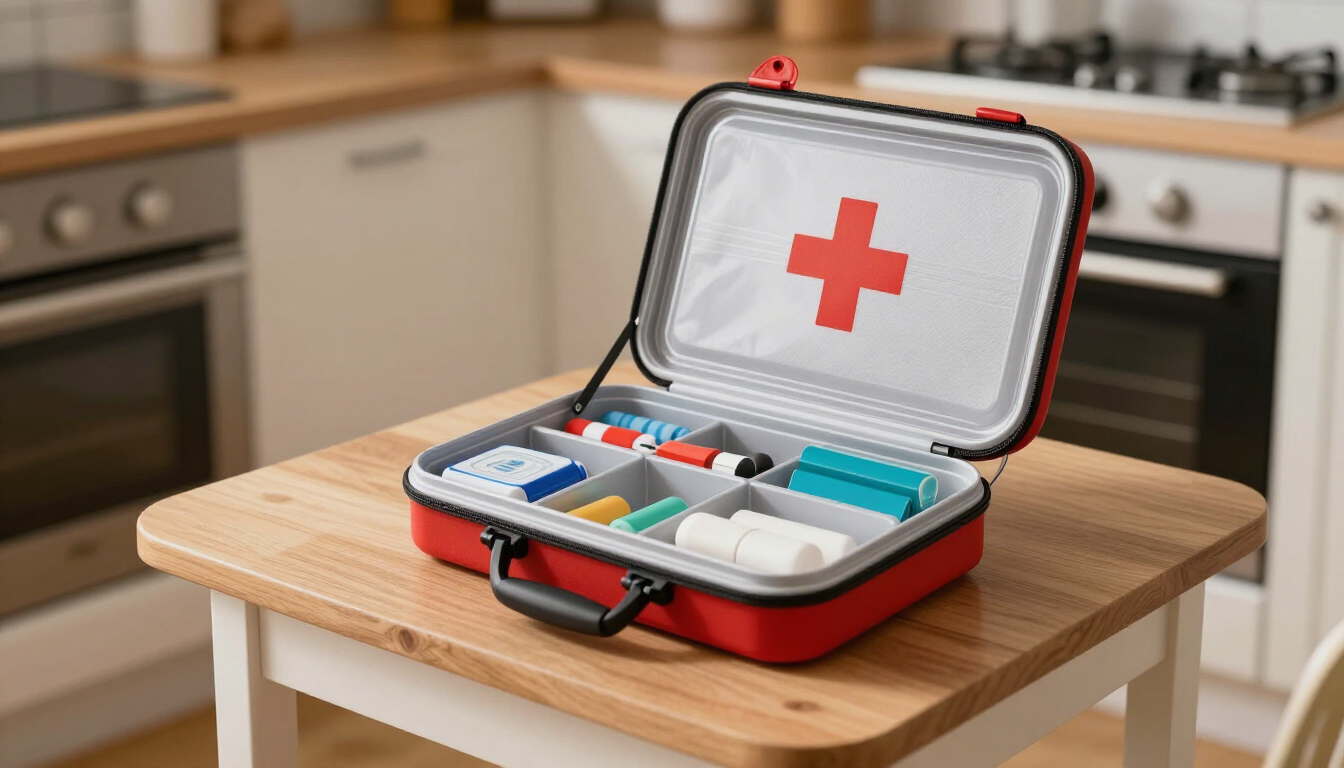
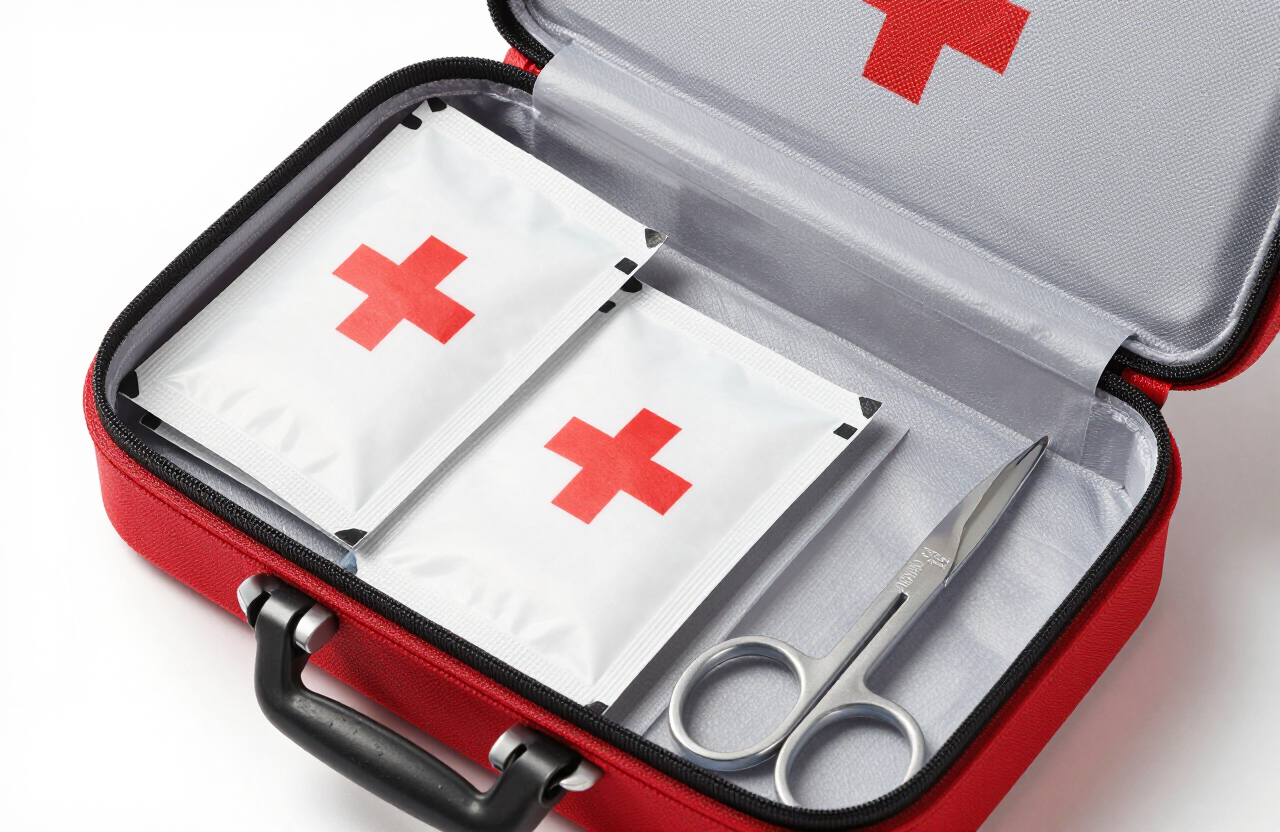
These are the items that handle the vast majority of apartment injuries. They are cheap, they store well, and they fit in a single small container.
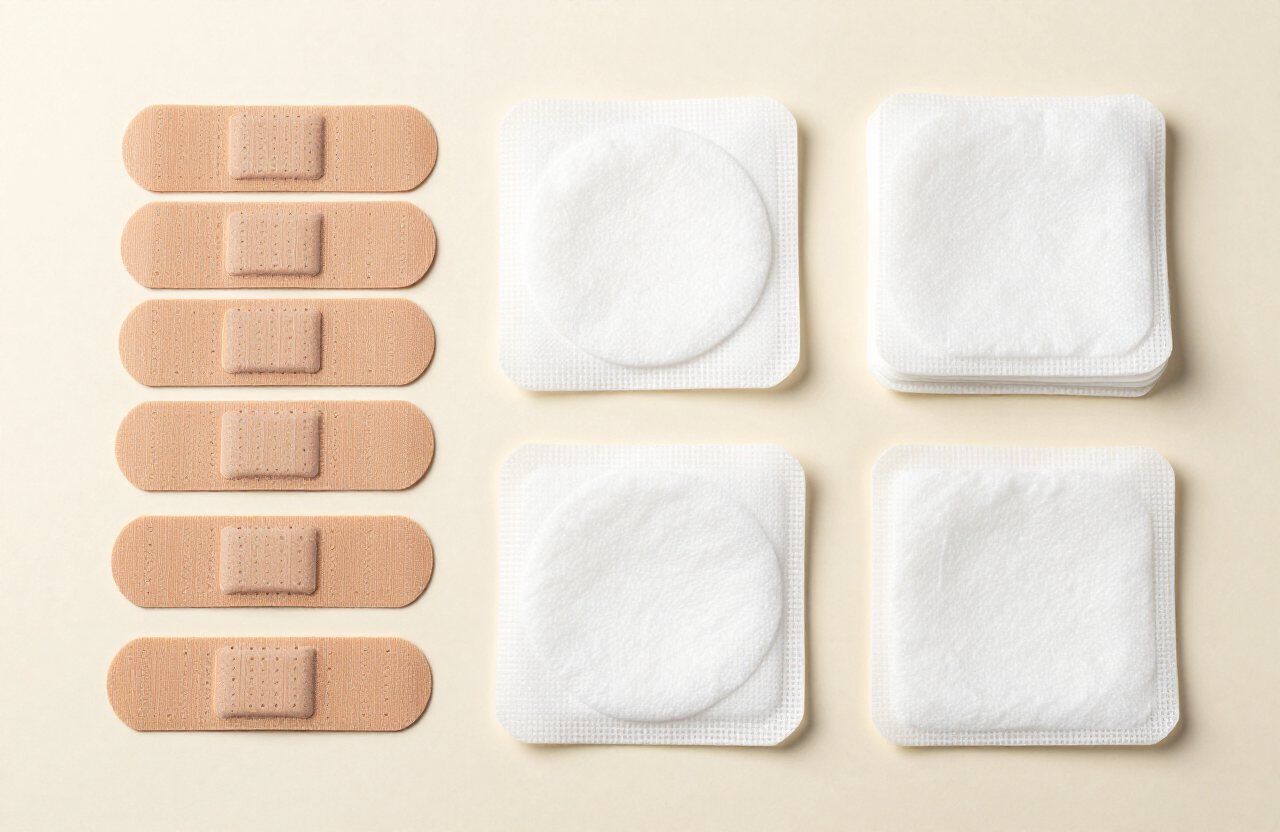
- Adhesive bandages in several sizes
- Sterile gauze pads and rolled gauze
- Medical tape and adhesive tape
- Antiseptic wipes and antibiotic ointment
- Tweezers, scissors, and disposable gloves
- Instant cold packs and an elastic bandage for sprains
Add the burn and wound extras
Apartments mean cooking, and cooking means burns. A few extra items turn a basic kit into one that can handle a kitchen accident without a pharmacy run.
- Burn gel or burn dressings for minor kitchen burns
- Hydrocortisone cream for rashes and insect bites
- A saline rinse for flushing eyes and wounds
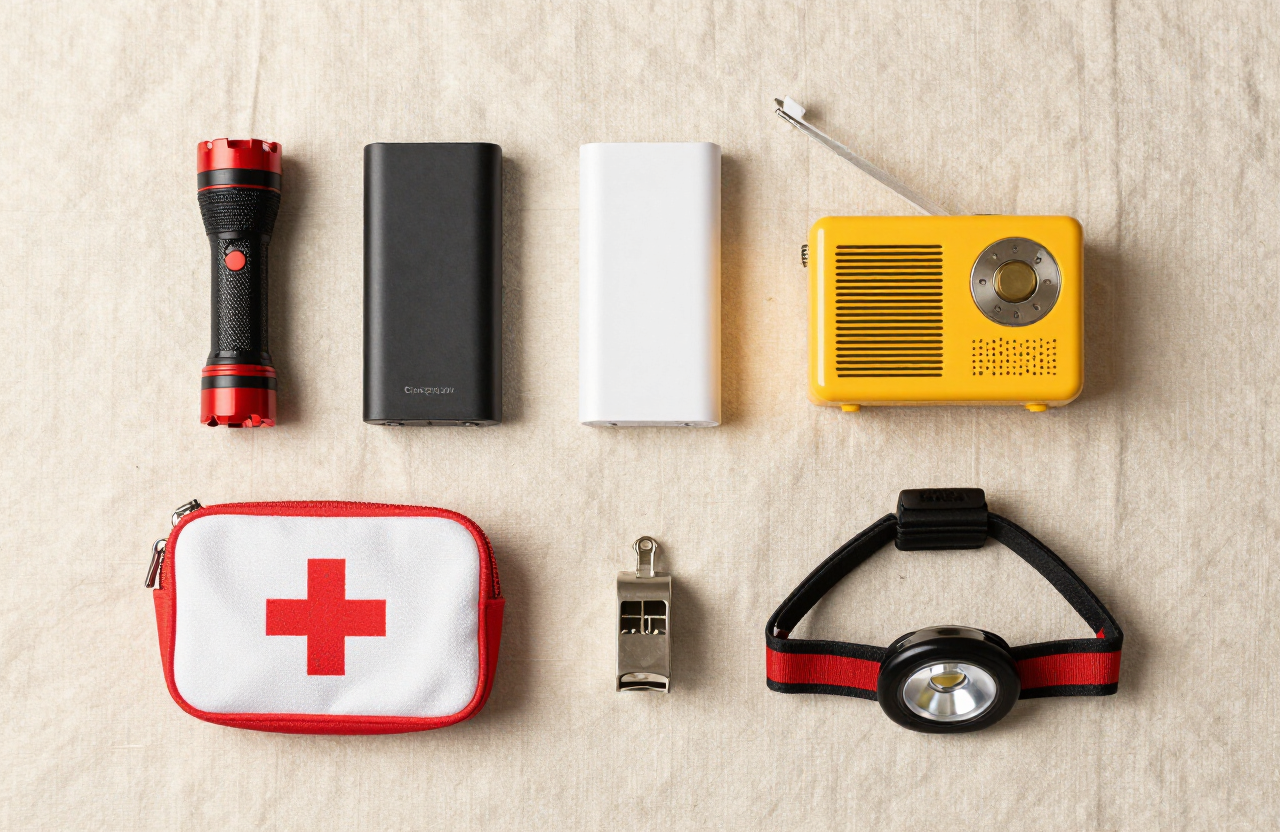
- A small flashlight for examining wounds in poor light
Personal medications and allergy care
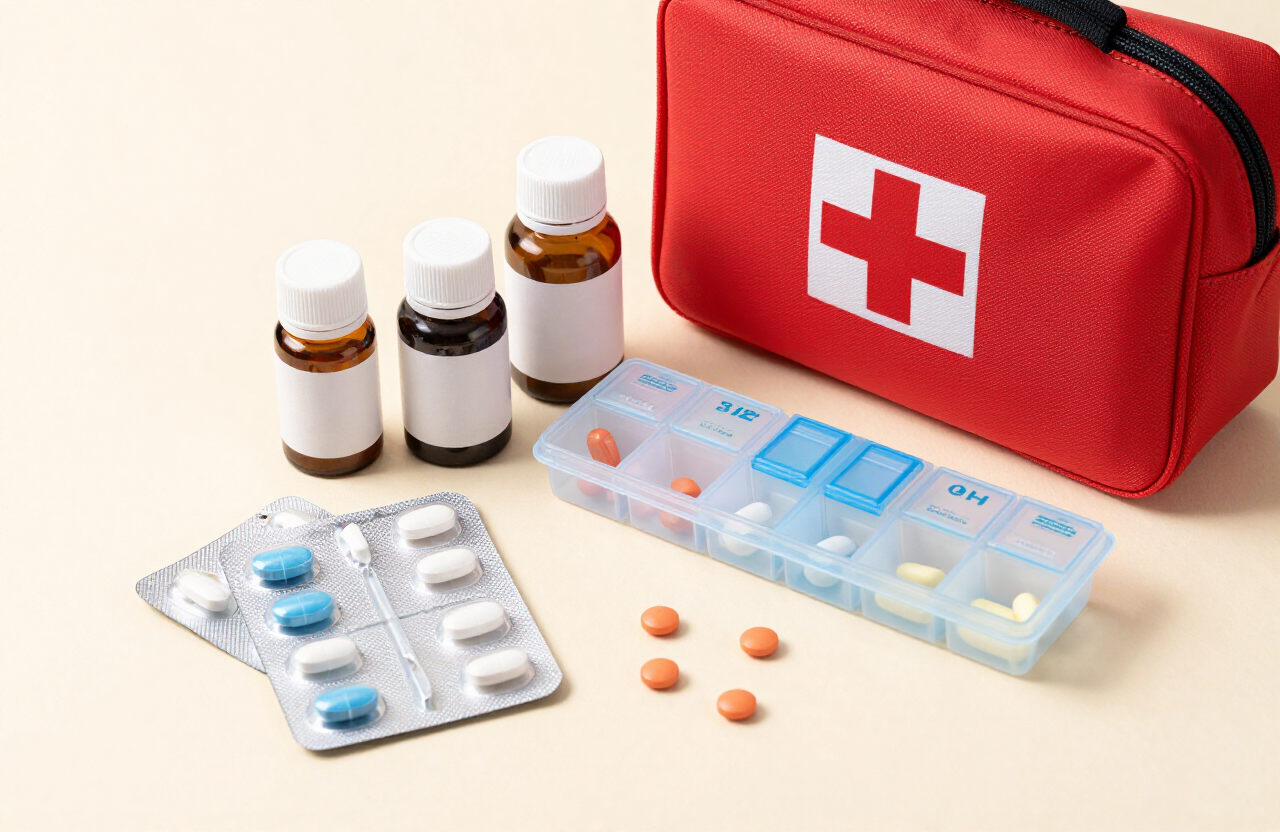
The generic kit is only half the job. Your kit also needs the medications specific to your household, including any allergy medicine that could matter in a hurry.
- A pain and fever reliever you tolerate well
- Antihistamines for allergic reactions
- A few days of any daily prescription, rotated regularly
- An epinephrine auto injector if anyone has a known severe allergy
Keep emergency numbers and a manual
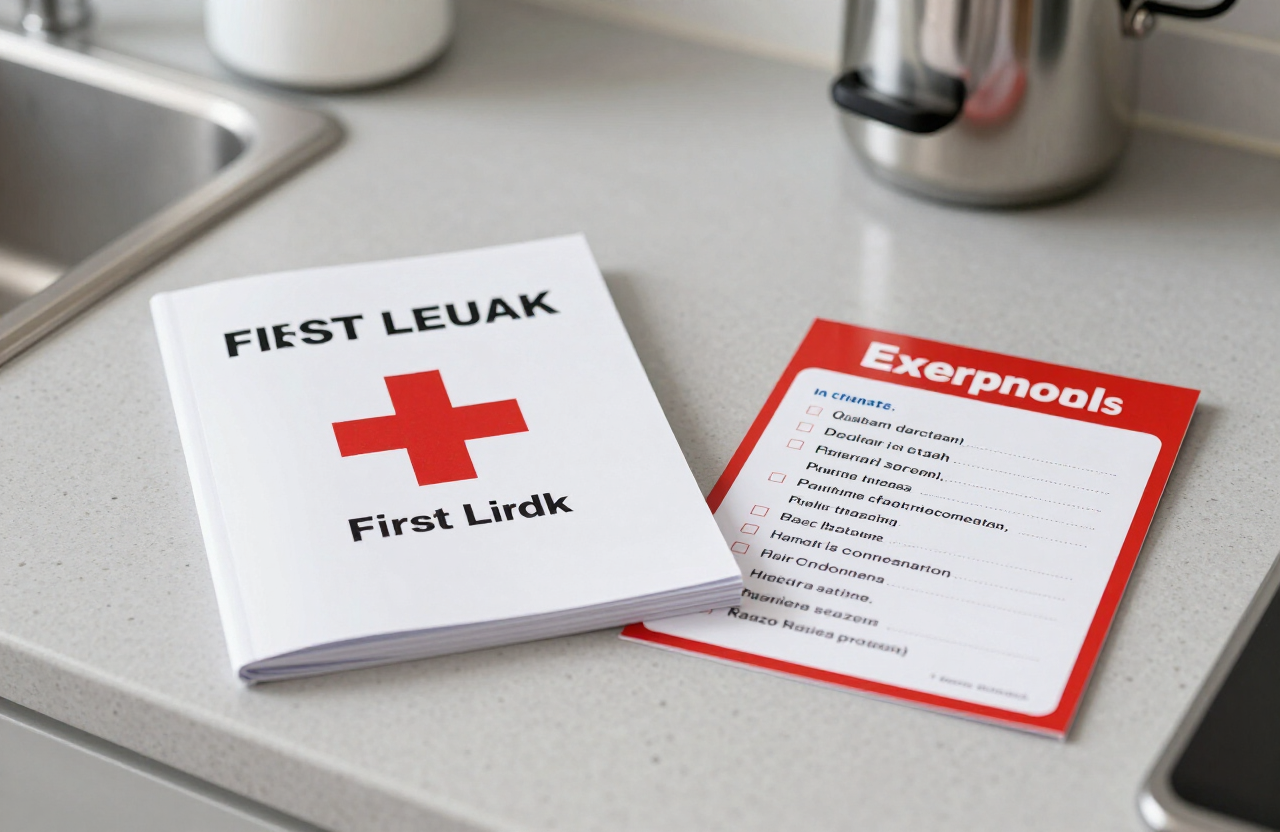
In a real emergency you will not want to search for numbers or remember first aid steps from memory. Keep a printed card and a small reference beside the kit.
- 911 and your local non emergency line
- Poison control, 1-800-222-1222 in the United States
- Your doctors office and an emergency contact
- A compact first aid manual or printed CPR steps
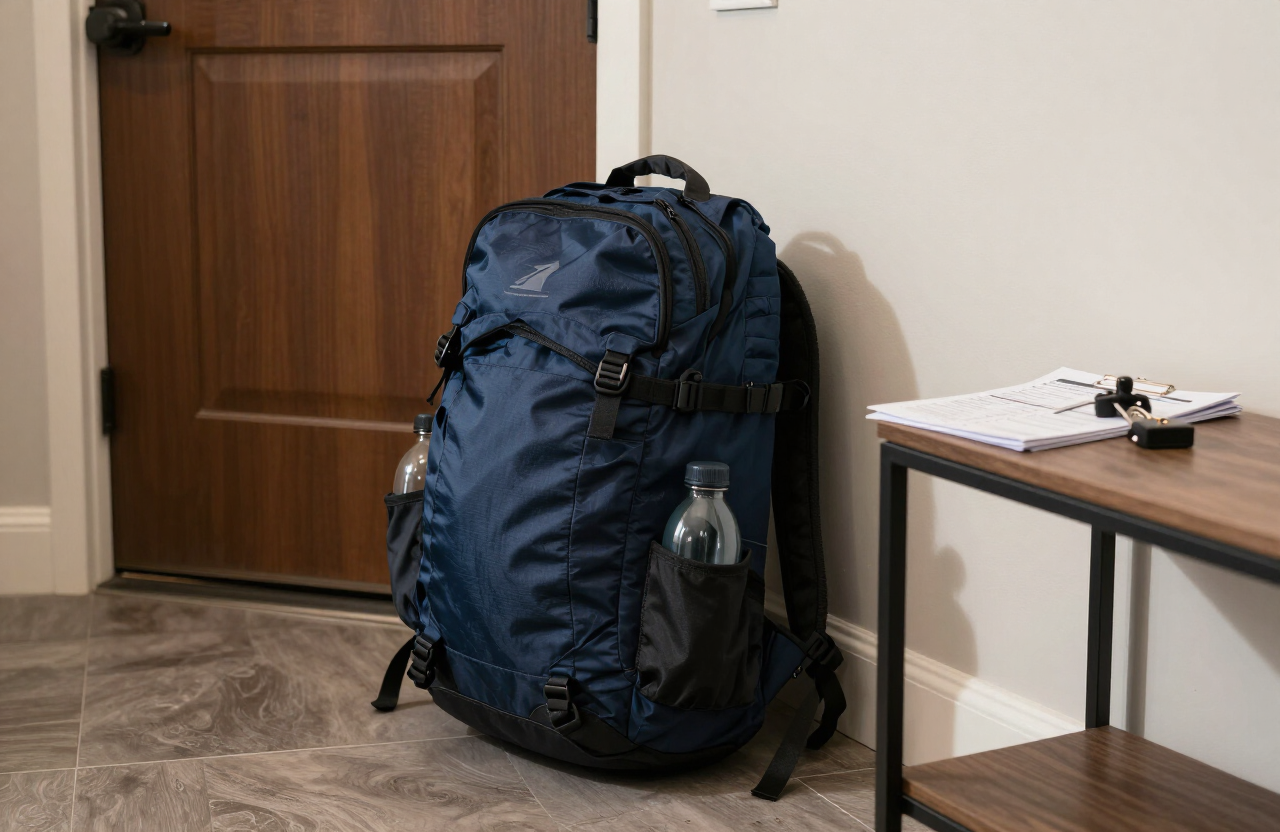
A compact pouch for your go bag
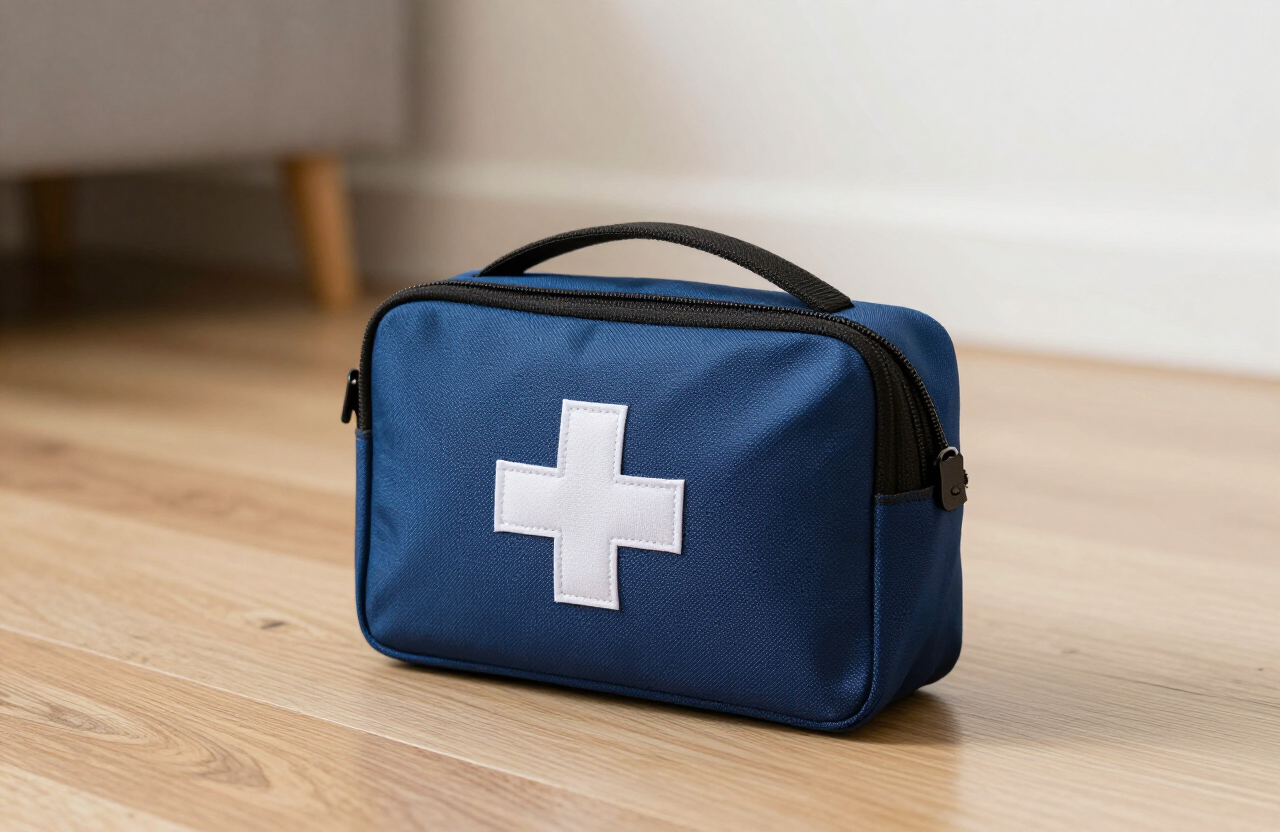
You should not have to choose between a home kit and an evacuation kit. A small duplicate pouch with the basics means your go bag is always ready without raiding your main supplies.
- A handful of bandages and a small gauze pad
- A few antiseptic wipes and a tiny tube of ointment
- A travel size pain reliever and antihistamine
- A mini roll of tape and a pair of gloves
Pick a container and a spot
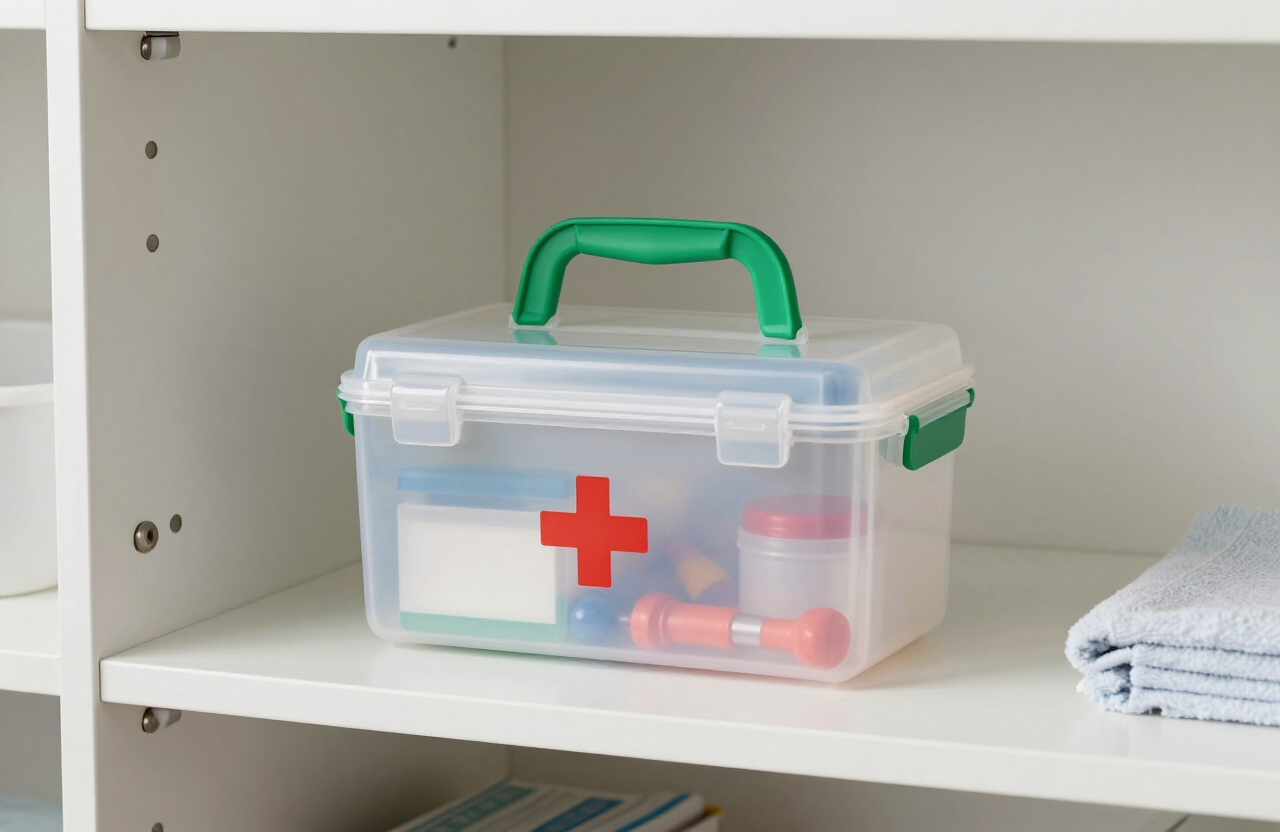
A first aid kit only works if you can find it. In a small apartment, a clear tackle box or a labeled bin in a kitchen or bathroom cabinet works better than a wall mounted box.
- Use a clear or labeled container so it is obvious
- Keep it in a spot every adult in the home knows
- Store it up high if young children visit
- Restock after every use and review it twice a year
Pair your first aid kit with our full small apartment emergency kit guide.
Frequently asked questions
Editorial note: this guide provides general preparedness information, not emergency, medical, legal, or engineering advice. Recommendations are cross-checked against public emergency-management guidance and adapted for small-space living. During an active emergency, follow your local authorities and emergency services. See our editorial standards and affiliate disclosure.