How to Build a Car Emergency Kit for Renters Who Commute
A car emergency kit for renters who commute answers a question your home kit cannot: what if something goes wrong while you are away from your apartment? Whether it is a breakdown, a storm that closes the roads, or a long walk home when transit stops, a small kit in your car covers the gap between your office and your front door.
Why renters who commute need a car kit
Your home emergency kit does not help you when you are twenty miles away at work. A car kit is the bridge that gets you home safely when the usual commute breaks down. It does not need to be large, it needs to cover the hours between here and your apartment.
The get home basics
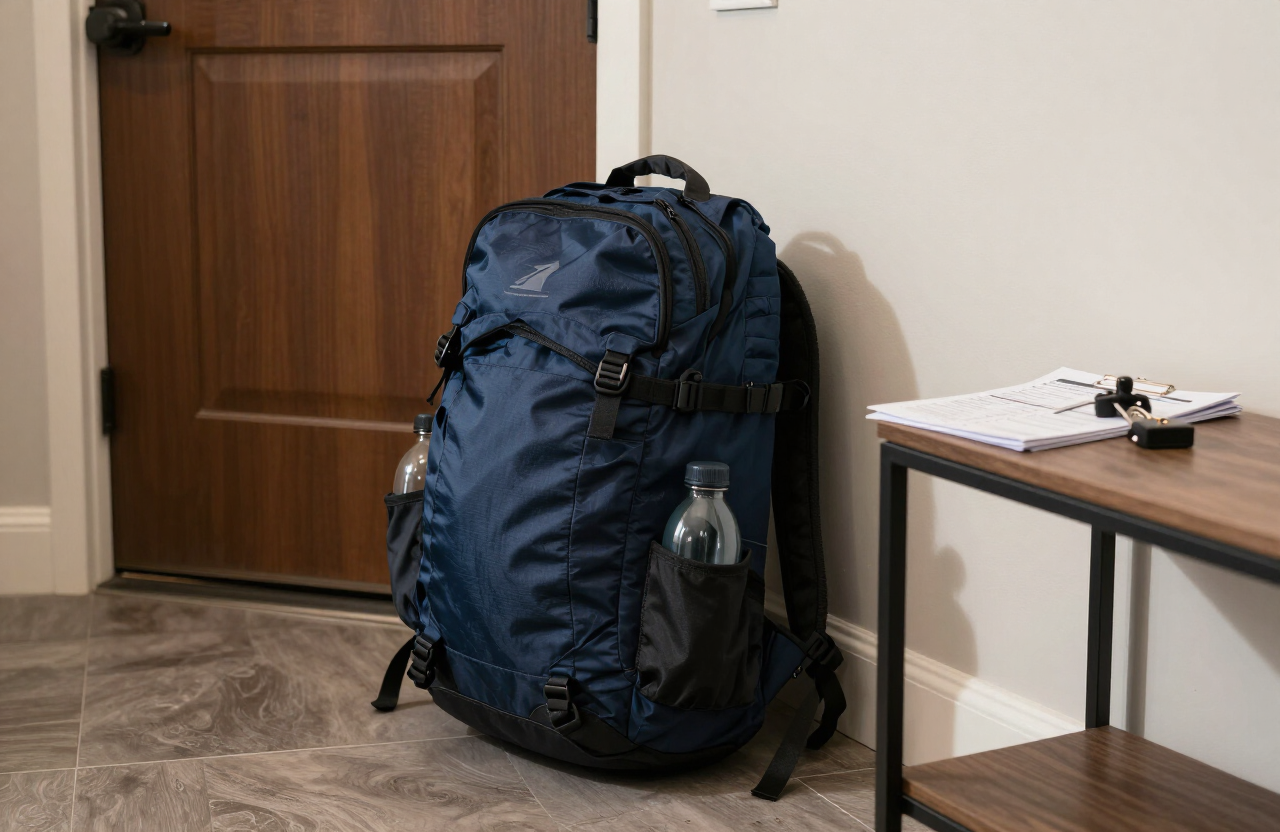
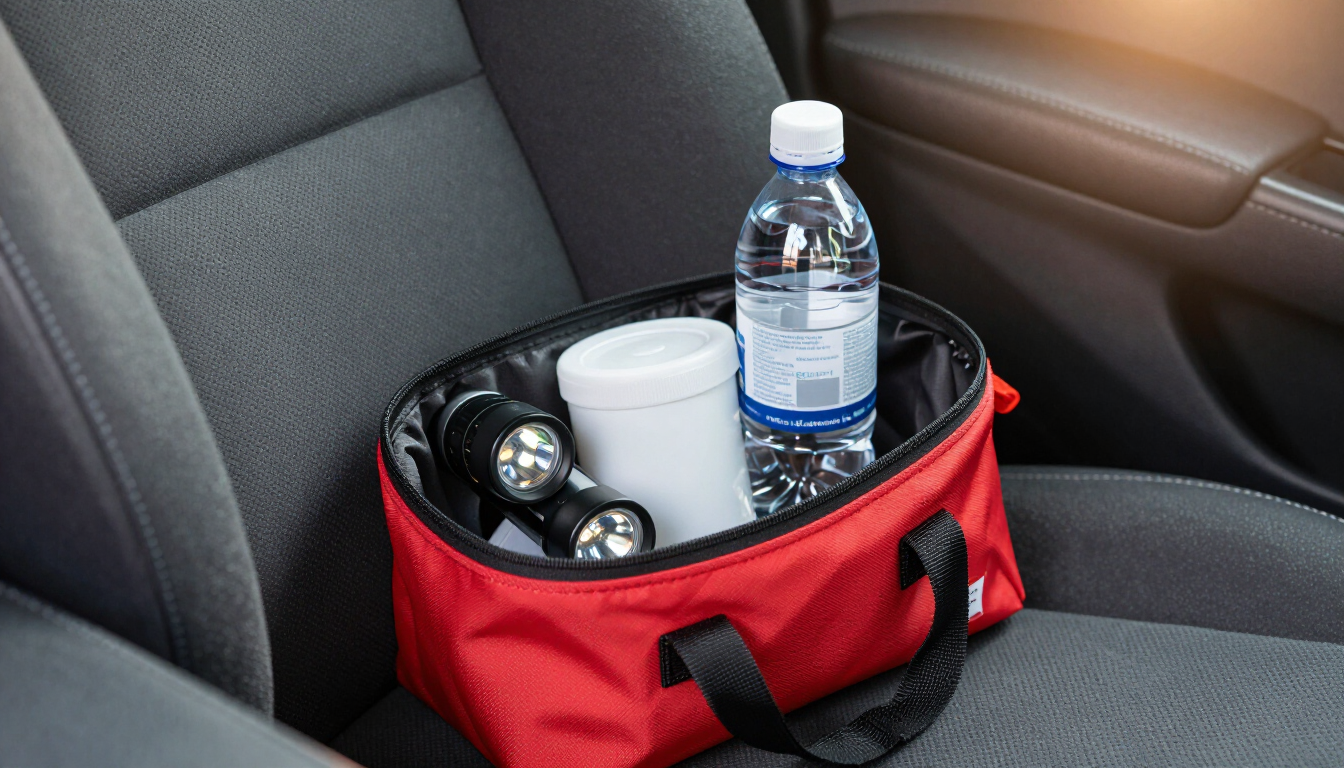
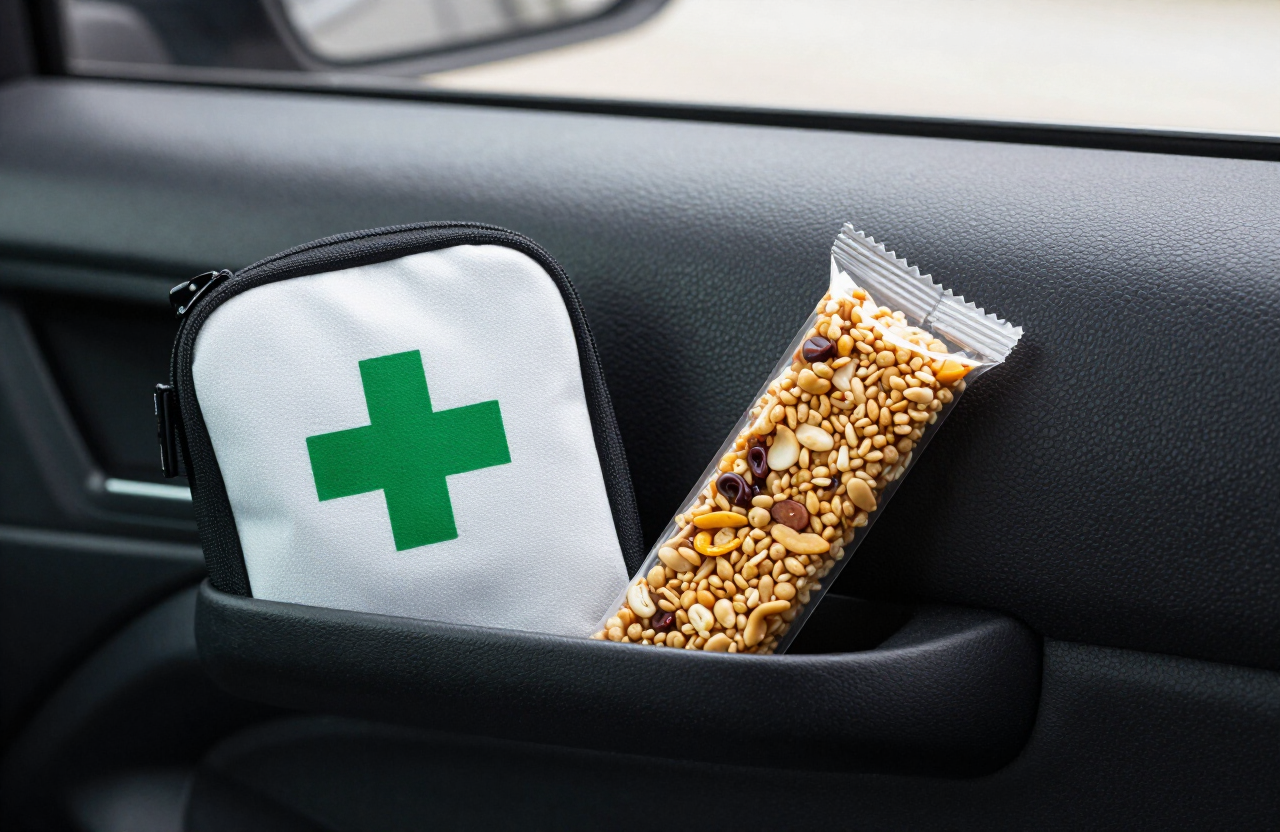
The core of a car kit is a get home bag: enough water, food, and warmth to handle a breakdown or a long delay. Keep it in the cabin, not the trunk, so you can reach it without getting out in traffic.
- Two to three bottles of water
- Shelf stable snacks like granola bars
- A small first aid pouch
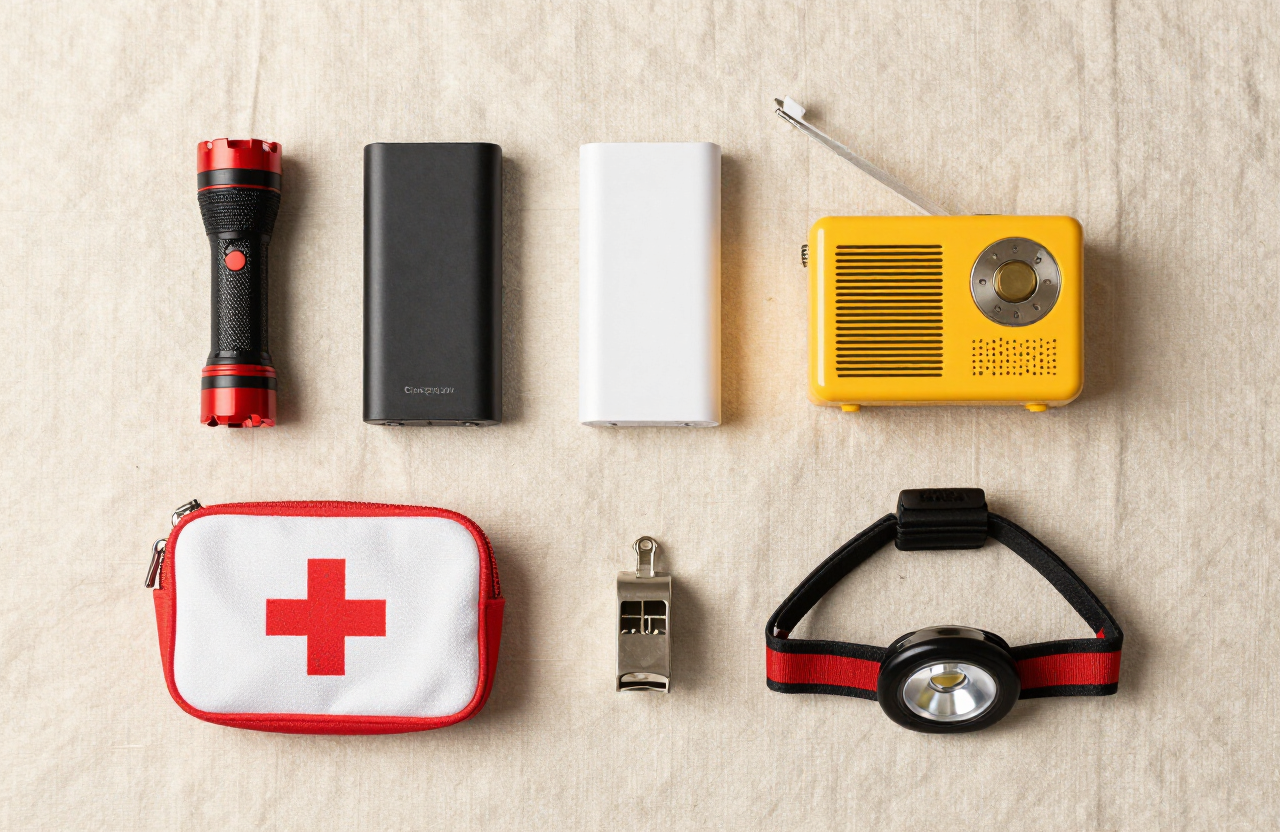
- A flashlight with spare batteries
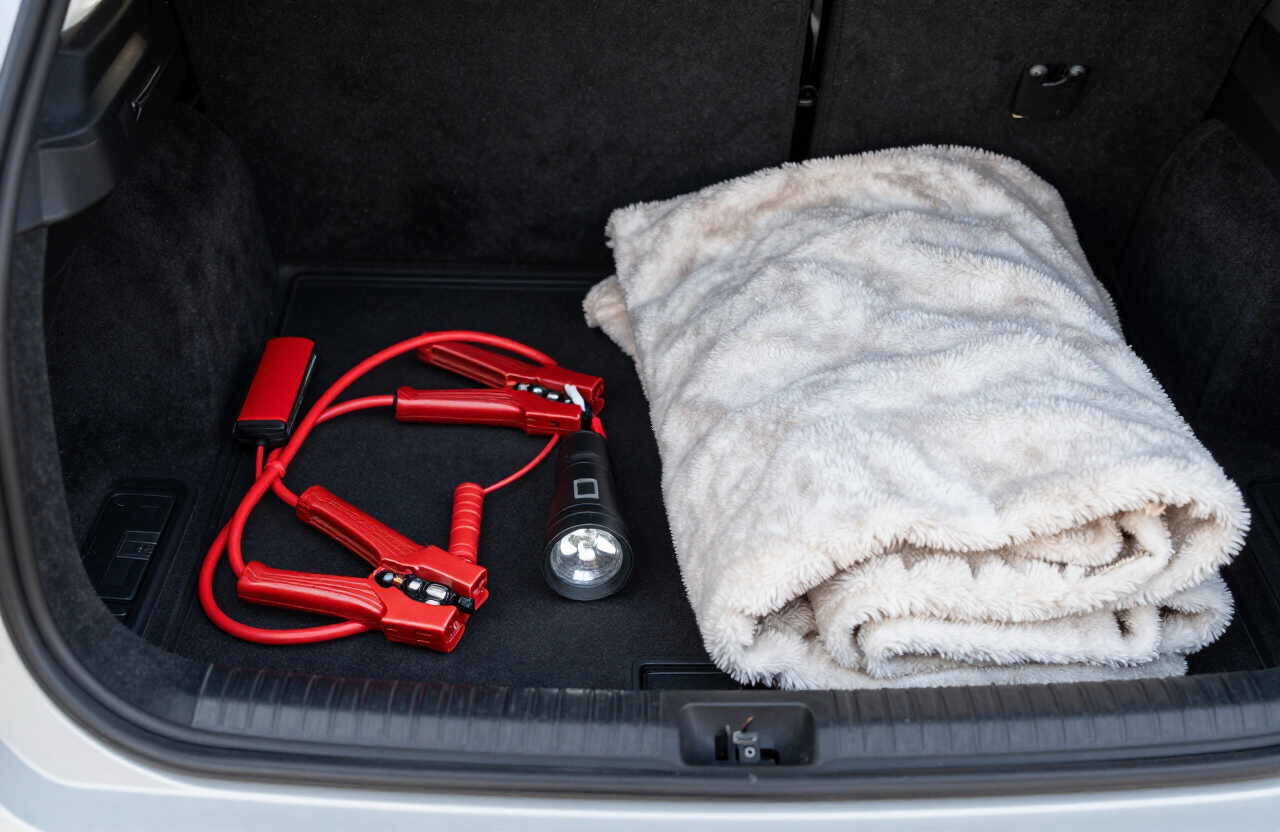
- A warm blanket or compact emergency bivy
Car trouble essentials
A breakdown is the most common reason a commute goes sideways. A few basic tools and a plan handle most roadside problems without waiting hours for help.
- Jumper cables or a portable jump starter
- A spare tire, jack, and lug wrench, or a tire repair kit
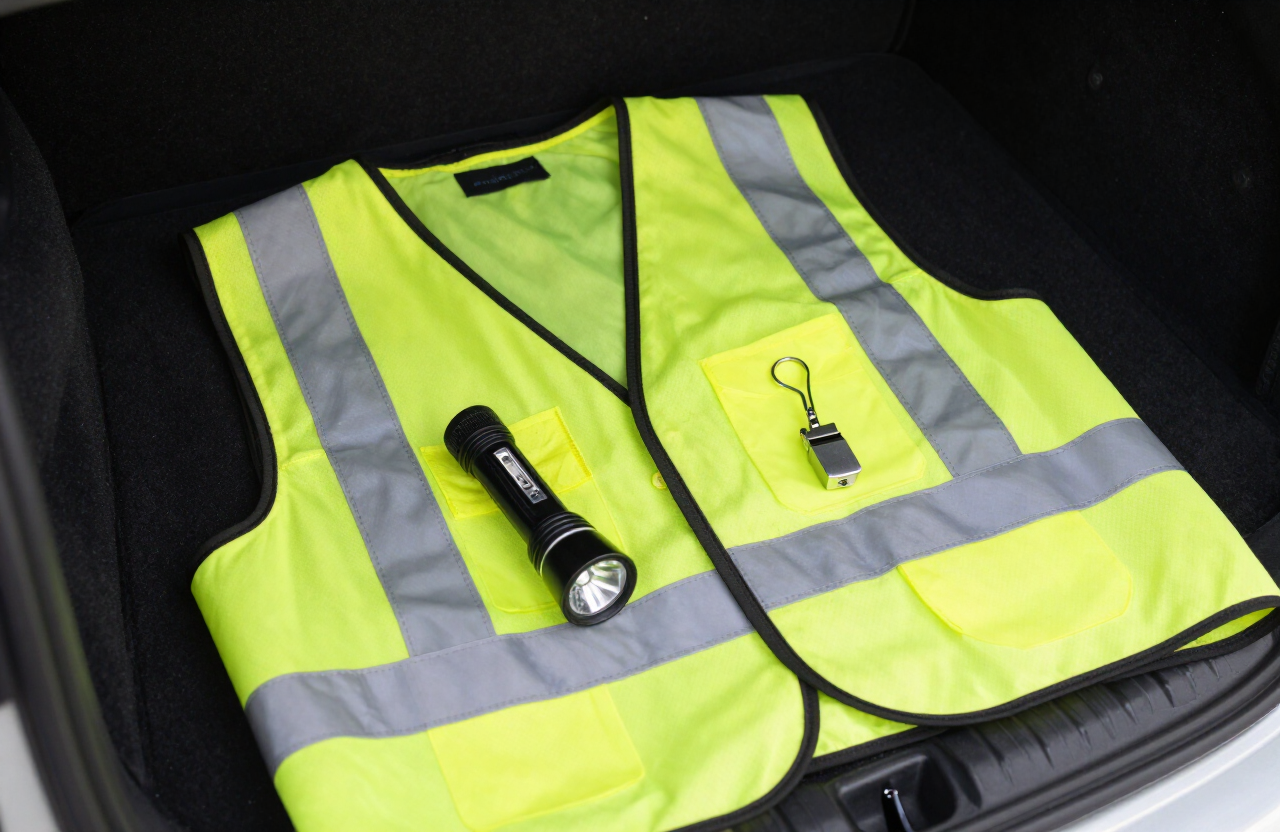
- A small flashlight and reflective warning triangles
- Basic tools like a multi tool, duct tape, and work gloves
Stay charged and connected
A dead phone turns a manageable delay into a real problem. Keep a way to charge your phone in the car, and a backup for when the car battery is the thing that died.
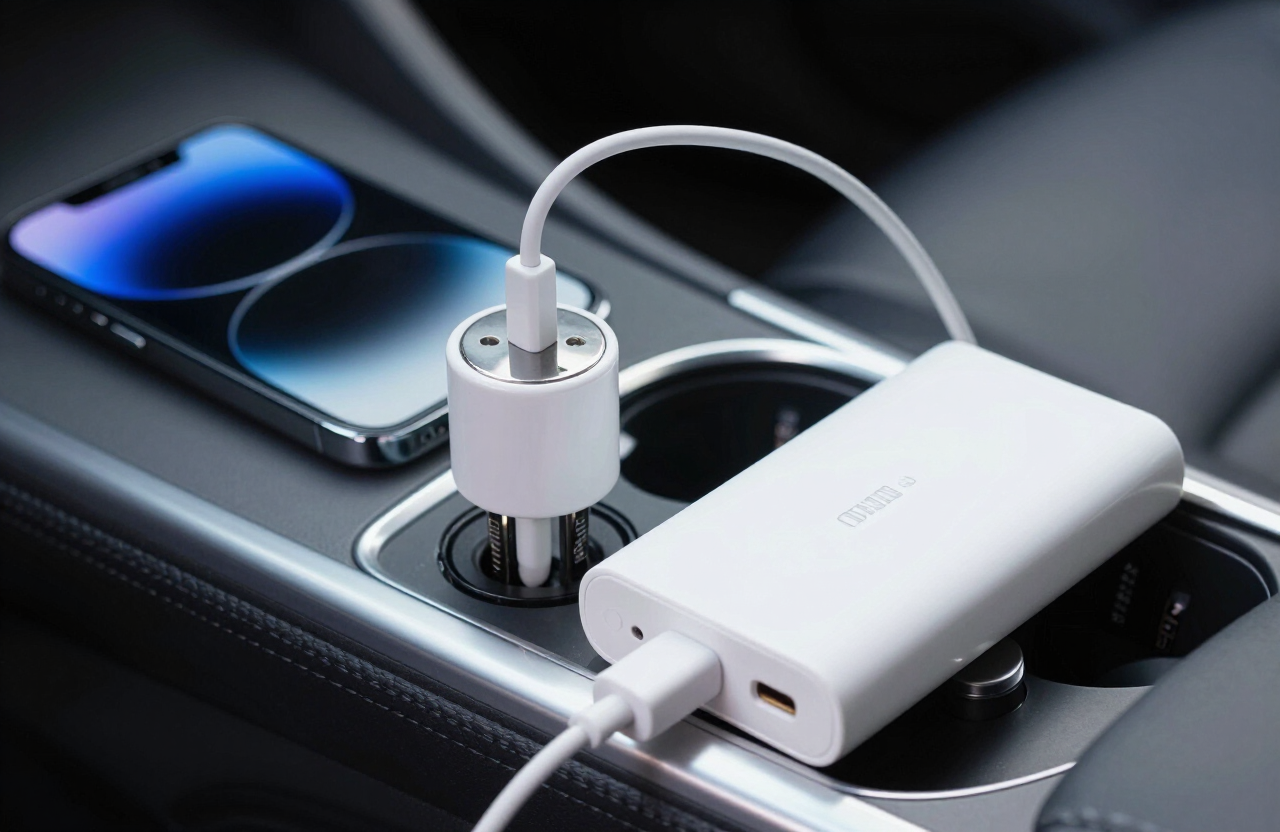
- A car phone charger with a long cable
- A small charged power bank as a backup
- A printed list of emergency contacts in case your phone dies
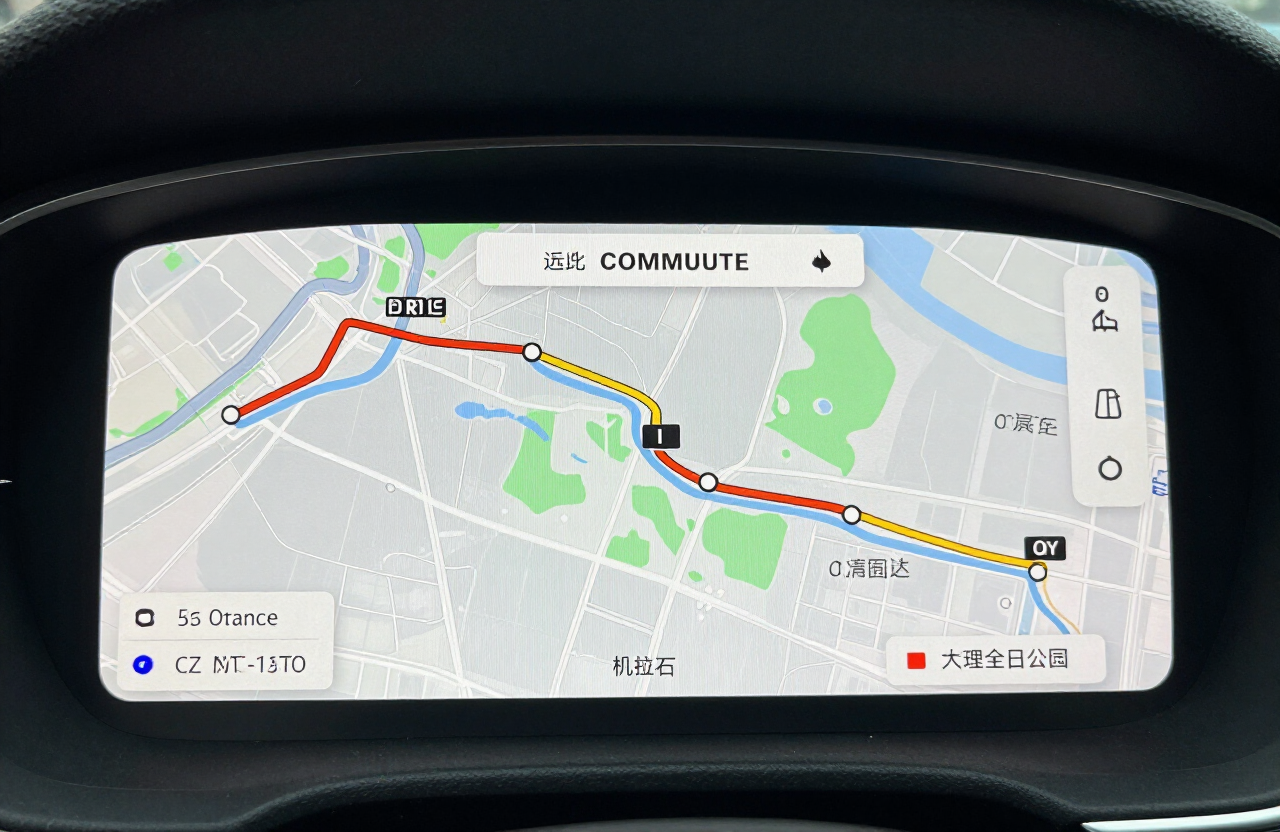
- An offline map or printed directions home
Plan for a walk home
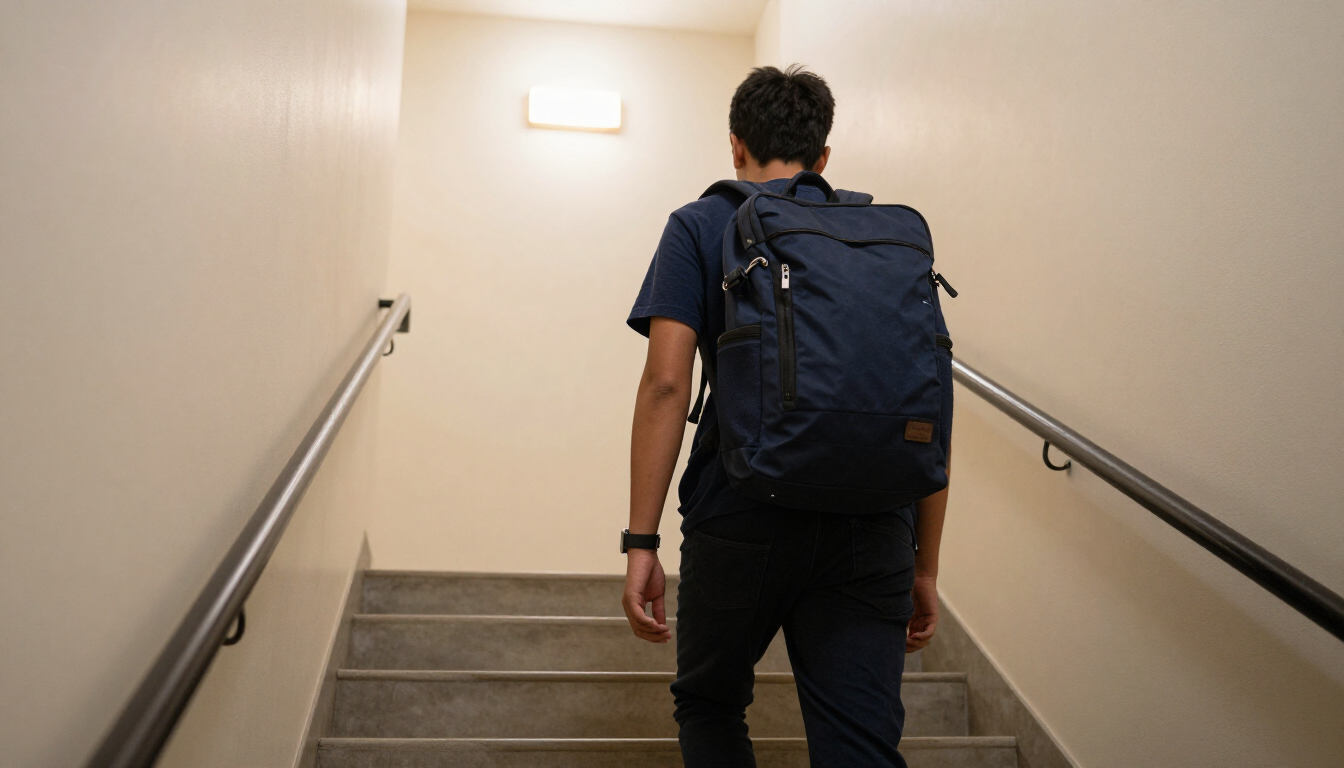
Sometimes the car is not an option, the roads close, transit stops, or the car will not start. A short plan for walking home turns a stranded evening into a long but manageable walk.
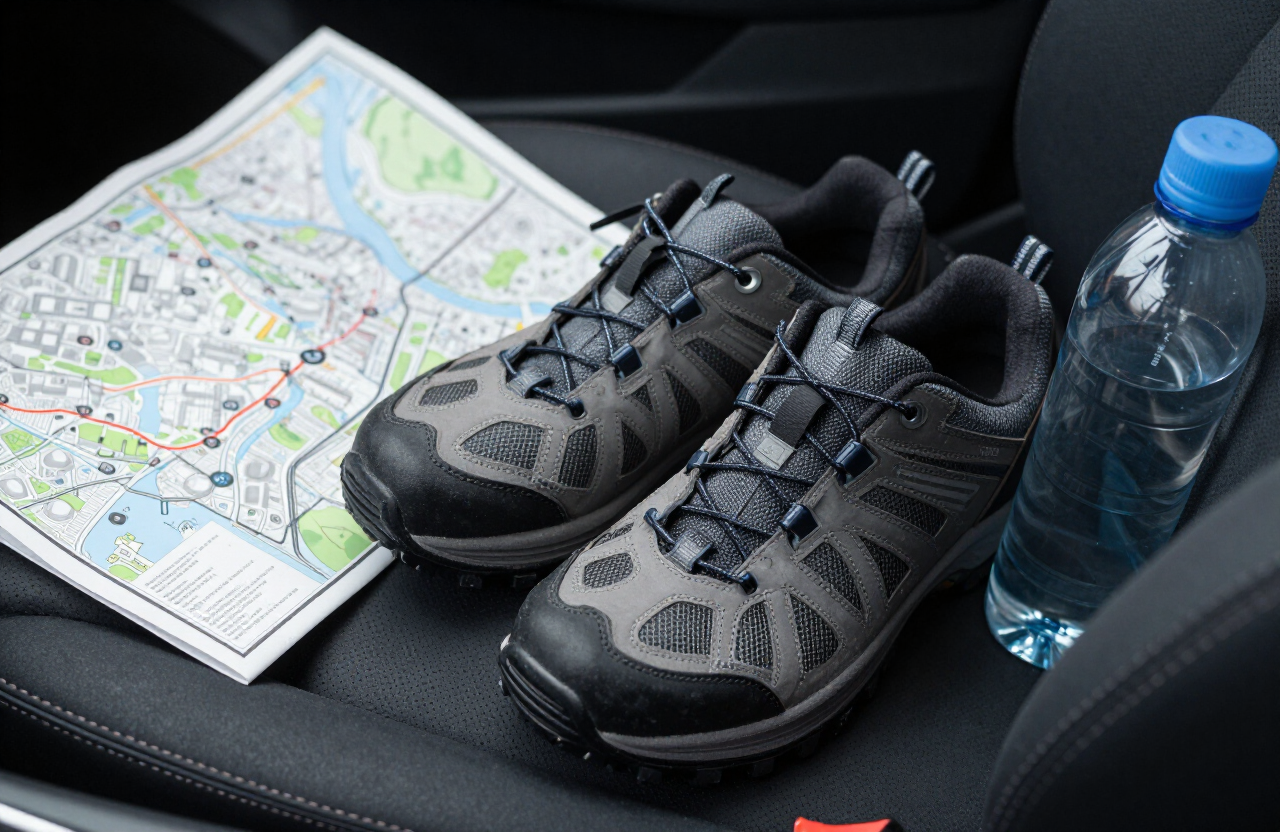
- Keep a pair of comfortable walking shoes in the car
- Store a printed map with two or three routes home
- Keep a small bottle of water and a snack in your work bag too
- Know the distance and roughly how long the walk would take
Keep car and home kits separate
It is tempting to share supplies between your car and your apartment, but that backfires when you need both at once, or when you grab the car kit for home use and forget to restock. Keep them separate and check both.
- Do not raid your car kit for home use
- Check the car kit every six months for expired food and water
- Adjust the kit for the season, add warmth in winter, water in summer
- Keep a smaller version in your work bag for transit days
For the kit you keep at home, see our small apartment emergency kit guide.
Frequently asked questions
Editorial note: this guide provides general preparedness information, not emergency, medical, legal, or engineering advice. Recommendations are cross-checked against public emergency-management guidance and adapted for small-space living. During an active emergency, follow your local authorities and emergency services. See our editorial standards and affiliate disclosure.