Summer Storm Preparation for Apartment Renters
Summer storm preparation for apartment renters is about the few hours before the weather turns. Summer storms bring wind, lightning, flash flooding, and sudden power loss, and in an apartment you also have to think about a balcony full of loose items and windows that may not seal. A short checklist handled while the sky is still clear keeps a storm from becoming a mess.
Why summer storms catch renters off guard
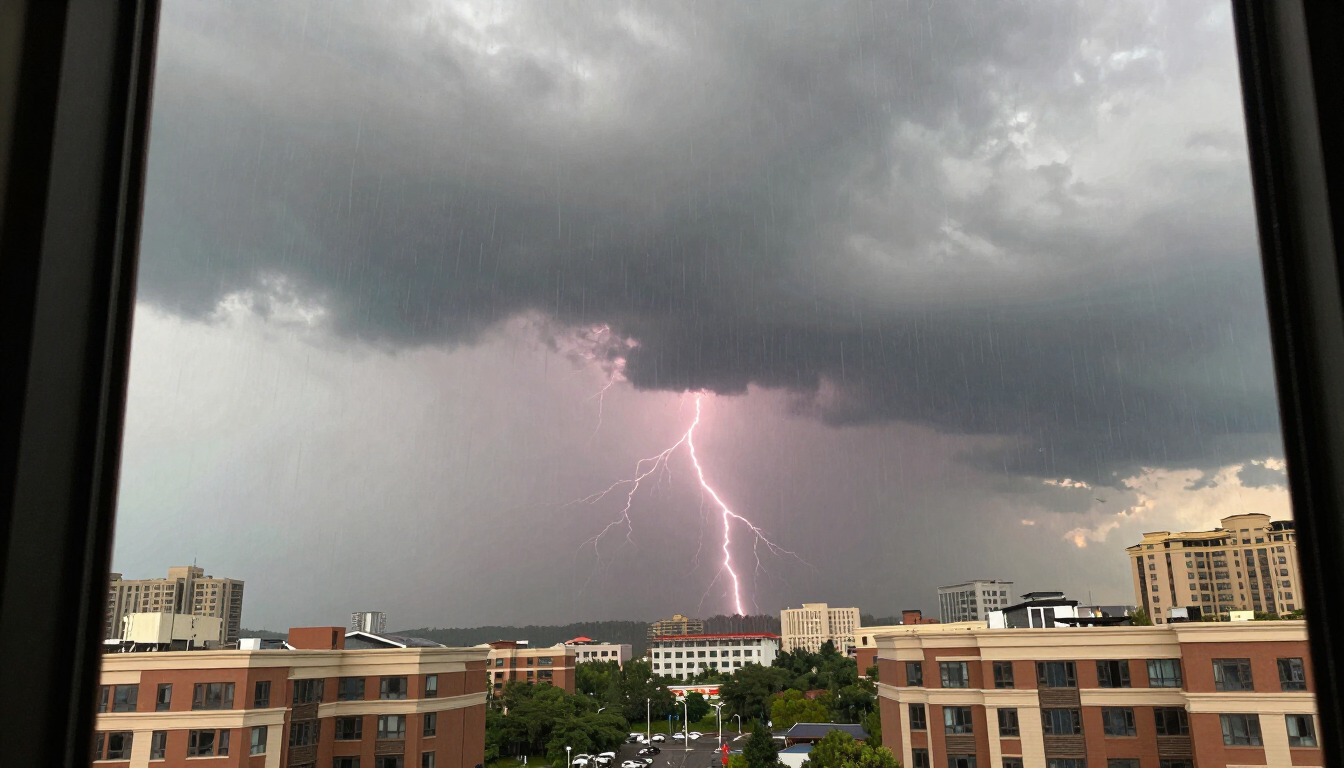
Summer storms build fast. One hour it is sunny, the next the wind is throwing patio chairs off balconies and the power is out. Renters often skip preparation because storms feel brief, but a downed tree, a flooded hallway, or a blown window can disrupt a small apartment for days.
Secure windows and doors
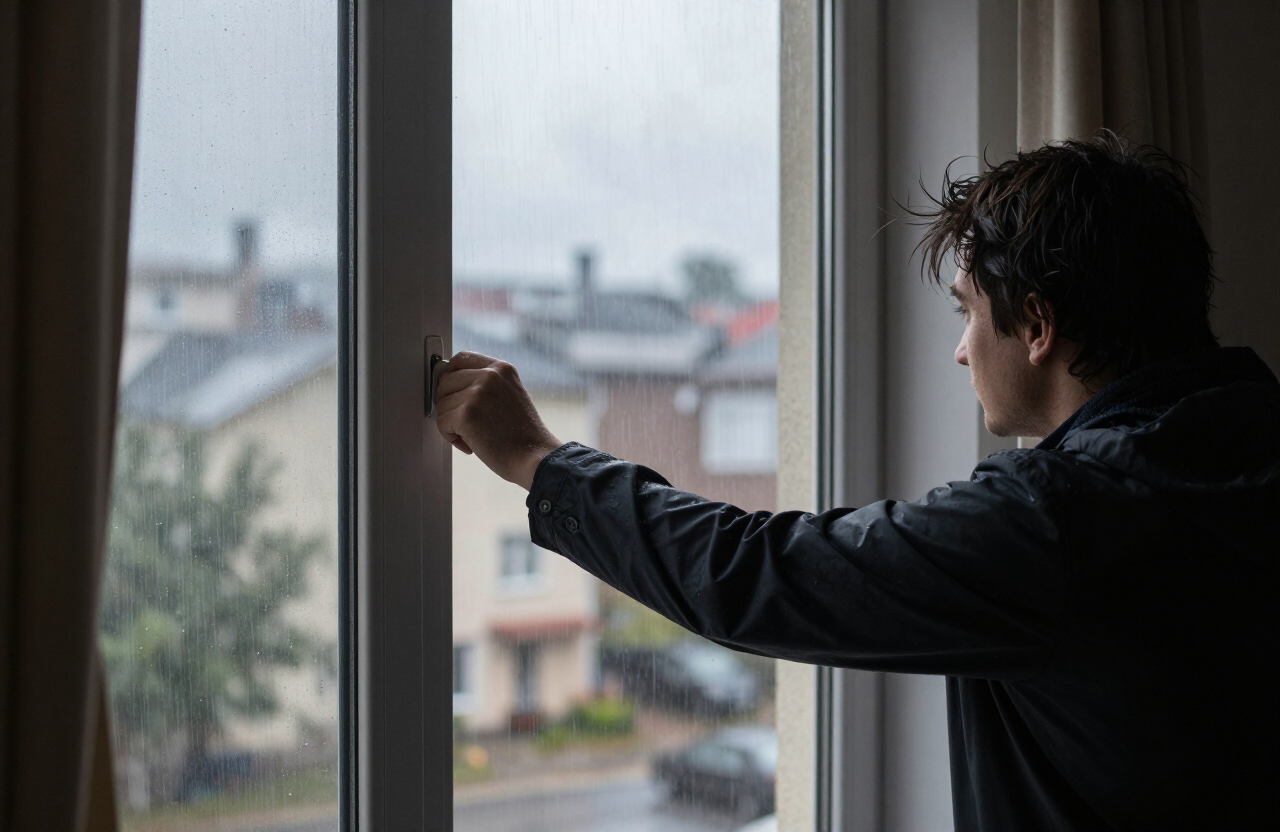
Wind and driving rain find every gap. A few minutes of sealing and latching keeps water out and stops a window from slamming in a gust.
- Close and latch every window, including ones you usually leave cracked
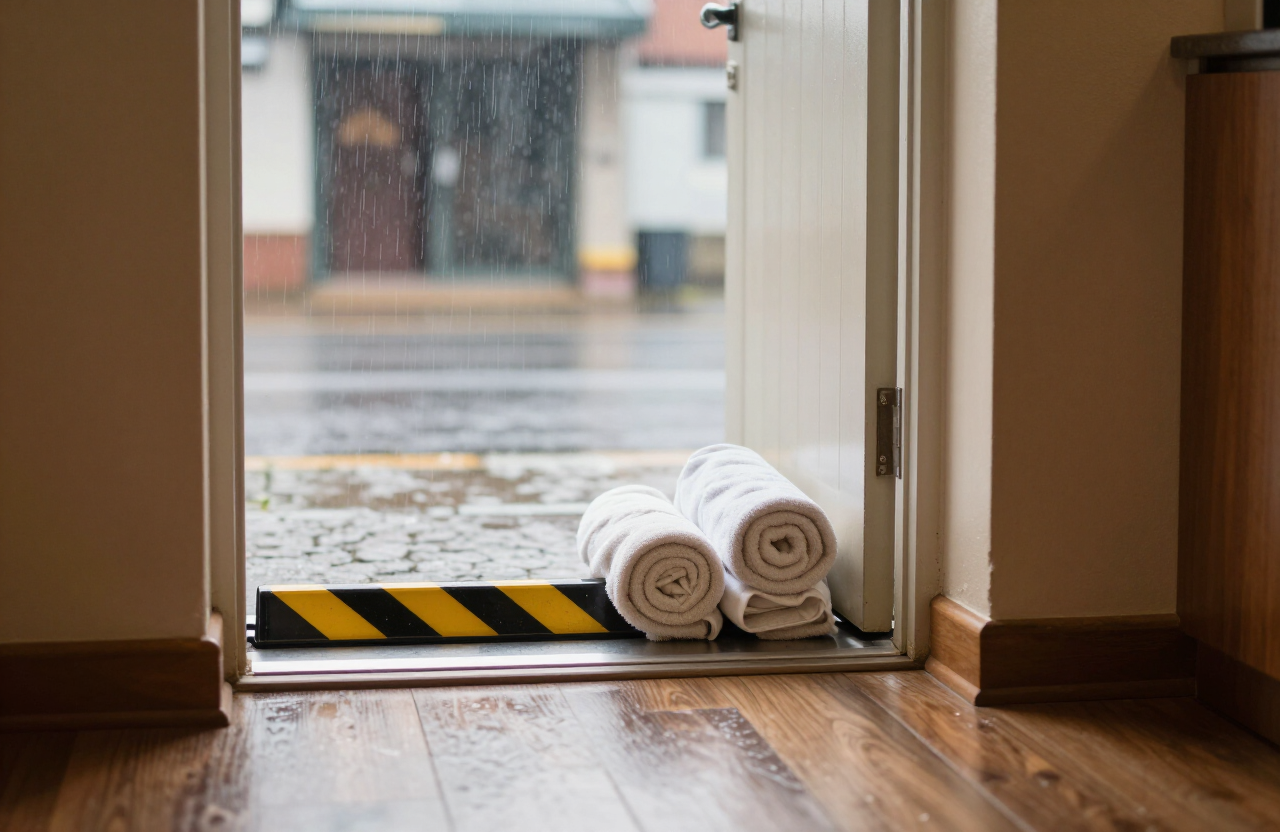
- Check weather stripping and add tape or a towel to leaky frames
- Close blinds and curtains to catch any broken glass
- Lock balcony and sliding doors so they cannot blow open
Clear and secure the balcony
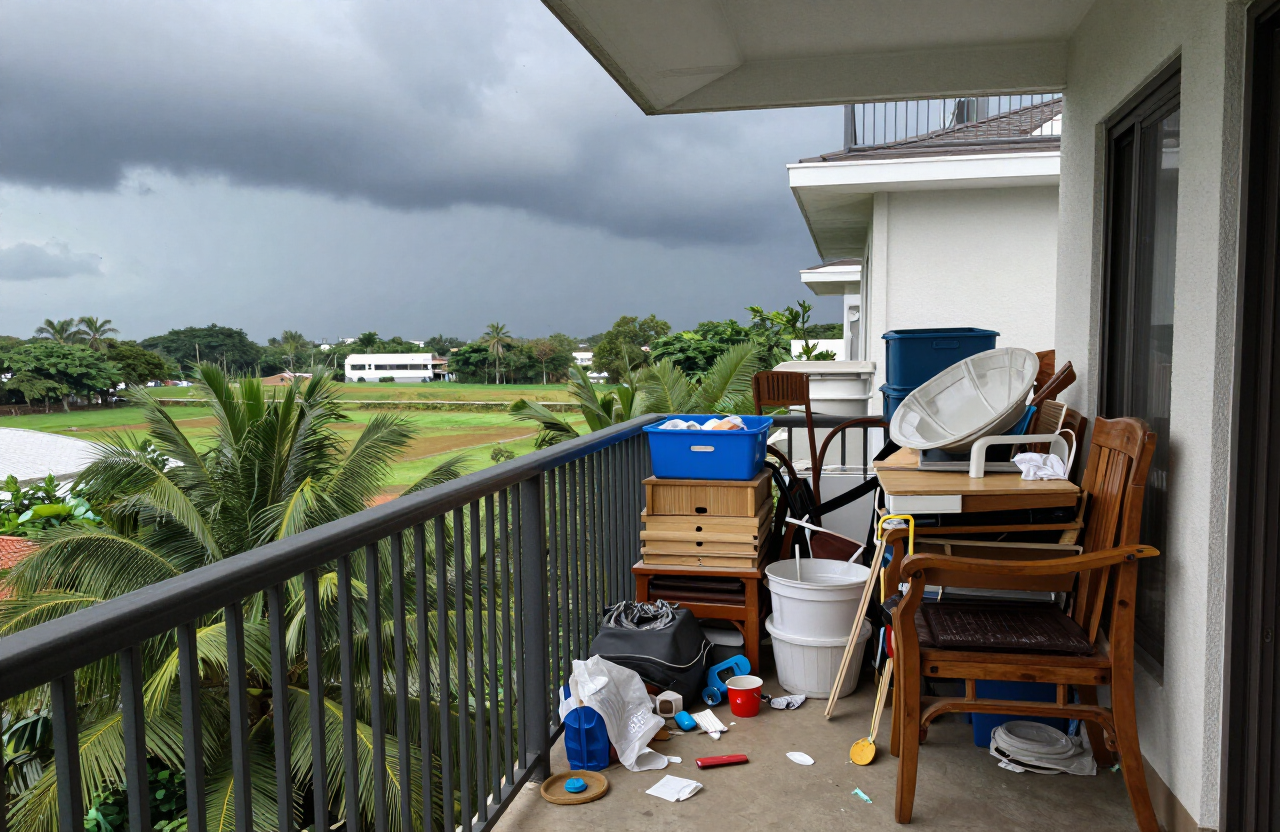
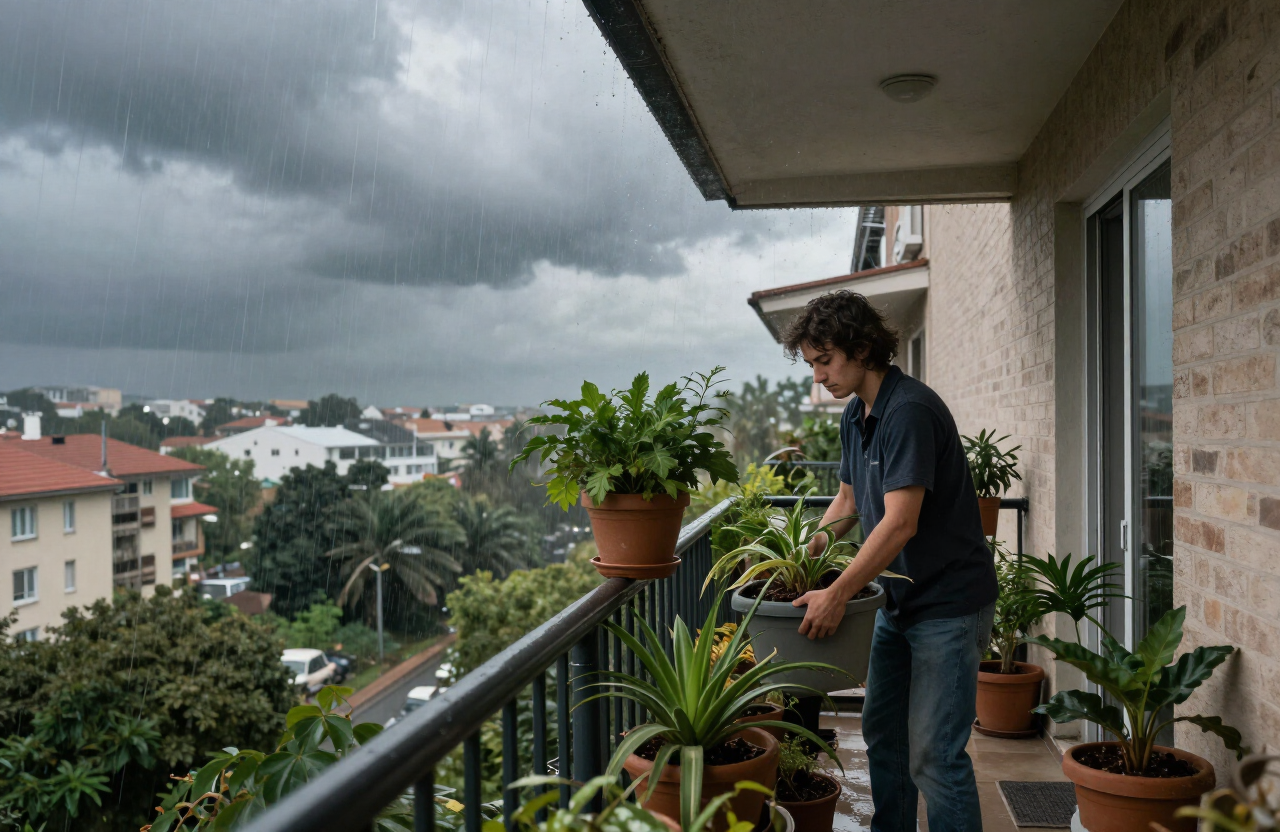
A balcony full of loose items is a hazard in high wind. Chairs, plants, and umbrellas become projectiles that can hurt someone below or smash a window. Clear it before the storm arrives.
- Bring small items, plants, and umbrellas inside
- Stack and tie down furniture you cannot move indoors
- Take in anything that could blow off the rail
- Clear floor drains so rain can flow off
Charge and stock before the power drops
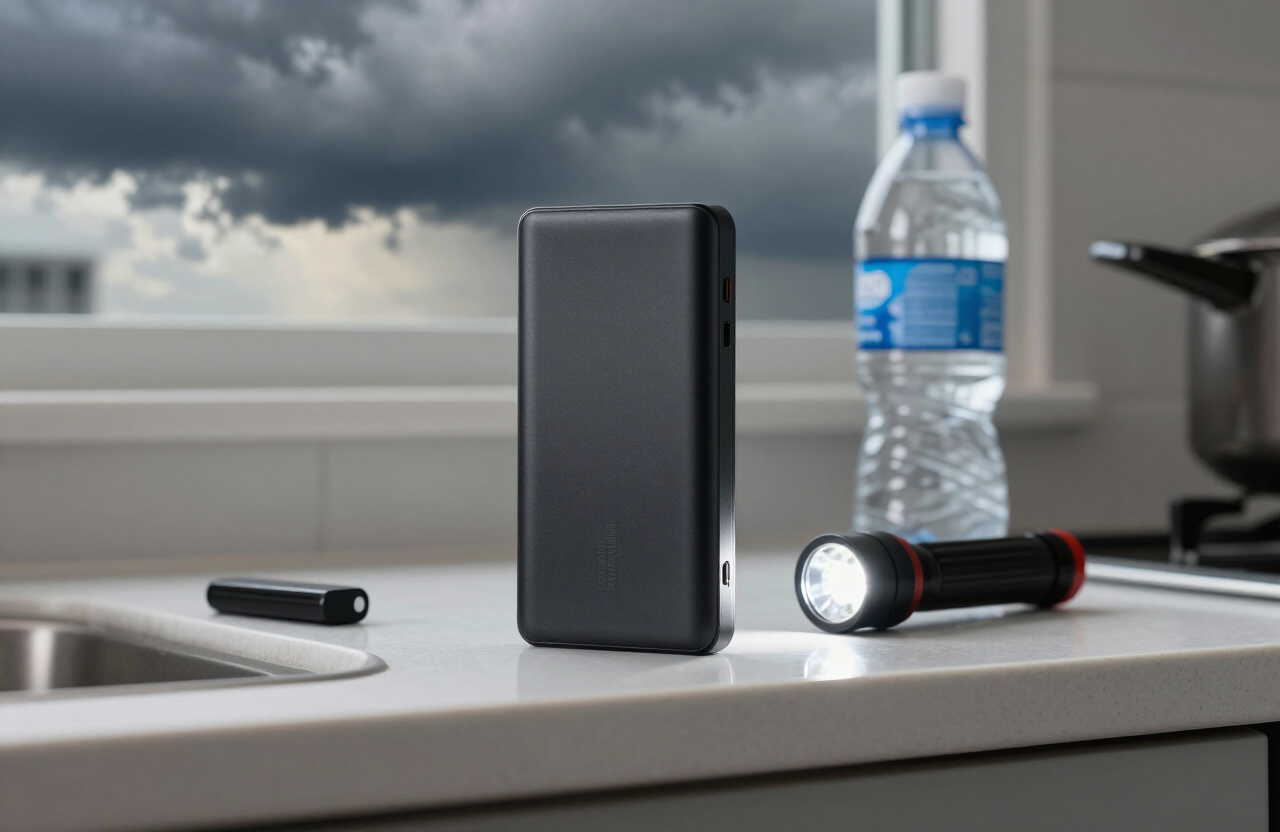
Summer storms often take the power with them. Charge everything while you still can, and set aside a little water and food in case the outage lasts a day or two.
- Charge phones, laptops, and power banks to full
- Fill a few water bottles, in case the pump stops on upper floors
- Set aside shelf stable snacks that need no cooking
- Locate your flashlights and battery lanterns before dark
Track warnings and know your shelter spot
A weather alert on your phone gives you the lead time to act. Sign up for local warnings before storm season, and know where in your building you would shelter from a severe warning.
- Enable wireless emergency alerts on your phone
- Install a weather app with push warnings
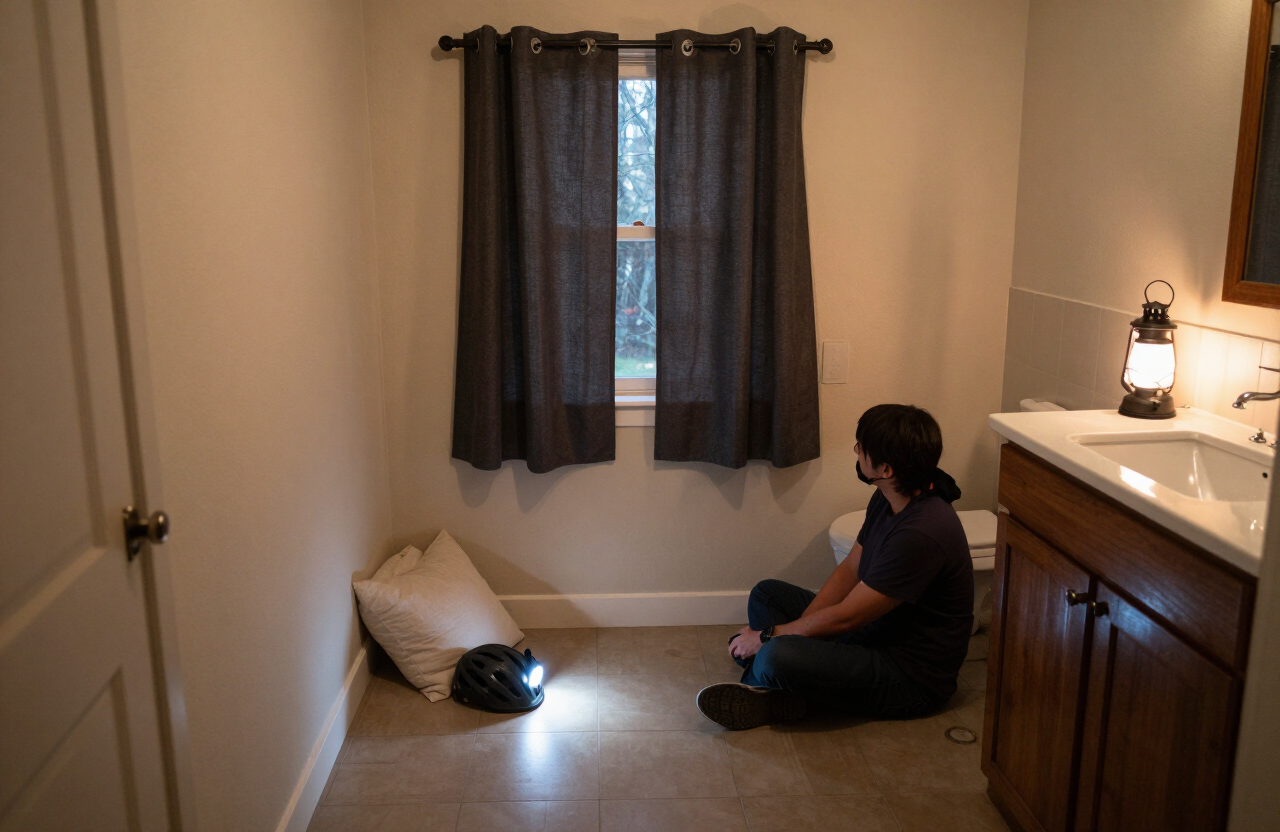
- Identify an interior room away from windows for shelter
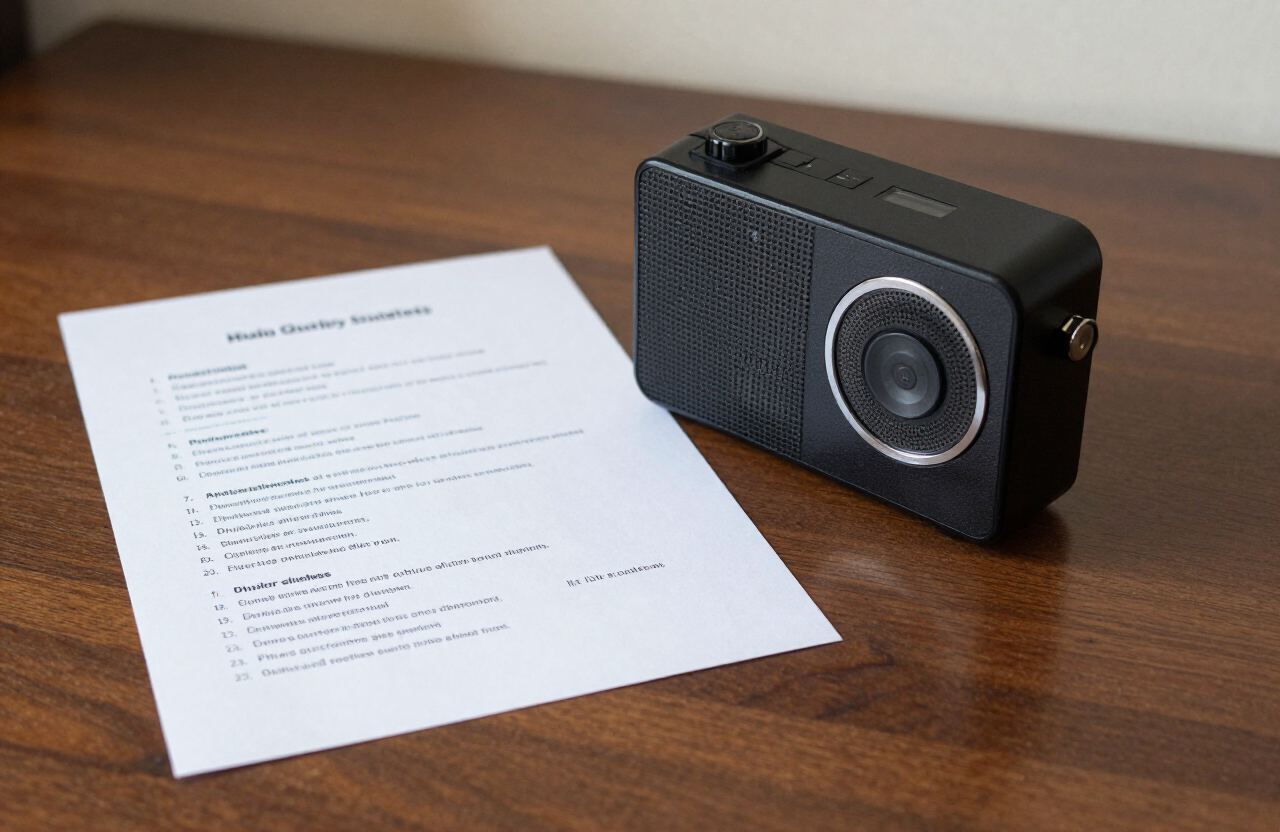
- Keep a battery radio for when cell service drops

When to shelter and when to leave
Most summer storms pass in an hour and you are better off sheltering inside. But a severe warning, a flash flood risk, or a building that is already damaged changes the math. Know the difference ahead of time.
| Situation | What to do |
|---|---|
| Typical thunderstorm | Shelter inside, away from windows |
| Severe thunderstorm warning | Interior room, lowest floor away from windows |
| Flash flood warning | Move to higher floor, never the basement or underground parking |
| Tornado warning | Lowest interior room or building interior, no windows |
| Building damage or unsafe structure | Leave for a sturdier nearby building |
For the power side of a storm, see our apartment power outage checklist.
Frequently asked questions
Editorial note: this guide provides general preparedness information, not emergency, medical, legal, or engineering advice. Recommendations are cross-checked against public emergency-management guidance and adapted for small-space living. During an active emergency, follow your local authorities and emergency services. See our editorial standards and affiliate disclosure.