Apartment Earthquake Preparation for Renters
Apartment earthquake preparation for renters is mostly about securing what could fall and knowing where to drop, cover, and hold on. You cannot reinforce the building, but you can stop a bookshelf from toppling, keep heavy items off high shelves, and stage a small kit by the door. Those renter-safe steps are the preparation that actually protects you.
Why renters need a quake plan
In an earthquake, most injuries come from falling objects and broken glass, not from a building collapse. That is good news for renters, because the things that hurt people are exactly the things you can control inside your own unit.
A few hours spent securing furniture and lowering heavy items does more for your safety than any structural change you are not allowed to make.
Secure tall furniture without drilling
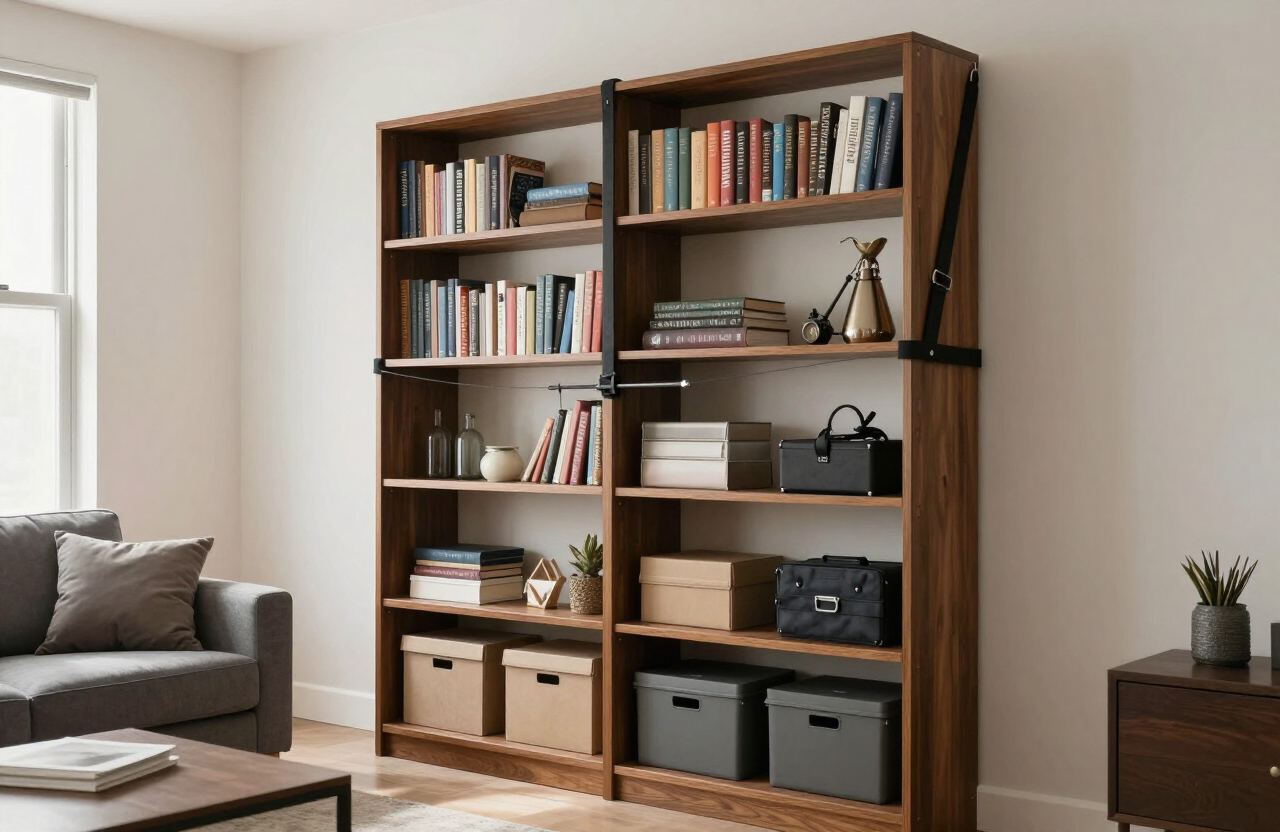
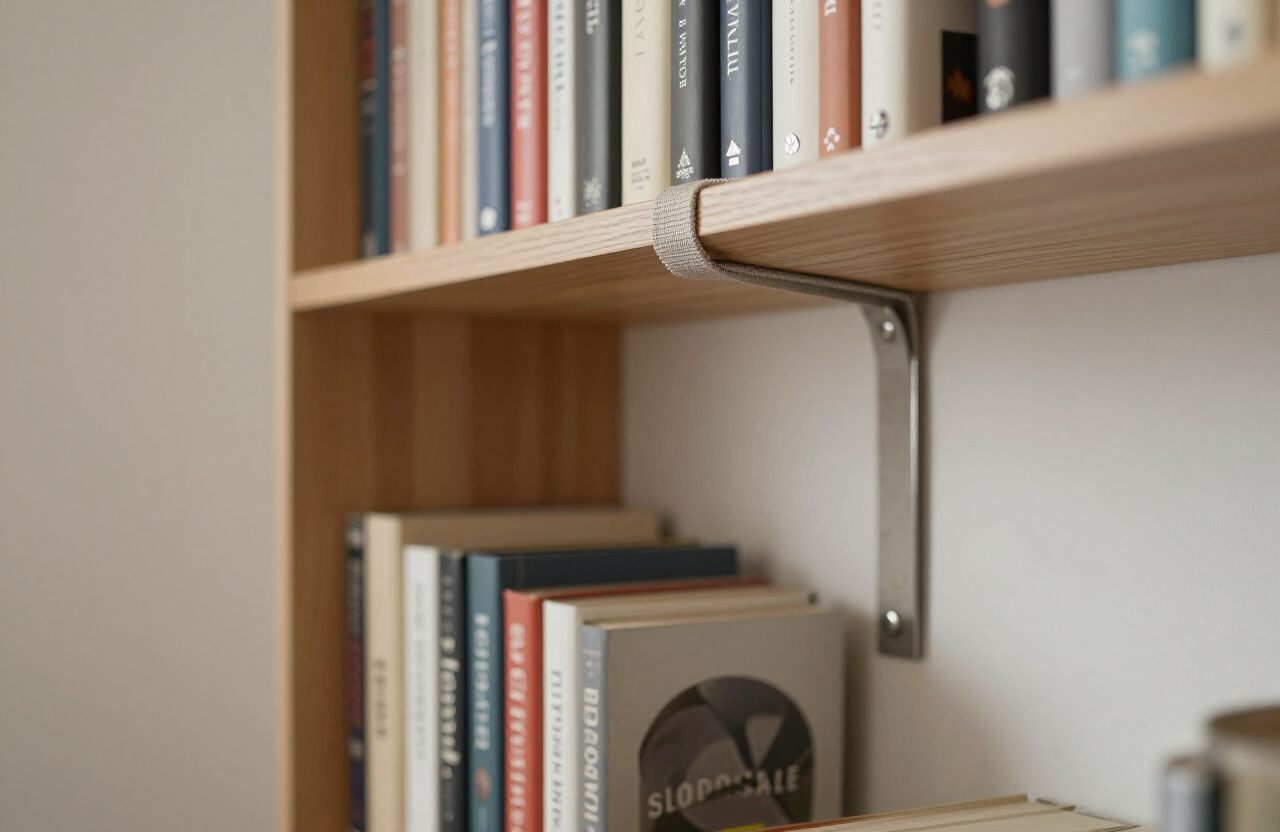
A tall bookshelf or wardrobe is the biggest falling hazard in most apartments. You can secure it without damaging the walls you do not own.
- Use furniture straps that anchor to the wall with a renter-safe adhesive or a small removable hook
- Choose a no-drill tension rod or brace for freestanding pieces
- Place the heaviest items on the bottom shelf to lower the center of gravity
- Ask your landlord before any wall fastener, and keep a spare strap for move-out
Lower and secure breakables
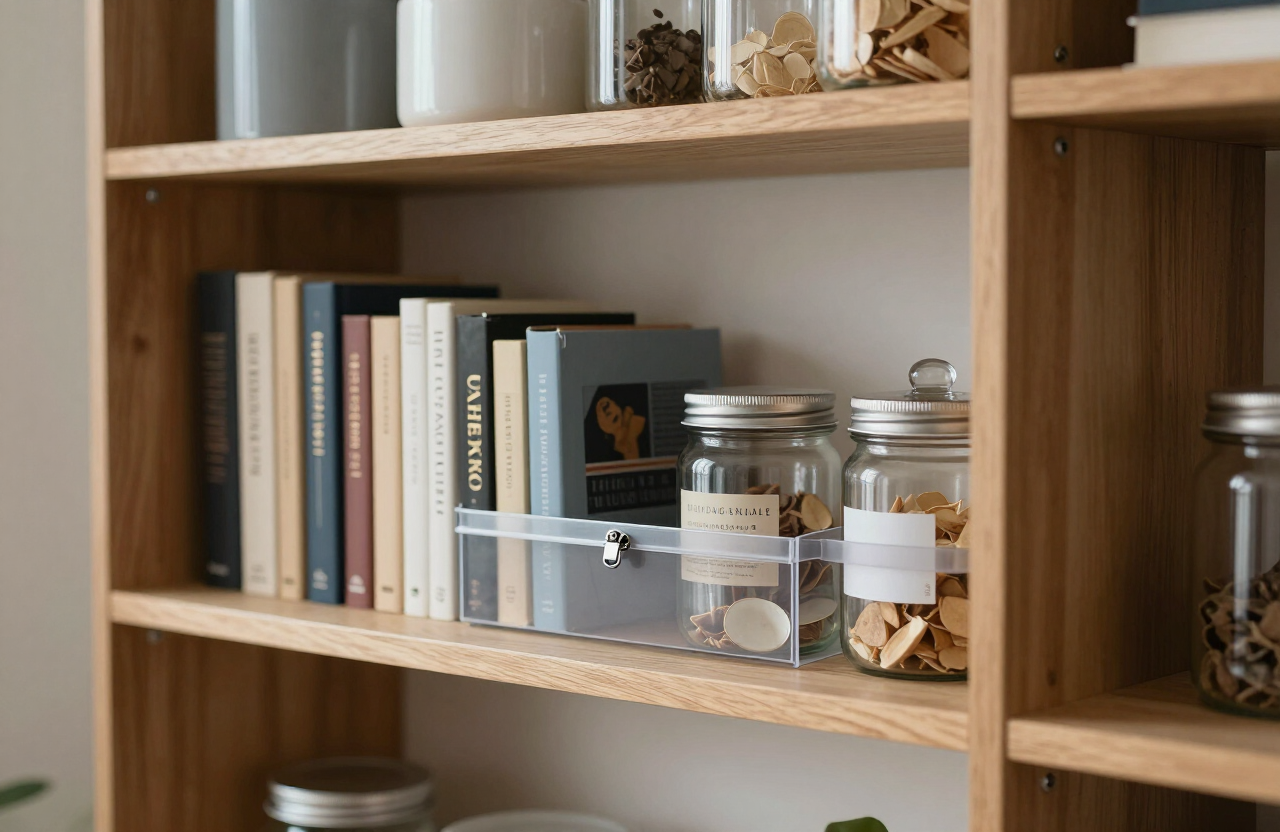
Anything heavy or glass on a high shelf becomes a projectile in a quake. Spend an afternoon rearranging so the things that could hurt you are low or secured.
- Move heavy books, jars, and decor to lower shelves
- Put lightweight items up high and breakables behind closed doors
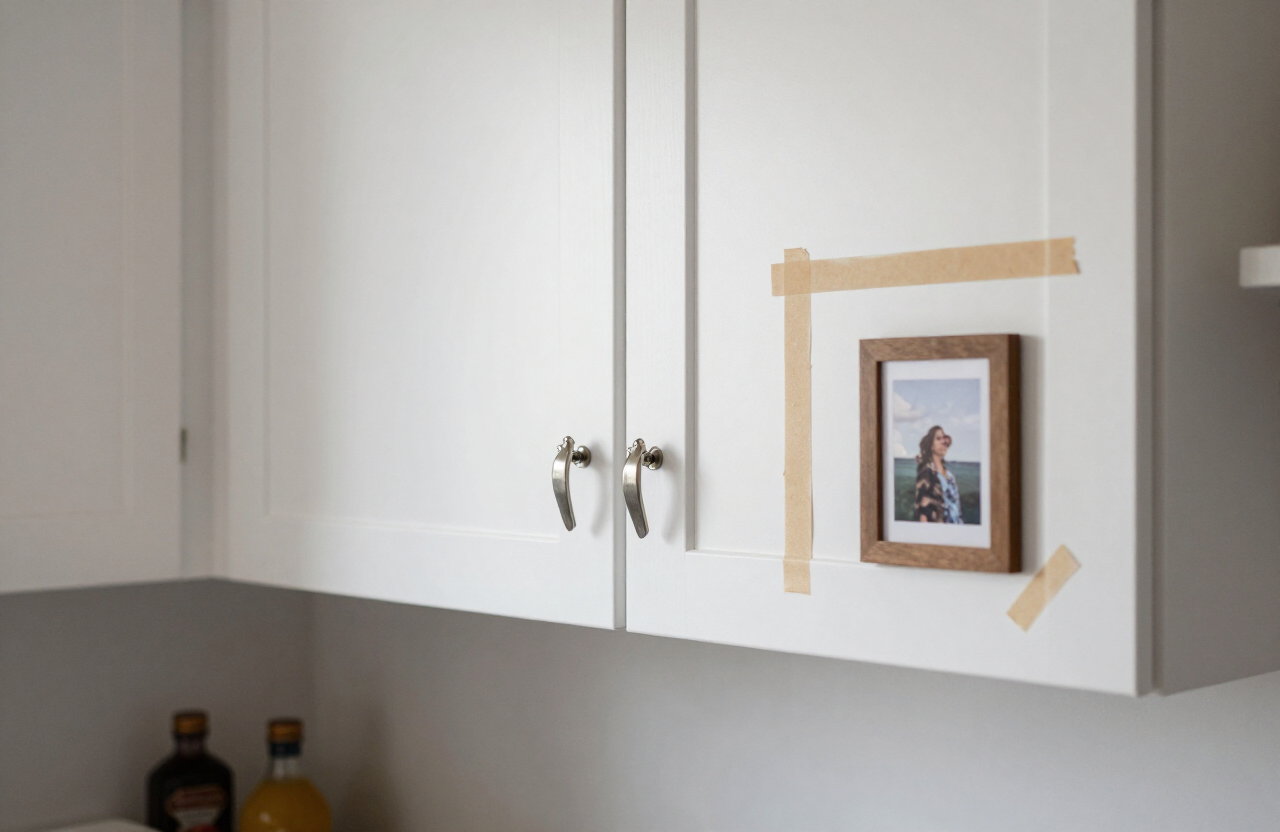
- Use museum putty or non-slip pads under vases and framed photos
- Install simple latches on cabinet doors so they stay shut
Know where to drop, cover, and hold on
The safest move in a quake is to drop to the ground, take cover under a sturdy desk or table, and hold on until the shaking stops. Identify that spot in each room now.
- 1Drop to your hands and knees before the quake knocks you down
- 2Cover your head and neck under a sturdy table or against an interior wall
- 3Hold on to your shelter or your head and neck until the shaking stops
- 4Stay away from windows, tall furniture, and anything that could fall
Stage a quake kit by the bed and door
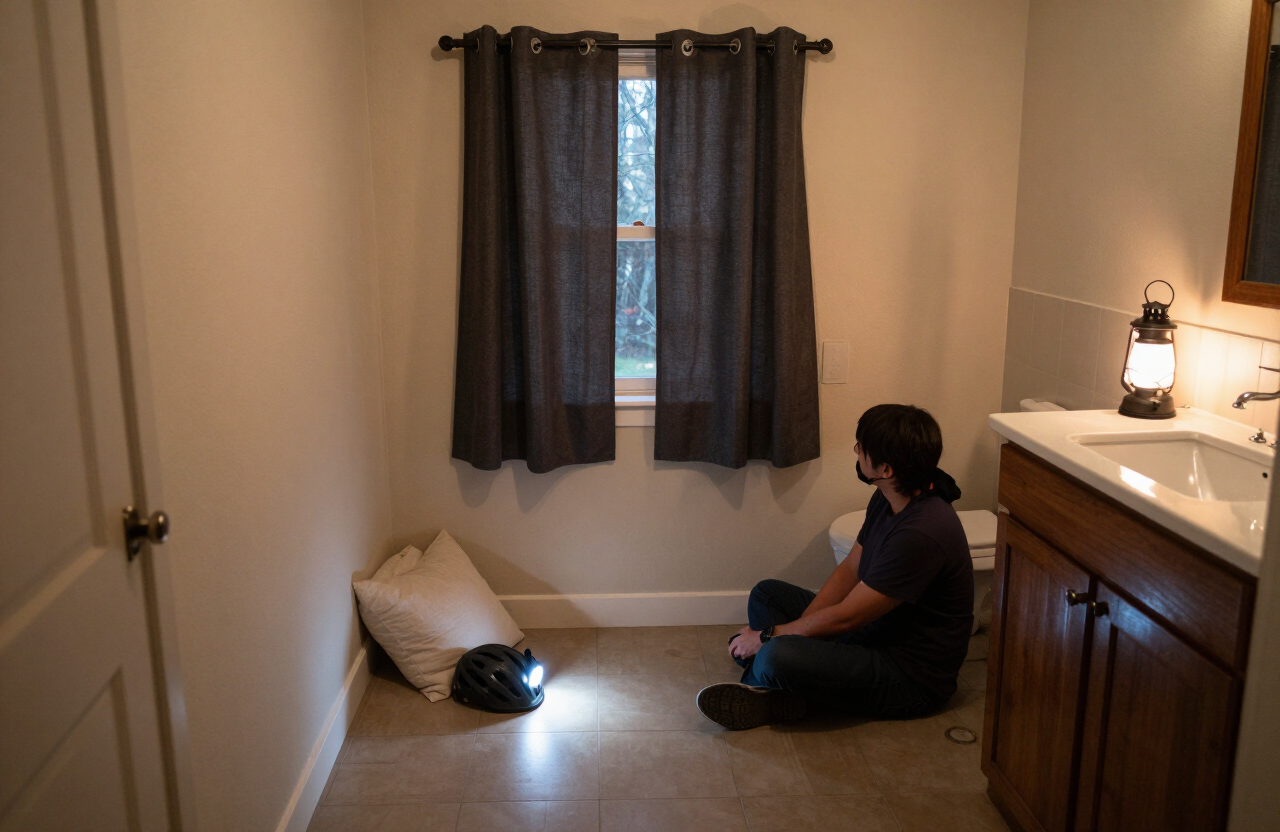
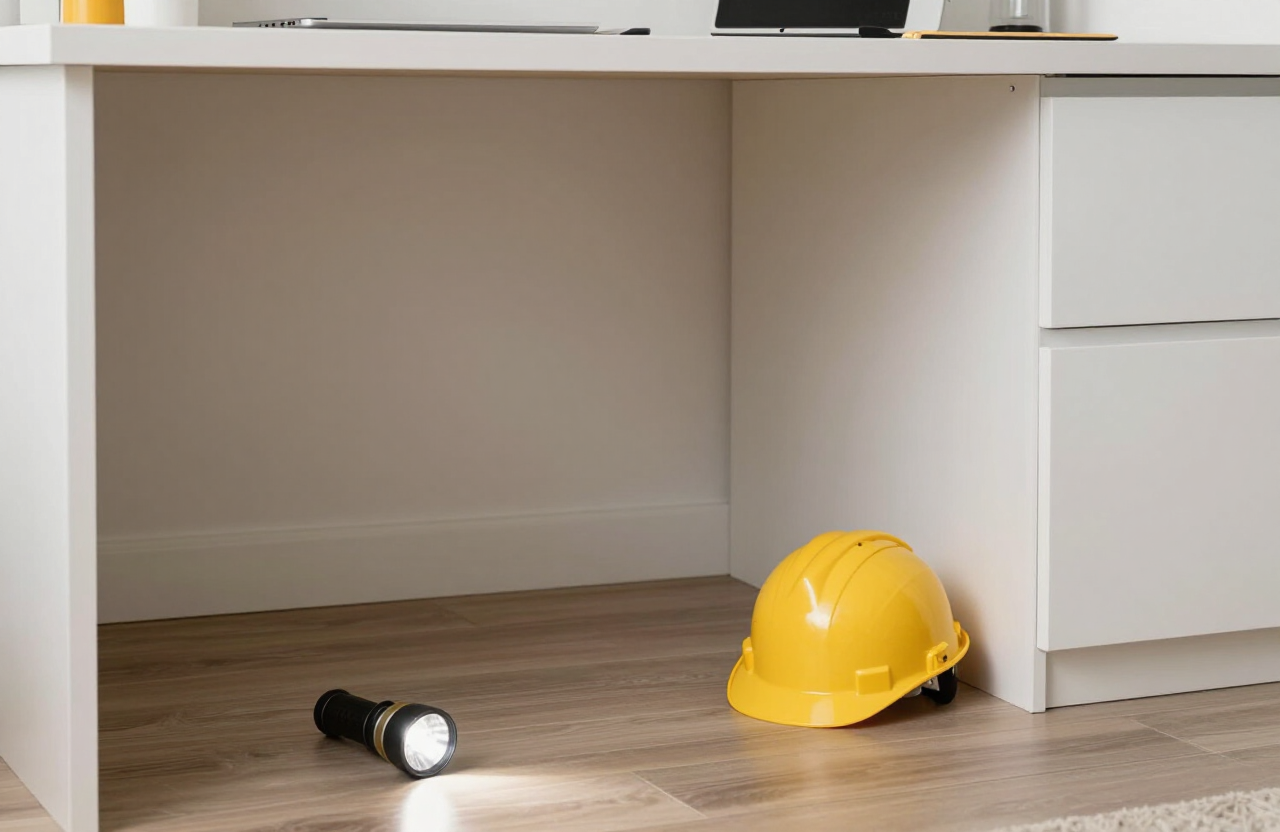
Quakes often hit at night, when the floor is covered in glass and the power is out. Keep the right items within arm reach of your bed and by the door.
- Sturdy shoes under the bed, not in a closet, for broken glass
- A flashlight or headlamp in the nightstand
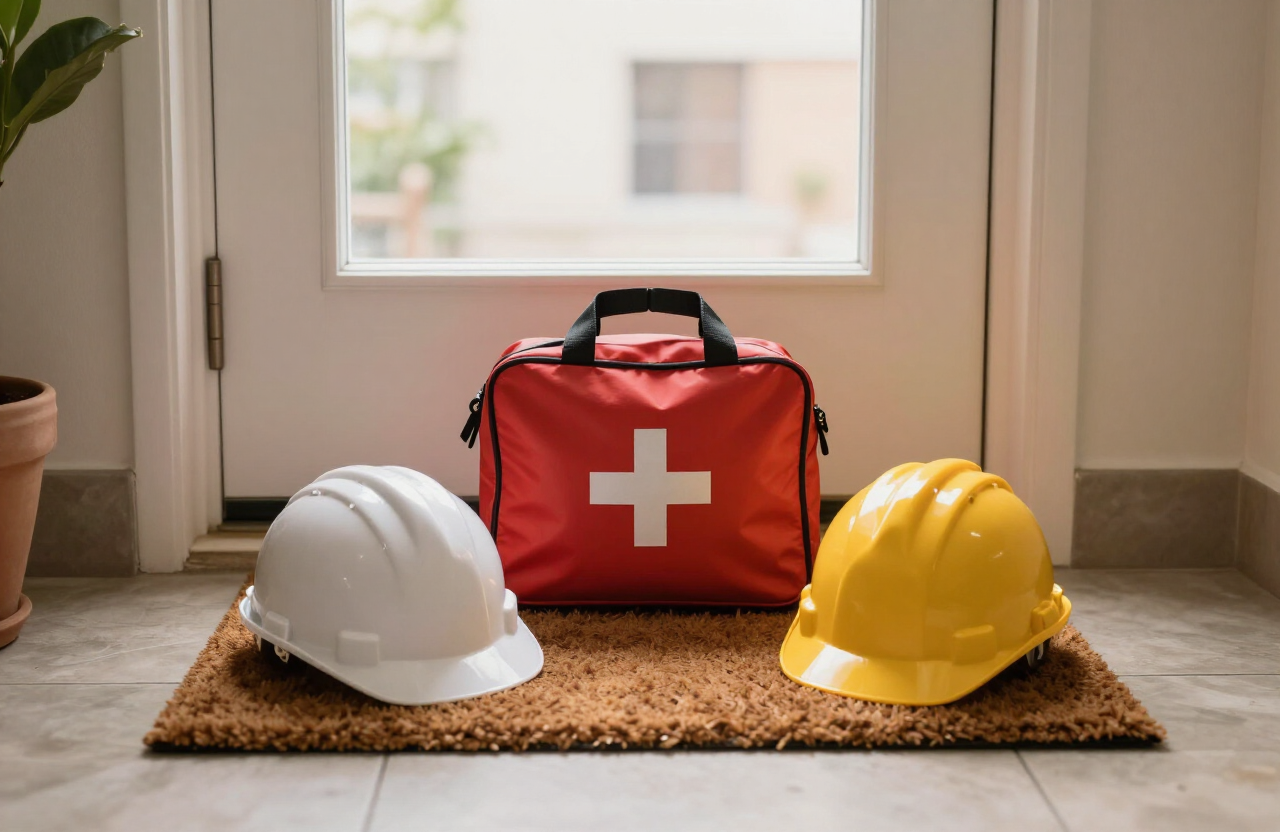
- A hard hat or helmet nearby for aftershock protection
- A small go bag with water, medications, and documents by the door
- A whistle in case you are trapped under debris
After the shaking stops
Aftershocks and gas leaks are the dangers that follow a quake. Move carefully and check your unit before you relax.
| Step | Why it matters |
|---|---|
| Put on sturdy shoes first | Broken glass causes many post-quake injuries |
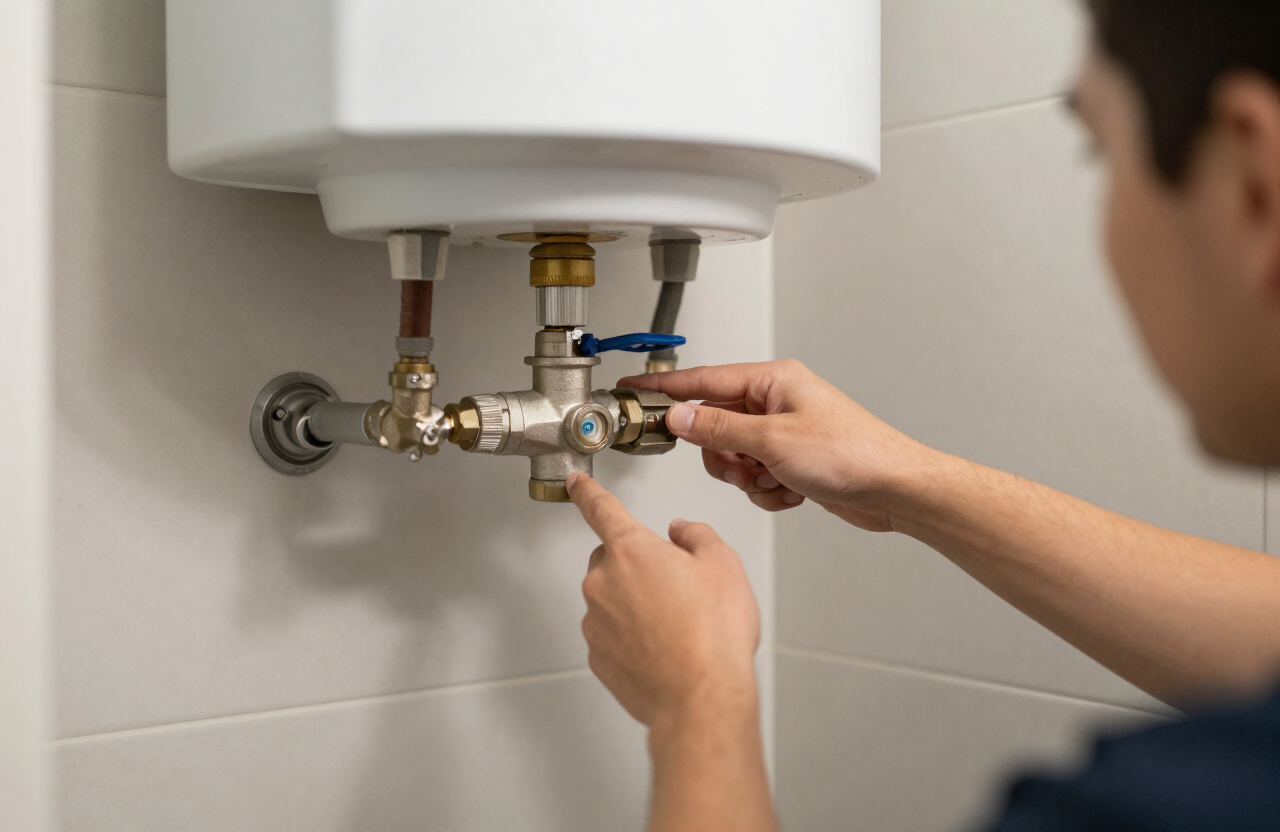
| Check for gas smells | A leak can cause a fire or explosion |
| Inspect for water and electric damage | Leaks and sparks are secondary hazards |
| Be ready for aftershocks | Drop, cover, and hold on again if one hits |
Build the full kit behind this plan with the 72 hour checklist.
Frequently asked questions
Editorial note: this guide provides general preparedness information, not emergency, medical, legal, or engineering advice. Recommendations are cross-checked against public emergency-management guidance and adapted for small-space living. During an active emergency, follow your local authorities and emergency services. See our editorial standards and affiliate disclosure.