Hurricane Season Preparation for Apartment Renters
Hurricane season preparation for apartment renters is different from preparing for a single storm. It means being ready for months at a time, so when a storm forms you only have to top off supplies and decide whether to stay or go. A season long checklist handled early takes the panic out of the days before landfall.
Why season long prep beats last minute panic
The days before a hurricane are when stores sell out of water, batteries, and plywood. Preparing at the start of the season means you already have the basics, and a forming storm only means topping off and deciding whether to leave. It is calmer and cheaper.
Start with a season checklist
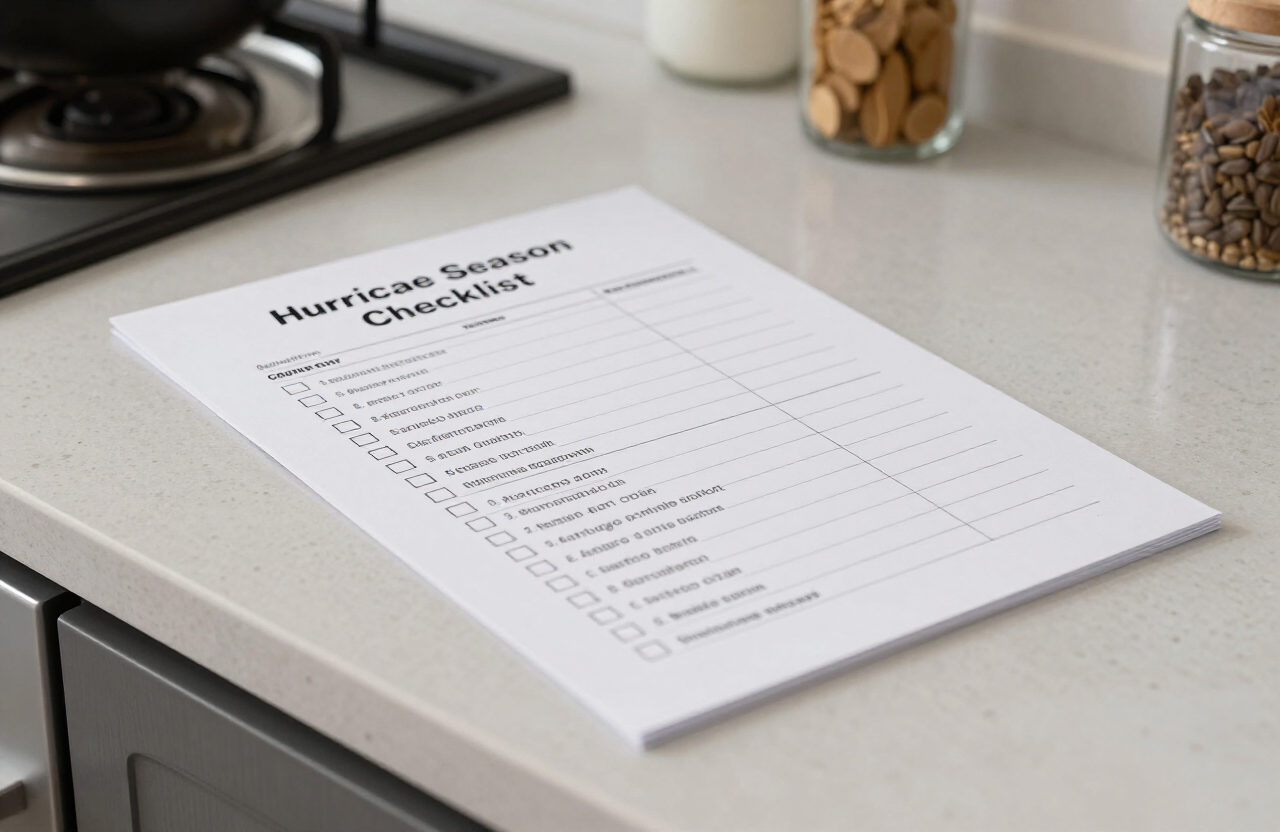
A single checklist handled in the first weeks of hurricane season covers most of what you need. Print it, work through it, and revisit it once a month until the season ends.
- Build a 3 to 7 day water and food supply
- Confirm your renters insurance covers wind and water damage
- Pack or refresh a go bag
- Sign up for local storm alerts and know your evacuation zone
Water and food for days
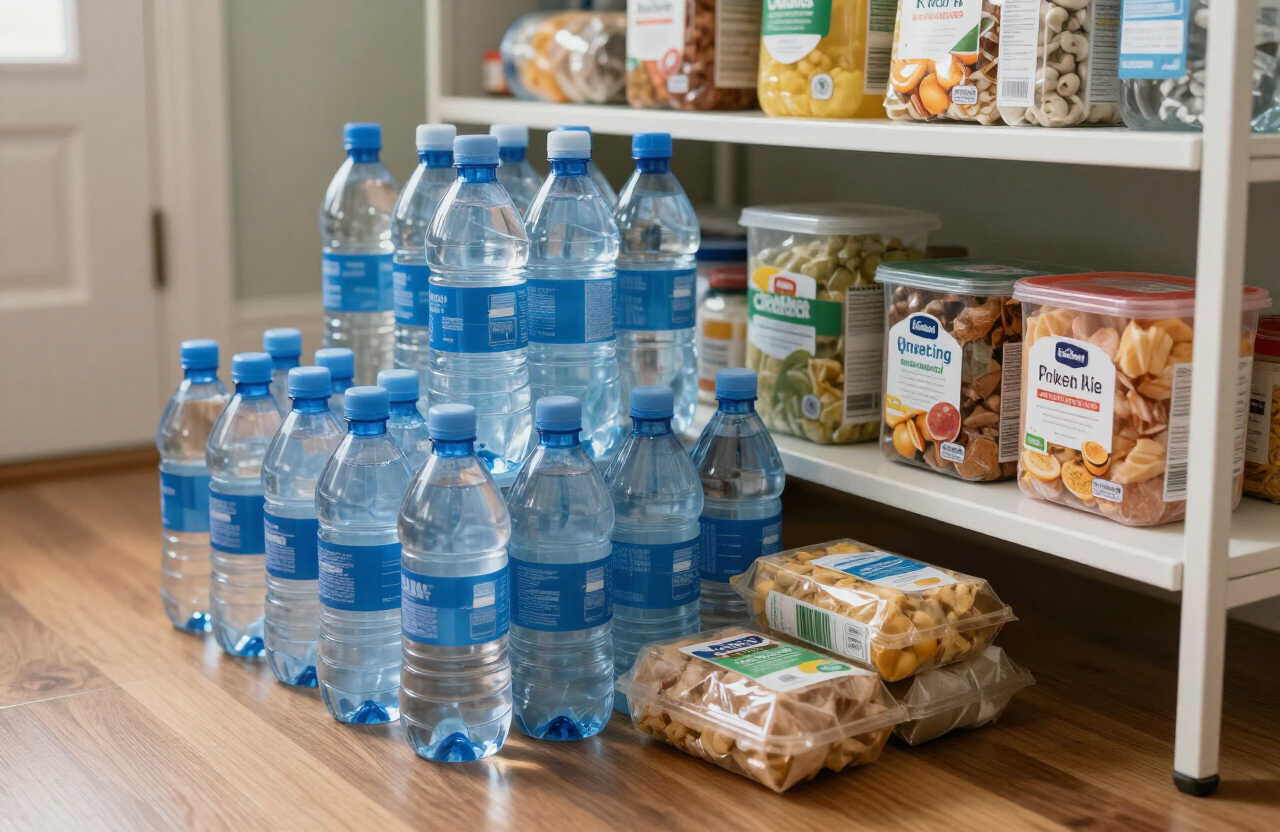
After a hurricane, power and water can be out for days. Store enough for at least three days, and aim for seven if you live in a storm prone region. In a small apartment, that means under bed bins and closet shelves, not a garage.
- One gallon of water per person per day, minimum
- Shelf stable food that needs no cooking or water
- A manual can opener
- Food for pets and any special dietary needs
Check your renters insurance
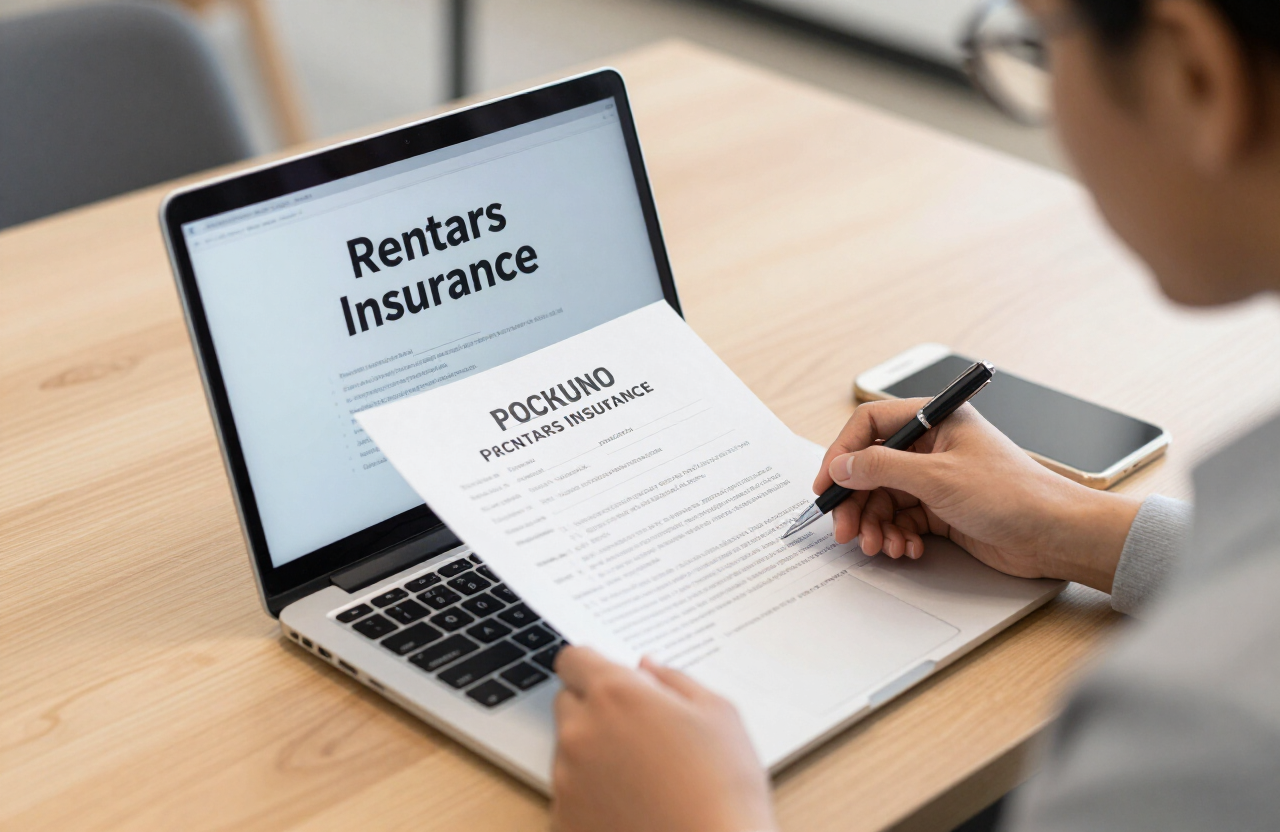
Renters insurance is cheap and often required, but not every policy covers hurricane damage the same way. Wind, water, and flooding can be covered separately. Check your policy at the start of the season, not after a storm.
- Confirm your policy covers wind and water damage
- Ask whether you need separate flood coverage
- Check your deductible for hurricane claims
- Photograph your belongings for a claim inventory
Pack a go bag and protect documents
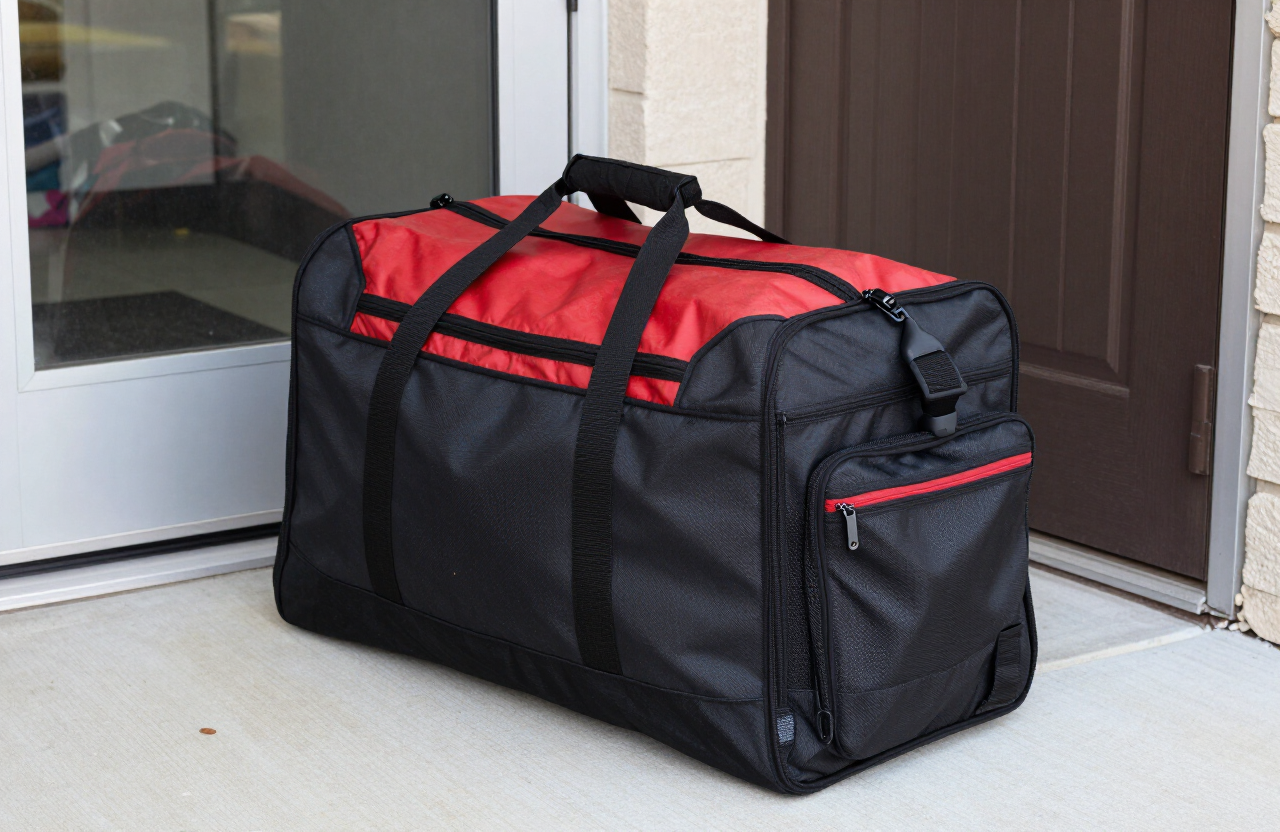
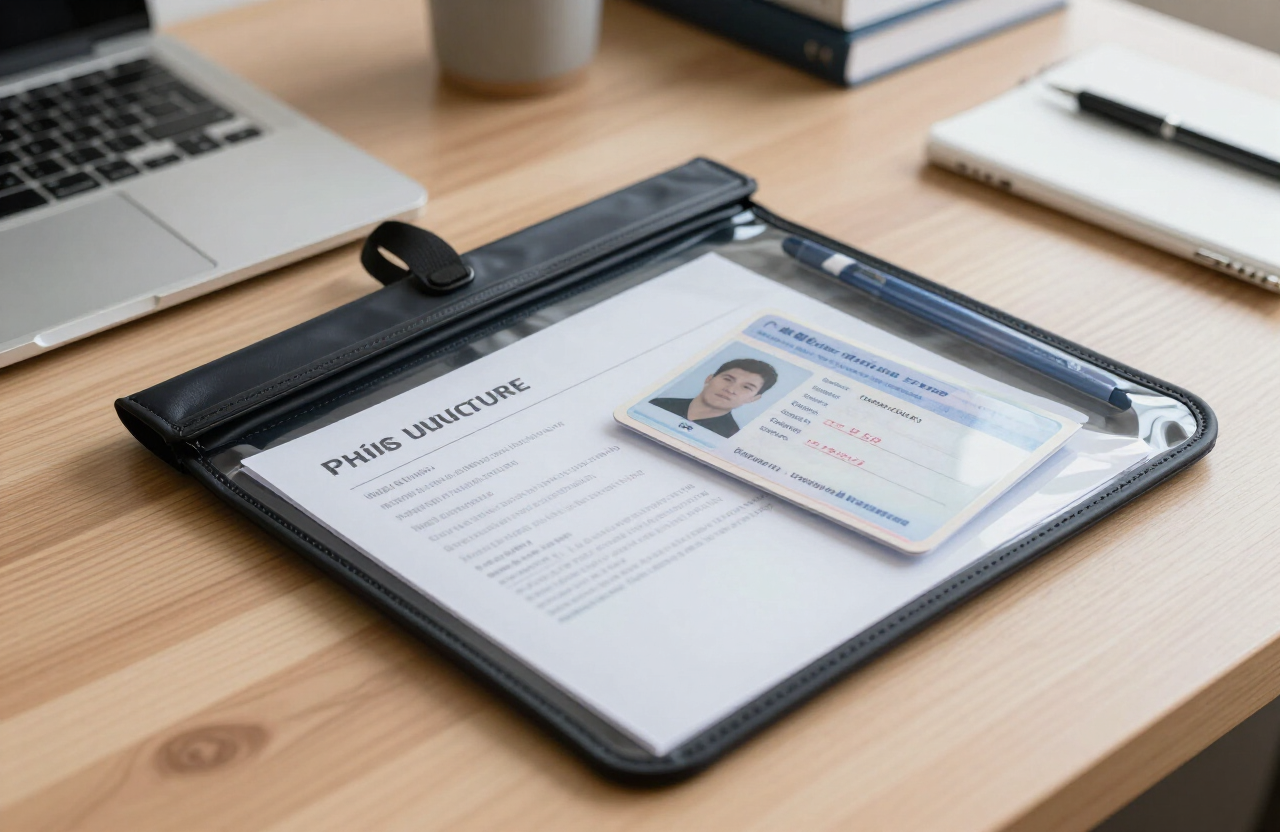
If you have to evacuate, you will not have time to gather everything. A packed go bag and a waterproof document pouch mean you can leave in minutes with what matters.
- Pack a go bag with clothes, meds, chargers, and cash
- Keep IDs, insurance, and lease in a waterproof pouch
- Store digital copies in a secure cloud account
- Keep the bag by the door during active storm threats
Track storms and know your zone
Once the basics are in place, the rest of the season is about tracking and deciding. Know your evacuation zone now, and watch every storm so you have days to decide, not hours.
- Learn your evacuation zone from local emergency management
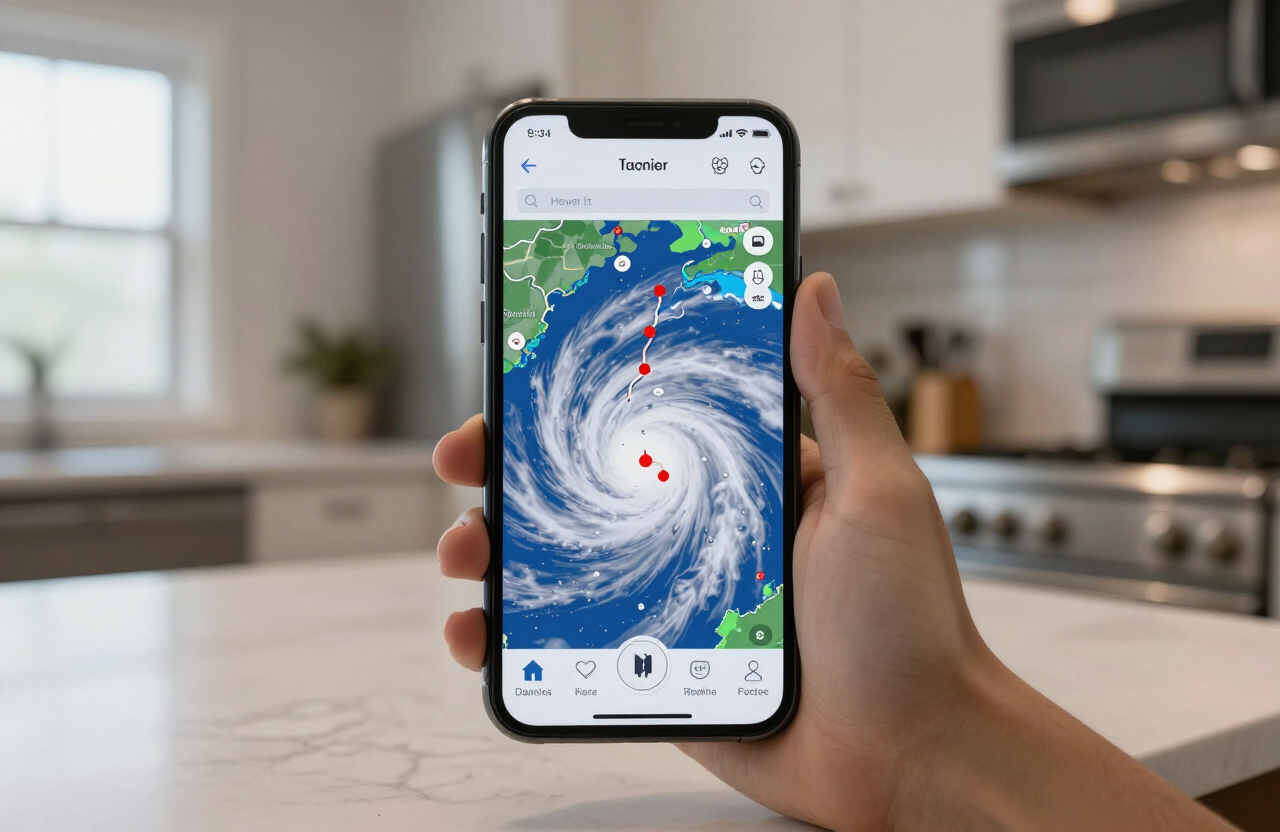
- Install a hurricane tracking app
- Fill your gas tank or plan transit when a storm forms
- Top off water, food, and cash as a storm approaches
For the single storm playbook, see our renter hurricane preparation guide.
Frequently asked questions
Editorial note: this guide provides general preparedness information, not emergency, medical, legal, or engineering advice. Recommendations are cross-checked against public emergency-management guidance and adapted for small-space living. During an active emergency, follow your local authorities and emergency services. See our editorial standards and affiliate disclosure.