Renter Hurricane Preparation Without Boarding Windows
Every hurricane guide eventually says board your windows. Renters cannot. You do not own the building, you cannot install shutters, and plywood on a rental window can cost you your deposit. The good news is that the highest-value hurricane steps are interior ones you fully control.

Why boarding windows is not the main event
Boarding windows protects glass, and that matters. But the steps that protect you, the person, happen inside the apartment: where you shelter, what you stage, and when you leave. A renter who controls those three things is better prepared than a homeowner with plywood and no plan.
This guide covers what you can do without touching the building, and where to draw the line on staying versus going.
For the broader storm picture, see our renter storm-prep guide.
Pick your interior shelter room now
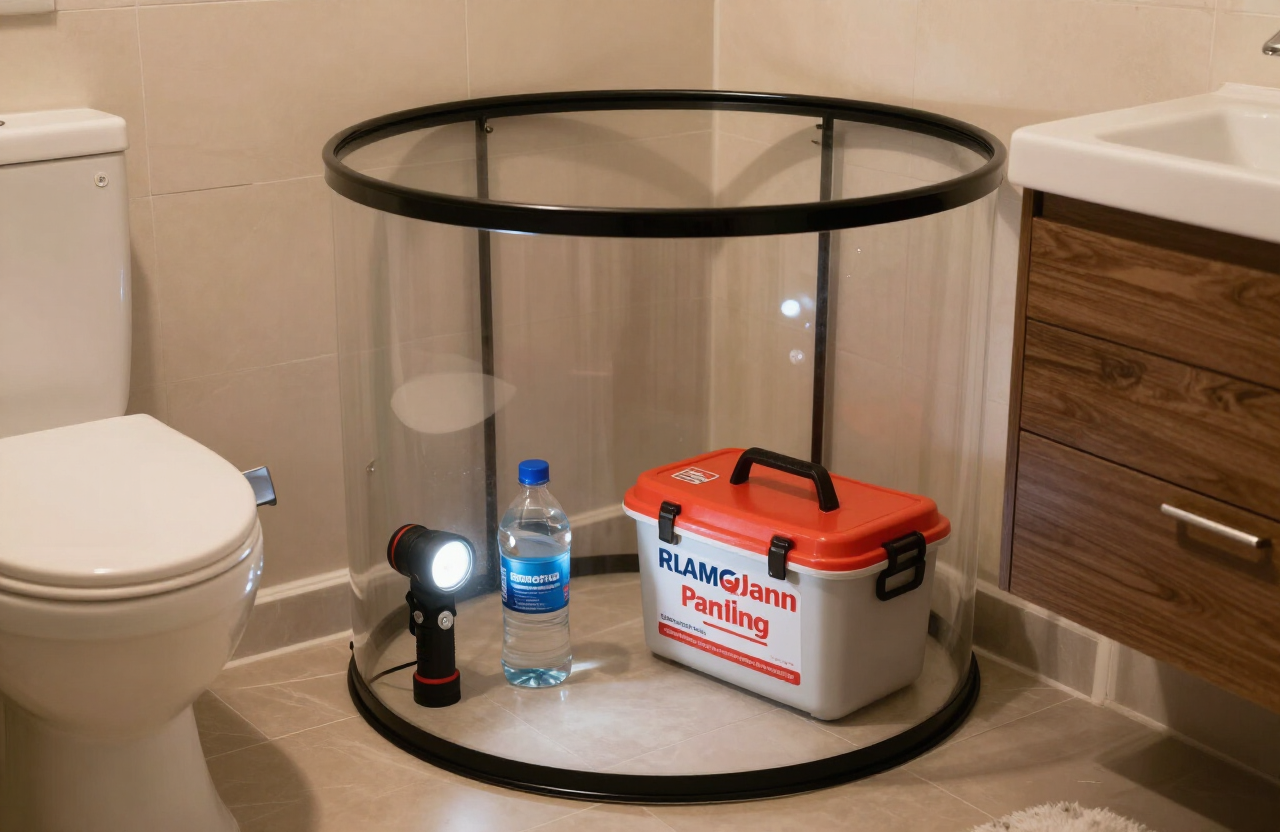
Before the season, walk your apartment and choose the room you will shelter in. The best spot has no windows and as many walls between you and outside as possible.
- A bathroom is often the best choice: small, interior, and plumbing walls add strength
- A hallway or closet works if you have no interior bathroom
- Avoid rooms with large windows or exterior doors
- Keep your kit and go-bag ready to move into this room
Renter-safe window and door steps
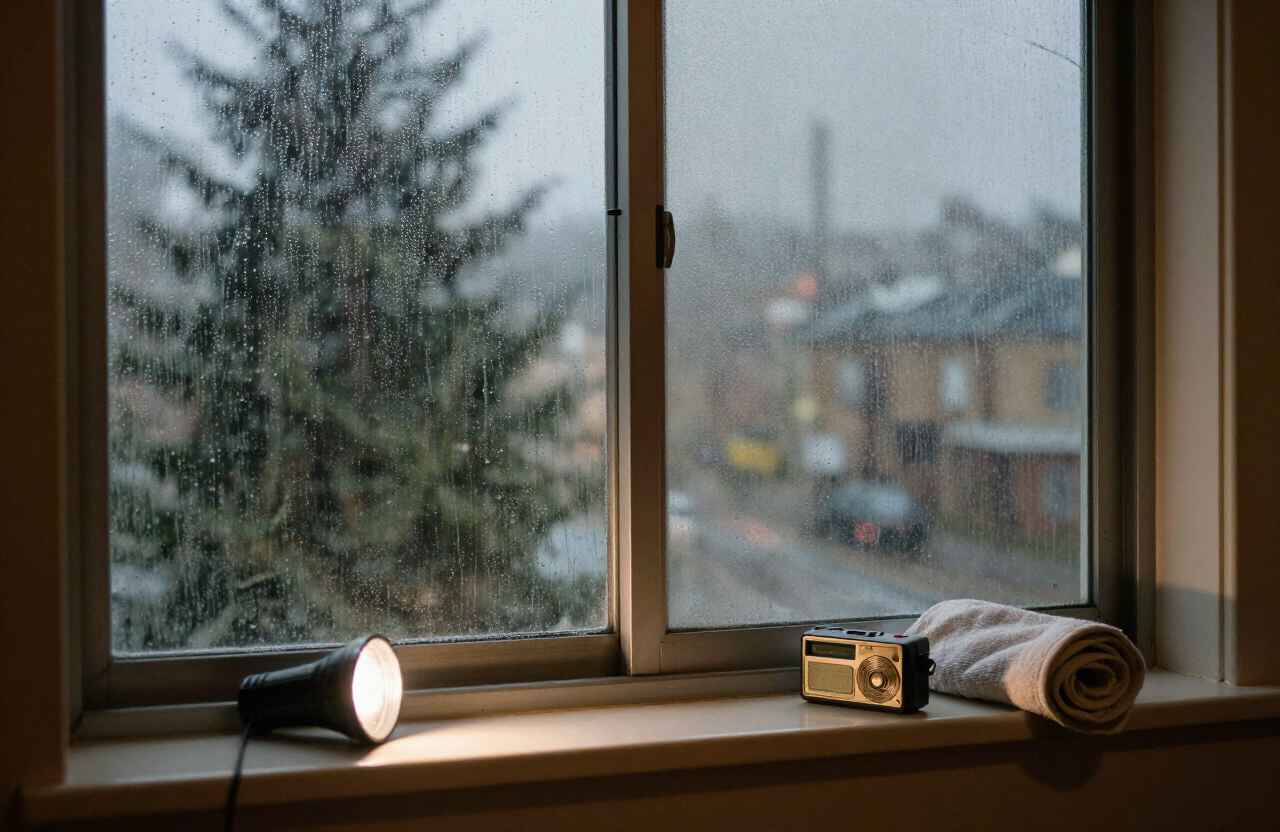
You cannot board the windows, but you can reduce how far glass travels and how much water comes in. These steps take an hour and need no tools that damage the building.
- Close and lock windows; locked sashes seal tighter against wind-driven rain
- Close blinds and curtains to catch glass fragments
- Move furniture, beds, and your shelter spot away from window walls
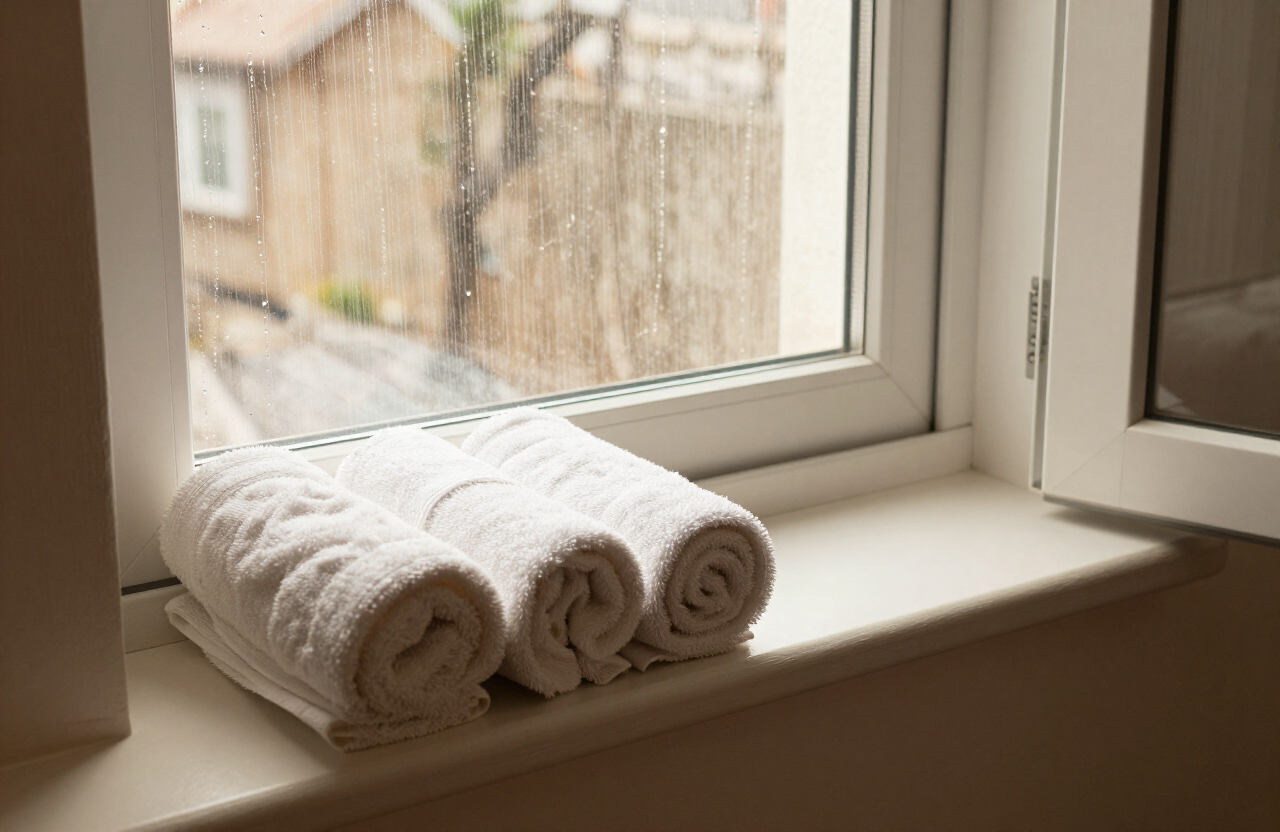
- Roll towels at window sills and door thresholds for wind-driven water
- Bring in or store every balcony item; furniture and planters become projectiles

Stage water and supplies 48 hours out
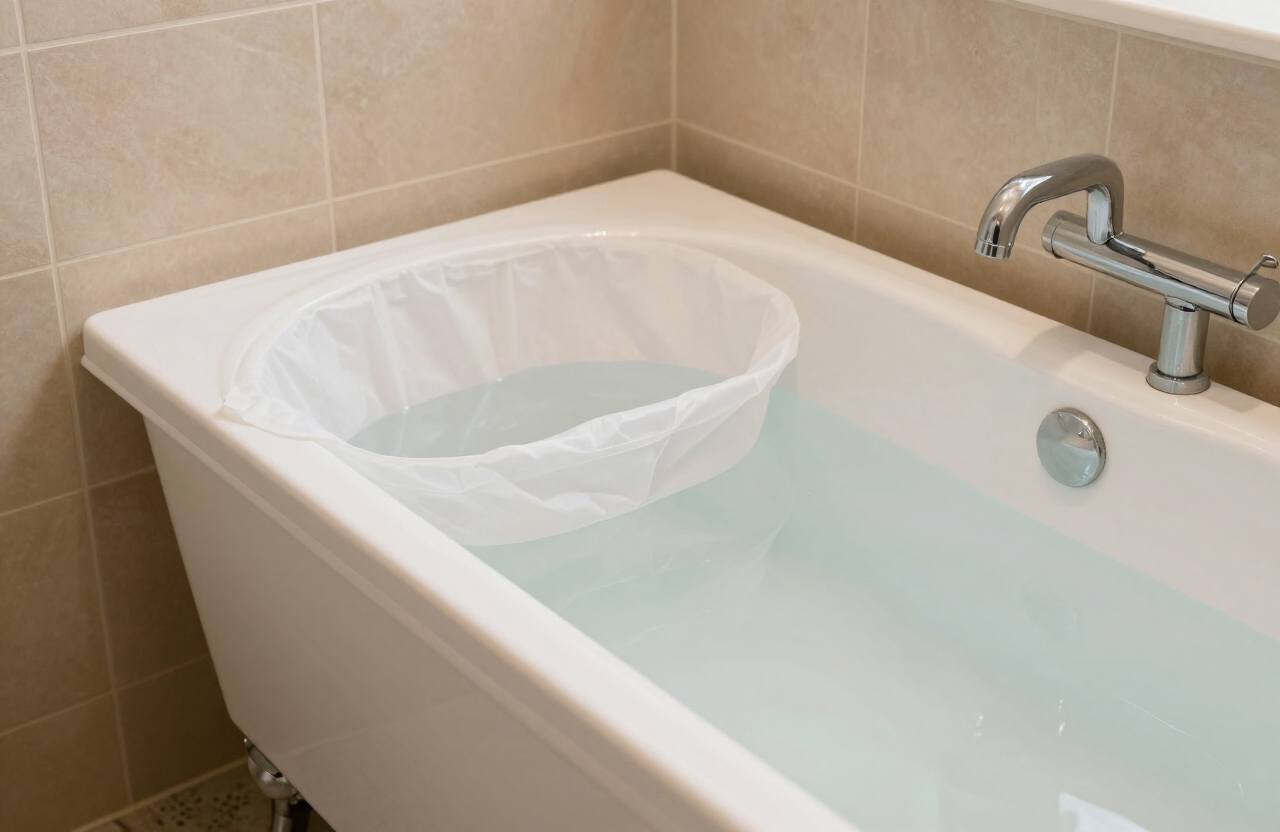
When a storm is forecast, fill every container you own, plus the bathtub if you have a liner. Upper floors can lose water pressure when pumps lose power, and a full tub is a few dozen gallons of flushing and washing water.
- Fill the bathtub with a liner for sanitation water
- Fill water bottles and any clean food containers for drinking
- Charge every device and power bank, and set phones to low-power mode
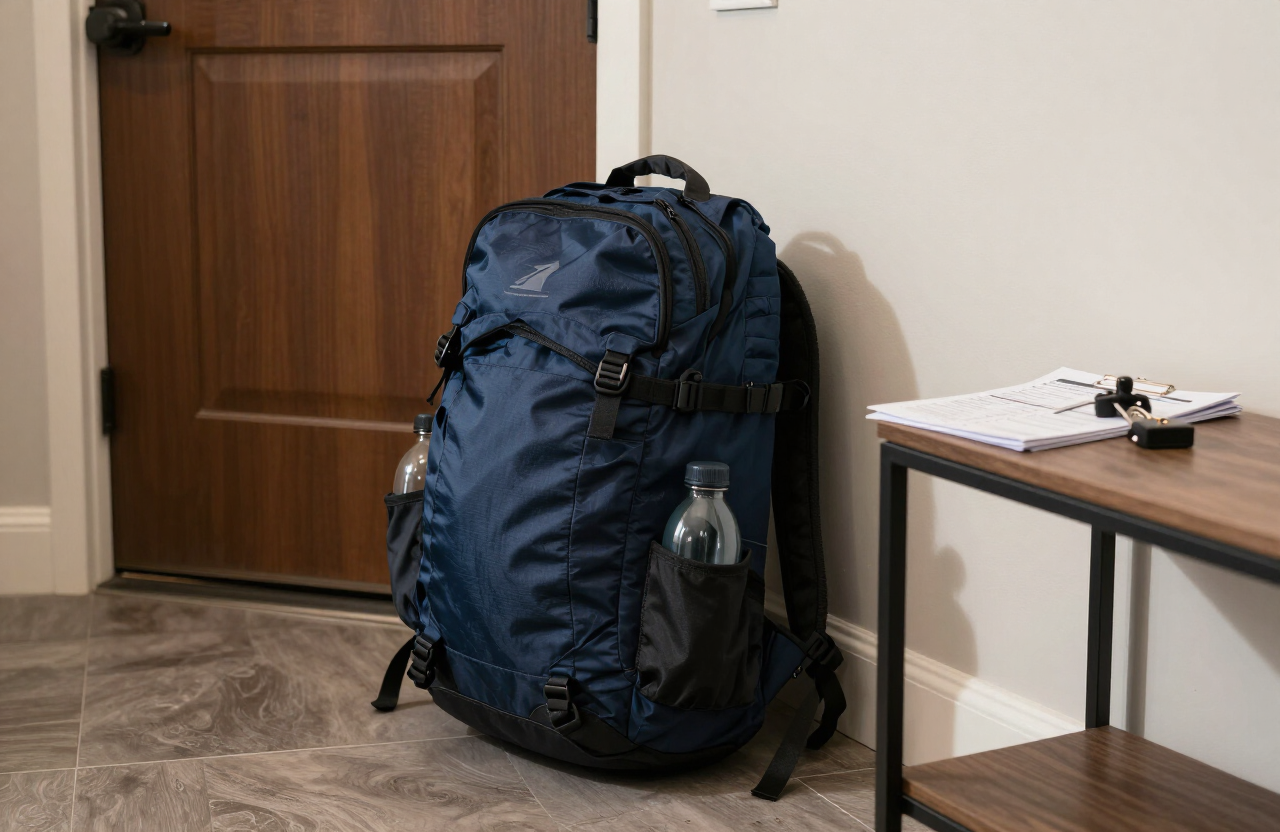
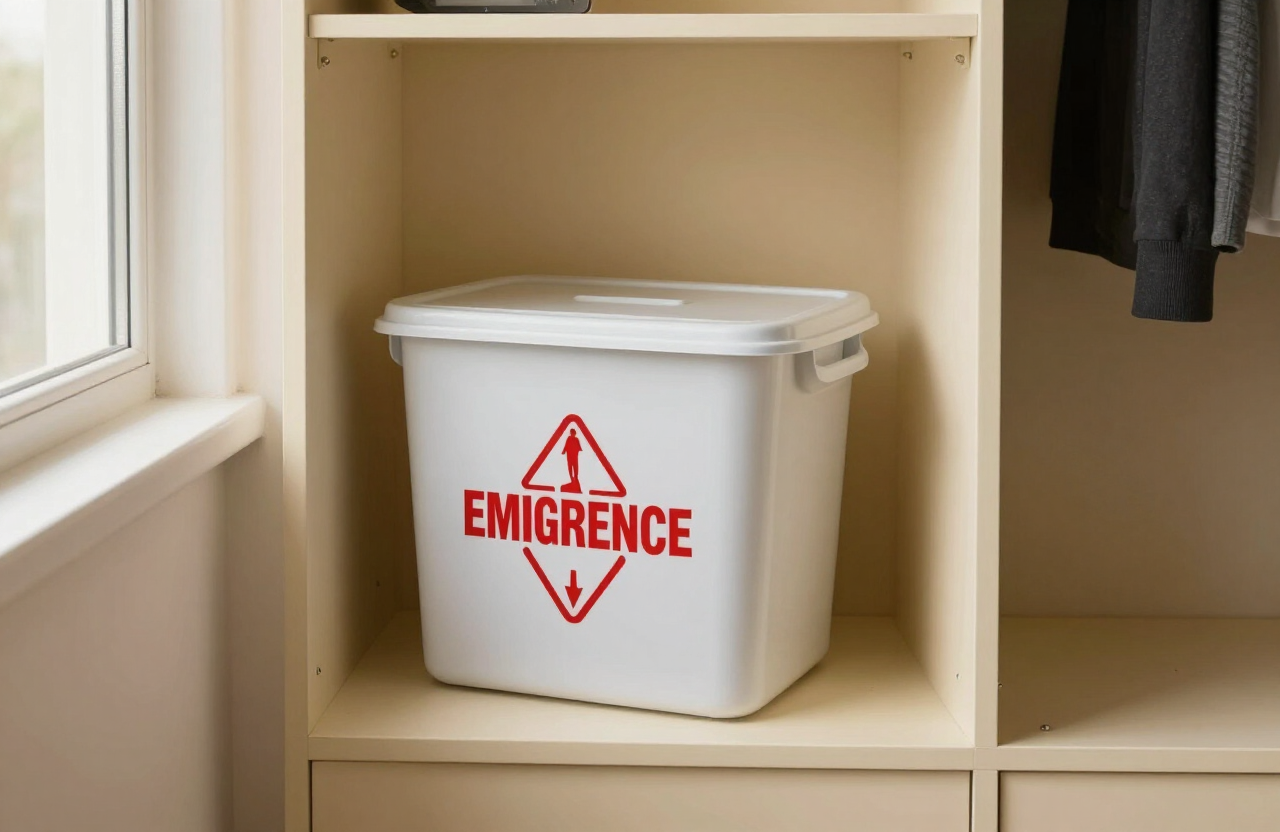
- Move your emergency kit and go-bag into your shelter room
- Photograph your unit and belongings for insurance before the storm
See the water math in our apartment water storage guide.
Move your kit into the shelter room
Your supplies do no good in a closet across the apartment if you are sheltering in the bathroom. Before the worst weather, move the essentials into your shelter room so you do not have to cross the apartment in the dark.
- Water, snacks, and the manual can opener
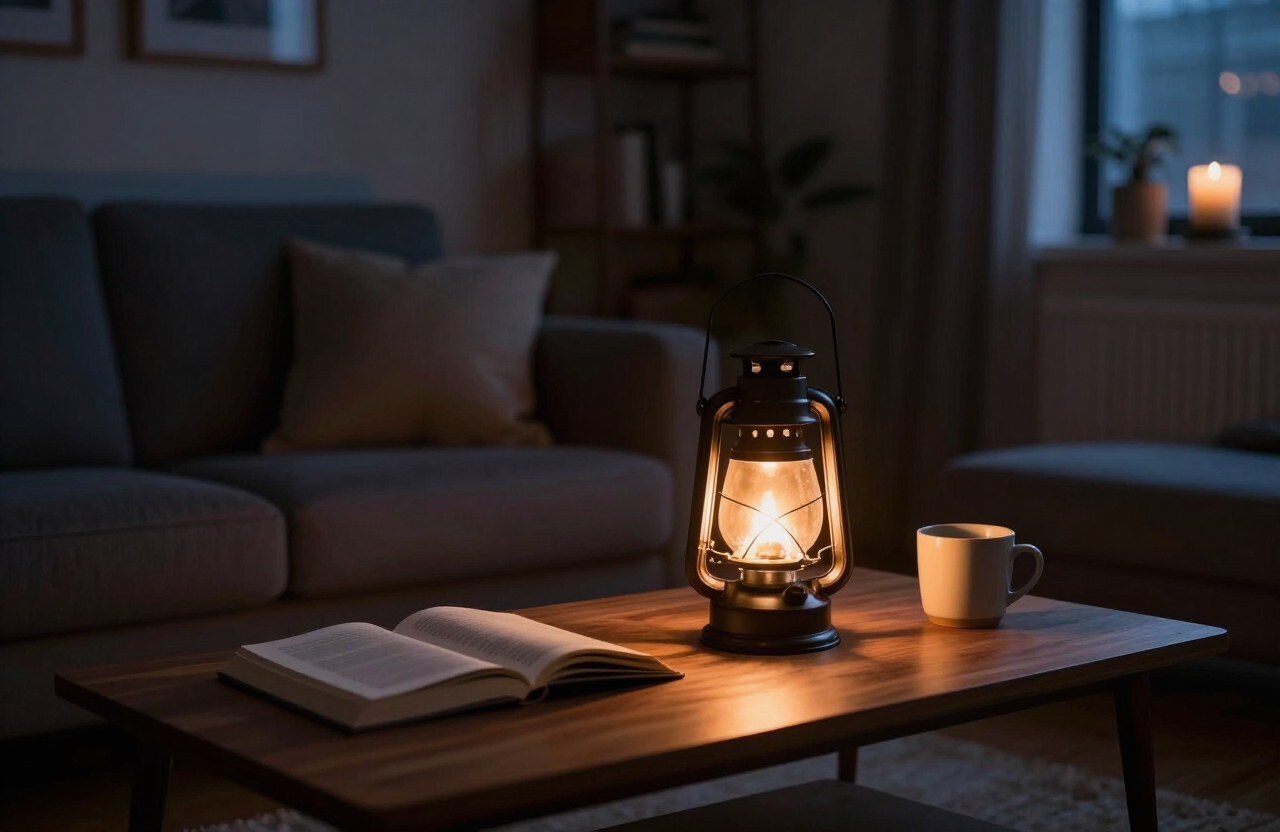
- Lantern, flashlights, and spare batteries
- Power bank and phone
- First-aid kit and medications
- Documents pouch and cash
- A whistle and sturdy shoes in case of glass
The stay-or-go framework for renters
Renters often hesitate to leave a home they do not own. Use three clear triggers instead of gut feel, and decide them before the storm, not during.
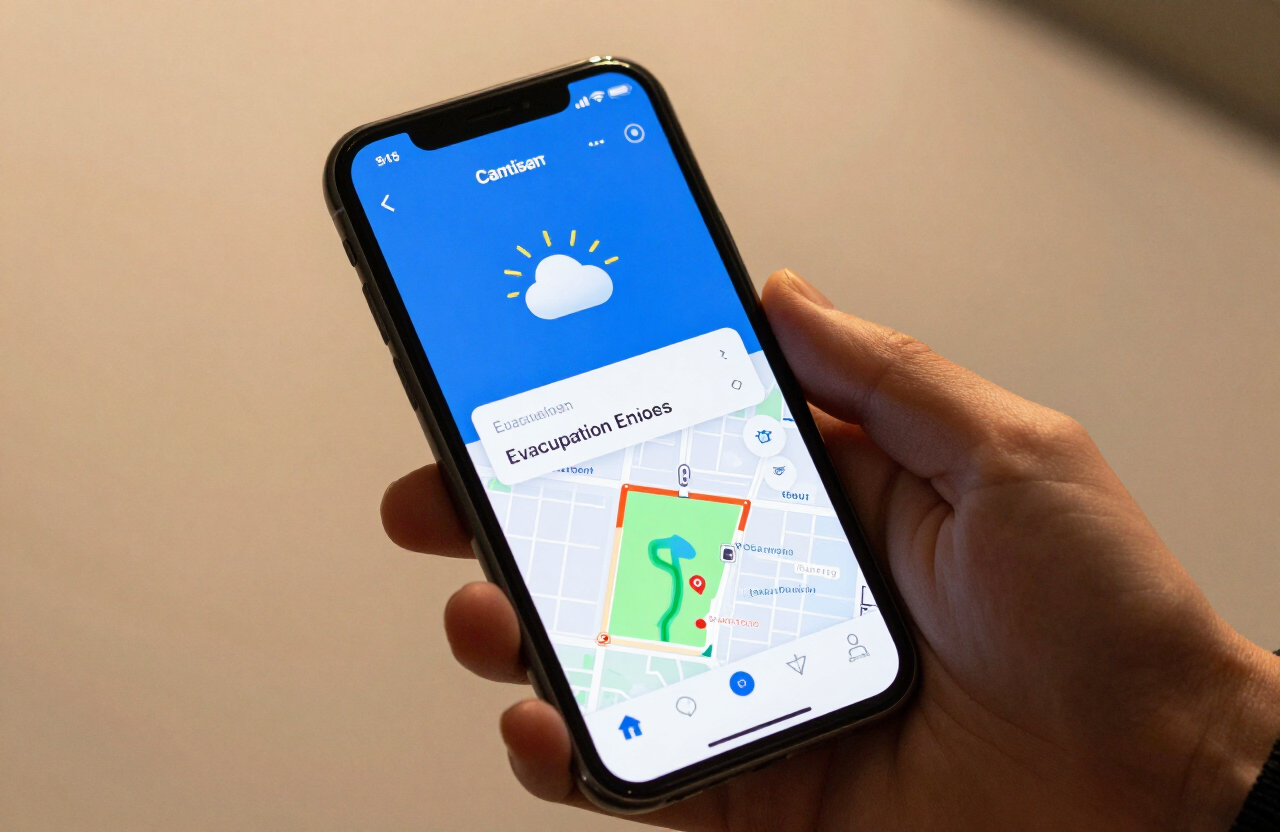
- 1Official orders: if your zone is told to evacuate, go. Orders account for storm surge and flood risk you cannot judge from a window
- 2Building vulnerability: older buildings, top floors, and large window walls argue for leaving earlier
- 3Personal factors: medical needs, infants, or mobility limits mean leaving early while routes are open
If you stay, shelter in your interior room during the worst winds, keep shoes and a flashlight within reach, and never go outside during the eye. The back side of the storm follows the calm.
If you go, grab the bag from our apartment go-bag guide.
After the storm: renter-specific caution
The hours after a hurricane are when a lot of injuries happen. Take it slow and treat your apartment as possibly damaged until you check it.
- Watch for broken glass, water on floors, and loose fixtures
- Do not wade into flood water; it can hide hazards and carry bacteria
- Photograph any damage for your landlord and renter insurance
- Check on neighbors, especially older or disabled residents, if you can do so safely
You do not need plywood to be ready. You need an interior room, a staged kit, and a decision made before the wind picks up.
Small Space Emergency editorial team
Frequently asked questions
Editorial note: this guide provides general preparedness information, not emergency, medical, legal, or engineering advice. Recommendations are cross-checked against public emergency-management guidance and adapted for small-space living. During an active emergency, follow your local authorities and emergency services. See our editorial standards and affiliate disclosure.