Apartment Flood Preparation for Renters
Apartment flood preparation for renters means working with a building you do not own. You cannot regrade the yard or install a sump pump, but you can protect your belongings, seal your own entry points, and have a plan for the moment water appears. A few hours of preparation prevent most of the damage and stress.
Know your flood risk before the storm
Flood risk in an apartment depends on your floor, your building location, and the type of event. A ground floor unit in a low area faces the highest risk, but upper floors are not immune, because water travels through shared pipes, roofs, and windows.
- Check your local flood map to see if your building sits in a flood prone zone
- Learn whether your building has a history of pipe bursts or roof leaks
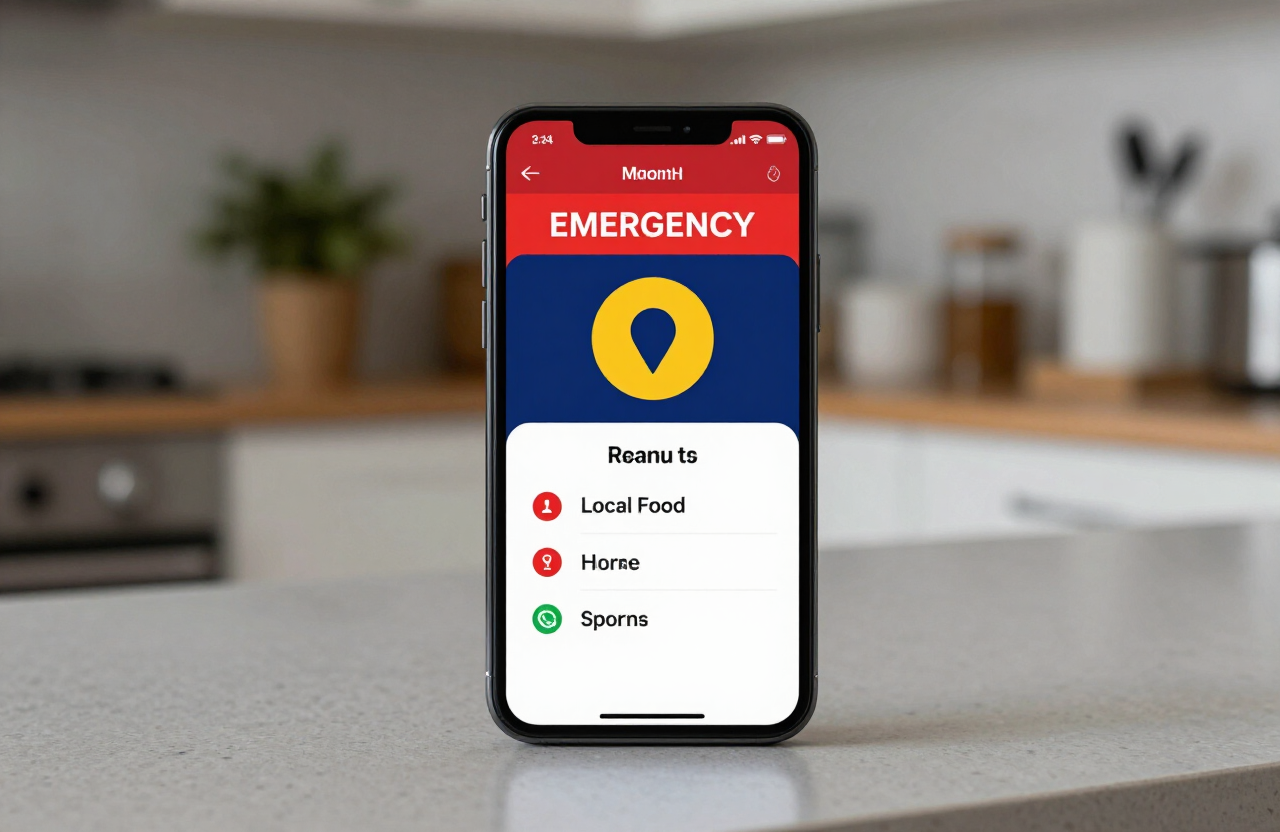
- Sign up for local emergency alerts so you hear about watches and warnings early
- Confirm whether your renters insurance covers water damage and which types
Protect what water would ruin first
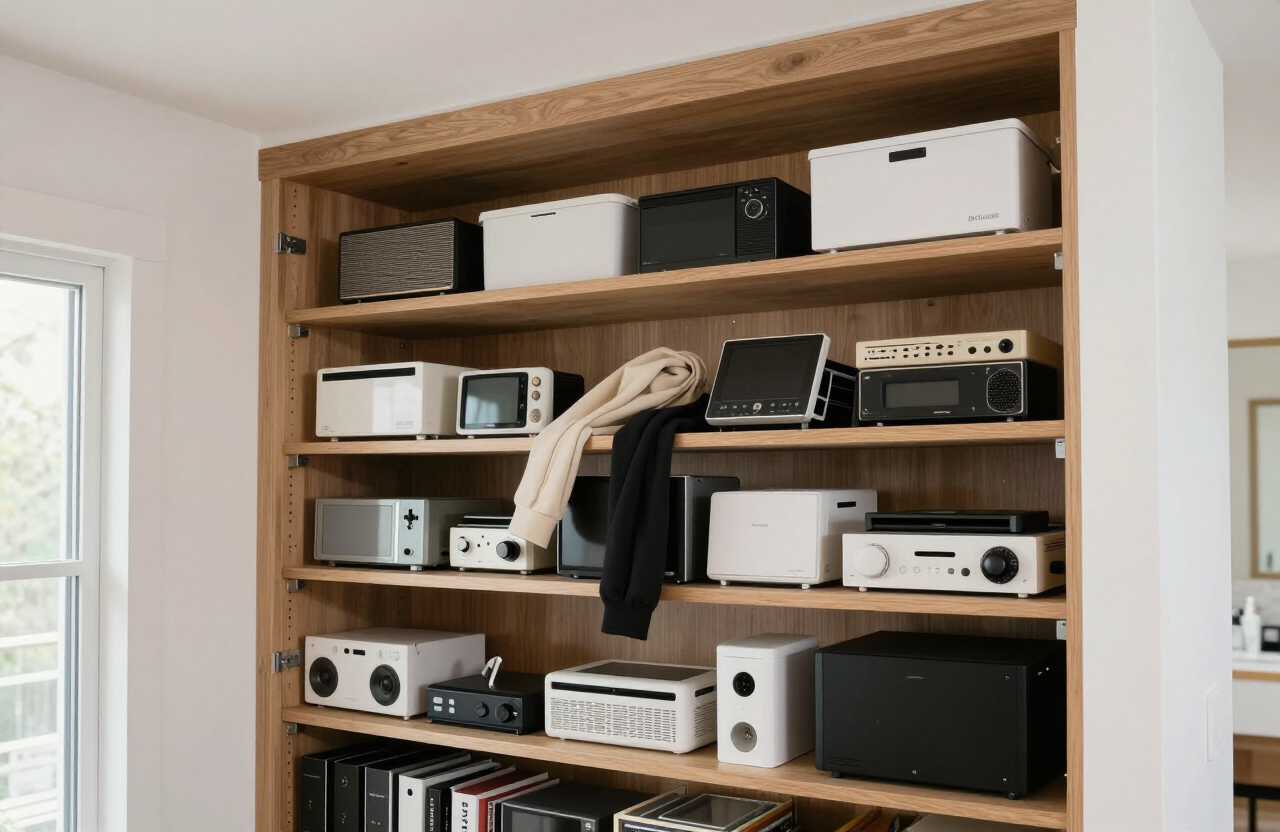
Water destroys from the bottom up, so the first move is to lift anything that cannot be replaced.
- 1Move electronics, documents, and keepsakes to upper shelves or a higher floor
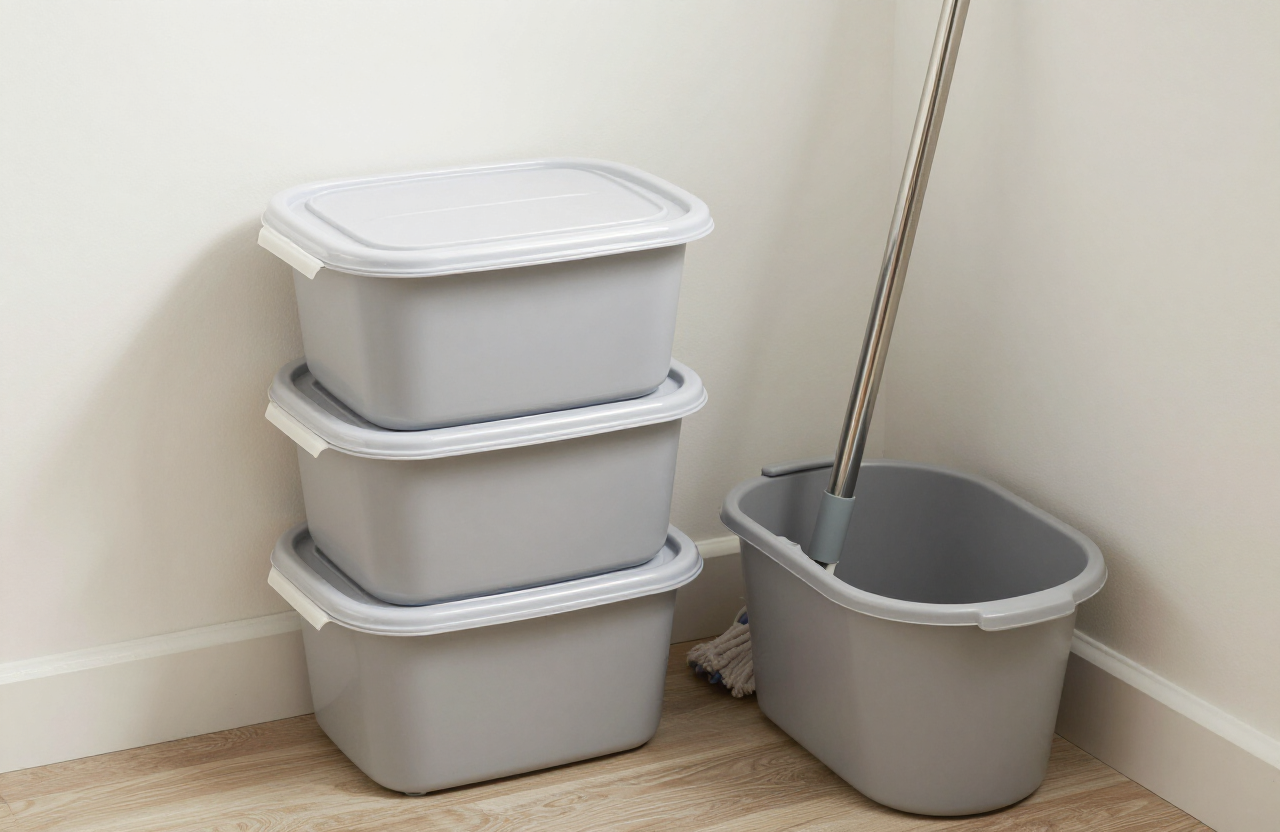
- 2Store valuables in sealed plastic bins rather than cardboard boxes
- 3Roll up rugs and move them off the floor if you have warning
- 4Lift furniture legs onto blocks or bricks if you cannot move the piece
Seal the entry points you control
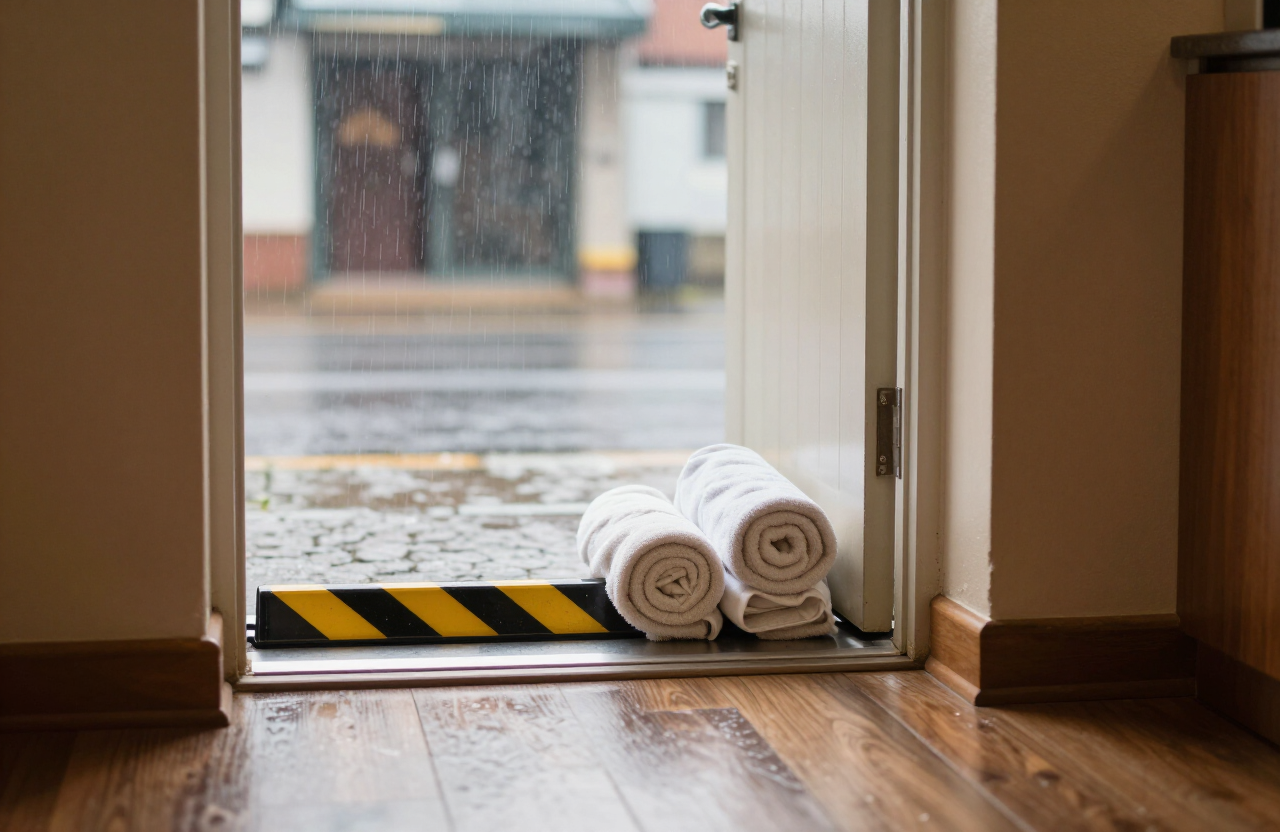
You cannot stop a major flood with towels, but you can slow shallow water from coming under your door, which is often all the time you need to move things.
- Roll towels or a draft blocker and press them along the bottom of your door
- Keep a few sandbags or water absorbing flood barriers on hand if you are ground floor
- Clear balcony and window sill drains so water can flow away
- Close and lock windows before a storm to keep wind driven rain out
Know your shutoffs
A flood can contaminate your water supply and damage gas lines. Knowing where your shutoffs are turns a panic moment into a quick task.
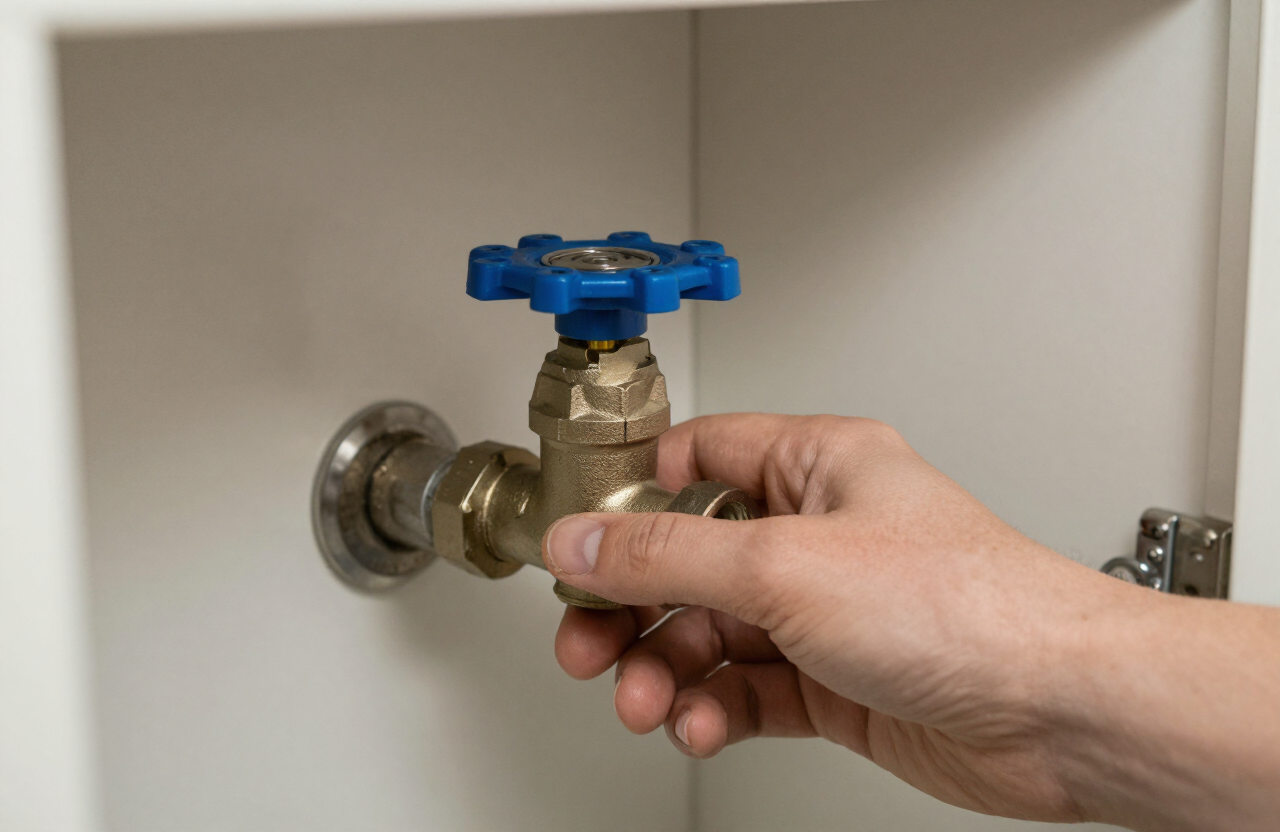
- Find the main water shutoff for your unit, usually near the water heater or in a utility closet
- Locate the gas shutoff and learn how it works, but only turn it off if you smell gas or are told to
- Turn off electricity at the breaker if water is rising near outlets or your panel
- Keep a small wrench or shutoff tool where you can grab it in the dark
Stage a flood ready document pouch and go bag
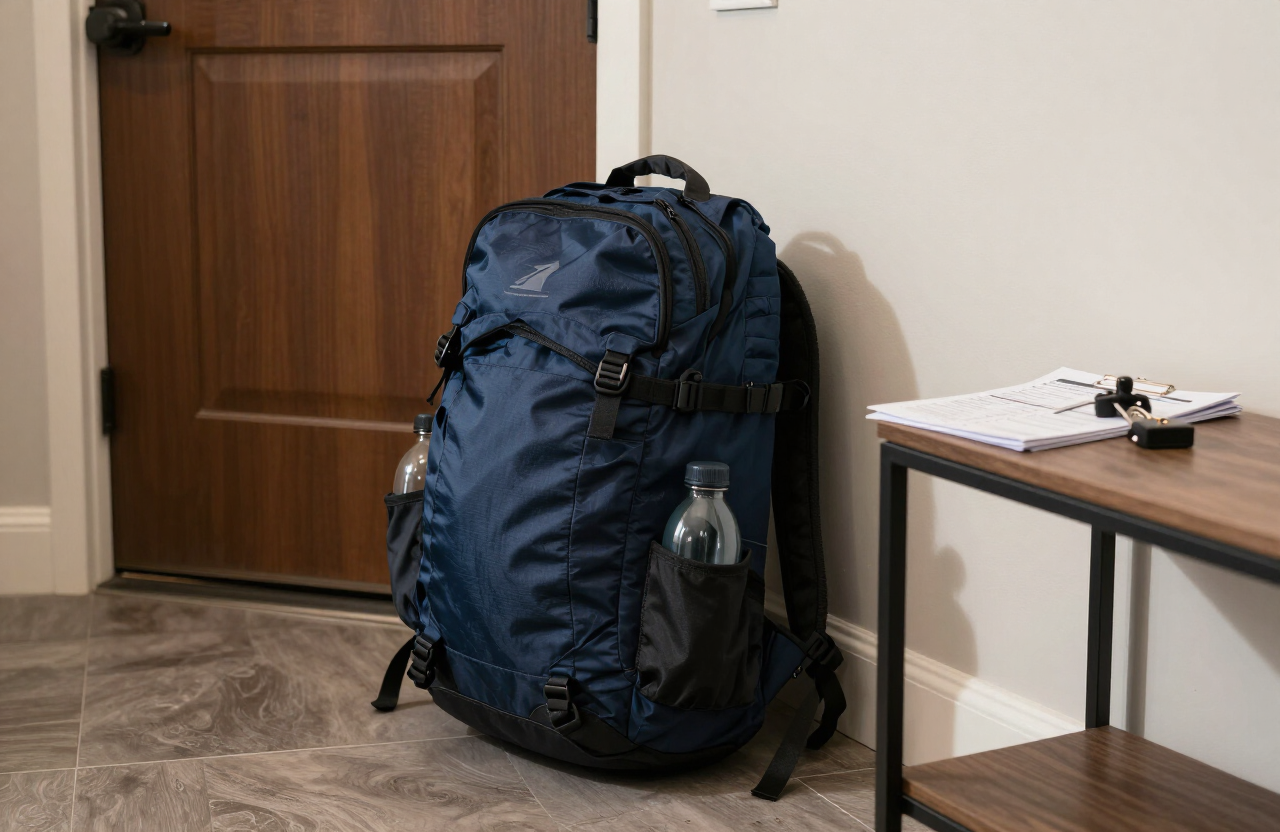
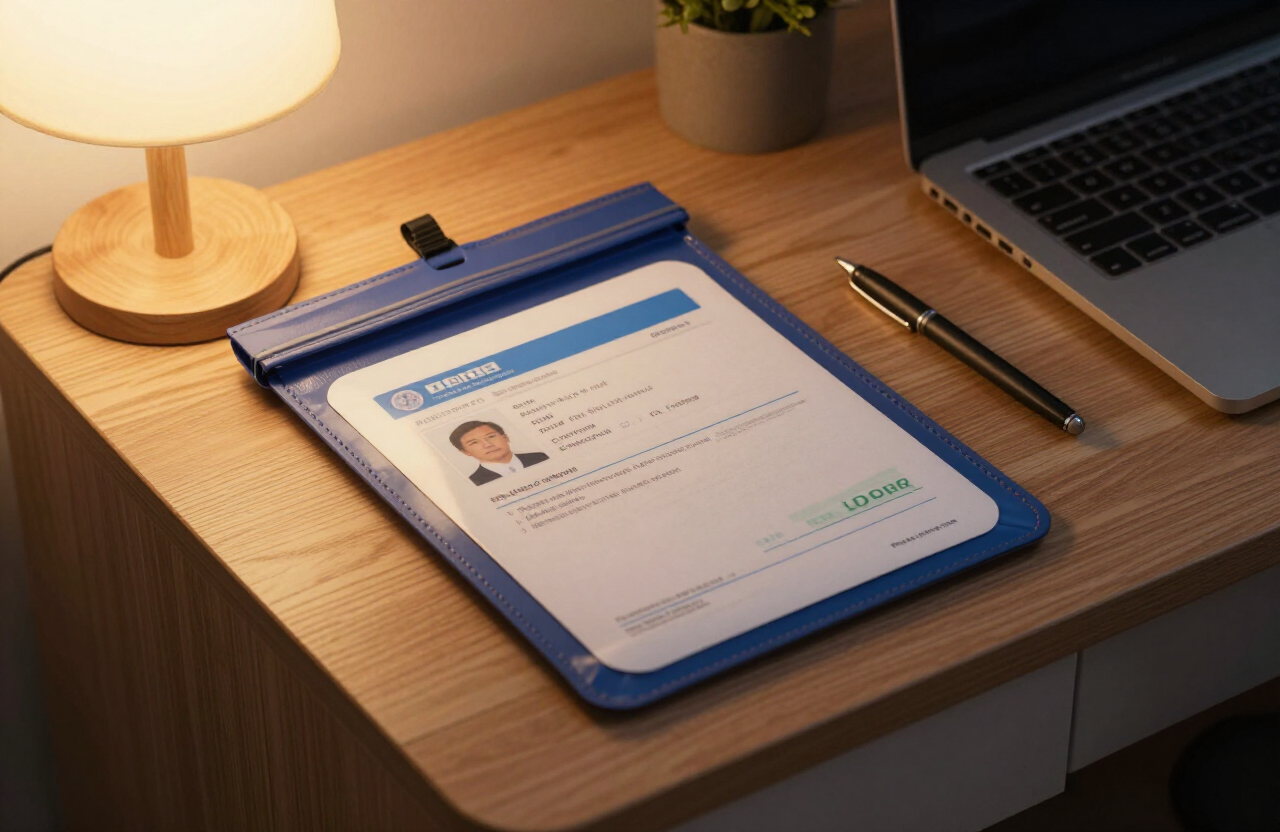
If you have to leave quickly, the right papers save you weeks of recovery trouble. Keep them together and waterproof.
- A copy of your lease, renters insurance policy, and the policy phone number
- Photo ID and a list of emergency contacts
- Photos of your apartment and belongings as proof for a future claim
- A USB drive or cloud backup of important documents
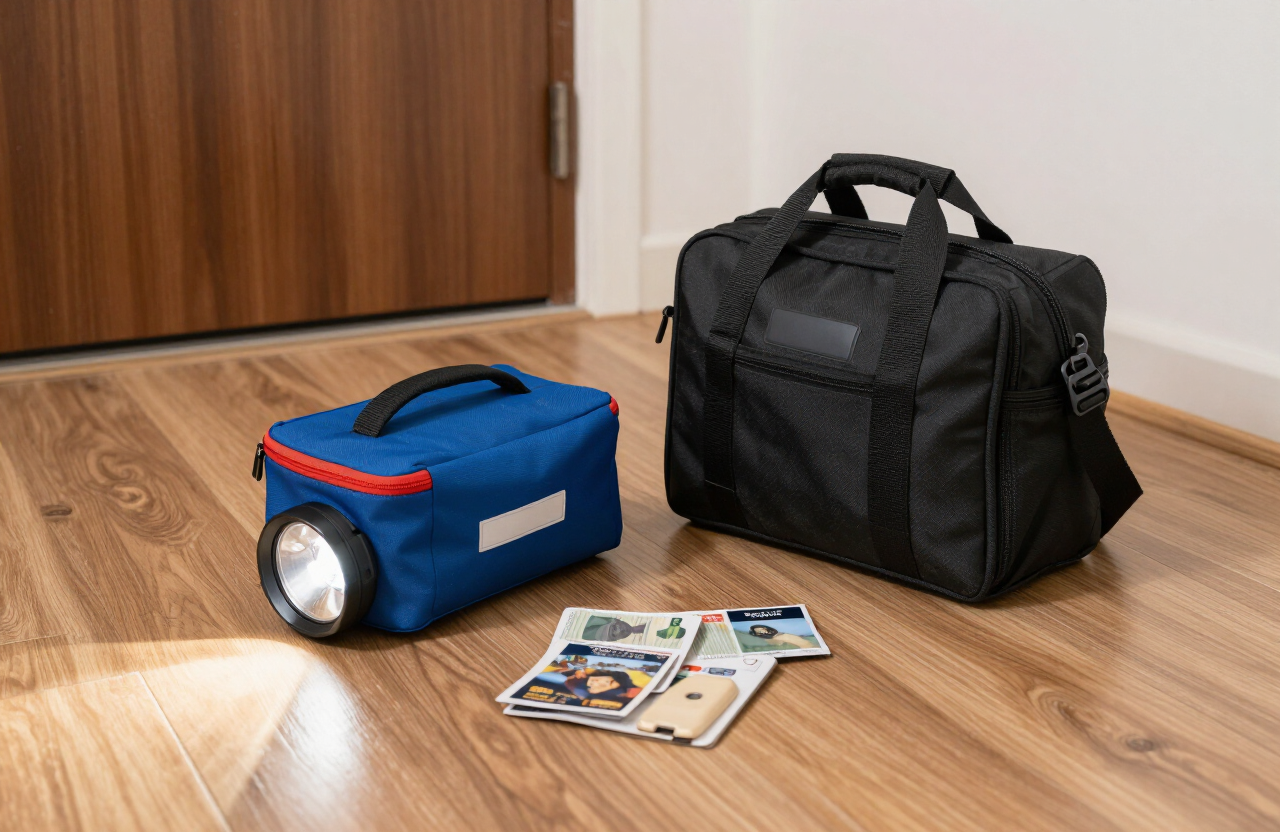
Build the full bag with our apartment go bag guide.
During and after the flood
After the water recedes, document everything with photos before you clean up, contact your landlord and insurer promptly, and do not plug in or turn on anything that got wet until a professional checks it.
For the broader storm picture, see our renter storm preparation guide.
Frequently asked questions
Editorial note: this guide provides general preparedness information, not emergency, medical, legal, or engineering advice. Recommendations are cross-checked against public emergency-management guidance and adapted for small-space living. During an active emergency, follow your local authorities and emergency services. See our editorial standards and affiliate disclosure.