Apartment Tornado Preparation for Renters
Apartment tornado preparation for renters is about choosing the right spot inside your unit and staging a few simple items, because you cannot build a storm shelter and you cannot control the building. A clear interior shelter, a helmet, sturdy shoes, and a way to get warnings are the whole plan, and they fit any rental.
Why apartment tornado prep is different
A house owner can build a storm cellar or reinforce a room. A renter cannot. What you control instead is where inside the building you shelter, what you have ready to grab, and how fast you react to a warning. Those three things matter more than any modification you cannot make.
Apartments also mean shared walls, shared stairwells, and upper floors. Tornado safety guidance favors the lowest interior level, which is not always your own unit. Knowing your options ahead of time is the preparation.
Pick your shelter spot before the storm
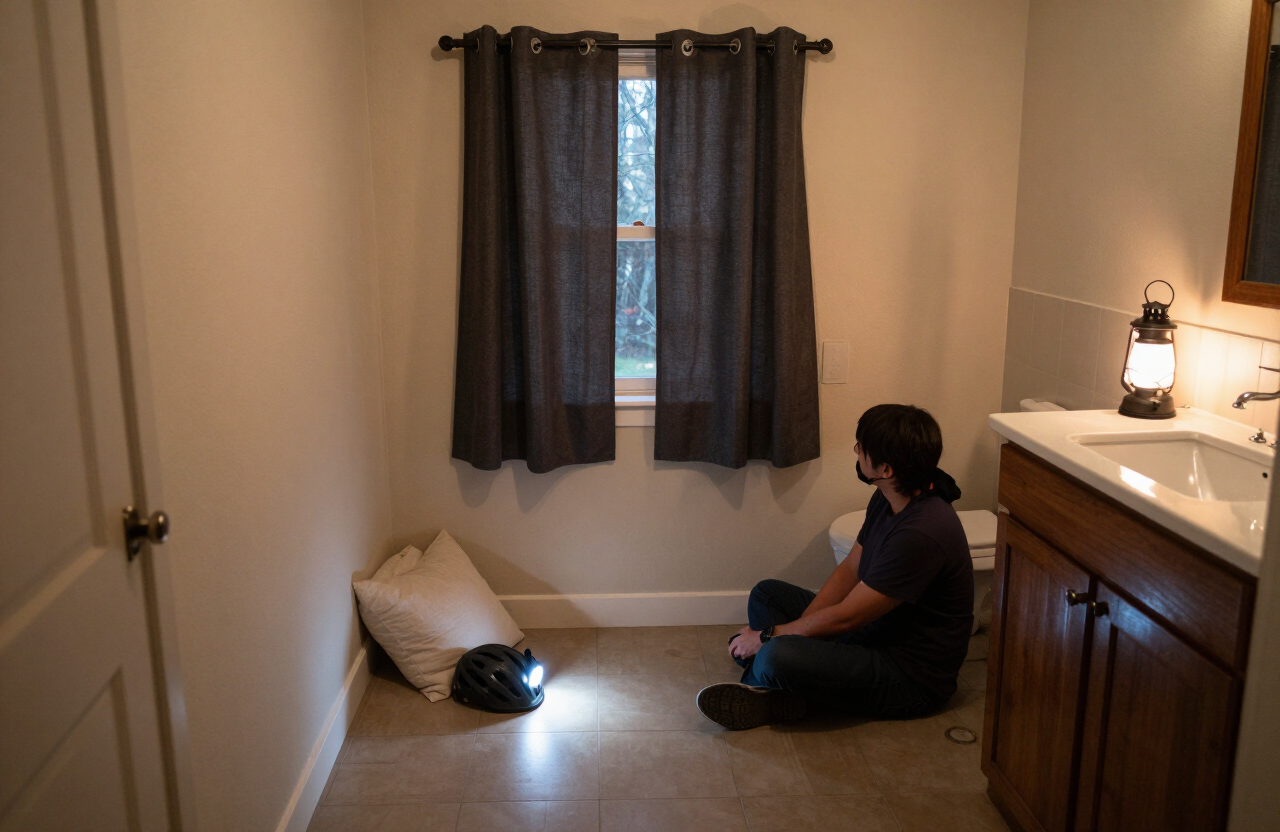
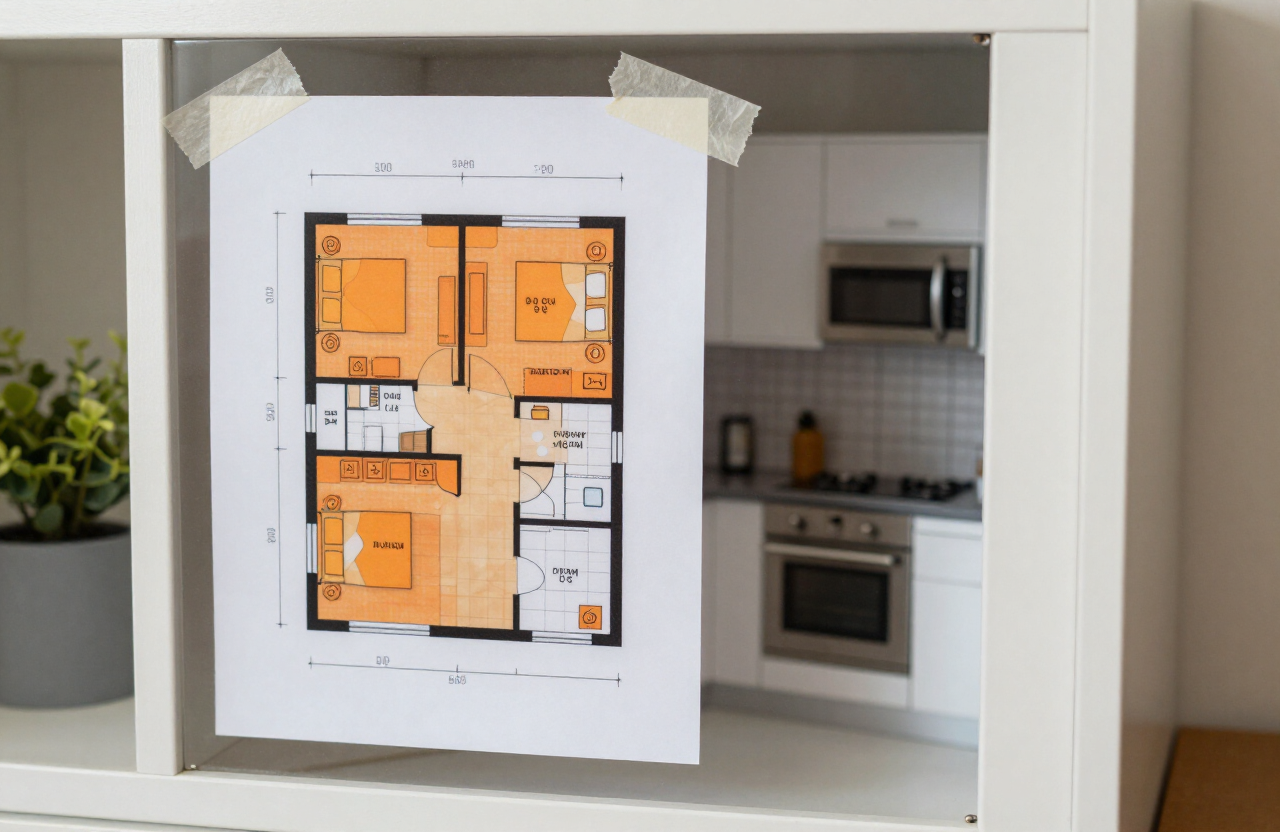
The safest place in an apartment is a small, windowless interior room on the lowest floor you can reach quickly. Walk your unit and your building now, not during a warning.
- A bathroom, closet, or interior hallway with no windows is ideal inside your unit
- If you live on an upper floor, know how to reach a lower interior level or the building interior stairwell
- Avoid rooms with exterior walls, large windows, or heavy hanging fixtures
- If no interior room exists, a bathtub with a mattress pulled over it is a last resort
Stage a tornado grab kit by the shelter
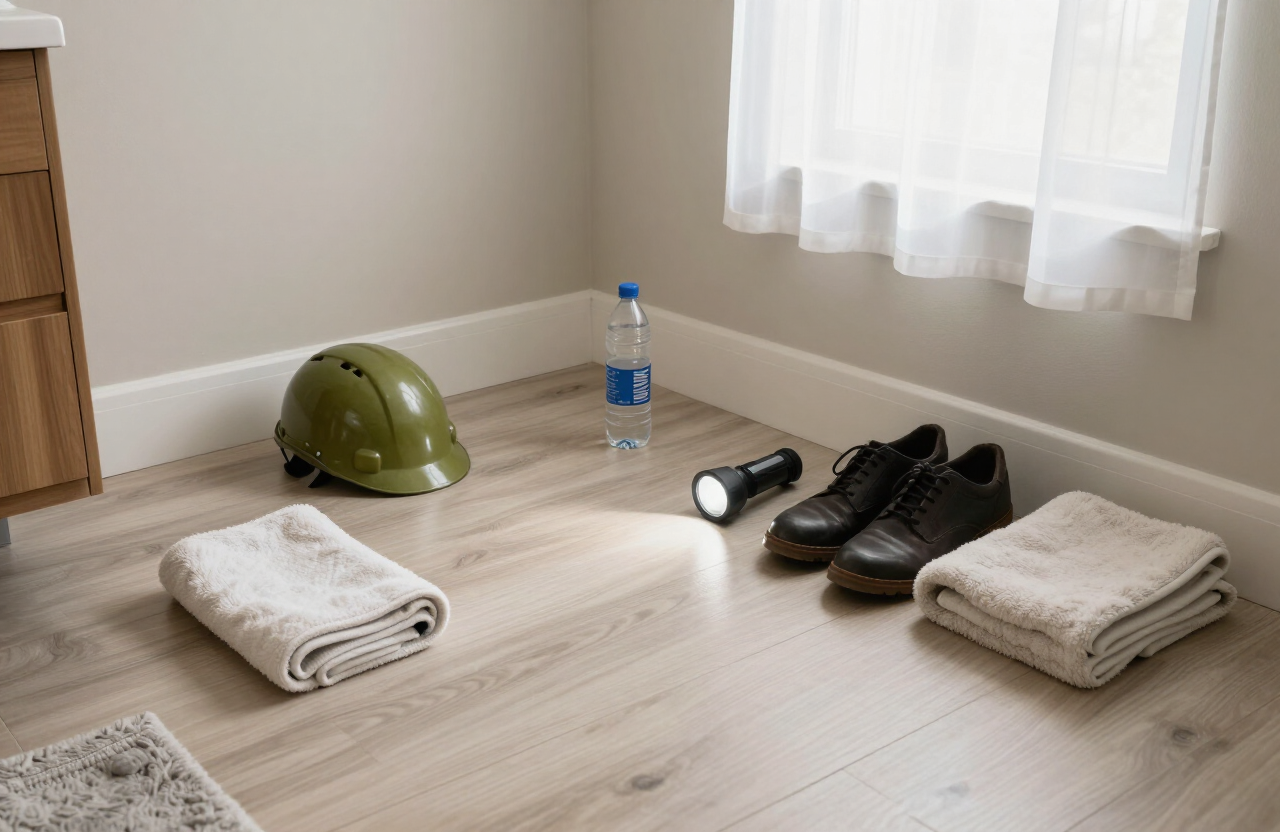
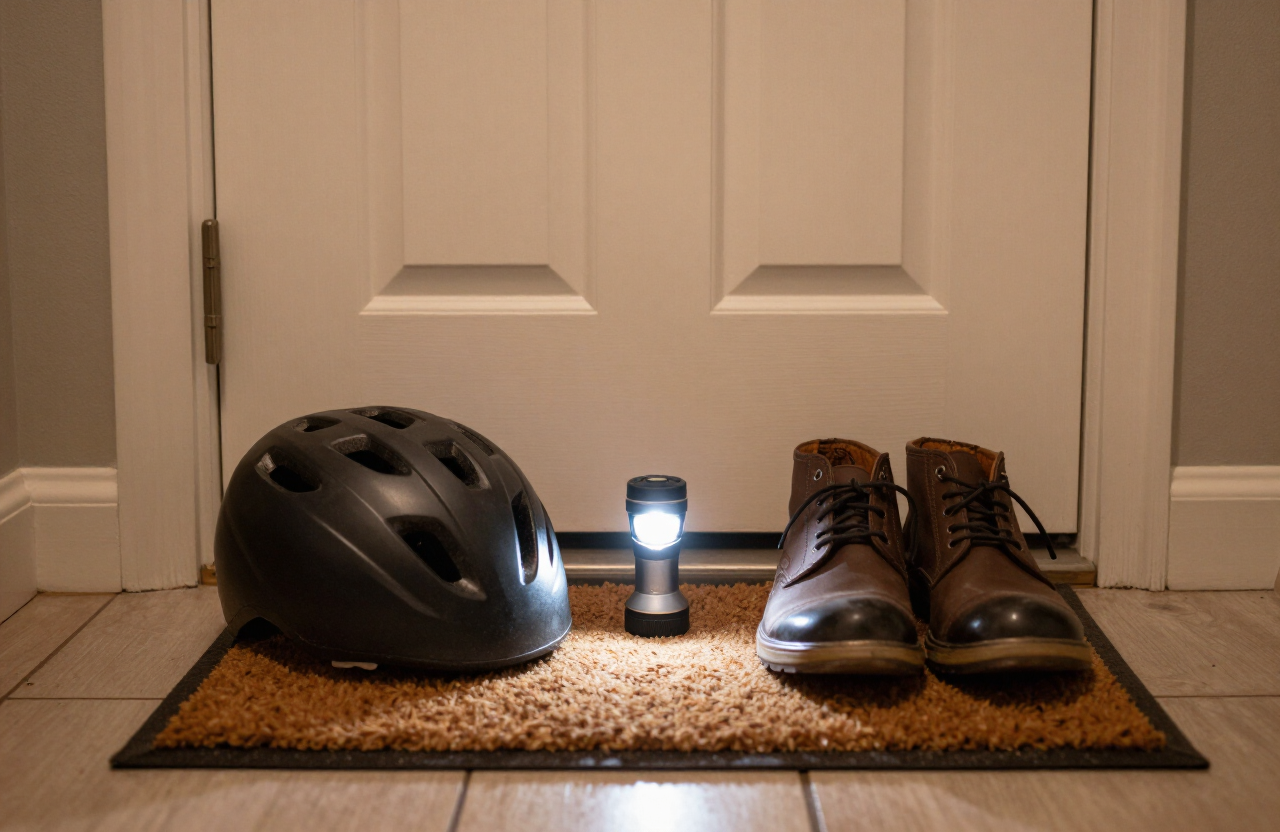
A tornado warning gives you minutes. Keep the essentials staged at your shelter spot so you do not search for them in the dark.
- A bicycle, sports, or hard hat helmet for each person, to protect against head injury
- Sturdy closed-toe shoes, not slippers, in case of broken glass afterward
- A flashlight or headlamp with fresh batteries
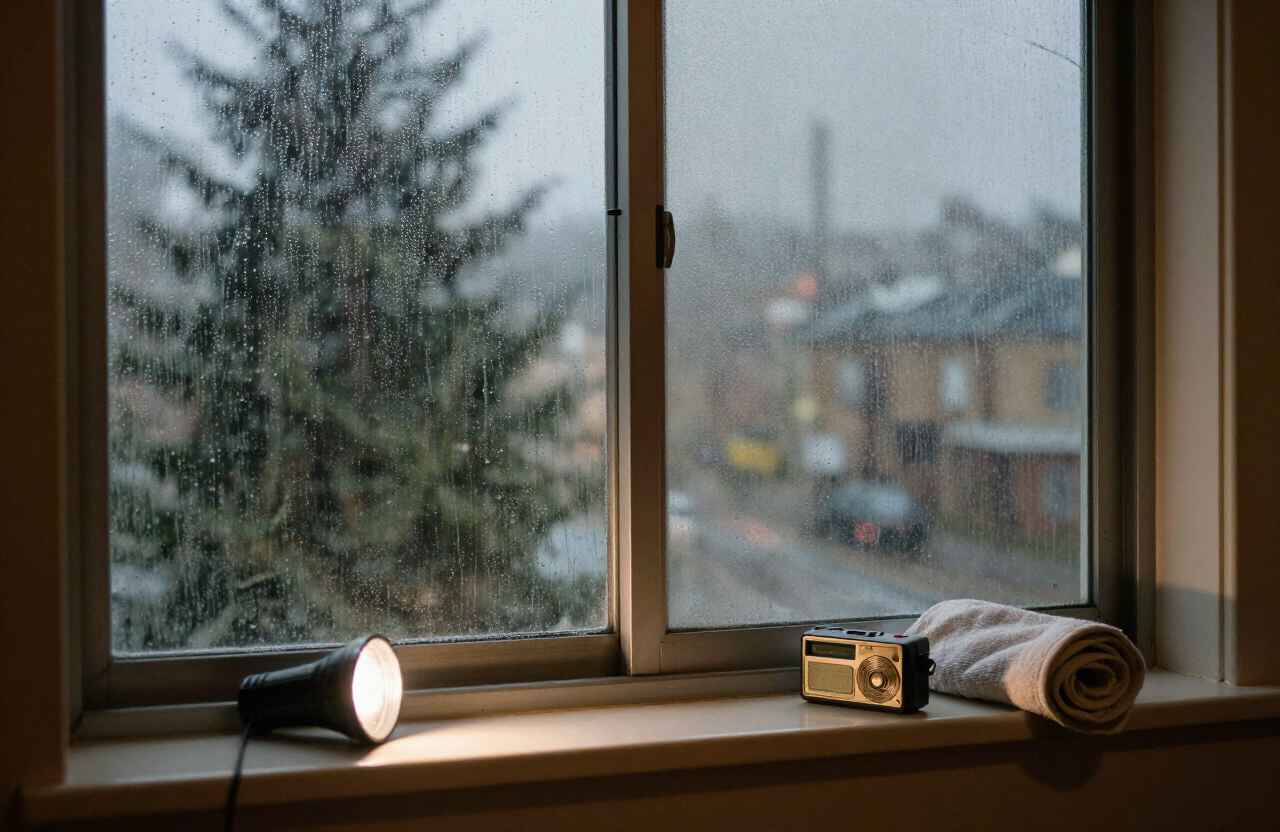
- A battery or hand crank weather radio for updates when the power cuts out
- A small water bottle and a whistle to signal if you are trapped
Renter-safe steps for windows and loose items
You cannot board windows in a rental, and you should not waste warning time taping glass, which does not stop it from breaking. A few no-damage steps do help.
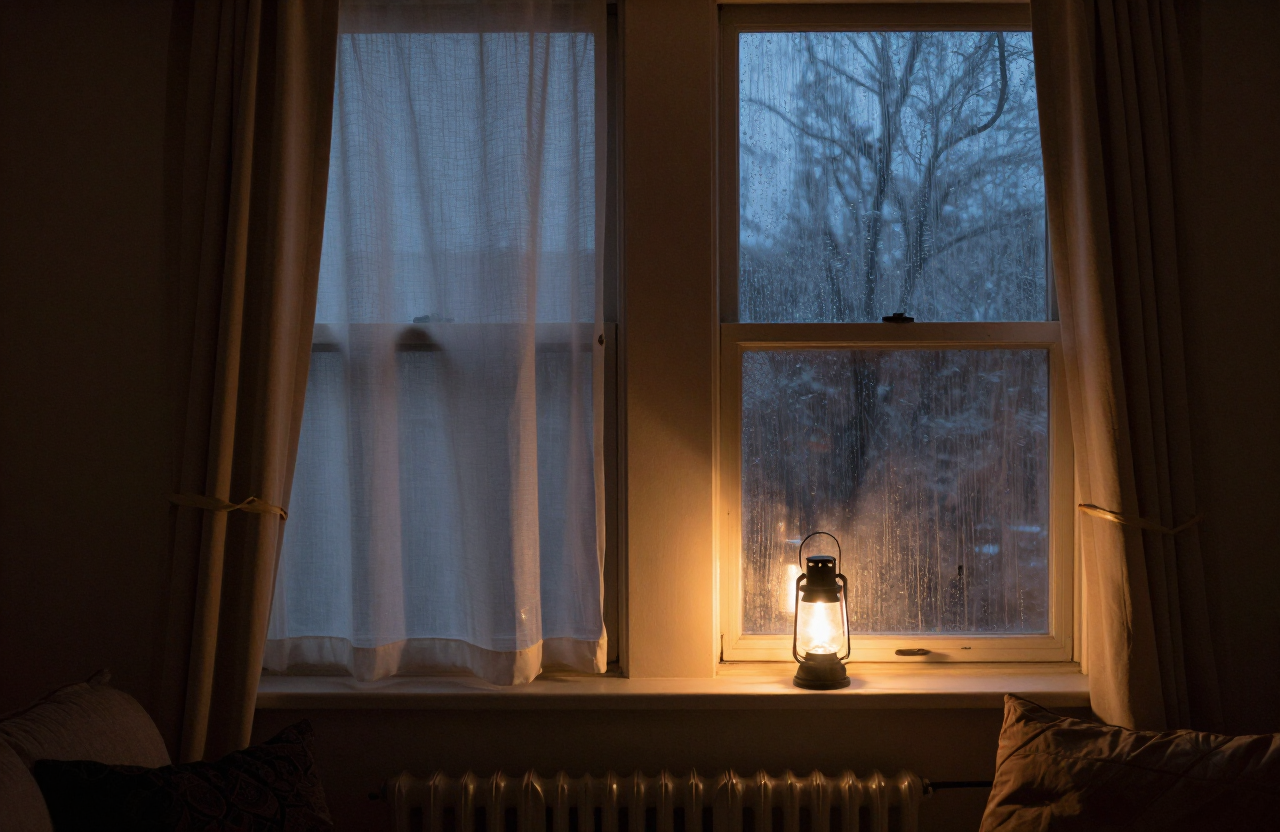
- Close and latch all windows and draw the curtains to slow flying glass
- Move loose outdoor items on a balcony indoors, since they become projectiles
- Lower or secure heavy items on high shelves before storm season, not during a warning
- Keep a blanket or mattress near the shelter to pull over yourself
Get warnings more than one way
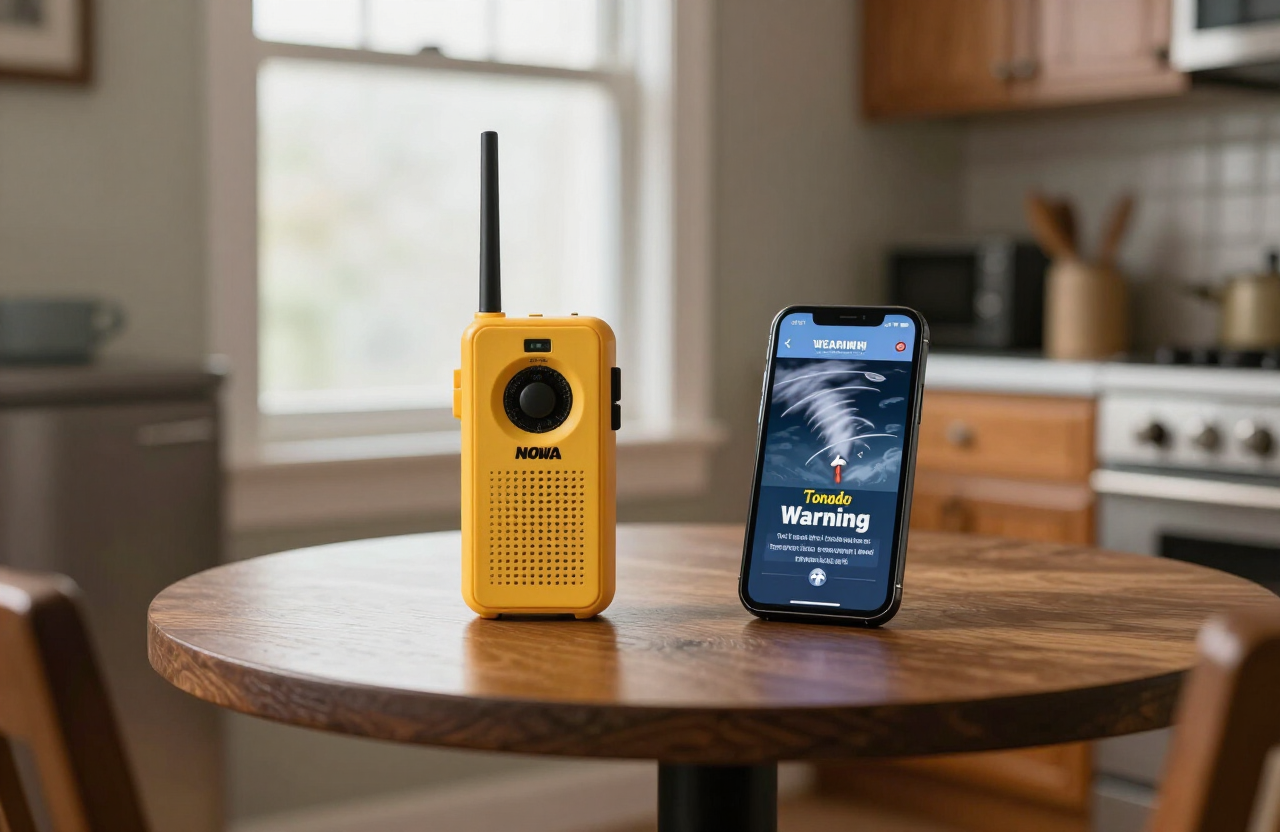
A phone alert is not enough, because power and cell networks can fail during a storm. Layer your warnings so one always reaches you.
- Enable wireless emergency alerts on your phone so warnings push automatically
- Keep a battery or hand crank NOAA weather radio with fresh batteries
- Know the local outdoor warning siren sound and what it means
- Identify a trusted local TV or radio station for live updates
What to do the moment a warning is issued
When a warning sounds, move fast and move once. Do not stop to gather belongings or film the storm.
- 1Grab your helmet, shoes, and flashlight already staged at the shelter
- 2Move to your interior room or the lowest interior level you can reach
- 3Get low, cover your head and neck with your arms and a blanket or mattress
- 4Stay there until the warning expires or officials give the all clear

Build the full kit behind this plan with the 72 hour checklist.
After the tornado: stay safe in the aftermath
Most tornado injuries happen after the storm, during cleanup. Move carefully once the warning clears.
| Step | Why it matters |
|---|---|
| Watch for broken glass and nails | Bare feet and slippers cause many post-storm injuries |
| Do not touch downed power lines | Treat every line as live and report it |
| Check on neighbors, especially upstairs | Shared buildings mean shared risk |
| Document damage for your landlord and insurer | Photos speed up repairs and claims |
For the broader storm picture, see our renter storm preparation guide.
Frequently asked questions
Editorial note: this guide provides general preparedness information, not emergency, medical, legal, or engineering advice. Recommendations are cross-checked against public emergency-management guidance and adapted for small-space living. During an active emergency, follow your local authorities and emergency services. See our editorial standards and affiliate disclosure.