High-Rise Apartment Evacuation Plan for Renters
A high-rise apartment evacuation plan for renters solves a problem a house never has: getting down many flights of stairs, possibly in the dark, alongside every neighbor on your floor. A clear route, the right gear by the door, and a known meeting point turn a chaotic descent into a calm, fast exit.
Know your building before you need to leave
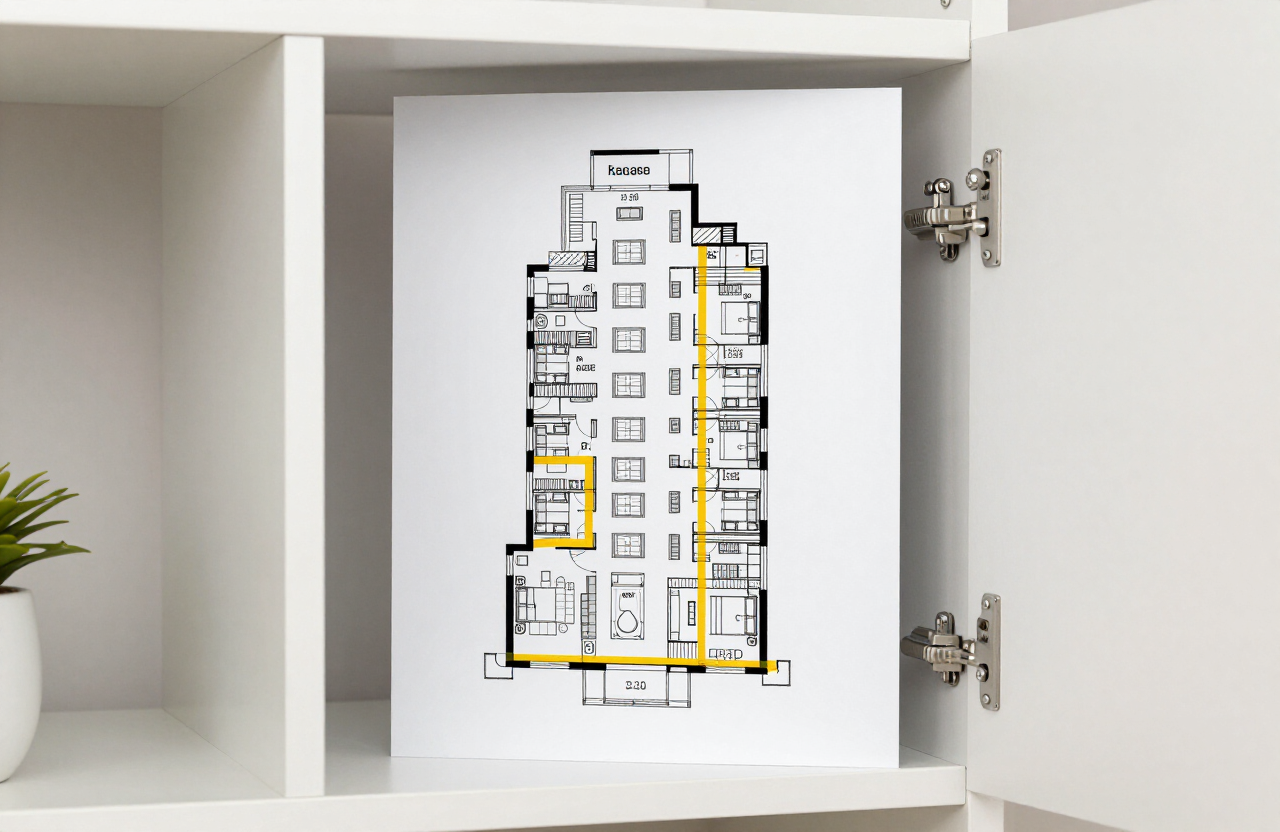
In a high-rise, your exit depends on the building as much as your unit. Learn the layout now, when you have time to walk it calmly.
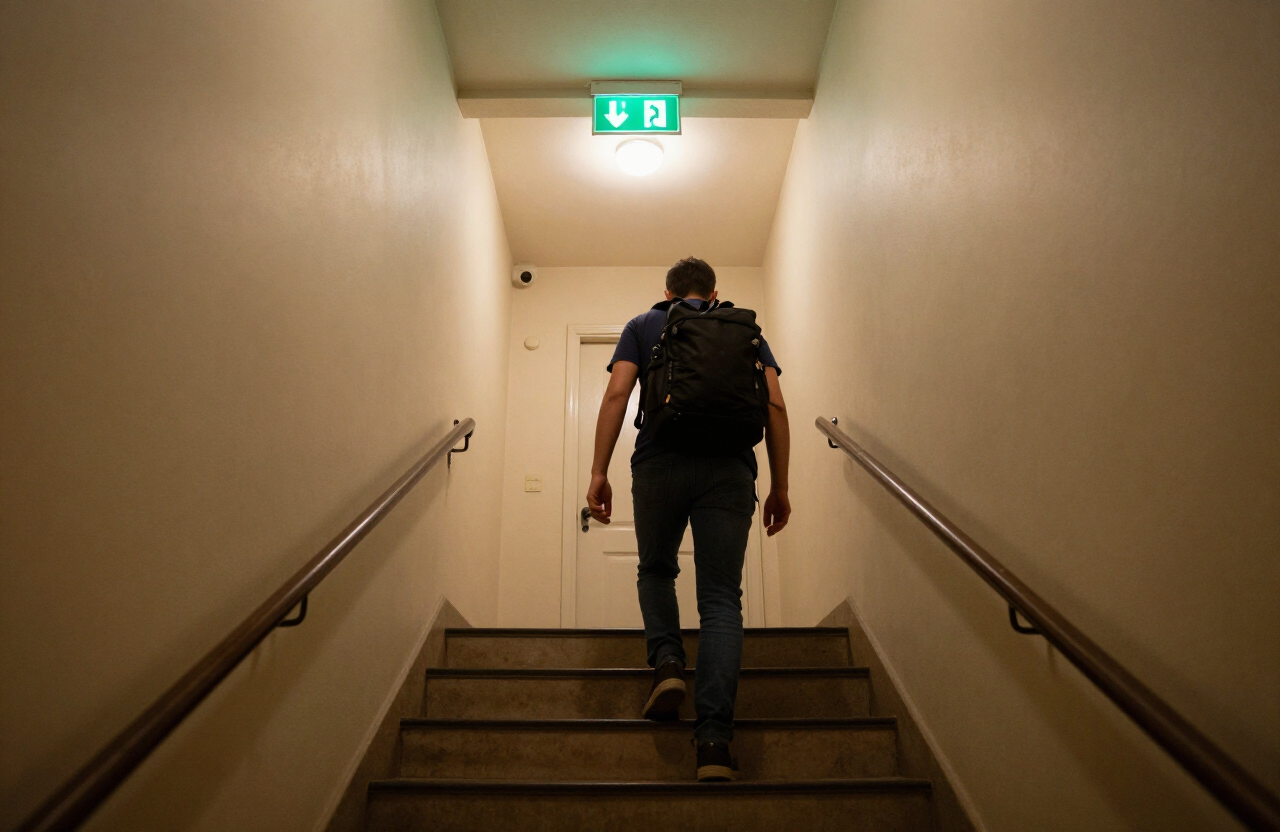
- Find both stairwells on your floor and note which one is closest
- Count the doors from your unit to the stairs, in case the hallway is dark or smoky
- Locate the fire alarms and pull stations near your unit
- Learn where the stairwells let out at ground level
- Ask your building manager about the official evacuation plan
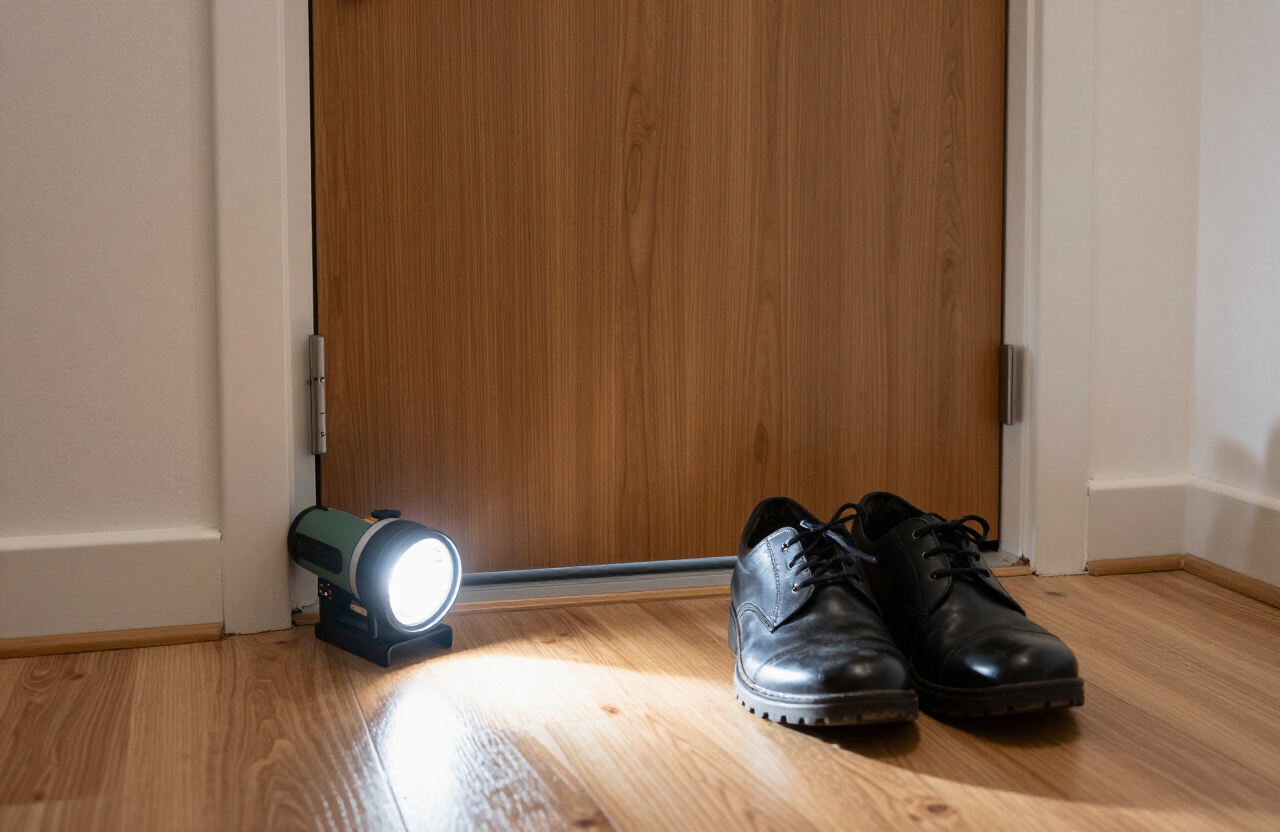
Stage the right gear by the door
In a high-rise evacuation you may have seconds, not minutes. Keep the essentials ready to grab without searching.
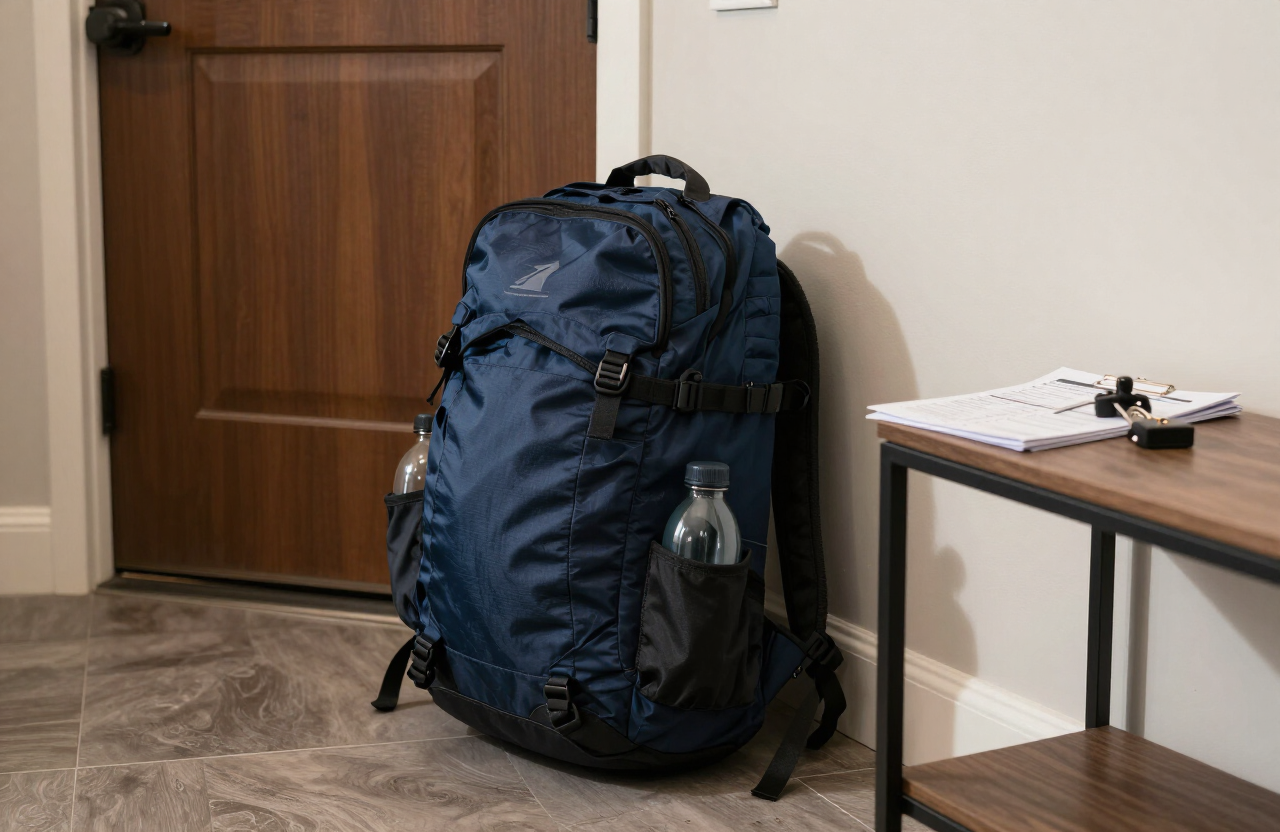
- Sturdy shoes with good tread, not slippers, by the door
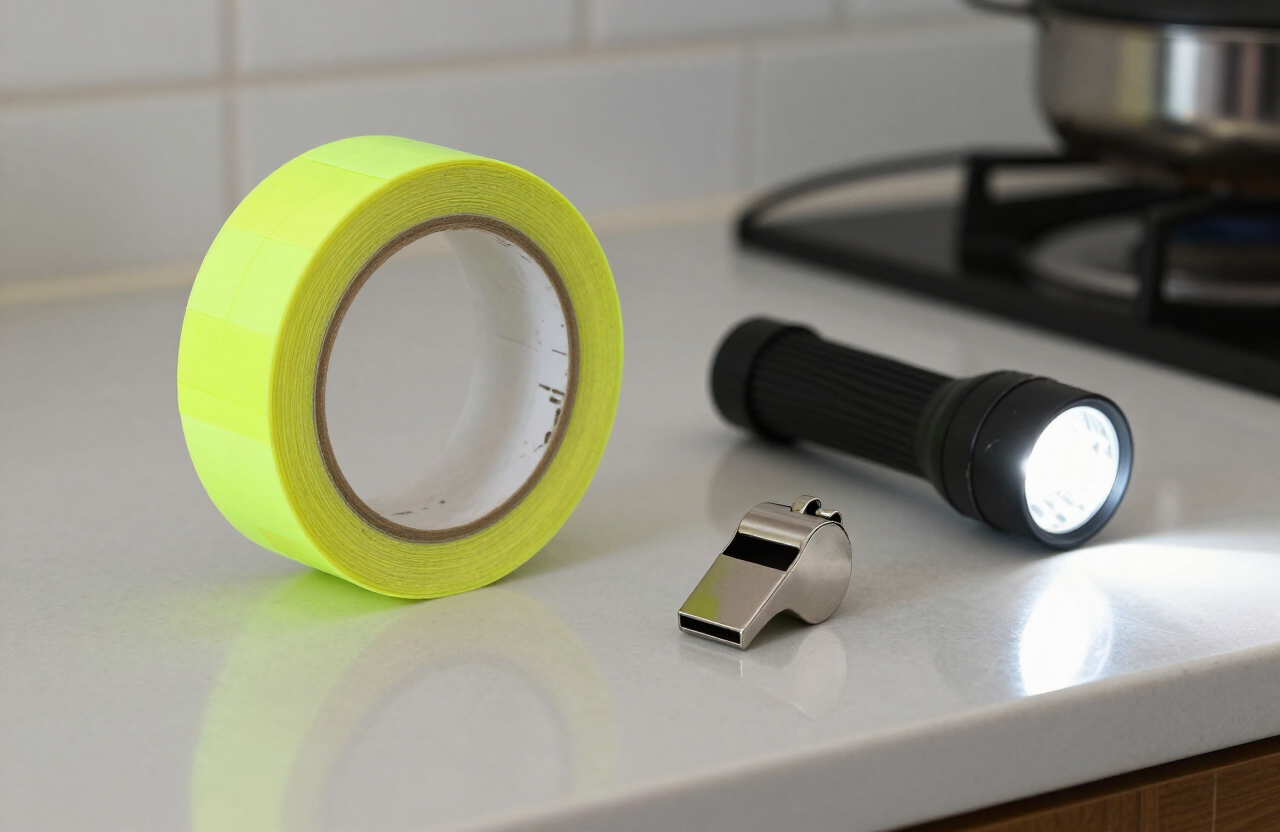
- A small flashlight or headlamp for a dark stairwell
- A go bag with documents, water, medications, and a phone charger
- A whistle to signal for help if you get stuck
- Reflective tape or a bright cloth to make yourself visible
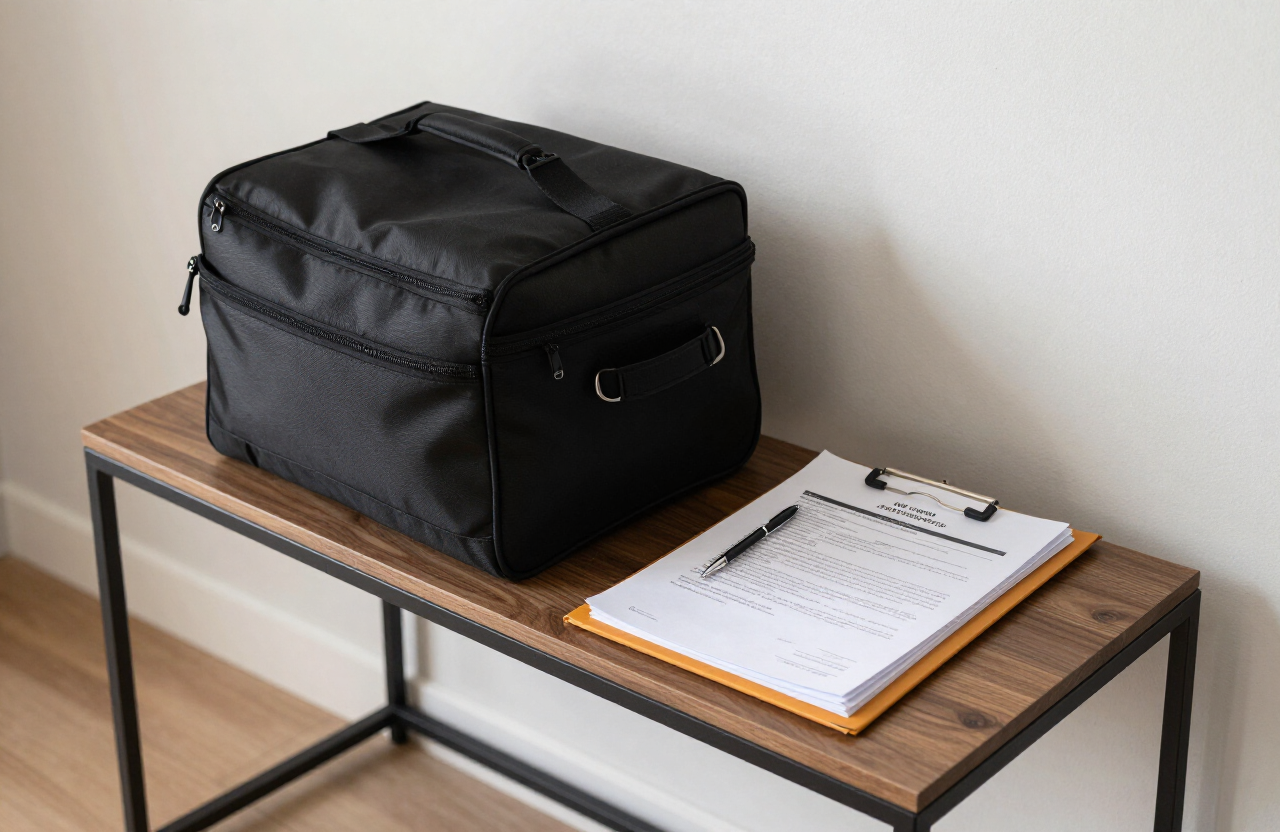
Build the bag itself with our apartment go bag guide.
Fire evacuation: the rules that save lives
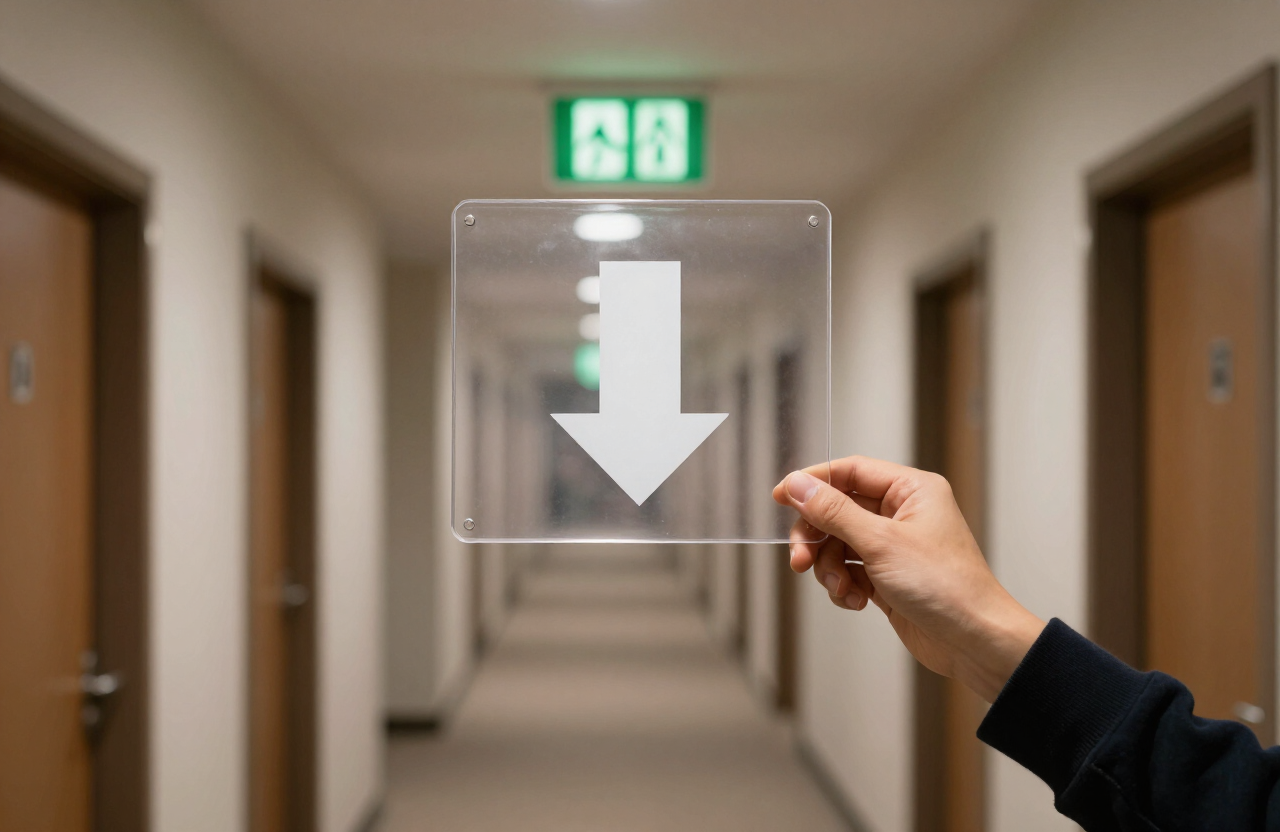
If there is smoke in the hallway, stay low where the air is cleaner, feel doors with the back of your hand before opening, and use your closest safe stairwell. If your door is hot or smoke blocks both stairwells, stay in your unit, seal the door with wet towels, call emergency services, and signal from a window.
Other evacuations: floods, storms, and orders
Not every high-rise evacuation is a fire. Floods, storms, gas leaks, and building orders may give you more time but still require a planned exit.
- For a planned evacuation, the elevator may be fine until officials say otherwise
- Bring your go bag, documents, and a few days of medications
- Shut off gas and water if you are told to and know how
- Lock your door and take your keys, since you may not return for a while
Pick a meeting point and a contact
Once you are out of a tall building, you need to find your household again. Cell networks often slow down during a disaster, so agree on a plan in advance.
- Choose a meeting point a safe distance from the building, like a specific corner or park
- Pick a second meeting point in case the first is unsafe or unreachable
- Choose an out of area contact everyone will check in with
- Write the plan on paper and keep a copy in your go bag

Practice and maintain the plan
A plan you never walk through is a plan that fails under stress. Run a calm practice drill once or twice a year.
- 1Walk both stairwell routes from your floor to the ground
- 2Time the trip so you know how long it really takes
- 3Check that your go bag is stocked and nothing has expired
- 4Confirm your meeting point and out of area contact with your household
For leaving without a car after you exit, see our no car evacuation guide.
Frequently asked questions
Editorial note: this guide provides general preparedness information, not emergency, medical, legal, or engineering advice. Recommendations are cross-checked against public emergency-management guidance and adapted for small-space living. During an active emergency, follow your local authorities and emergency services. See our editorial standards and affiliate disclosure.