Emergency Hygiene Kit for Apartment Renters
An emergency hygiene kit for apartment renters is the unglamorous side of preparedness that protects your health when the water stops or the power stays off. A small bathroom kit keeps you clean, prevents illness, and preserves dignity during an outage, and it fits in a single bin or bag.
Why hygiene becomes a health issue fast
When the water stops, you cannot wash your hands the normal way, and when the power stays off, you cannot run a load of laundry. Within a day or two, small hygiene gaps turn into stomach bugs and skin problems, especially in a shared apartment building.
A hygiene kit is not about comfort. It is about keeping germs out of your food, your water, and your living space when your usual routines are gone.
The core hygiene kit checklist
These items cover hand, body, oral, and waste hygiene for several days in a small apartment.
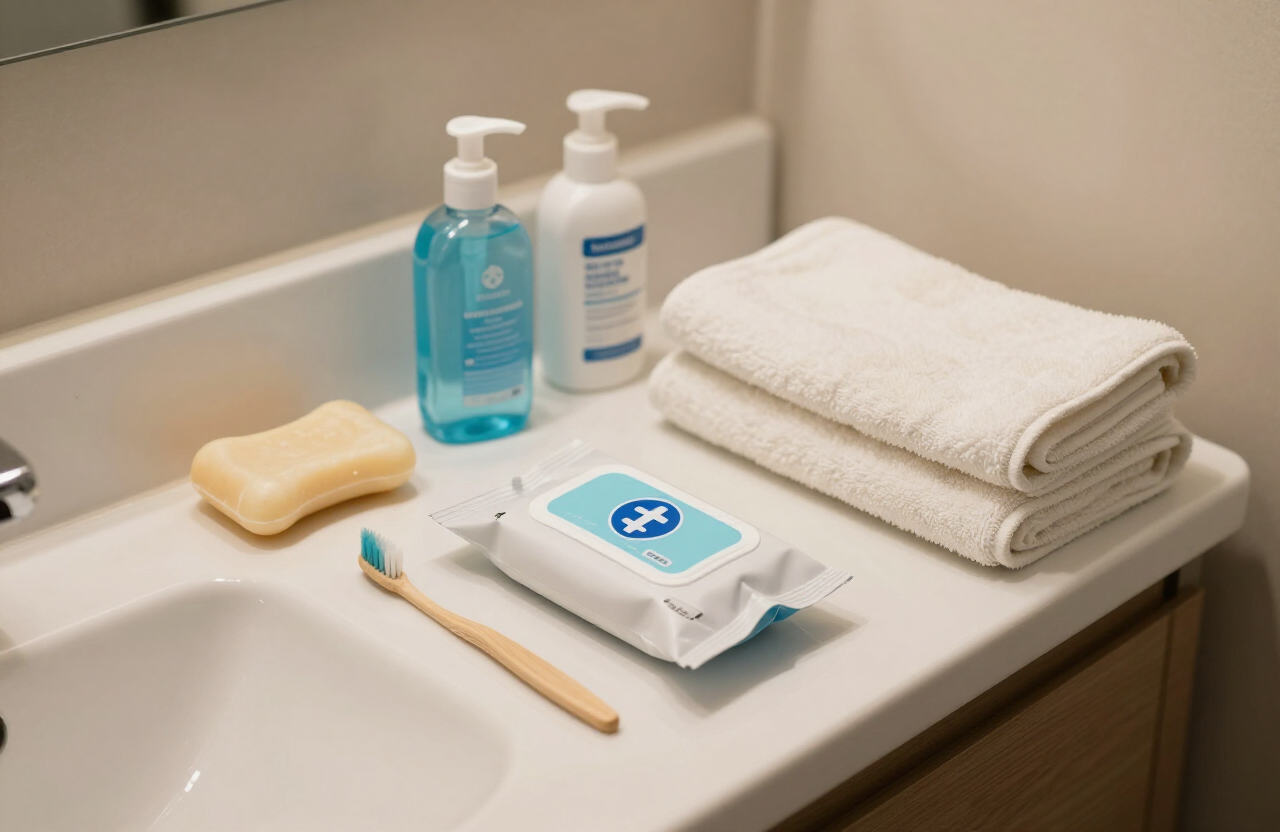
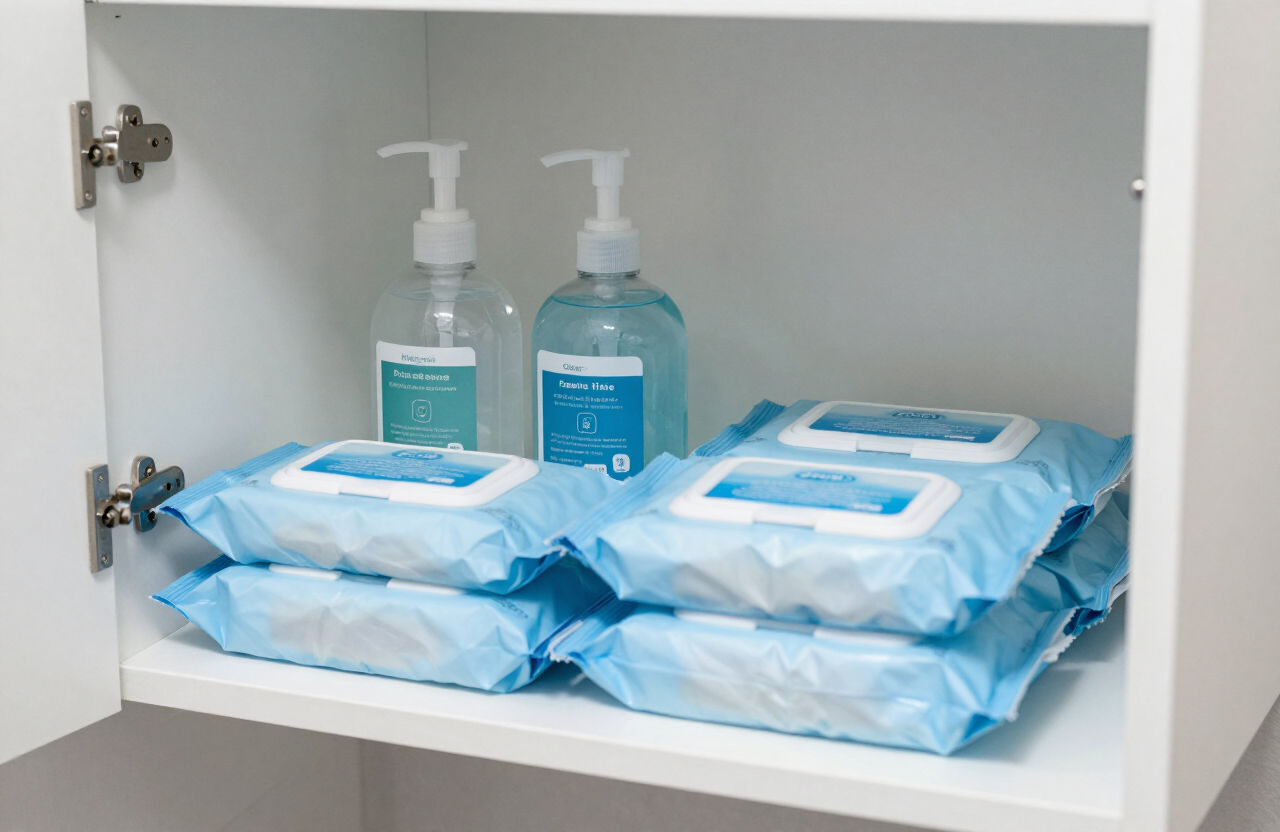
- Hand sanitizer, at least 60 percent alcohol, several small bottles
- Moist wipes or baby wipes for body cleaning when no shower is possible
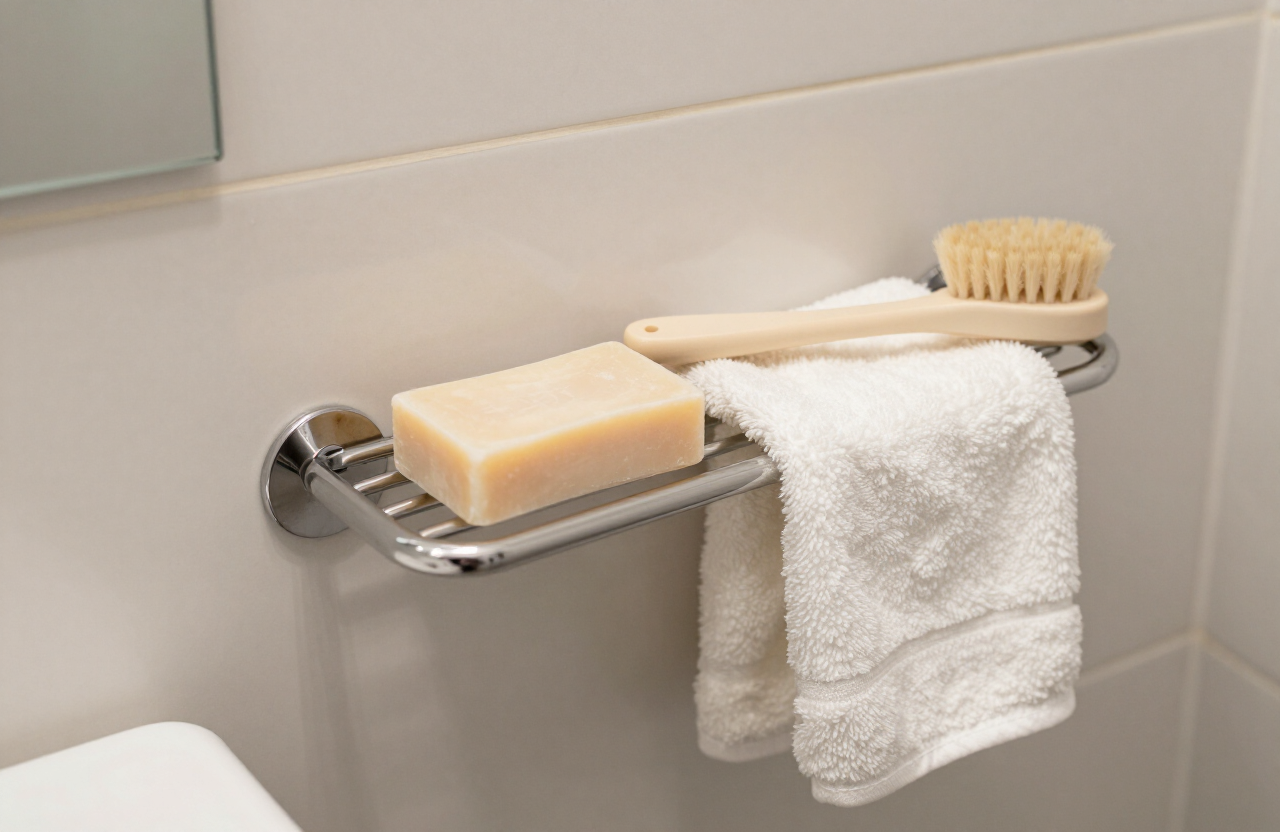
- Bar soap and a washcloth, which work with very little water
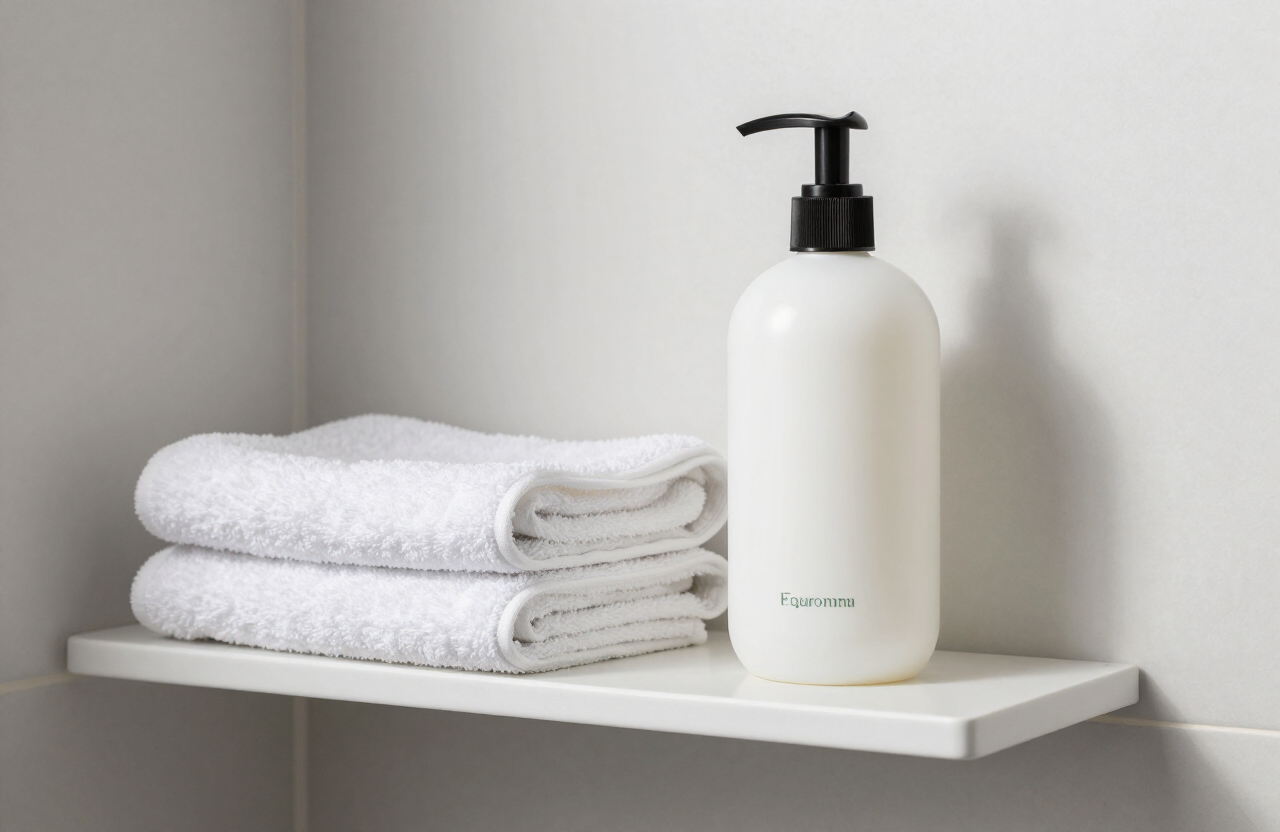
- No rinse body wash or shampoo for full cleaning without water
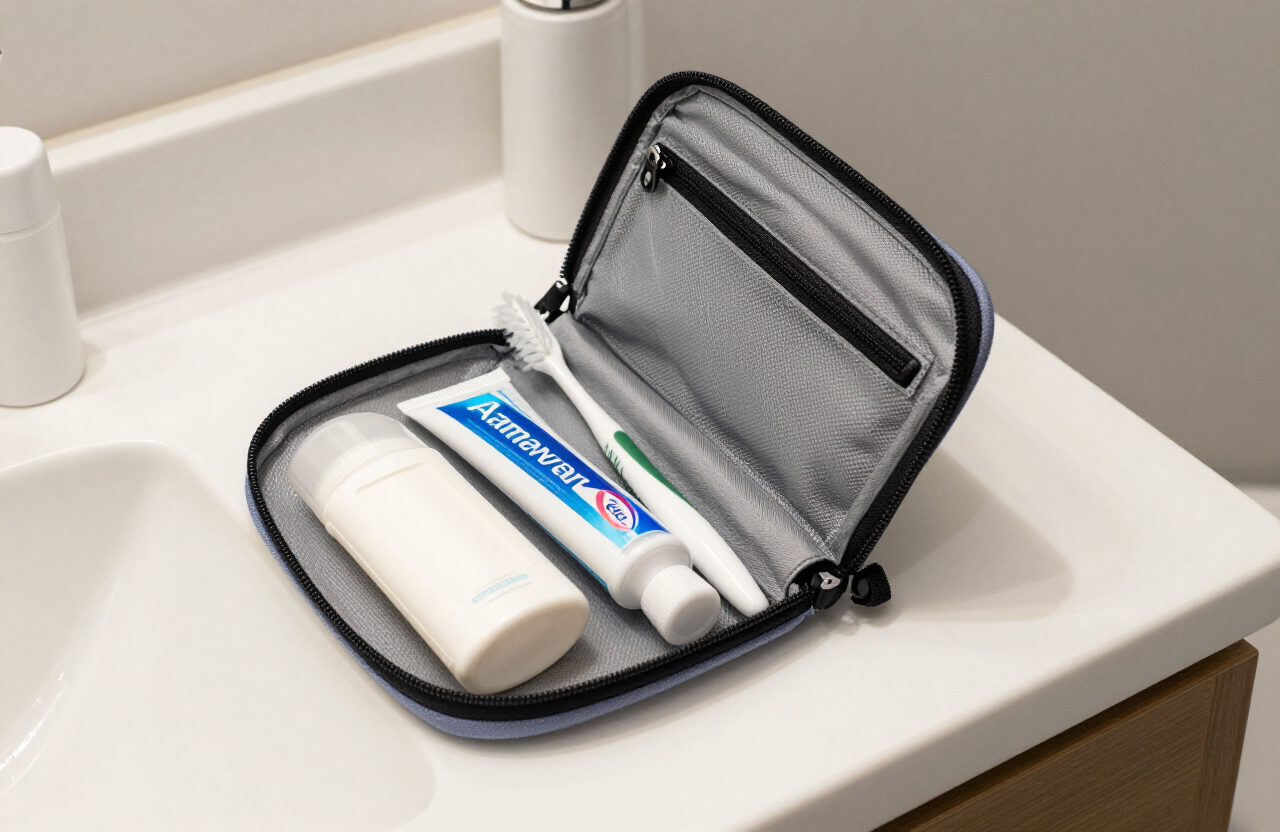
- Toothbrush, toothpaste, and floss for each person
- Heavy duty trash bags and a lidded bucket for waste
- Toilet paper and a small supply of feminine hygiene products
- Deodorant, a comb, and a small mirror
Hand hygiene when the tap is dry
Clean hands are the single most important hygiene habit during an outage, because they stop germs from moving from waste to food to mouth.
- 1Use hand sanitizer after using the toilet and before handling food
- 2Use wipes for visible dirt, then sanitizer, since sanitizer does not cut through grime
- 3Save a small bottle of water for a quick soap rinse when hands are soiled
- 4Keep a bottle of sanitizer by the toilet setup and another by the food prep area
Body cleaning without a shower
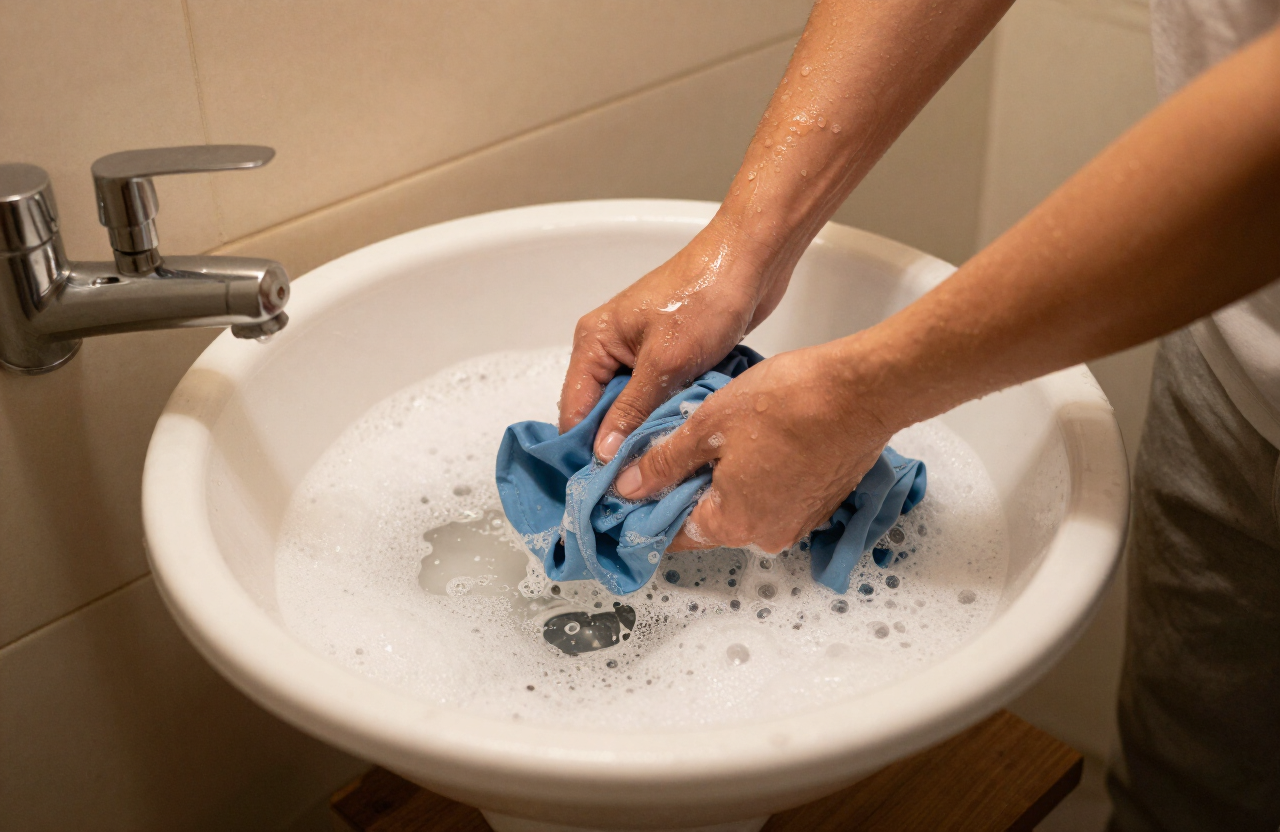
You can stay clean with very little water if you use the right method. A sponge bath with wipes or a damp soapy washcloth handles the priority areas.
- Focus on face, underarms, groin, and feet, where bacteria build fastest
- Use no rinse body wash for a fuller clean with no rinsing water
- Change into clean clothes, including fresh socks, every day
- Rinse the washcloth with a small amount of saved water and let it dry
Waste management when the toilet will not flush
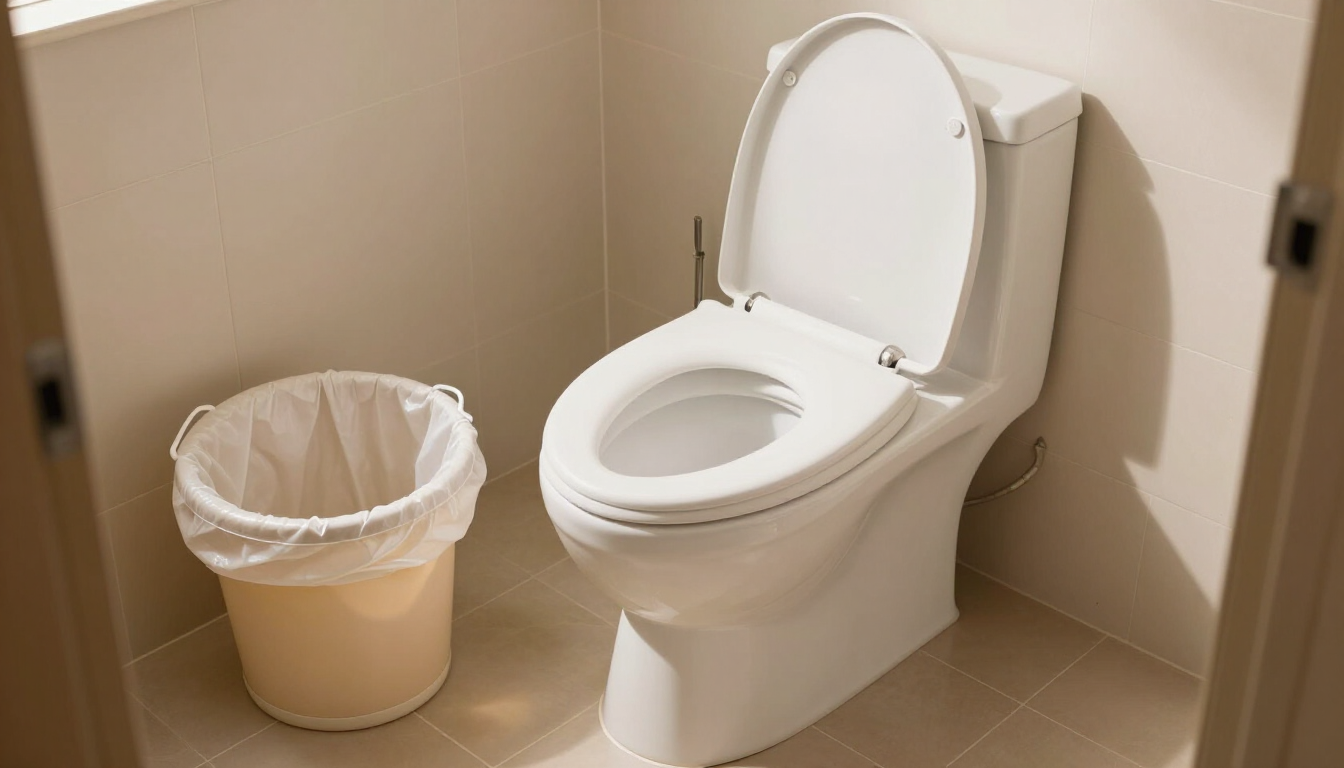
A hygiene kit pairs with a waste plan. If the toilet cannot flush, you need a contained, low odor way to handle human waste in a small apartment.
- Heavy duty trash bags doubled up and fitted into a lidded bucket
- A snap on toilet seat lid for the bucket for comfort and a better seal
- Cat litter, sawdust, or shredded paper to cover waste and cut odor
- A separate sealed bin for waste, kept away from food and sleeping areas
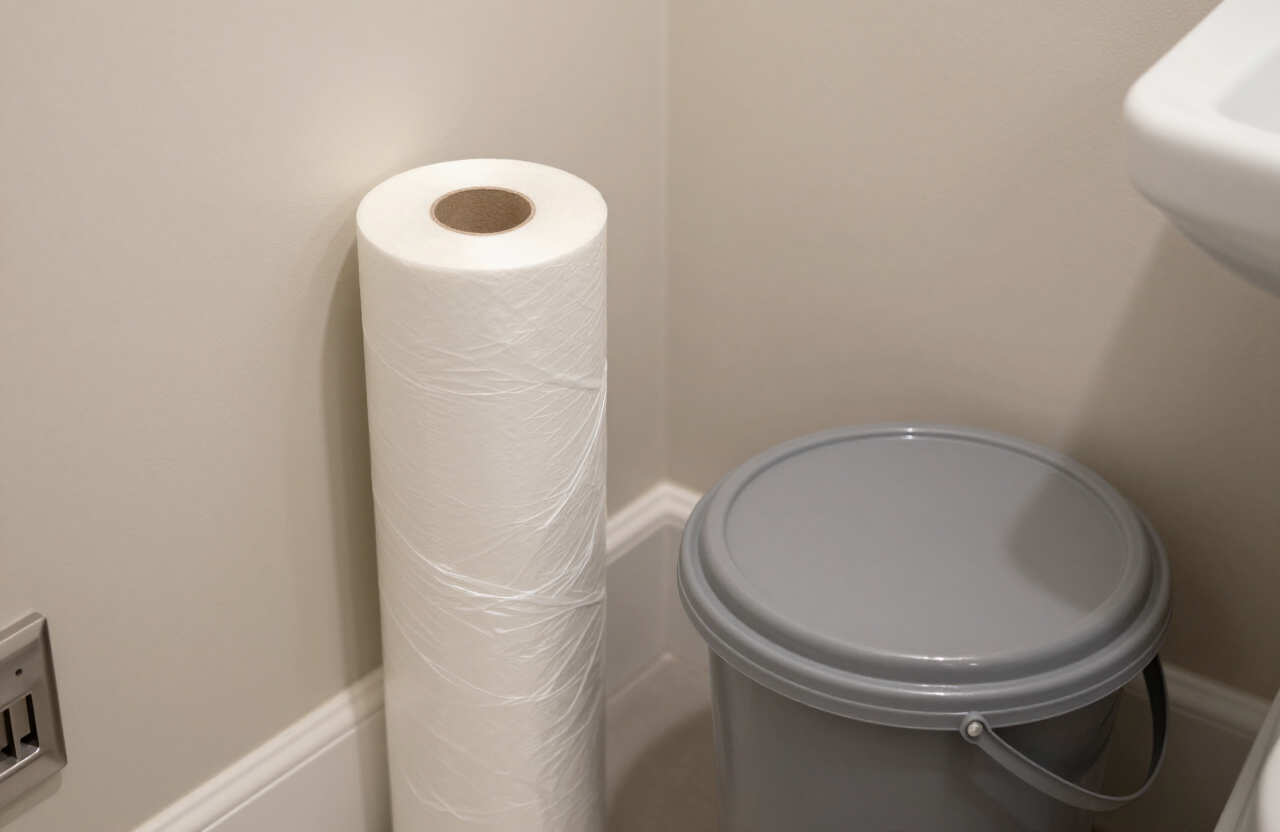
See the full setup in our apartment emergency toilet guide.
Personal and household specific items
Every household has different needs. Add the personal items that fit your family, and label them so nothing gets shared by mistake.
- Feminine hygiene products in the quantities you actually use
- Diapers, wipes, and diaper rash cream for households with babies
- Glasses, contact lens solution, and a spare case
- Prescription and over the counter medications, rotated for expiry
- A small first aid pouch with bandages and antiseptic
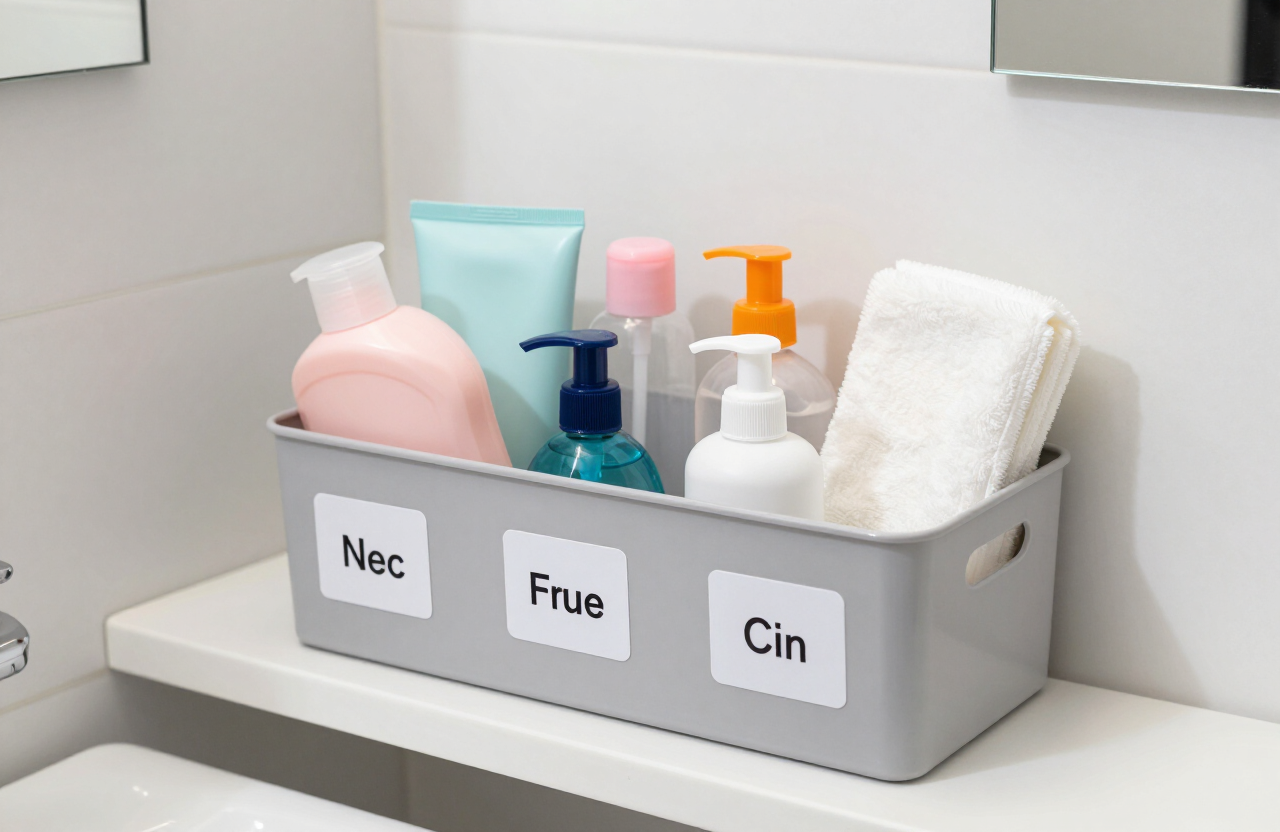
This kit belongs inside the larger plan; see the 72 hour checklist.
Frequently asked questions
Editorial note: this guide provides general preparedness information, not emergency, medical, legal, or engineering advice. Recommendations are cross-checked against public emergency-management guidance and adapted for small-space living. During an active emergency, follow your local authorities and emergency services. See our editorial standards and affiliate disclosure.