Top Hurricane Disaster Kits: Essential Supplies for Storm Preparedness
NOAA forecasts 8 to 14 named storms for the 2026 Atlantic hurricane season. Even a single storm can knock out electricity for weeks, flood first-floor apartments, and cut off access to grocery stores for 10 to 14 days. If you live in a studio, a shared apartment, or a small home without a garage, building a hurricane kit that fits your space is not optional. This guide from Small Space Emergency covers exactly what goes in your kit, where to store it, and how to keep it current.
Key Takeaways
- Assemble your hurricane emergency kit for the 2026 Atlantic season no later than June 1, and store it where you can reach it in under 30 seconds.
- Plan for at least 14 days of emergency supplies at home and a 72-hour grab-and-go emergency kit for each person (and pet) in your household.
- Protect important documents (IDs, insurance policies, leases, medical records) in a waterproof, portable container you can throw into a backpack when evacuating.
- Prioritize compact, multi-use gear like folding tools, collapsible water containers, and space blankets to keep hurricane disaster kits realistic for apartments and small homes.
- Review your hurricane kit every April: replace expired food, update prescriptions, and refresh battery packs before the new season starts.
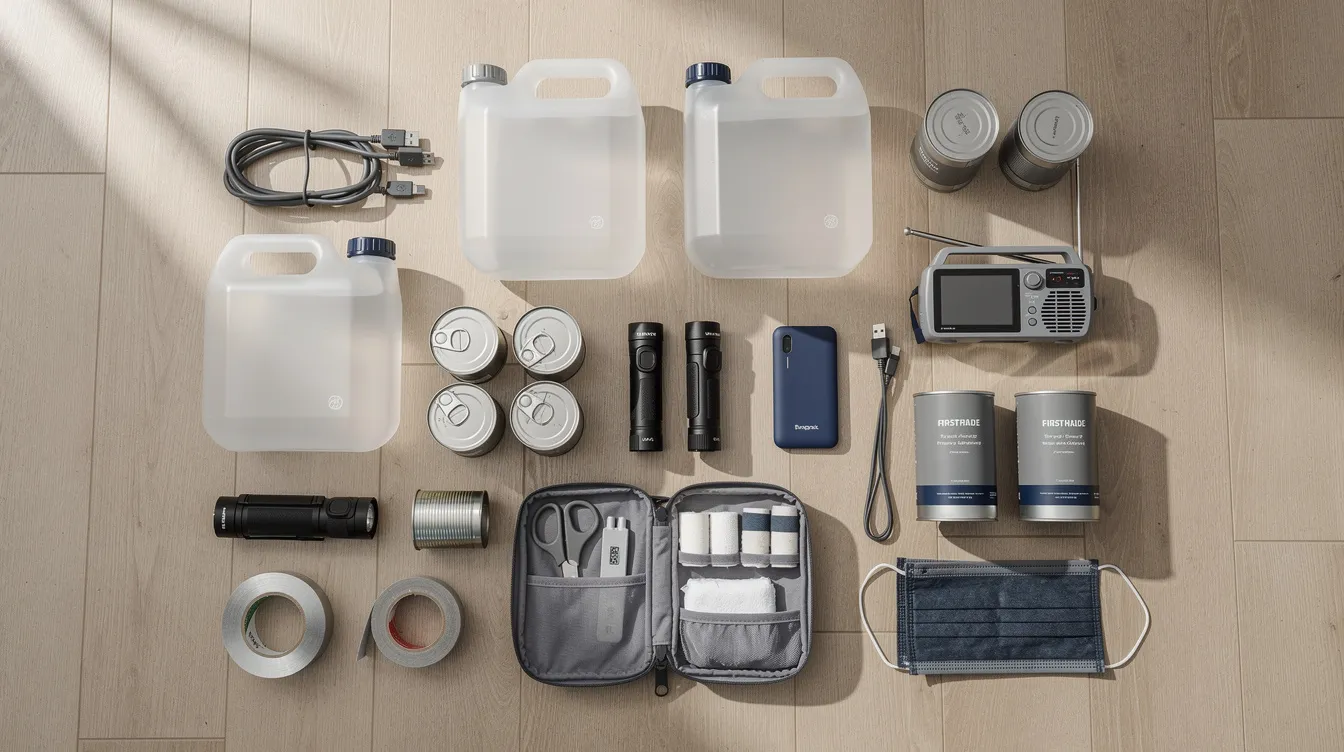
Photo 1: Compact Hurricane Kit Laid Out on a Small Apartment Floor
Why a Hurricane Disaster Kit Matters in 2026
NOAA's May 21, 2026 outlook projects a below-normal Atlantic hurricane season: 8 to 14 named storms, 3 to 6 hurricanes, and 1 to 3 major hurricanes (Category 3 or higher) between June 1 and November 30. The Accumulated Cyclone Energy is predicted at 30% to 90% of the seasonal median, driven by a strong El Niño event that suppresses tropical storm formation. Those numbers sound reassuring until you remember what a single storm can do.
After Hurricane Ian made landfall in Florida in 2022, affected households reported running out of supplies within 5 to 7 days. Some had no access to open roads or grocery stores for 10 to 14 days. During Hurricane Ida in 2021, urban apartment buildings lost elevator service and hallway lighting for over a week, forcing residents to haul food and water up darkened stairwells. A below-normal season forecast does not mean no storms; it means fewer, and any one of them can strand you. Emergency management agencies recommend preparing for at least 3 to 7 days of self-sufficiency, but recent storms show that a two-week home kit and a 72-hour go-bag are closer to what you actually need.
A hurricane disaster kit is not a box of random supplies. It is an organized set of essential items that lets your household survive without power, tap water, or store access for days or weeks. At Small Space Emergency, we build these kits around a core constraint: no garage, no basement, often less than 800 square feet. A basic emergency supply kit includes food and water at minimum, but a prepared household goes further with first aid, communication tools, documents, and sanitation gear, all packed to fit under a bed or behind a couch.
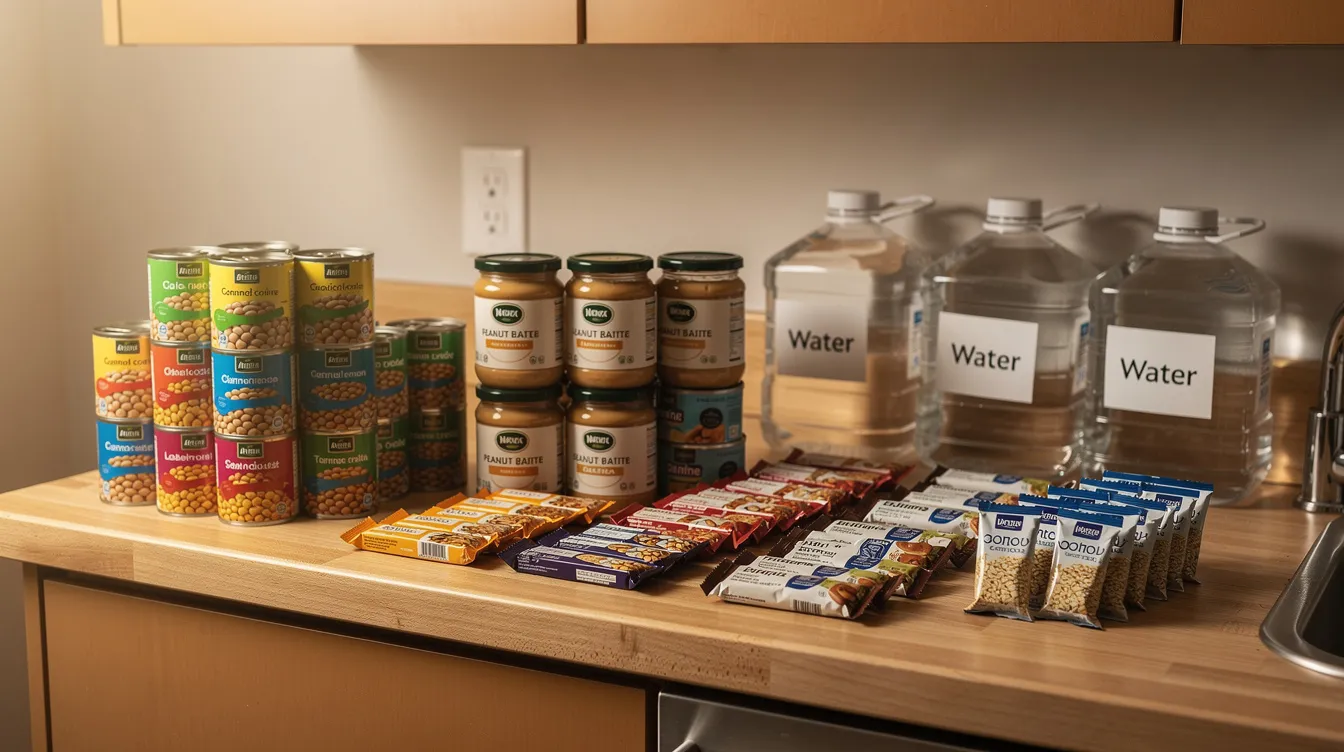
Photo 2: Shelf-Stable Hurricane Food and Water for Two Weeks
Core Hurricane Emergency Kit: What Every Small Home Needs
This section is your master checklist. Build it before June 1 each year. Emergency supplies should be fully stocked by that date, and a basic hurricane kit should contain food, water, and first aid as a baseline. Compact emergency supplies should last at least two weeks for shelter-in-place scenarios, while a comprehensive emergency kit should sustain your household for at least 3 days even under evacuation conditions. Plan for specialized needs in your emergency kit for children and older adults, including diapers, formula, toys, and any mobility aids.
Water
- Store at least 1 gallon of water per person per day for drinking and sanitation. For a two-week home supply, that means 14 gallons per adult.
- Stackable emergency water bricks (roughly 3 gallons each) fit under beds and on closet shelves better than round jugs.
- Collapsible water containers take up almost no space when empty and can be filled from the bathtub before a storm hits.
- Go-bags need 3 liters per person for three days, plus purification tablets or a compact filter as backup.
Food
- Include enough food for at least two weeks after a hurricane. Aim for roughly 2,000 calories per adult per day, which totals about 28,000 calories per person over 14 days.
- Prioritize foods that require little or no preparation: canned beans, tuna, chicken, nut butters, instant oats, shelf-stable milk, and emergency food bars with a 5-year shelf life.
- Include at least a 3-day supply of non perishable food in your go-bag as well.
- A manual can opener is essential for accessing canned food during power outages. Keep one in the home kit and one in the go-bag.
First Aid Kit
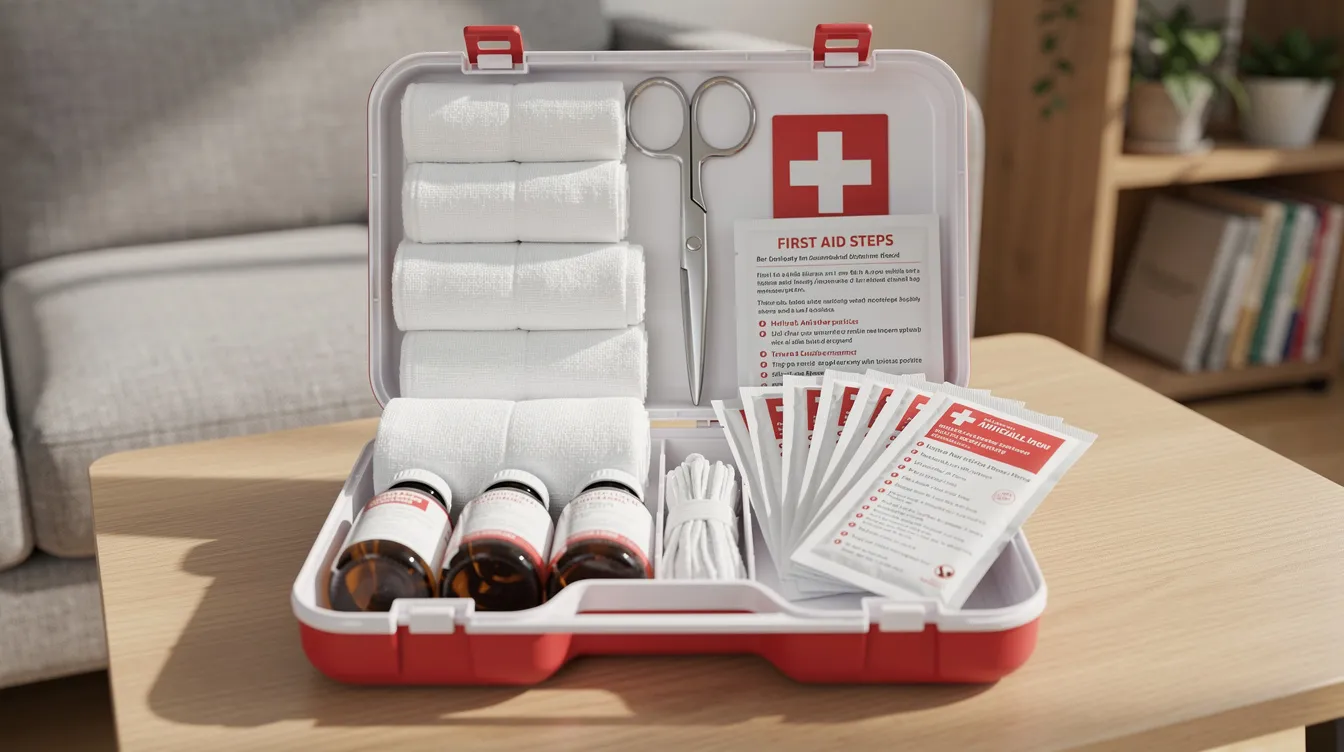
- Pack a fully stocked first aid kit: sterile gauze (2x2 and 4x4 pads), antiseptic wipes, adhesive bandages in multiple sizes, elastic wraps, tweezers, scissors, a digital thermometer, pain relievers (ibuprofen, acetaminophen), and antihistamines.
- Include a week's supply of prescriptions in labeled containers. If you or family members rely on specific medications, talk to your provider about getting an extended refill before hurricane season.
Light
- Headlamps are the best lighting option for power outages in tight hallways and stairwells because they keep your hands free for carrying supplies or guiding children.
- Add a small LED lantern per room and a few glow sticks for temporary backup lighting.
- Flashlights with fresh batteries belong in every go-bag. Avoid using candles for lighting due to the risk of fire; use flashlights instead.
Power
- Extra batteries and mobile power banks are essential during power outages. Choose power banks rated at 20,000 mAh with USB-C PD output to charge phones and tablets efficiently.
- A compact solar panel (10 to 20 watts) or hand crank charger extends your power supply during multi-day outages.
- Prepare to be without electricity for at least two weeks. A surge-protected power strip lets you charge multiple devices from a single generator outlet if one becomes available.
- Label each power bank with its charge date and capacity so you know what is ready.
Communication
- Have a reliable battery powered or hand crank NOAA weather radio for emergency alerts, pre-tuned to your local channel. A hand crank radio doubles as a backup charger for small devices.
- Print local emergency phone numbers and shelter locations on paper. Cell networks often fail or become congested during a storm.
- Plan how to get in touch with family during a hurricane: designate an out-of-state contact who can relay messages between loved ones if local signal drops.
Tools
- Multi-tool with pliers, screwdriver, and knife.
- Duct tape (flat rolls save space).
- Heavy-duty trash bags (at least 10; used for waste, waterproofing, and debris removal).
- Rope or paracord (50 feet, coiled flat).
- Compact crowbar or pry tool for clearing debris.
Sanitation
- Unscented household bleach (5 to 6% sodium hypochlorite) for water purification and surface disinfection.
- Disinfectant wipes, moist towelettes, and hand sanitizer for daily hygiene when running water is unavailable.
- Biodegradable soap, paper towels, and a collapsible bucket with heavy-duty liners that doubles as an emergency toilet.
- Include hygiene items such as soap, toothpaste, and any personal sanitation needs.
Safety and PPE
- N95 masks for airborne dust and mold during cleanup.
- Work gloves and safety goggles for handling debris.
- A whistle for signaling rescuers if you are stranded.
- Small ABC-rated fire extinguisher (2.5 lb fits in a cabinet).
- Battery-operated carbon monoxide detector if your building uses any backup fuel source.
Cash and Documents
- Store cash in small denominations as ATMs may not work during power outages. Twenty $5 bills and twenty $1 bills cover most emergency purchases.
- Keep important documents with your kit: IDs, insurance policies, lease or deed, medical records, and pet vaccination records. Details on protecting these are covered in the documents section below.
Photo 3: First Aid and Medical Corner of a Hurricane Kit
Designing a Hurricane Disaster Kit for Small Spaces
Limited closets, no garage, and possibly shared storage in an urban building do not disqualify you from full hurricane preparedness. Emergency supplies should fit in one or two containers if you choose the right ones and organize by function. Here is how Small Space Emergency approaches the layout.
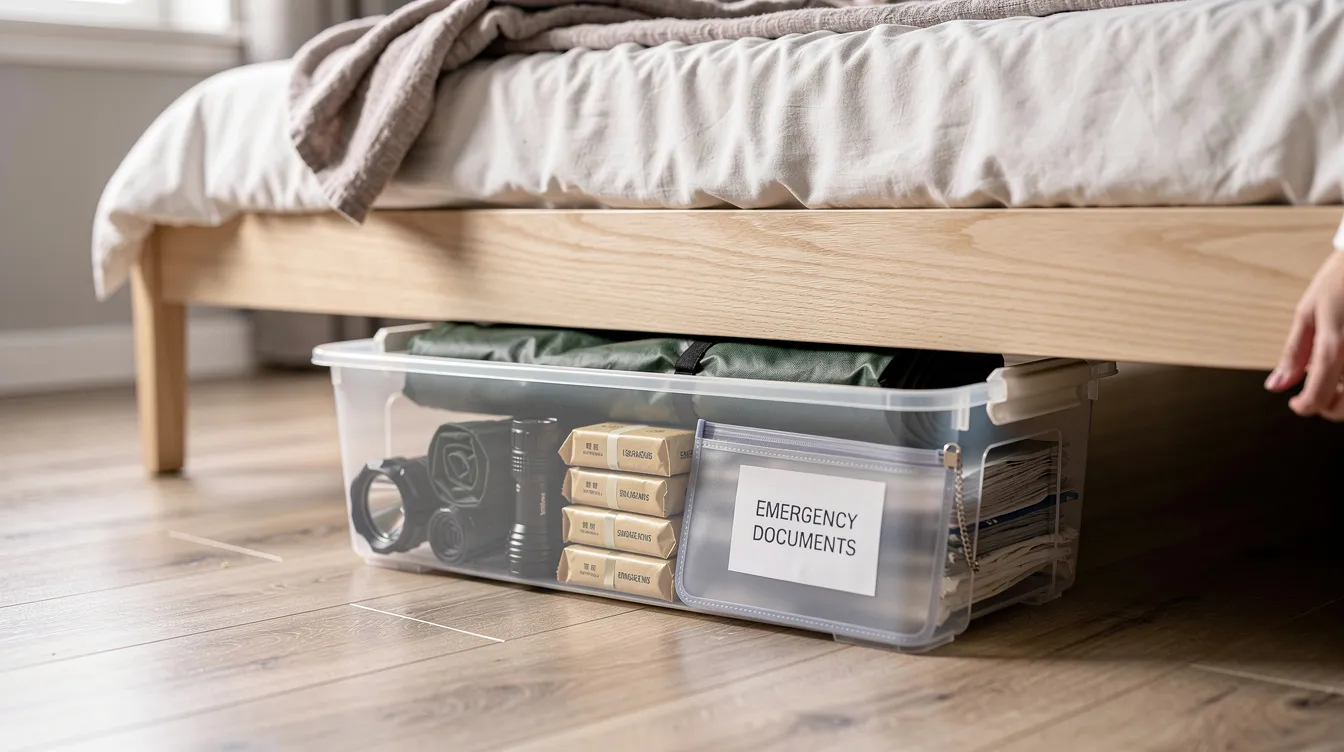
- Under-bed bins: Clear, latching plastic containers in the 30 to 40 quart range slide under most bed frames. Label the lid with a bold marker: "Hurricane Kit; Do Not Move; Last Updated April 2026." Transparent walls let you verify contents without pulling the bin out.
- Vertical storage: Wall-mounted shelves hold lightweight items like chargers, glow sticks, and spare batteries. Over-door organizers work for flashlights, power banks, and small tools. Use consistent color coding (e.g., red labels for medical, blue for water/food) so anyone in the household can find what they need in the dark.
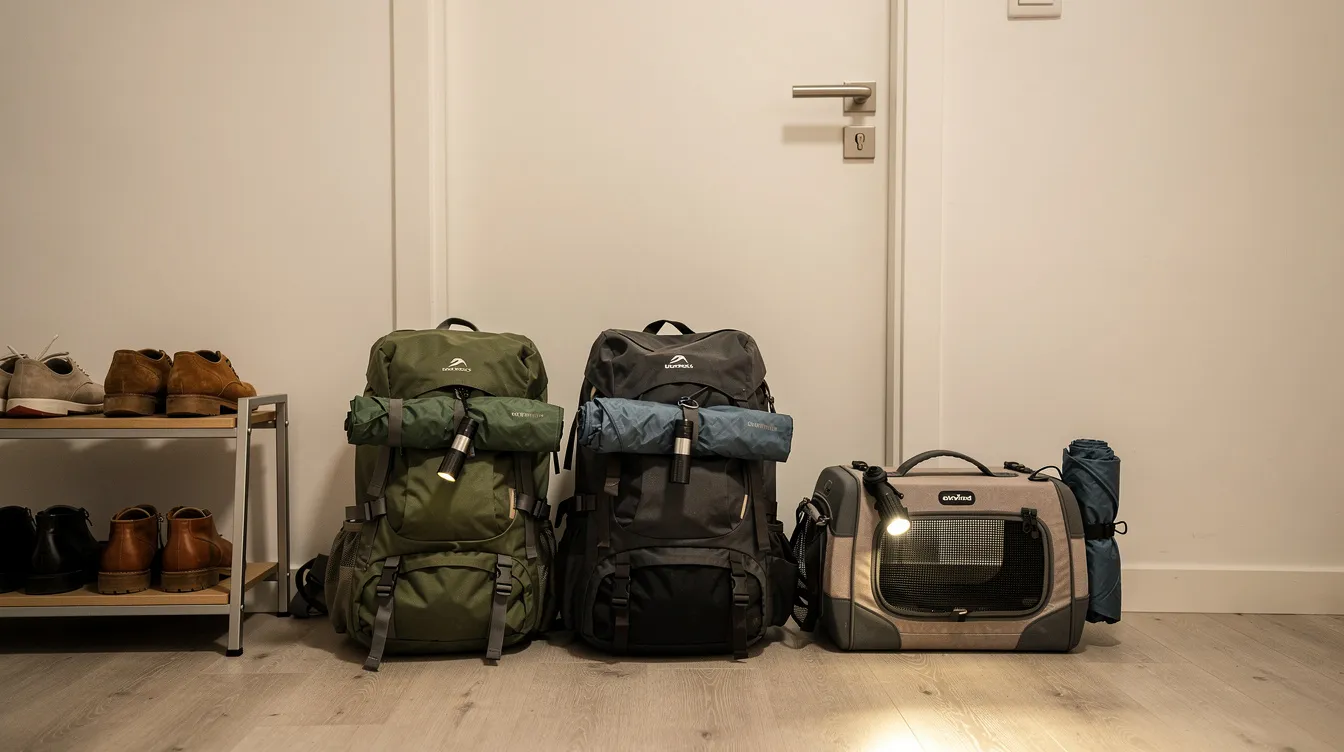
- Organize supplies into separate kits for home, quick evacuation, and vehicle use. Keep the home kit bins in one easy-to-grab zone near the apartment exit. The go-bag hangs on a hook by the door. If you own a car, a smaller backup bag lives in the trunk.
- Collapsible gear: Folding camp stoves, nesting cookware, collapsible water jugs, compact sleeping pads, and space blankets replace bulky alternatives. A space blanket weighs 2 ounces and provides warmth equivalent to a heavy blanket.
- Dual-use integration: Store part of your emergency water as daily drinking water and rotate it monthly. This reduces the "dead inventory" that sits unused and keeps your supply fresh without taking extra shelf space.
- Label everything: permanent marker on every item with the date purchased and "replace by" date. Example: "Battery pack; charged May 2026; replace by May 2028."
Photo 4: Under-Bed Storage Bin Labeled "Hurricane Kit"
Go-Bags for Fast Evacuation: 72-Hour Kits
When local authorities issue mandatory evacuation orders and elevators stop working, you need to be ready to leave in 15 minutes. A go-bag should be ready for each household member. Each person should have a go-bag for quick evacuation that they can carry down stairs and onto public transport if roads are jammed with car traffic.
A 72-hour kit should support survival for three days. Basic survival needs include food, water, and first aid. Compact kits should include food and water for 72 hours at minimum.
Backpack specs
- Water-resistant, 20 to 30 liters, comfortable straps with a chest clip. Lightweight construction matters for children and older adults. Store supplies in waterproof bags or backpacks; even a simple dry bag liner inside a regular backpack works.
Food and water
- 3 liters of water per person (bottles plus purification tablets or a portable filter).
- 3 days of compact food: energy bars, trail mix, instant noodles with a small pot, dried fruit. Prioritize calorie density over variety.
- Easy to carry containers help here; collapsible bottles and flat-packed food pouches save space.
Personal hygiene
- Travel-size toothpaste, toothbrush, soap, moist towelettes, menstrual products, a small towel, and a lightweight change of clothes sealed in a dry bag.
- Hygiene items like these weigh under a pound total and prevent infection in shelter conditions.
Mini first aid
- Plasters, blister pads, basic pain relievers, antihistamines, and copies of prescriptions. Pack this on top of the bag for fast access.
Documents
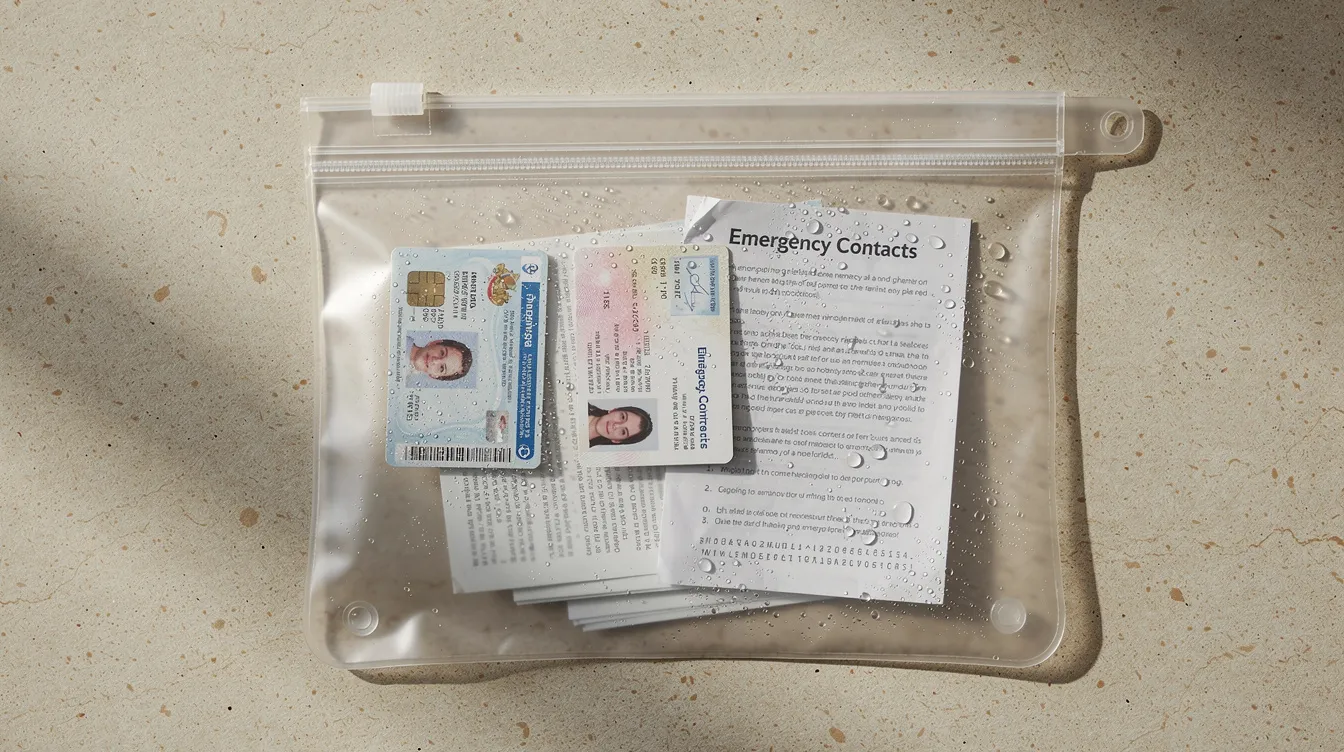
- Copies of important documents (IDs, lease, insurance, birth certificates, medical summaries) in a waterproof pouch. Also print emergency contacts and phone numbers on a single card.
- Your hurricane preparation checklist should include waterproof documents in every bag.
Pets
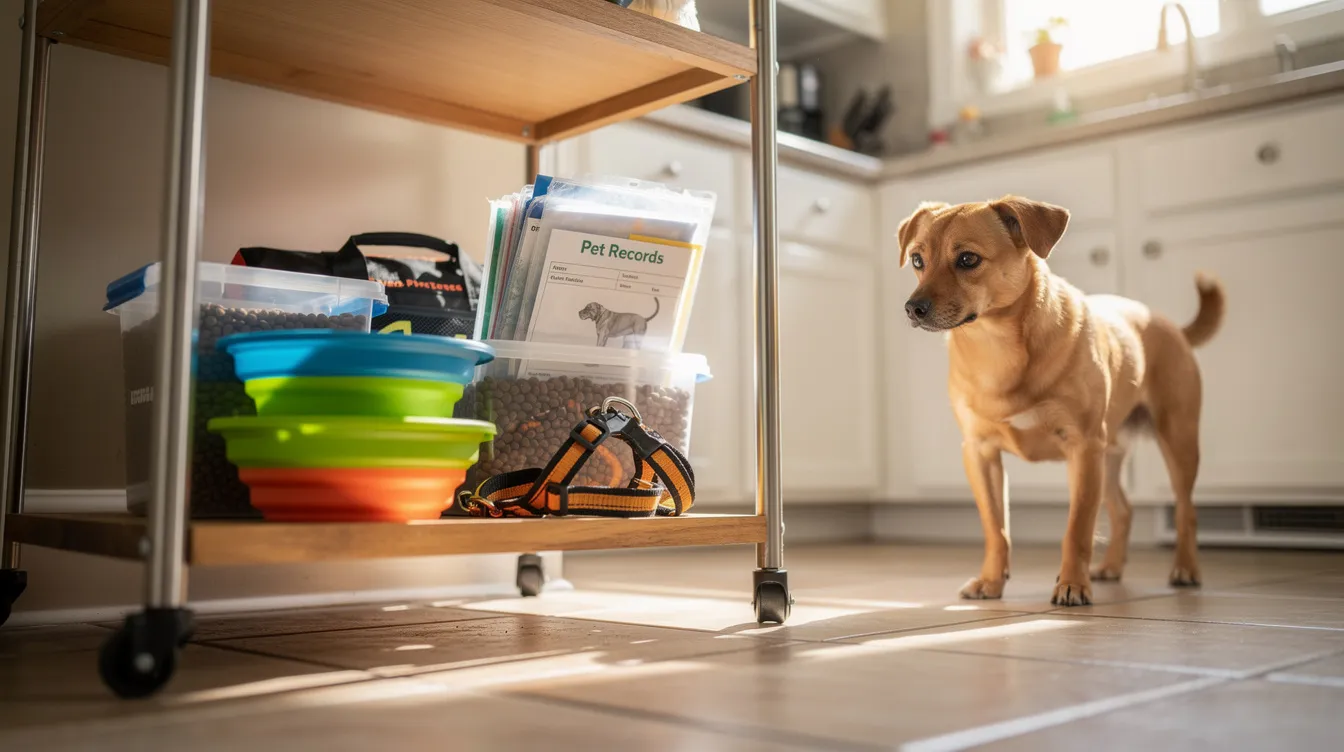
- Prepare supplies for pets, including food, water, and essential medical records. A dedicated pet go-bag should contain a collapsible bowl, 3 days of pet food, a leash, a carrier, vaccination records, and waste bags. Airtight plastic bags keep pet food fresh and odor-contained.
From a Small Space Emergency perspective, pre-pack go-bags and hang them on hooks by the door during hurricane season. They take zero closet space and are visible every time you leave the house, which serves as a daily reminder that you are prepared.
Photo 5: Hurricane Go-Bags Lined Up by a Small Apartment Door
Protecting Important Documents and Digital Records
In hurricanes, paperwork gets destroyed by floodwater and mold. Recovering without identification, insurance, or medical records can delay life-saving claims by months. Store important documents in a waterproof container to protect against flooding.
Documents to safeguard
- Passports, driver's licenses, Social Security cards
- Birth certificates, marriage certificates
- Property deeds or leases
- Renters' and homeowners' insurance policies
- Health insurance cards
- Immunization records and pet vaccination records
- A list of current medications and dosages
- A one-page "Household Snapshot" with contact info for your bank, utility accounts, landlord, employer, and key friends or family members
Physical storage
- Keep originals in a small, fire- and water-resistant box sized to fit on a closet shelf in an apartment. Models rated UL 72 (1-hour fire protection at 1,700°F) cost $30 to $60 and measure roughly 12 x 10 x 7 inches.
- Make color copies and place them in a waterproof zip pouch that lives inside your main emergency kit or go-bag.
Digital backups
- Scan every document in color and save encrypted copies to a password-protected cloud folder (Google Drive, iCloud, or similar).
- Store an additional copy on a small, encrypted USB drive kept with the kit.
- After Hurricane Ida, renters who lost physical copies but had cloud backups filed insurance claims weeks faster than those who had to request replacement documents from government offices.
Update schedule
- Review documents annually each April during hurricane kit maintenance. Revise whenever you move, change insurance, or update prescriptions.
Photo 6: Waterproof Pouch with Important Documents
Staying Safe During and After the Storm
This section covers how to use your hurricane disaster kit during landfall, flooding, and the aftermath, especially in multi-story apartment buildings.
Before the storm arrives
- Charge all devices and power banks to full capacity.
- Fill bathtubs and large pitchers with tap water for flushing and sanitation.
- Move your kit off the floor to avoid minor flooding; place bins on a table, shelf, or bed.
- Install proper hurricane shutters and secure outdoor furniture before a storm. Renters without shutters can use pre-cut plywood panels stored vertically behind a bookcase.
- Move your car to a safe place, ideally a covered parking structure on an upper level. Keep a small vehicle emergency bag in the trunk.
During the storm
- Stay away from windows. Move to an interior room or hallway, the most protected shelter in most apartments.
- Use battery lights, not candles. One overturned candle in a 500-square-foot studio can cause a fire within minutes.
- Keep the first aid kit and shoes next to you. Broken glass is one of the most common post-storm injuries.
- Monitor updates on your NOAA weather radio. If you lose signal, switch to a battery powered AM/FM radio.
- Keep a whistle around your neck in case you become trapped and need to signal rescuers.
After the storm
- Do not walk through floodwater; it may contain sewage, chemicals, or hide downed power lines.
- For basic surface disinfection, mix half a cup of unscented household bleach per gallon of water. For drinking water purification, use 8 drops of bleach per gallon, stir, and wait 30 minutes before consuming.
- Emergency supplies like N95 masks, work gloves, trash bags, and tools are used during cleanup of corridors, stairwells, and parking areas. Wear goggles when handling debris overhead.
- Document all damage with photos and video. Store these files alongside your digital copies of important documents for insurance claims.
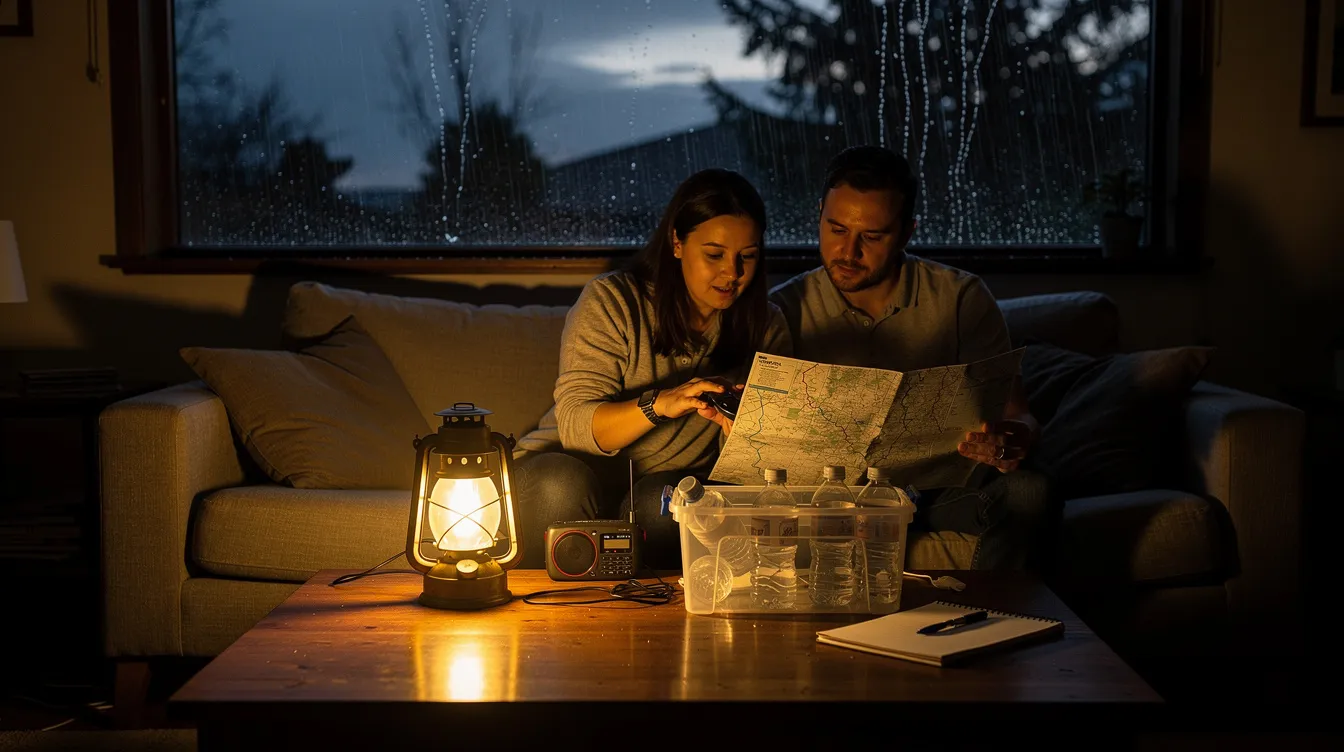
- Small Space Emergency encourages practicing a "lights out" drill once a year with all family members so everyone knows where kits and flashlights are in total darkness. One drill takes 10 minutes and eliminates hours of fumbling during an actual emergency.
Photo 7: Using the Hurricane Kit by Lantern Light After a Power Outage
Maintaining and Updating Your Hurricane Disaster Kit
A hurricane emergency kit is a living system. The most common failure is not building the kit; it is letting food, medications, and batteries expire and then discovering the problem during an emergency.
- Choose a fixed annual review date. The first weekend of April 2026 works well; you finish at least two months before hurricane season starts. Emergency supplies should be fully stocked by June 1 each year.
- Review and update your emergency kit at least twice a year for expired items. April and October cover the start and midpoint of the season.
- Rotate food: swap canned goods and energy bars into regular meals, then replace them with fresh stock. This prevents waste and keeps your supply within shelf life.
- Recharge power banks: lithium batteries lose capacity over time. Test each bank and replace any that hold less than 80% of rated capacity.
- Replace medications: expired pain relievers, antihistamines, and prescriptions lose effectiveness. Request refills from your pharmacy in March.
- Test gear: turn on every flashlight, lantern, and weather radio. Replace dead batteries immediately.
- Mark "Next check: April 2027" on bin lids with a bold marker. This takes five seconds and gives every person in the household a visual cue.
- After any storm where the kit is partially used, run a quick post-use checklist: note what you consumed, restock within one week, and update any changed contact info or medications.
- From a Small Space Emergency perspective, tape a one-page printed checklist inside the lid of your main container and save a copy on your phone. When you open the bin, the checklist is the first thing you see.
Photo 8: Checking Expiration Dates on Emergency Supplies
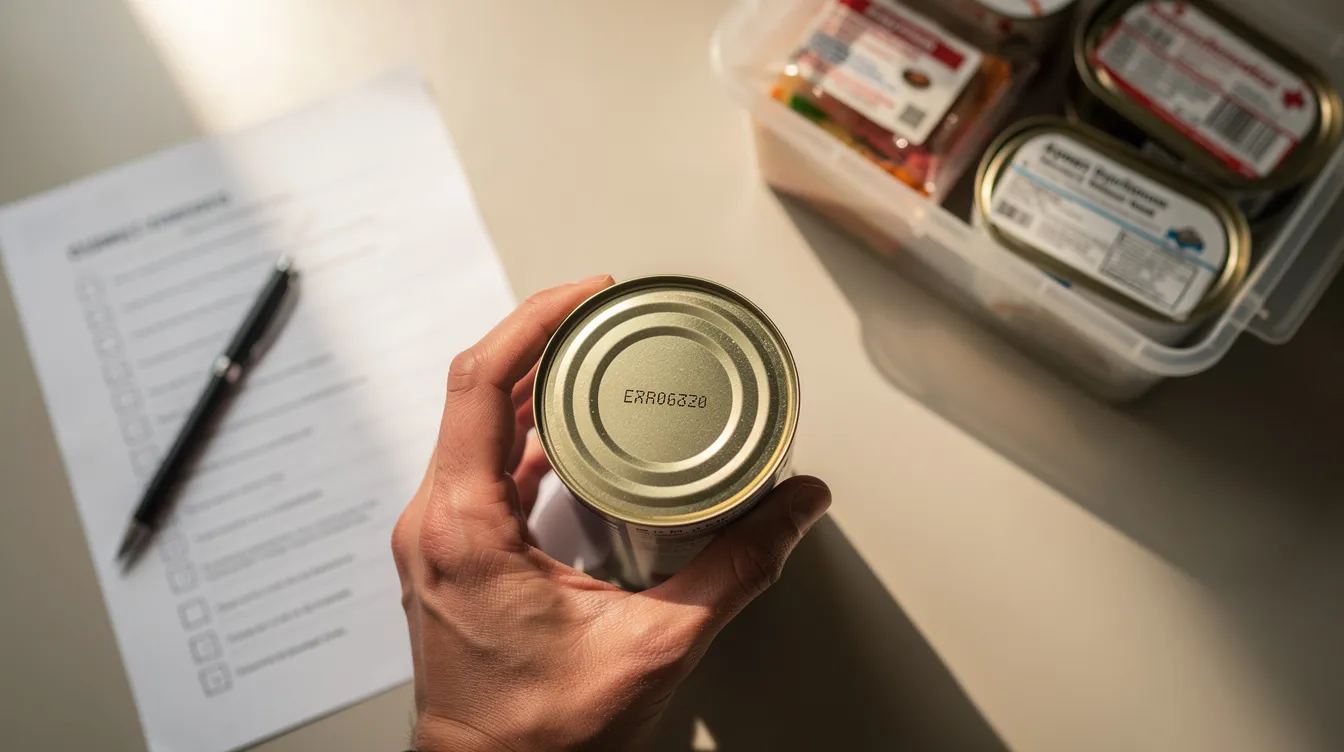
Photo 9: Household Members Reviewing a Hurricane Checklist in a Small Living Room
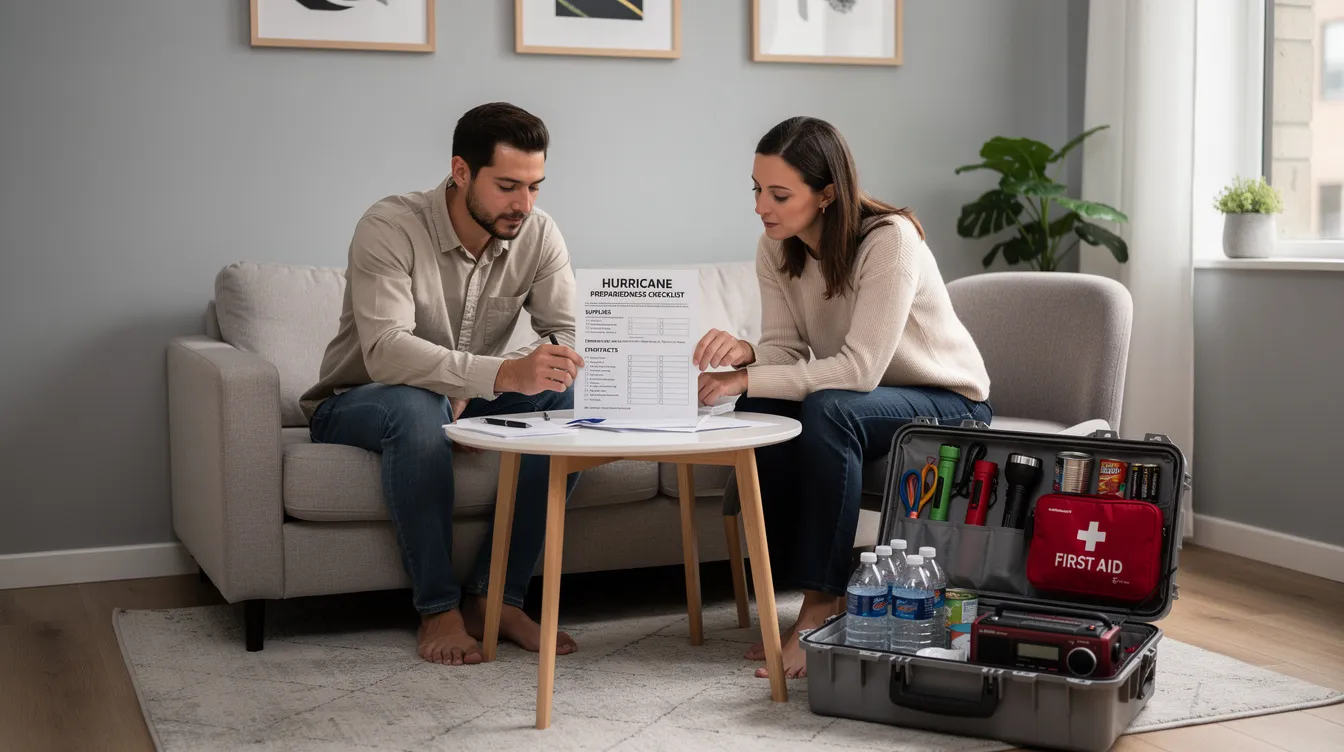
Photo 10: Pet-Focused Hurricane Supplies in a Small Kitchen Corner
FAQ: Hurricane Disaster Kits for Small Homes and Apartments
How much water should I realistically store in a small apartment?
The standard is 1 gallon per person per day. For a two-week home supply, that totals 14 gallons per adult, which takes up roughly 2 cubic feet using stackable water bricks. If 14 gallons per person truly does not fit, set a minimum of 5 to 7 days on hand and supplement by filling bathtubs, pots, and collapsible containers as soon as a storm watch is issued. A mix of gallon jugs, smaller bottles tucked into cabinet gaps, and flat water pouches stored vertically can distribute the volume across your apartment without dedicating one massive block of floor space.
Where should I keep my hurricane kit if I don't have a closet?
Under the bed is the most common solution for 30 to 40 quart bins. Other options: under a sofa, on high shelves above a washer/dryer unit, or in labeled bins stacked behind a couch against a wall. The key rule is keeping the main emergency kit near your primary exit so you can grab it or access it during an evacuation without crossing the entire apartment. Go-bags hang on hooks by the front door.
What if I rely on refrigerated medications during a hurricane?
Talk to your healthcare provider before hurricane season about room-temperature alternatives or extended refills. Some insulin formulations, for example, remain stable at controlled room temperature for up to 28 days once opened. For short-term cooling during outages, use an insulated pouch with frozen gel packs; a well-insulated lunch bag can hold temperature for 12 to 24 hours. If your medication requires continuous refrigeration beyond what ice packs provide, prioritize evacuating to a shelter or a friend's house with generator power.
How often should I replace items in my first aid kit and emergency kit?
Check everything at least once a year, ideally each April, and again after any storm where you used supplies. Medications typically expire within 1 to 2 years of purchase. Batteries last 5 to 10 years in storage depending on chemistry (lithium outlasts alkaline). Canned food is generally good for 2 to 5 years. Emergency food bars last up to 5 years when stored below 70°F. Write "replace by" dates directly on each item and on the printed checklist taped inside your bin lid.
Can I build a hurricane disaster kit on a tight budget?
Start with the three essentials: water (free from the tap, stored in cleaned 2-liter soda bottles), basic non perishable food (canned beans and rice from a dollar store run about $0.80 to $1.50 per can), and a first aid kit (a basic one costs $10 to $15). Add one or two items per paycheck: a flashlight one week, a power bank the next, duct tape and a can opener the week after. Repurpose backpacks and containers you already own. Watch for end-of-season sales on camping gear in September and October. A full 14-day kit built incrementally over 3 months costs less than a single restaurant dinner each week.
Editorial note: this guide provides general preparedness information, not emergency, medical, legal, or engineering advice. Recommendations are cross-checked against public emergency-management guidance and adapted for small-space living. During an active emergency, follow your local authorities and emergency services. See our editorial standards and affiliate disclosure.