HealthFirst Medical Kit Alternatives for Small Spaces
If you're searching for a HealthFirst medical kit but live in a studio apartment, a tiny home, or work from a compact office, you need emergency readiness adapted to your reality-not a clinical crash cart. This page breaks down how to bring the discipline of professional emergency medical kits into spaces where every square inch counts. In 2026, with emergency preparedness more relevant than ever, a well organized, HealthFirst-inspired setup can protect your household without consuming your closet.
HealthFirst kits are designed for clinical environments and not typical household use-they serve over 65,000 medical offices annually-but their organizational logic, medication management, and tiered readiness translate directly into smarter home and small-office kits. Below, you'll find the types of compact kits worth considering, what to look for in each, how to choose the right kit, and a visual guide to making it all work in tight quarters.
Types of HealthFirst-Style Medical Kits for Small Spaces
Professional STAT KIT® configurations range from compact SM-series essentials to the full STAT KIT Z 1000 mobile ACLS unit on wheels. For homes and small offices, the concept scales down into four practical categories based on where you store and how you use each kit.
Compact Home Base Medical Kit
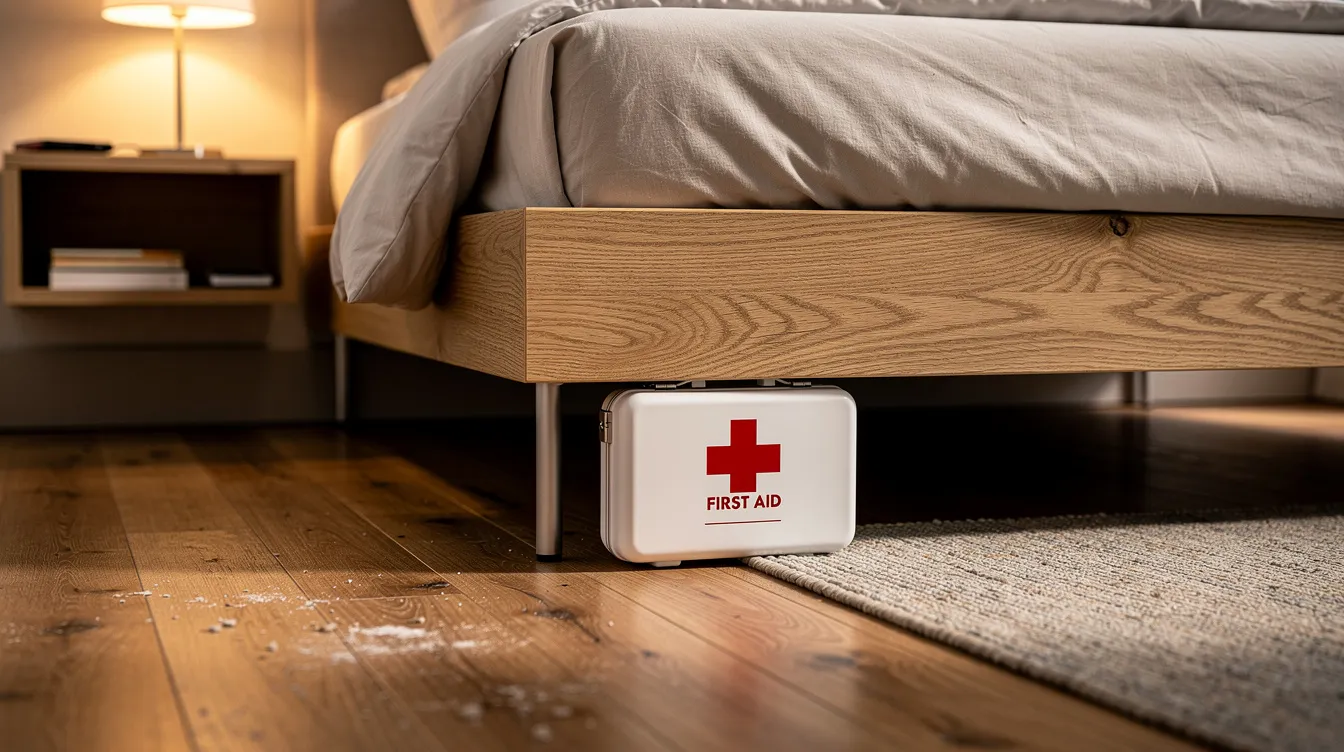
Think of this as your apartment's version of the STAT KIT 550-comprehensive coverage in a shoebox-sized container that slides into a closet or under a platform bed. Where the clinical stat kit 550 measures roughly 13.5" × 10" × 5.75", a home base kit should aim for under 12" × 8" × 4" to fit realistically in a studio apartment.
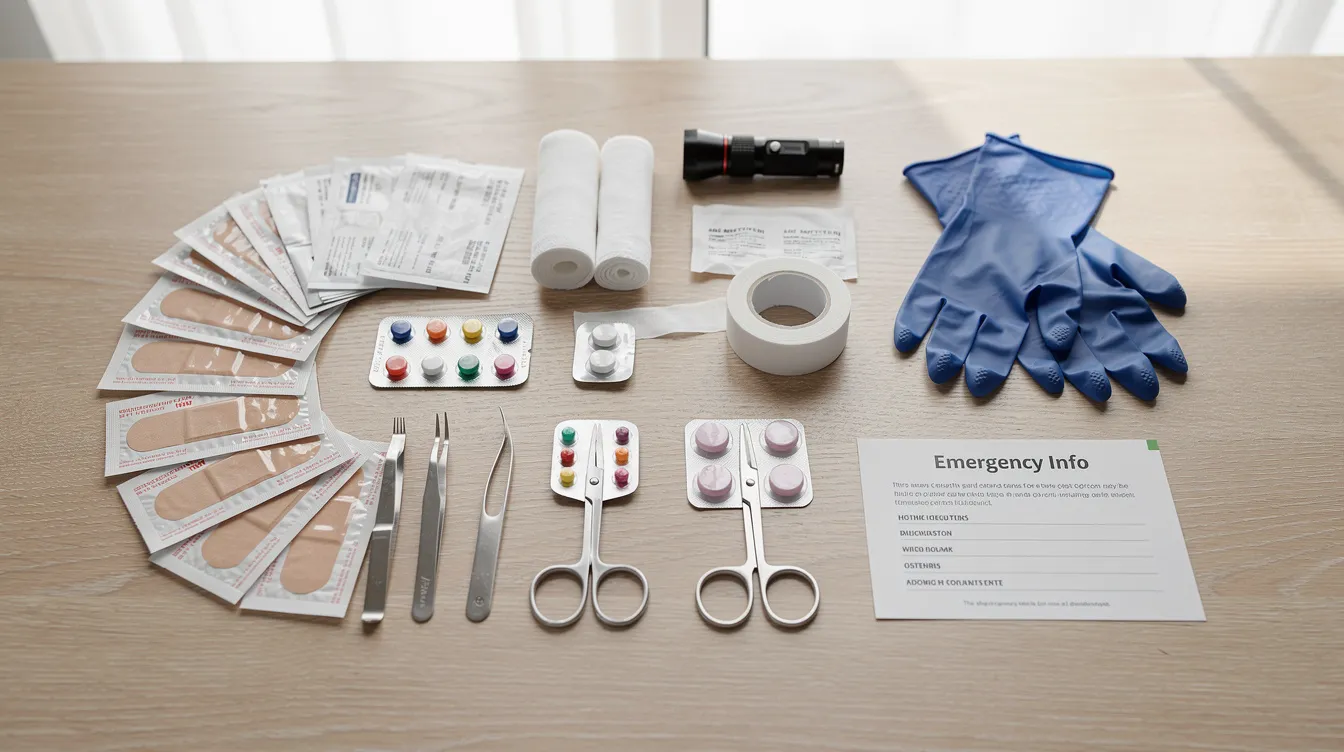
This medical kit is for renters, city dwellers, and anyone who wants a single hub covering most household emergencies. Core contents include wound care supplies (gauze, adhesive bandages, elastic wraps), OTC medications (pain relief, antihistamines, antacids), basic tools (scissors, tweezers, thermometer), nitrile gloves, a small flashlight, and an emergency contact sheet. It functions as the "hub" that smaller kits draw from for refills-mirroring how healthcare facilities use a central emergency kit to resupply satellite stations.
Grab-and-Go Emergency Pouch
This is the minimalist cousin of clinical go-bags-a flat, ultralight pouch you grab during a fire alarm, earthquake, or evacuation order. Emergency medical kits support rapid response during medical emergencies, and in a high-rise stairwell at 2 a.m., rapid means small and wearable.
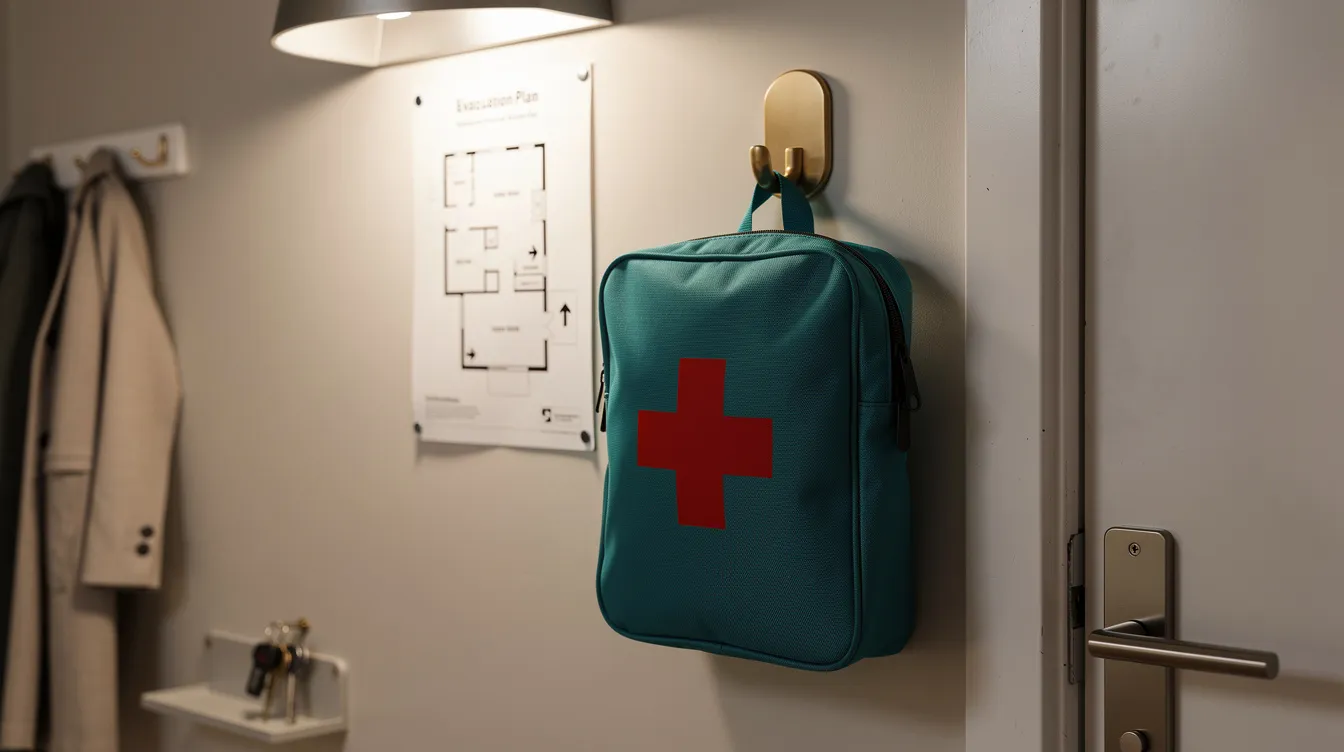
Designed for apartment dwellers, dorm residents, and anyone in wildfire or hurricane zones, this pouch holds pocket first-aid items, essential medications, copies of prescriptions, a compact whistle, an emergency info card, and a small power bank. The design should be sling-style or waist-pack format-flat enough to wear through crowded stairwells and onto public transit without slowing you down.
Car and Commuter Medical Kit
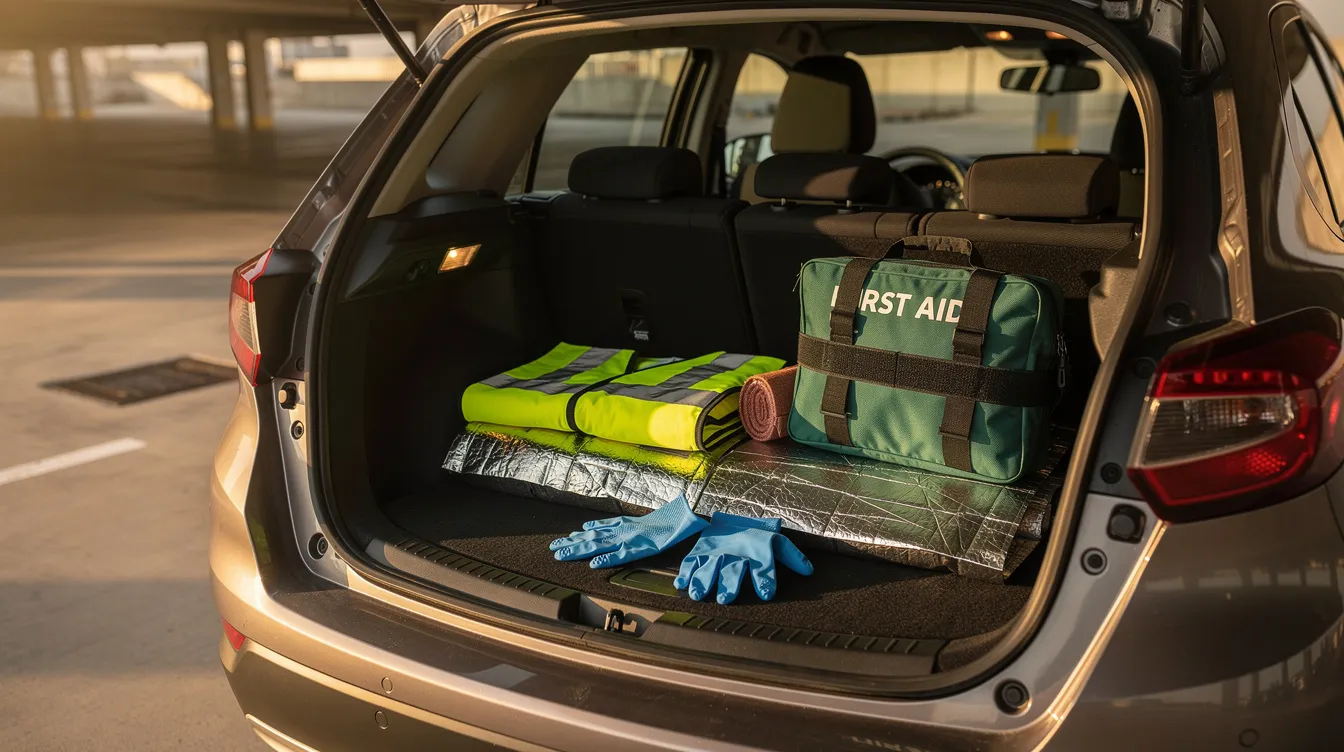
A glovebox- or under-seat-sized kit optimized for drivers, rideshare workers, and daily commuters. Emergency preparedness solutions help manage unexpected crises even on the road-minor fender-bender injuries, sudden illness on a long highway stretch, or a roadside wait for a tow truck in winter.
High-level contents include trauma bandages, instant cold packs, a hi-vis vest, a space blanket, basic tools, motion-sickness relief, and glucose tablets. Because car trunks can exceed 140°F in summer parking, heat-resistant packing matters here more than anywhere else. Choose containers that insulate medications and devices from temperature swings-certain meds like epinephrine degrade rapidly in heat.
Desk or Small-Office Medical Kit
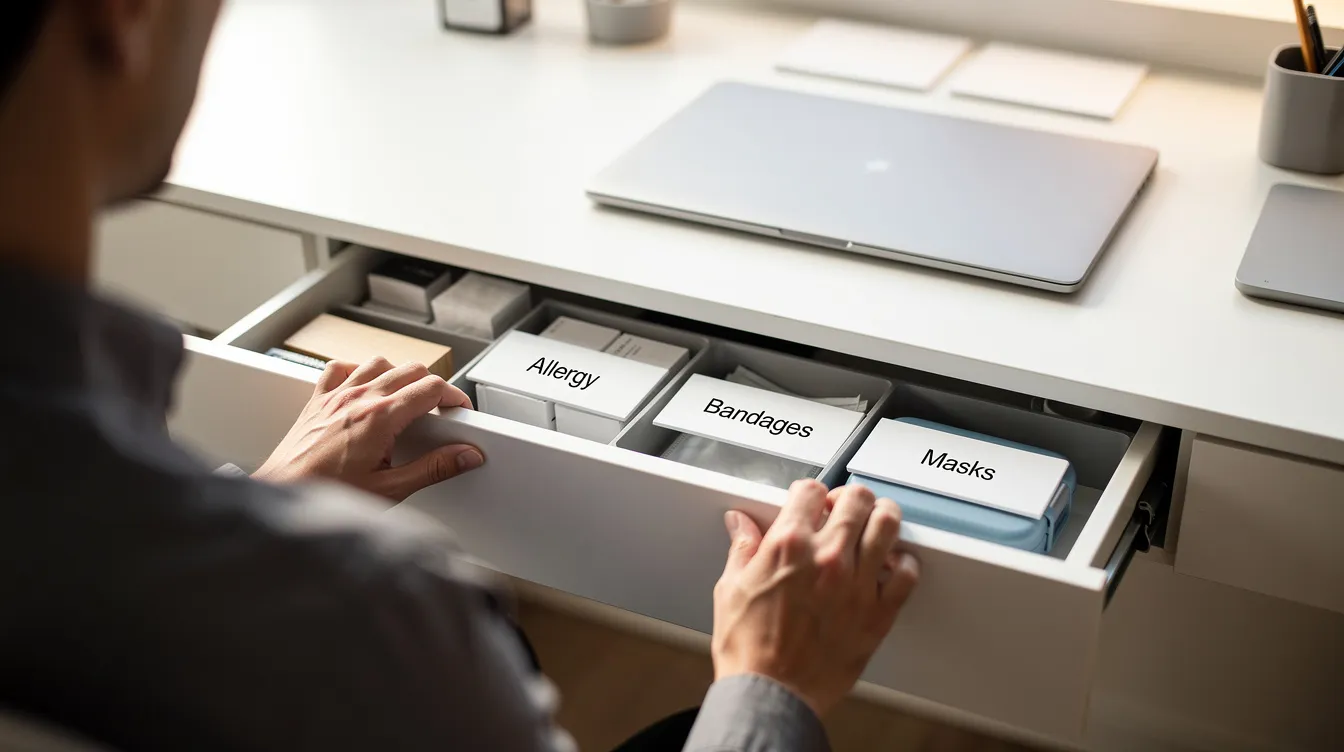
For freelancers and small teams in shared studios or coworking spaces, this kit mirrors the logic HealthFirst offers to general practice offices-but scaled to a single desk drawer. Emergency kits include essential medications and equipment for situations like cuts from box cutters, fainting during a long meeting, migraines, or an allergic reaction at a team lunch.
Contents fit inside a labeled box or drawer insert: adhesive bandages, antiseptic wipes, headache and allergy medications, instant cold packs, disposable masks, and nitrile gloves. The goal is quick access without cluttering limited desk or supply-closet space. A simple contents map taped inside the lid-borrowing the labeling discipline of professional kits-helps anyone on the team find what they need without fumbling.
What to Look For in a HealthFirst-Style Medical Kit for Home and Office
Organizations choose professional-grade emergency kits to enhance readiness for acute events. The same principles-organization, labeling, coverage, maintenance, durability-apply when you're building or buying a compact kit for a 400-square-foot apartment. Here's what separates a useful kit from a dusty box of expired medications.
Space-Efficient Layout and Storage
In professional settings, the stat kit 750 and more advanced kits use structured compartments in durable cases. At home, slim modular containers do the same job in a fraction of the footprint. Look for stackable pouches, labeled zip bags, or accordion-style organizers rather than bulky plastic bins.
Dimensions matter concretely: a kit under 12" × 8" × 4" can slide beneath most platform beds, fit inside a standard closet shelf cubby, or stand upright in a narrow coat closet. For studio apartments, wall-mounted soft cases inside a galley kitchen cabinet or behind a bedroom door free up floor and shelf space entirely. Compact emergency kits are beneficial for urban dwellers with limited storage-every inch of real estate you save on the kit is an inch you keep for living.
Clearly Labeled, Easy-to-Find Contents
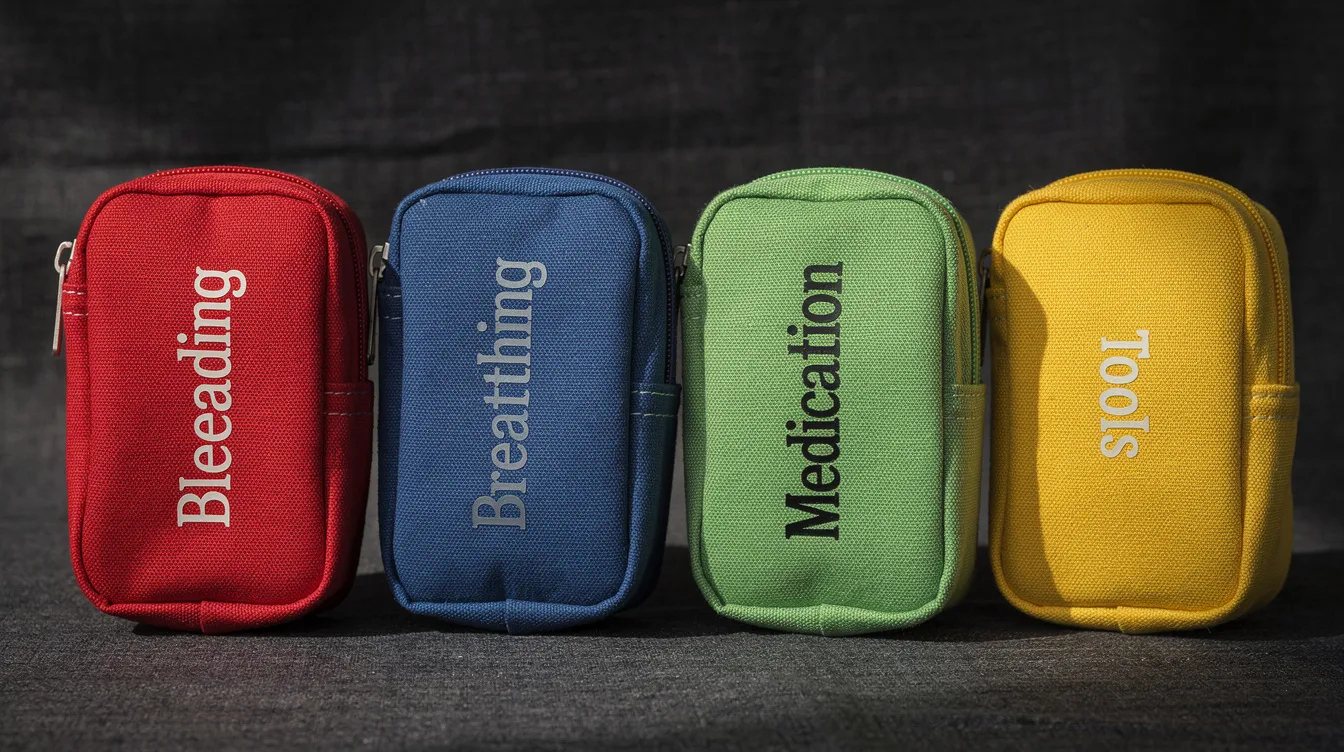
Emergency kits should be organized for rapid access. In a medical emergency-a deep kitchen cut, an asthma attack at 3 a.m.-you don't have time to dig through tangled supplies. Professional kits use color-coded sections and bold labels; your home kit should do the same.
Tape a simple contents map inside the lid for immediate access and orientation. Use transparent pouches or labeled dividers so contents are visible even in low-light or high-stress situations. Color-coding works well: red for bleeding control, blue for breathing and respiratory supplies, green for medications, yellow for tools. This system, inspired by the way HealthFirst emergency medical kits organize delivery devices and medications separately, cuts panic-driven search time dramatically.
Coverage for Real-World Home Emergencies
Common medical emergencies at home look nothing like a dental office cardiac event. Kitchen cuts from sharp knives, burns from hot pans, slips on wet bathroom tile, asthma flare-ups during allergy season, power outages that leave someone without climate control-these are the scenarios your kit needs to handle.
Map each risk to a specific item: burn gel and non-stick pads for cooking injuries, elastic wraps and cold packs for sprains, an inhaler spacer if anyone in the household uses a rescue inhaler, oral rehydration salts for stomach illness or heat exhaustion, and antihistamines for allergic reactions. Include both trauma items and comfort items-antacids, anti-diarrheal tablets, electrolyte packets-that keep someone stable until professional patient care arrives. HealthFirst kits include medications like auvi-Q epinephrine injection and naloxone for life-threatening events; for homes with known severe allergies, keeping an epinephrine auto injector (with your doctor's prescription) follows the same logic.
Medication Management and Expiry Tracking
OnTraq™ automates inventory management for emergency medical kits in clinical settings, monitoring inventory and tracking expiration dates so healthcare professionals never face expired medications in a crisis. Automatic replenishment replaces supplies before they expire. You probably don't need software for a home kit-but you absolutely need a system.
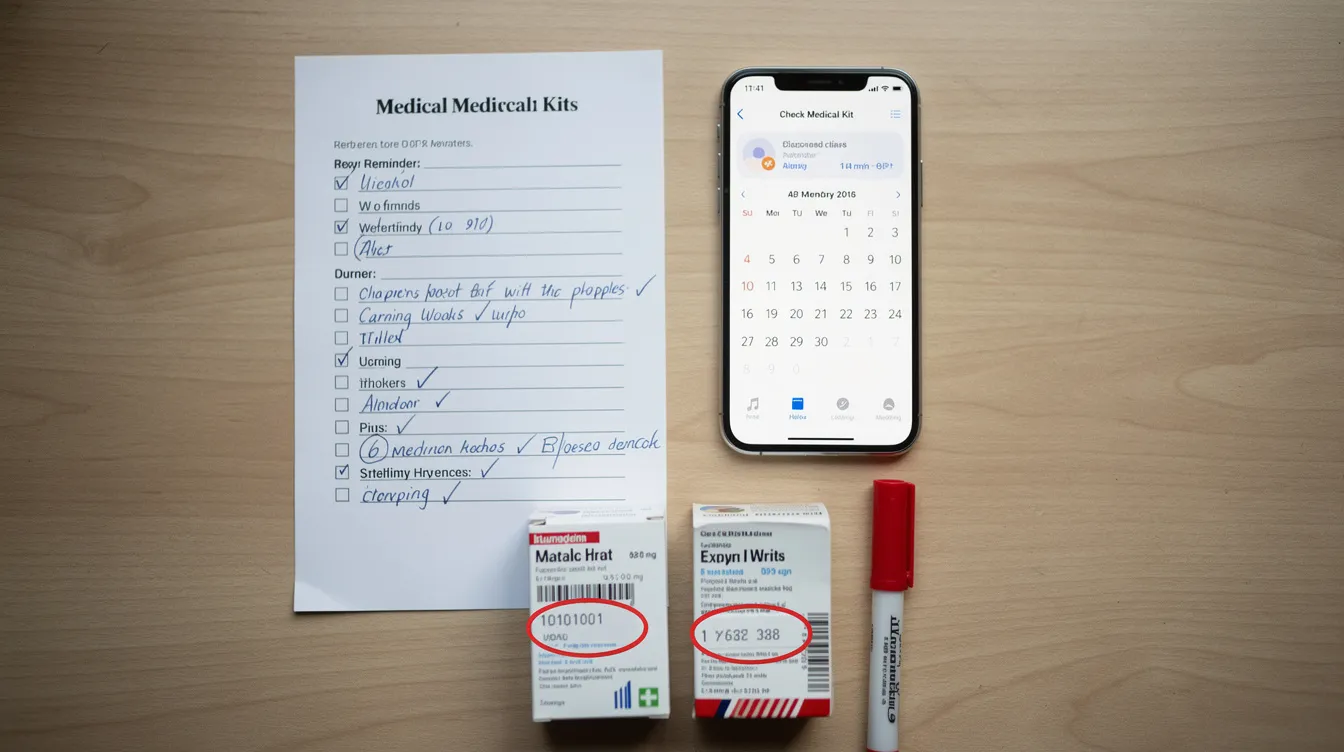
Borrow the OnTraq-style mindset with low-tech methods: write the expiration date in large marker on the front of every medication box, tape a master checklist inside the kit lid listing each item and its expiry, and set a recurring calendar reminder every six months to audit everything. Certain medications are especially time-sensitive-epinephrine injection USP 0.15mg auto injectors, nitroglycerin tablets, and children's liquid medicines degrade faster than most people expect. Medication expiration dates aren't suggestions; using expired medications in a genuine emergency can mean the difference between effective treatment and a dangerous failure. Standardized kits reduce compliance gaps and hidden costs, and even a simple checklist system at home achieves the same goal.
Durability and Environmental Resistance
Many HealthFirst kits use water-resistant canvas or rugged medical-grade cases. At home, you need similar thinking scaled to your storage spots. Bathrooms get steamy, car trunks overheat, and uninsulated attic crawl spaces swing between extremes-none are ideal for medications and devices.
For go-bags and car kits, choose hard-shell or rugged nylon pouches rated for moisture resistance. For climate-controlled interior closets, a simpler rigid container works fine. If your household includes children or pets, child-resistant containers or locking pouches add a critical safety layer-especially if the kit holds any prescription medications. The control you exercise over storage conditions directly affects how long your supplies stay viable.
How to Choose the Right HealthFirst-Style Medical Kit for Your Space
Choosing the right emergency medical kit comes down to matching your living situation, health profile, local risks, and daily routines. Here's how each criterion changes your decision:
- Living space size and layout - A studio apartment needs a single compact home base kit (under-bed or wall-mounted) supplemented by a grab-and-go pouch. A two-bedroom shared house might distribute supplies across rooms. Larger organizations or shared living spaces benefit from a central kit plus individual personal pouches.
- Household health conditions - If anyone in the household manages asthma, severe allergies, diabetes, or a heart condition, that drives content priority. Certain kits include both adult and pediatric epinephrine auto-injectors; homes with children and known allergies should follow that same redundancy. The patient population of your household determines whether you need glucose tablets, a backup inhaler, or nitroglycerin.
- Local risks and climate - Earthquake zones call for more trauma supplies and dust masks. Hurricane coasts need waterproof packing and extra hydration supplies. Very hot cities require heat-resistant containers and awareness of national drug backorder status that might delay replacements for temperature-sensitive medications. Emergency preparedness solutions help manage unexpected crises in small living spaces regardless of geography-but geography shapes what goes inside.
- Mobility and evacuation plans - People without cars or relying on public transit need lighter, wearable kits. If your evacuation plan involves stairs and buses, a 5-pound bag modeled on the stat kit SM30 is too heavy. A flat sling pouch under 2 pounds, focused on immediate access to critical items, fits this scenario far better.
- Budget and upgrade path - Start with a basic compact kit ($30–$50 for core wound care and OTC meds), then layer on specialized items over time. A robust multi-scenario kit runs $75–$150 as of 2026. Compare this to clinical STAT KIT pricing-the SM10 runs approximately $979 including a year of medication management at a flat annual fee-and it's clear that home kits can deliver meaningful emergency readiness at a fraction of the additional cost. Prioritize high-impact items first (wound care, key medications, light source) and add specialized gear as budget allows.
High-Impact Photo Ideas: Visual Guide to HealthFirst-Style Small-Space Kits
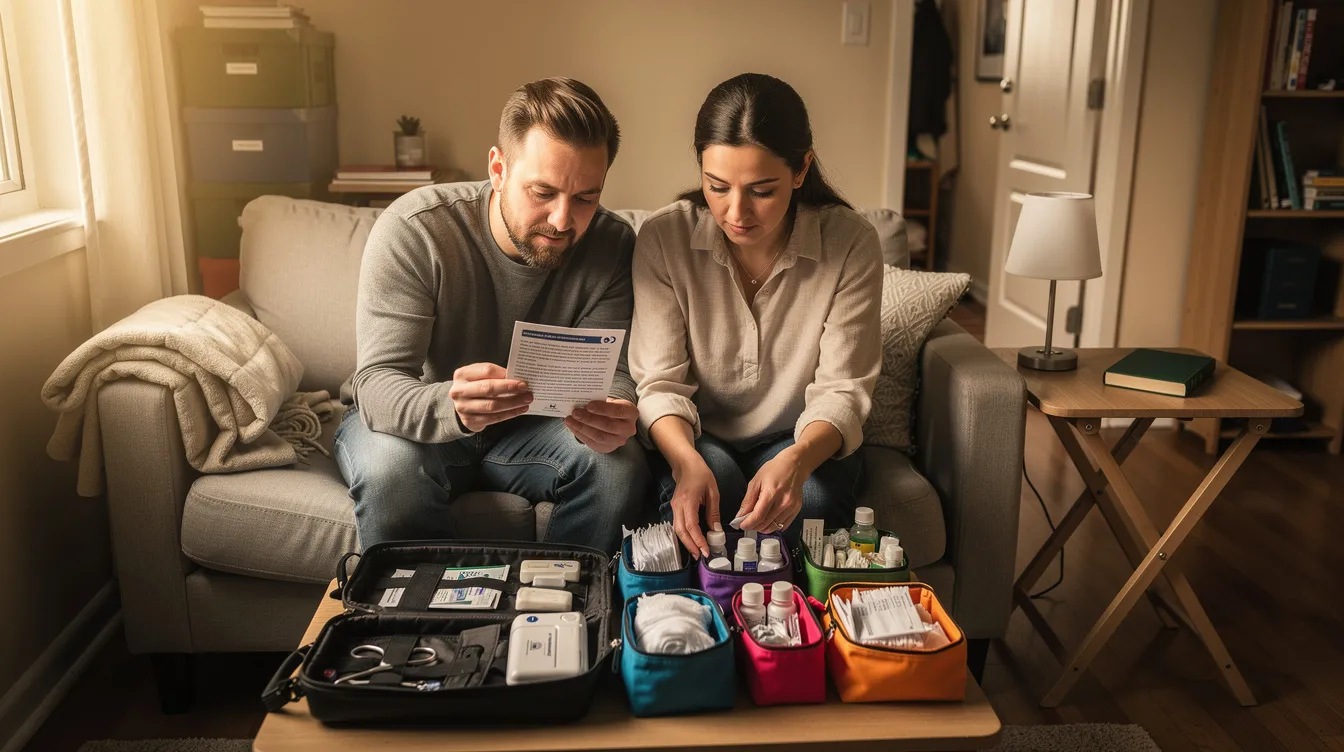
Great emergency preparedness starts with knowing what your kit looks like, where it lives, and how it works in real scenarios. The images throughout this page illustrate exactly that-providing key insights into how compact kits function in actual small-space settings. Below are two additional scene concepts that round out the visual guide.
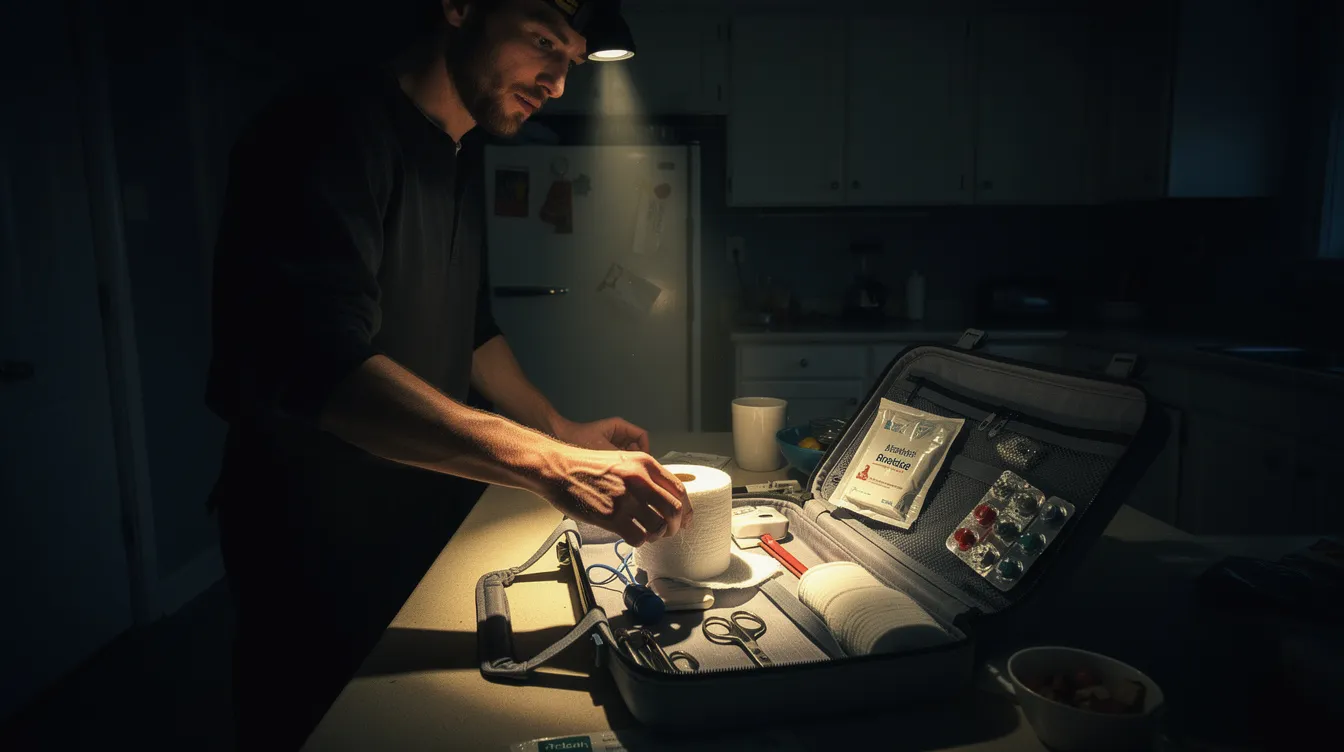
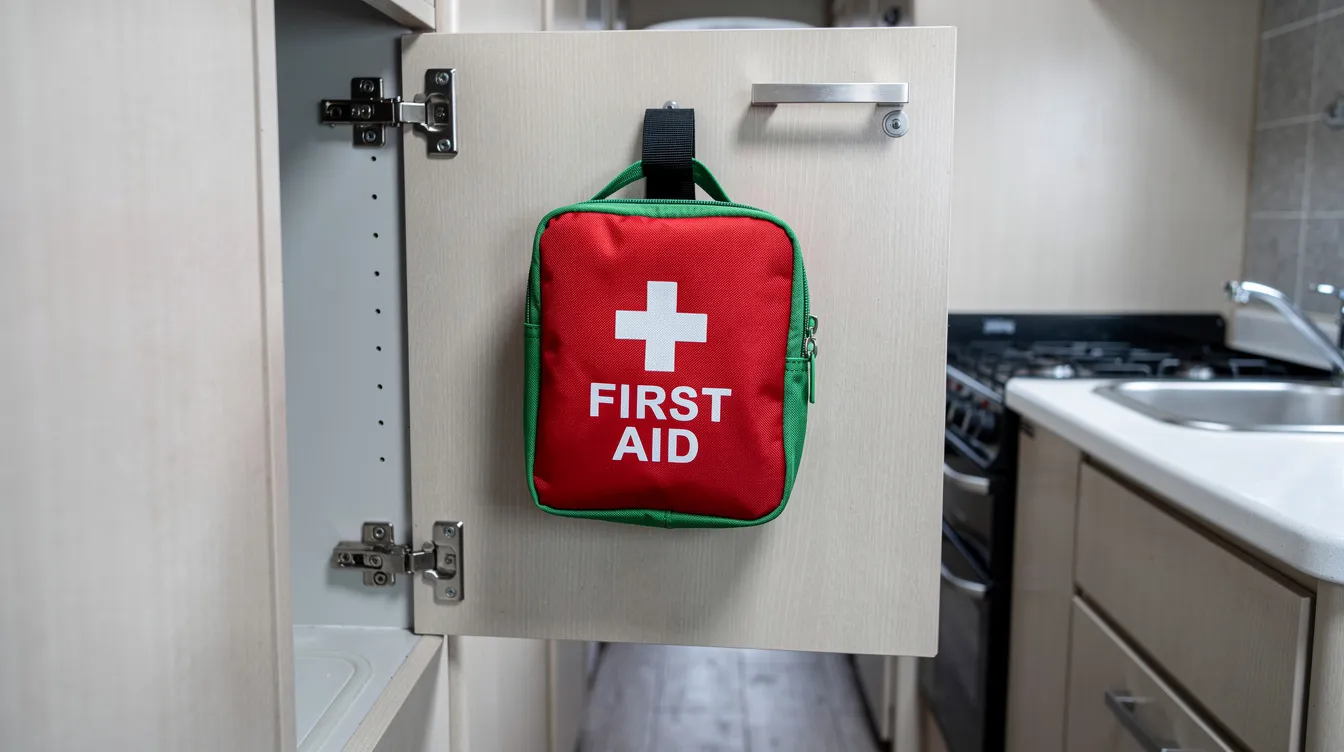
Proper emergency preparedness includes training healthcare personnel to respond effectively, and the same principle applies at home: knowing where your kit is and what's inside matters as much as having one. Training kits demonstrate proper use of emergency medications in clinical settings, including use of portable emergency oxygen systems, and that training is designed for qualified healthcare professionals-but for household members, even a 15-minute walkthrough of your kit's contents and a basic online training video on wound care and CPR builds confidence that saves lives. Many professional programs offer one-year access to training materials and CE credit for participants; look for free equivalents from the Red Cross or local fire departments to build your household's skills.
Frequently Asked Questions About HealthFirst-Style Medical Kits at Home
These questions come up regularly when people search for "healthfirst medical kit" but actually need solutions for apartments, tiny homes, and small offices.
Do I really need a professional-style medical kit in a small apartment?
You don't need the full contents of a clinical STAT KIT-items like IV supplies, advanced airway devices, or the Z 1000 mobile ACLS equipment belong in healthcare facilities, not under your bed. But a curated, HealthFirst-inspired setup tailored to home risks is genuinely valuable. Emergency medical kits reduce the risk of medication errors by keeping supplies organized and current. At minimum, every household benefits from wound care basics, a few key OTC medications, gloves, and a light source. Scale up from there based on your household's health profile.
How much should I expect to spend building a quality small-space kit?
A solid starter kit covering wound care and basic OTC medications runs under $50. A robust multi-scenario kit with medications, tools, and a quality container costs $75–$150 as of 2026. Compare this to professional HealthFirst kits-the SM10 starts around $979 including upcoming medication replenishment shipments and online compliance documentation for a year-and it's clear that home kits deliver strong emergency readiness at accessible price points. Prioritize high-impact items first and add specialized equipment later as your budget allows.
Where is the safest place to store a medical kit in a small home?
Choose cool, dry, easily reachable spots: an interior closet, under a bed, or a wall-mounted cabinet away from steam and direct heat. Bathrooms and hot kitchens are poor choices-moisture and temperature swings accelerate medication degradation. In shared housing, balance access and privacy: a labeled kit in a common closet works for shared supplies, while personal prescription medications belong in your own room. Smart automation OnTraq-style tracking isn't necessary at home, but smart placement ensures immediate access when seconds matter.
How often should I update or restock my kit?
Check every six months at minimum, and immediately after any incident where supplies were used. Set a calendar reminder-this mirrors the automated management approach that HealthFirst mail in monitoring system 52 tests and tracking software use to maintain compliance and readiness of emergency supplies in clinical settings. Specific triggers for a full review include: new prescription medications in the household, a move to a new climate zone, adding a household member (especially a child), or lot numbers on medications matching a recall notice.
Can I rely on a store-bought kit, or should I customize my own?
Most people do best with a hybrid approach: start with a well organized pre-assembled compact kit as your base, then customize it for your household's specific health conditions and local hazards. A generic store-bought kit covers common scenarios but won't include your family's prescription medications, allergy-specific supplies, or climate-appropriate items. HealthFirst kits offer benefits such as medication replenishment and organized storage solutions at the clinical level; at home, the equivalent is building a kit you actually know and periodically reviewing it to keep it prepared for your real risks.
Browse Compact HealthFirst-Style Kits from Small Space Emergency
The core idea is simple: borrow the discipline, organization, and medication management rigor of professional HealthFirst emergency medical kits, then scale everything to fit beneath a bed, inside a desk drawer, or on a hook by your front door. Whether you start with a basic home base kit or build a layered system with a grab-and-go pouch, car kit, and office setup, the right kit matched to your space keeps you prepared without overwhelming your home.
Explore compact kits and downloadable checklists designed specifically for apartments, tiny homes, and small offices. Pick a starter kit, set your first six-month reminder, and turn a weekend afternoon into the hour that gets your household ready for whatever comes next.
Editorial note: this guide provides general preparedness information, not emergency, medical, legal, or engineering advice. Recommendations are cross-checked against public emergency-management guidance and adapted for small-space living. During an active emergency, follow your local authorities and emergency services. See our editorial standards and affiliate disclosure.